
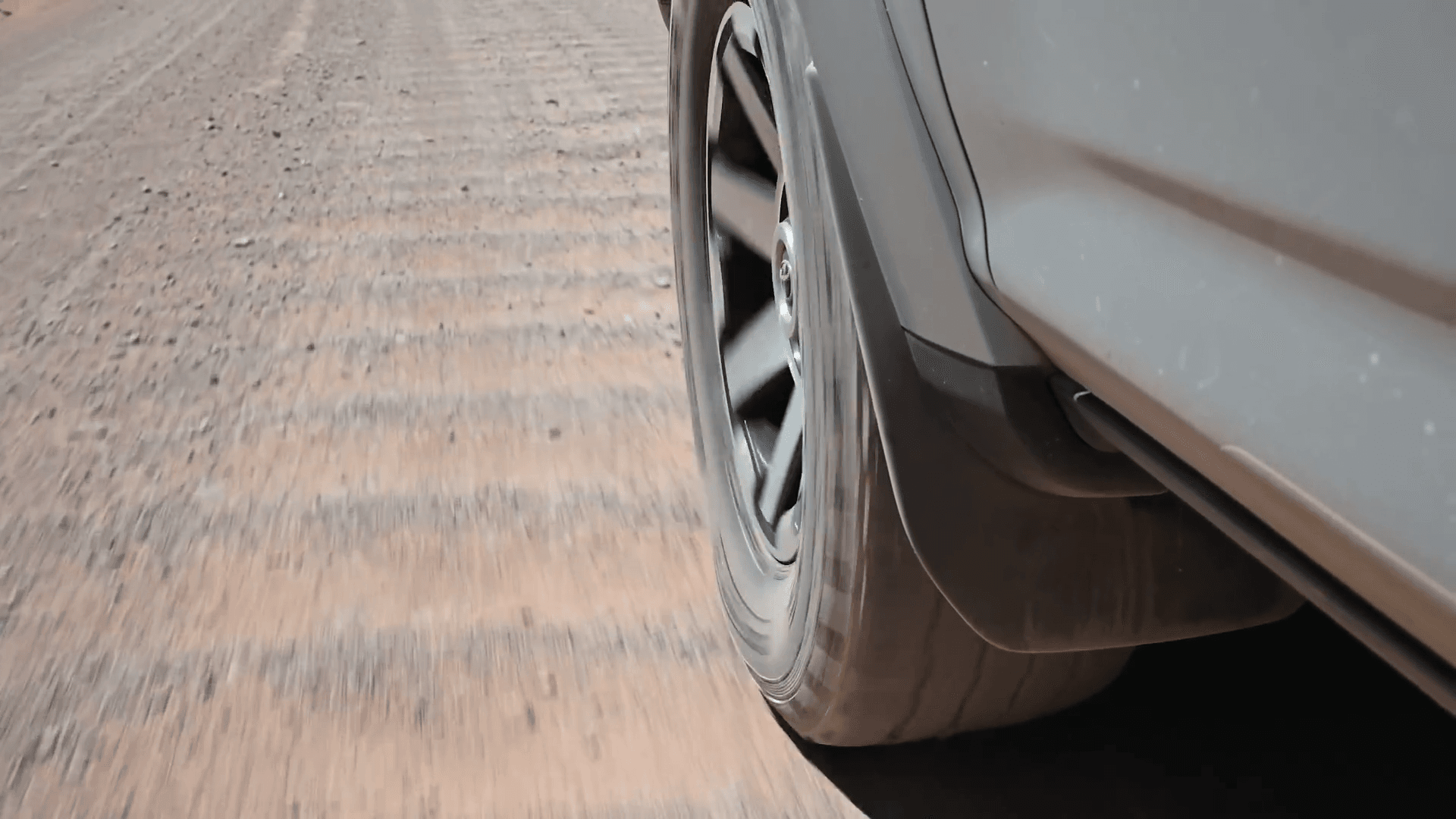
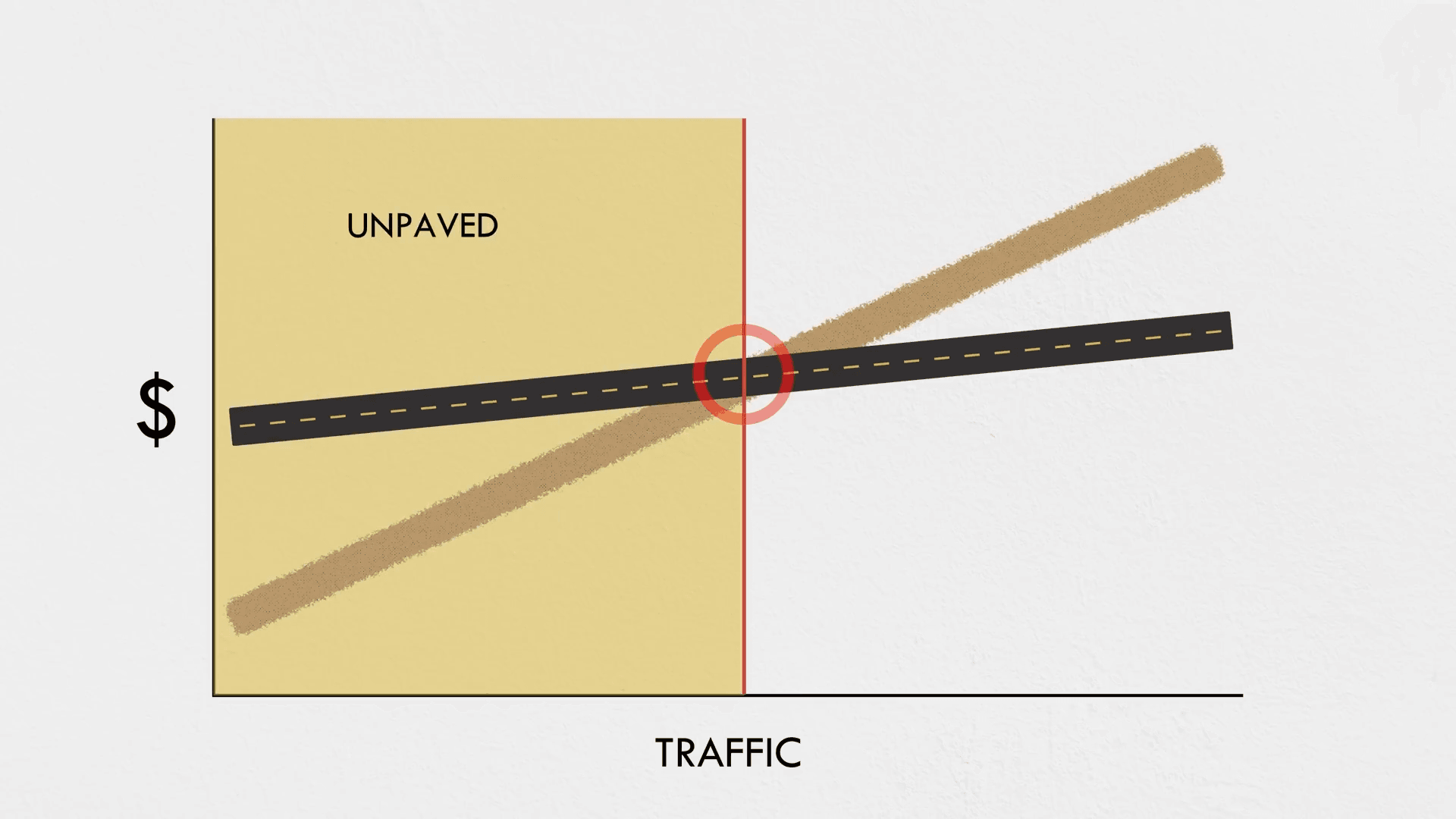
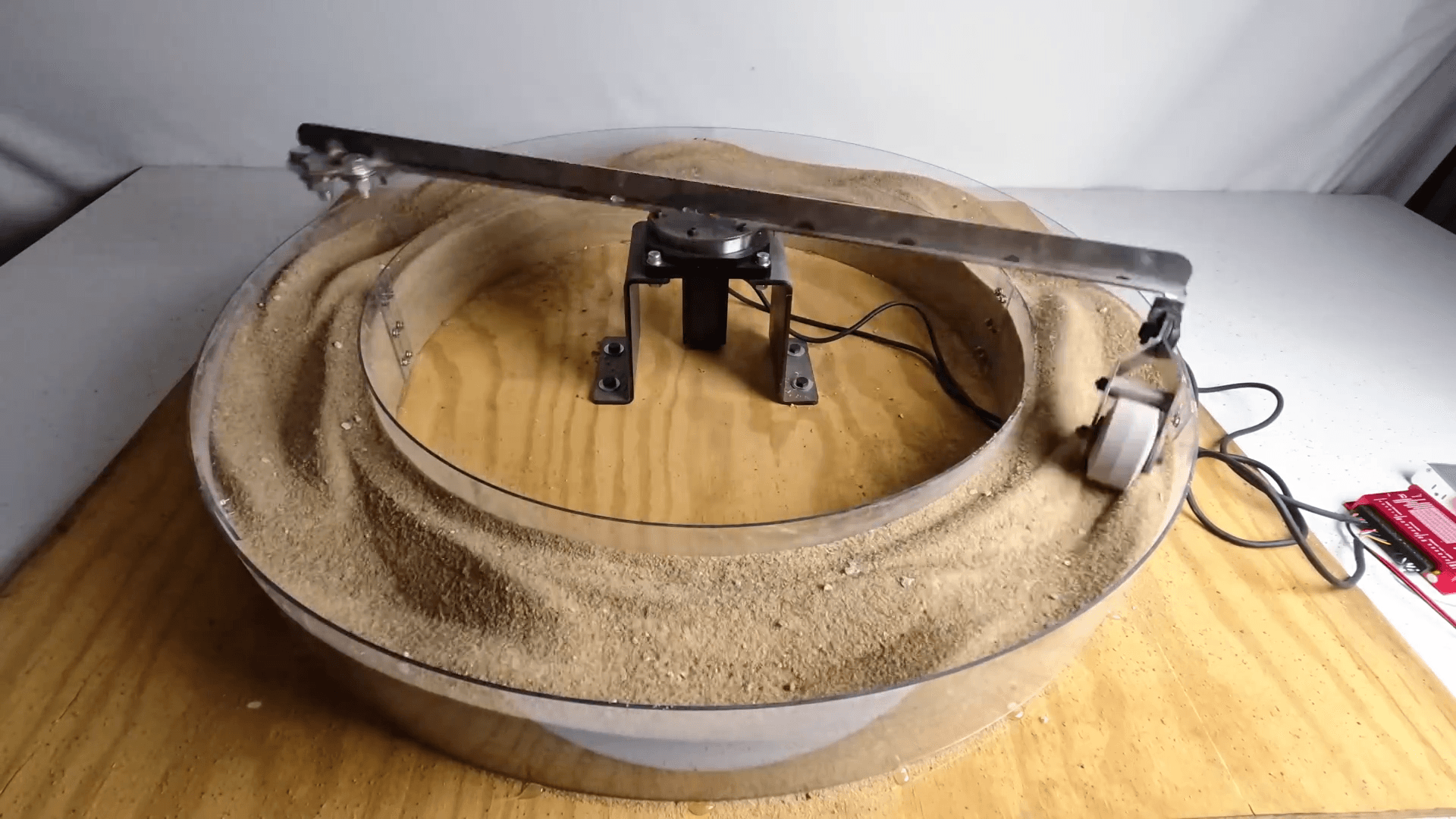
As anyone who has regularly traveled unpaved roads knows, they have a tendency to develop regularly spaced corrugations, otherwise known as washboarding. In addition to shaking cars and passengers, these uneven surfaces make cars harder to control, sicne the wheels can lose contact with the ground entirely at times.
Unfortunately, this phenomenon is fairly unavoidable. Once you have a wheel moving across a granular surface above a critical speed, you get these self-reinforcing patterns. It’s similar to the way that tidal ripples and sand dunes form, and it’s how you get moguls on a ski run, too!
Although they’re somewhat inevitable, as Grady describes, engineers are hard at work figuring out how to keep them from forming too quickly. (Video and image credit: Practical Engineering; research credit: N. Taberlet et al. and I. Hewitt et al.)












Leave a Reply