Year: 2023

  • “Dark Matter”

    “Dark Matter”

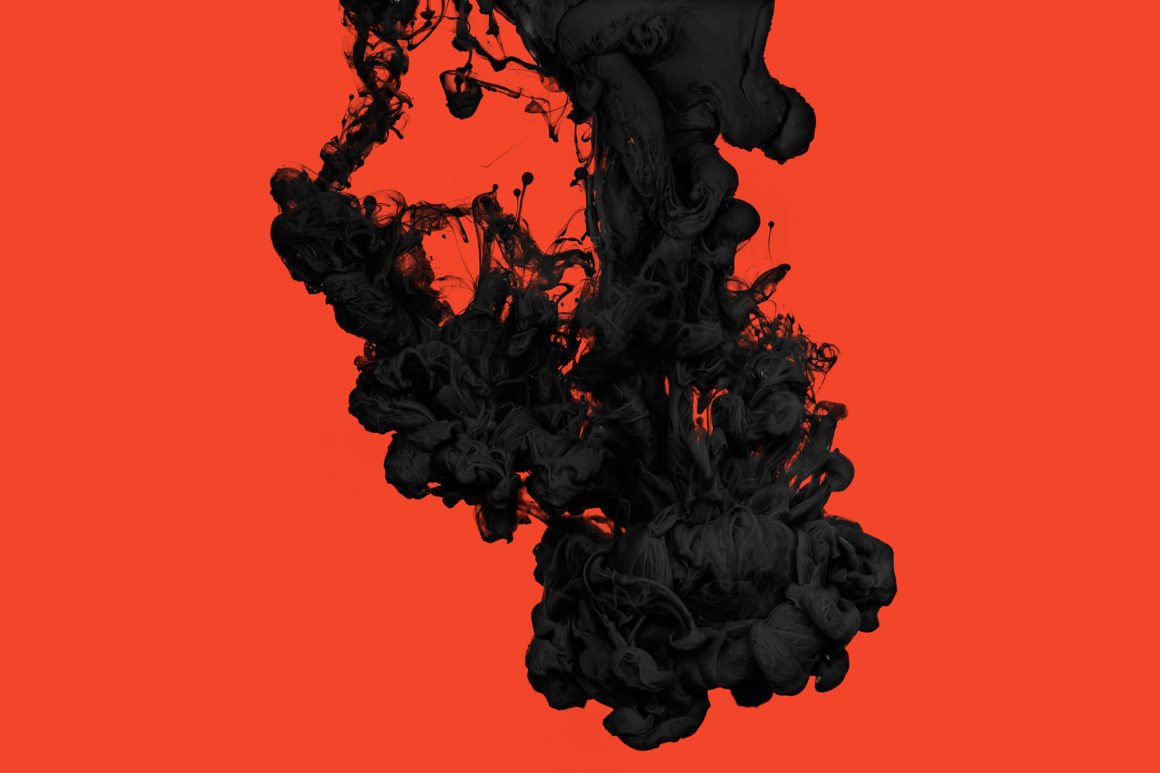
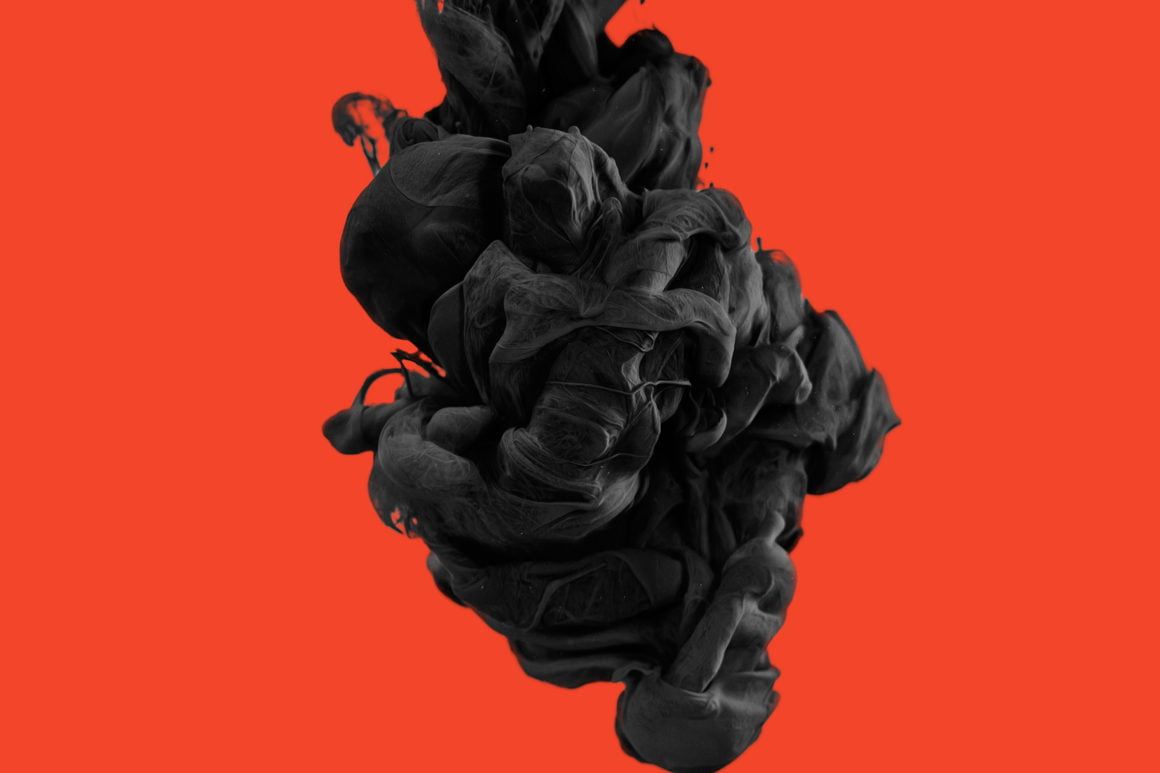
    In “Dark Matter” photographer Alberto Seveso captures billowing black pigment against a bright red backdrop. Seveso excels at capturing the developing turbulence in sinking fluids. I’m always blown away by the texture in his images; it almost makes the fluid look fabric-like and solid. Look closely in some of these images and you can catch a few tiny Rayleigh-Taylor instabilities, too, as the denser pigment sinks through water. (Image credit: A. Seveso)

  • Martian Wind Power

    Martian Wind Power

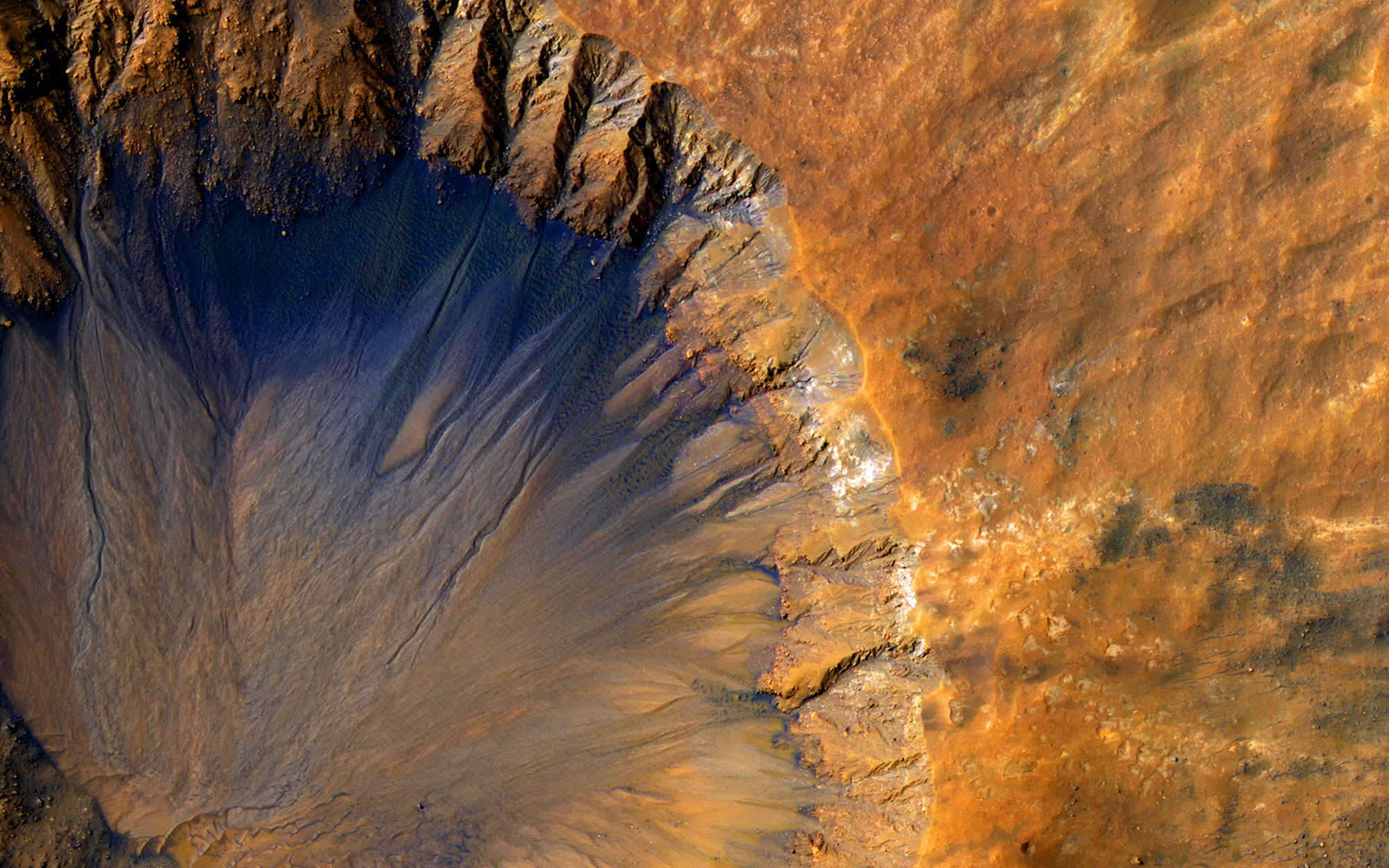
    To support a crew on Mars, a landing site must offer resources like water and allow for sufficient power generation. Thus far, most analyses of this sort have focused on the possibilities of solar power, which is limited by day-and-night cycles and seasonal variations, and nuclear power, which carries some risk to the human crew. In a new report, researchers considered the possibilities of wind power on Mars.

    Since Mars’s atmosphere is so much thinner than Earth’s, wind power has largely been overlooked as an energy source there. But researchers found that a commercially-rated wind turbine expected to produce 330 kW here on Earth could still output a respectable 10 kW on Mars. Since the target power needs for a crew are 24 kW, adding wind energy can boost a power system from providing 40% of needs from solar alone to 60-90% of the needed energy from combined solar and wind sources. A wind turbine is especially helpful in supplementing power needs at times when solar power wanes, like at night or during the Martian winter solstice. (Image credit: NASA; research credit: V. Hartwick et al.; via Physics World)

  • Frozen in Ice

    Frozen in Ice

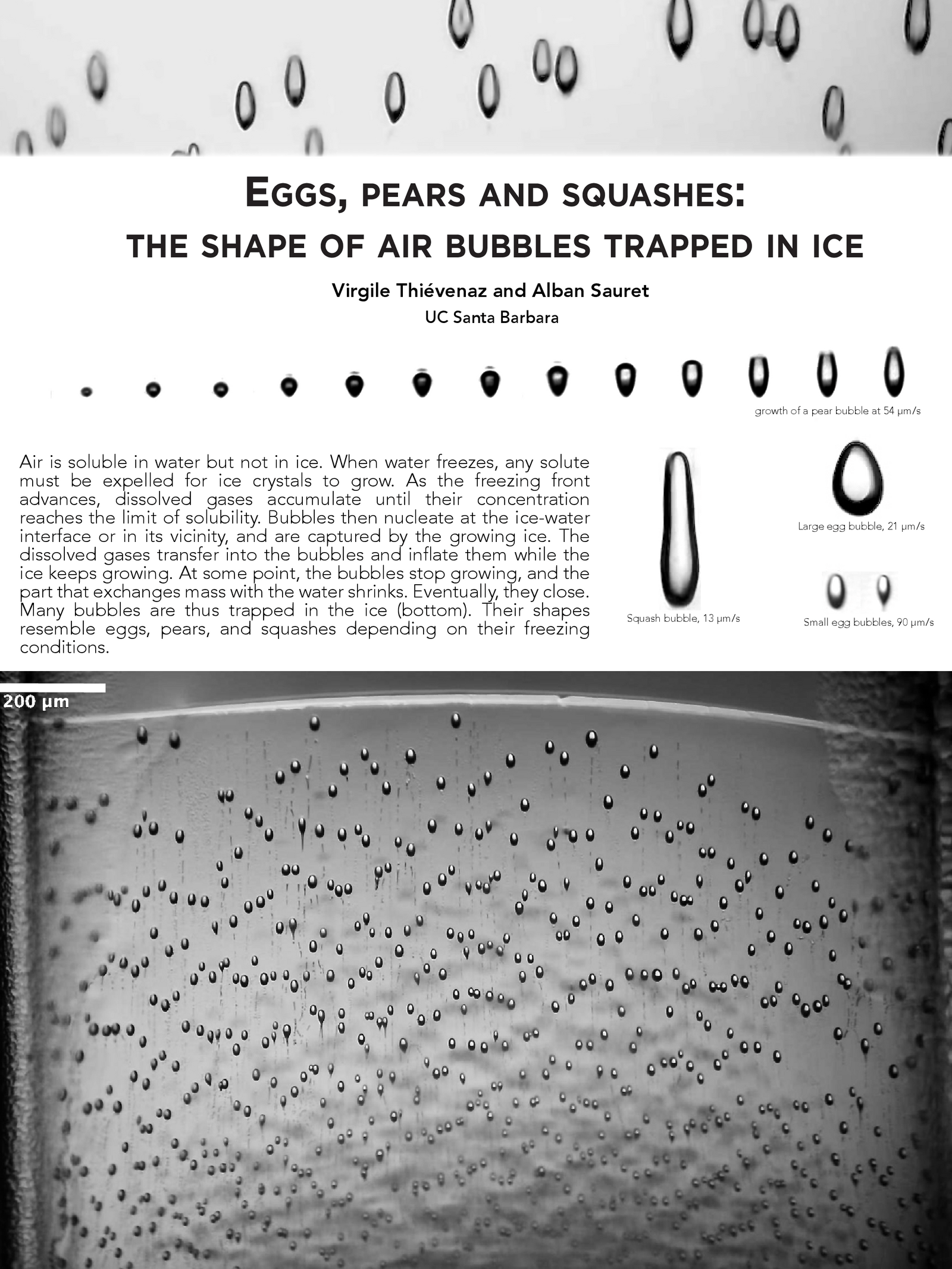
    Air can dissolve in water, but not in ice. So as water freezes, any dissolved gases have to get squeezed out in order for the ice crystals to grow. Once the concentration of gases is high enough, a bubble nucleates and gets captured by the growing ice around it. The shape of the final bubble depends on its freezing conditions. As seen here, bubbles take on all kinds of shapes, ranging from egg-like to a long and skinny squash-like shape. (Image credit: V. Thiévenaz and A. Sauret)

  • Swimming Intermittently

    Swimming Intermittently

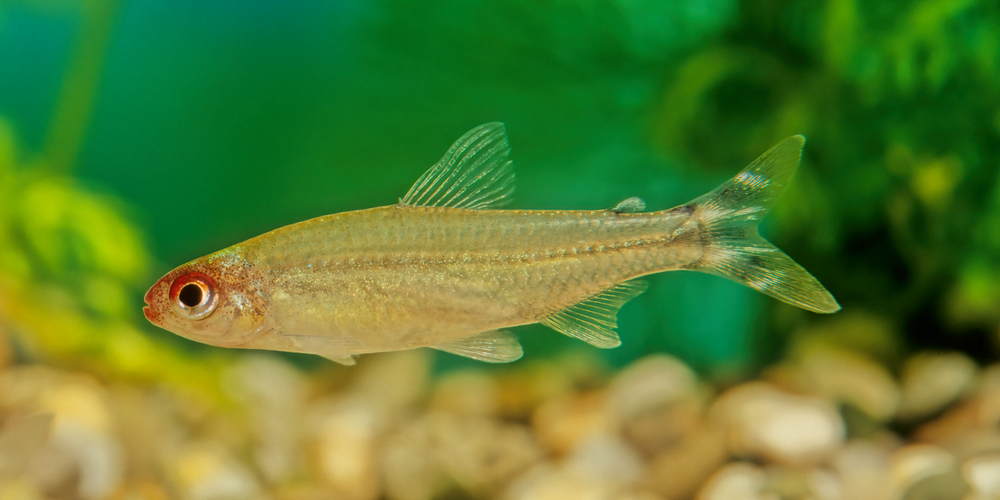
    Many fish do not swim continuously; instead, they use an intermittent motion, swimming in a sudden burst and then coasting. This intermittent swimming is tough to simulate, due to its unsteady nature, but a new study does so using some clever computational techniques.

    Animation showing a fish swimming in a burst-and-coast pattern.
    Animation showing a fish swimming in a burst-and-coast pattern.

    Researchers suspected that the energy intensity of a fish’s burst could be balanced by the low-drag, low-effort phase of coasting. And, indeed, that’s consistent with the team’s results. But they found that the swimming method does require careful optimization; with the wrong cadence, the burst-and-coast technique can be incredibly energy intensive. In nature, of course, fish have had millions of years to optimize their technique, but the results serve as a warning to those building fish-based robots. Those biorobots will need careful optimization to benefit from this swimming style. (Image credit: tetra – Adobe Stock Images, simulation – G. Li et al.; research credit: G. Li et al.; via APS Physics; submitted by Kam-Yung Soh)

  • Beneath the Cavity

    Beneath the Cavity

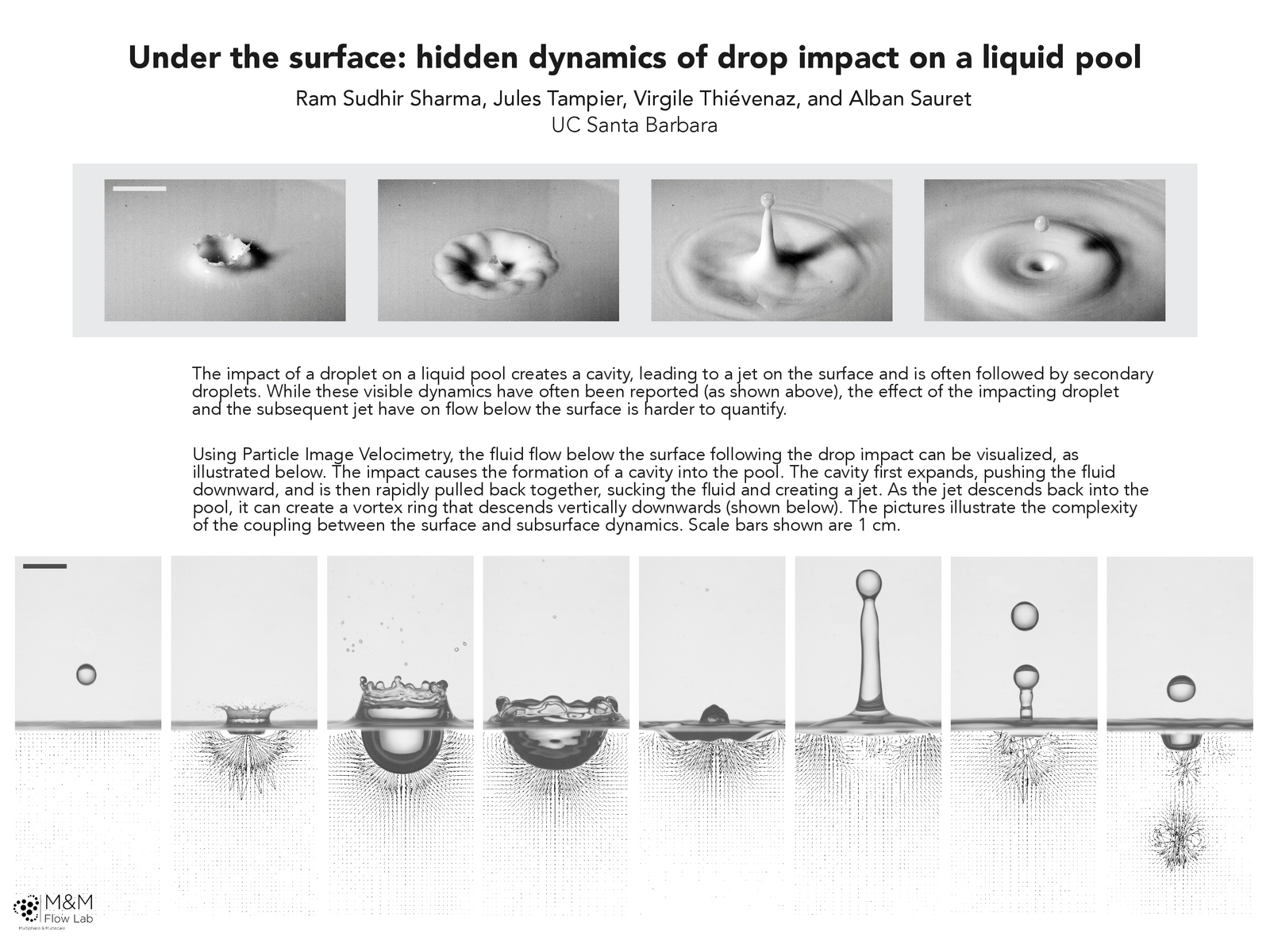
    When a drop falls into a pool of liquid, it creates a distinctive cavity, followed by a jet. From above the surface, this process is well-studied. But this poster offers us a glimpse of what goes on beneath the surface, using particle image velocimetry. This technique follows the paths of tiny particles in the fluid to reveal how the fluid moves.

    As the cavity grows, fluid is pushed away. But the cavity’s reversal comes with a change in flow direction. The arrows now point toward the shrinking cavity — and they’re much larger, indicating a strong inward flow. It’s this convergence that creates the Worthington jet that rebounds from the surface. And, as the jet falls back, its momentum gets transferred into a vortex ring that drifts downward from the point of impact. (Image credit: R. Sharma et al.)

  • “Elements”

    “Elements”

    Photographer Mikko Lagerstedt specializes in Nordic landscapes, like the windswept snow seen here. I love the way he’s captured the snow that gets picked up and blown by the wind. Notice the hazy layer of snow hovering over the foreground. This snow is saltating, just as sand does in the desert. When flakes get picked up by the wind, they follow a ballistic trajectory, much like a cannonball in a high-school physics class. As the snow crashes back down, its impact knocks up more flakes, and the process continues. Repeat enough times, and you’ll see this hazy layer of blowing snow blanketing a snowscape. (Image credit: M. Lagerstedt; via Colossal)

  • Mixing With E. Coli

    Mixing With E. Coli

    What happens when a flow meets swimming micro-organisms? Does the flow affect the swimmers? And how do the swimmers affect the flow in turn? Those are the questions behind the experiment seen here. The apparatus contains a thin layer of saline water with swimming E. coli. Electromagnetism is used to mix the fluid in an array-like pattern that triggers chaotic mixing. To visualize what’s going on, dye is introduced into the right half of the image, while the left half remains undyed.

    On the right side of the image, bright blue and white mark areas of high dye concentration, where strong mixing occurs. On the undyed left side of the image, pale blue streaks mark areas where E. coli are clustered. By comparing the two, we see that the micro-swimmers are clustered in the very same regions of flow marked by strong mixing. This result suggests strong interactions and the potential for feedback between the mixing flow and the swimmers. (Image and research credit: R. Ran et al.; see also 1 and 2)

  • A Starry Nursery

    A Starry Nursery

    This mountain of interstellar gas and dust lies in the picturesque Eagle Nebula. Though it appears solid in this near-infrared image from JWST, the density of the structure is actually quite low. Jets and solar winds from the glowing, young stars inside the region sculpt the pillar’s shape. Over the next 100,000 years, the stars’ energetic jets, solar winds, and destructive supernovas will destroy the dusty nursery. (Image credit: NASA/ESA/CSA/STScI/M. Özsaraç)

  • Surface Fat Gives Chocolate’s Mouthfeel

    Surface Fat Gives Chocolate’s Mouthfeel

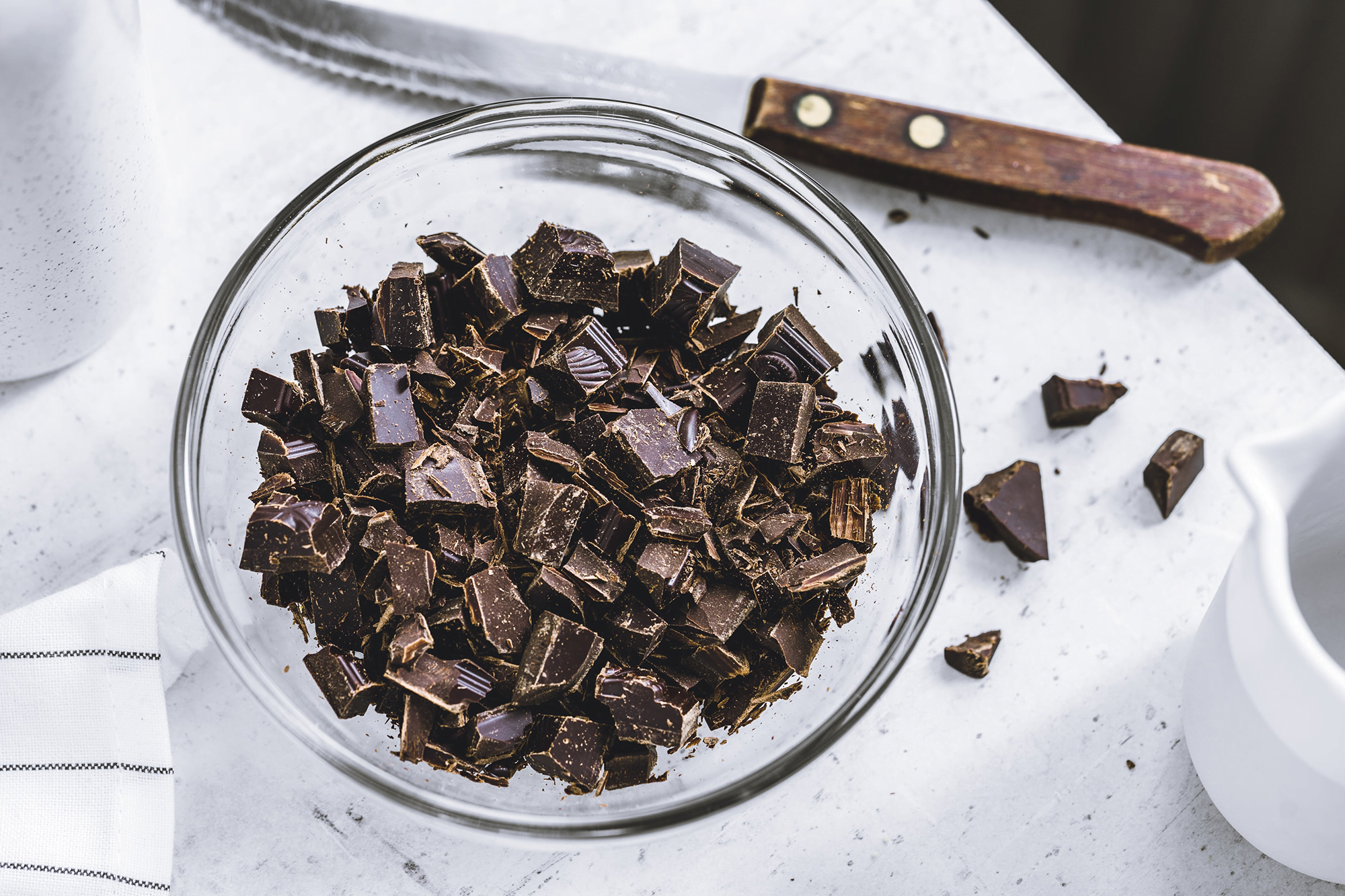
    Understanding the interactions of food and our mouths is incredibly difficult. There are lots of changes going on: shape changes from chewing, viscosity changes as saliva lubricates the food, and, sometimes, phase changes from the heat of our bodies. Add to that the sensitivity of our papillae-covered tongues, and it’s a lot to manage all at once. Recently, researchers have turned to 3D-printing to create a more realistic lab version of our mouths.

    The team 3D-printed a papillae pattern matching the size and distribution of an actual human tongue, then molded that pattern onto a silicone elastomer. The result? A replica tongue that matches a human one in terms of softness, wettability, and surface roughness. They then attached their tongue to a rheometer to measure the friction between the tongue and dark chocolate.

    Their experiments simulated licking, eating, and swallowing the confection. During licking and eating, they found that the chocolate was lubricated by a layer of fat directly between the tongue and the food. Their results suggest that one way to make healthier chocolate options is to concentrate fat into the surface layer of the chocolate while lowering the fat content inside the bar. (Image credit: D. Ramoskaite; research credit: S. Soltanahmadi et al.; via APS Physics)

  • Founts of Enceladus

    Founts of Enceladus

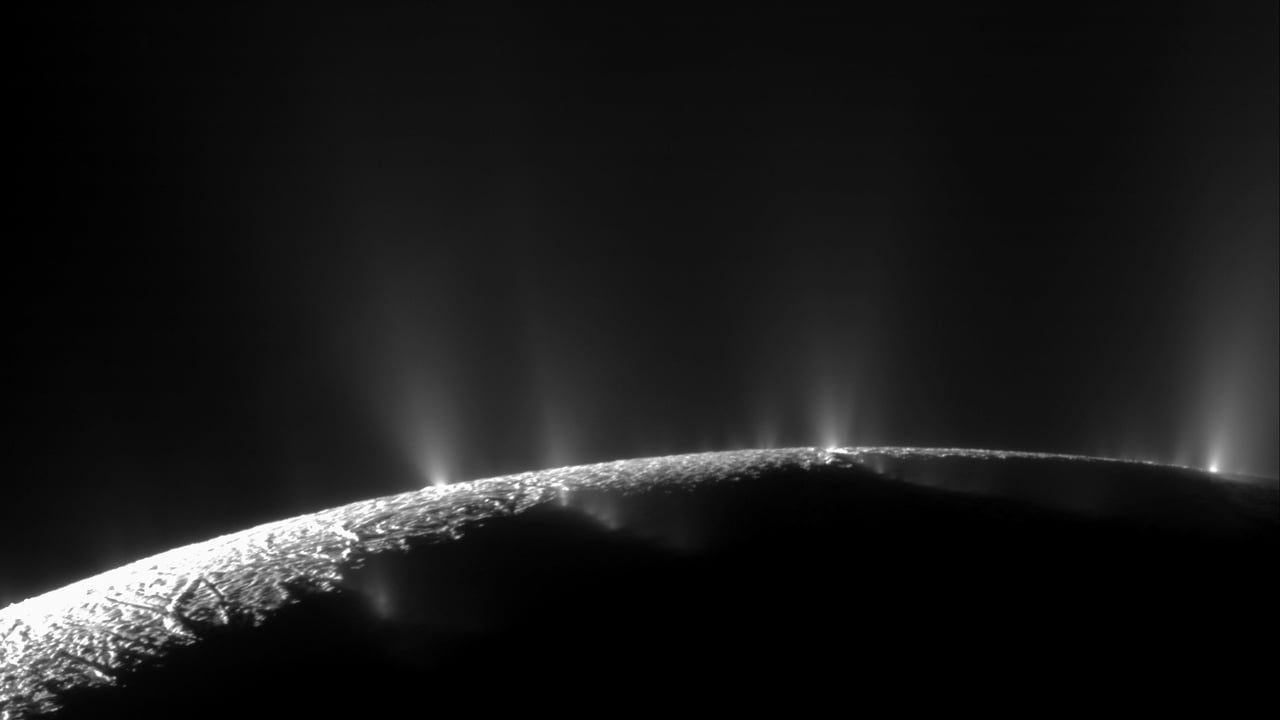
    In its exploration of Saturn, Cassini discovered that the moon Enceladus is home to icy eruptions. Beneath its shell of ice, Enceladus has a global ocean of salty liquid water. The average thickness of the ice is 20 kilometers, putting the ocean seemingly out of reach — except at the moon’s southern pole, where icy plumes of ocean water jet out.

    Here, where the ice is thinnest, the tidal forces Enceladus experiences from Saturn and its fellow moon Dione break through the ice. As the cracks open and close, liquid from the ocean sprays out, freezing into plumes that Cassini measured. Plans are underway for new missions that prioritize further sampling of Enceladus’ ocean. For now, we can only imagine what hides in its interior ocean. (Image credit: NASA/JPL-Caltech/SSI; for more, see M. Manga and M. Rudolph)