Tag: surface tension

  • When Seeing a Flow Changes It

    When Seeing a Flow Changes It

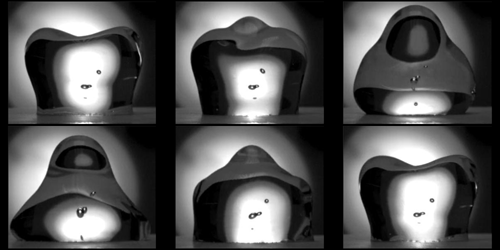
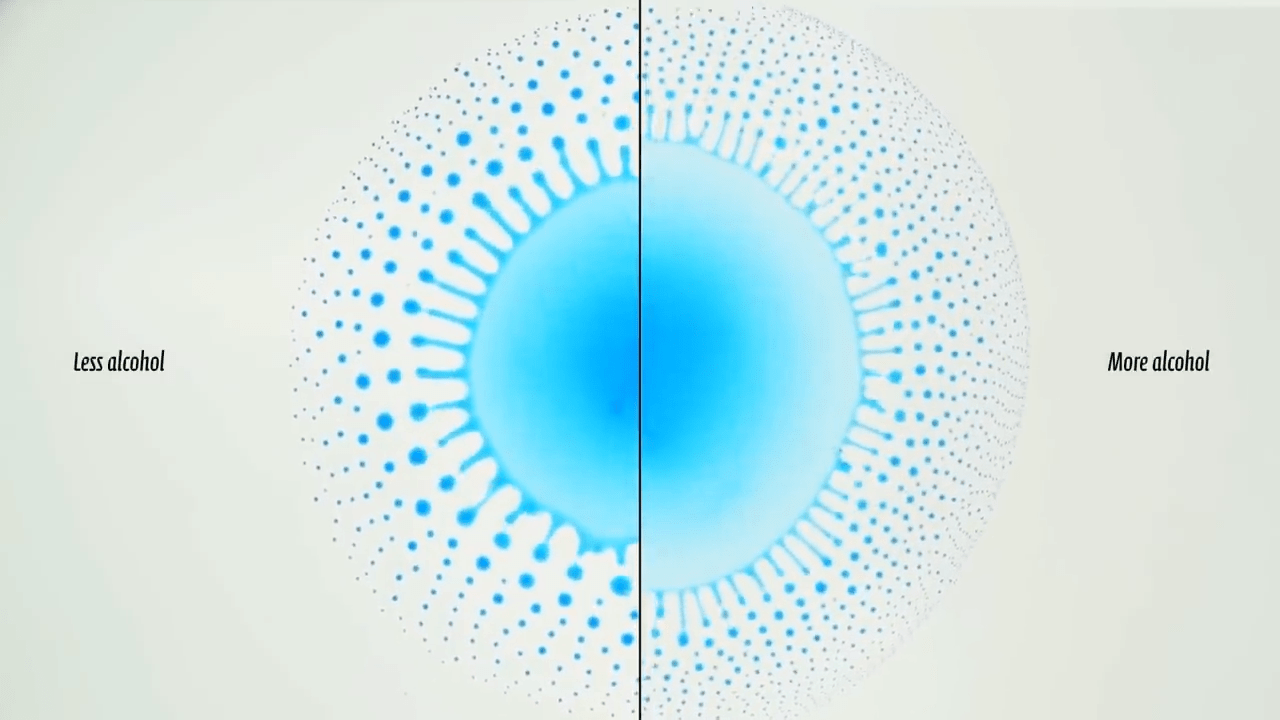
    Adding dye to a flow is a common technique for visualization. After all, many flows in fluids like air and water are invisible to our bare eyes. But for some classes of flows — especially those driven by variations in surface tension — adding dye can have unforeseen effects. A recent study shows how true this is for bursting Marangoni droplets, where evaporation and alcohol concentration can pull a water-alcohol droplet apart.

    Composite series of photos showing the effect of increased dye concentration on Marangoni bursting.
    As more dye is added to the experiment, the daughter droplets grow larger and more ligaments form. In the first three images, a dashed black line has been added to show the location of the droplet rim.

    Without dye, it’s nearly impossible to see the phenomenon since the refractive indices of the two component liquids are so close. But the researchers found that, as they added more methyl blue dye, it did more than increase the contrast in the flow. It changed the flow, making the droplets larger and creating ligaments between them. They believe that the dye’s own surface tension creates local gradients that alter the flow. It’s a reminder that experimentalists have to be careful to consider how our efforts to measure and observe a flow can change it. (Image credit: top – The Lutetium Project, bottom – C. Seyfert and A. Marin with modification; research credit: C. Seyfert and A. Marin)

  • Featured Video Play Icon

    Contactless Bending

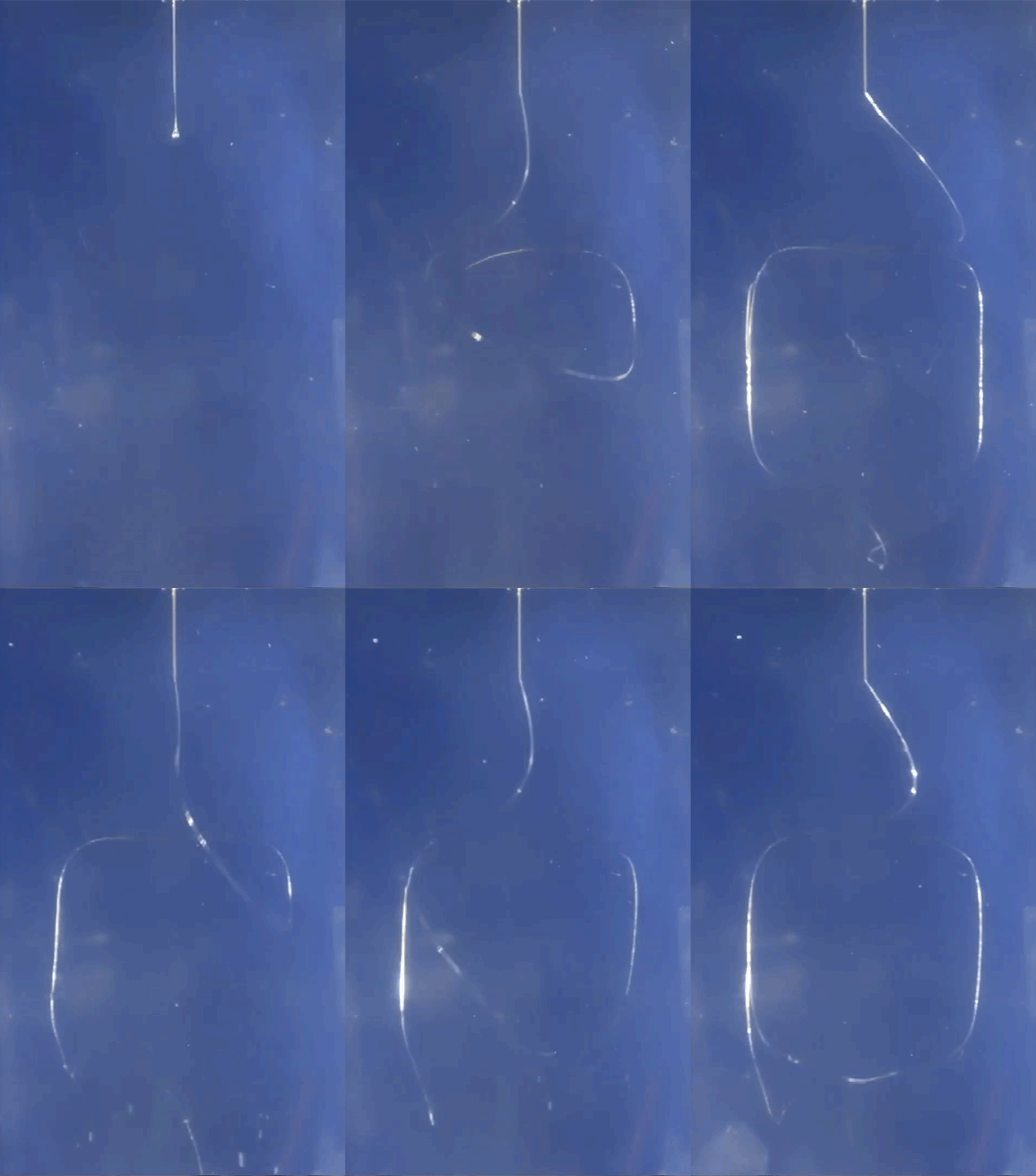
    Using electromagnetism, researchers are bending and shaping soft liquid wires even against gravity. The team used galinstan — an alloy of gallium, indium, and tin that remains liquid at room temperature. On its own, galinstan has a high surface tension and forms droplets. But with a voltage applied, that surface tension is suppressed, making the liquid form a long, thin, still-liquid wire. Adding a magnetic field allowed the researchers to manipulate the falling stream of liquid, even levitating loops of the metal against the force of gravity! (Image, video, and research credit: Y. He et al.; via Cosmos; submitted by Kam-Yung Soh)

  • Featured Video Play Icon

    “Velocity”

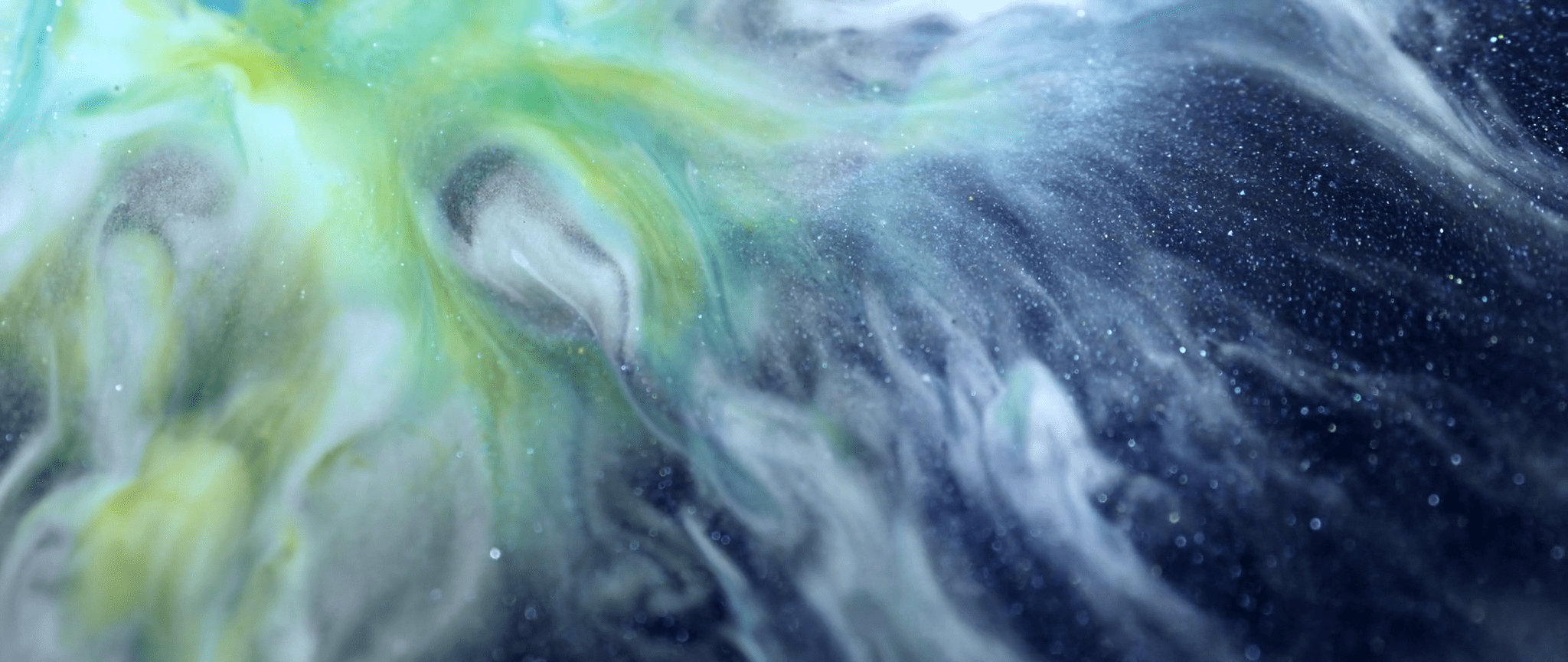
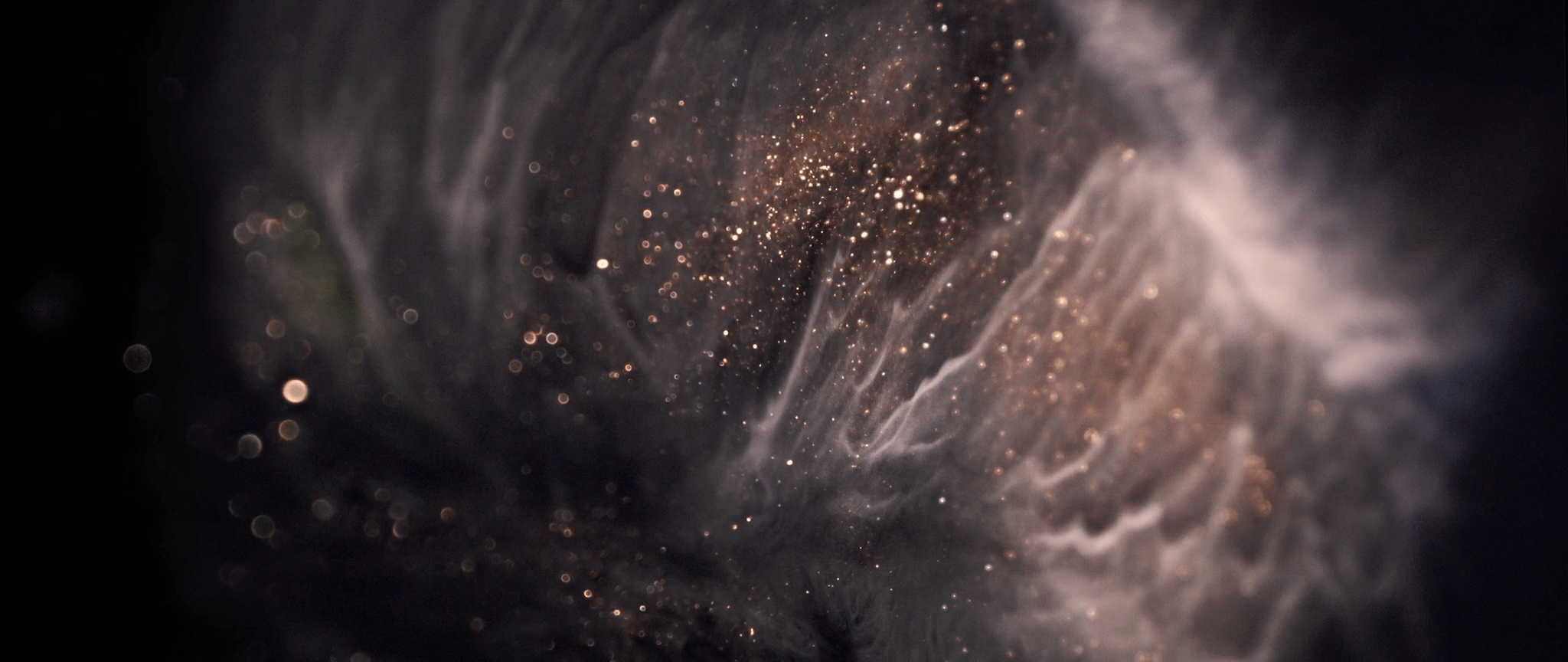
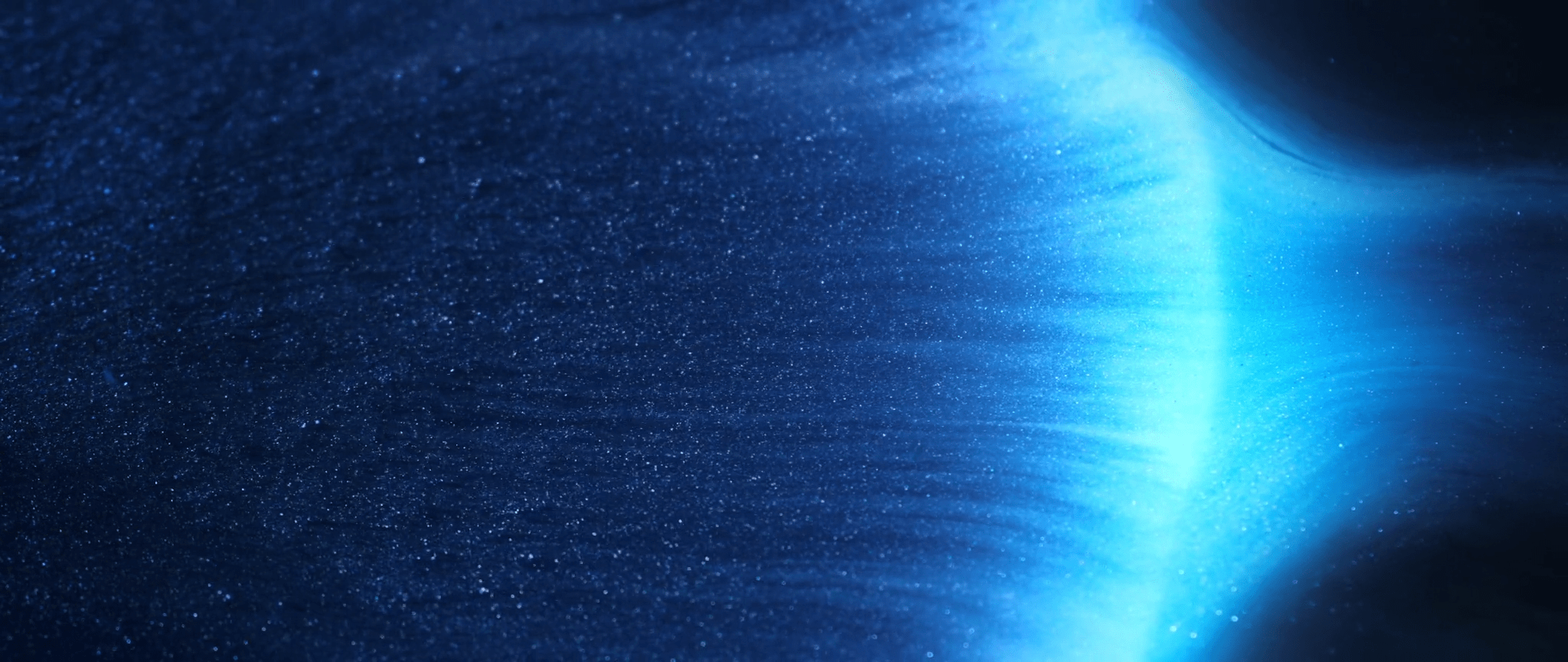
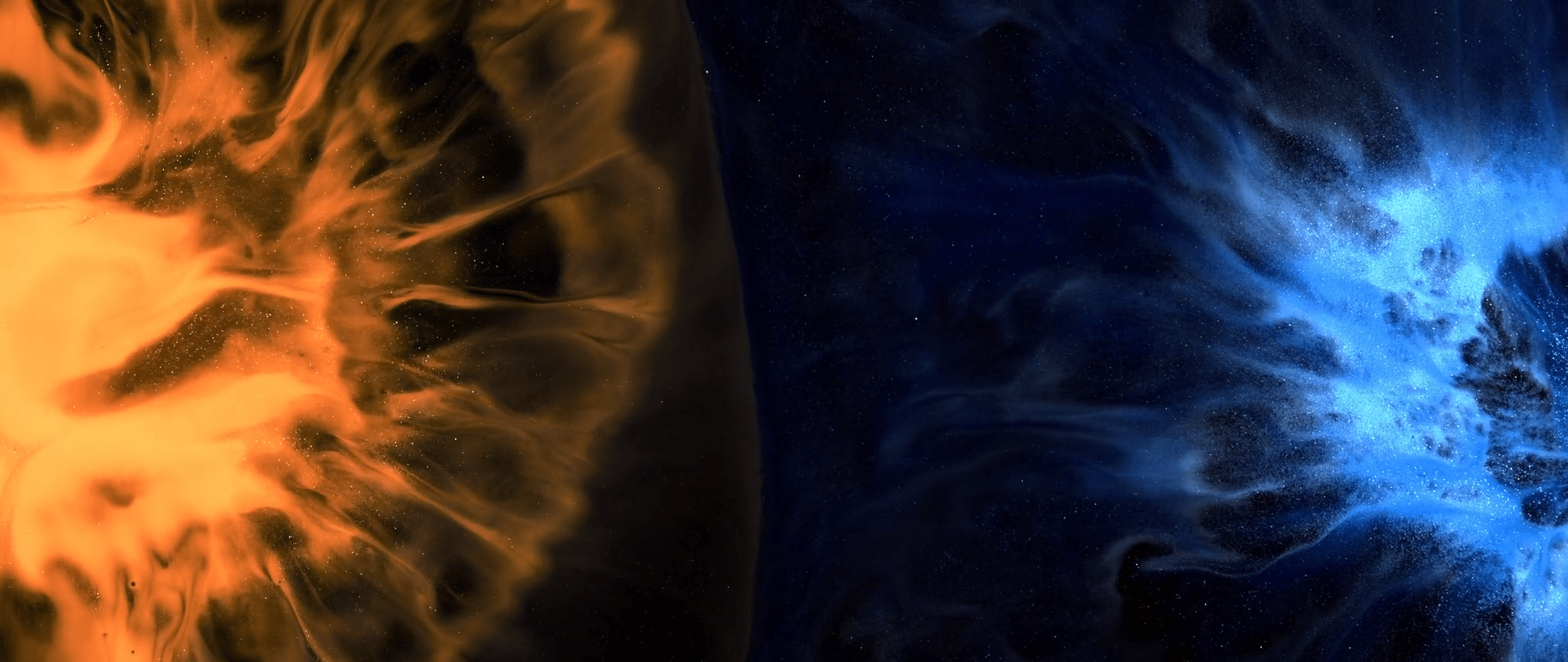
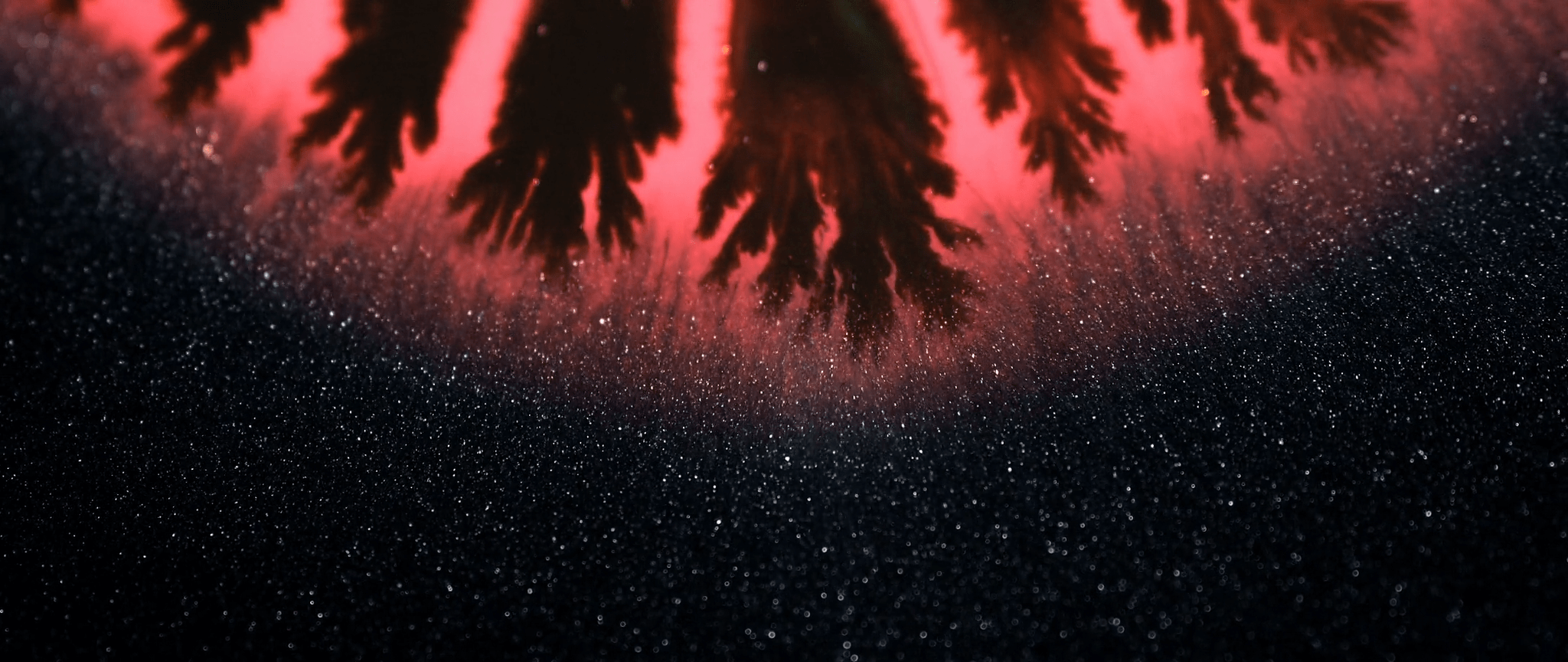
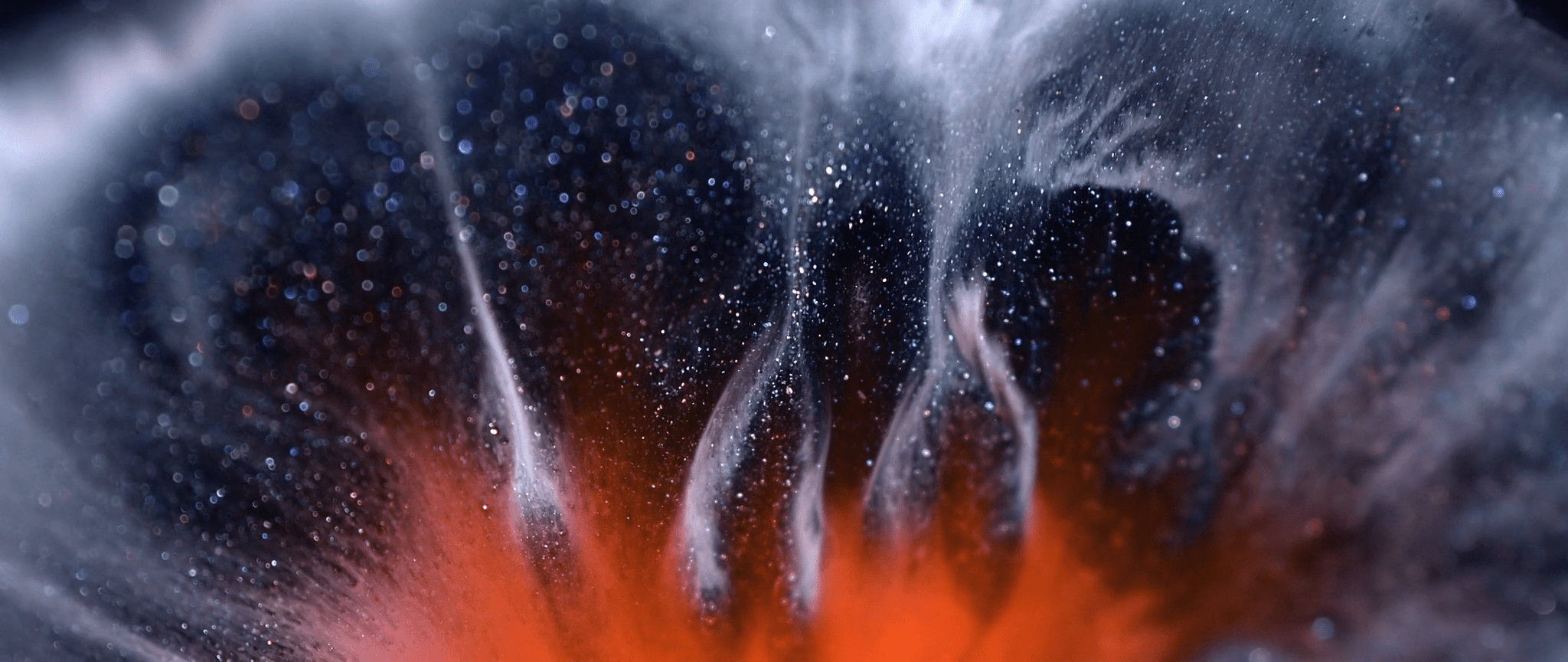
    In this short film by Vadim Sherbakov, macro shots of glittery ink and pigments look like astronomical vistas. The title of the film, “Velocity,” is spot on; every shot is full of flow and motion driven by the mixture of ink, alcohol, soap, and other fluids. That means lots of surface-tension-driven flow, and the glitter particles act as excellent tracers, giving a real sense of depth and direction for our gaze to follow. Watching films like this, I always want to pull out some odds and ends and try it for myself, but I’m certain my results would pale in comparison! (Video and image credit: V. Sherbakov; via Colossal)

  • Featured Video Play Icon

    Self-Stopping Leaks

    A leak can actually stop itself, as shown in this video. To demonstrate, the team used a tube pierced with a small hole. When filled, water initially shoots out the hole in a jet. The pressure driving the jet comes from the weight of the fluid sitting above the hole. As the water level drops, the pressure drops, causing the jet to sag and eventually form a rivulet that wets the side of the tube. As the water level and driving pressure continue to fall, the rivulet breaks up into discrete droplets, whose exact behavior depends on how hydrophobic the tube is. Eventually, a final droplet forms a cap over the hole and the leak stops. At this point, the flow’s driving pressure is smaller than the pressure formed by the curvature of the capping droplet. (Image and video credit: C. Tally et al.)

  • Coalescence Symmetry

    Coalescence Symmetry

    When droplets coalesce, they perform a wiggly dance, gyrating as the capillary waves on their surface interfere. When the droplets have matching surface tensions, like the two water droplets in the animation on the lower left, the coalescence dance is symmetric. But for differing droplets, like the water and ethanol droplets merging on the lower right, coalescence is decidedly asymmetric.

    The asymmetry arises from the droplets’ different surface tensions. The size and speed of the capillary waves that form on a droplet depend on surface tension, so droplets of different liquids have inherently different capillary waves. During merger, the interference of these capillary waves causes the asymmetry we see. (Image credit: top – enfantnocta, coalescence – M. Hack et al.; research credit: M. Hack et al.)

  • Ant Bridge

    Ant Bridge

    As red ants scout their way to food, the terrain can sometimes get in the way. Here a leading scout has made their body into a bridge that their fellows can use to cross the watery gap. Take a close look at the water’s surface and you’ll see that the meniscus curves up to meet the rocks. That’s a clue that this image is really very small! For water on Earth, that curvature only occurs at lengths below a couple of millimeters, where surface tension has the power to overcome gravity’s efforts to flatten the surface. The ants’ bridge is only possible because the red ant is small enough and light enough for surface tension to support it. Learn more about the amazing interactions of ants and water in some of my previous posts. (Image credit: Chin Leong Teo; via Colossal)

  • Featured Video Play Icon

    “ColorLover”

    “ColorLover,” a short film by artist Rus Khasanov, is a delightful liquid rainbow. The video’s ingredients seem to be ink, paint, oil, and a bit of superhydrophobic coating primed to reveal a heart. I love that latter touch; it’s a cool way to use regular materials in a way that some might assume involved digital effects! (Video credit: R. Khasanov)

  • Surf’s Up!

    Surf’s Up!

    Inspired by honeybees and their ability to surf on capillary waves of their own making, researchers have developed SurferBot, a low-cost, untethered, vibration-driven surf robot. Built on a simple 3D-printed platform, the bot has a vibration motor powered by a simple coin cell battery. As the motor vibrates, it propels the bot forward (Image 2). With the motor placed off-center, the bot’s vibrations create larger capillary waves at the rear of the bot than at the front (Image 3). It’s this asymmetry that drives the robot forward. The flow pattern created by the bot’s propulsion is impressively strong (Image 4) and consists of a pair of counter-rotating vortices trapped ahead of the bot and a strong central jet in its wake.

    Best of all: SurferBot is a great platform for educational experimentation, costing <$1 apiece! (Image and submission credit: D. Harris; research credit: E. Rhee et al.)

  • Featured Video Play Icon

    Within the Bubble’s Pop

    To our eyes, a soap bubble appears to pop instantly, but when observed in high-speed video, the process is far more complex. In this video, the Slow Mo Guys pop human-sized bubbles, giving us an opportunity to appreciate the rupture process at speeds up to 50,000 frames per second.

    Once the rupture starts, the hole spreads very symmetrically. But as the hole grows, the remaining soap film starts distorting. As Gav and Dan observe, the far side of the bubble actually wrinkles up before the rupture front arrives and tears the remaining fluid into droplets! (Image and video credit: The Slow Mo Guys)

  • Featured Video Play Icon

    “Heaven”

    Wispy white cirrus clouds cover dark skies glittering with stars in Roman De Giuli’s “Heaven”. Or so it appears. In reality, these skyscapes are made with watercolors, ink, and acrylic paint. The vistas are gorgeous regardless of whether they’re driven by turbulent convection (as in the atmosphere) or the Marangoni effect (as in this video)! (Video and image credit: R. De Giuli)