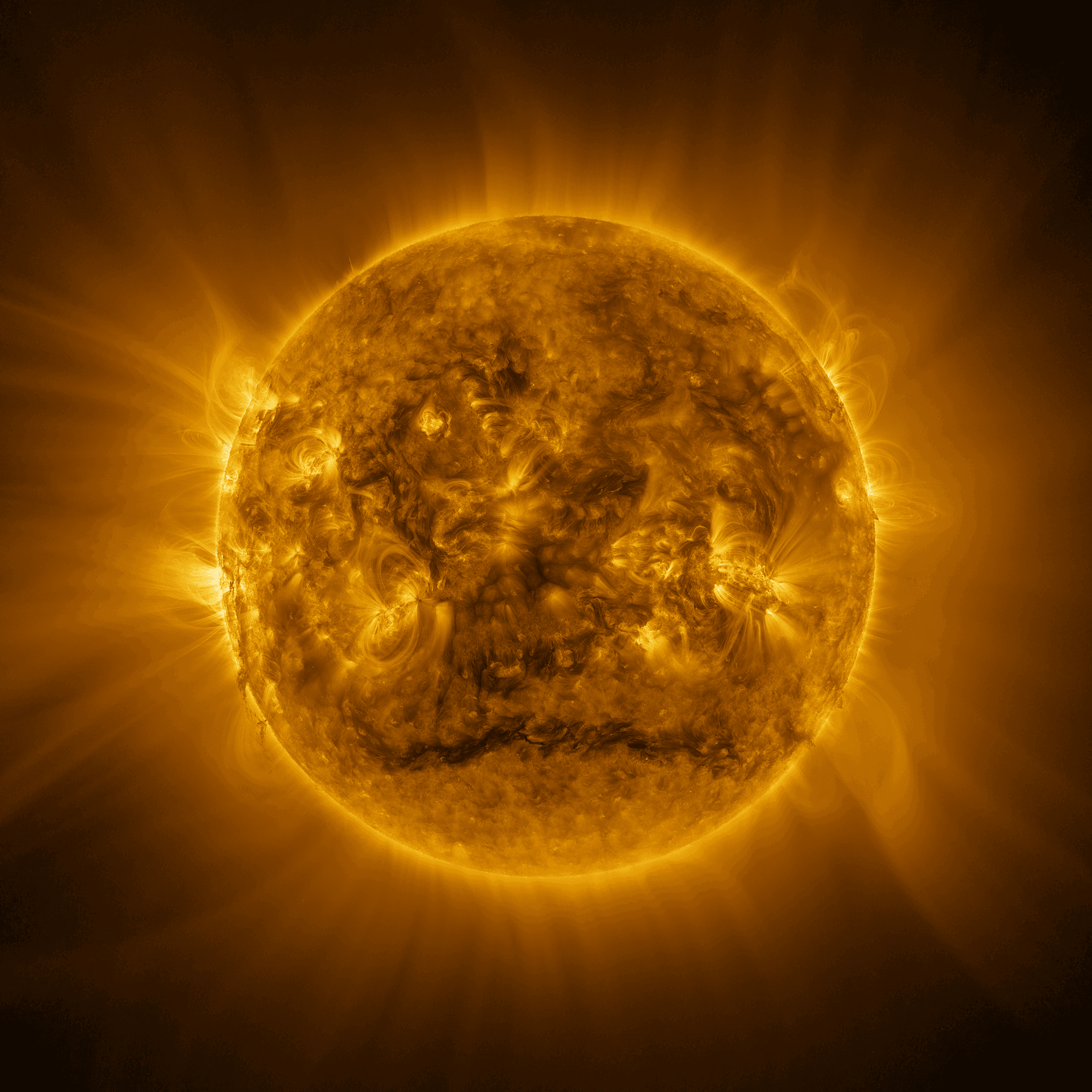
Fall into our nearest star in this gorgeous high-resolution view of the Sun. Taken by Solar Orbiter, a joint NASA-ESA mission, the image stretches from the fiery photosphere — full of filaments and prominences — to the wispy yet unbelievably hot corona. It’s well worth clicking through to zoom in and around the full size image. (Image credit: ESA & NASA/Solar Orbiter/EUI Team, E. Kraaikamp; via Gizmodo)
Tag: science

Icelandia

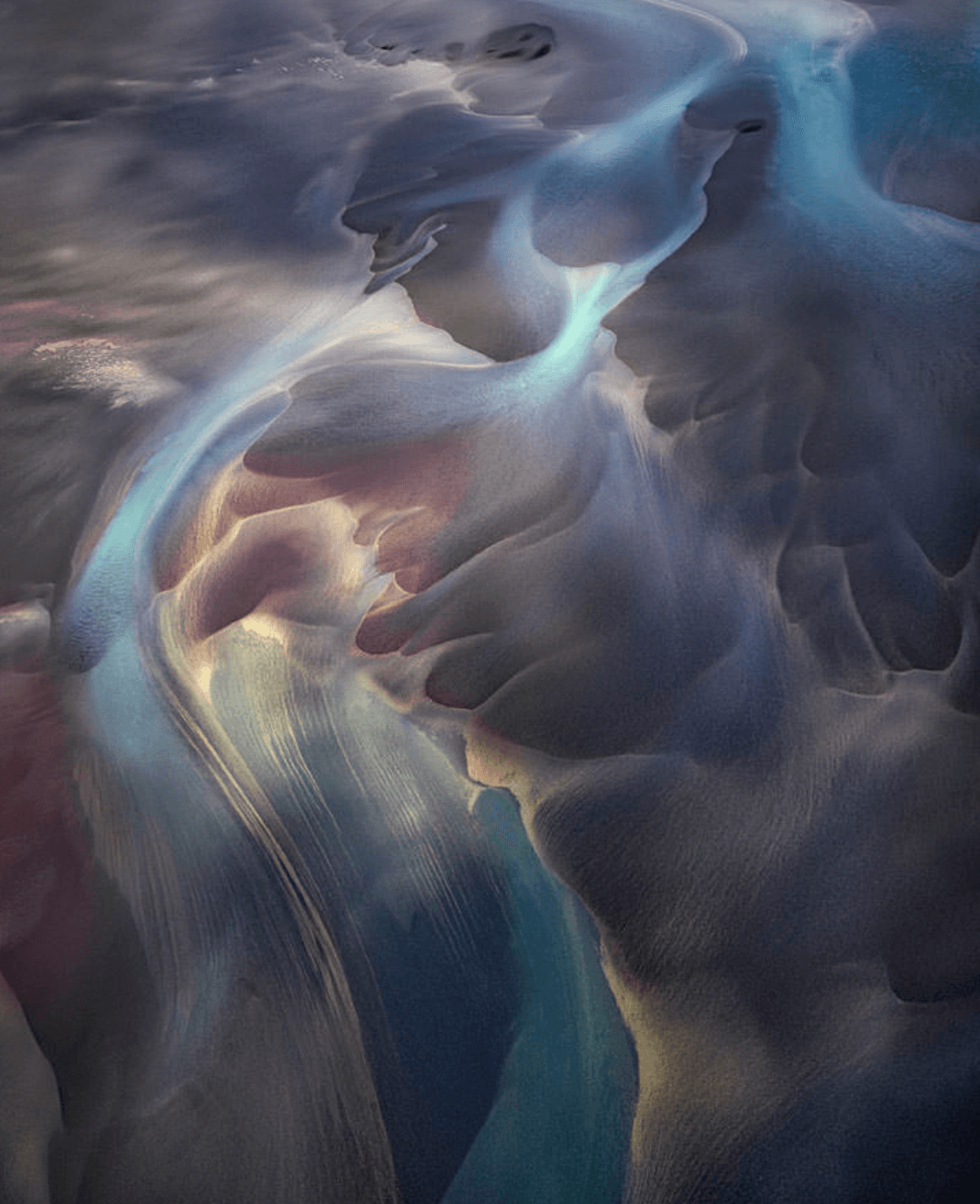
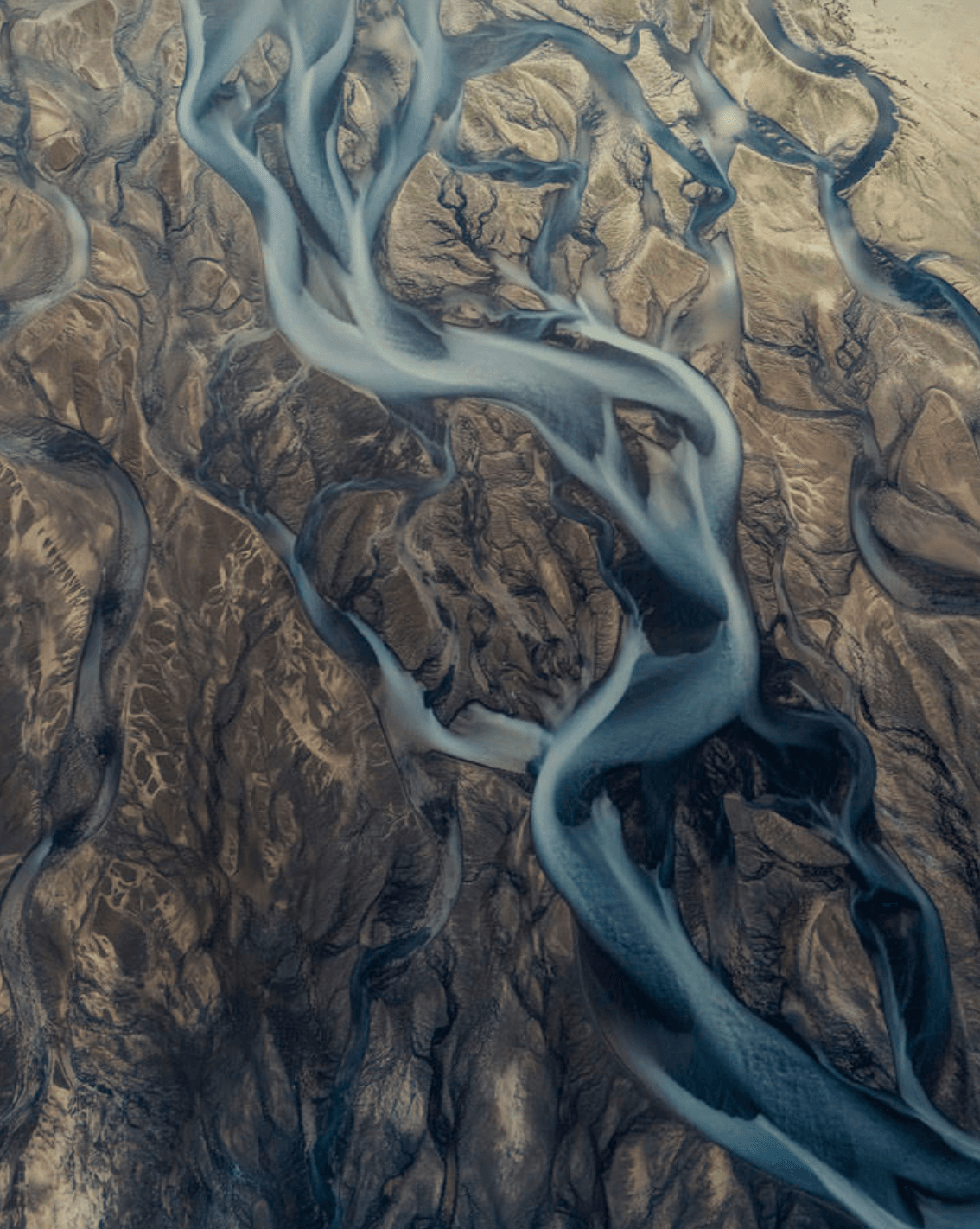
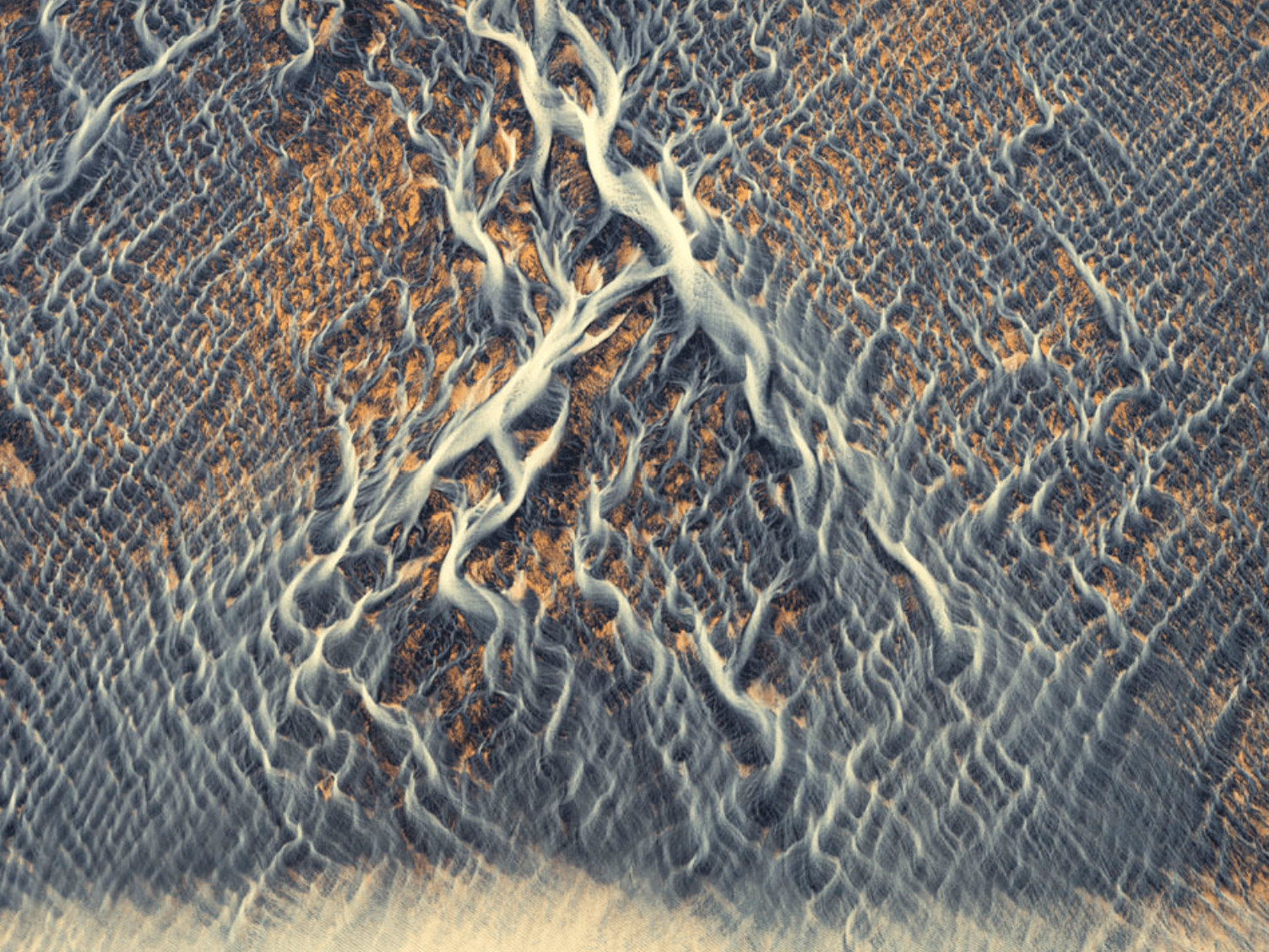
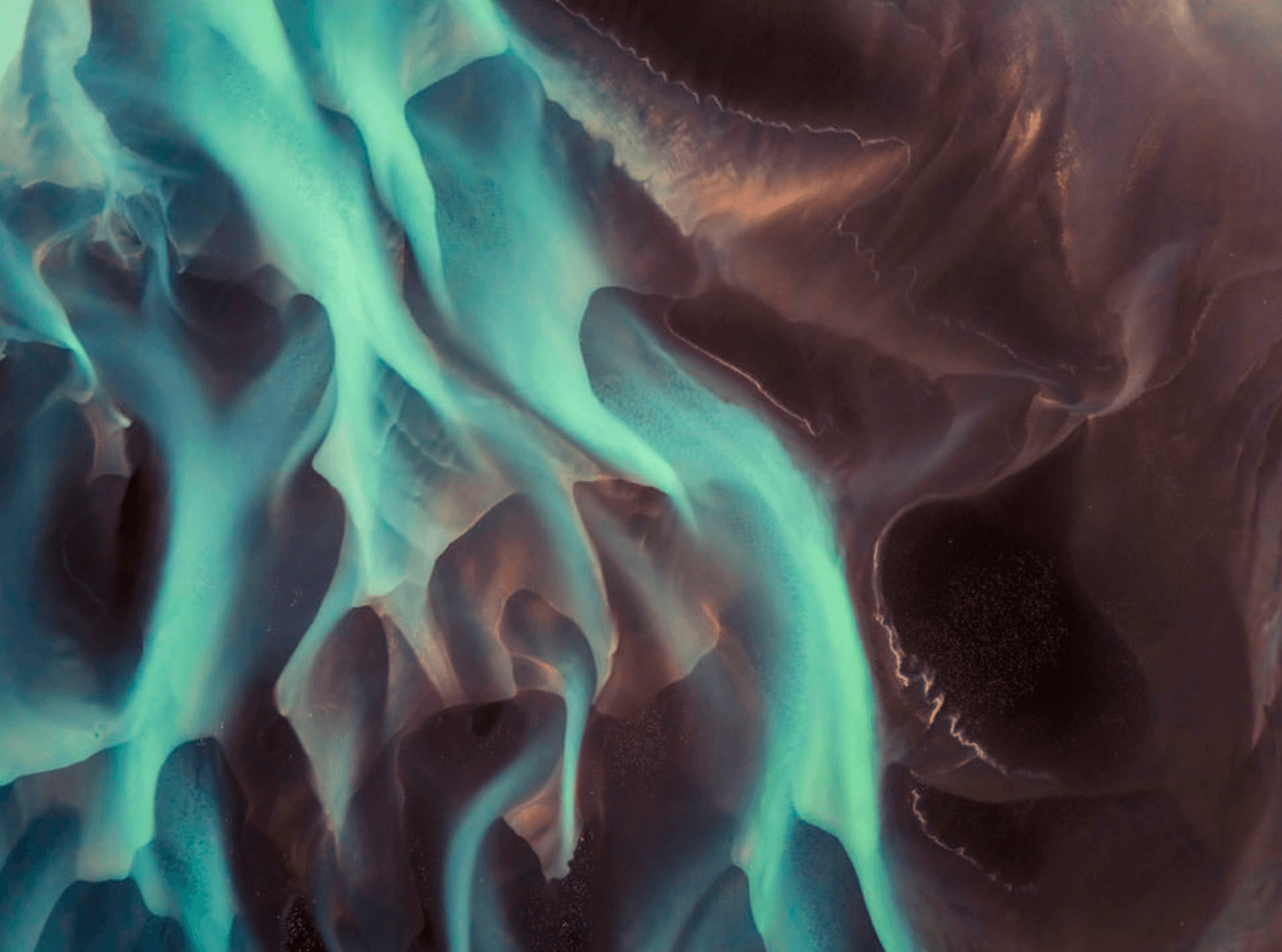
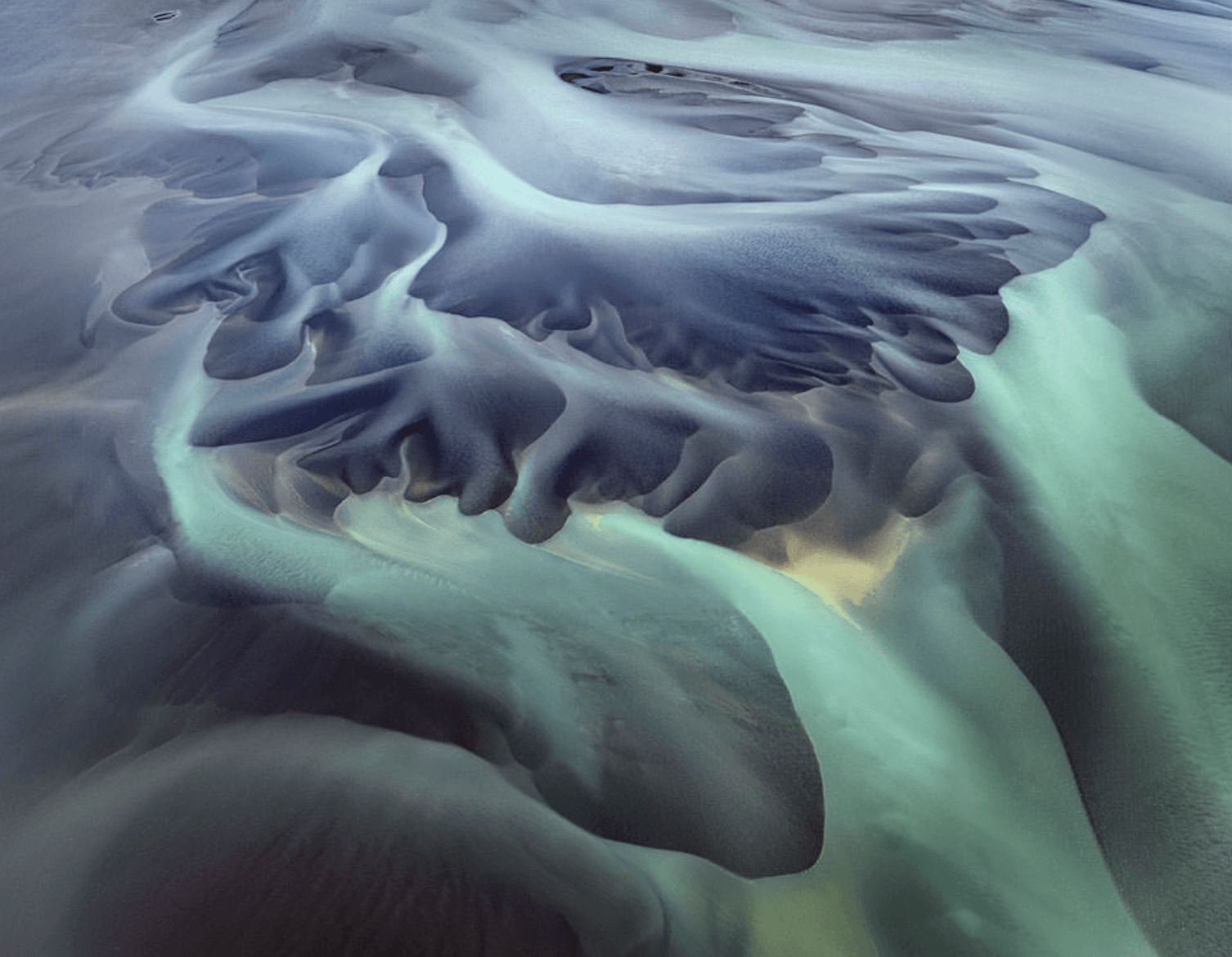
Photographer Rosita Dimitrova describes Iceland as “an absolute heaven” for aerial photography like this featured image. This plethora of images from Dimitrova and fellow IAPOTY finalists backs up that sentiment. The landscape wears its influences openly; it is shaped by water, ice, wind, and lava into stunning abstract shapes like these. (Image credit: Various/IAPOTY; via Colossal)
Fediverse Reactions
-

Watch Hagfish Slime Unfurl
The eel-like hagfish has one of the best defenses in the ocean. When threatened, it releases a slime that clogs the gills of its predator but allows the hagfish itself to slough off the slime and escape. The hagfish slime’s secret weapon is long protein threads, which are initially rolled into bundles called skeins. Seen above, these skeins resemble the yarn skeins knitters and crocheters buy, but a hagfish’s skeins are only as big as the width of a human hair.
When water flows by quickly enough, the thread in a skein begins to unwind and stretch out. With enough threads unwound, the slime gets stretchy and viscous. Researchers found that it takes relatively little flow to begin this unwinding because the adhesion between threads and the surrounding fluid is higher than the thread-to-thread sticking power. (Research and image credit: M. Hossain et al., video)
Fediverse Reactions
-

Martian Polar Spiral
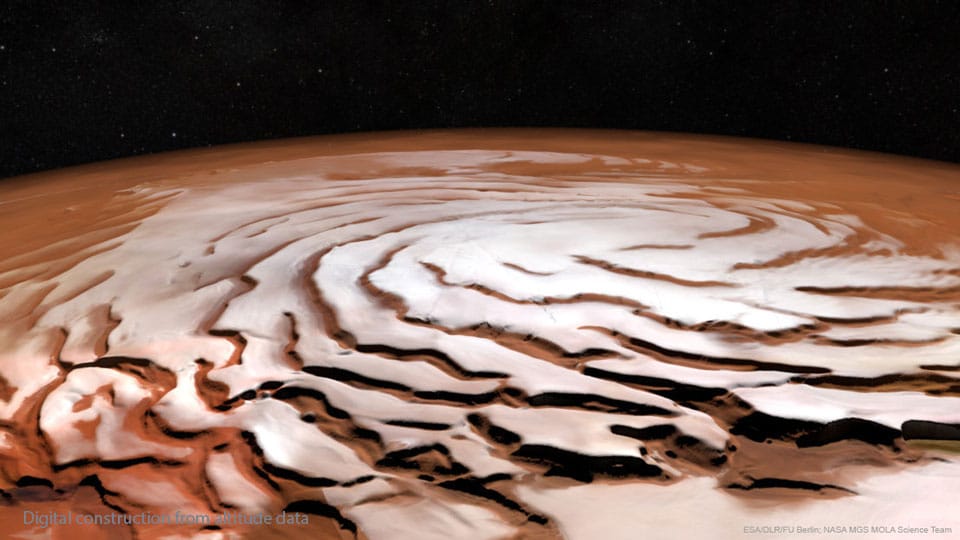
The North Pole of Mars is a raised spiral, and each winter a new layer, roughly a meter thick, of carbon dioxide ice gets deposited over it. Strong cold winds rush down from the center of the pole. Mars’s spin creates a Coriolis effect that makes the winds spiral out as they descend. When they cross a depression in the surface, it creates a vortex that erodes the depression deeper. As the depressions deepen and merge, they form the troughs seen here. For more, see this post. (Image credit: ESA/DLR/FU Berlin; NASA MGS MOLA Science Team; via APOD)
Fediverse Reactions
-

Tracing the Origins of Ocean Waters
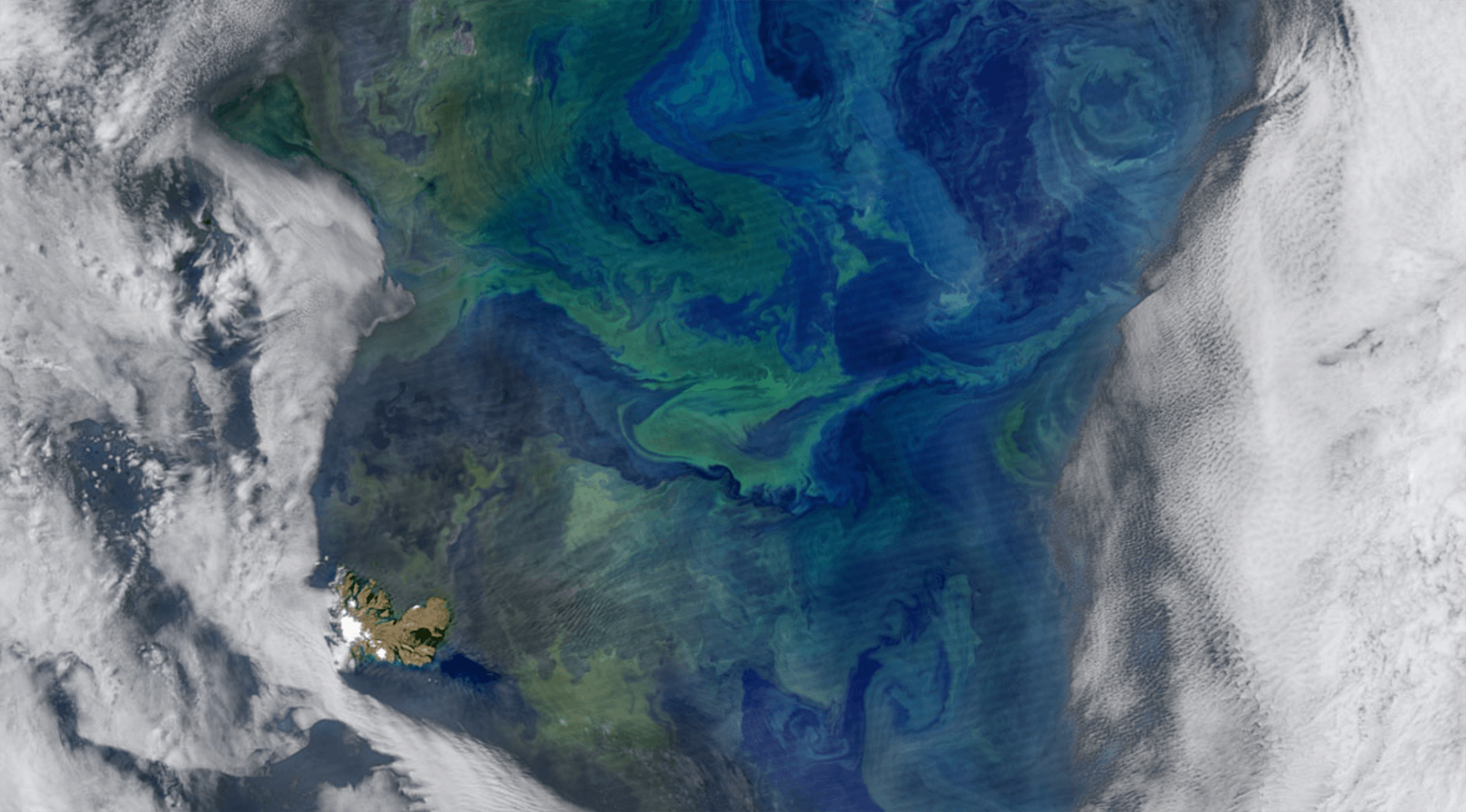
The Sub-Antarctic Mode Waters (SAMW) lie in the southern Indian Ocean and the east and central Pacific Ocean, where they serve as an important sink for both heat and carbon dioxide. Scientists have long debated the origins of the SAMW’s waters, and a new study may have an answer.
Researchers combined data from ocean observations with a model of the Southern Ocean to essentially trace the SAMW’s ingredients back to their respective origins. The results showed that about 70% of the Indian Ocean’s SAMWs came from subtropical waters, but those waters contributed to only about 40% of the Pacific’s SAMWs. Pacific SAMWs had their largest contributions from upwelling circumpolar waters.
Understanding where a SAMW’s waters came from helps scientists predict how those waters will mix and how much heat and carbon they can absorb. (Image credit: NASA; research credit: B. Fernández Castro et al.; via Eos)
Fediverse Reactions
-

What Limits a Siphon
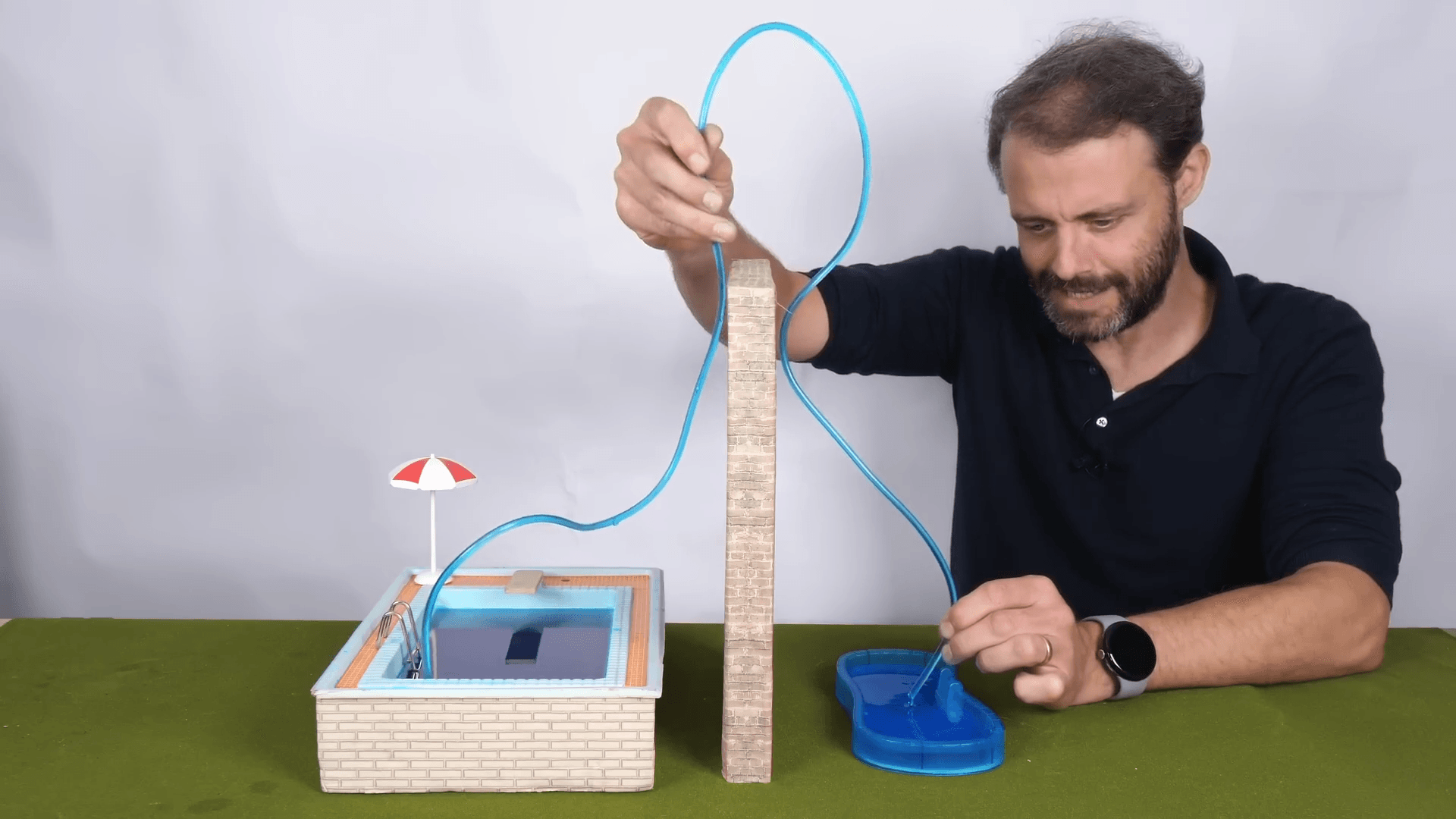
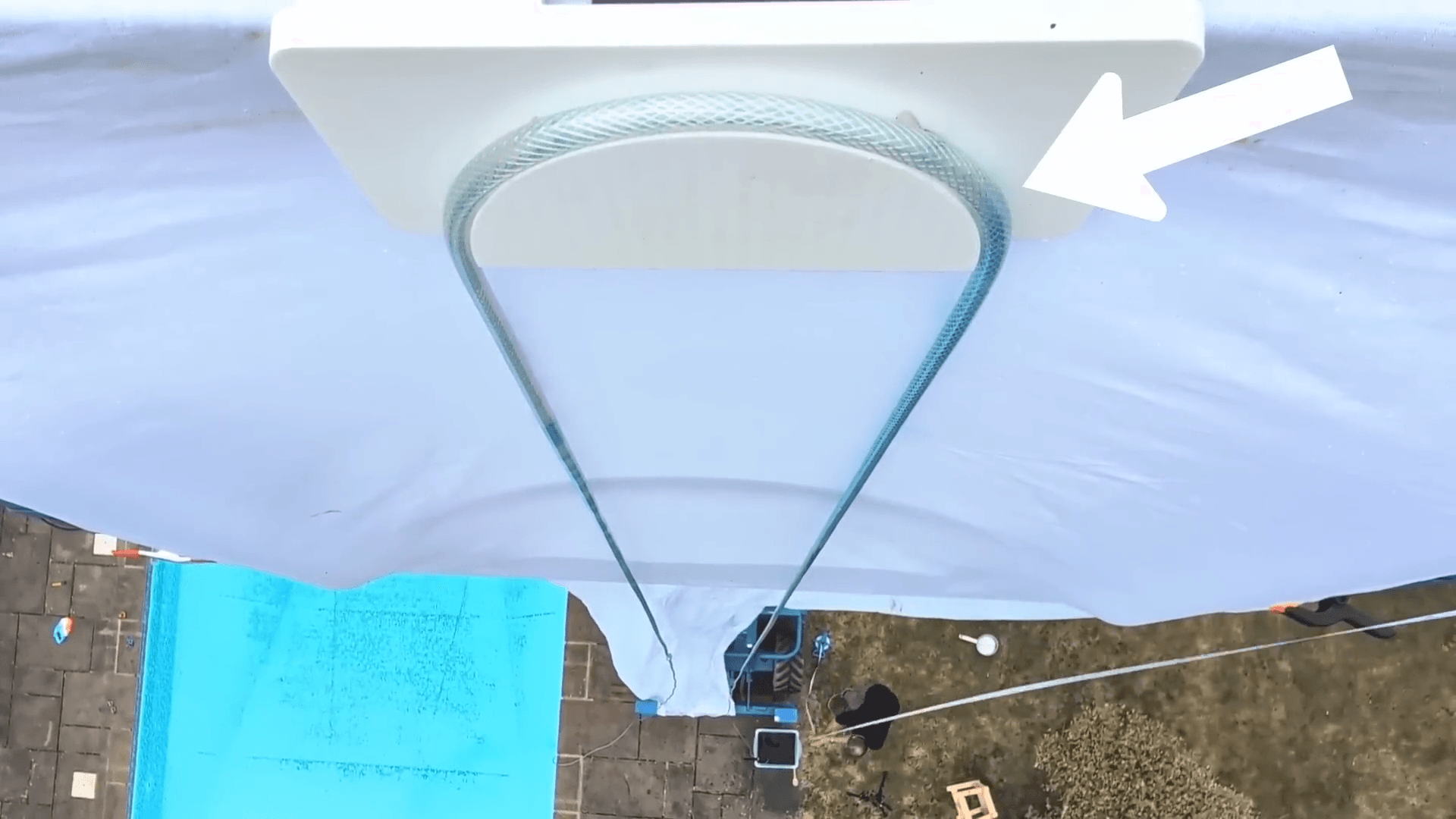
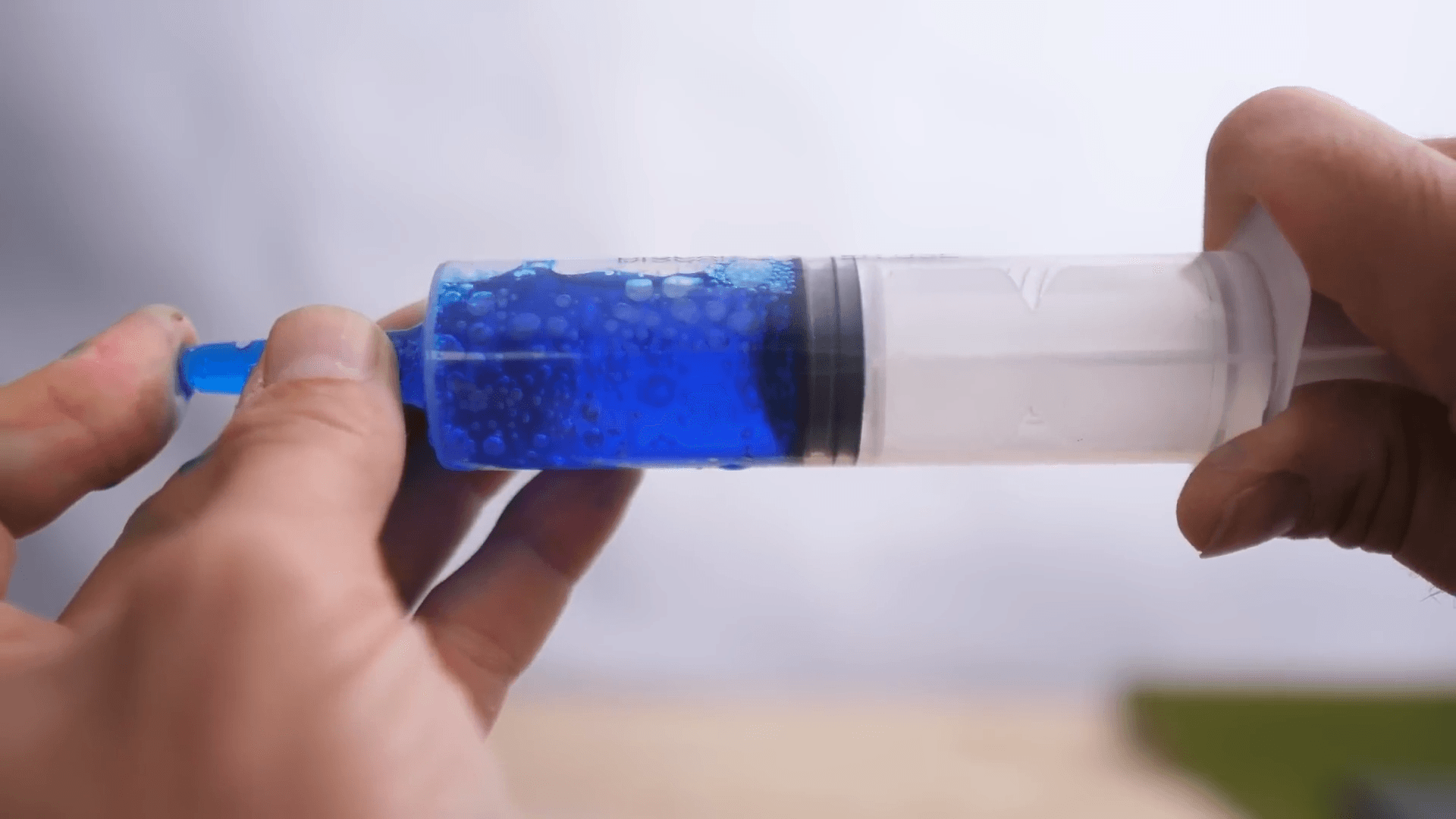
Siphons are a bit mind-boggling for anyone who has internalized the idea that water always flows downhill. But gravity actually allows a siphon’s water to flow up and over an obstacle, provided certain conditions are met. Steve Mould digs into the details of those conditions in this video, where he searches for the maximum height a siphon can reach.
A quick note on terminology: Steve explains that the siphon breaks when water near the top starts “boiling.” Other sources may use the term “cavitating” for this sudden phase change. There’s not–to my knowledge–a generally-agreed-upon definition that clearly distinguishes between boiling and cavitation in this situation. Whichever term you use, the water in the siphon doesn’t care; either way, it’s experiencing a local pressure that’s so low that it switches from a liquid state (where it can resist tensile forces) to a gaseous one (where it cannot resist tension). (Video and image credit: S. Mould)
Fediverse Reactions
-
“Re:Birth”


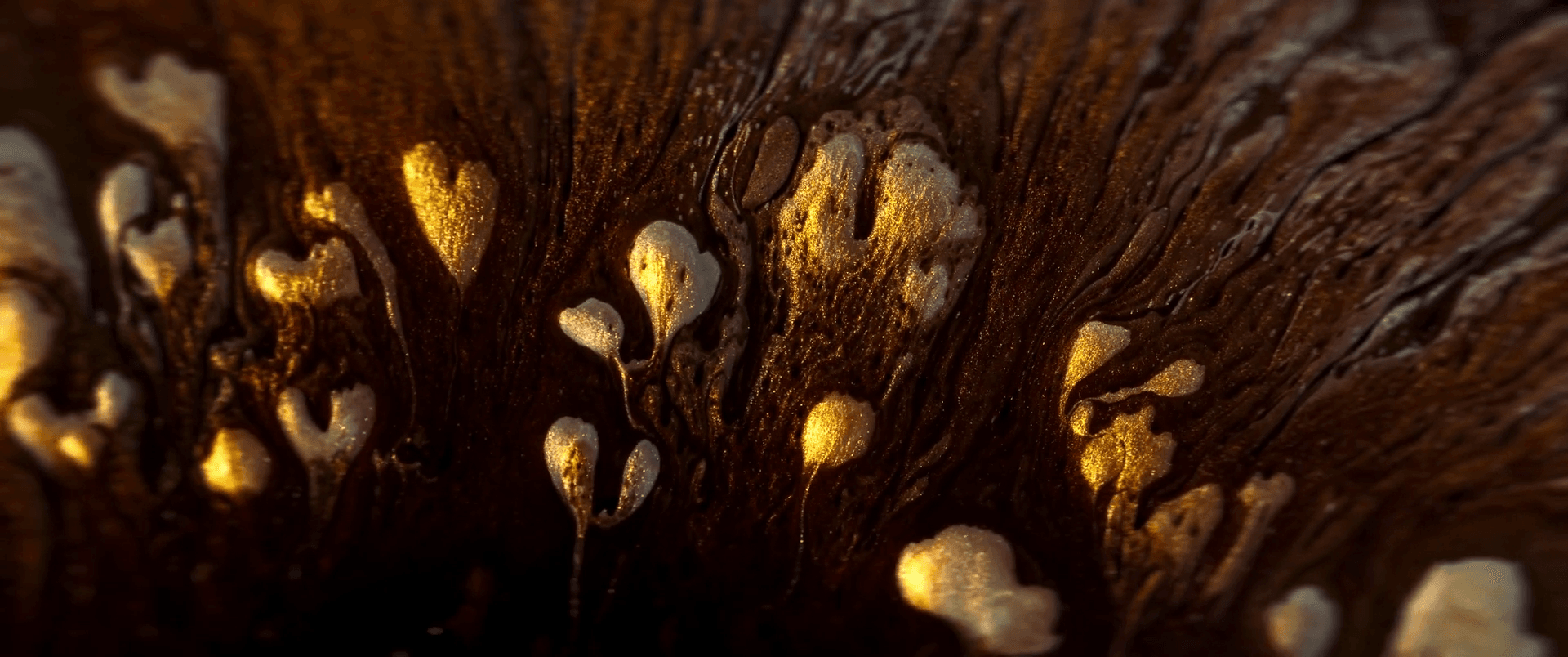

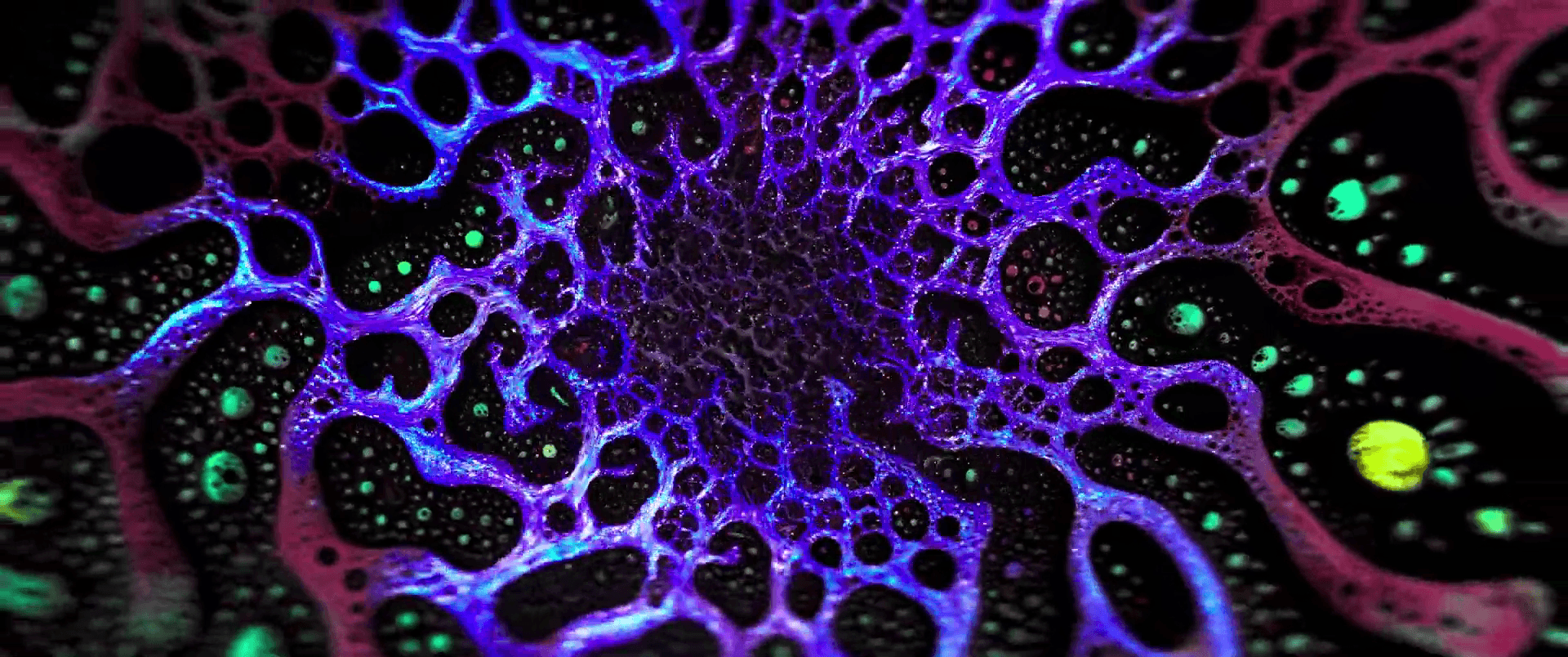
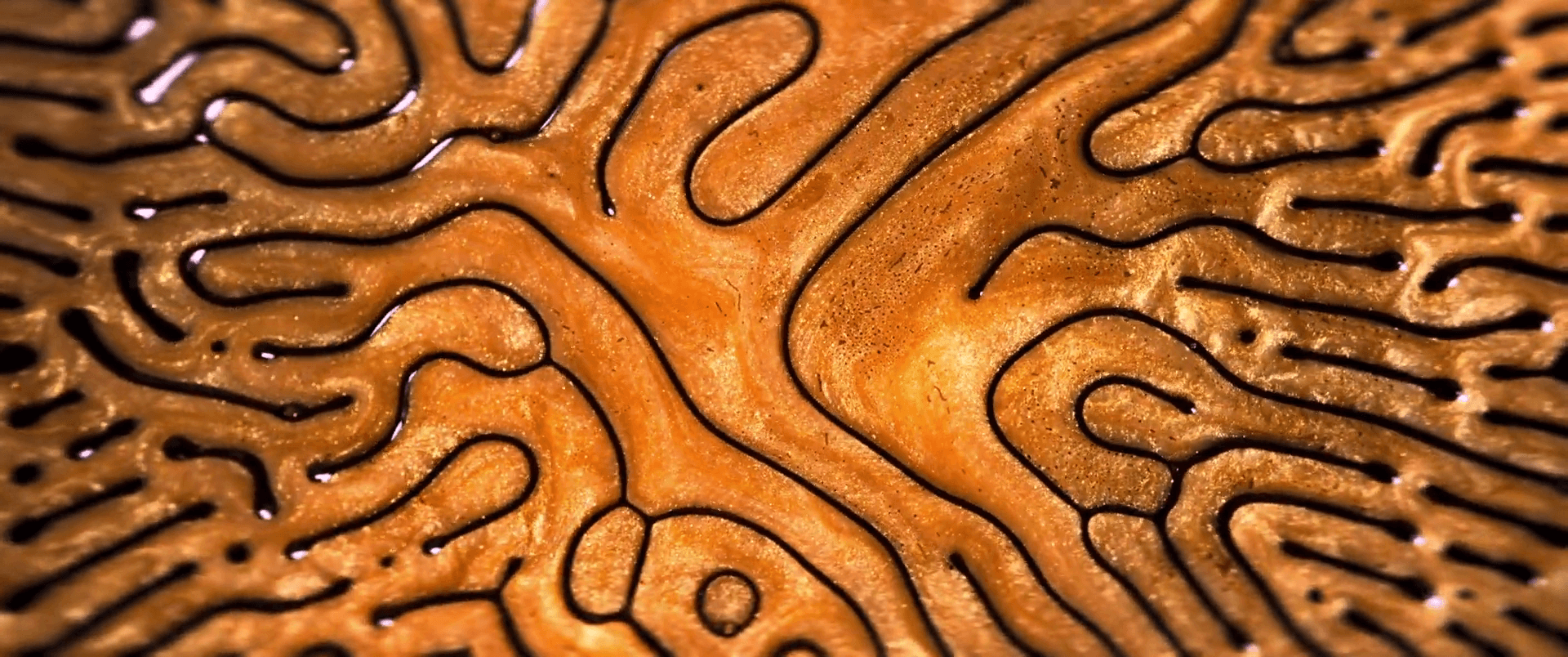
In “Re:Birth,” videographer Vadim Sherbakov explores the fascinating patterns of ferrofluids, which suspend tiny ferrous particles in another liquid, often oil. When this magnetic liquid is mixed with ink or paint, its black lines take on a labyrinthine appearance. The result is rather psychedelic, especially with Sherbakov’s bold colors. (Video and image credit: V. Sherbakov)

Ice Discs Surf on Herringbones
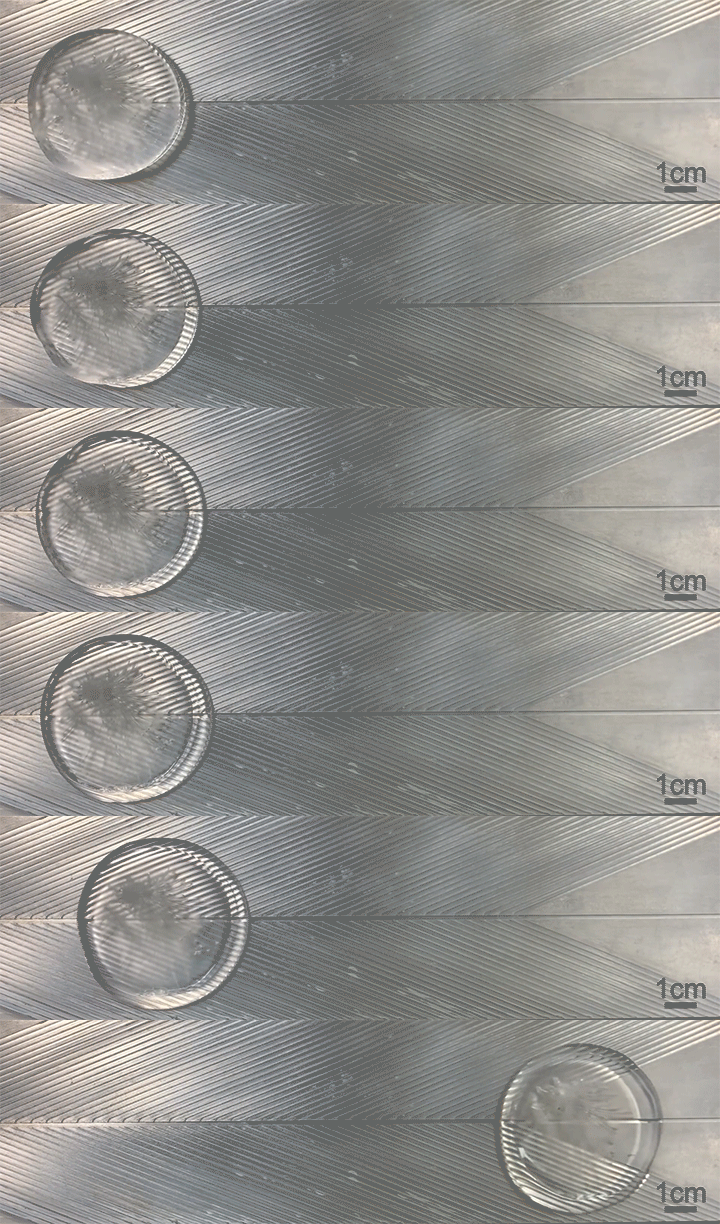
Inspired by the roaming rocks of Death Valley, researchers went looking for ways to make ice discs self-propel. Leidenfrost droplets can self-propel on herringbone-etched surfaces, so the team used them here, as well. On hydrophilic herringbones, they found that meltwater from the ice disc would fill the channels and drag the ice along with it.
But on hydrophobic herringbone surfaces, the ice disc instead attached to the crest of the ridges and stayed in place–until enough of the ice melted. Then the disc would detach and slingshot (as shown above) along the herringbones. This self-propulsion, they discovered, came from the asymmetry of the meltwater; because different parts of the puddle had different curvature, it changed the amount of force surface tension exerted on the ice. Thus, when freed, the ice disc tried to re-center itself on the puddle.
The team is especially interested in how effects like this could make ice remove itself from a surface. After all, it requires much less energy to partially melt some ice than it does to completely melt it. (Image and research credit: J. Tapochik et al.; via Ars Technica)
Fediverse Reactions
-

Albuquerque: Balloonist Paradise
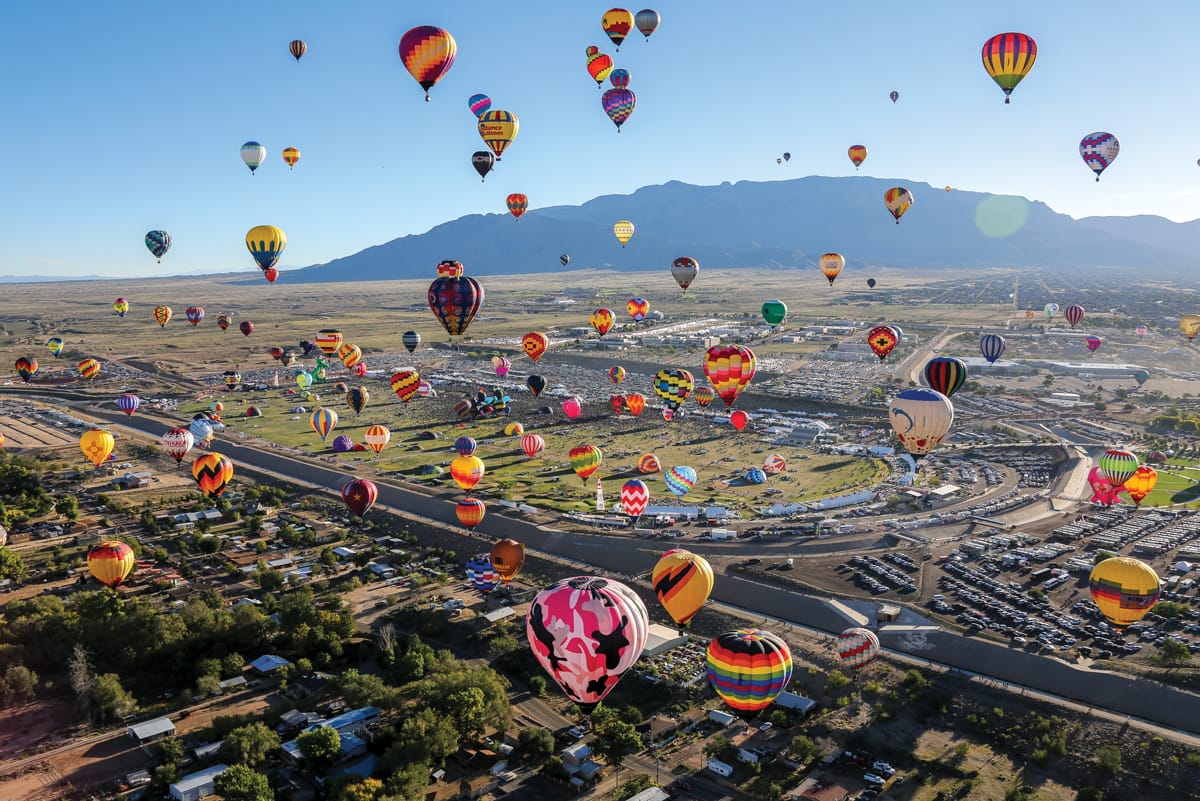
Albuquerque, New Mexico’s unique weather characteristics make it a popular destination for hot-air balloonists. While balloonists can control their altitude by warming or venting the air in their balloon, their horizontal travel comes at the mercy of the wind. (Just ask the erstwhile Wizard of Oz.) What makes Albuquerque special is a combination of topography, dry air, and altitude. Together, these features create the “Albuquerque box,” a circulation that gives south-flowing drainage winds below north-flowing prevailing winds.
The key to the box’s flow is a temperature inversion, where cooler, denser air is trapped near the surface and lighter, warmer air sits above. This typically occurs after a night of clear skies when much of the ground layer’s warm gets radiated away to space — something that’s easily done in high, dry altitudes.
Temperature inversions like this don’t last very long, though; by late morning, the sun’s warmth will dismantle the Albuquerque box. Still, it is a frequent enough occurrence, especially in the stable atmospheric conditions common in the autumn, that the city hosts an International Balloon Fiesta every October. (Image credit: B. Bos; via Physics Today)
Fediverse Reactions
-

Flipping Icebergs
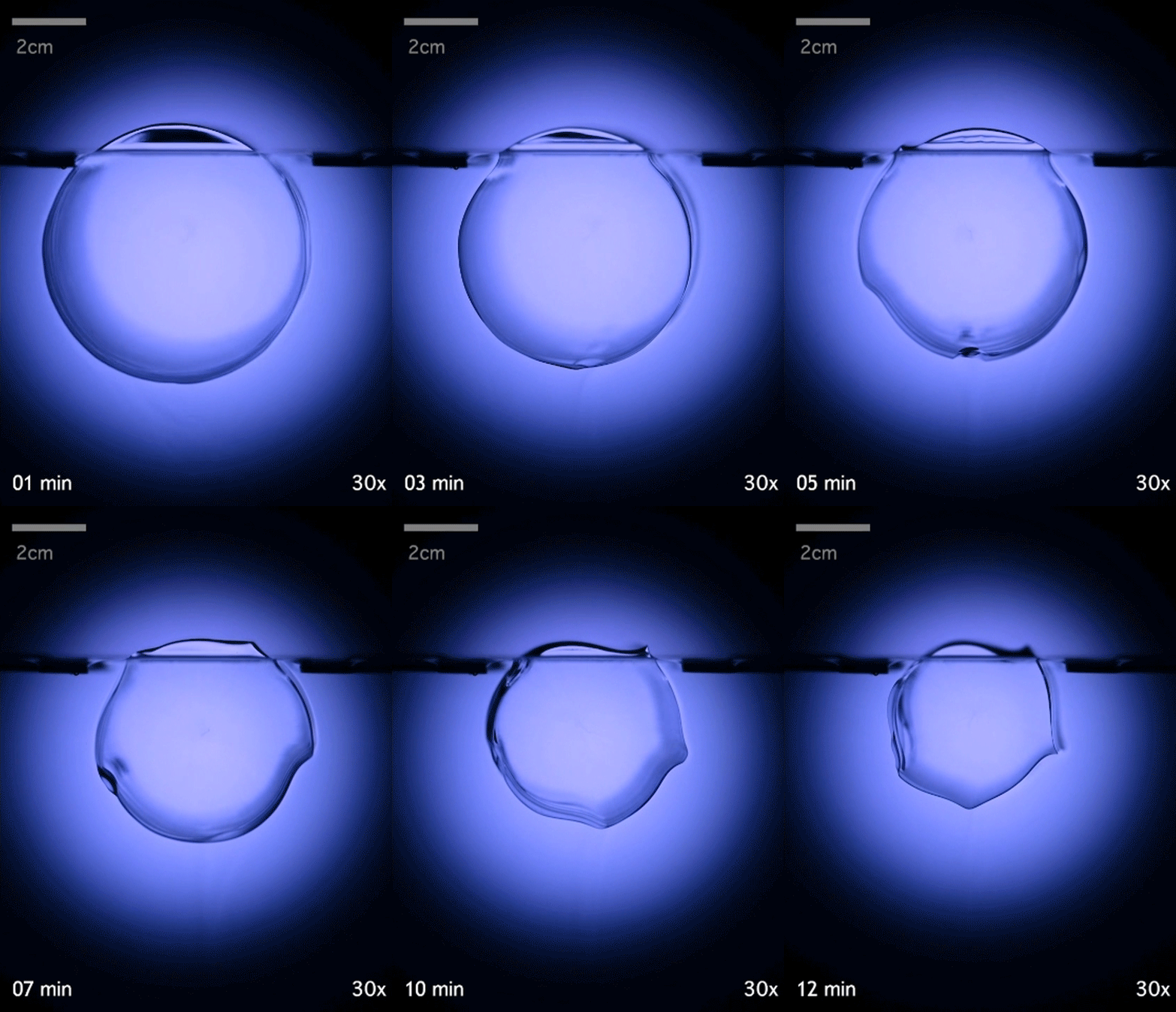
When an iceberg flips, it creates waves that can endanger ships nearby, but the move can also trigger further melting. In the ocean, many factors, including wind and waves, can contribute to an iceberg flipping, so researchers studied small, lab-scale versions to see how melting–alone–affects an iceberg’s likelihood of flipping.

The results showed that melting alone was enough to destabilize icebergs and make them flip, as seen in the timelapse above. These mini-icebergs melted faster underwater, changing the berg’s overall shape and eventually triggering a flip. Corners developed at the waterline where the different melt rates above- and below-the-water met. Whenever a flip occurred, one of these corners would always settle at the new water line, causing the lab iceberg to change from a circular cylinder to a polygon as melting continued. (Image credit: M. Whiston; research and video credit: B. Johnson et al.; via APS)
Fediverse Reactions
-