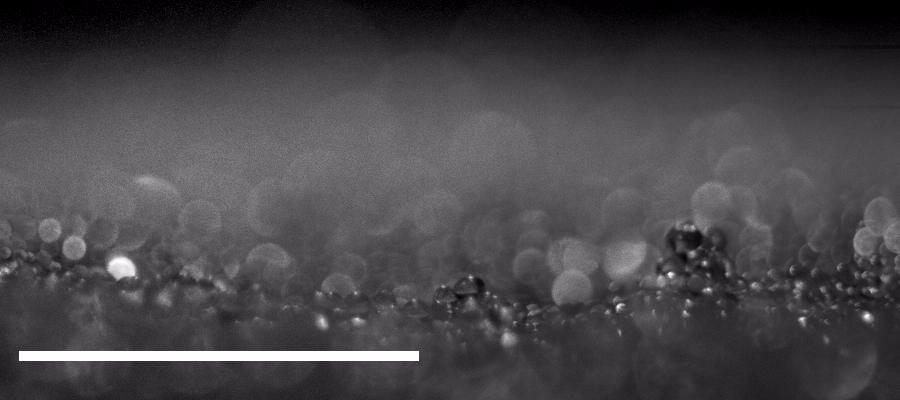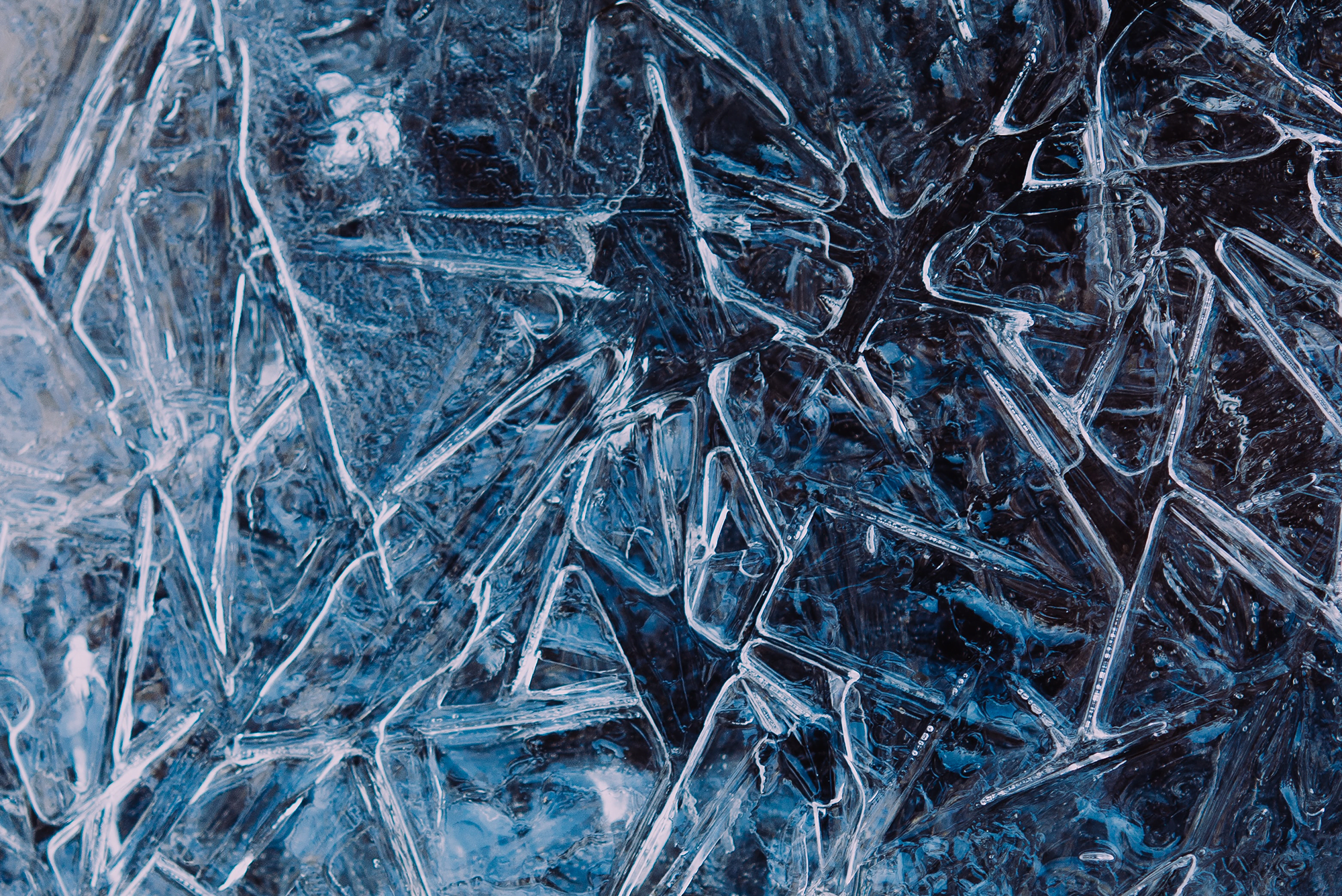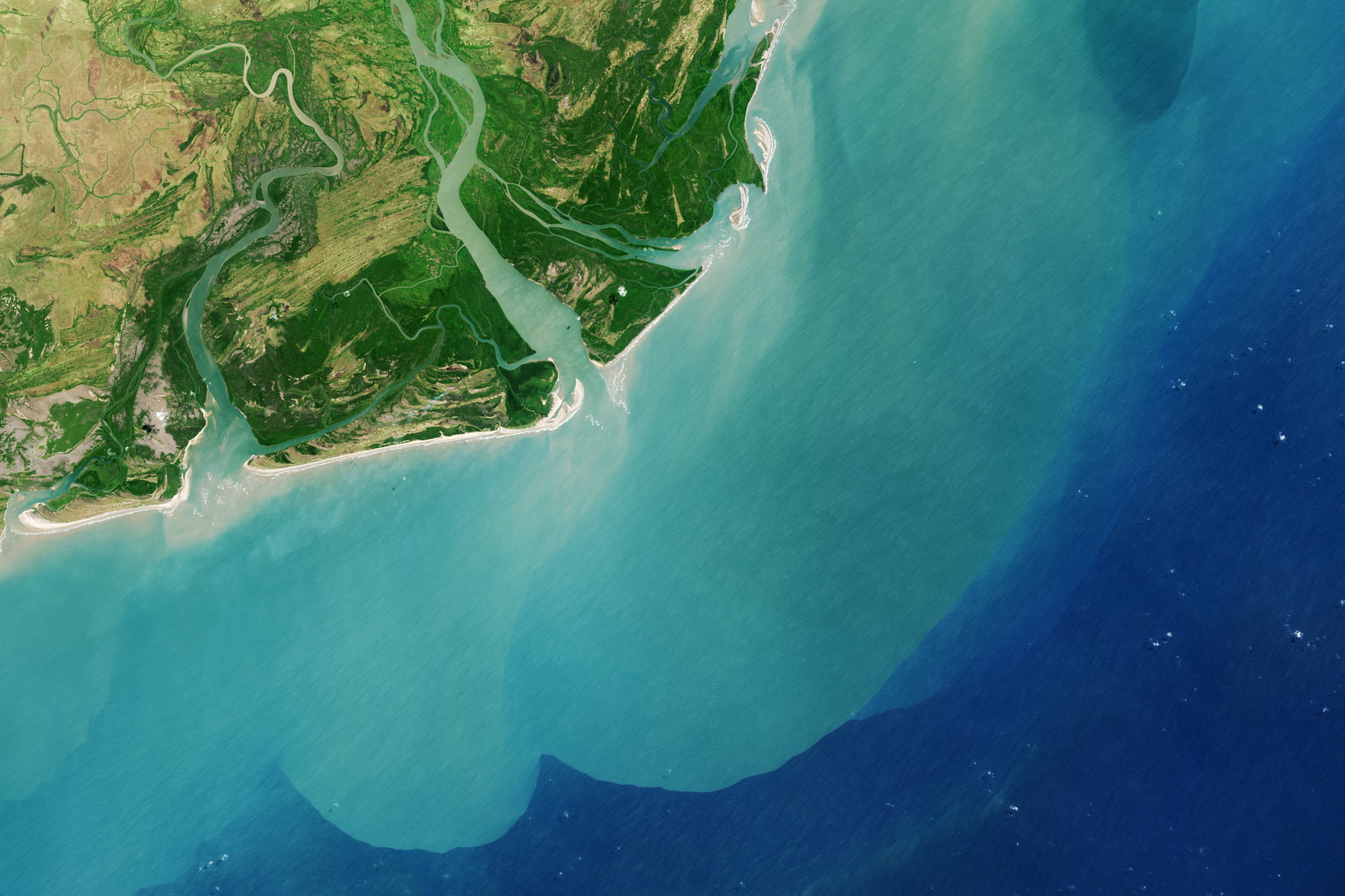
In urban areas, buildings and concrete surfaces create a heat effect that can make temperatures in the city substantially higher than in nearby rural areas. That heat isn’t just above ground, either. It seeps into the subsurface, measurably increasing groundwater temperatures. In a recent study, authors suggest this excess subsurface heat could be reclaimed and recycled (via heat pumps and other heat exchangers) in urban areas to offset peoples’ needs and to help groundwater return to its normal temperature. They found that even focusing on heat stored in the top meter of the subsurface could provide green heating for much of the world’s urban populations. (Image credit: J. Dylag; research credit: S. Benz et al.)
Tag: science

Yellowstone Flooding

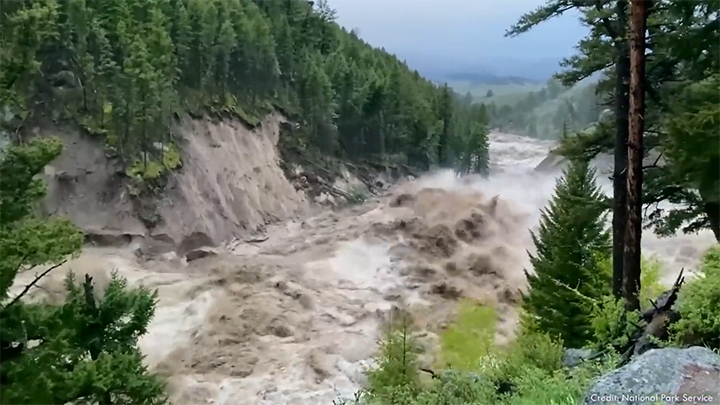


In June of 2022, the area around Yellowstone National Park saw catastrophic flooding. The combined effects of rainfall and snowmelt overwhelmed waterways and washed out many roads and other structures in and around the park. In this video, Grady from Practical Engineering breaks down the floods and their aftermath, including how the area can be rebuilt. His depiction of the flood, from an engineering standpoint, is especially helpful, as he illustrates conditions across the park using flow sensor data. It helps explain the damage and gives viewers a sense for how engineers monitor and analyze these events. (Image and video credit: Practical Engineering)
“Titan”
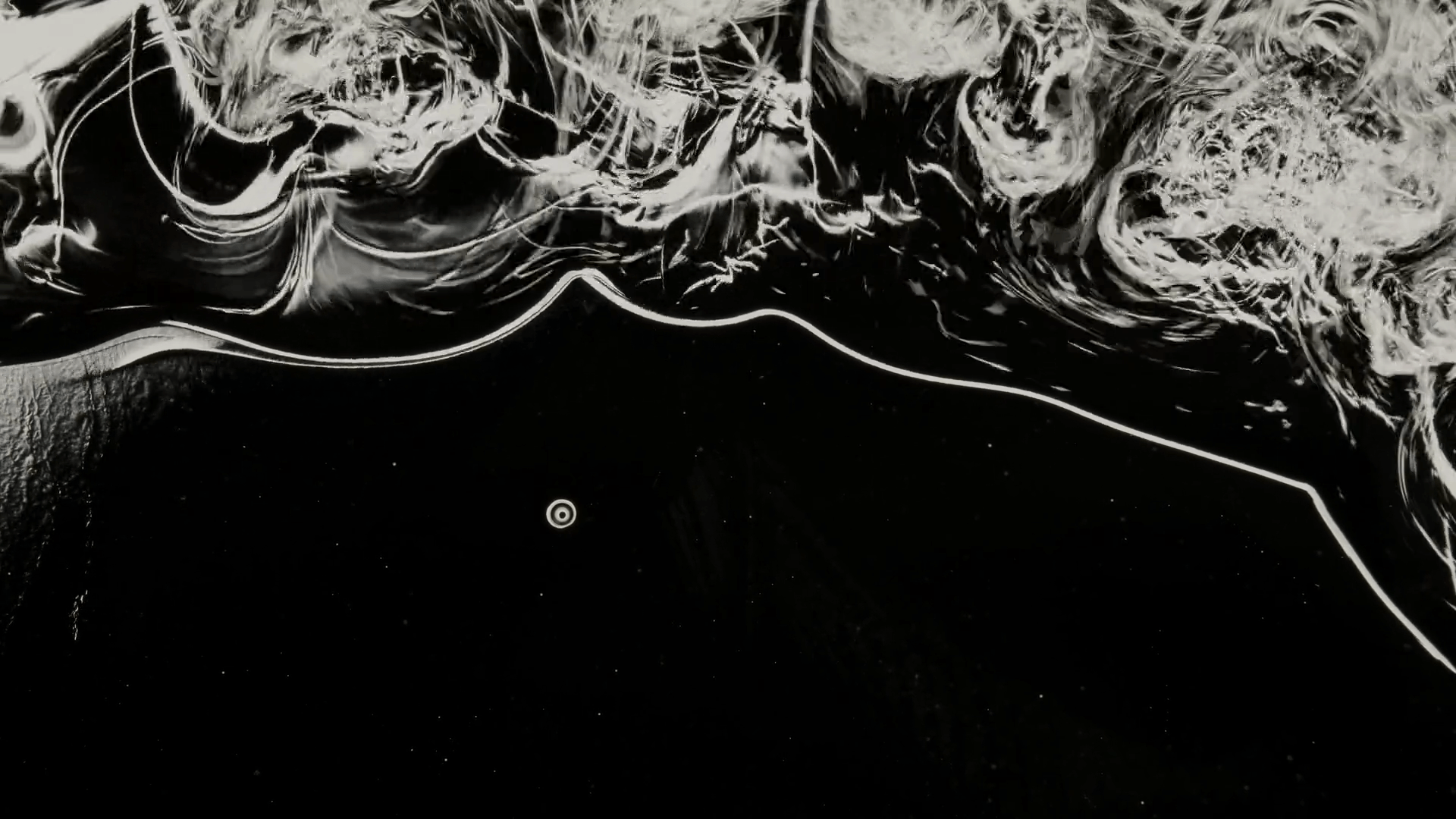

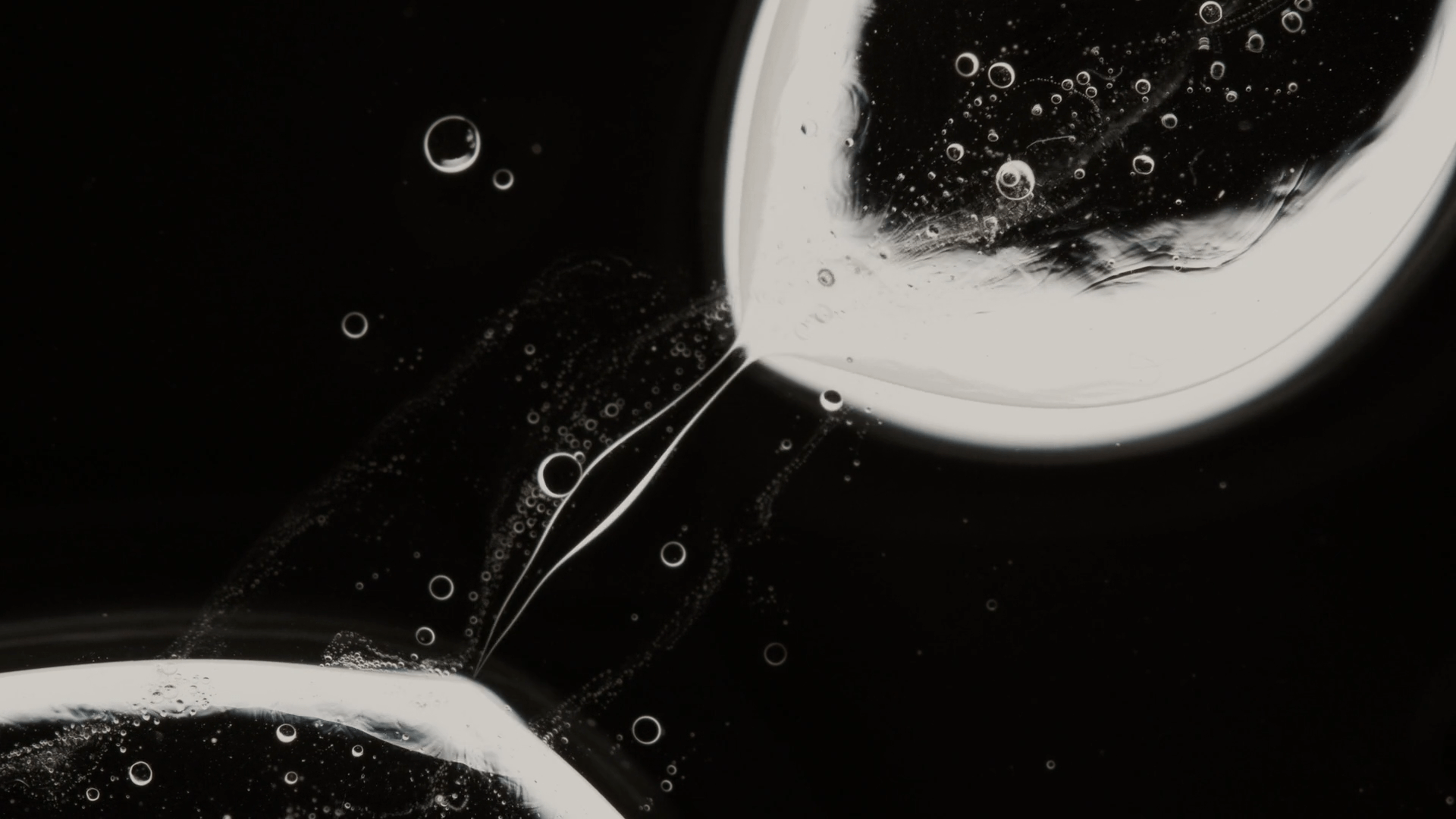
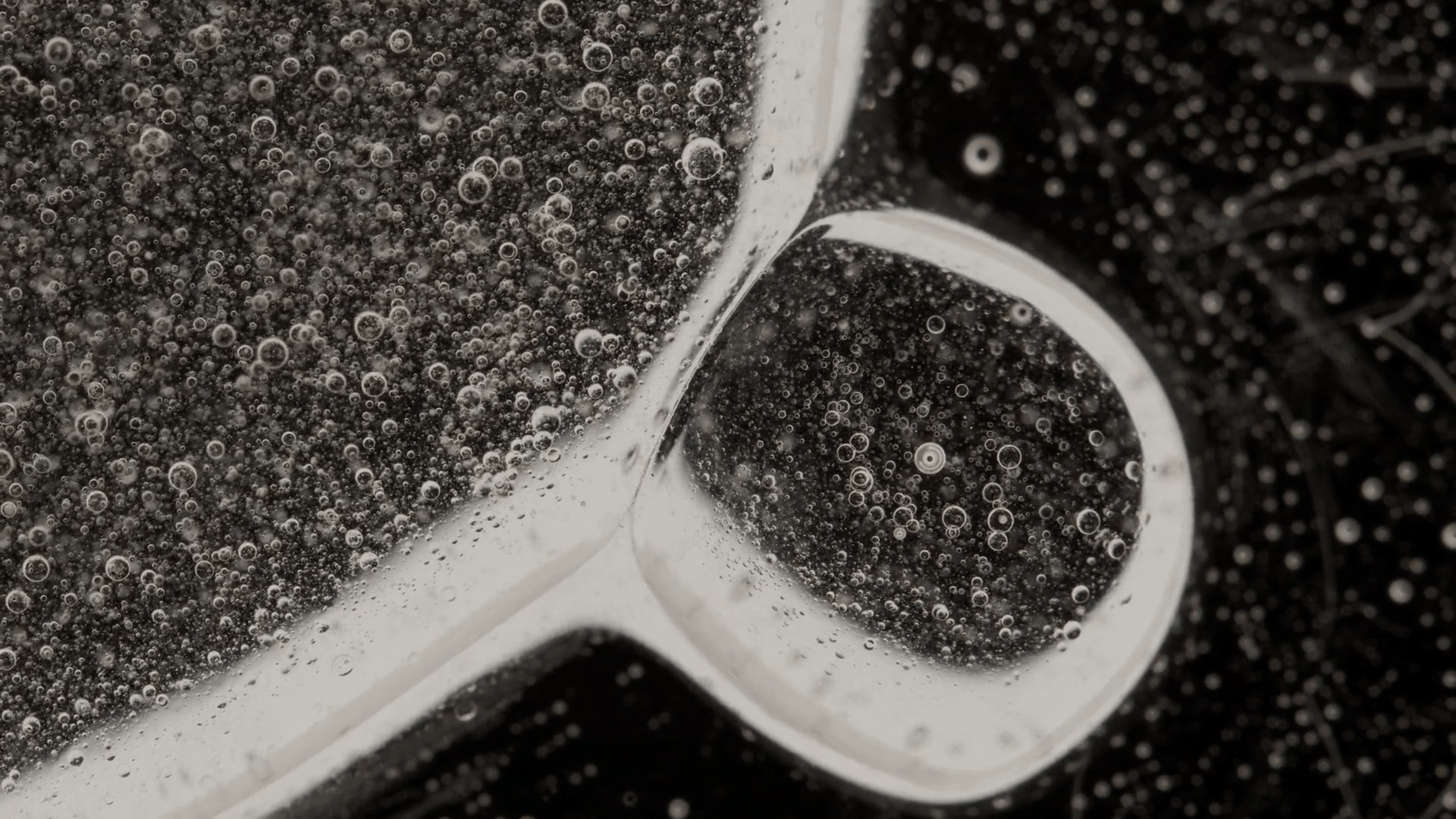

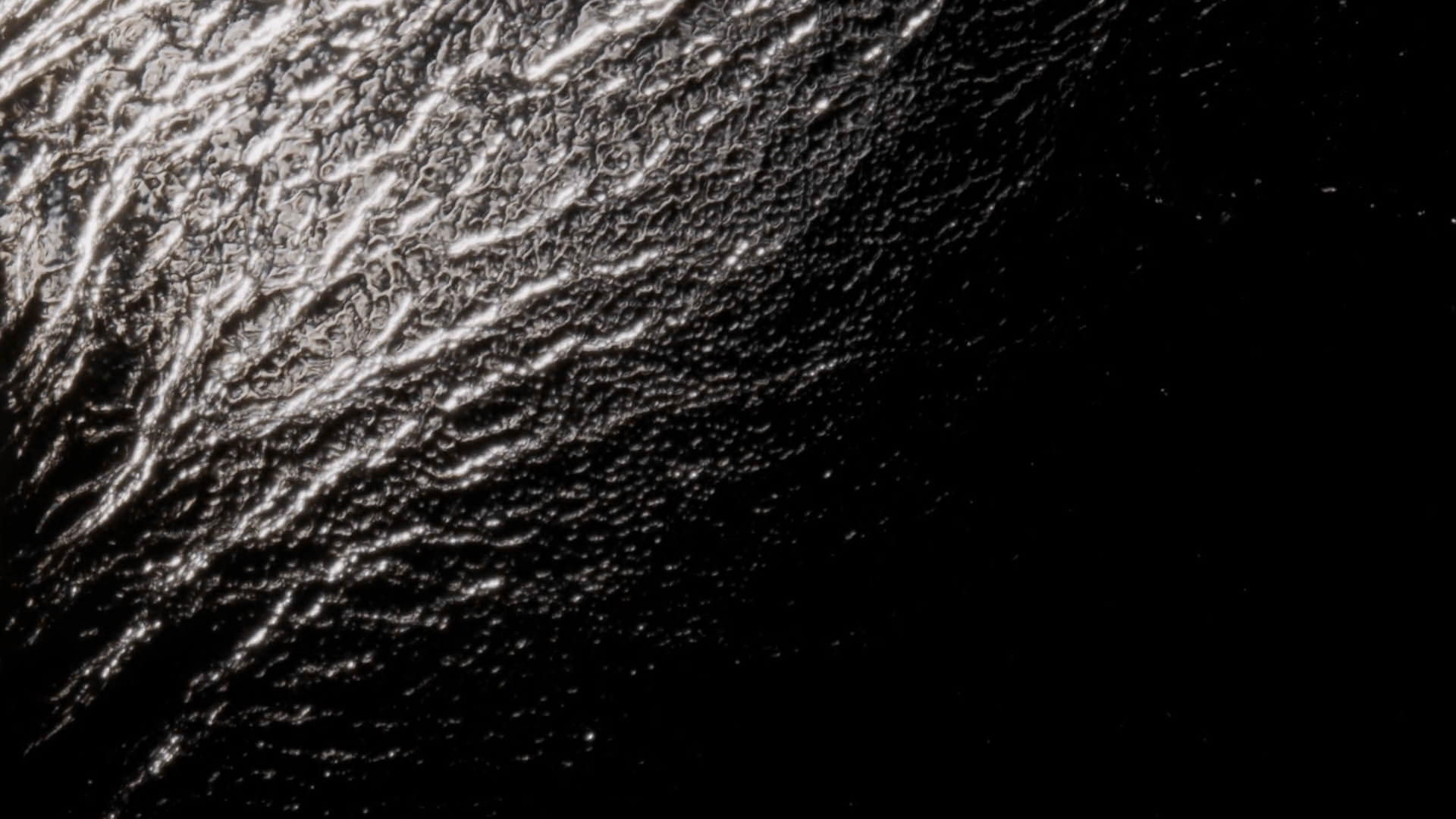
Saturn’s moon Titan is a fascinating foil to our planet. It’s the only other body in our solar system with liquid bodies — lakes and seas — on its surface. But where Earth’s oceans are filled with water, Titan’s frigid lakes are liquid hydrocarbons. This video, “Titan,” is a short film inspired by the moon’s seas and is made up of various liquids and chemical reactions filmed under magnification. Sit back and enjoy the flow! (Image and video credit: S. Bocci/Julia Set Lab)

Eroding Grains


When a spacecraft comes in for a landing (or a tag similar to what OSIRIS-REx did), there’s a turbulent jet that points straight into a bed of particles. How those particles react — how they erode and the crater that forms — depends on many factors, including the cohesion between particles. In these experiments, researchers investigated such a jet (in air) and its impact on particles with differing amounts of cohesion.
When there is little cohesion between particles, erosion takes place a single particle at a time (Image 1). Once there’s some cohesion, the jet’s velocity has to be higher to trigger erosion (Image 2). Once erosion does begin, it includes both singular and clumped particles. In highly cohesive beds, velocities must be even higher to create erosion, which takes place with large clusters of particles flying off together (Image 3). (Image and research credit: R. Sharma et al.)
Peering Into the Gap
This video offers a glimpse into turbulence developing in a classic flow set-up, a Taylor-Couette cylinder. The apparatus consists of two upright, concentric cylinders; the outer cylinder is fixed, and the inner one rotates. This video shows the gap between the cylinders, and it’s rotated so that the inner cylinder is at the bottom of the frame. Gravity points from left to right in the video. The fluid in the 8-cm gap between the cylinders is water, seeded with rheoscopic particles to visualize the flow.
The video begins as the inner cylinder has just begun to rotate, dragging nearby fluid with it. A thin, laminar boundary layer forms at the bottom of the frame, growing as time goes on. A few seconds in, the boundary layer transitions to turbulence; look closely and you’ll see hairpin-shaped vortices appear. Just after that, the boundary layer becomes entirely turbulent and continues to slowly move upward to take over the full gap. The video is available in a full 4K resolution if you really want to get lost in the flow. (Video credit: D. van Gils)

Hydrophobic Ice
Water is an endlessly peculiar substance, eager to adopt many configurations. Each molecule can form up to four, highly-directional bonds. In this study, researchers found an unexpected configuration, a 2D type of ice known as bilayer hexagonal ice, on a corrugated gold surface. Bilayer hexagonal ice has been known since the late 1990s, but it was thought to be comparatively rare. In this form, water molecules assemble in an ice only two molecular layers thick, with hydrogen bonds between neighboring molecules taking up nearly all possible binding sites. With nowhere to bind, additional water cannot add to the ice’s thickness, making the ice as a whole hydrophobic or “water-fearing”.

This illustration shows a type of 2D ice, known as bilayer hexagonal ice, as it forms on a corrugated gold surface. From above (top half), the water molecules align to the surface with some molecules (red) in the troughs and others (pink) along the ridges. Viewed from the side (lower half), most of the molecules bind with their neighbors, leaving few H-bond sites available where more water layers of water could attach. This inability to add more vertical layers is why the ice appears hydrophobic. Previously, this type of ice had only been found on hydrophobic, flat surfaces. In the latest research, though, researchers found that surface corrugations allowed the ice to form, even on a surface that was only slightly hydrophobic. Observations like these help theorists modeling water and its interactions with surface. (Image credit: top – E. McKenna, illustration – APS/A. Stonebraker; research credit: P. Yang et. al.; via APS Physics; submitted by Kam-Yung Soh)
Aerated Faucets


So much goes on in our daily lives that we never see. But with the power of the smartphones in our pockets, we can catch more than ever before, as illustrated in this video. Here a researcher uses the standard “slo-mo” (240 fps) video mode on a smartphone to look at the flow from a typical kitchen faucet. Household faucets often have an aerator that adds air bubbles to the flow, something that’s particularly visible in slow motion at high flow rates. What you can see depends on more than just the frame rate, though. Without strong illumination — provided in this case by sunlight — you could easily miss the cloud of droplets ejected by the faucet. (Image and video credit: M. Mungal)

Under the Sea


Deep below the ocean surface, light is in short supply. But dive photographer Steven Kovacs specializes in capturing the ethereal creatures that live in this darkness. Many of his subjects are larval fish, whose forms defy our hydrodynamic expectations. Why would young (presumably less energetic) fish have so many long, drag-inducing appendages? Clearly there’s more to life under the sea than streamlining alone!
Perhaps our instincts are wrong and these shapes are not as detrimental as they look at first glance. Flexibility can make a drastic difference in hydrodynamics, after all. And some of these species are preparing themselves for a life not spent entirely underwater, anyway. (Image credit: S. Kovacs; via Colossal)

When Rivers Jump
Avulsions — sudden changes in the course of a river — are a river’s equivalent of an earthquake, and they can be similarly devastating for those in the river’s path. In a recent study, authors combed through 50 years’ worth of satellite data to catalog over 100 avulsions and categorize them into three regimes. About a quarter of the observed avulsions took place in the river delta’s fan, where the river spreads out once it exits a canyon or valley. These avulsions, they found, occur when rivers lose confinement and sediment can build up.

This animation of satellite images shows the sudden avulsion — a dramatic change in the river’s course — that took place on the Kosi River in 2008. Among the other observations, the team linked avulsion location to the river’s flow properties. Most of these remaining avulsions took place in the river’s backwater region, where the river begins to slow down before its outlet. The last category of avulsion took place far upstream of the backwater region on rivers with high sediment flows. During flood conditions, erosion can travel far upstream on these rivers, causing avulsions in unexpected places. Changes in sediment load due to human activities, like deforestation, could even cause rivers to change from the backwater regime to the high-sediment load one. (Image credit: top – R. Simmon/USGS, bottom – S. Brooke et al.; research credit: S. Brooke et al.; via AGU Eos; submitted by Kam-Yung Soh)

Fish-Scale Tides
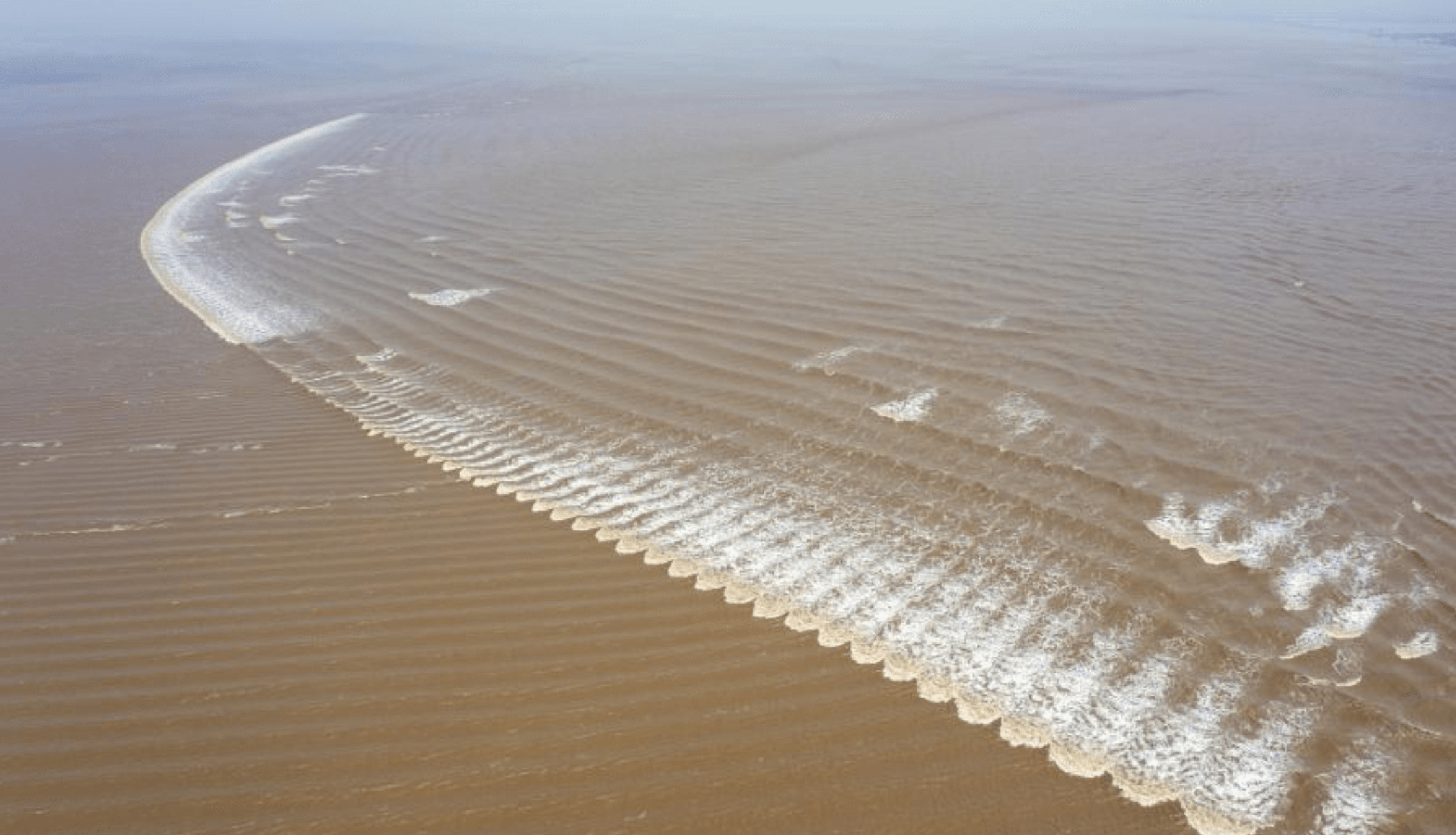
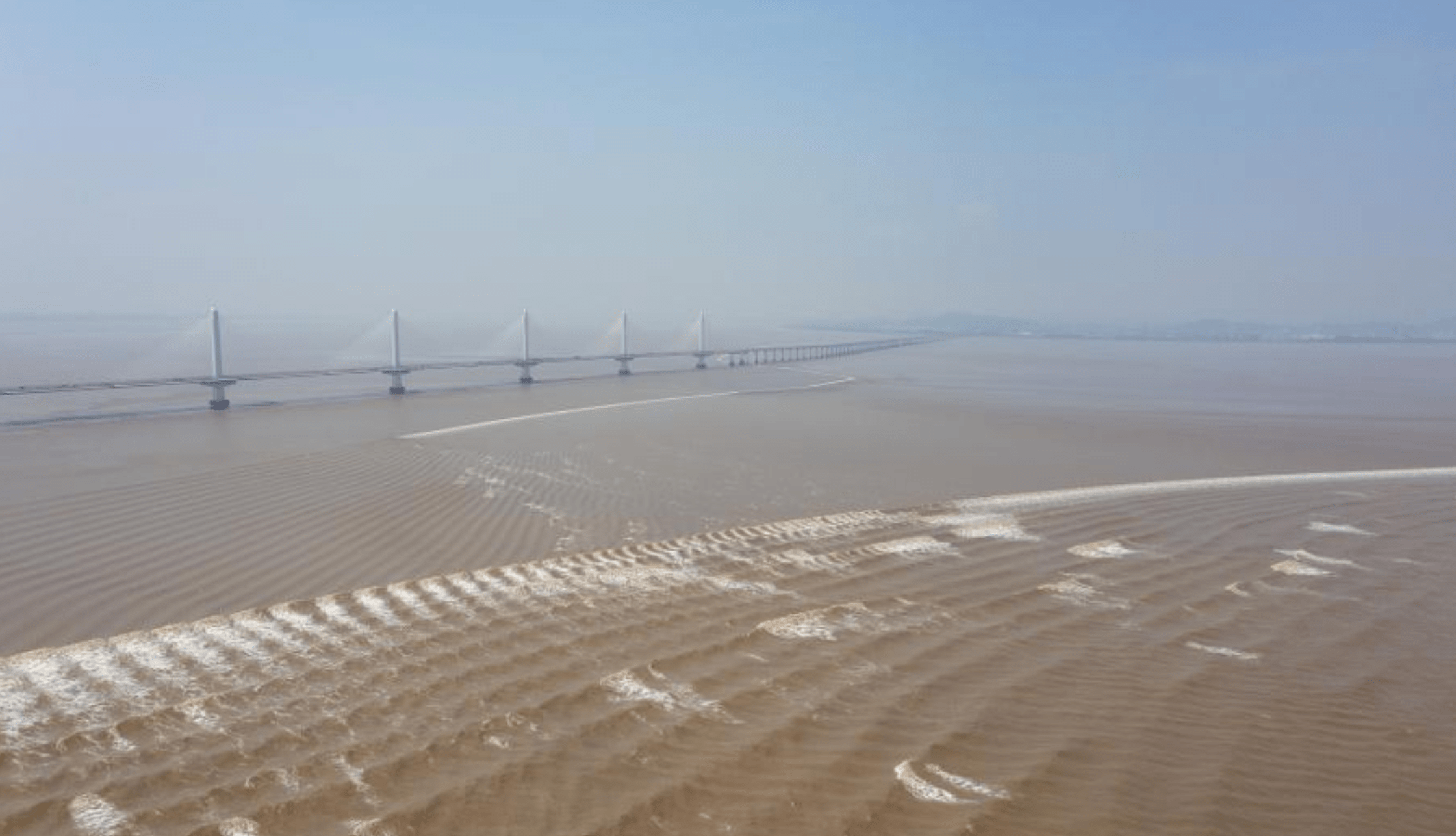
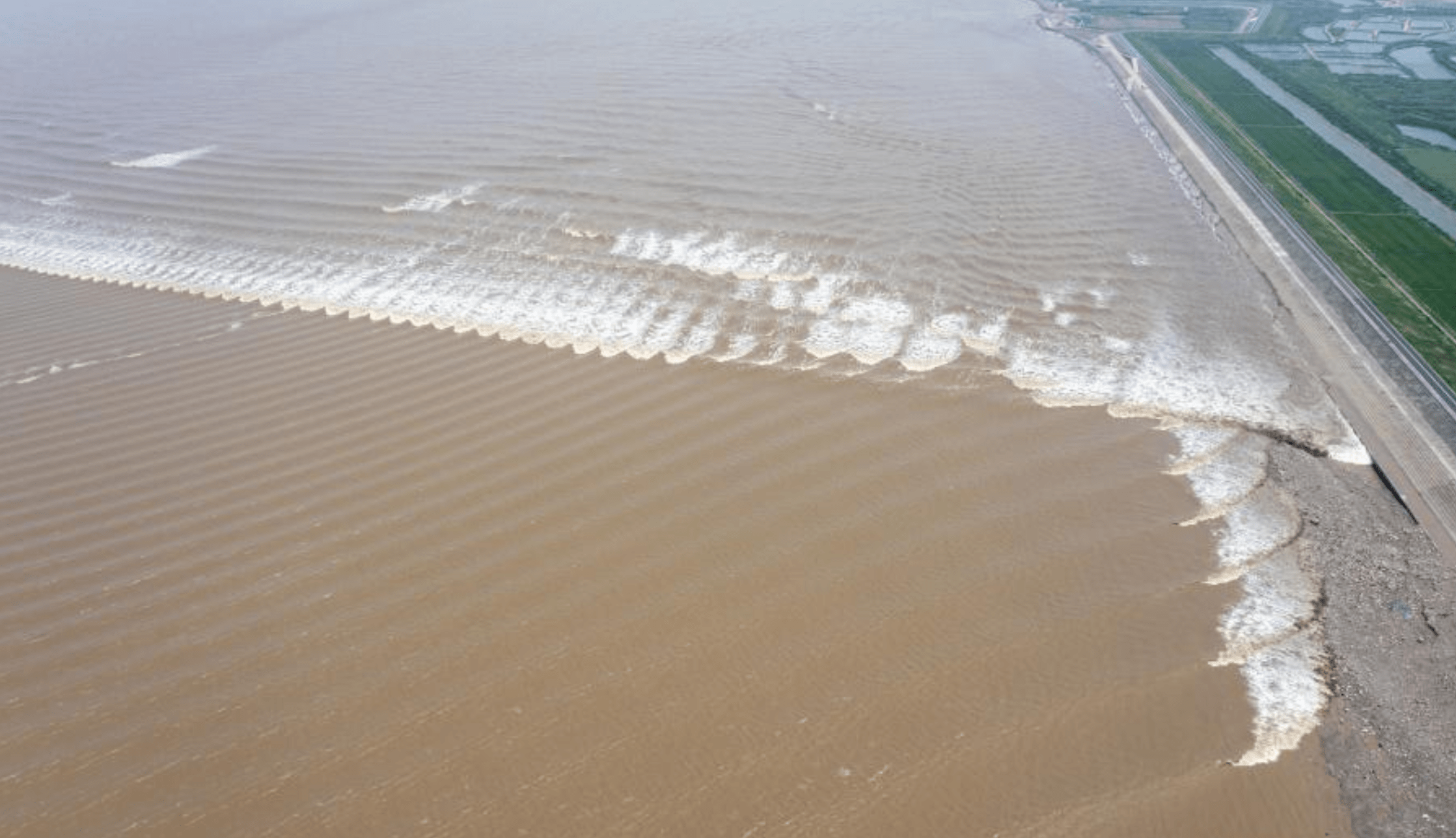
On 31 July 2022, an unusual tidal phenomenon, a fish-scale tide, took place on the Qiantang River’s estuary in Zhejiang Province, China. Here are a couple videos. I’ve not found any explanations for it thus far, so I’m assembling my own. The Qiantang River and its estuary, Hangzhou Bay, are home to the world’s largest tidal bores, reaching 9 meters in places. That means the area regularly sees trains of large waves moving upstream against the normal current.
The area is also known to have rotating currents, meaning that the tide does not simply move inland and then smoothly reverse direction. Instead, a rotating current can change its direction of flow over the course of a tidal cycle without changing its speed. Taken together, this makes the Qiantang River region perfect for winding up with groups of waves colliding at oblique angles, similar to a cross sea. I believe that’s what’s going on here with the fish-scale tide. Two sets of tidal-bore-induced waves are colliding at an angle, creating some gnarly conditions and a very cool pattern. (Image credit: VCG; submitted by Antony B.)