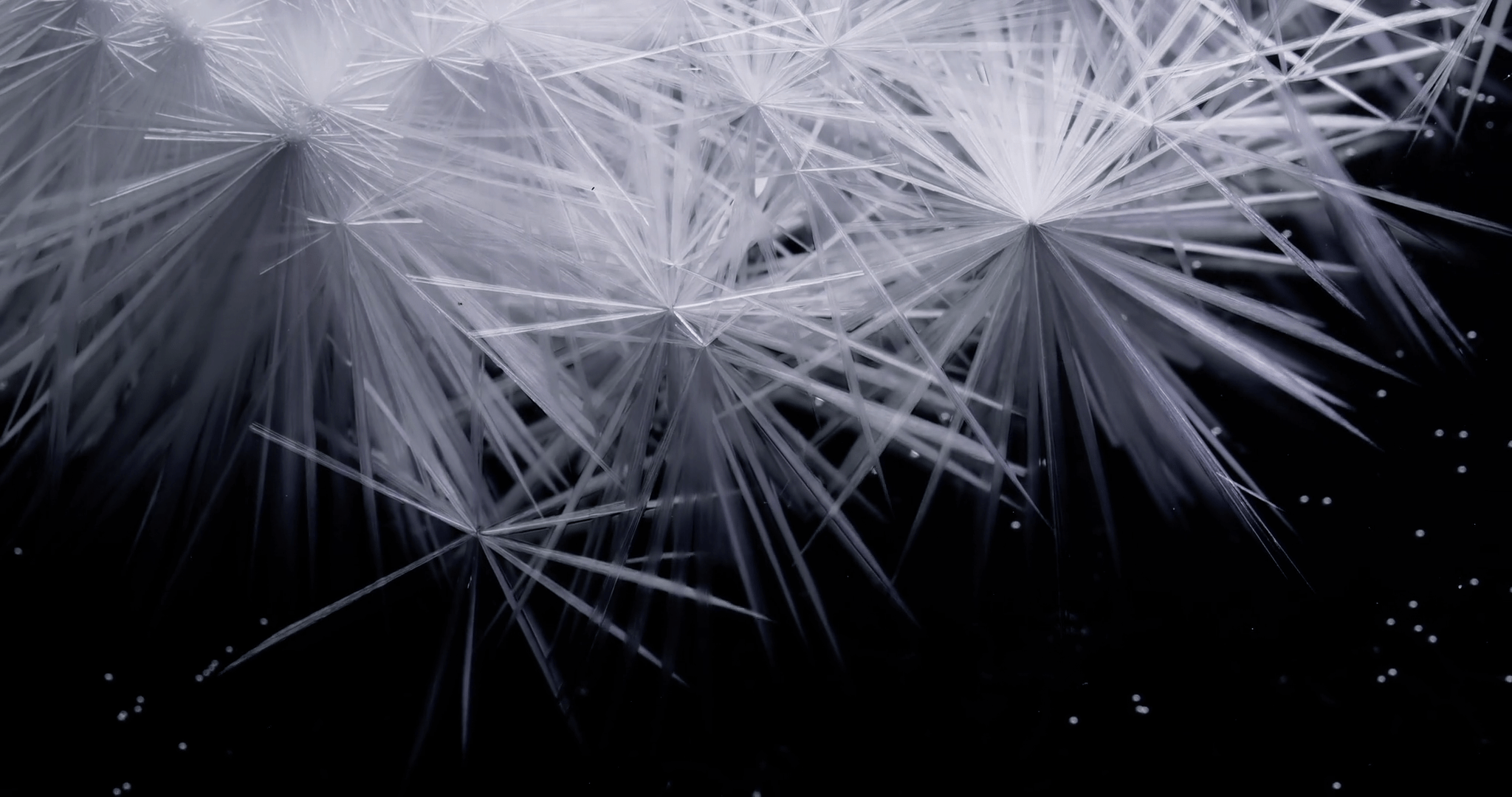
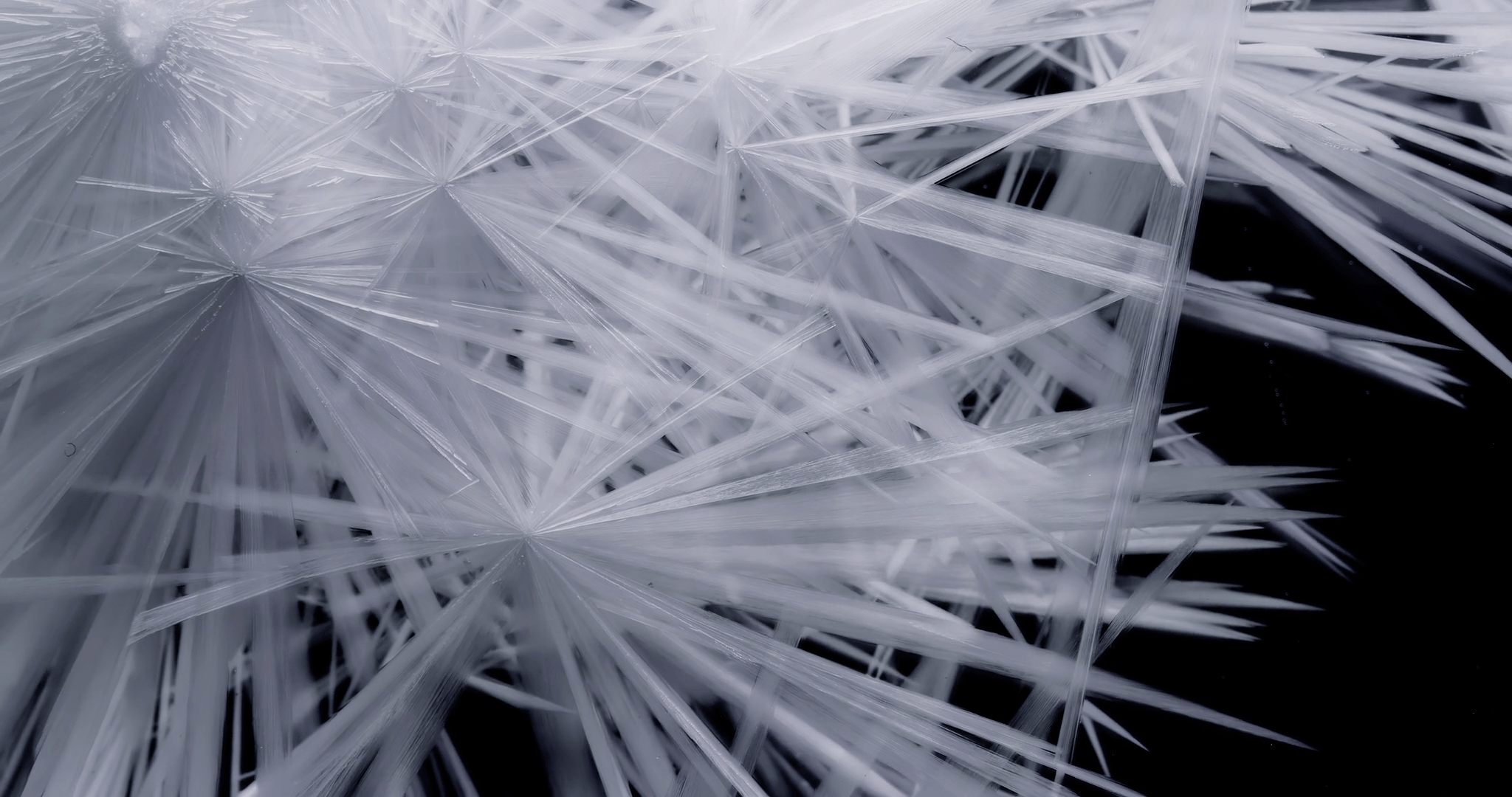
Soap films are ephemeral and ever-changing. The shifting concentration of surfactants along the surface of the film, combined with thermally-driven convection, keeps the fluid in motion. The shifting colors reflect subtle changes in the soap film’s thickness. Over time, gravity drains fluid from the top of the film, thinning it to the point that it appears black. This photo from Bruno Militelli captures all of that detail in a striking and fascinating image that earned him 2nd place in the Manmade category of the Close-Up Photographer of the Year awards. You can find more winners of the competition here, and more of Militelli’s work on his website and Instagram. (Image credit: B. Militelli)
Tag: fluids as art

Lava Landscapes
Lava flows are, by definition, transient. In his LAVA series, photographer Jan Erik Waider explores the changing vistas and textures of Iceland’s Fagradalsfjall volcano eruption. Using a telephoto lens, he captures incredible details of the charred, cooling outer crust of the lava and the glowing molten interior. Only minutes later, fresh lava tore through, destroying these natural sculptures. You can find prints of his images on his website. (Image credit: J. Waider; via Colossal)

Luminous Fruits
Light shines through citrus and melon in this
photographicphotorealistic series of paintings from artist Dennis Wojtkiewicz. The strong illumination reveals the underlying structure of pith, pulp, and juice. The deformable pockets of fluid in the peel of citrus fruits are the source of some incredible microjets. When the peel bends, it compresses these tiny fluid-filled pockets, creating incredibly high pressures that eventually drive a burst of oil at g-forces comparable to those felt by a bullet fired from a gun. Learn more about citrus jets here and see more of Wojtkiewicz’s work and purchase prints here on his site. (Image credit: D. Wojtkiewicz; via Colossal)ETA: Thanks to A.J. for pointing out that Wojtkiewicz is, in fact, a painter (and not a photographer), making his work all the more astounding! We regret the error.

Acrylic Paint Fractals
Here’s a simple fluids experiment you can try at home using acrylic paints, ink, isopropyl alcohol and a few other ingredients. When dropped onto diluted acrylic paint, a mixture of black ink and alcohol spreads in a fractal fingering pattern. The radial (outward) flow is driven by the alcohol’s evaporation, which increases the local surface tension and draws fluid outward. The shape and density of the fingers depends, at least in part, on the viscosity of the underlying paint layer; more viscous paint layers grow smaller and denser fractal patterns. (Image and video credit: S. Chan et al.)
“Halo”
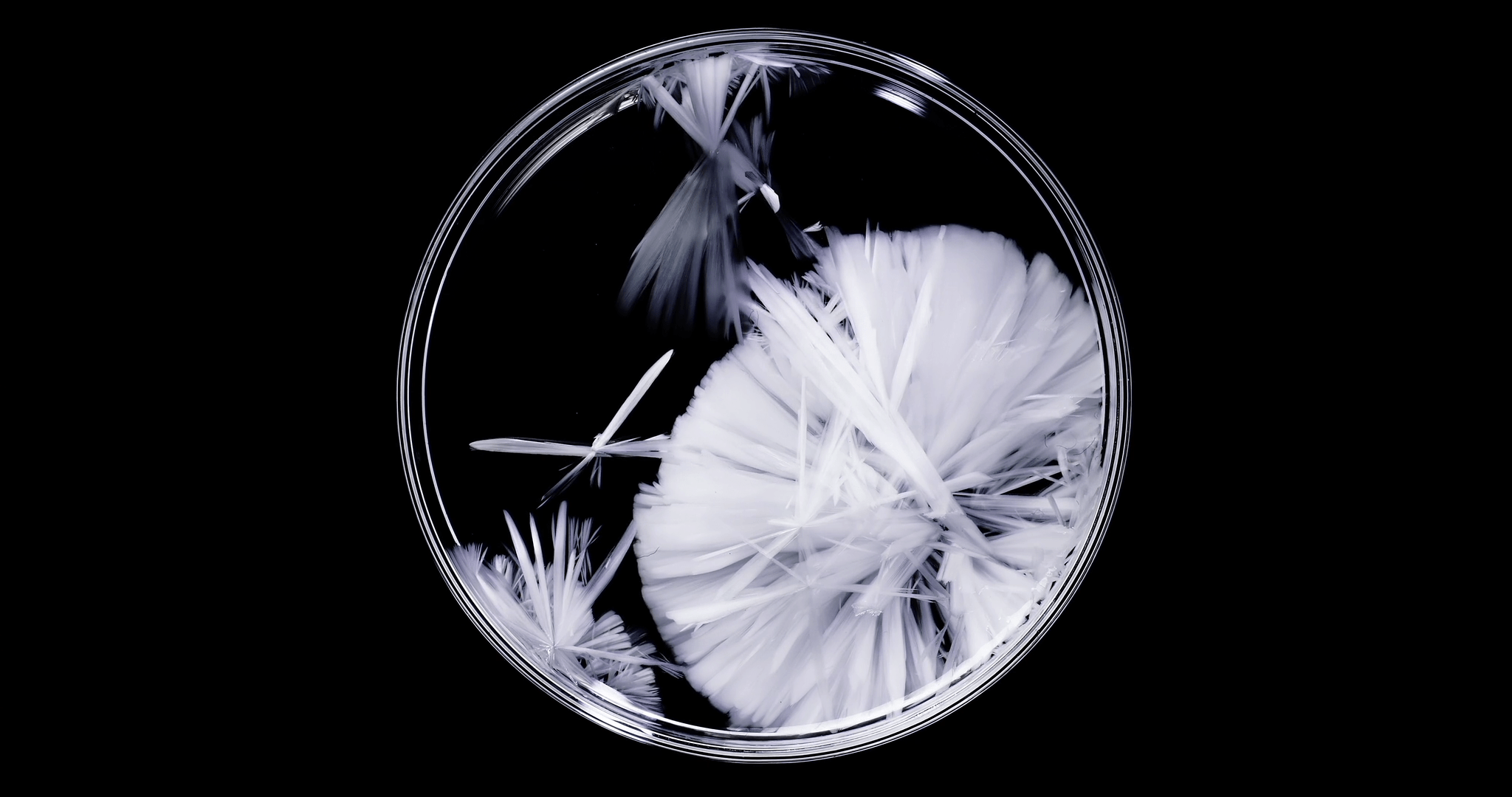
Fluids create mesmerizing practical effects in this new experimental film from the Julia Set Lab. I love how the visuals mess with your sense of scale. Some of the sequences look like they could be a solar firestorm or disintegrating sea ice, though in reality the camera’s field of view is probably smaller than your palm. The filmmakers provide no information on the fluids they use, but I spy some hints of partially miscible ingredients, some chemical reactions, and plenty of Marangoni action. (Video and submission credit: S. Bocci/Julia Set Lab)

The Yarning Droplet
Marangoni bursting takes place in alcohol-water droplets; as the alcohol evaporates, surface tension changes across the liquid surface, generating a flow that tears the original drop into smaller droplets. Here researchers add a twist to the experiment using PMMA, an additive that dissolves well in alcohol but poorly in water. As the alcohol evaporates, the PMMA precipitates back out of the water-rich droplet, forming yarn-like strands. (Image and video credit: C. Seyfert and A. Marin)

Moody Waves
Lines of waves emerge from thick morning fog in this series by photographer Raf Maes. The eerie, slightly surreal images were captured in Venice, near Los Angeles. So often ocean photography features huge, turbulent breaking waves. I find it really neat to see these long, unbroken wave crests appearing from the mist. (Image credits: R. Maes; via Colossal)

“One Month of Sun”
Get lost in the beauty of our star with Seán Doran‘s film “One Month of Sun”. Constructed from more than 78,000 NASA Solar Dynamics Observatory images, the video shows solar activity from August 2014, particularly the golden coronal loops that burst forth from the sun’s visible surface. These bursts of hot plasma follow the sun’s magnetic field lines, often emerging from sunspots. (Image and video credit: S. Doran, using NASA SDO data; via Colossal)


Cracking Droplets
Droplets infused with particles — like coffee — can leave complex stains once they evaporate. Here researchers show the complex cracking pattern that develops as a droplet with nanoparticles evaporates. The central image in the poster actually shows the drop’s pattern changing in time. The initial drop is shown at 9 o’clock, and as you move clockwise around the drop, time passes and the crack structure becomes more complex. What a neat way to visualize the changes! (Image and research credit: P. Lilin and I. Bischofberger)

The Best of FYFD 2021
A year ago I observed what a strange year 2020 had been, and in many ways, I could say the same of 2021. Before the pandemic, I spent quite a lot of time traveling. In 2021, the only nights I slept outside my own bed came on a long weekend up to the mountains with my family. But 2021 also saw a bit of a return to normalcy – I was giving keynote addresses and workshops again, albeit virtually. What will 2022 hold? Who knows?!
As per tradition, here are the top FYFD posts of 2021:
- A superior mirage leaves a ship floating in mid-air
- Drone videos of sheep herding are mesmerizing
- Permeable pavement allows water to drain
- The slow and dreamy fluid landscape of “Le Temps et l’Espace”
- What do you do when you’re an insect researcher with a high-speed camera?
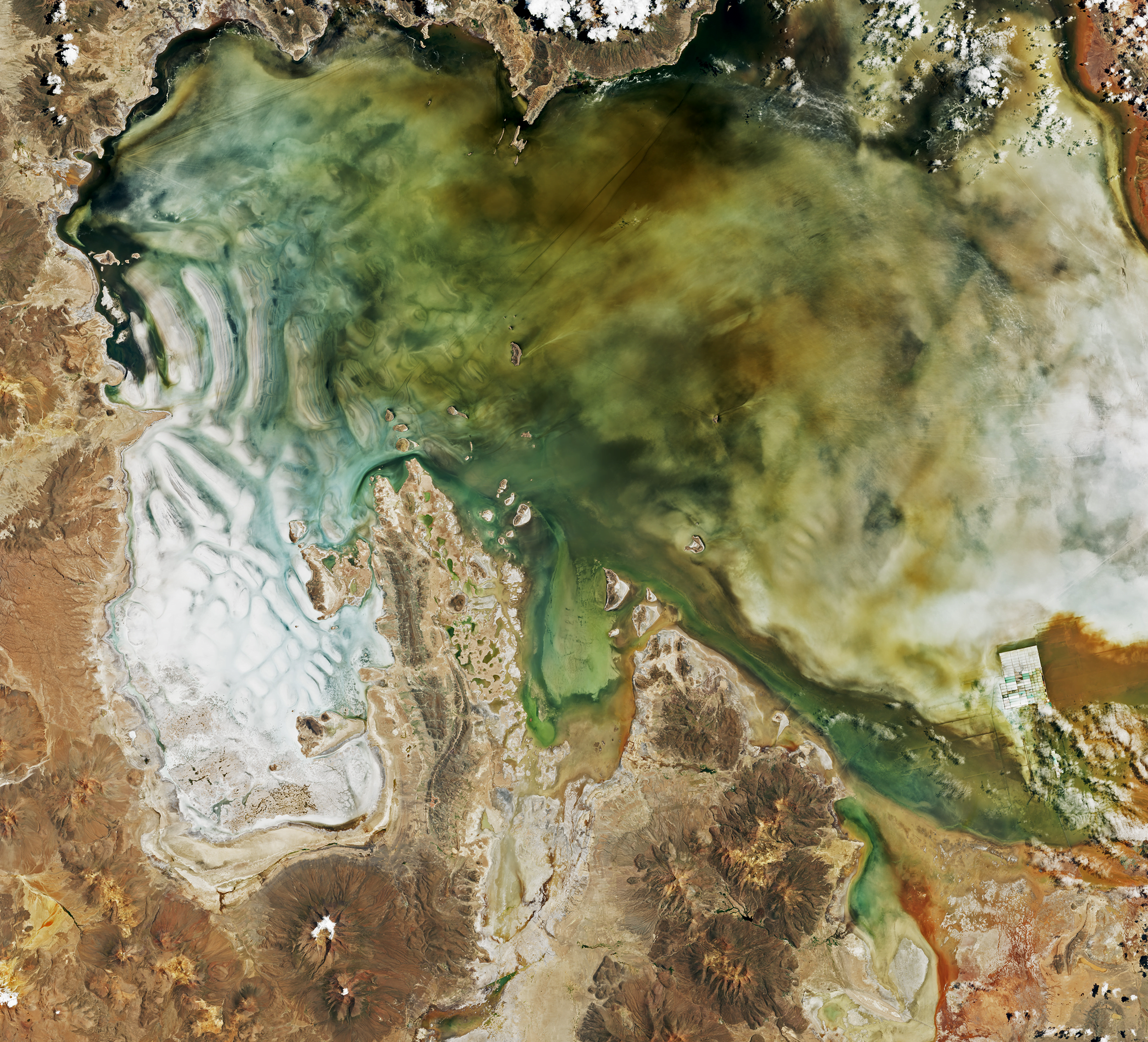
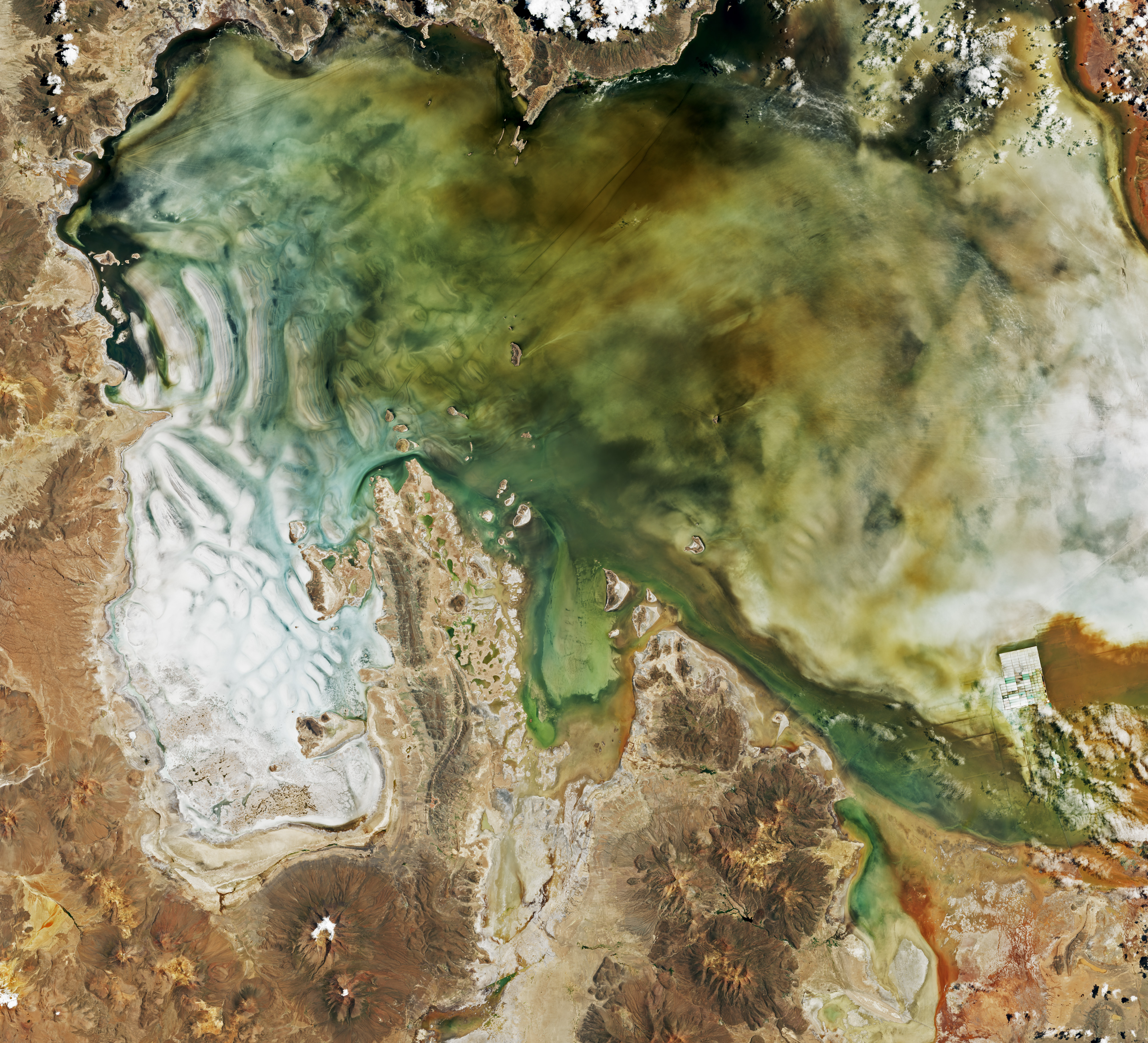
- Satellite images… or paint?
- The intricate lacework of the Venus’s flower basket sea sponge
- Building a Bluetooth speaker with ferrofluid music visualization
- Finding the acoustics of Stonehenge
- Making butter by traditional French methods
It’s an eclectic mix of topics this year: bizarre phenomena, stunning art, archaeological exploration, and a touch of biophysics!
If you enjoy FYFD, please remember that it’s primarily reader-supported. You can help support the site by becoming a patron, making a one-time donation, buying some merch, or simply by sharing on social media. And if you find yourself struggling to remember to check the website, remember you can get FYFD in your inbox every two weeks with our newsletter. Happy New Year!
(Image credits: mirage – D. Morris, sheep – L. Patel, pavement – Practical Engineering, Le Temps – T. Blanchard, insects – Ant Lab, Satellike – R. De Giuli, sea sponge – G. Falcucci et al., speaker – DAKD Jung, Stonehenge – T. Cox et al., butter – Art Insider)