Tag: fluids as art

  • A Forest of Ferrofluids

    A Forest of Ferrofluids

    Ferrofluids are made up of ferrous nanoparticles suspended in a carrier fluid like an oil. Under magnetic fields, they take on an array of shapes — from pointed spikes to elaborate labyrinths — depending on the field strength and what fluids they’re surrounded by. This photographic series by Linden Gledhill captures some of that fantastic variety, with ferrofluids that look like cells and nebulas in addition to mazes and tridents. See more of Gledhill’s work at his website and in previous posts. (Image credit: L. Gledhill)

  • Featured Video Play Icon

    “I See You”

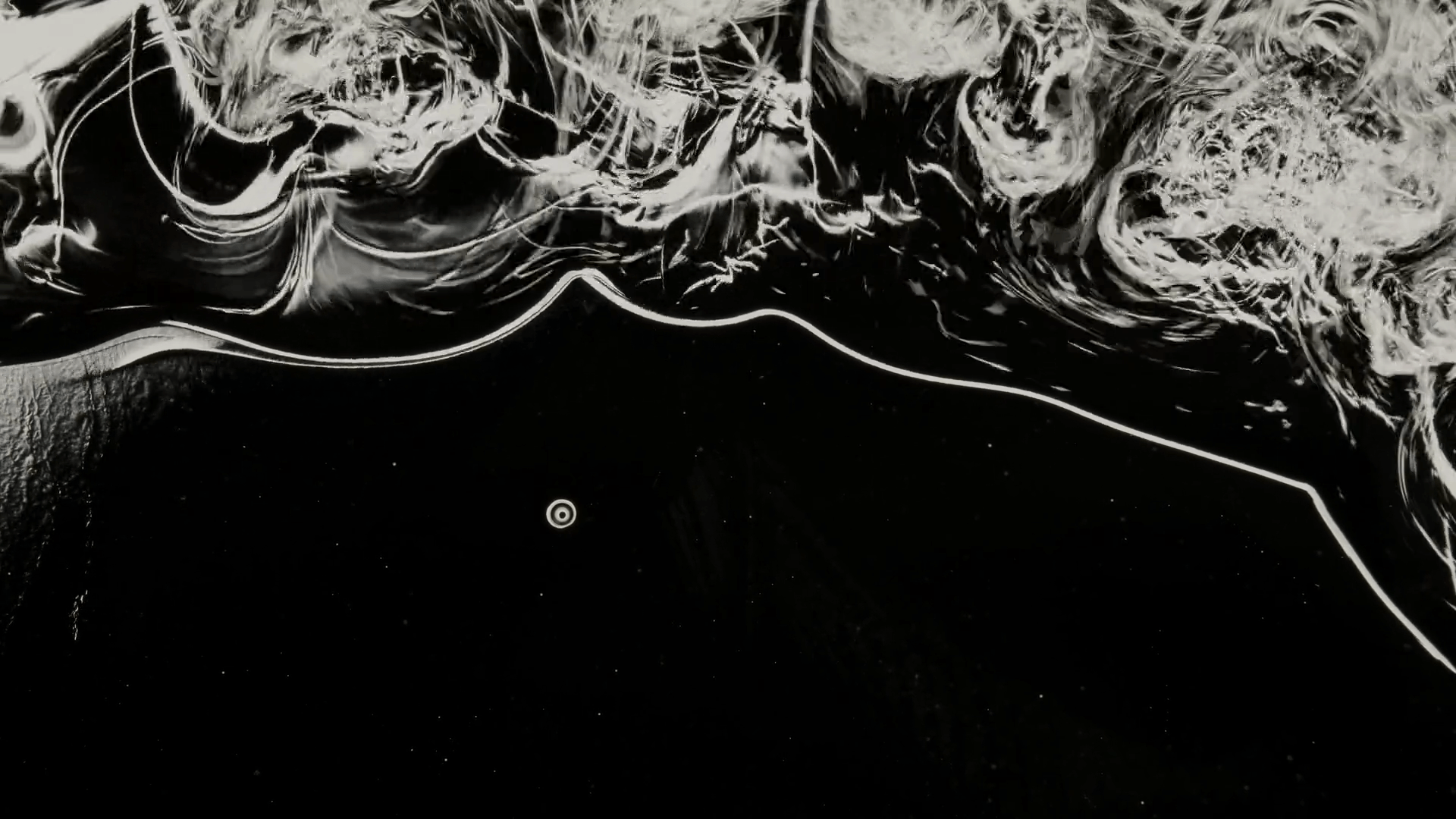
    In “I See You,” filmmaker Rus Khasanov captures fluid flows that give the screen an eye with which to gaze back at us. The textures visible in the flows are incredible at mimicking the details of a human iris. These are some seriously neat Marangoni flows. For a similar effect, check out this film of his. (Image and video credit: R. Khasanov)

  • The Odd Air Bubbles

    The Odd Air Bubbles

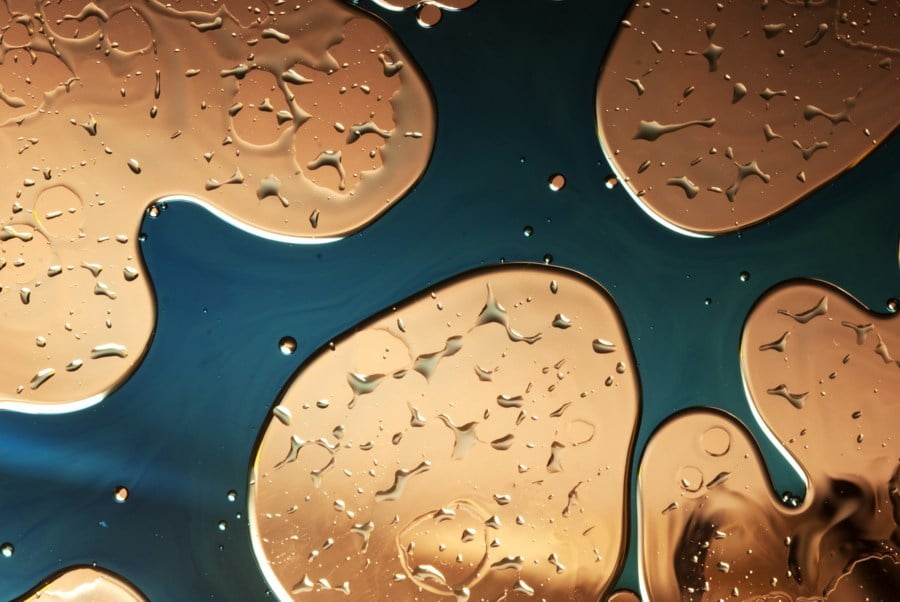
    Though it looks like a strange underwater panorama, this image by photographer Marek Miś actually captures air bubbles trapped beneath the slip cover of a microscope slide smeared with drying callus remover. According to Miś, “Callus remover is one of my favourite agents for taking micrographs. It can create unusual crystalline forms. This time I found on the slide these interesting air bubbles before the callus remover started to crystallise.” I confess that I wouldn’t have thought to use callus remover for art!

    This image earned 3rd place in the Micro category of the Close-Up Photographer of the Year awards. See more winners here, and find more from Miś on the web and Instagram. (Image credit: M. Miś)

  • Featured Video Play Icon

    “Velocity”

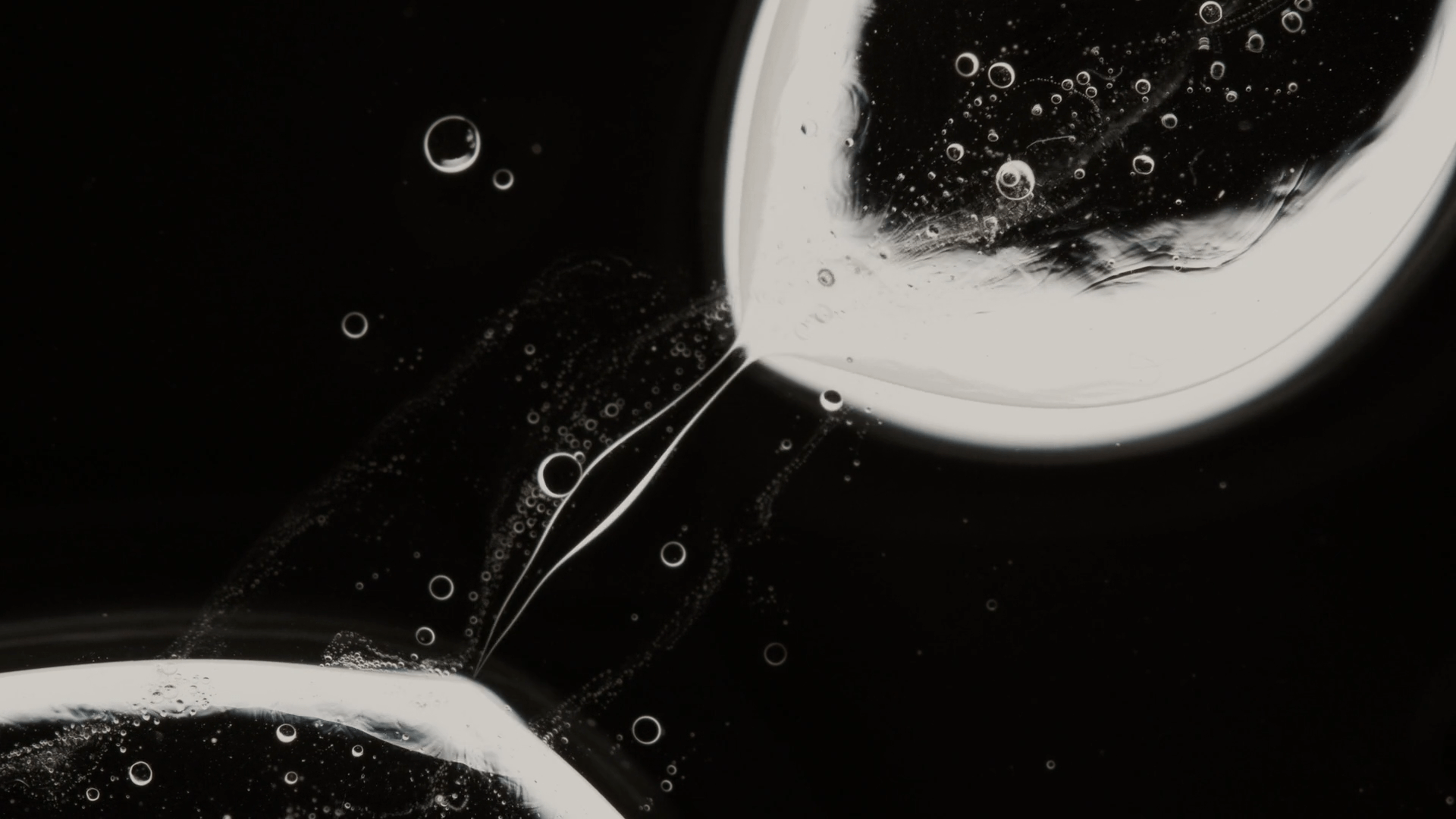
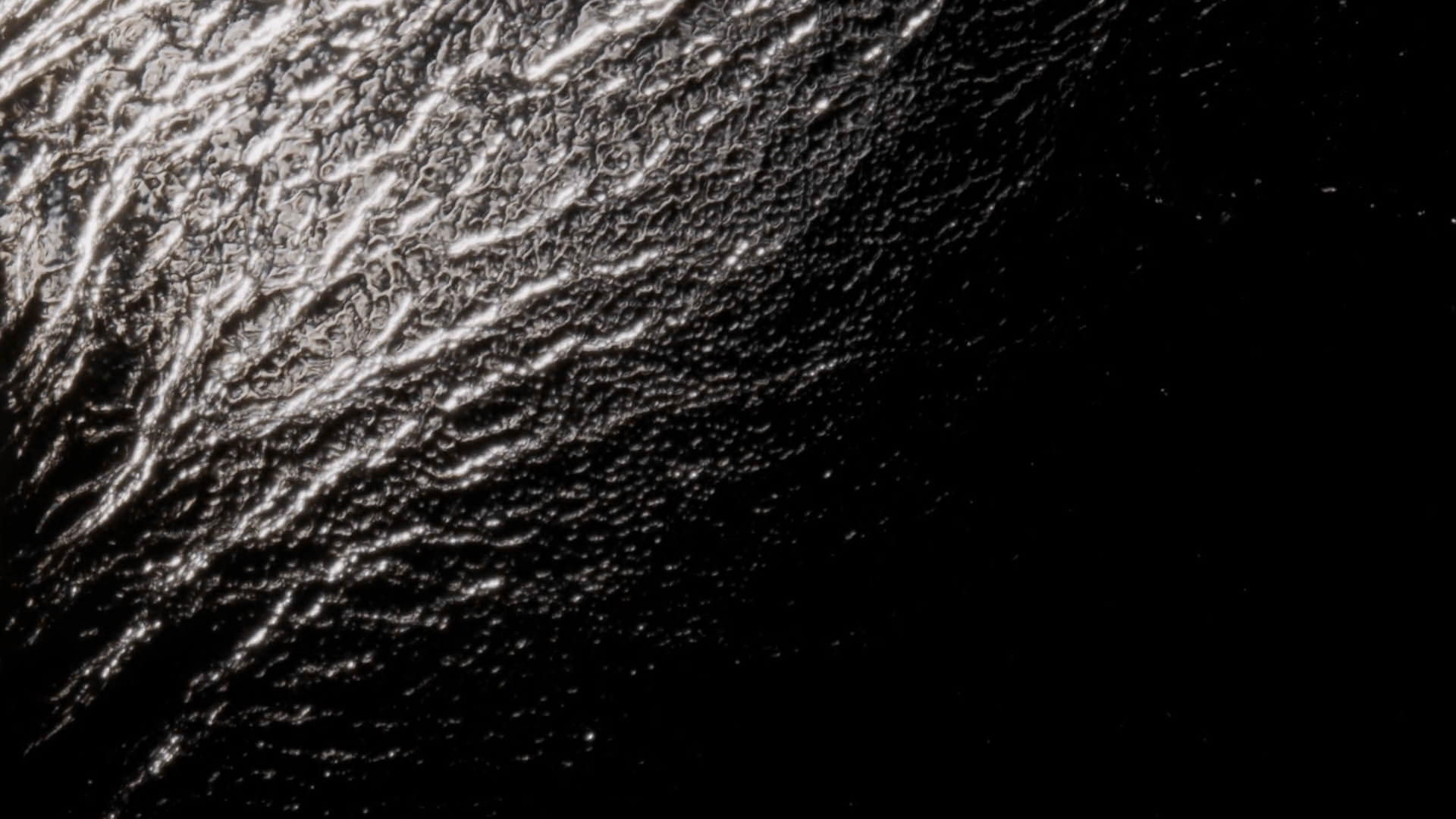
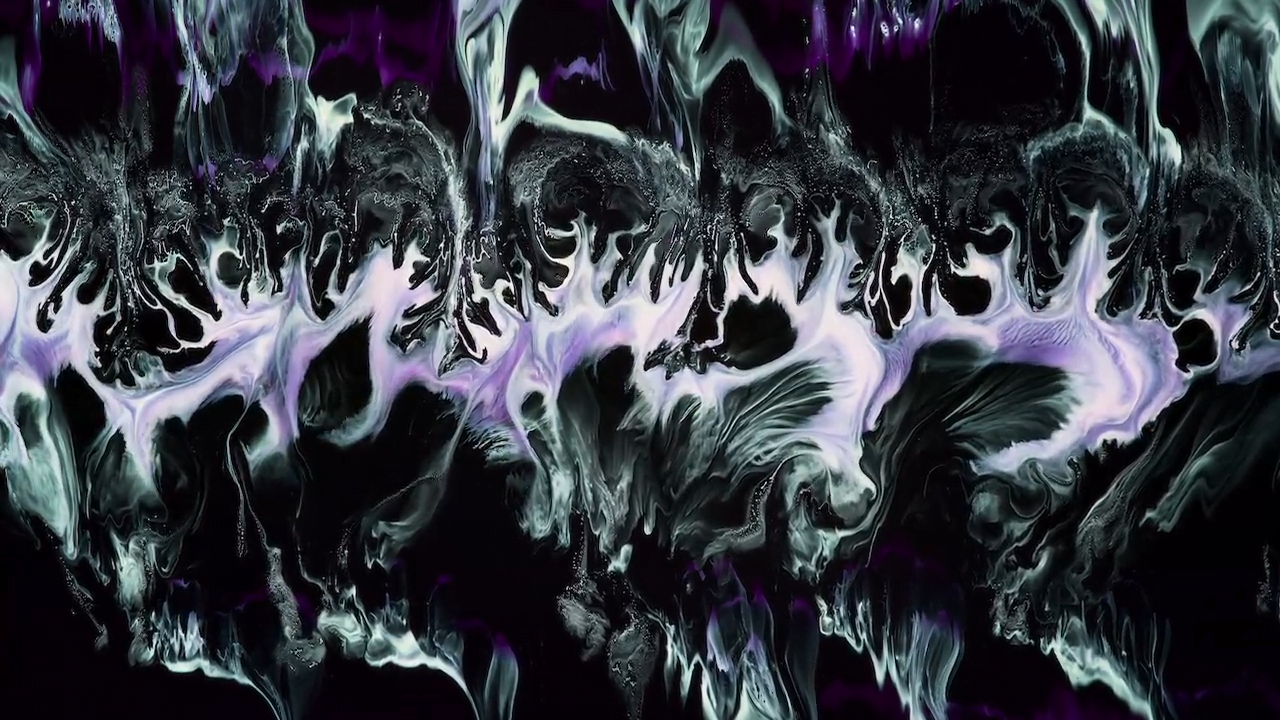
    In this short film by Vadim Sherbakov, macro shots of glittery ink and pigments look like astronomical vistas. The title of the film, “Velocity,” is spot on; every shot is full of flow and motion driven by the mixture of ink, alcohol, soap, and other fluids. That means lots of surface-tension-driven flow, and the glitter particles act as excellent tracers, giving a real sense of depth and direction for our gaze to follow. Watching films like this, I always want to pull out some odds and ends and try it for myself, but I’m certain my results would pale in comparison! (Video and image credit: V. Sherbakov; via Colossal)

  • Featured Video Play Icon

    “Haboob: A Decade of Dust”

    From the right vantage point, an approaching dust storm — known as a haboob — can look downright apocalyptic. In this compilation of clips a decade in the making, photographer Mike Olbinski shows these storms in all their terrifying majesty. I love seeing how the cloud front overhead densifies as the dust below advances. Without these wide perspectives, it’s hard to appreciate an approaching haboob. When one blew through Denver a few years ago, I never saw it coming. My first clue was the tree in front of my office window whipping wildly back and forth just before the sky turned brown! I much prefer Olbinski’s versions. Congratulations, Mike, on a decade of haboob-chasing! (Image and video credit: M. Olbinski; submitted by jpshoer)

  • Featured Video Play Icon

    “Volcano Pilot”

    Today’s video is something a little different. Rather than looking at fluids and their physics directly, we’ll take a step back and think about how people relate to the subject. This short film, “Volcano Pilot,” follows Haraldur Unason Diego as he reflects on his life’s work. It’s a beautiful and moving glimpse of the life and philosophy of a small aircraft pilot. Many people never have the opportunity to see the world from cockpit of a Cessna or similar small aircraft, and I think there are few experiences that can better connect someone to the fluids-in-action that is aviation. (Image and video credit: M. Aberra et al.)

  • Featured Video Play Icon

    Inside Viscous Fingers

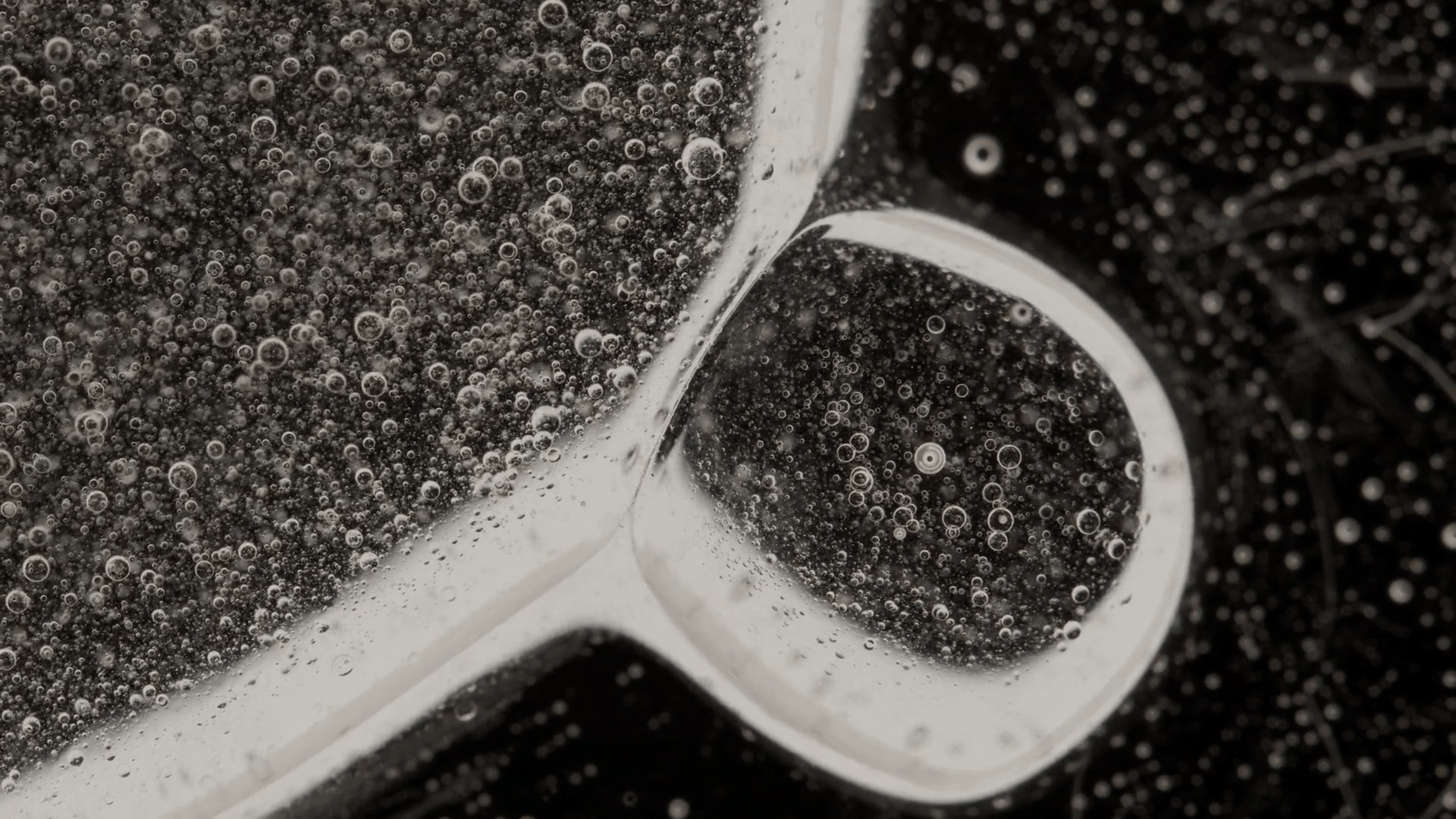
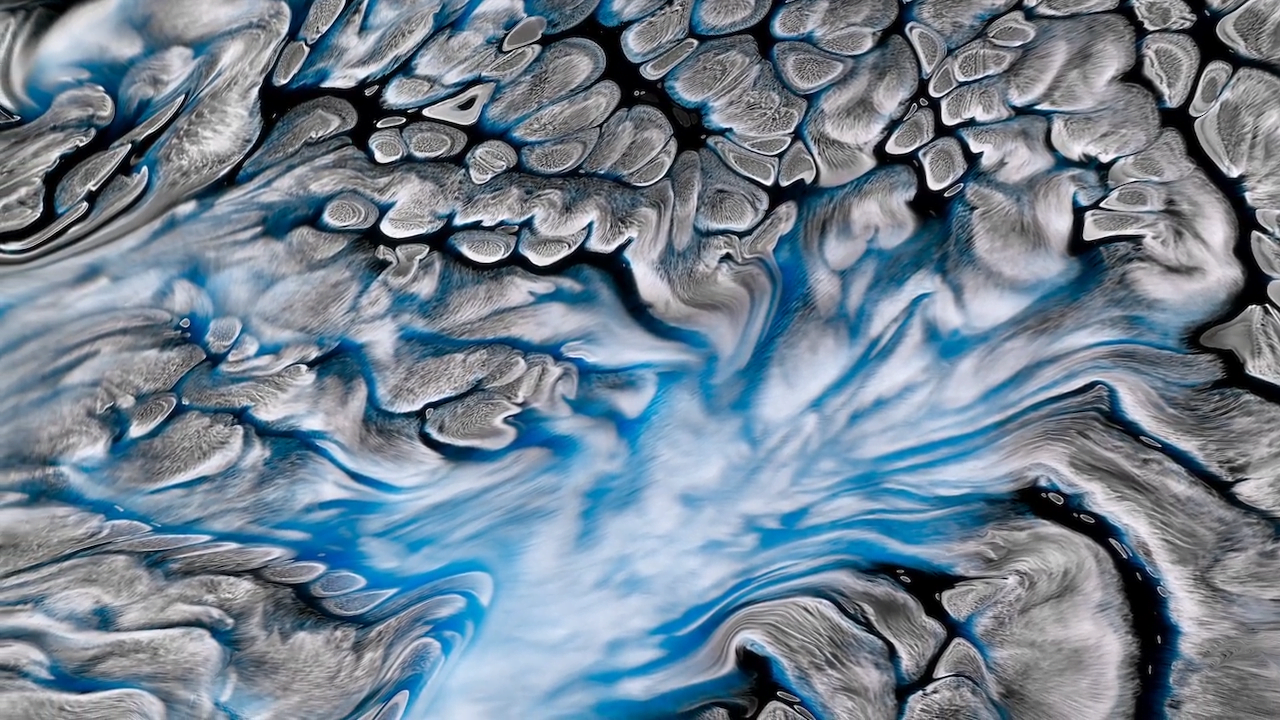
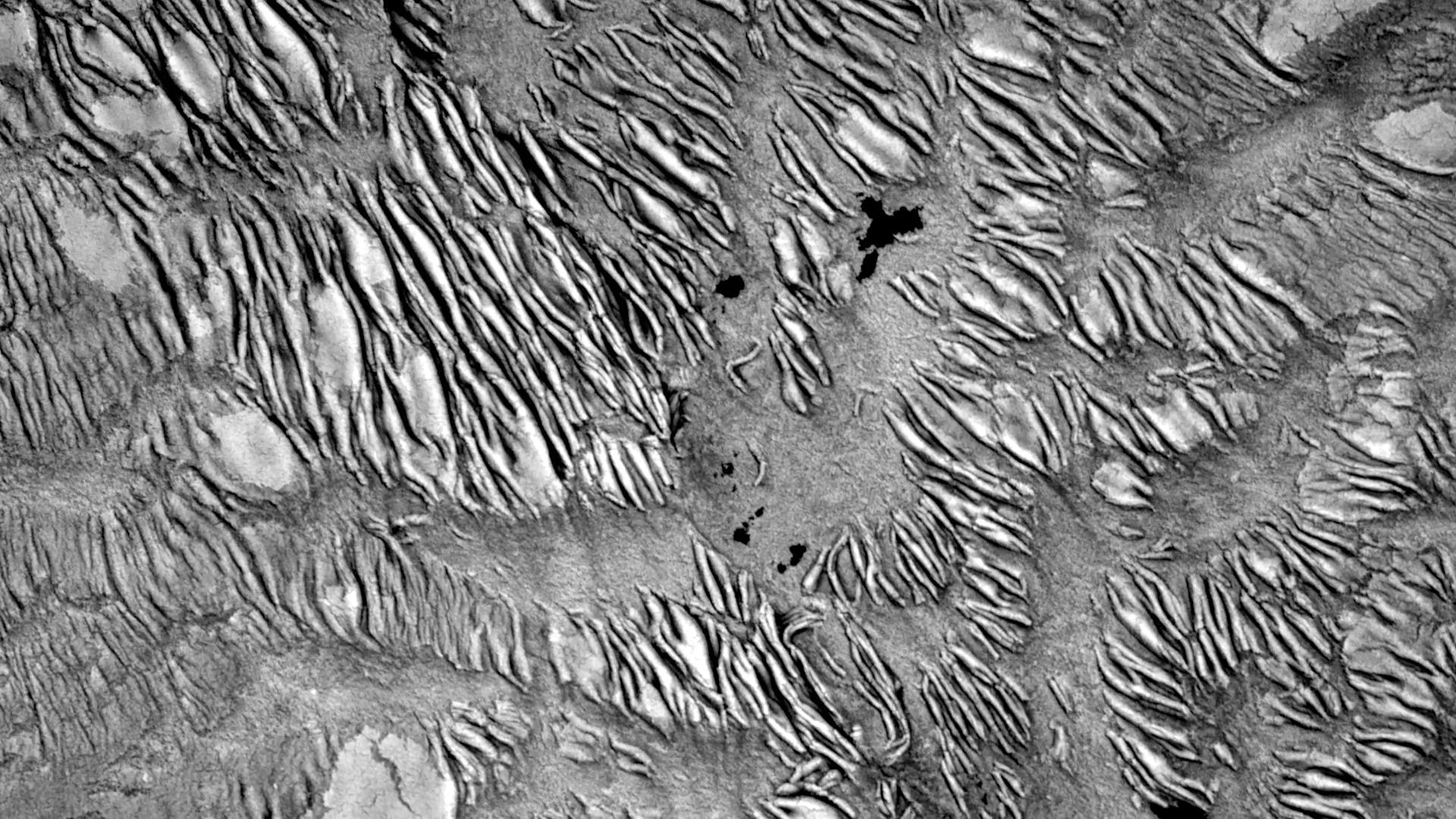
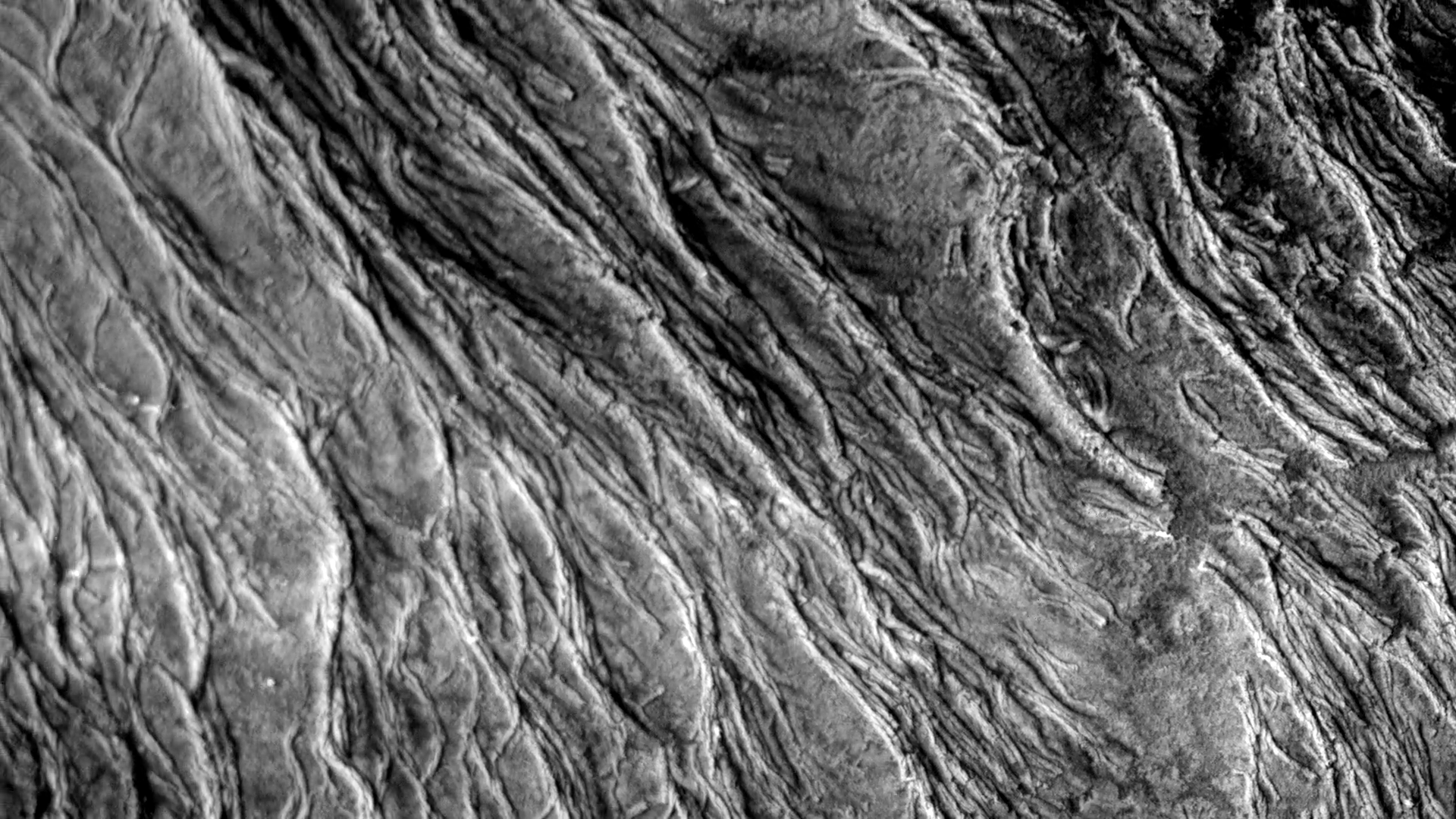
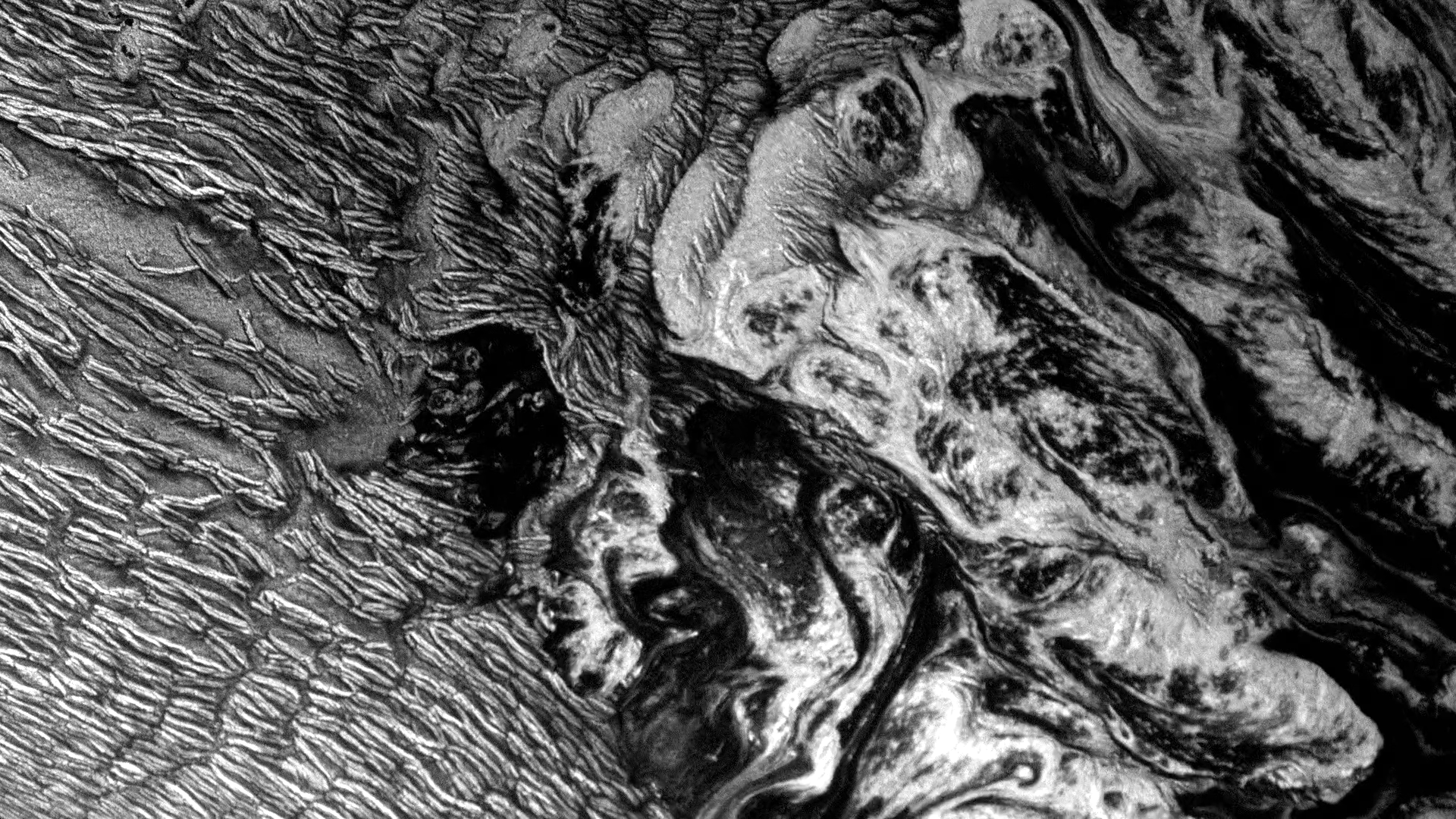
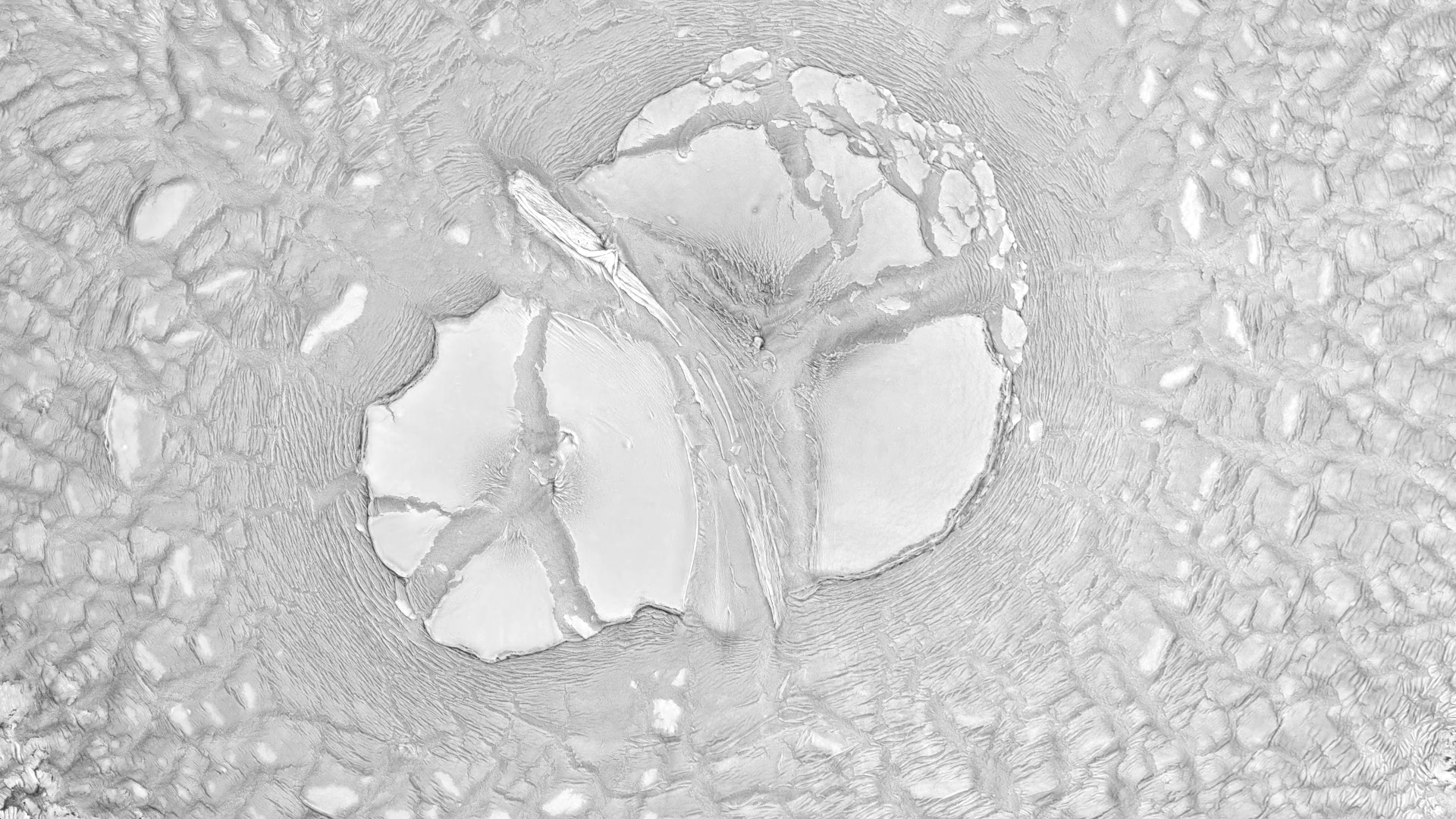
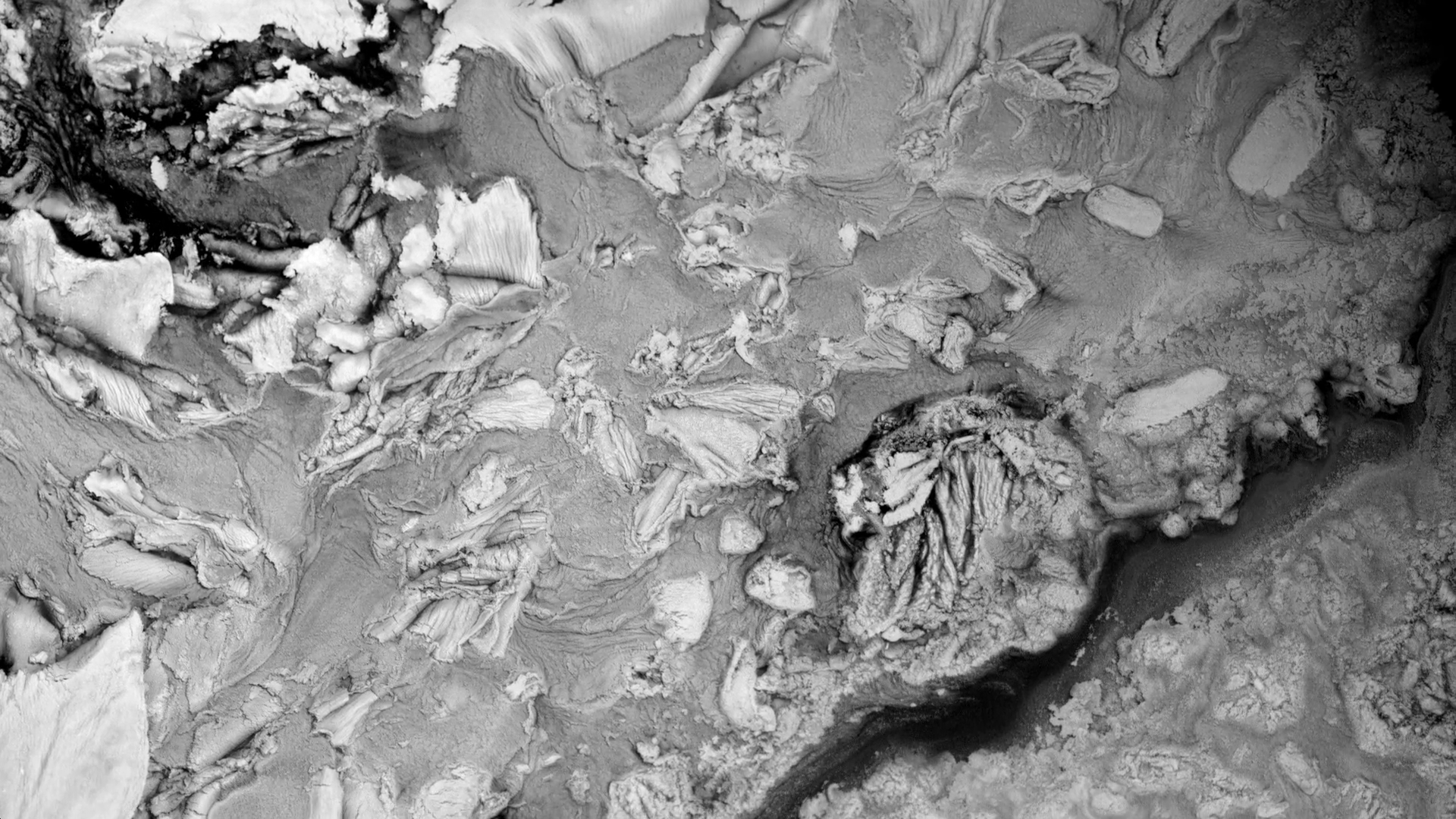
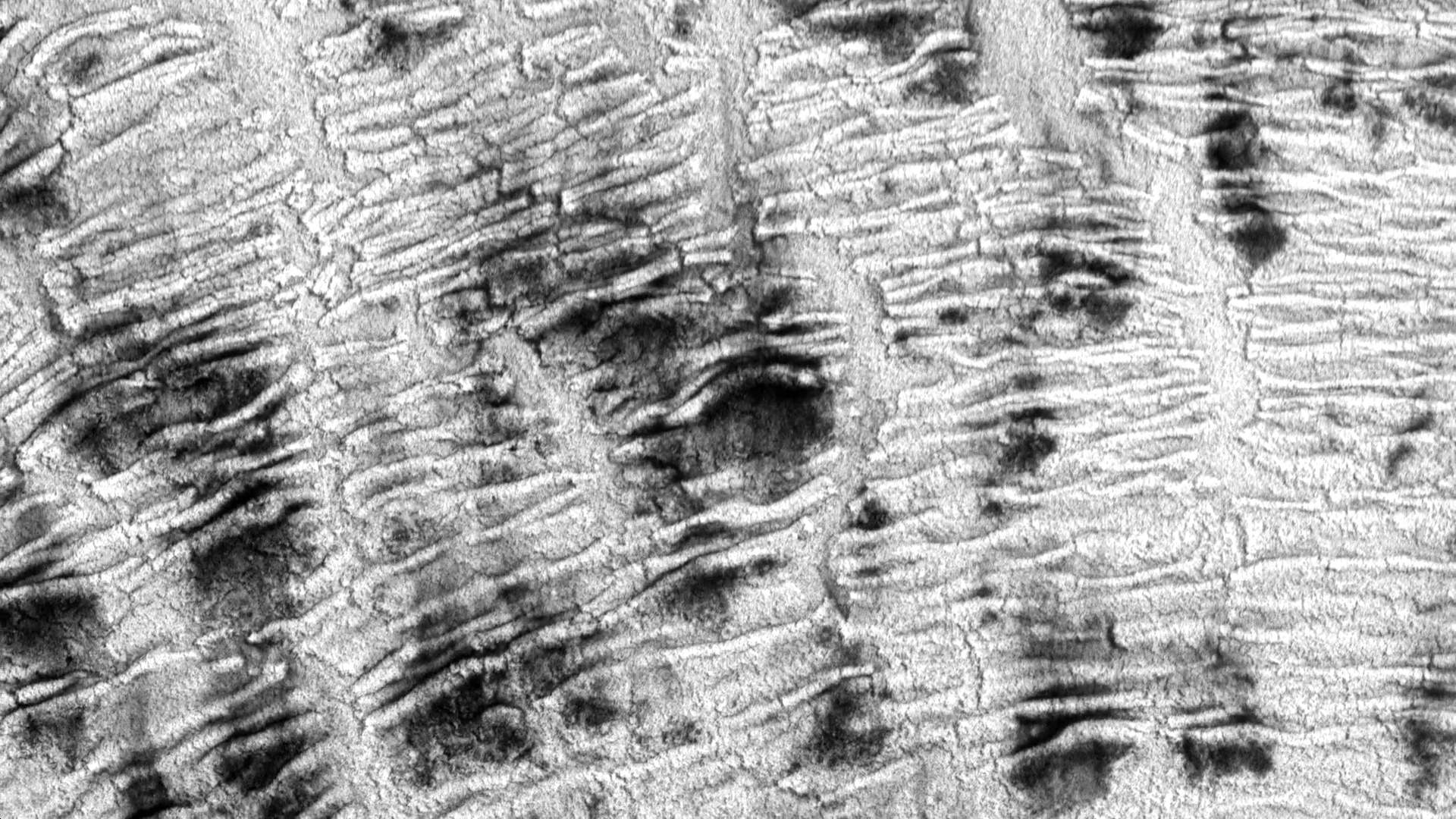
    Sandwich a viscous fluid between two transparent plates and then inject a second, less viscous fluid. This is the classic set-up for the Saffman-Taylor instability, a well-studied flow in which the interface between the two fluids forms a wavy edge that develops into fingers. Despite its long history, though, there is still more to learn, as shown in this video. Here, researchers alternately injected a dyed and undyed version of the less viscous fluid. The result (Image 3) is a set of concentric dye rings that show how the fluid moves far from the fingers along the edge. Notice that the waviness of the fingers appears in the flowing fluid well before it approaches the interface. (Image and video credit: S. Gowan et al.)

  • Turquoise Eddies

    Turquoise Eddies

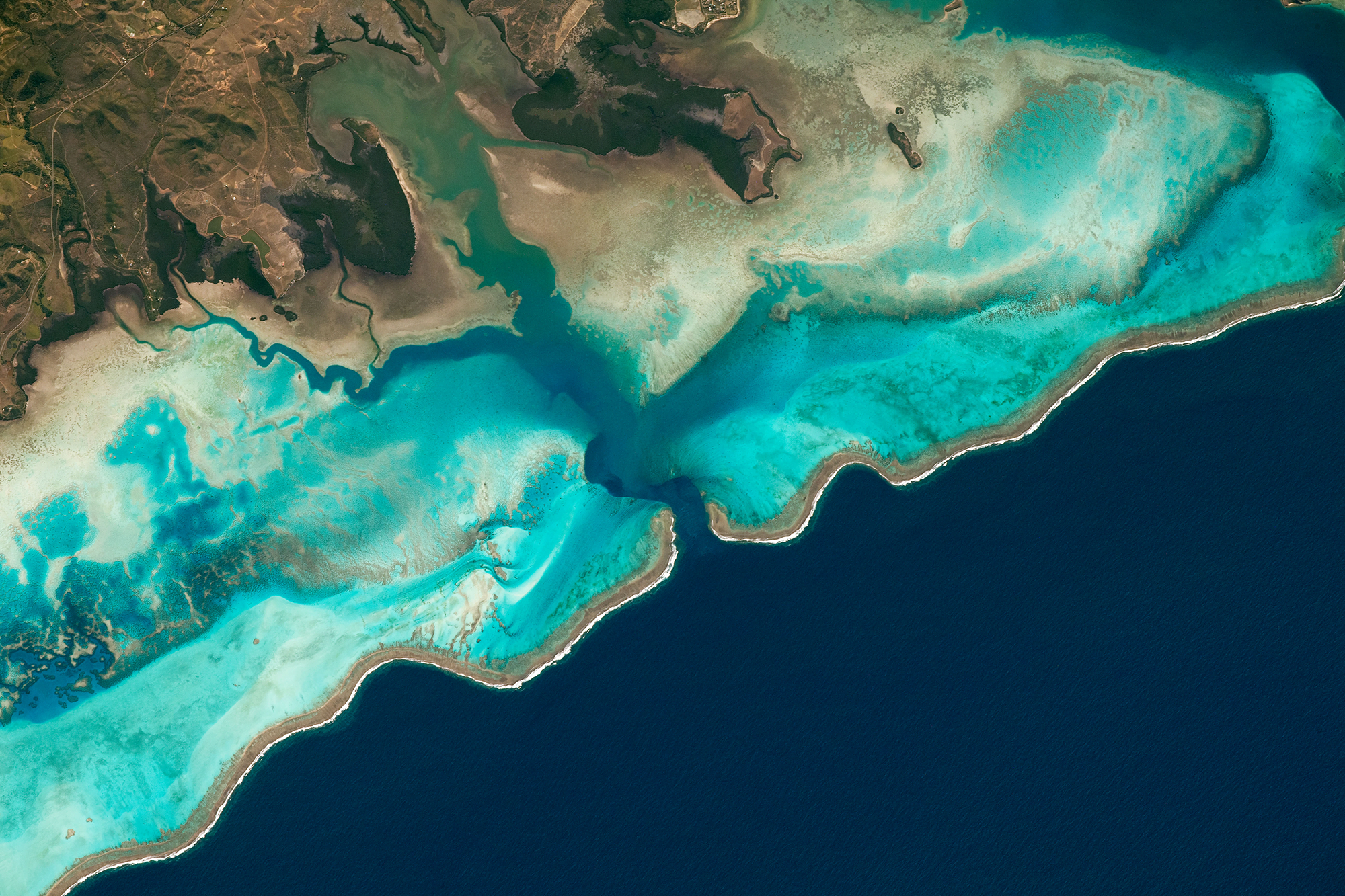
    During the summer months, the Barents Sea between Norway and Russia is streaked with blue and teal swirls. These beautiful patterns are the result of a phytoplankton bloom, as viewed by earth-observing satellites (with a little color enhancement). Although each cell in the bloom is only nanometers across, their collective presence is visible from space! They also act as tracers in the water, revealing the swirling flow patterns present there. (Image credit: J. Stevens/NASA Earth Observatory)

  • Featured Video Play Icon

    Strandbeest Evolution

    Each spring, artist Theo Jansen releases his latest batch of wind-driven kinetic sculptures — known as Strandbeests — on a Dutch beach. This video compilation shows some of the newest strandbeests, including a variety of flying strandbeest. I find their motion mesmerizing. Some stroll, some undulate, some galumph their way across the the sands. Given their size — much larger than a person and often weighing 180 kilograms — it’s amazing to see them driven entirely by the wind through their sails. (Video and image credit: T. Jansen; via Colossal)

  • Stormy Skies

    Stormy Skies

    Photographer Mitch Dobrowner captures the majestic and terrifying power of storms in his black and white images. Towering turbulence, swirling vortices, and convective clouds abound. See more of his work at his website and Instagram. (Image credit: M. Dobrowner; via Colossal)