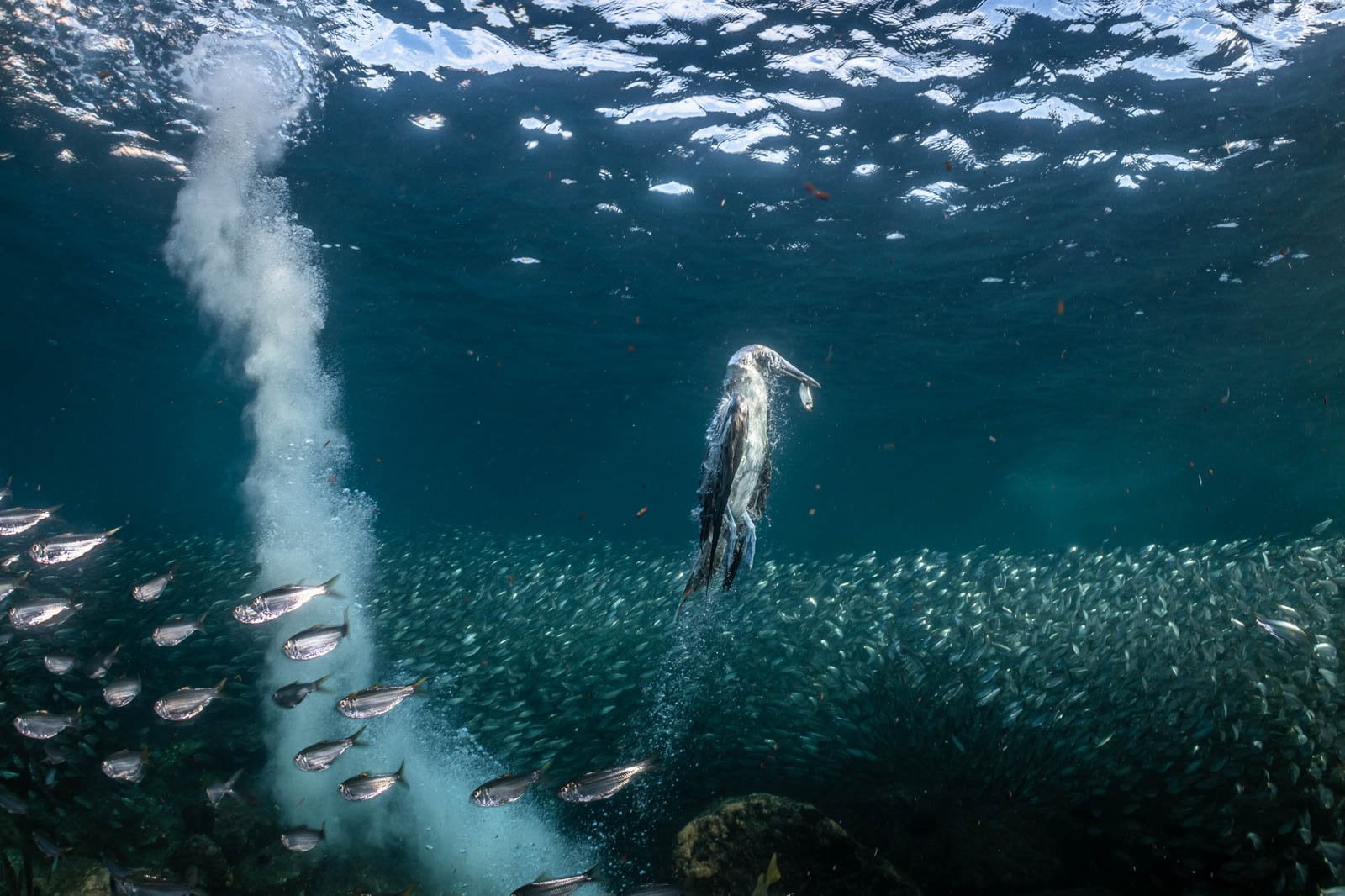
Blue-footed boobies, like many other seabirds, climb to a particular altitude before folding their wings and diving head-first into the water. This acrobatic feat balances the bird’s force of impact and the depth it can reach to ensnare fish swimming there. It’s an incredible process to watch, a fascinating one to study, and, here, a beautiful glimpse of the natural world from a perspective we don’t typically see. (Image credit: H. Spiers, Bird POTY; via Colossal)
Tag: fluids as art

Hitting Molten Steel


Watching droplets burst is often fascinating, but it’s rare that we get to watch droplets of molten metal. In this Slow Mo Guys video, though, they’re shattering globs of molten steel and filming the results in slow motion. It’s the kind of starburst that breaks compression algorithms but remains beautiful regardless. (Video and image credit: The Slow Mo Guys)
“Black Ice”


Ice, black ink, and flowers combine in filmmaker Christopher Dormoy’s “Black Ice.” Filmed during the COVID-19 lockdowns, the video is an exploration of the creativity one can achieve when constrained. I especially enjoy seeing the tiny bubbles trapped in the ice escape as ink billows past, and the views of ice tunnels invaded by ink are incredibly cool. For a behind-the-scenes look at how Dormoy achieved many of the shots, see this video. (Video and image credit: C. Dormoy)
“Emerald and Stone”


“Emerald and Stone” is filmmaker Thomas Blanchard’s tribute to the music of Brian Eno. The short film is made, as Blanchard puts it, with “inks and painting,” but I suspect there’s some oil in there, too, to coat the droplets we see. Much of the movement is likely driven by surface tension variations in the background fluid. I love the effect this has on the droplets. If you watch closely, some of them appear to rotate like a miniature planet; others have counter-rotating sections within the drop. The difference, I suspect, is one of scale: I think the smaller drops rotate altogether while larger ones develop more complex internal flows. (Video and image credit: T. Blanchard)
“Vorticity 5”


Photographer and stormchaser extraordinaire Mike Olbinski is back with the fifth volume in his “Vorticity” series. Shot over the 2022 and 2023 tornado seasons in the U.S. Central Plains, this edition has virtually everything: supercells, microbursts, lightning, tornadoes, and haboobs. There’s towering convection and churning, swirling turbulence. It’s a spectacular look at the power and grandeur of our atmosphere. (Video and image credit: M. Olbinski)

Antarctic Icebergs


Antarctica is nearly fully covered in ice and doubles in surface area each winter as the surrounding sea freezes. So it’s an especially spectacular place for viewing icebergs, like these photographed by Jan Erik Waider. The ice comes in many shapes — some clearly fractured and some sculpted by wind and water. The colors, too, are striking. Even in overcast conditions, the blues of the ice seem almost to glow from within. (Image credit: J. Waider; via Colossal)
Fresh Fissures

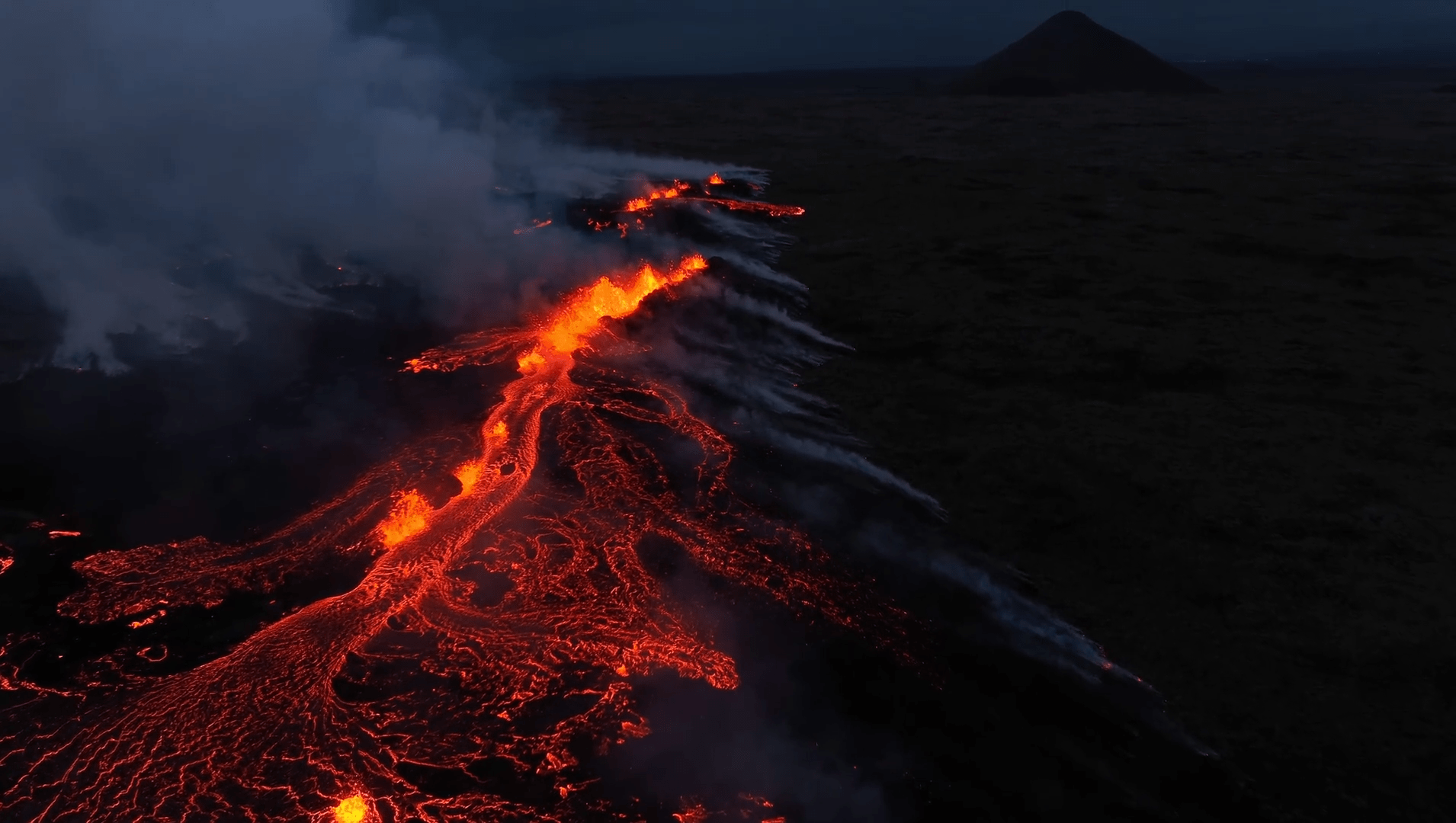

North of Iceland’s Fagradalsfjall, a new volcanic fissure opened in July 2023. This drone footage from Isak Finnbogason captures that fissure on its first night. Lava fountains jet from the earth, forming a complex, slow-moving river. The similarities between flowing lava and more common liquids like water never ceases to fascinate me. Even with the vast differences in temperature and viscosity, so much of their physics remains recognizably the same. (Image and video credit: I. Finnbogason; via Colossal)
“Discovery”


Colors stream and mix in Rus Khasanov’s short film “Discovery.” Droplet-like liquid lenses float in the mixture until ethanol or other ingredients cause them to spontaneously rupture, sending their interior flowing outward until the lens reaches a new equilibrium. Gradients in surface tension guide Marangoni flows across the screen. There’s never-ending beauty in the world of macro fluids. (Video and image credit: R. Khasanov)

Bubble Growth, Inspired By Art
Eighteenth- and nineteenth-century French painters like Chardin and Manet had a certain fascination with bubble-blowing physics. Both left behind artwork depicting children blowing soap bubbles through straws. Now researchers are exploring this bubble-making method in a recent study.
To blow a bubble from a straw or other narrow constriction, there are three basic stages. In the first, the soapy interface bulges and takes on a spherical shape. That’s followed by a period of rapid growth in less than 100 milliseconds. And, finally, the bubble will pinch off and detach from the straw. So far, most studies have focused on that third phase. Instead, this team focused on those early stages.
In that first stage, the bubble’s growth depends on air getting forced out of an attached reservoir. For children, that’s their lungs reducing in volume as they blow air into the straw. In their experiments, the team found that the initial volume of the air reservoir is an important (and previously overlooked) factor in controlling bubble growth. (Image credit: J. Chardin; research credit: M. Grosjean and E. Lorenceau; via Ars Technica)

Icelandic Glacial Caves

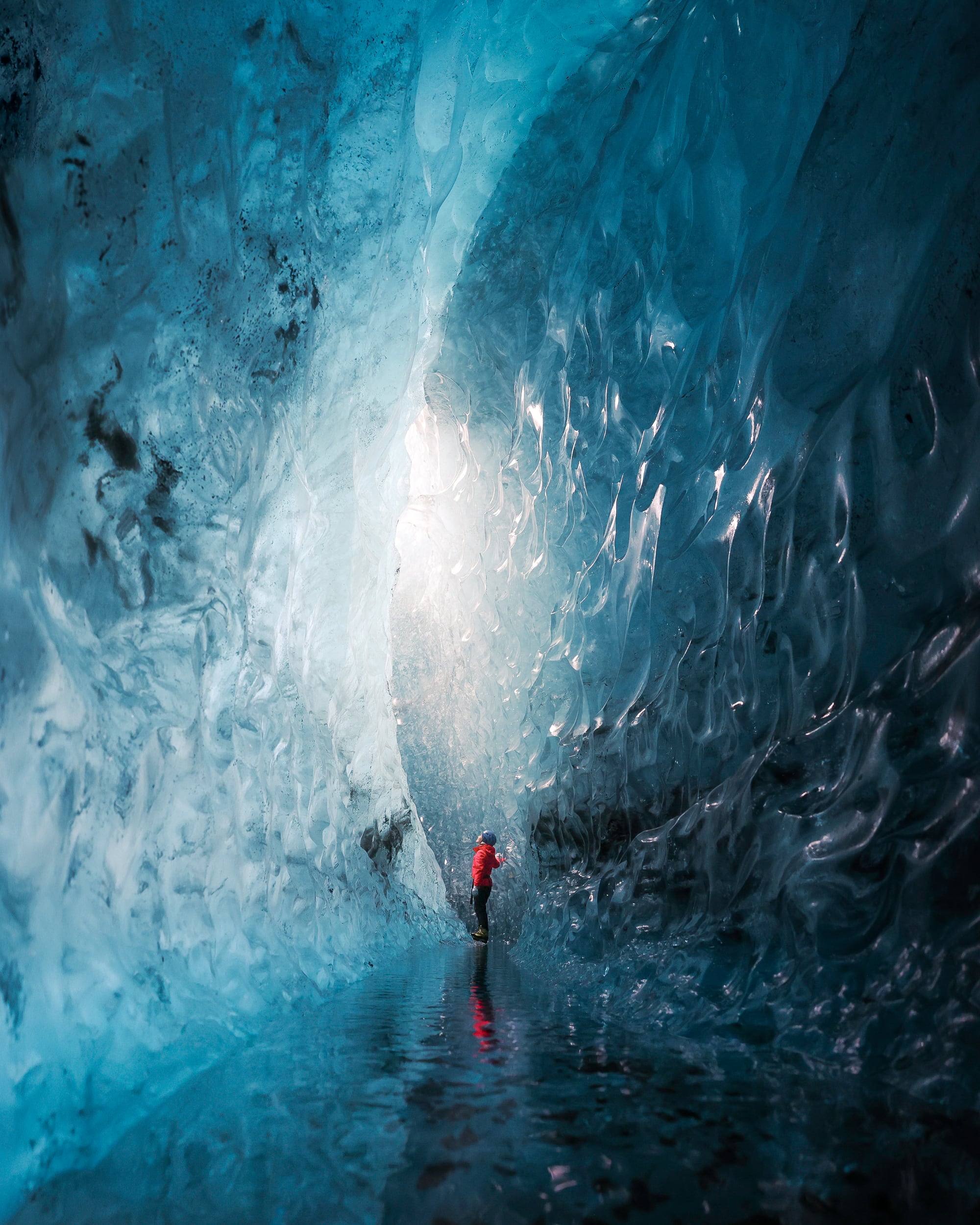


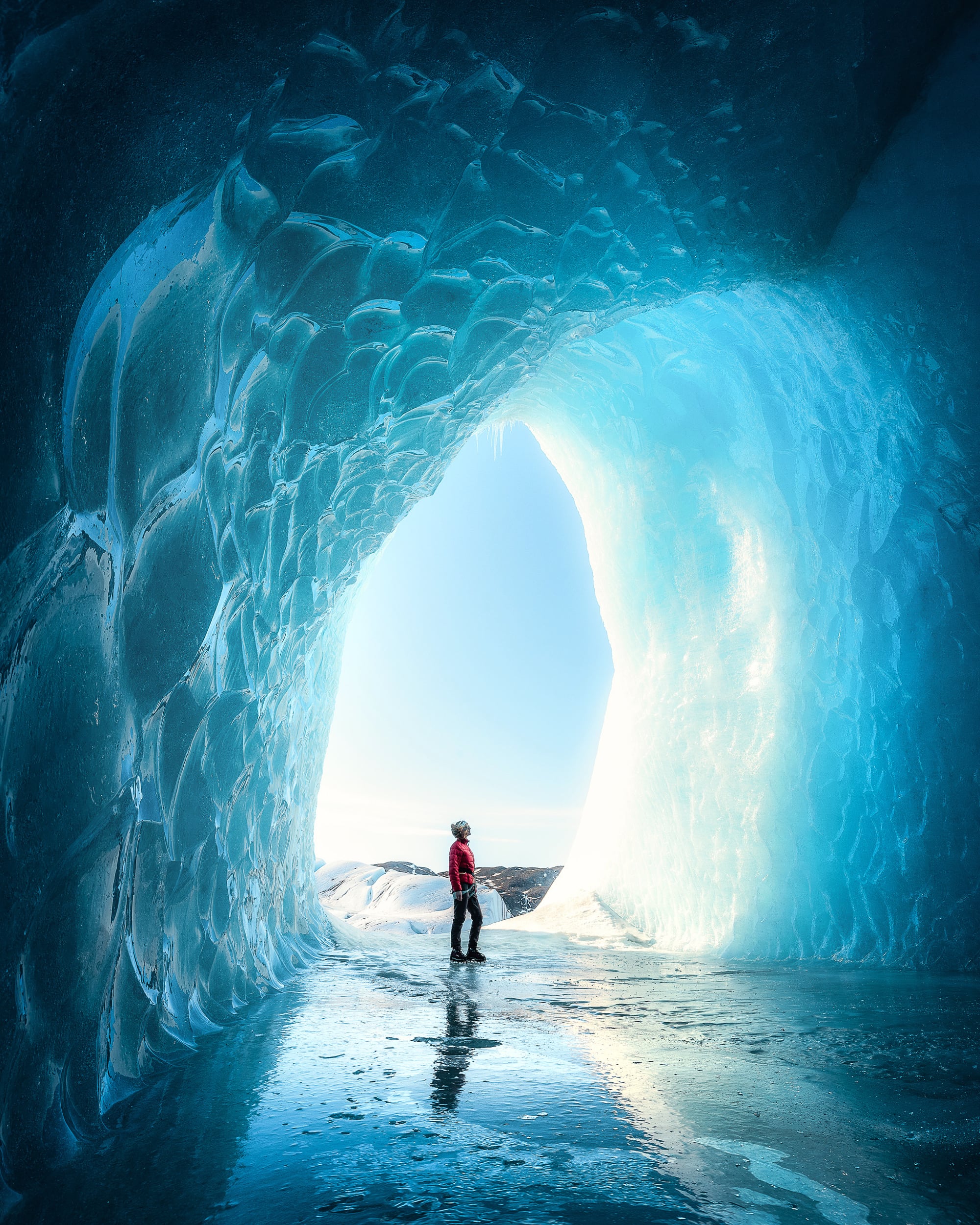


Expedition guide and photographer Ryan Newburn captures the ephemeral beauty of the glacial caves he explores in Iceland. These caves are in constant flux, thanks to the run and melt of water. The scalloped walls are a sign of this process of melting and dissolution. The icicles, too, hint at ongoing melting and refreezing. Caves can appear and disappear rapidly; they’re a dangerous environ, but Newburn freezes them in time, letting the rest of us experience a piece of their majesty. See more of his images on his Instagram. (Image credit: R. Newburn; via Colossal)

