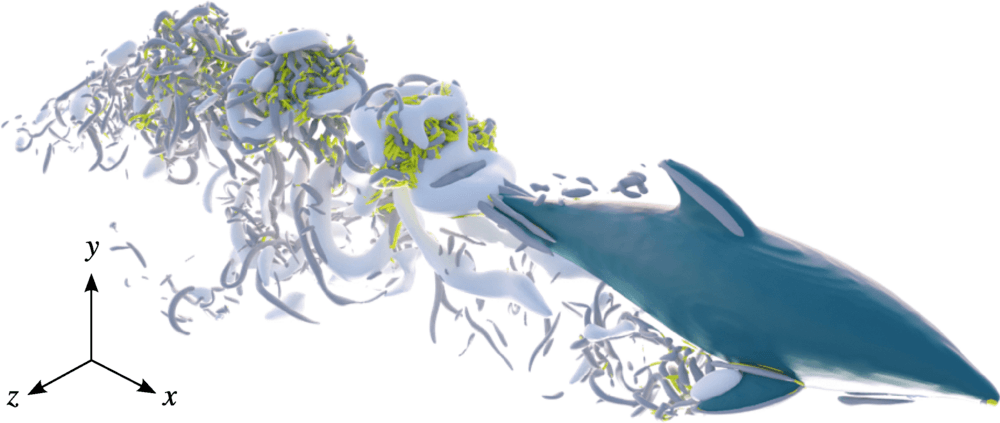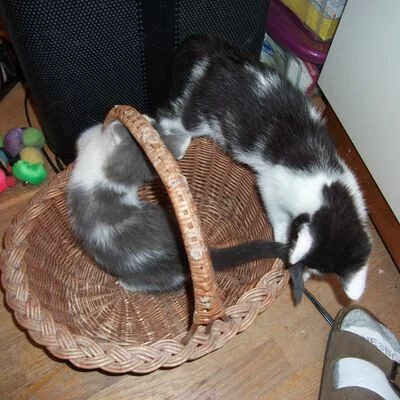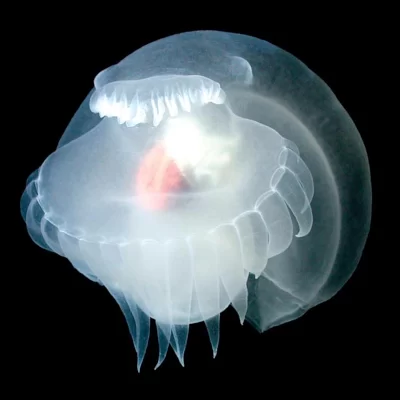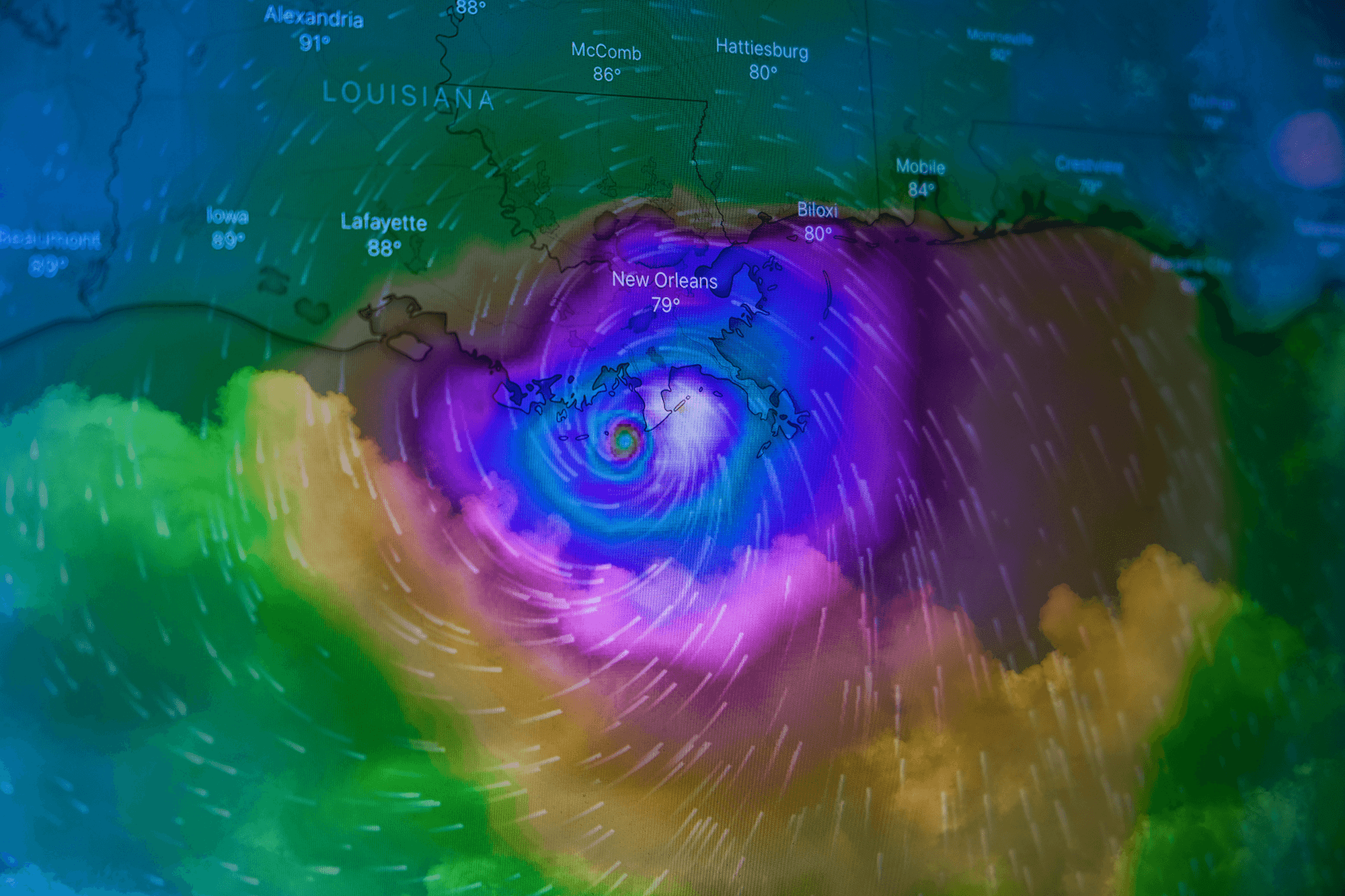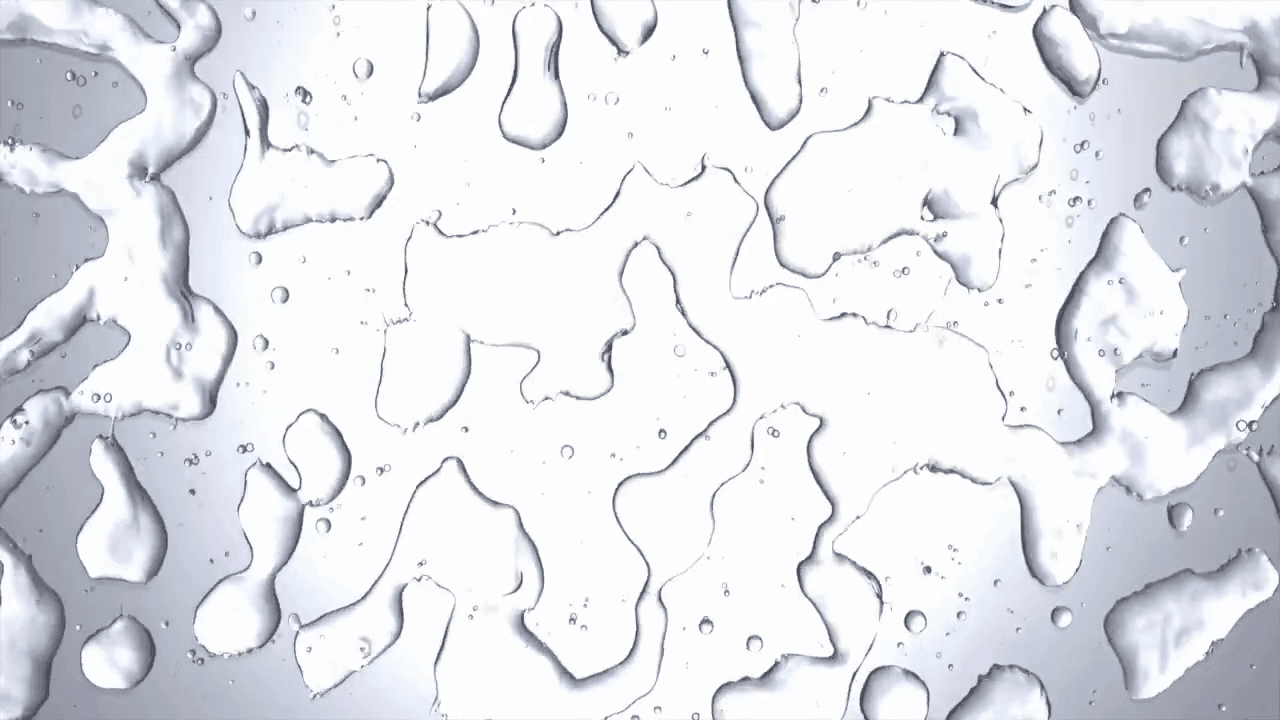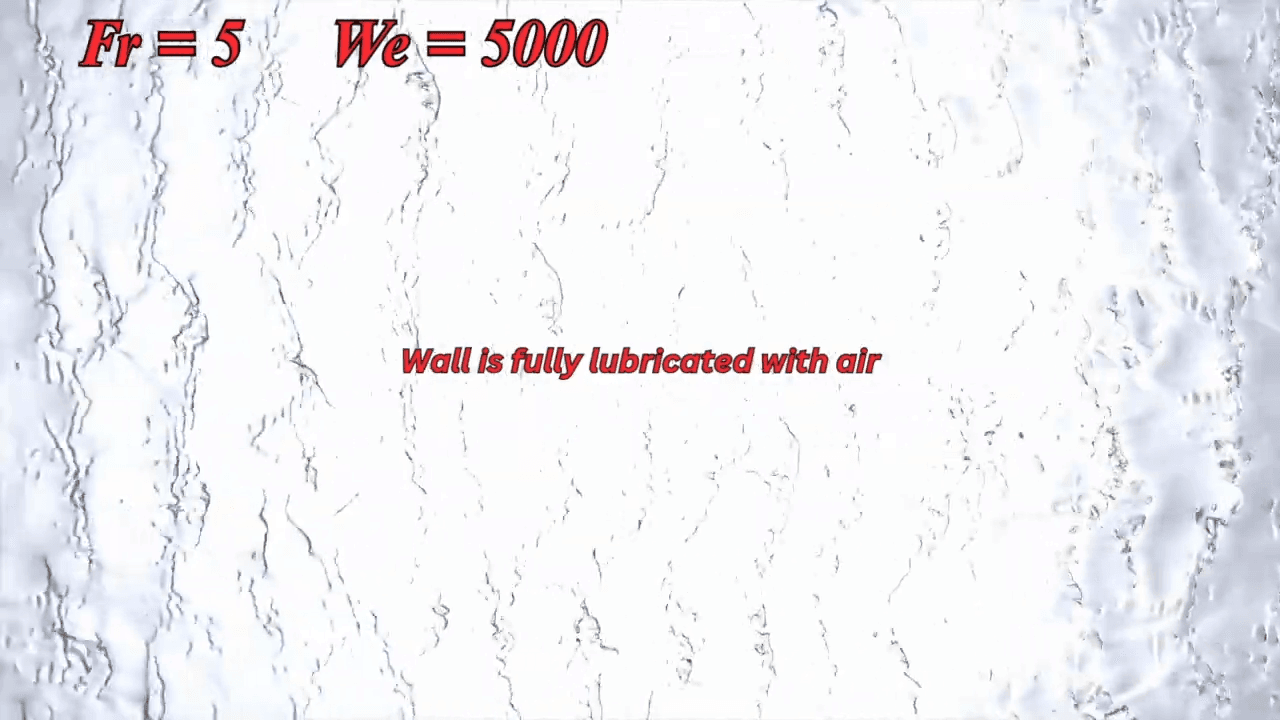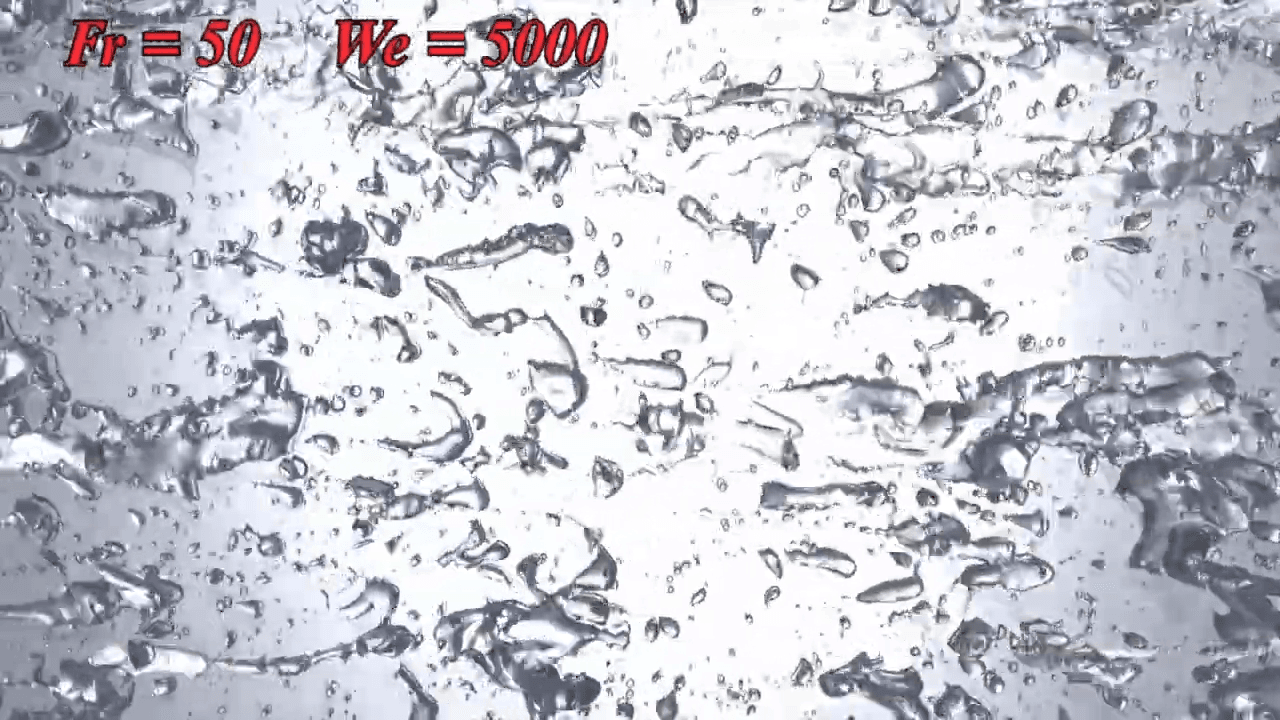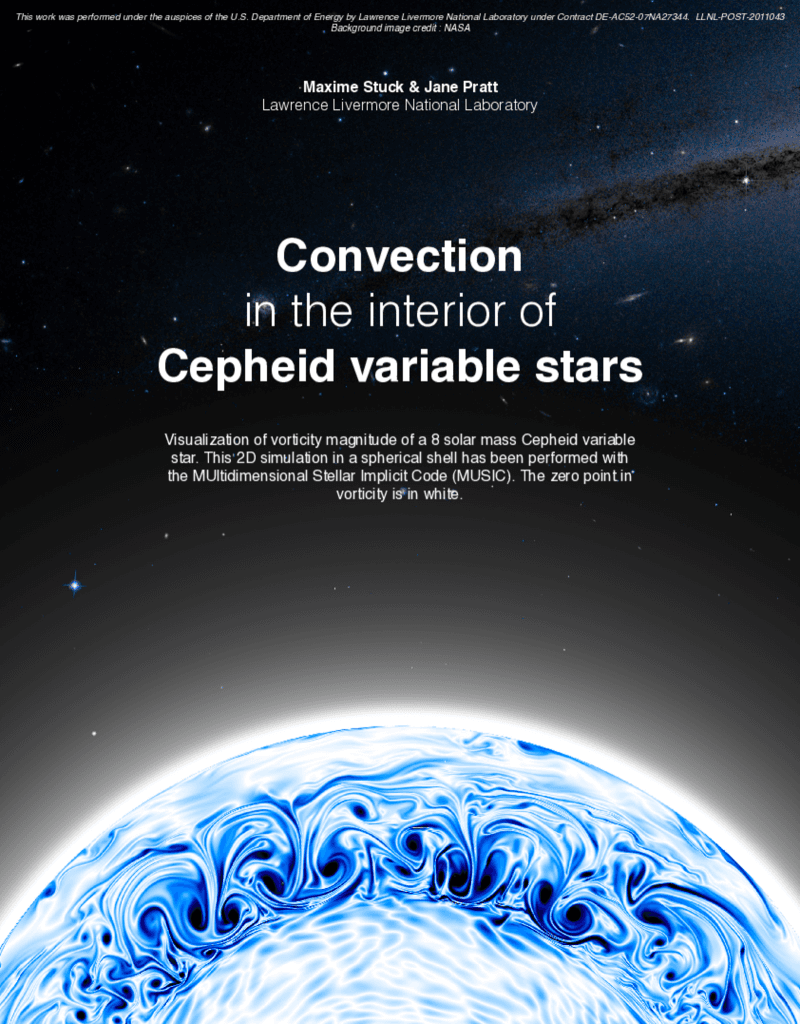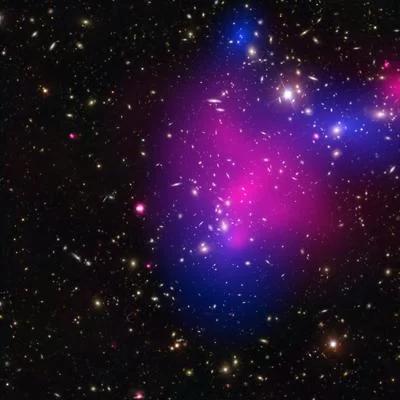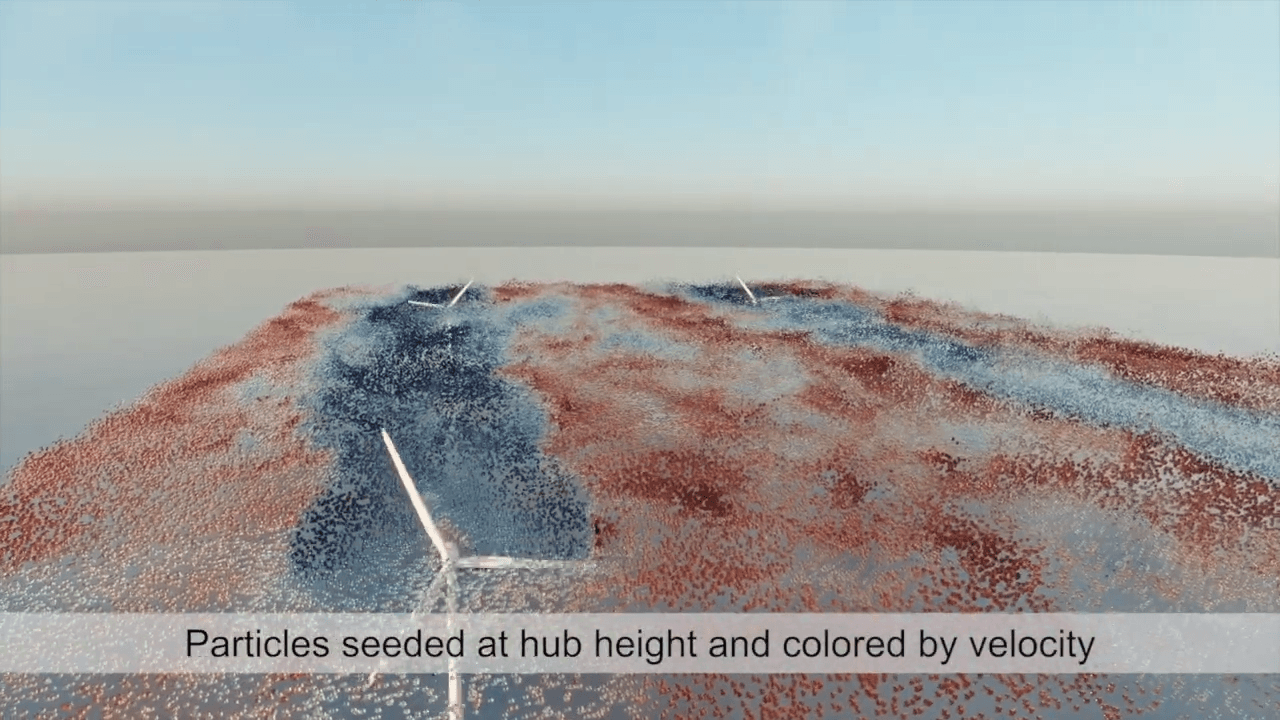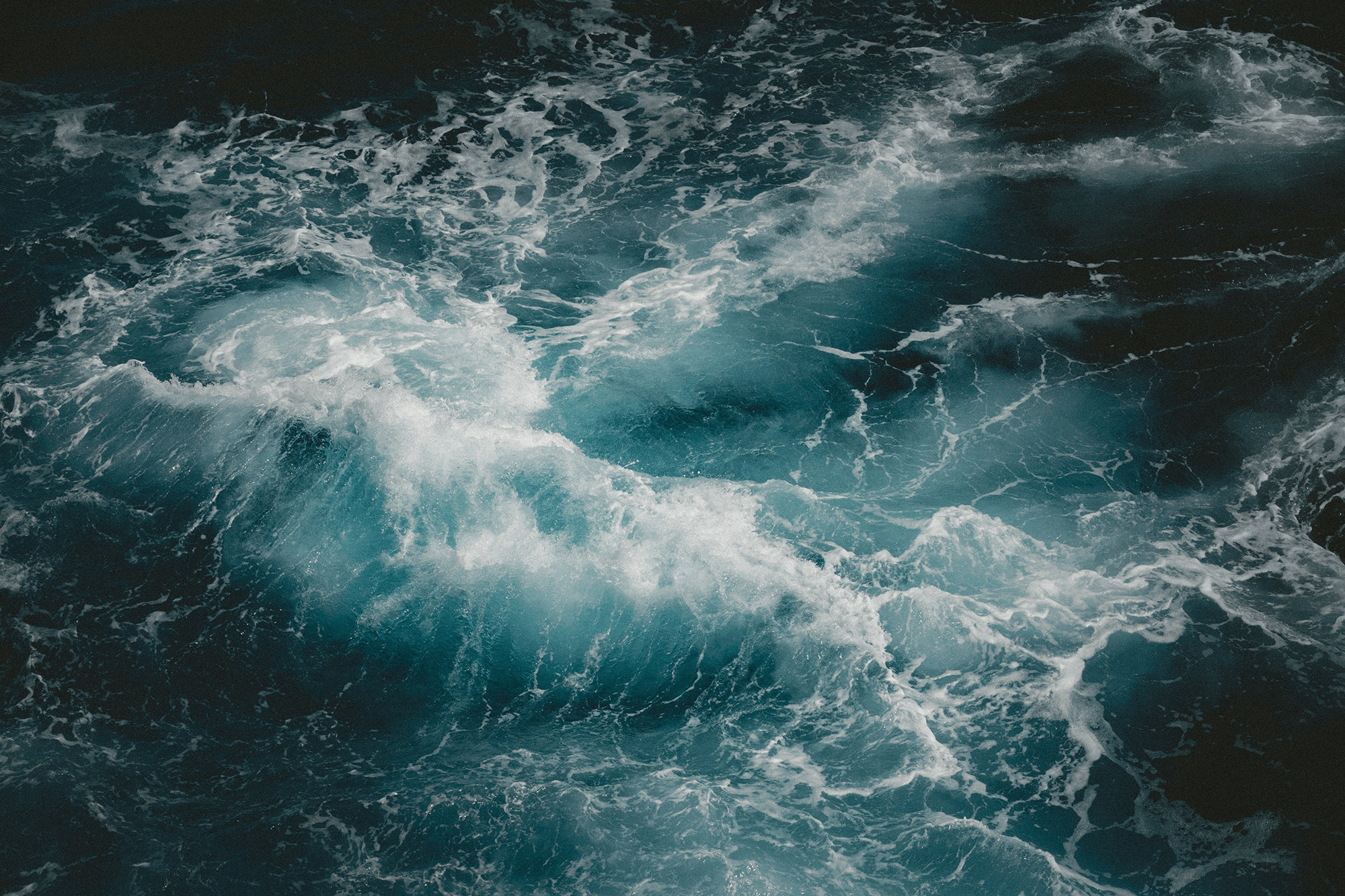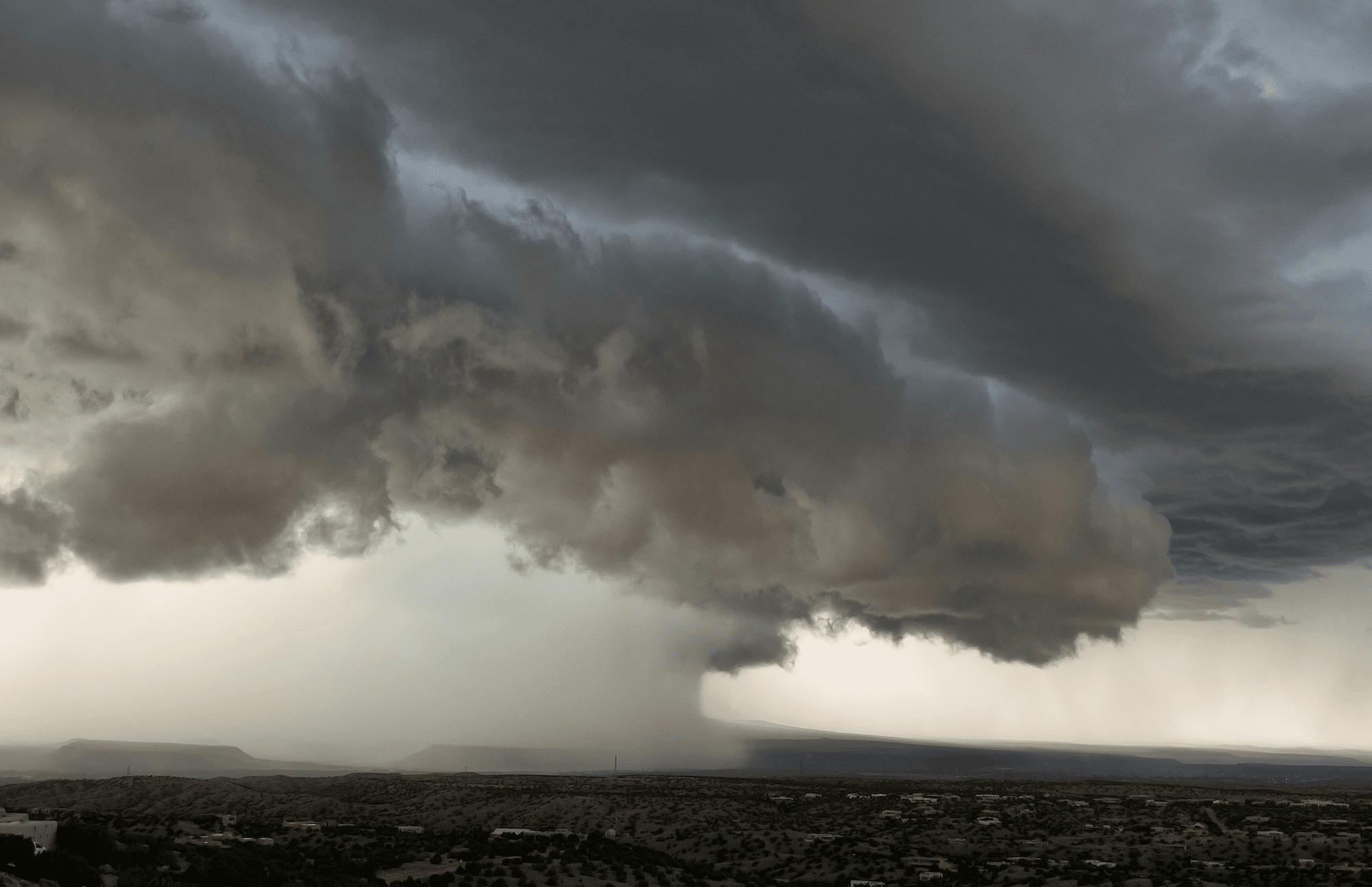
Large-scale computational fluid dynamics simulations face many challenges. Among them is the need to capture both large physical scales–like those of Earth’s atmospheric boundary layer–and small scales–like those of tiny eddies moving around a wind-turbine blade. Capturing all of these scales for a problem like four wind turbines in a wind farm requires using the full computing power of every processor in a large supercomputer. That’s the level of power behind the simulation visualized in this video. The results, however, are stunning. (Video and image credit: M. da Frahan et al.)
Tag: CFD

Oceans Could “Burp” Out Absorbed Heat
Earth’s atmosphere and oceans form a complicated and interconnected system. Water, carbon, nutrients, and heat move back and forth between them. As humanity pumps more carbon and heat into the atmosphere, the oceans–and particularly the Southern Ocean–have been absorbing both. A new study looks ahead at what the long-term consequences of that could be.
The team modeled a scenario where, after decades of carbon emissions, the world instead sees a net decrease in carbon–which could be achieved by combining green energy production with carbon uptake technologies. They found that, after centuries of carbon reduction and gradual cooling, the Southern Ocean could release some of its pent-up heat in a “burp” that would raise global temperatures by tenths of a degree for decades to a century. The burp would not raise carbon levels, though.
The research suggests that we should continue working to understand the complex balance between the atmosphere and oceans–and how our changes will affect that balance not only now but in the future. (Image credit: J. Owens; research credit: I. Frenger et al.; via Eos)
Waves Over Sand Ripples
Look beneath the waves on a beach or in a bay, and you’ll find ripples in the sand. Passing waves shape these sandforms and can even build them to heights that require dredging to keep waterways passable to large ships. To better understand how the sand interacts with the flow, researchers build computer models that couple the flow of the water with the behavior of individual sand grains. One recent study found that sand grains experienced the most shear stress as the flow first accelerates and then again when a vortex forms near the crest of the ripple. (Image credit: D. Hall; research credit: S. DeVoe et al.; via Eos)

Crown Splash
When a falling drop hits a thin layer of water, the impact sends up a thin, crown-shaped splash. This research poster shows a numerical simulation of such a splash in the throes of various instabilities. The crown’s thick edges are undergoing a Rayleigh-Plateau instability, breaking into droplets much the way a dripping faucet does. On the far side, the crown has rapidly expanding holes that pull back and collide. The still-intact liquid sheet at the base of the crown shows some waviness, as well, hinting at a growing instability there. (Image credit: L. Kahouadji et al.)

Bow Shock Instability
There are few flows more violent than planetary re-entry. Crossing a shock wave is always violent; it forces a sudden jump in density, temperature, and pressure. But at re-entry speeds this shock wave is so strong the density can jump by a factor of 13 or more, and the temperature increase is high enough that it literally rips air molecules apart into plasma.
Here, researchers show a numerical simulation of flow around a space capsule moving at Mach 28. The transition through the capsule’s bow shock is so violent that within a few milliseconds, all of the flow behind the shock wave is turbulent. Because turbulence is so good at mixing, this carries hot plasma closer to the capsule’s surface, causing the high temperatures visible in reds and yellows in the image. Also shown — in shades of gray — is the vorticity magnitude of flow around the capsule. (Image credit: A. Γlvarez and A. Lozano-Duran)

How CO2 Gets Into the Ocean
Our oceans absorb large amounts of atmospheric carbon dioxide. Liquid water is quite good at dissolving carbon dioxide gas, which is why we have seltzer, beer, sodas, and other carbonated drinks. The larger the surface area between the atmosphere and the ocean, the more quickly carbon dioxide gets dissolved. So breaking waves — which trap lots of bubbles — are a major factor in this carbon exchange.
This video shows off numerical simulations exploring how breaking waves and bubbly turbulence affect carbon getting into the ocean. The visualizations are gorgeous, and you can follow the problem from the large-scale (breaking waves) all the way down to the smallest scales (bubbles coalescing). (Video and image credit: S. Pirozzoli et al.)

Underground Convection Thaws Permafrost Faster
In recent years, Arctic permafrost has thawed at a surprisingly fast pace. Much of that is, of course, due to the rapid warming caused by climate change. But some of that phenomenon lives underground, where water’s unusual properties cause convection in gaps between rocks, sediment, and soil.
Water is densest not as ice but as water. This is why ice cubes float in your glass. Water’s densest form is actually a liquid at 4 degrees Celsius. For water-logged Arctic soils, this means that the densest layer is not at the frozen depth but at a higher, shallower depth. This places a dense liquid-infused layer over a lighter one, a recipe for unstable convection.

Illustration of underground convection and permafrost thaw. On the left: temperature and density of the water in Arctic soil varies with depth. The temperature gets colder the deeper you go, but because water is densest at 4 degrees Celsius, the density is greatest at a shallower depth than the freezing interface. As a result of this unstable configuration (dense water over less dense water), convection can occur (right). In a recent numerical simulation, researchers found that this underground convection caused permafrost to thaw much more quickly than it would due to heat conduction alone. In fact, the effects appeared in as little as one month, so in a single summer, this convection could have a big effect on the thaw depth. (Image credit: top – Florence D., figure – M. Magnani et al.; research credit: M. Magnani et al.)

Resolution Effects on Ocean Circulation
The Gulf Stream current carries warm, salty water from the Gulf of Mexico northeastward. In the North Atlantic, this water cools and sinks and drifts southwestward, emerging centuries later in the Southern Ocean. Known as the Atlantic Meridional Overturning Circulation (AMOC), this circulation is critical, among other things, to Europe’s temperate climate. Since 1995, scientists have been warning that human-driven climate change is weakening the AMOC and may cause it to shut down entirely — which would have catastrophic consequences for our society.

Comparison of ocean current speeds in the low-resolution (left) and high-resolution (right) simulations. A recent study re-examined the AMOC using both low- and high-resolution numerical simulations, combined with direct observations. Both simulations covered 1950 – 2100 and found the AMOC’s strength has declined since 1950. But the high-resolution simulation found significant regional variations in the AMOC’s behavior. Some regions saw localized strengthening, while other areas showed abrupt collapse. These sensitive shifts underscore the importance of driving toward higher resolutions in our next-generation climate models, if we want to better understand — and perhaps predict — what lies ahead as our climate changes. (Image credit: illustration – Atlantic Oceanographic and Meteorological Laboratory, simulations – R. Gou et al.; research credit: R. Gou et al.; via APS Physics)

Why Tornado Alley is North American
Growing up in northwest Arkansas, I spent my share of summer nights sheltering from tornadoes. Central North America — colloquially known as Tornado Alley — is especially prone to violent thunderstorms and accompanying tornadoes. That’s due, in part, to two geographical features: the Rocky Mountains and the Gulf of Mexico. Trade winds hitting the eastern slope of the Rockies get turned northward, imparting a counterclockwise vorticity. At the same time, warm moist air carried from the Gulf feeds into the atmosphere, creating perfect conditions for powerful thunderstorms. By this logic, though, South America should see lots of tornadoes, too, courtesy of the Andes Mountains and the moist environs of the Amazon Basin. To understand why South America doesn’t have a Tornado Alley, researchers used global weather models to investigate alternate North and South Americas.
They found that smoothness is a key ingredient for the upstream, moisture-generating region. Compared to the Amazon, the Gulf of Mexico is incredibly flat. With a flat Gulf, tornadoes abounded in North America, but their numbers dropped once that area was roughened to mimic the Amazon. The opposite held true, too: a smoothed-out Amazon Basin resulted in more simulated South American tornadoes.
For those in Tornado Alley, the results don’t offer much hope for mitigating our summer storms — we can’t exactly roughen the ocean. But the study does sound a word for warning for South America; the smoother the Amazon region becomes — due to mass deforestation — the more likely tornadoes become in parts of South America. (Image credit: G. Johnson; research credit: F. Li et al.; via Physics World)

Venus Flower Basket Sponges
Venus flower basket sponges have an elaborate, vase-like skeleton pocked with holes that allow water to pass through the organism. A recent numerical study looked at how the sponge’s shape deflects incoming (horizontal) ocean currents into a vertical flow the sponge can use to filter out food.
The sponges’ structure is porous and lined with helical structures. In their simulation, researchers reproduced a version of this structure (shown below) that used none of the real sponge’s active pumping mechanisms. The digital sponge was, instead, purely passive. Nevertheless, the simulation showed that, by their skeletal structure alone, sponges could redirect a significant fraction of incoming flow toward its filtering surfaces. Interestingly, the highest deflection fraction occurred at relatively low flow speeds, showing that the sponges are set up so that their structure is especially helpful for scavenging nutrients from nearly-still waters.
In the real world, these sponges use a combination of passive filtering and active pumping to capture their food, but this study shows that the sponge’s clever structure helps it save energy, especially in tough flow conditions. (Image credit: sponges – NOAA, simulation – G. Falcucci et al.; research credit: G. Falcucci et al.; via APS Physics)

A detail from a numerical simulation shows streamlines around and inside a model sponge.