Operating in microgravity disrupts a lot of everyday routines. However, astronauts have learned to take advantage of surface tension to enable them to drink their daily coffee from a cup still.
Search results for: “surface tension”

Dripping into Droplets
The Plateau-Rayleigh instability is one that just about everyone has witnessed. It describes how a liquid jet breaks up into droplets. Notice the waviness in the jet before breakdown. The tiniest curvature in the jet causes an imbalance in the liquid’s pressure due to surface tension. Because the system is unstable, any small changes will become larger, ultimately resulting in the jet breaking into droplets.
Water Balloons in Microgravity
Sometimes you need microgravity in order to observe the neat effects of surface tension on a fluid. Also, I hear it’s a good excuse for popping water balloons on the Vomit Comet. #
“Tadpoles: The Big Little Migration”
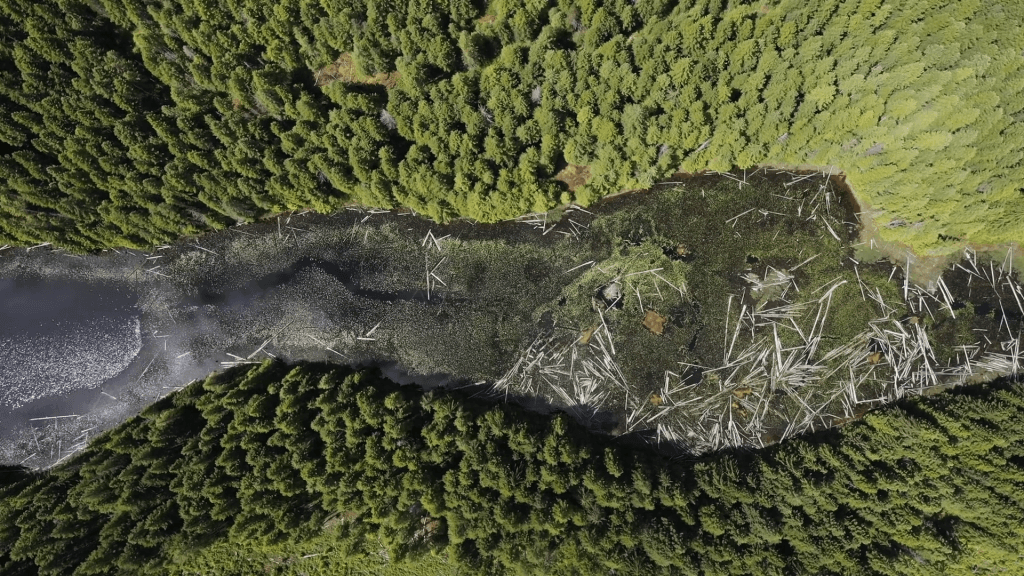
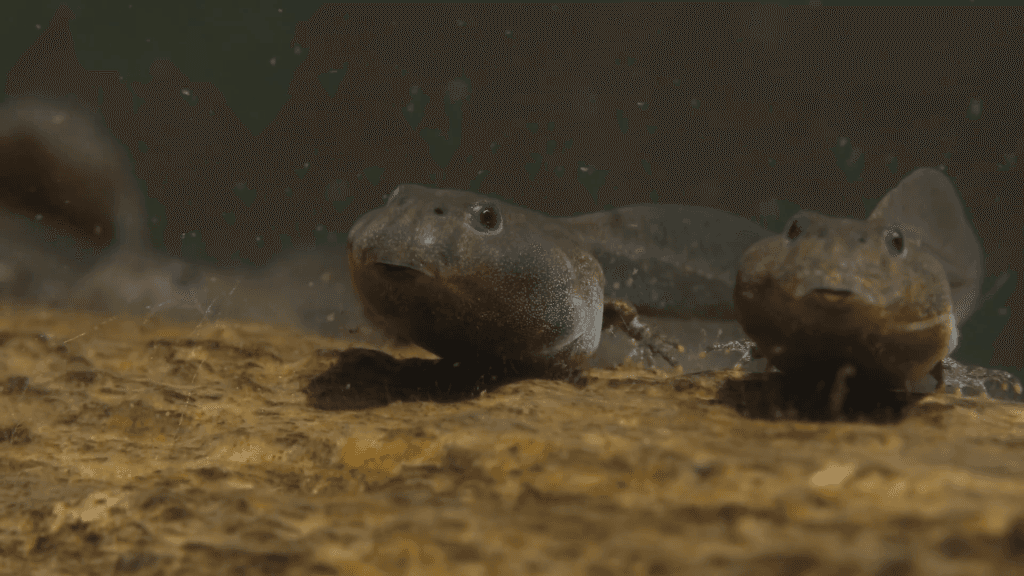

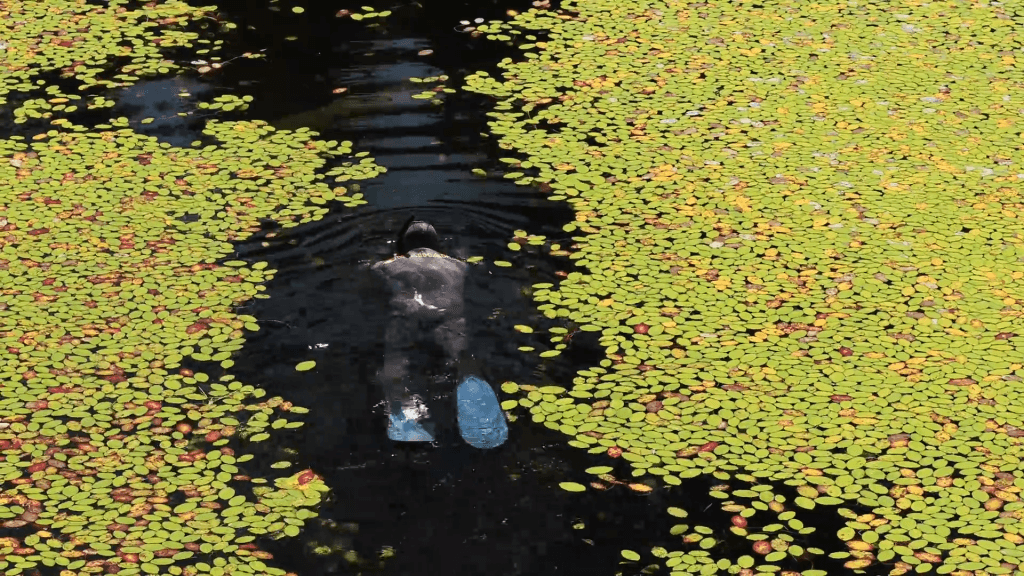
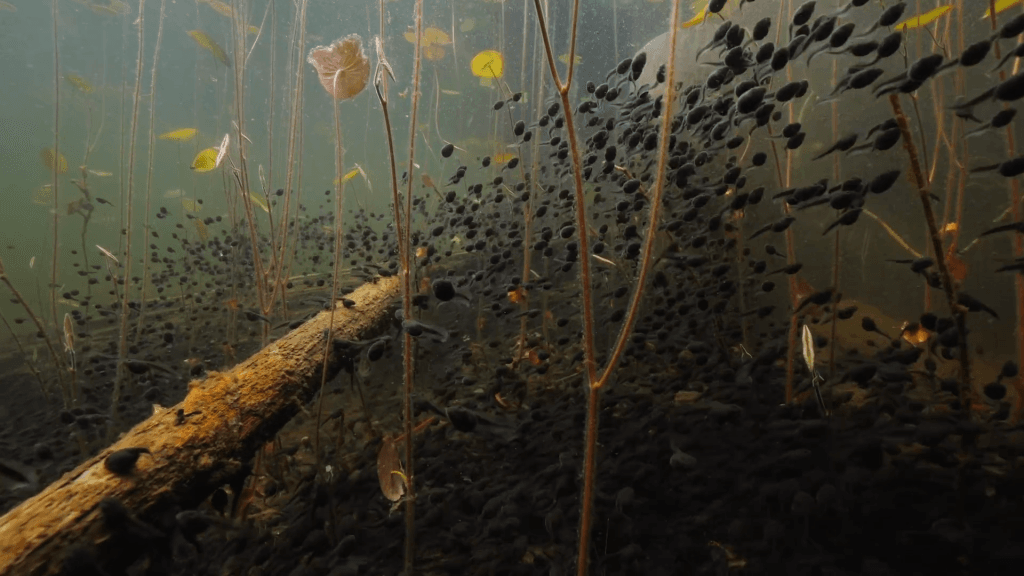
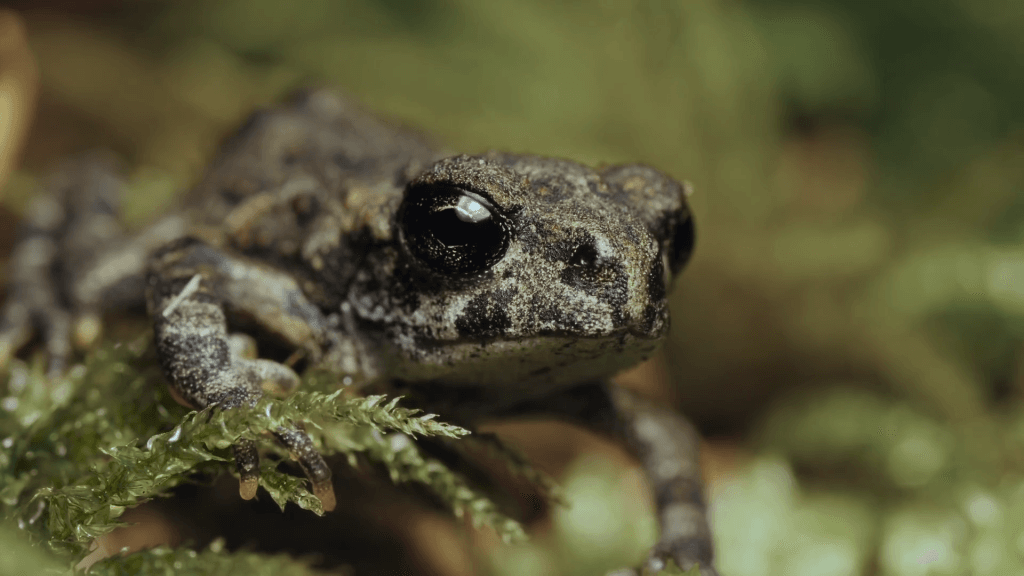
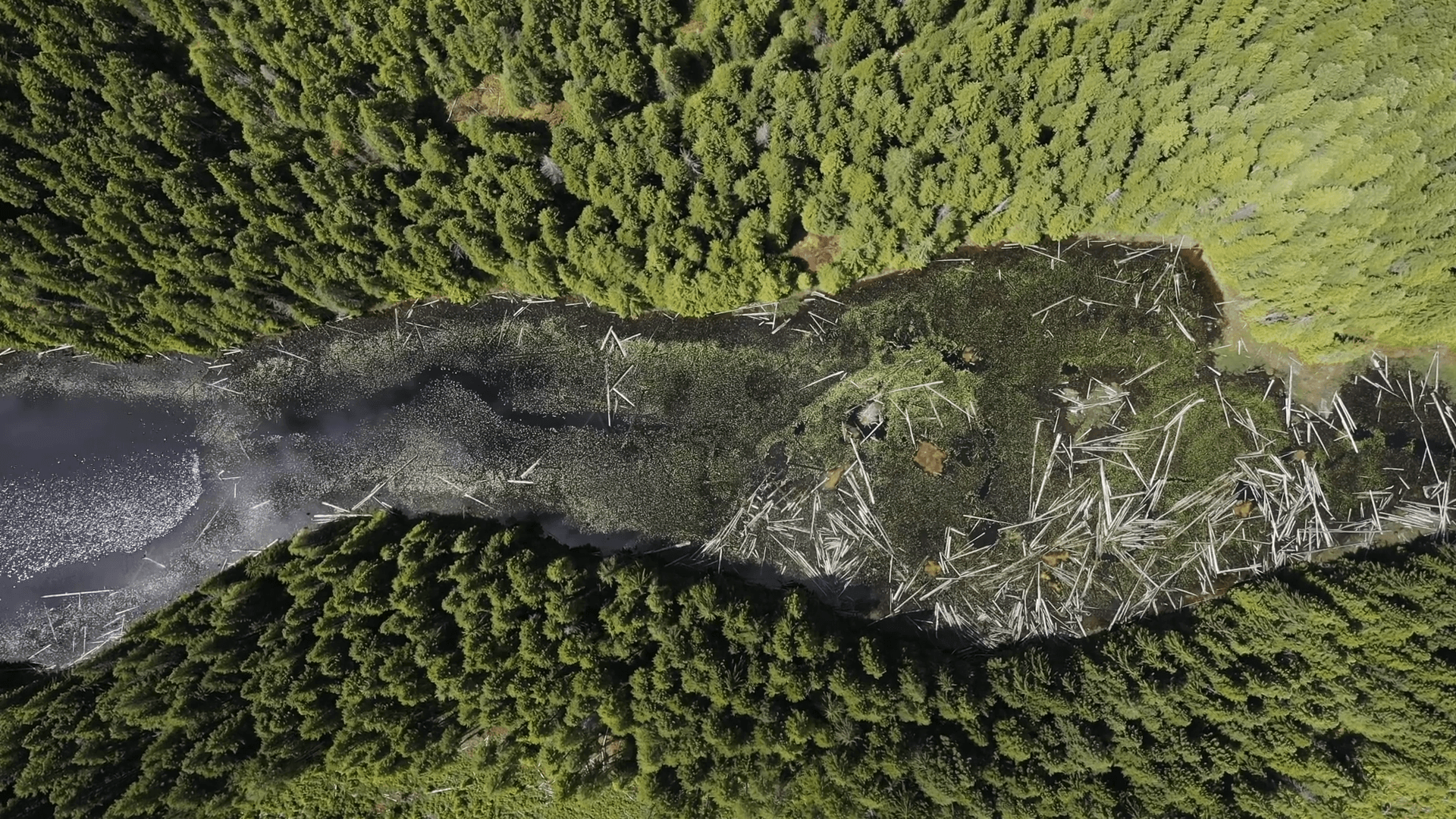
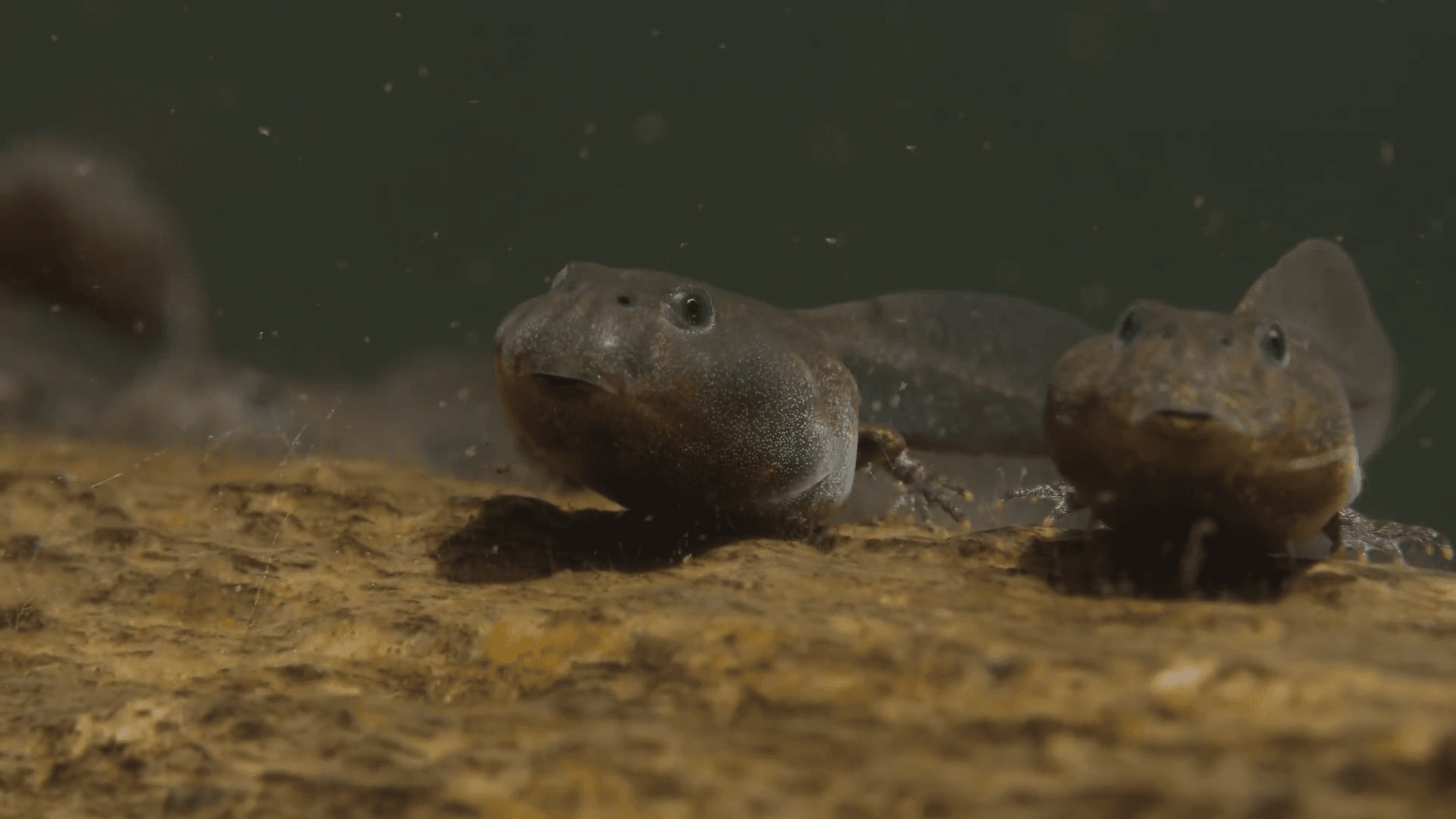

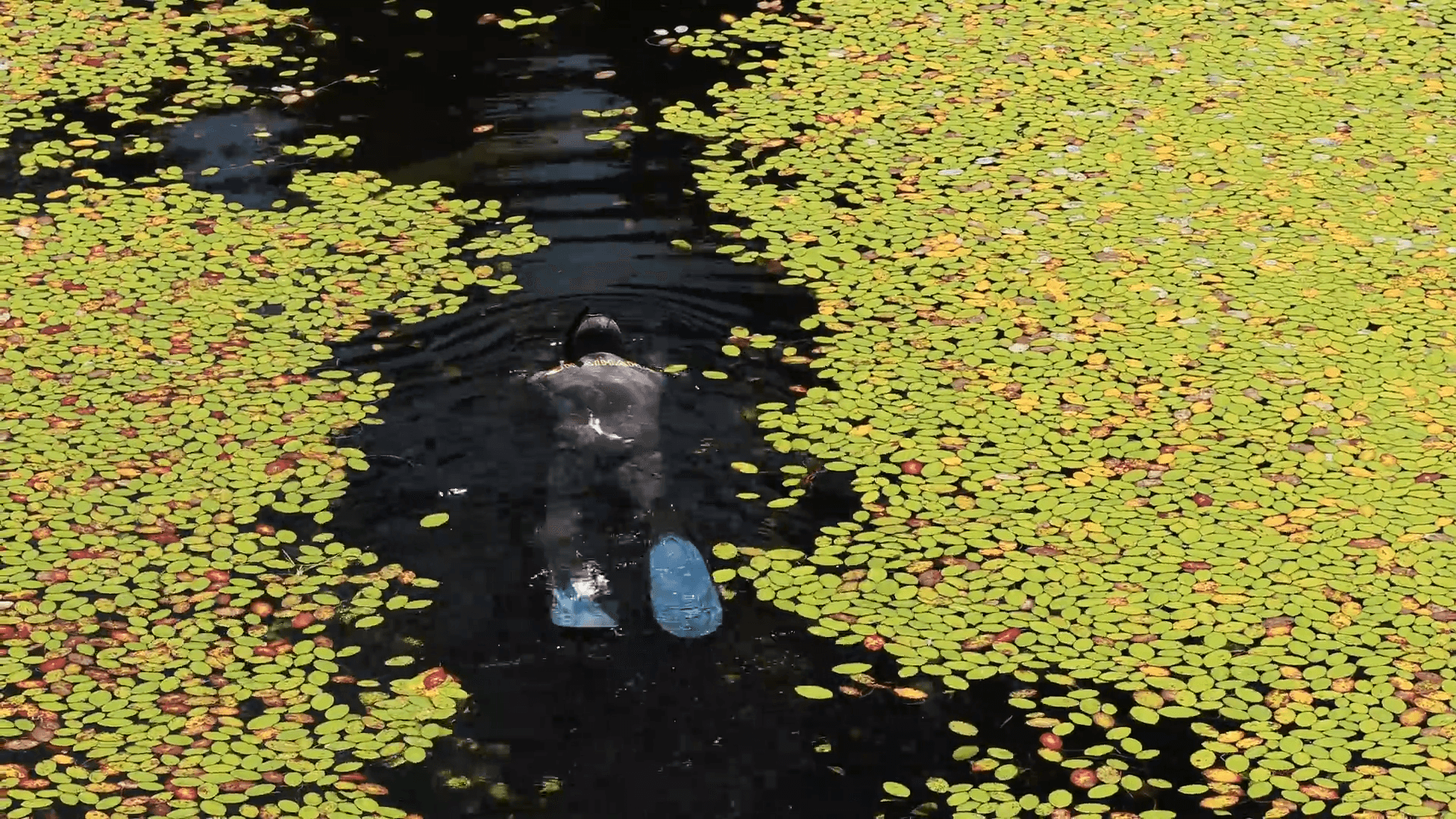
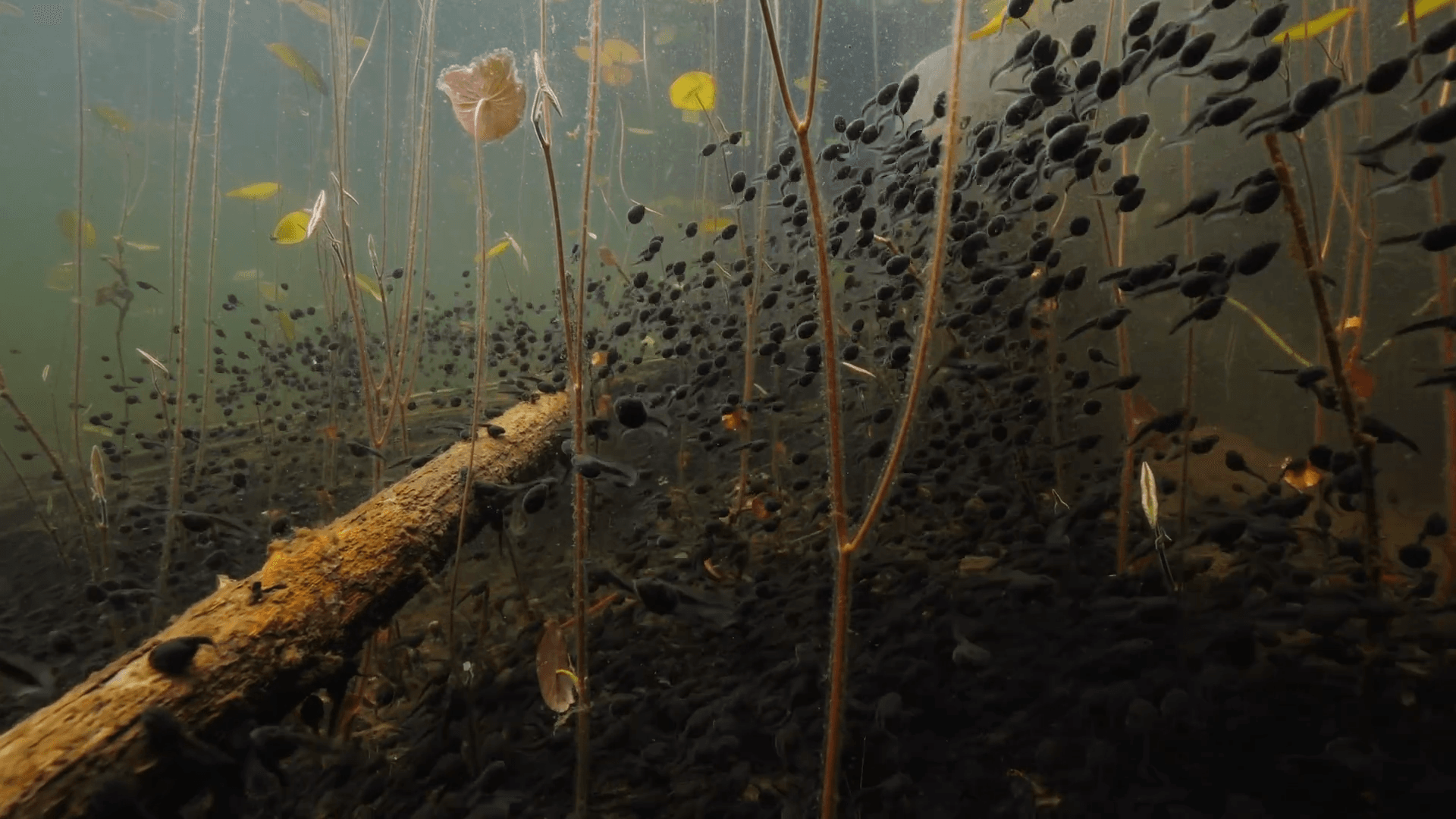
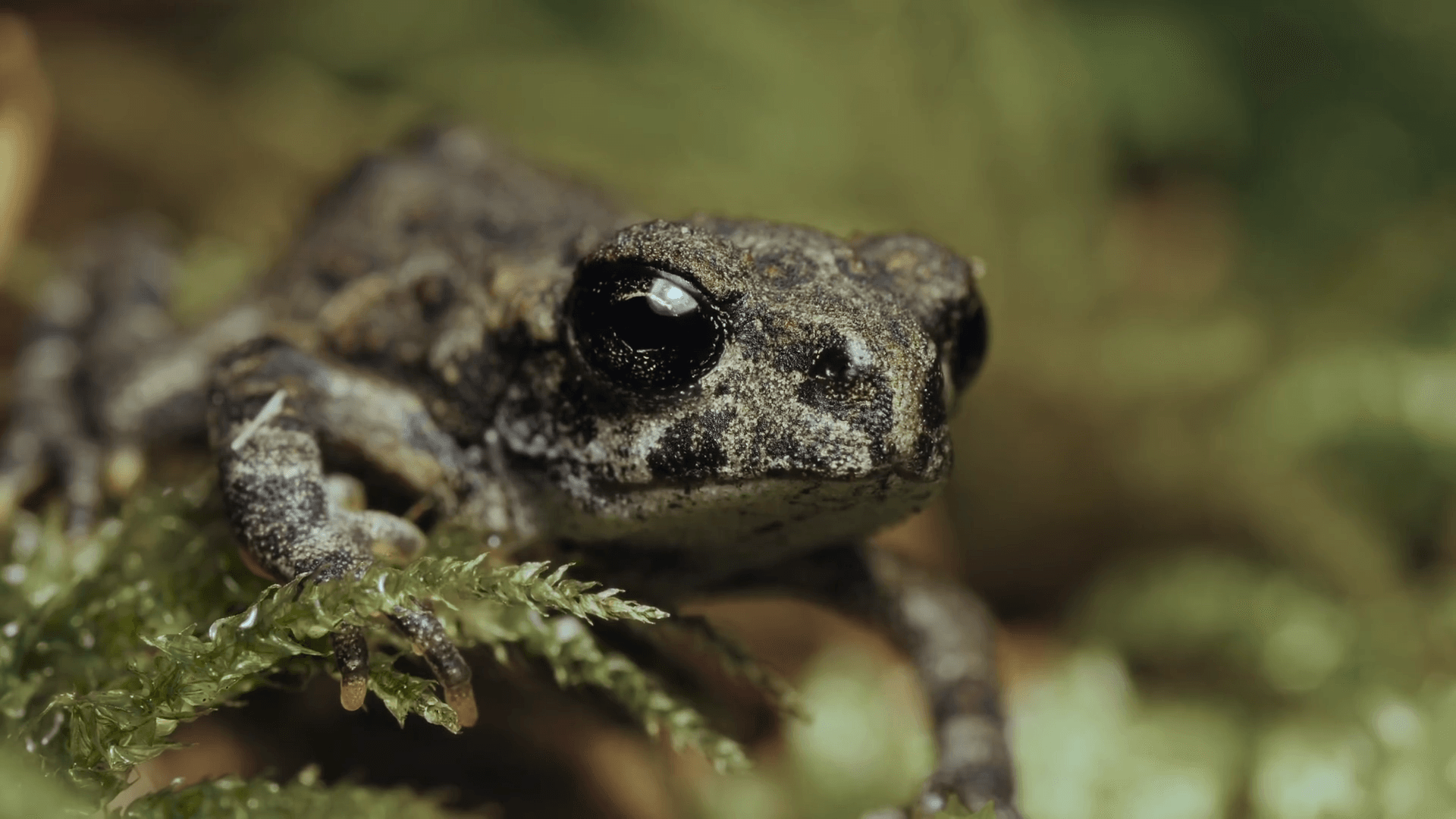
Amphibians like toads are often indicator species for their ecosystem because they are vulnerable to changes on both land and water. In this short film, videographer Maxwel Hohn follows the migration of western toad tadpoles in British Columbia, showing their daily underwater journey from deep waters, where they can hide, to warmer, shallow waters, where they eat. Over the days and weeks of their early life, millions of tadpoles make the journey, their bodies morphing as they do. Eventually, they will hop away as toadlets. (Video and image credit: M. Hohn et al.)
Fediverse Reactions
-

Pterosaur Tail Vanes
Among vertebrates, pterosaurs were the first to achieve powered flight. Early pterosaurs have tail vanes — similar in appearance to the frills seen on some lizards — but later species lost this feature. Whether the tail vanes helped in flight or served a display purpose is an open question among paleontologists. One group, in a recent pre-print, studied the vanes’ fossilized interior structure and found a cross-linked lattice that provided internal tension to the vanes. That means the vanes could potentially be held stiff, even in the face of aerodynamic forces that would cause untensioned surfaces to flutter. The result suggests that the tail vanes could have helped early fliers steer, even if evolution later moved that function (along with display) to other parts of the body. (Image credit: Sviatoslav-SciFi; research credit: N. Jagielska et al.; via jshoer)
“Space Iris”


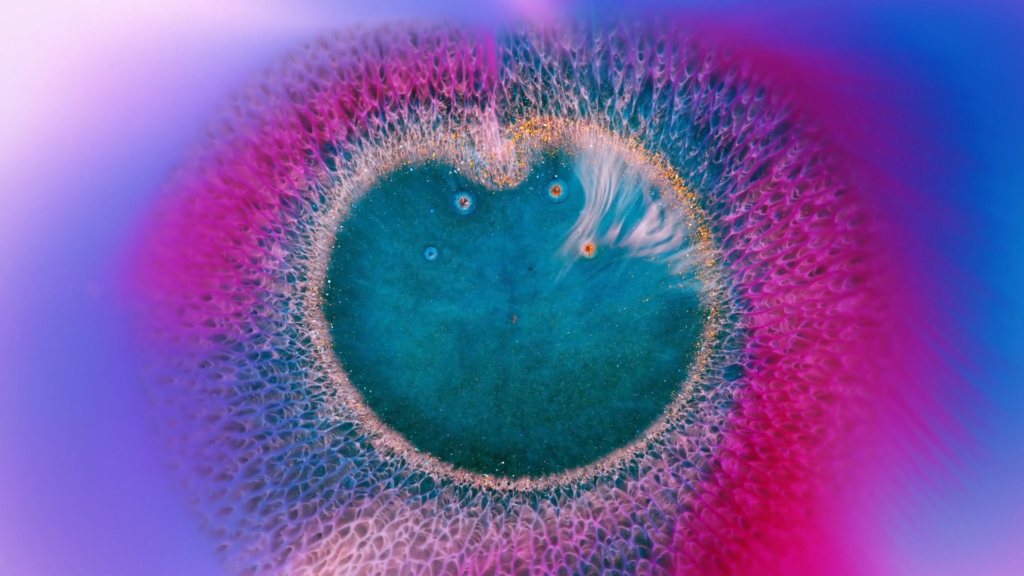

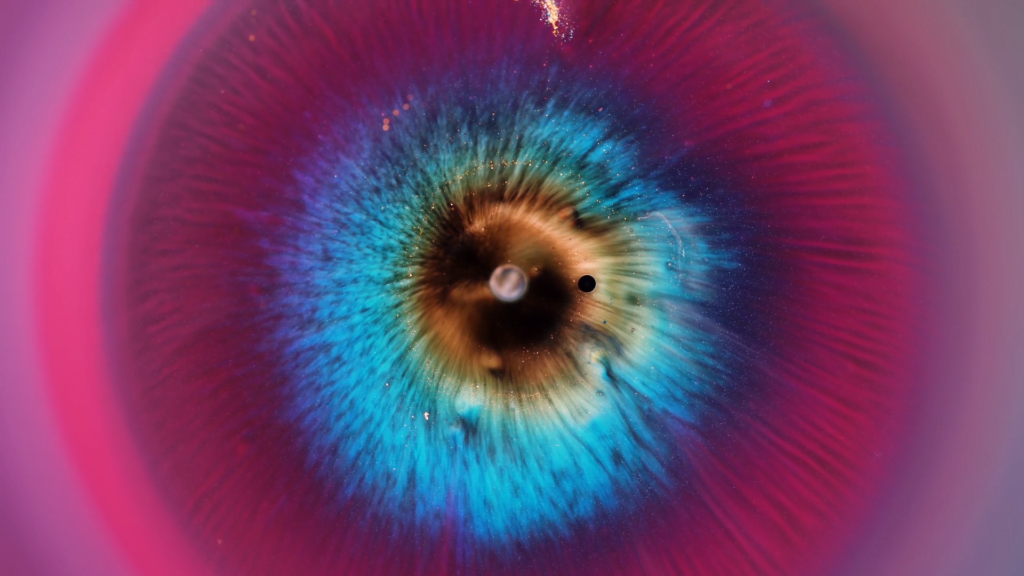
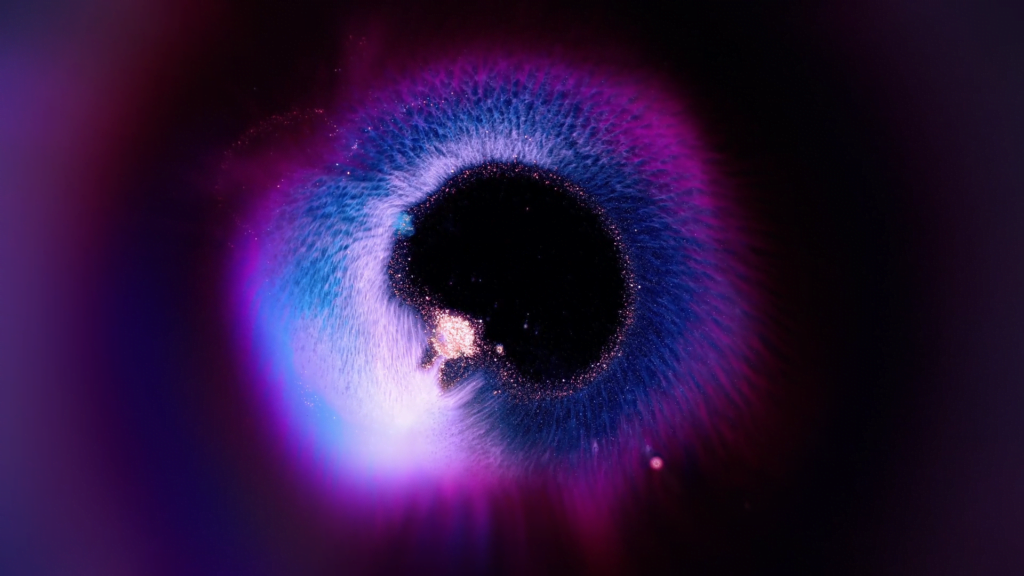


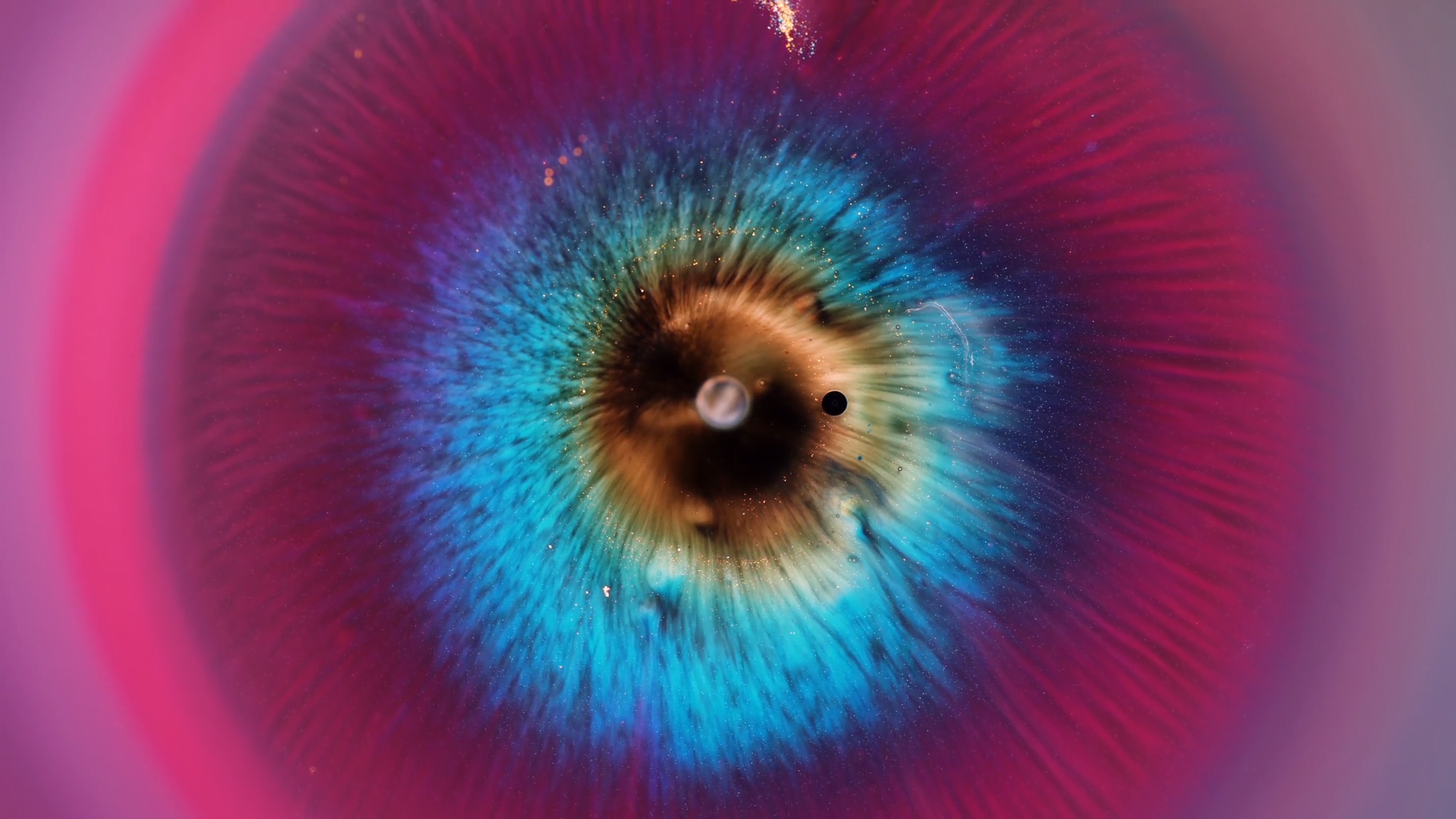

Ruslan Khasanov’s “Space Iris” explores the similarities between nebulae and eyes. Made entirely with common fluids like paint, soap, and alcohol, the film shows off the gorgeous possibilities of surface-tension- and density-driven instabilities. Marangoni flows abound! I even see some hints of solutal convection, perhaps? (Video and image credit: R. Khasanov; via Colossal)
Mermaid Cereal
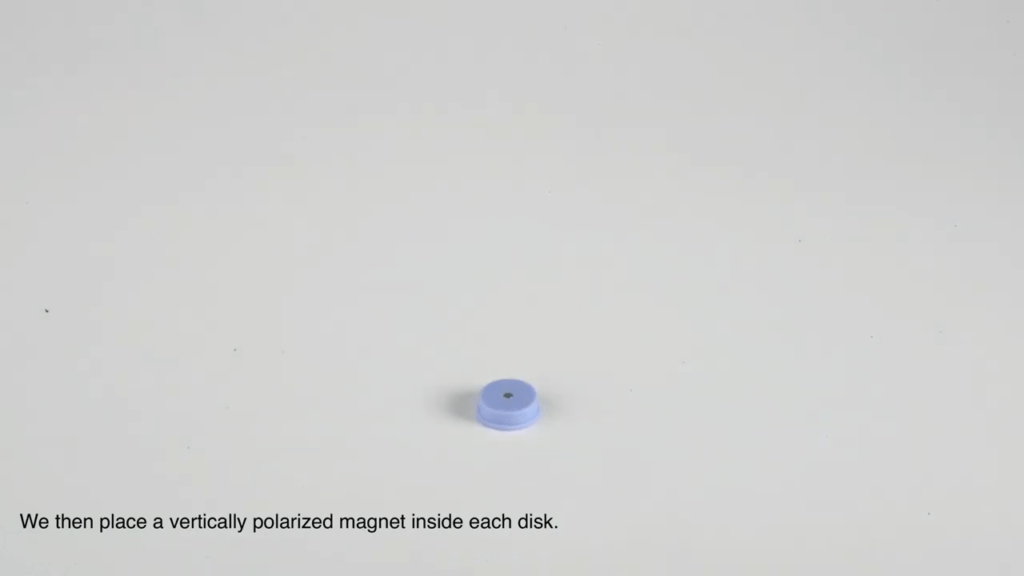


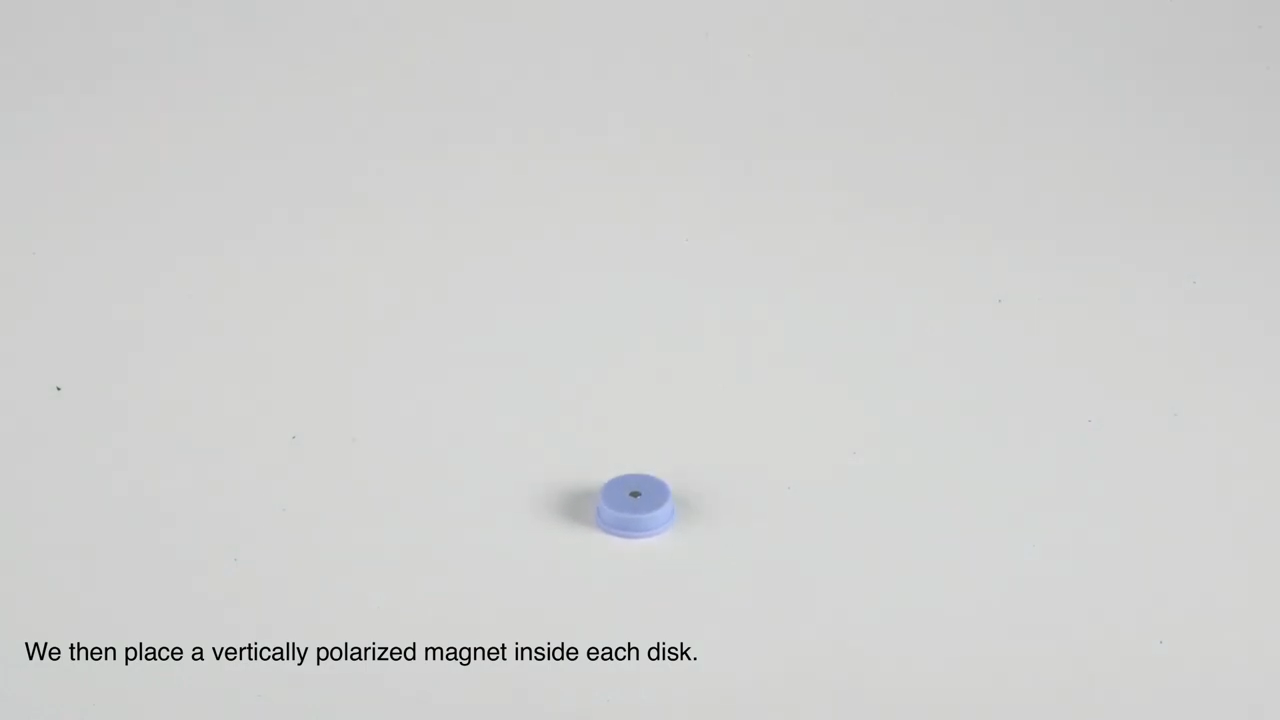

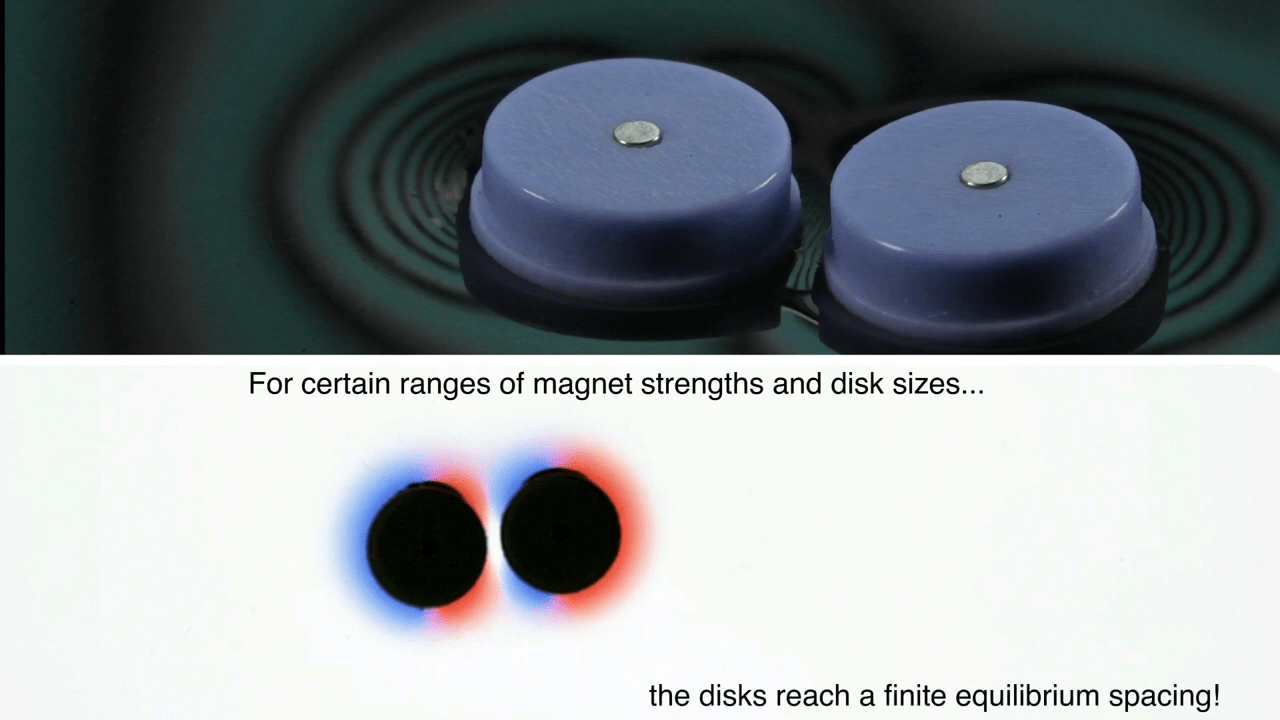
In the Cheerios effect, floating objects can fall into one another due to capillary attraction — just like Cheerios link up in a cereal bowl. Here researchers play with that effect by adding repulsive magnets to their “cereal” pieces. They find that their so-called mermaid cereal falls into preferential spacing, with pieces pairing up but never touching. Adding lots of these pieces in a confined space creates interesting crystalline and striped patterns, as seen later in the video. (Video credit: A. Hooshanginejad et al.)
Magnetic Soap Films
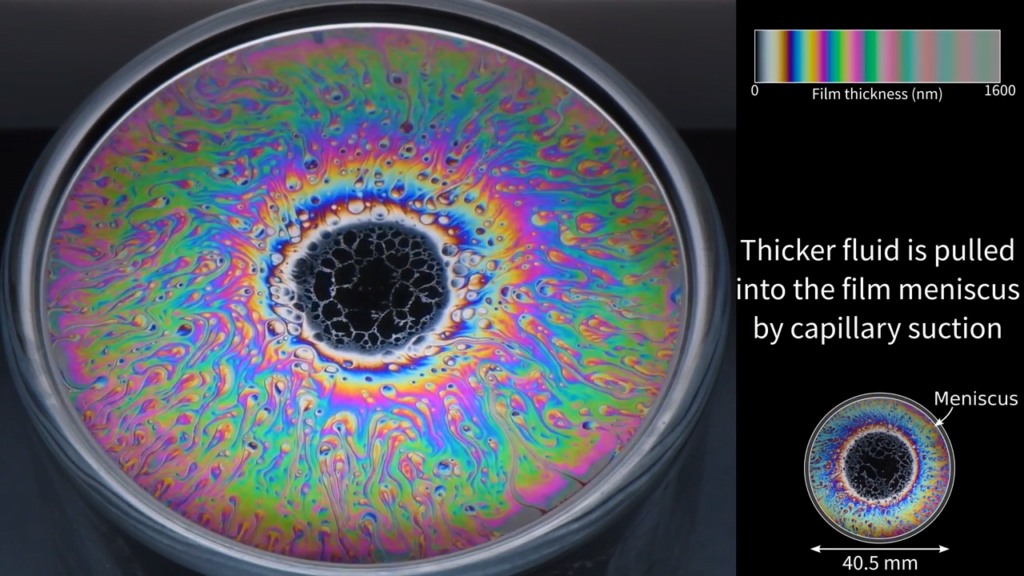
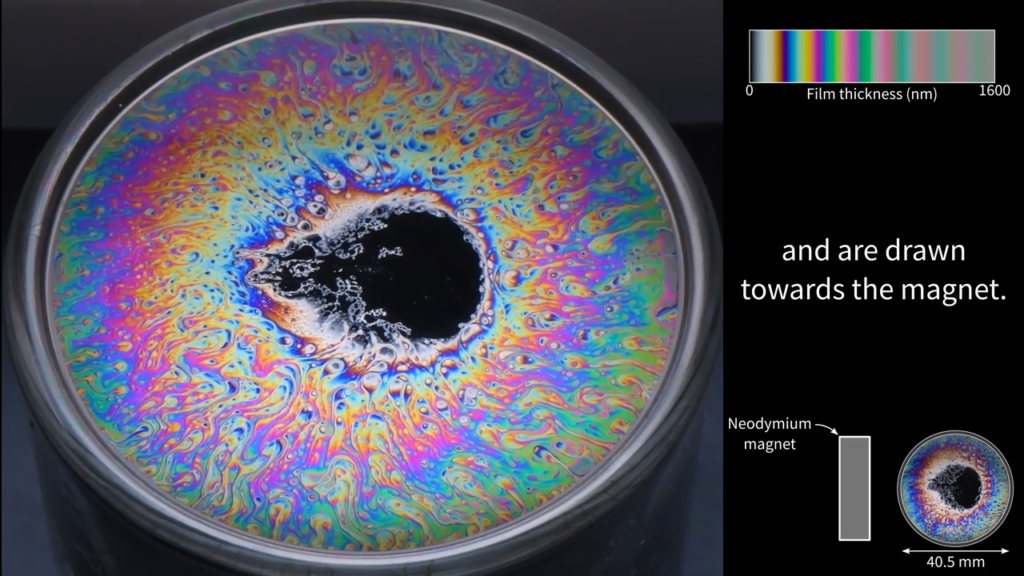
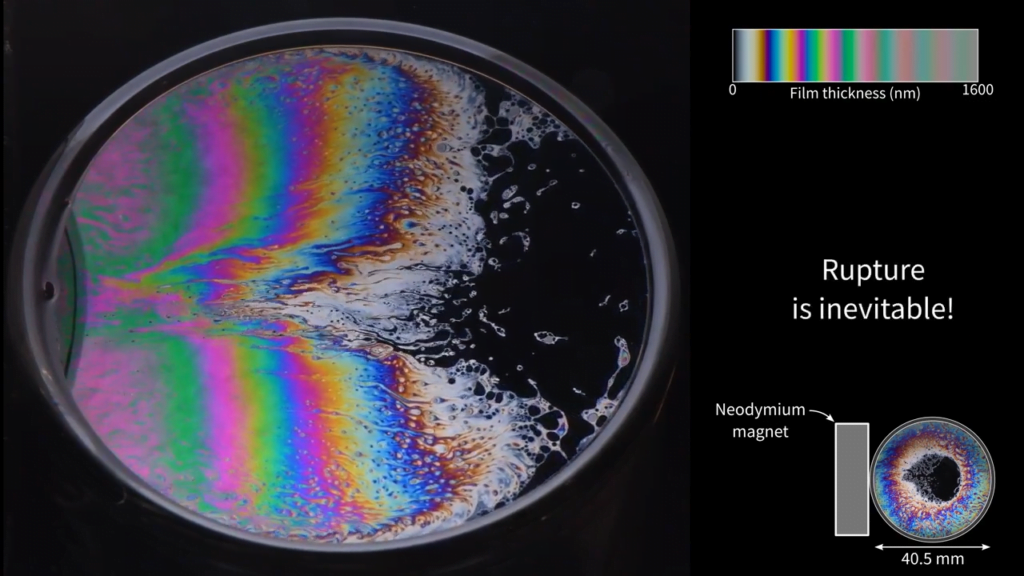


Soap films naturally thin over time as fluid evaporates and differences in film thickness cause surface-tension-driven flows. In this video, researchers experiment with adding magnetic nanoparticles to the soap film. In the second image, the white structures near the center of the film contain nanoparticles, and they’re drawn toward the magnet that sits (out-of-frame) to the left of the film. With more nanoparticles and a stronger magnetic field (Image 3), the entire soap film takes on a distinctive profile that thins from left to right. The effect is so strong that the film quickly thins to the point of rupture. (Image and video credit: N. Lalli et al.)
“Velocity”

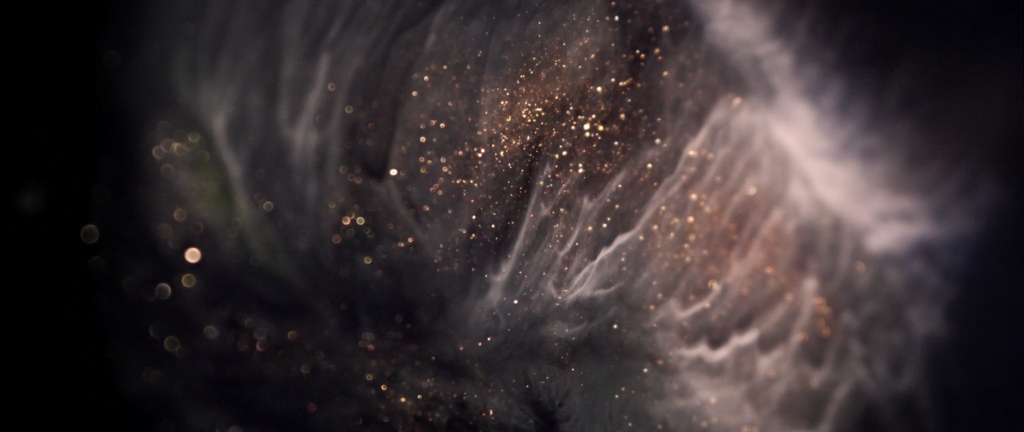
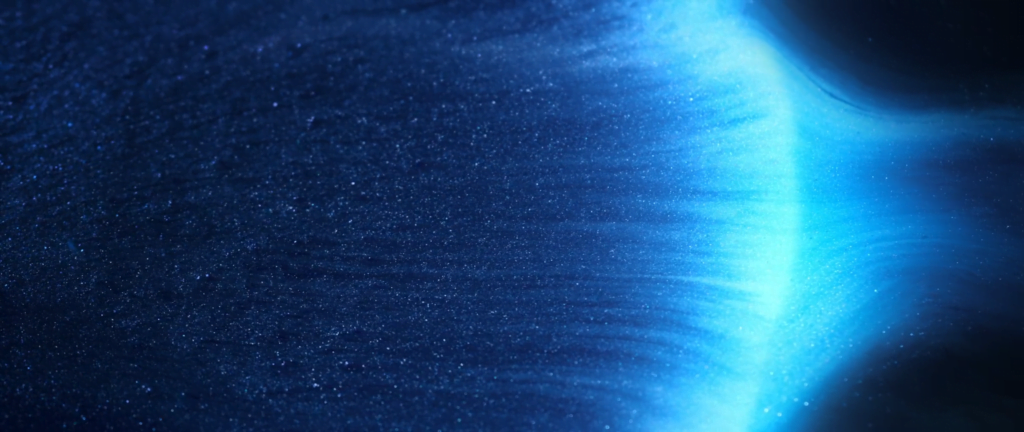
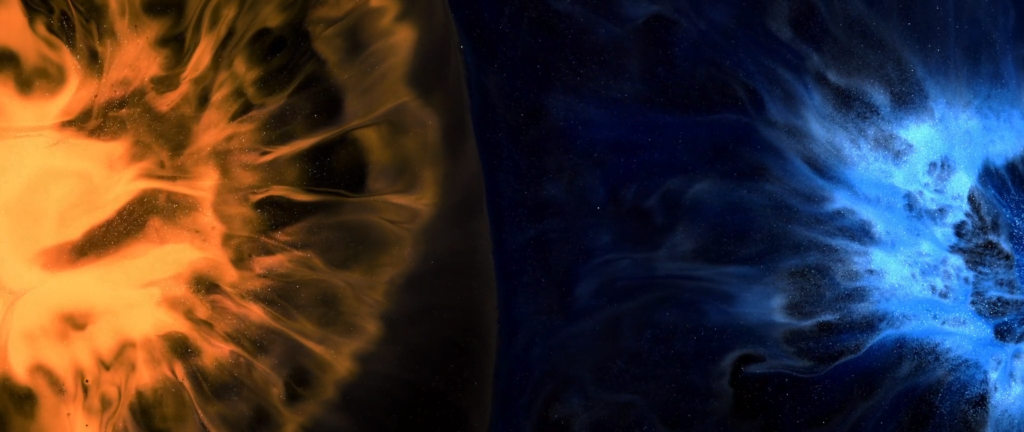
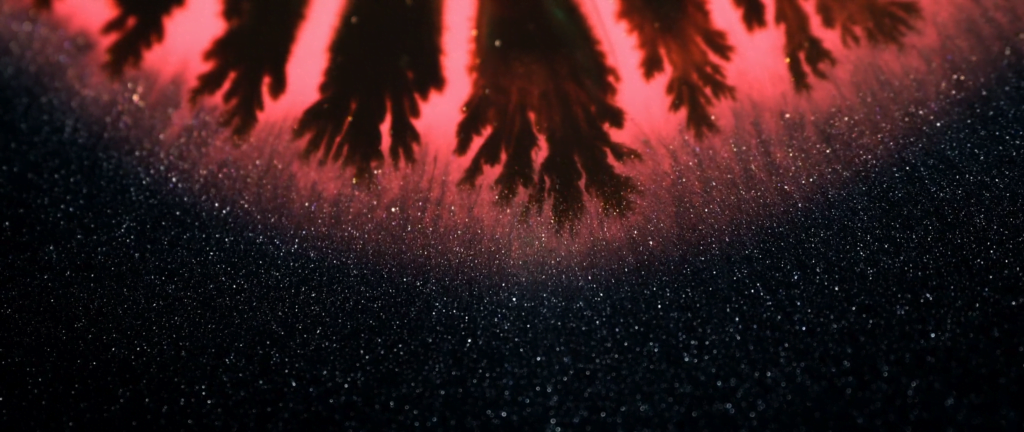
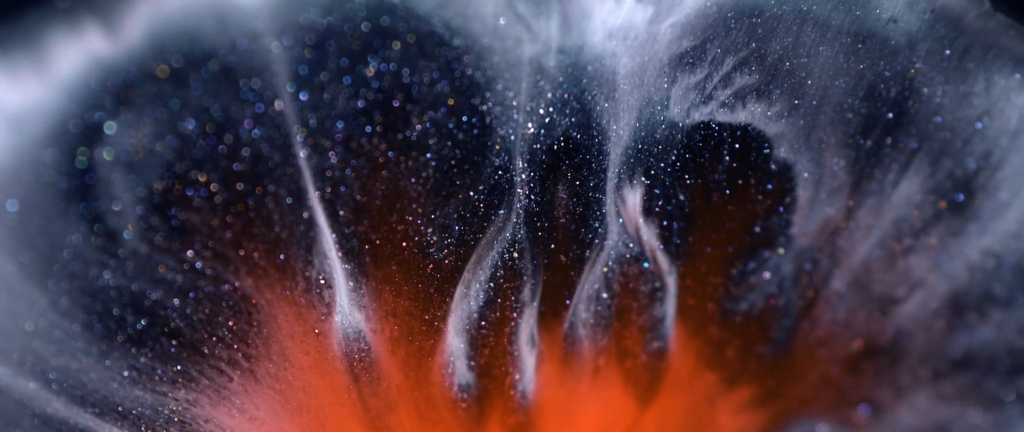
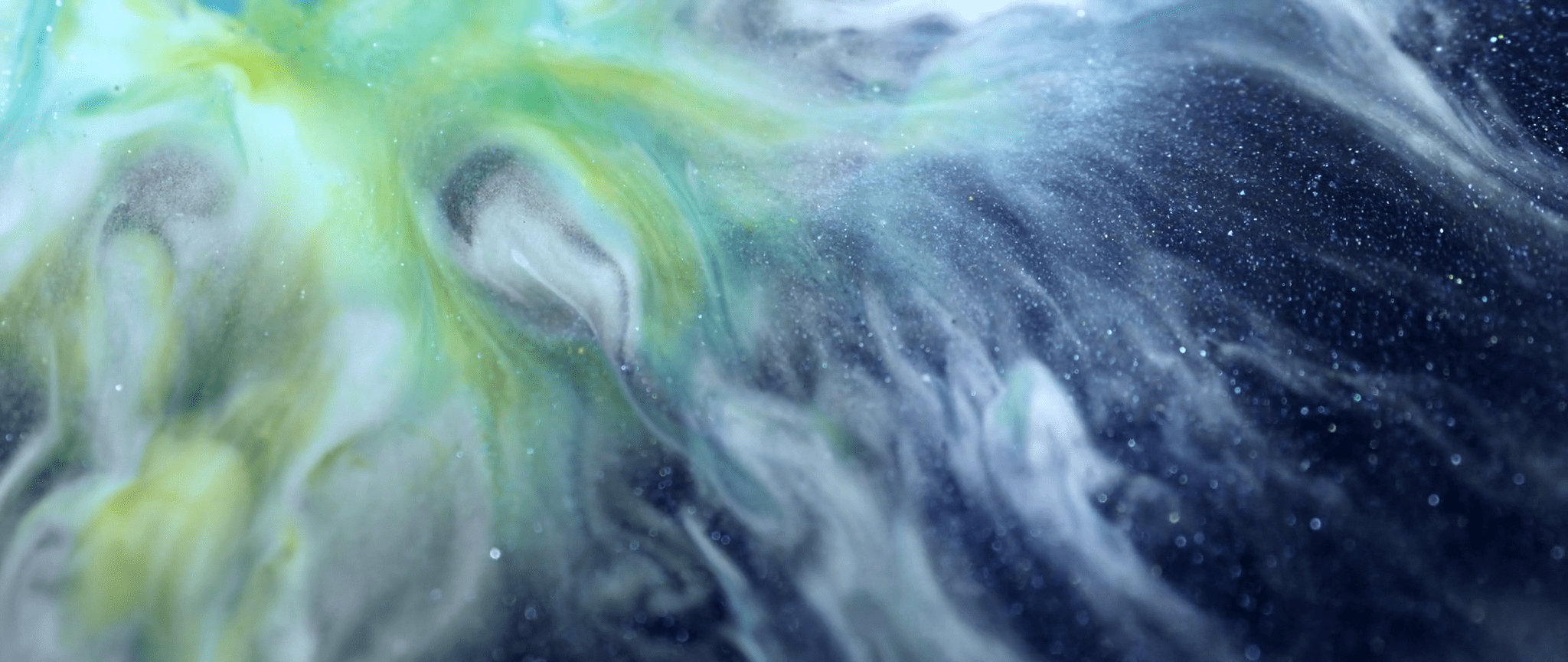
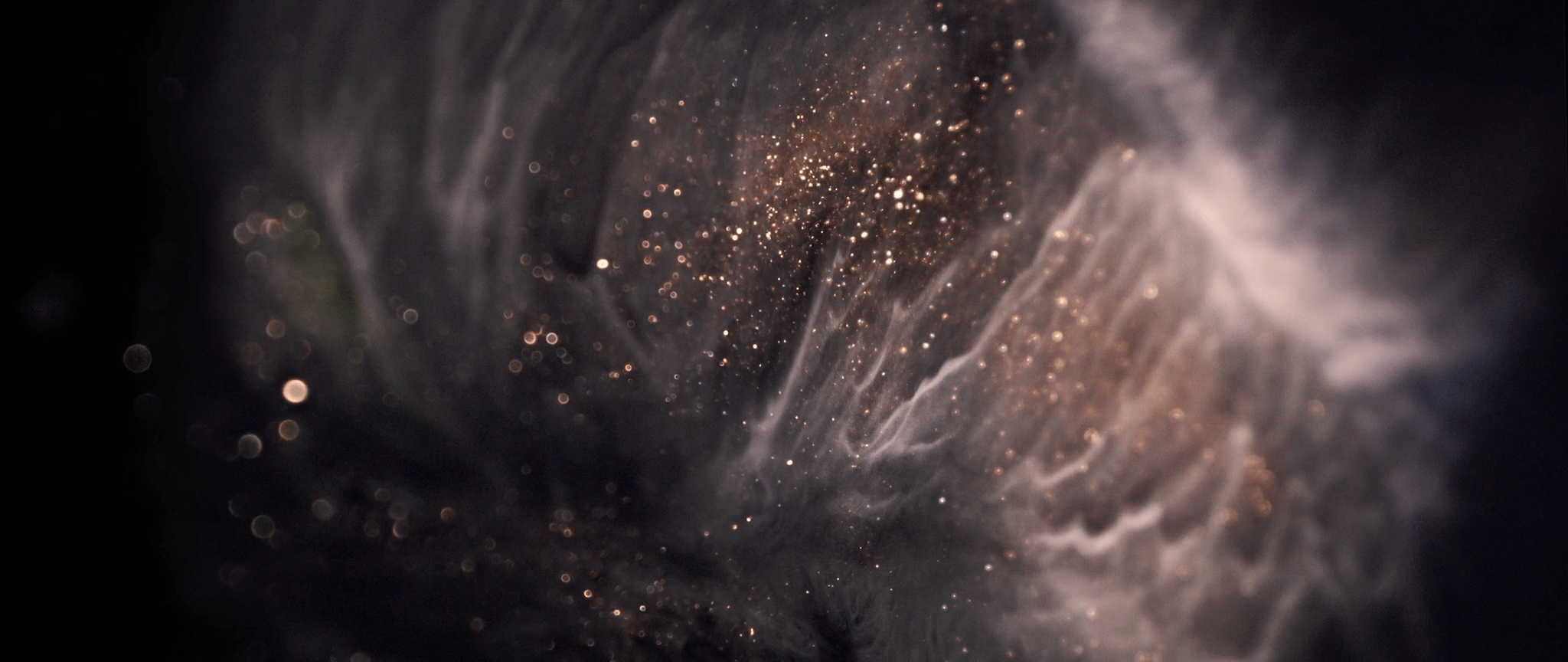
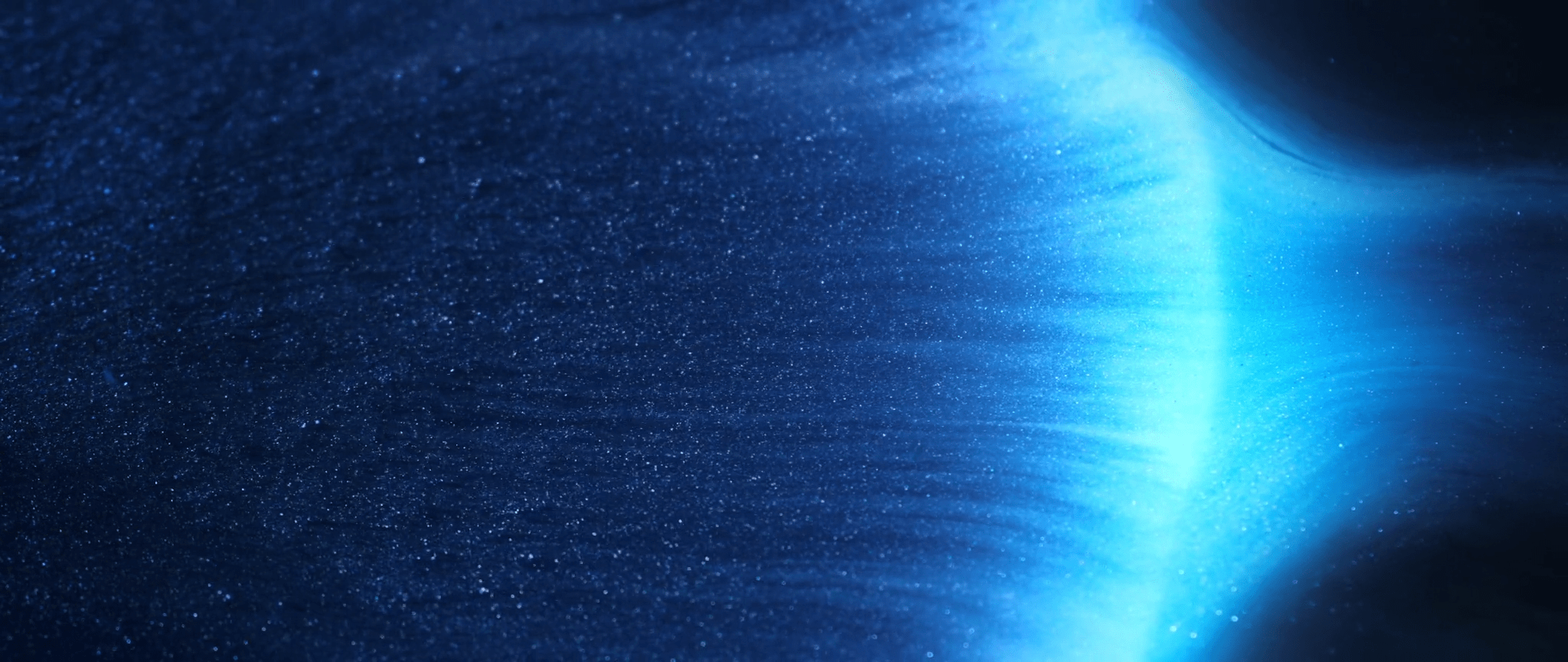
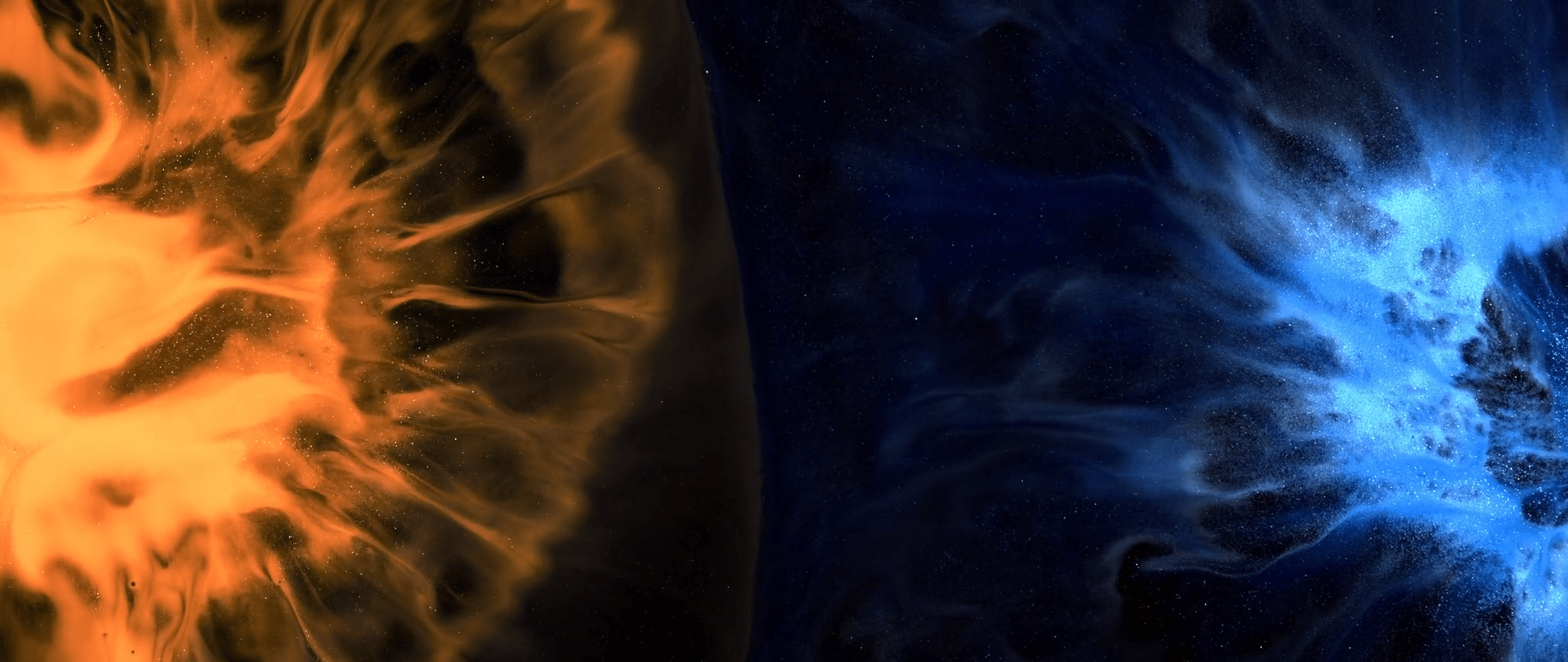
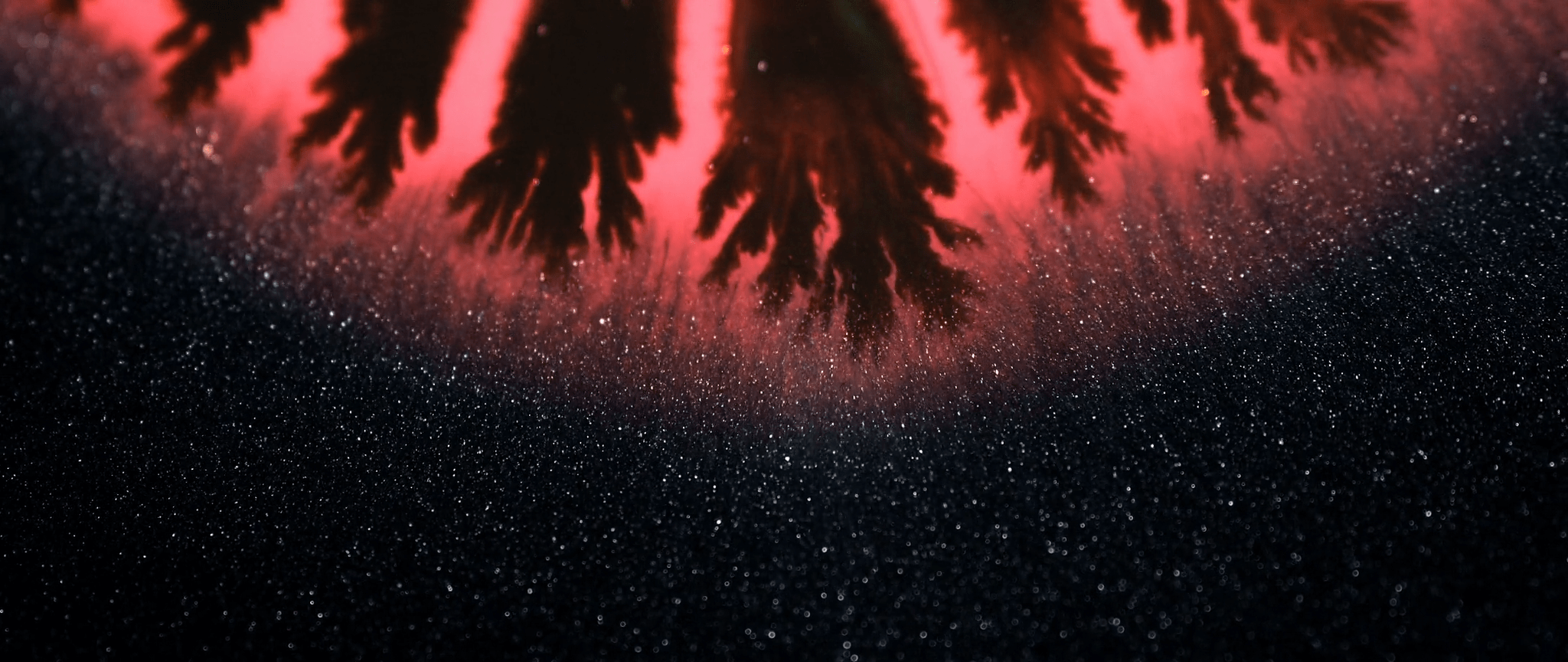
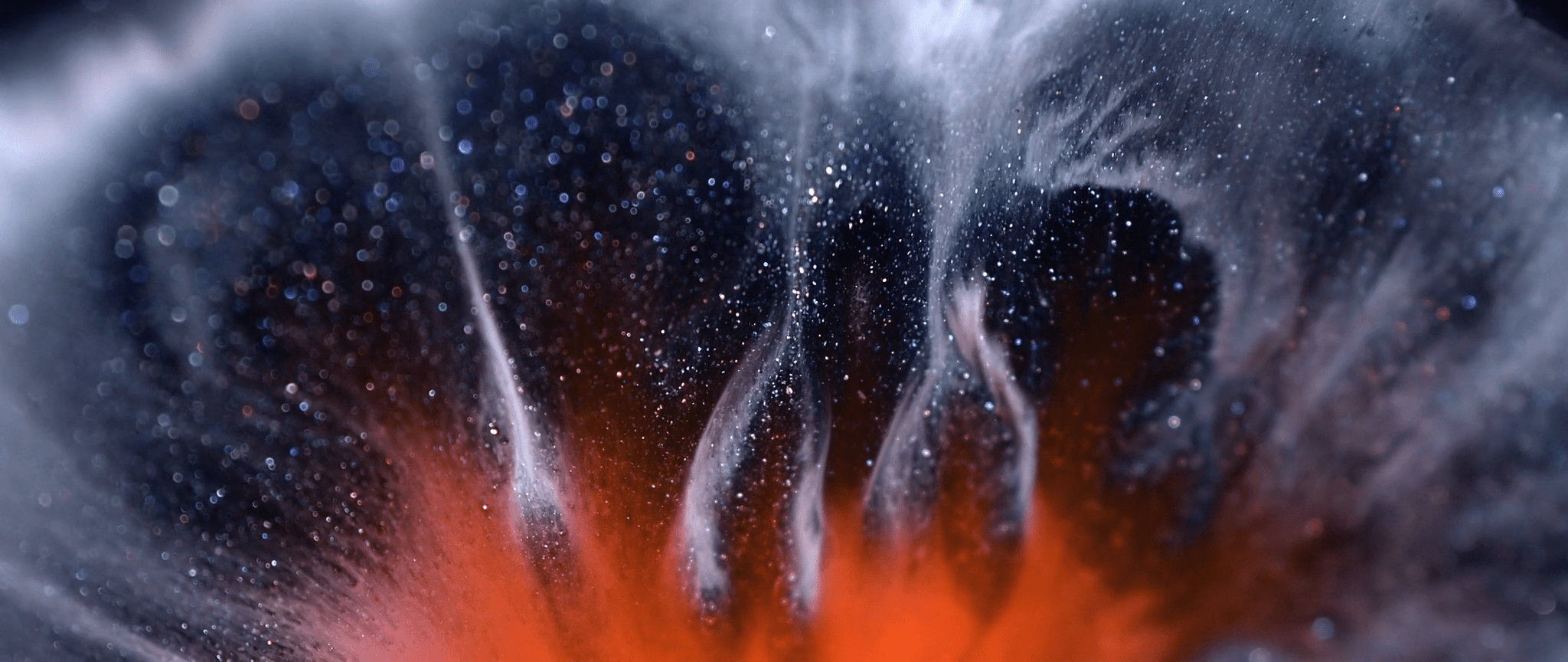
In this short film by Vadim Sherbakov, macro shots of glittery ink and pigments look like astronomical vistas. The title of the film, “Velocity,” is spot on; every shot is full of flow and motion driven by the mixture of ink, alcohol, soap, and other fluids. That means lots of surface-tension-driven flow, and the glitter particles act as excellent tracers, giving a real sense of depth and direction for our gaze to follow. Watching films like this, I always want to pull out some odds and ends and try it for myself, but I’m certain my results would pale in comparison! (Video and image credit: V. Sherbakov; via Colossal)
The Intermittent Spring of Afton, WY
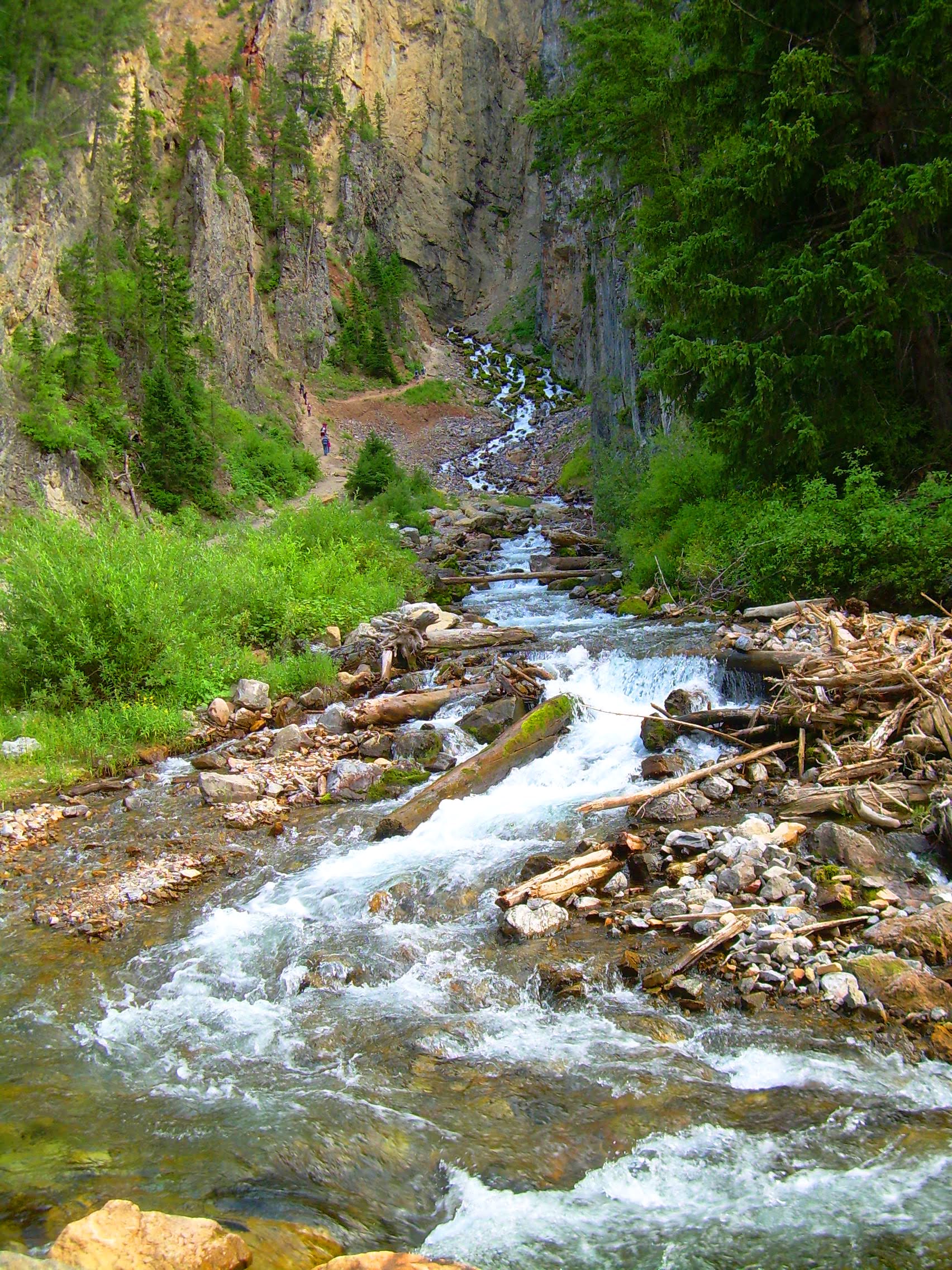
Yellowstone may get top billing, but Wyoming is home to more fluid dynamical wonders, like the world’s largest rhythmic spring. Located a little outside Afton, WY, Intermittent Spring — as the name indicates — runs for roughly 15 minutes, stops for the same length, then starts up again. The leading theory for this periodic flow depends on the siphon effect. Essentially, water runs continuously into a cavern underground, but to get to the surface, it must traverse a narrow tube with a high point that lies above the spring’s eventual exit. When the water level reaches that high point, it creates a siphon, sucking water out of the cavern and making the spring flow. But eventually the water level drops to the point where air rushes in, breaking off the flow until the water level recovers. That’s consistent with the spring’s behavior; it only runs in this intermittent fashion from late summer to fall, when groundwater levels are lower. (Image credit: Wikimedia Commons; video credit: University of Wyoming Extension; submitted by Kam-Yung Soh)



#/media/File:Periodic_Spring_(from_the_bottom).JPG)