Occasionally, FYFD will feature a series of posts on a special theme. This page serves as an archive of these themed series. Got an idea for theme? You can always suggest one via Tumblr, Twitter, or email.

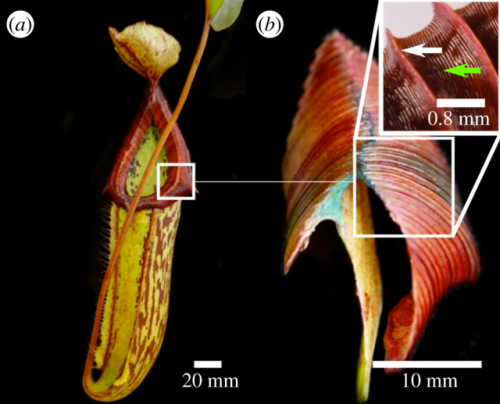
Fluid Dynamics of Plants
- Introduction: previous plant posts
- The extraordinary flight of the dandelion seed
- Bladderworts use ultra-fast suction to catch prey
- Moisture allows horsetail plant spores to walk and jump
- The structure of citrus peels sprays oil at up to 30 m/s

Collective Motion of Humans and Animals
- What makes flocks of birds and schools of fish so hard to predict?
- The solid and fluid characteristics of black aquatic worms
- What crowds of people and granular materials have in common
- The shimmering of giant honeybees
- When collective motion isn’t always beneficial…
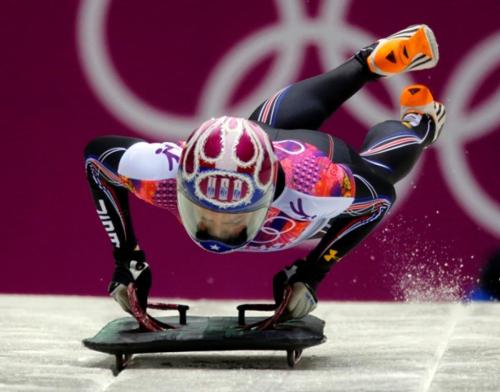
PyeongChang Winter Olympics 2018
- What makes ice so slippery
- How moguls form and move
- The gliding flight of a ski jumper
- Aerodynamics of a skeleton run
- How the newest U.S. speedskating suit beats the wind
- How artificial snow gets made
- Wind tunnel testing bobsleds for speed
- Not all Olympic ice is created equal
- Drafting in cross-country skiing
- The odd physics behind curling
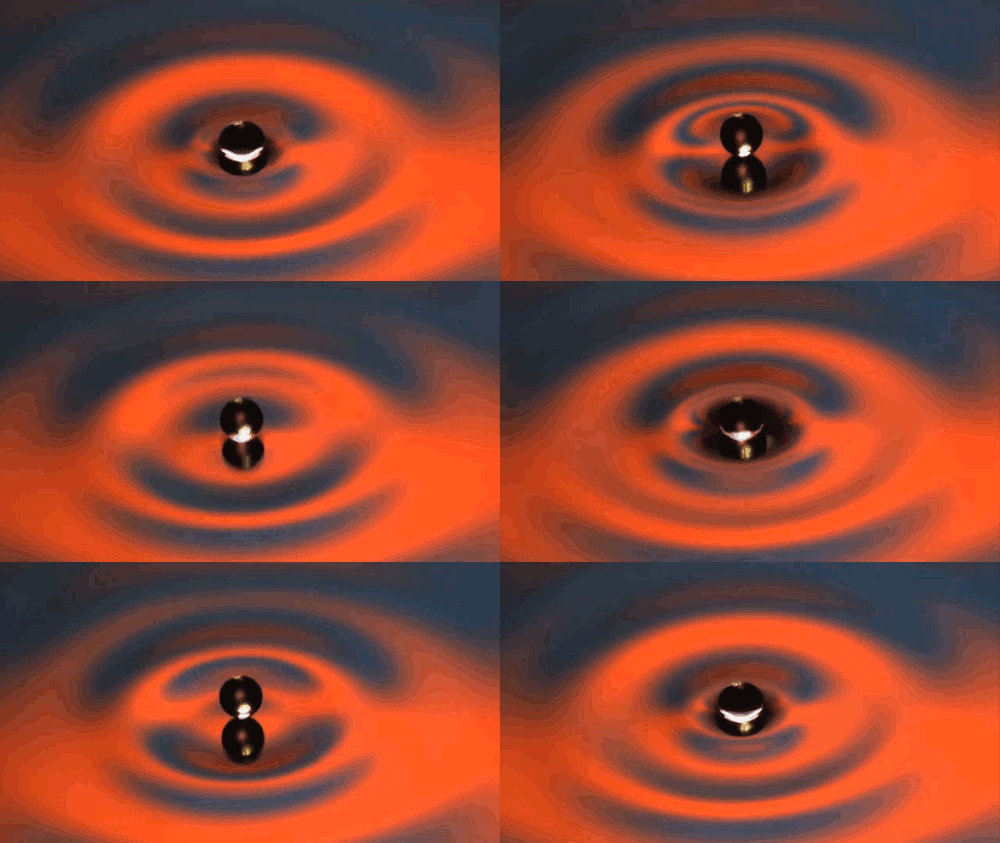
Pilot-Wave Hydrodynamics
Completed in collaboration with FYP.
- Introduction
- How vibration and Chladni patterns depend on fluids
- Vibrating a liquid creates the ripple-like Faraday instability
- Droplets on a vibrating surface can bounce and even walk
- Bouncing droplets can form lattices
- Quantum double-slit experiments established wave and particle properties for light and electrons…
- …But walking droplets behave the same way in slit experiments
- Quantum tunneling allows electrons to escape…
- …And walking droplets can tunnel out, too!
- So what are the connections between quantum mechanics and pilot-wave hydrodynamics?
- Resources, links, and ways to learn more
(Image credit: D. Harris et al.)

Galapagos Week
- Introducing the Galapagos Islands
- How marine iguanas swim
- What makes the tiny pistol shrimp so loud
- Learning about lava flows: a’a versus pahoehoe
- How blue-footed boobies dive at 20 m/s without breaking their necks
- Sea turtles are aquatic fliers
- Bonus related posts: how frigatebirds cruise the seas without getting wet; the aerodynamics of flying fish; hydrodynamics of humpback whales; incredible bioluminescent plankton; and leaping mobula rays.
(Image credit: N. Sharp and J. Shoer)

Rio Summer Olympics 2016
- How motorbikes can unfairly influence cycling races
- Why swimmers can be faster underwater
- The aerodynamics of rugby
- How to design and build a whitewater course
- The spinning physics of table tennis
- The aerodynamic tactics of track cycling
- How water polo players and synchronized swimmers stay afloat
- How wind and altitude affect the long jump
- Rule 42 and why rocking the boat in sailing is cheating
- The high-speed science of badminton
- Was there a current in the Rio swimming pool?
- What commentators don’t tell you about the perfect diving splash
(Image credit: Getty Images)
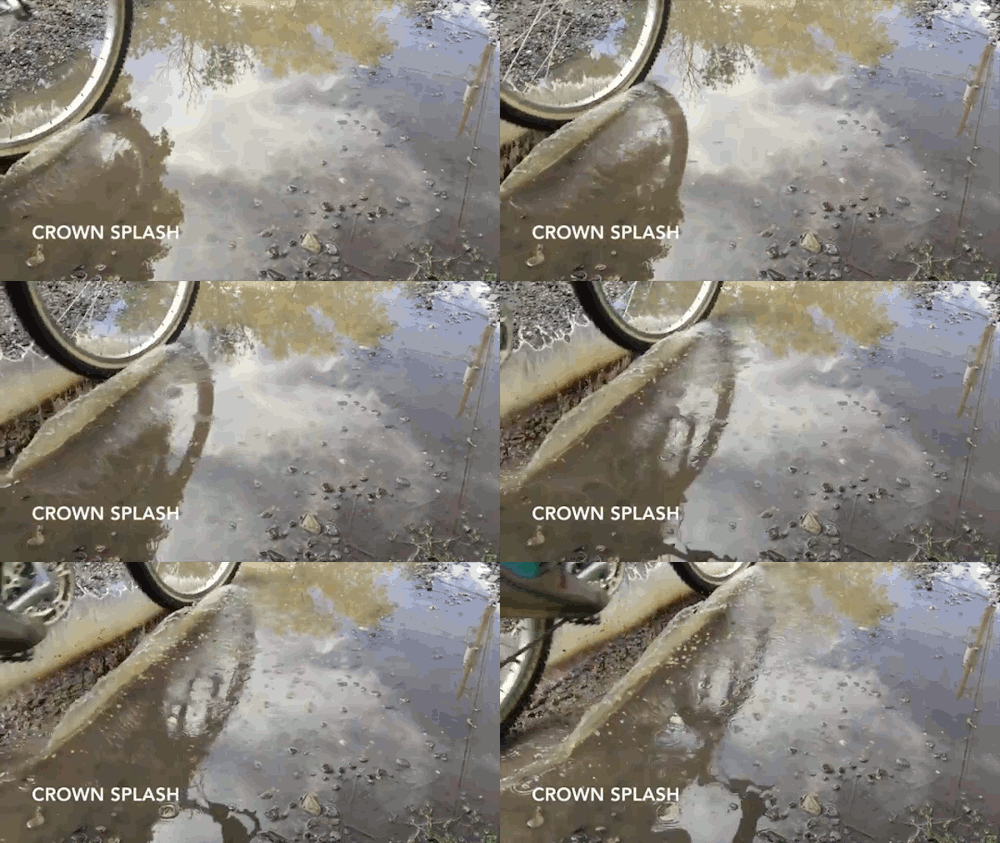
A Day in the Life of a Fluid Dynamicist
(Image credit: S. Reckinger et al.)

Walking on Water
- Introduction
- The common basilisk (a.k.a. Jesus Christ lizard)
- Pygmy geckos and other tiny water-walkers
- “Rushing” in Western and Clark’s grebes
- Jumping off water
- How fast does the Flash have to go to run on water?
- Bonus: Calculate what it takes to run on water in English units or metric
(Original grebe image: W. Watson/USFWS)

Fluid Dynamics on Pluto
(Image credit: NASA/JHU APL/SwRI)
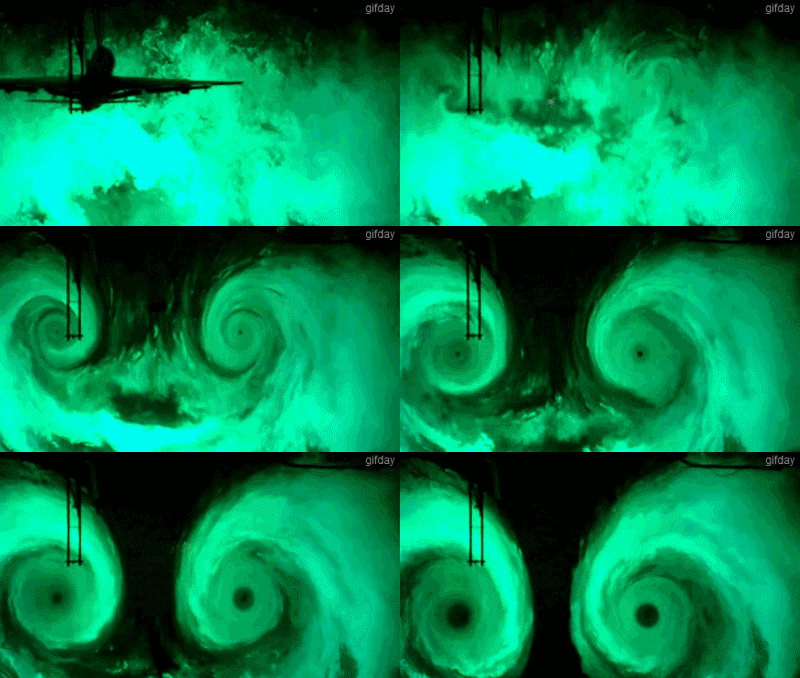
FYFD’s Fourth Birthday Celebration
(Image credit: Nat. Geo/BBC2)

Sochi Winter Olympics 2014
- Preview: Wind tunnel testing for ski jumping
- Why ice is slippery
- How lugers slide so fast
- Aerodynamics in long-track speed skating
- How ski jumpers fly farther
- Effects of wind conditions on ski jumping
- The US speedskating suit controversy
- How to make artificial snow
- How skiers glide across snow
- Aerodynamics and technology of bobsledding
- The physics of curling
- Speed skiing
- Link round-up: some of my favorite Olympic science stories
(Image credit: Exa Corp)

Holiday Fluid Dynamics 2013
- Introduction
- The structure of snowflakes
- The aerodynamics of Santa’s sleigh
- Buoyancy-driven Christmas pyramids
- Convection in cocoa
- What’s in a Yuletide fire?
- Bonus: The physics of your New Year’s champagne
(Photo credit: G. Liger-Belair)

Gallery of Fluid Motion Favorites 2013
- Fluid juggling
- Ultrasonic levitation of a droplet
- Leidenfrost droplet propulsion
- Why tapping a beer bottle makes it foam
- Magnetocappillary swimmers
(Photo credit: APS DFD)
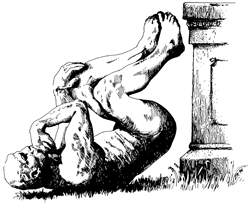
Fluid Dynamics and the Ig Nobel Prize
- On the lack of fluid dynamics among Nobel Prize winners
- How a human can run on water
- The physics of cookie dunking
- Does a person swim faster in water or syrup?
- Why shower curtains billow
- Other Ig Nobel fluids winners
- (Added in 2016) The law of urination
(Image credit: Improbable Research)

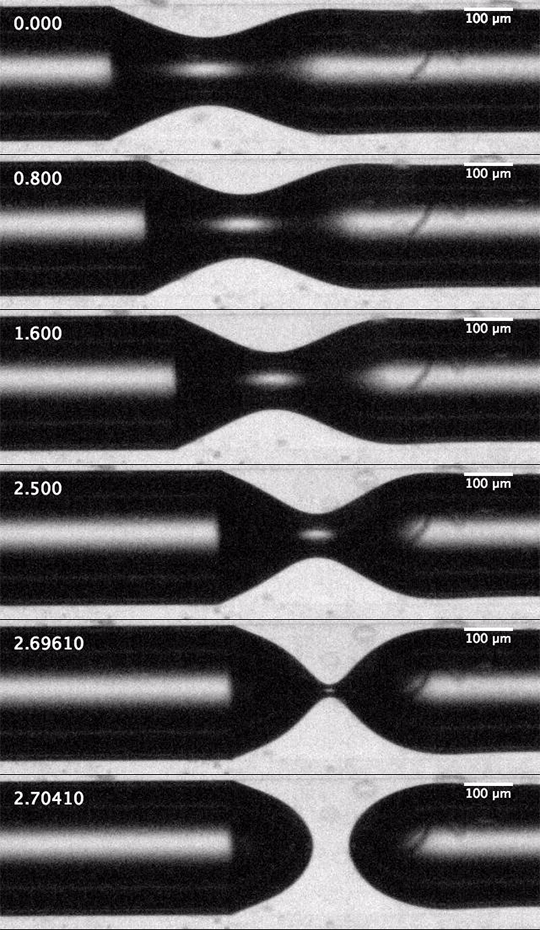
FYFD’s Third Birthday Celebration
- Introduction
- Visible shock waves from a rocket launch
- Double-spiral so\ap film
- A soap bubble popping
- The fluid dynamic sewing machine
(Photo credit: T. Schnipper et al.)

London Summer Olympics 2012
- The Olympic torch
- What makes a pool fast?
- The aerodynamics of archery
- The physics of badminton
- How cyclists get aero
- How divers minimize splash
- Aerodynamics in running
- How rowers avoid drag
- How javelins fly far
- Why corner kicks swerve
- The aerodynamics of the discus
(Photo credit: AP/Reuters)

Fluid Dynamics of the Tour de France
- The benefits of the peloton
- Crosswinds and the echelon
- The lead-out train
- Aero gear and the time trial
- Wind tunnel testing
(Photo credit: Veeral Patel)