Whenever a wing stops or starts in a fluid, it produces a vortex. This 2D numerical simulation shows an airfoil repeatedly starting and stopping, shedding a vortex each time. Note how the line of vortices drifts downward in the wake; this is an indication of downwash. (submitted by jessecaps)
Search results for: “art”

Rayleigh-Taylor Art
The Rayleigh-Taylor instability occurs when a denser fluid lies atop a lighter fluid (relative to the gravitational field). The interface between the fluids deforms and the two fluids form finger-like protrusions that turn into mushroom caps and mix the dissimilar fluids together. This video, though based on a 2D Rayleigh-Taylor instability numerical simulation, was actually part of an art exhibit. (submitted by Mark S)
Personally, I recommend putting together a playlist of your favorite late 60s/early 70s rock (Pink Floyd, late Beatles, Jimi Hendrix, etc.) and sticking it on in the background while you watch the video in HD. It’s totally worth the 15 minutes. Especially in the later stages of each segment, the mixing between fluid layers really brings to mind cloud patterns on Jupiter or Saturn.
Earthquake-induced Whirlpool
In the wake of the 8.9-magnitude earthquake that hit Japan today, a massive whirlpool has appeared off the coast. It does not appear to have a downdraft, so it’s not a true vortex; it looks as though the residual energy released from the quake has caused circulation in this region.
Starting a Rocket
This computational fluid dynamics (CFD) simulation shows the start-up of a two-dimensional, ideal rocket nozzle. Starting a rocket engine or supersonic wind tunnel is more complicated than its subsonic counterpart because it’s necessary for a shockwave to pass completely through the engine (or tunnel), leaving supersonic flow in its wake. Here the situation is further complicated by turbulent boundary layers along the nozzle walls. (Video credit: B. Olson)

Ferrofluid Art
Hi there,
Regarding ferrofluids, check out these lovely picture via Linden G. Her flickr photostream is full of beautiful ferrofluid pics.

His photostream does have some lovely ferrofluid shots as well as some water figures. I especially like the surrealism of this one. Thanks for sharing!
Bubble Art
Bubbles are all about surface tension and minimizing energy. Arrange things just right and you can even make square ones. (via JetForMe)
Ferrofluid Art
Magnetism and fluid dynamics collide with ferrofluids! Ferrofluids are a suspension of ferrous material in oil or water, but their behavior around magnets can elevate them into a work of art (or a car commercial). Why leave it to professionals, though, when you can make your own ferrofluid?
How Corals Stir
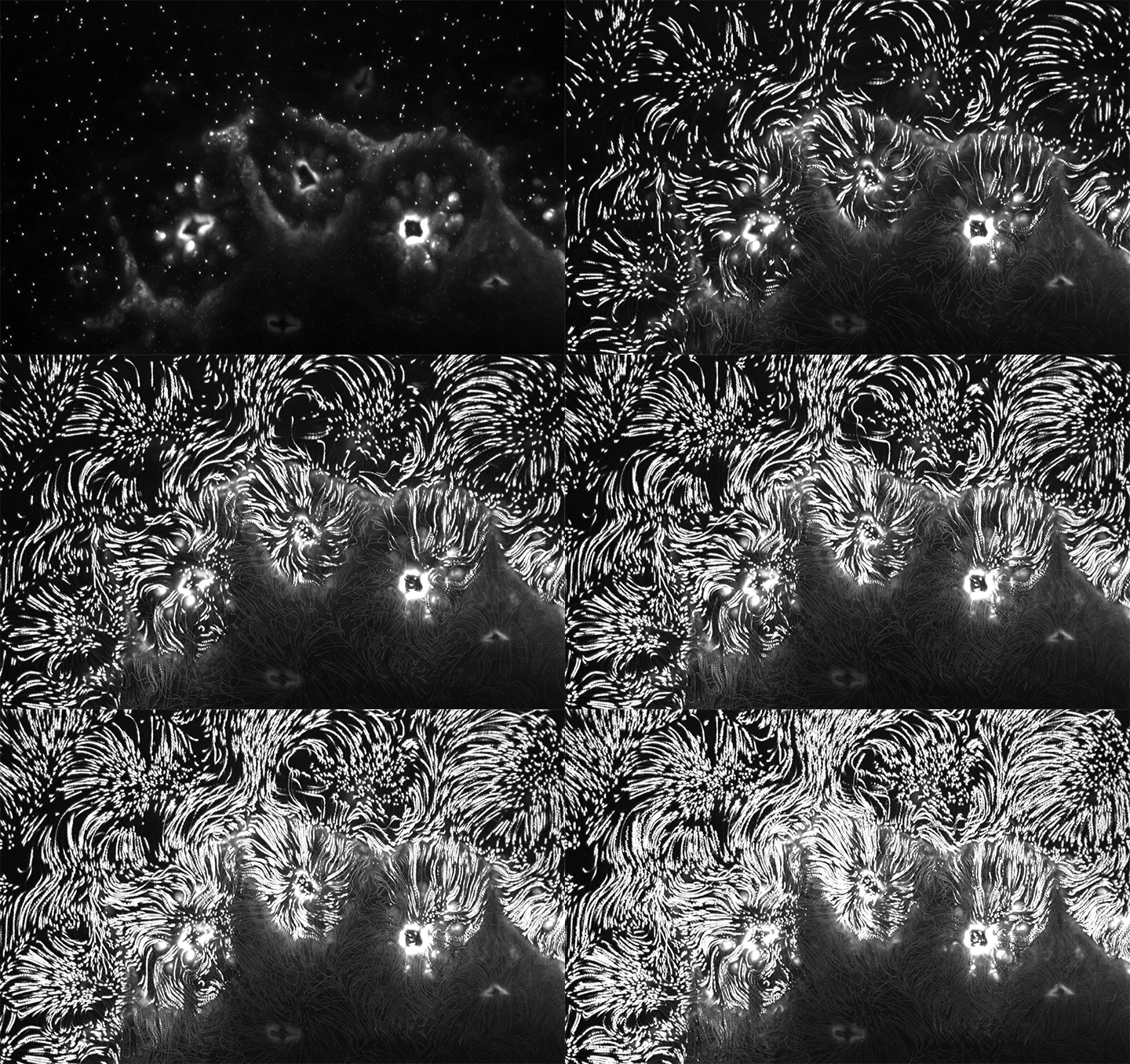
Reef-building coral polyps constantly stir the water around them with dense carpets of microscopic hair-like cilia. The beating of the cilia helps polyps feed while also pushing away sediment and debris. Their stirring increases nutrient and gas exchange with seawater, too. A new study combines experimental measurements with a simple mathematical model to recreate the three-dimensional flows corals make. The model’s efficiency means it should be useful for future studies of how corals and other cilia-covered systems interact with bacteria or other active particles. (Image and research credit: S. Selvan et al.; via APS)

The Subtleties of Pipe Flow
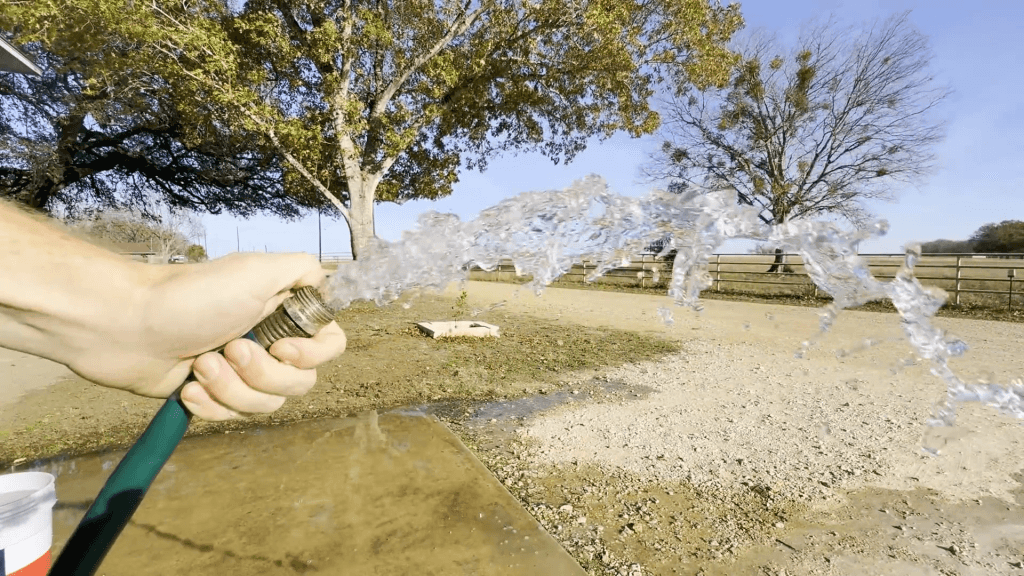
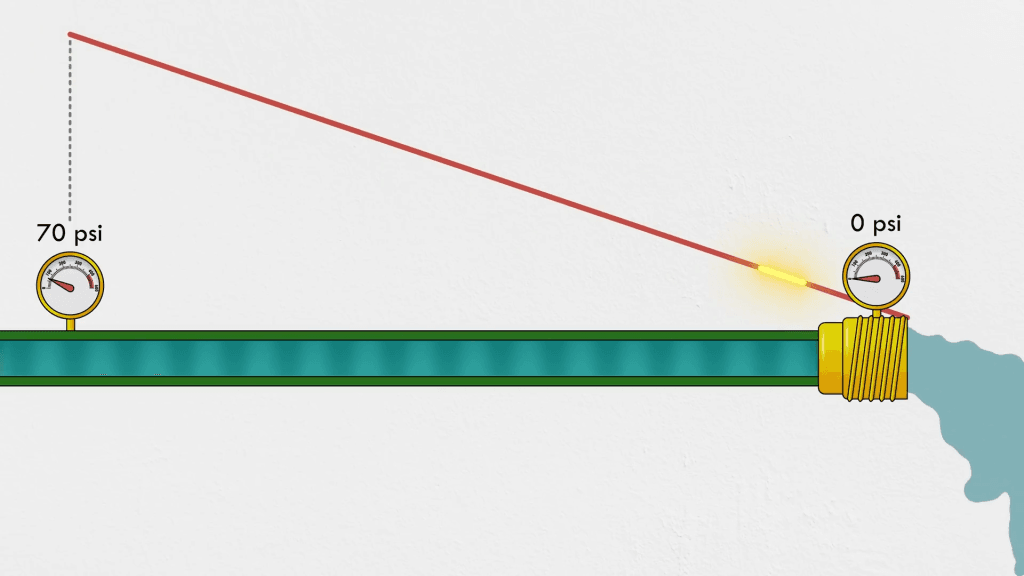
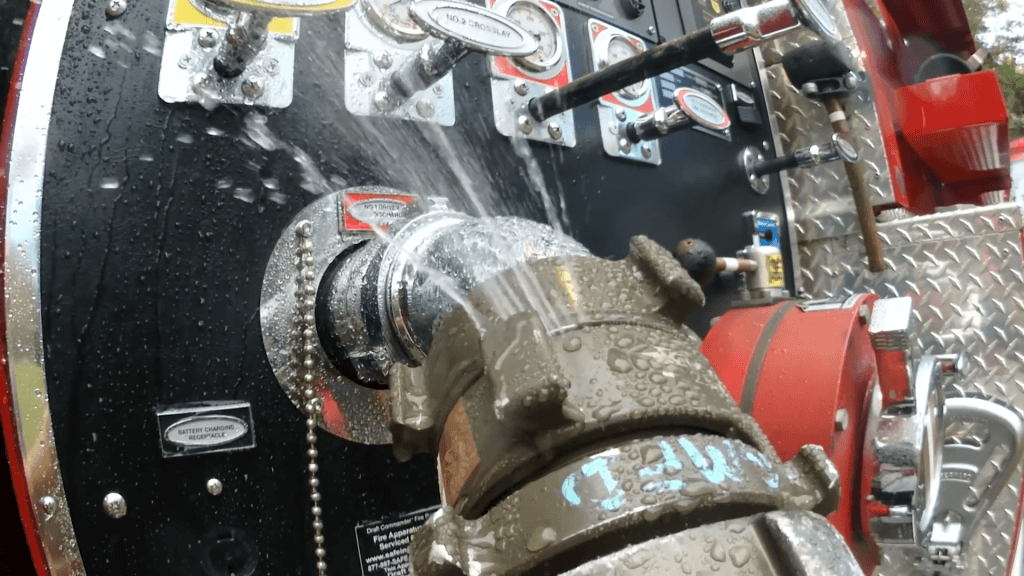
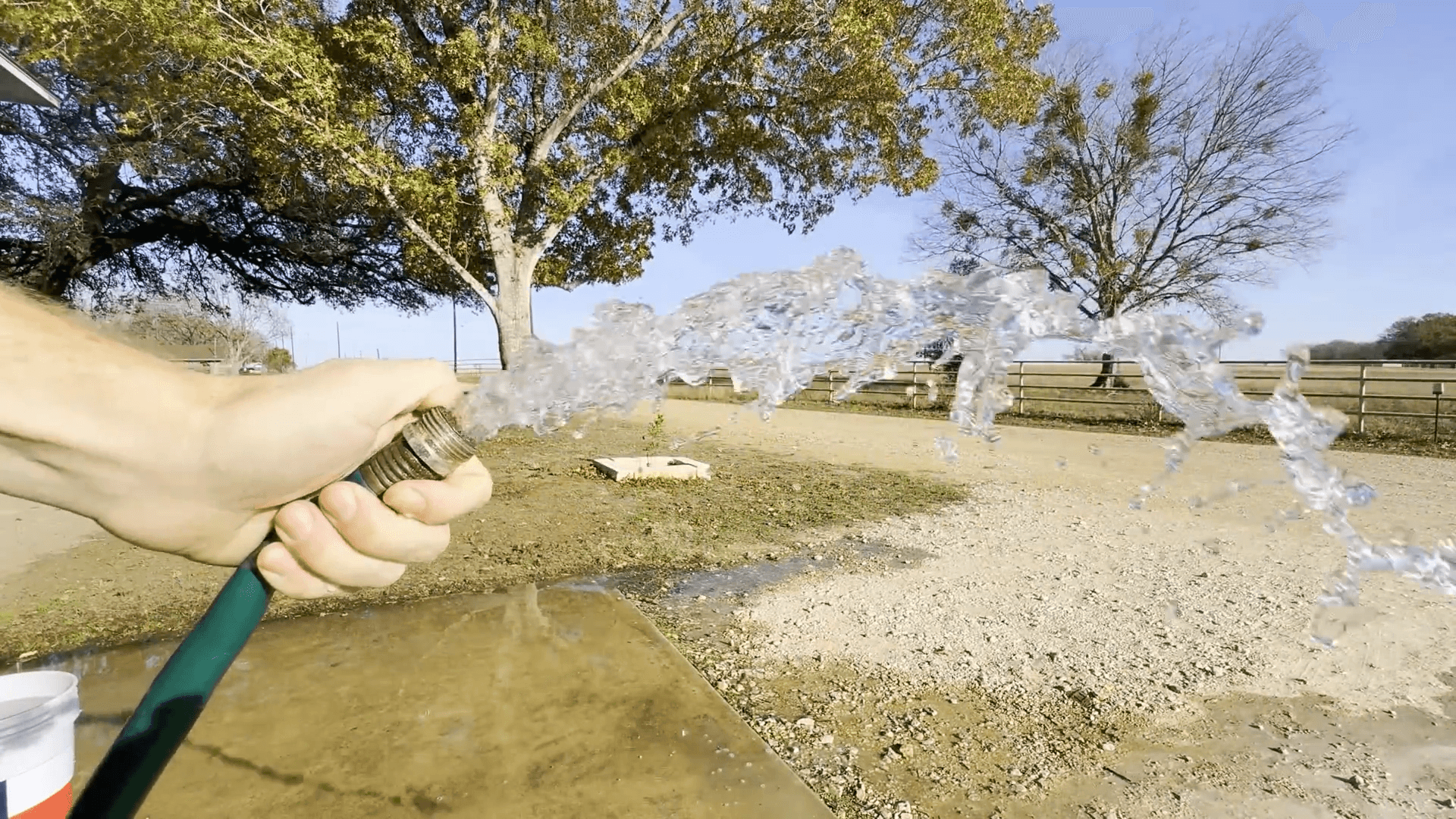
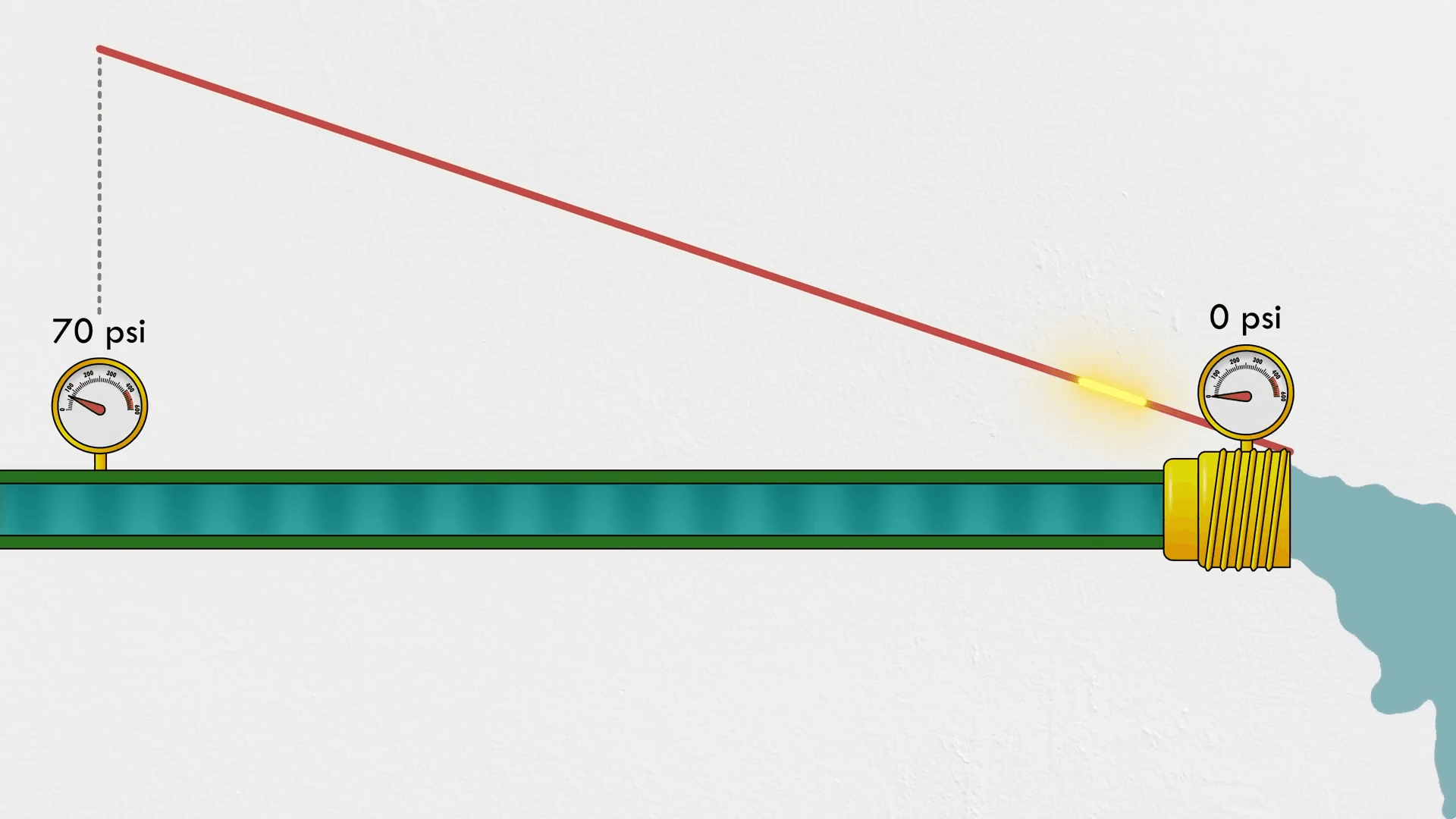
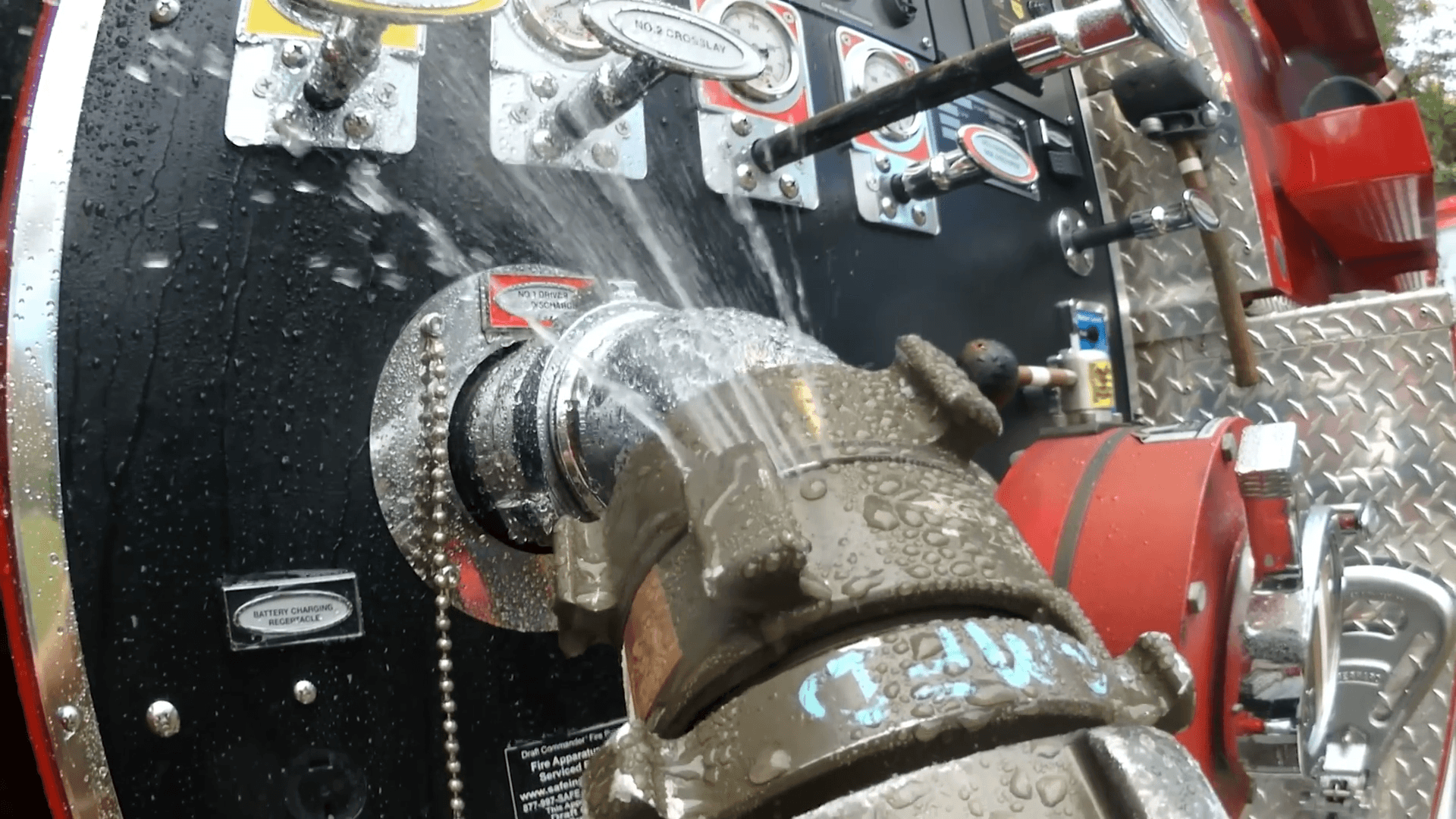
If you put a thumb over your hose’s outlet, you get a faster jet, but how does that affect the flow rate? That’s the question Grady starts from in this Practical Engineering video exploring pipe flow physics. From continuity and control volumes to practical losses, he touches on both the theory and practice behind this all-important aspect of engineering. Pipe flow is often where engineering students begin their studies of fluids, but that doesn’t mean it’s easy! (Video and image credit: Practical Engineering)

Screening for Sleep Apnea
Snoring and sleep apnea–a condition where aeroelastic flutter obstructs the airway and stops breathing during sleep–often go hand-in-hand. But diagnosing sleep apnea involves an expensive and time-consuming screening in which the patient has to sleep while monitored by various sensors. To make the process easier, researchers are developing a screening method based only on audio recording.
They started with a pre-trained audio model designed for speech recognition and stripped back computationally-expensive layers that weren’t relevant to snoring. Then they trained the new model using labeled audio data taken from standard clinical testing for sleep apnea. That means the model was told which audio recordings corresponded to “normal” snoring and which showed signs of sleep apnea. From there, the model was able to correctly identify apnea-related audio from fresh recordings just under 74% of the time. While that accuracy isn’t high enough to use the tool for diagnosis, it could help patients pre-screen for sleep apnea at home to decide whether the more invasive testing is warranted. (Image credit: L. Cline; research credit: H. Li et al.; via Physics World)