Tag: porous media

  • “Cracked Earth”

    “Cracked Earth”

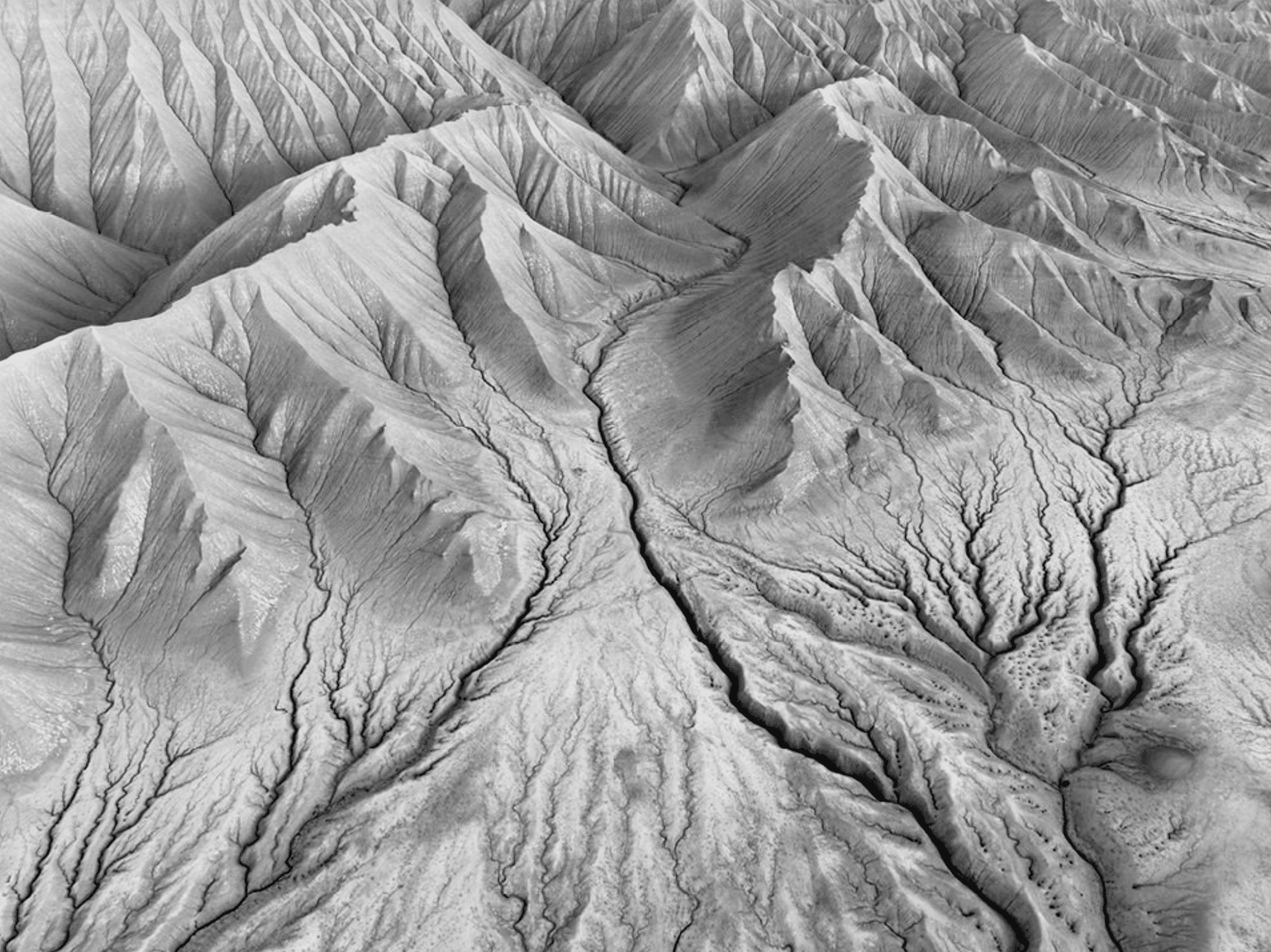
    Branching cracks wend through the slopes of Utah in this photograph by Matt Payne. It may seem strange to feature something so dry on a blog about fluid dynamics, but everything seen here depends as much on air and water as on soil, rock, and sand. How water intrudes into the porous landscape and the way it evaporates back out is critical to crack formation. (Image credit: M. Payne; via ILPOTY)

  • Featured Video Play Icon

    Droplets Through a Forest

    When droplets flow through a forest of microfluidic posts, they can deform around the obstacle or break up into smaller droplets. Here, researchers explore the factors that control the outcome, as well as when droplets collide, coalesce, and mix. (Video and image credit: D. Meer et al.)

    Fediverse Reactions
  • Channeling Espresso

    Channeling Espresso

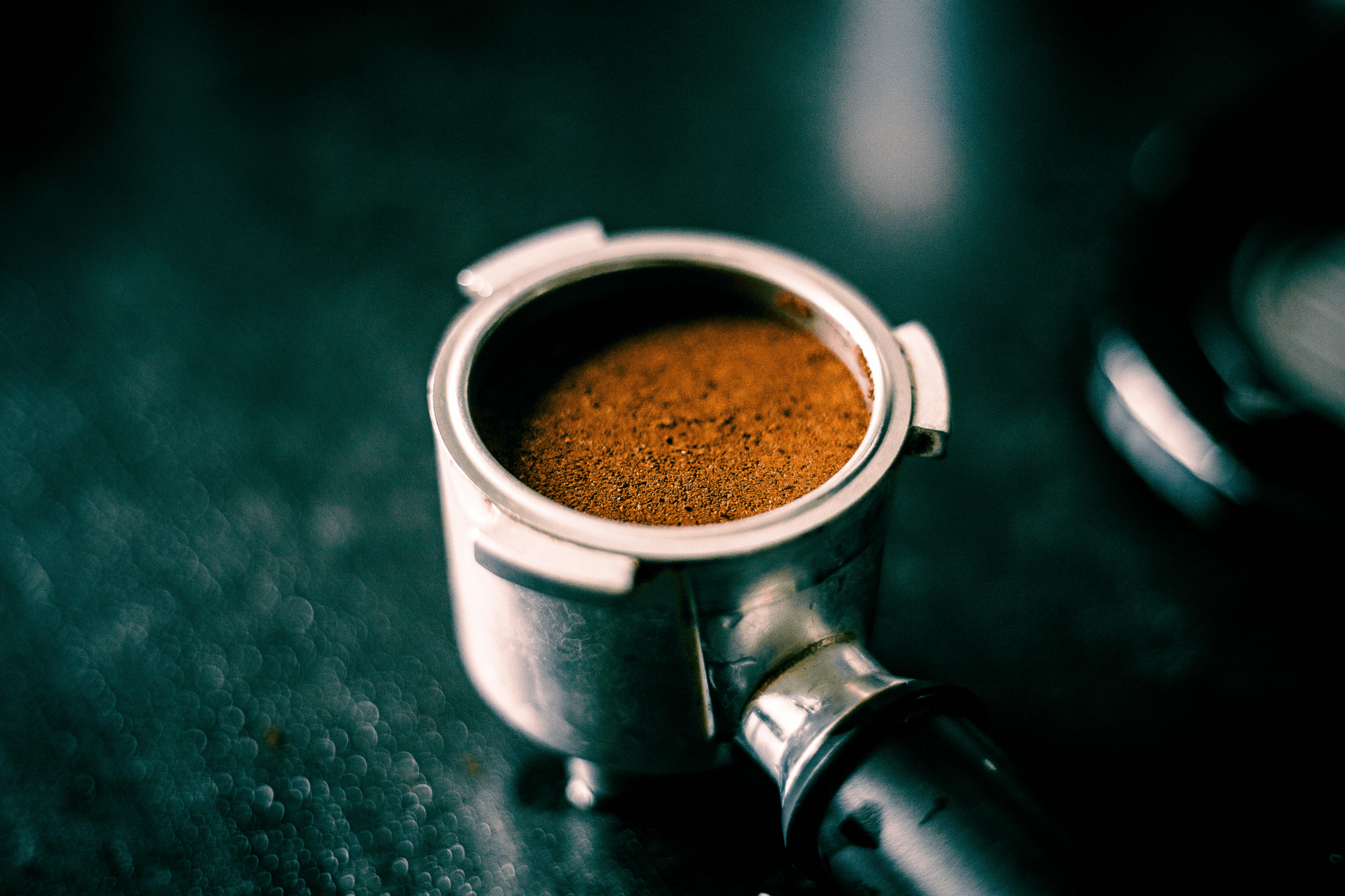
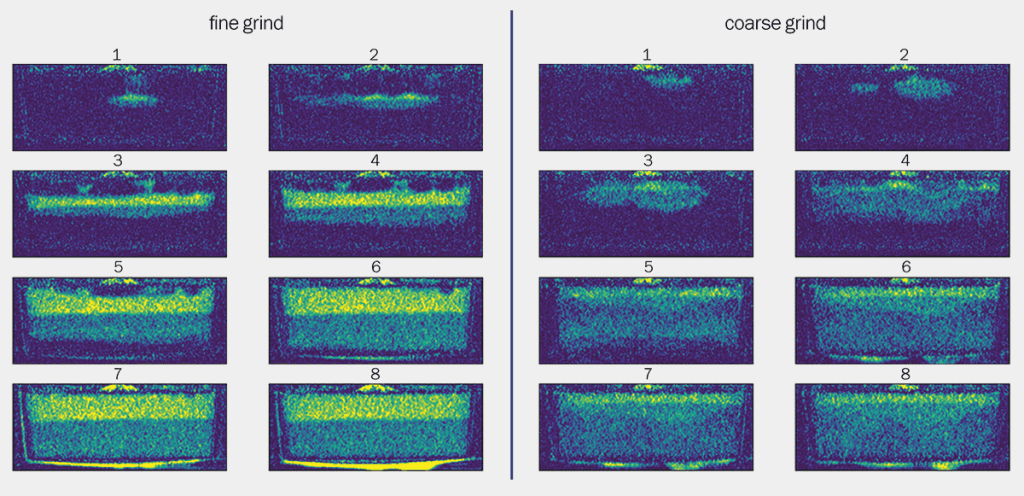
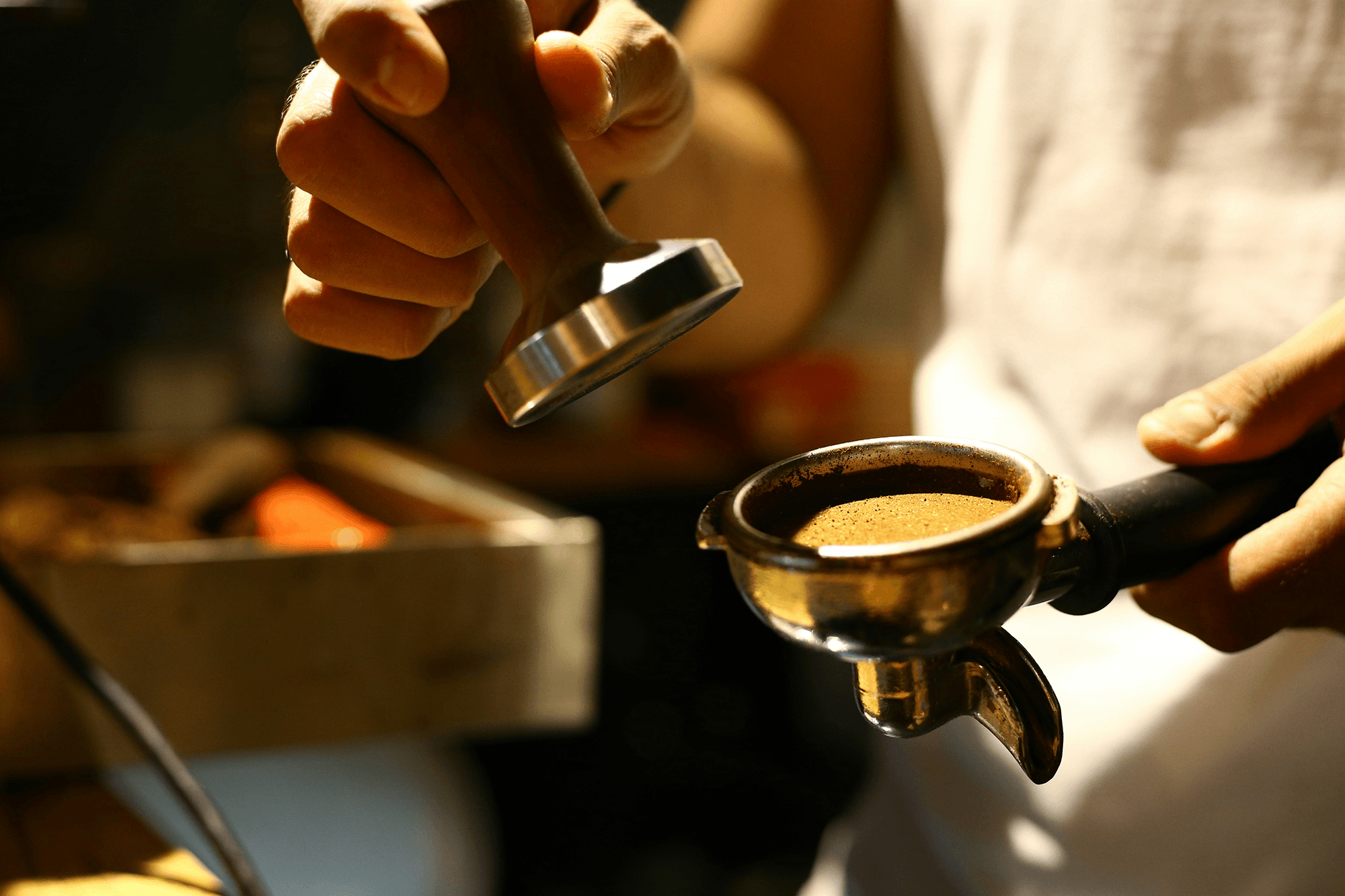
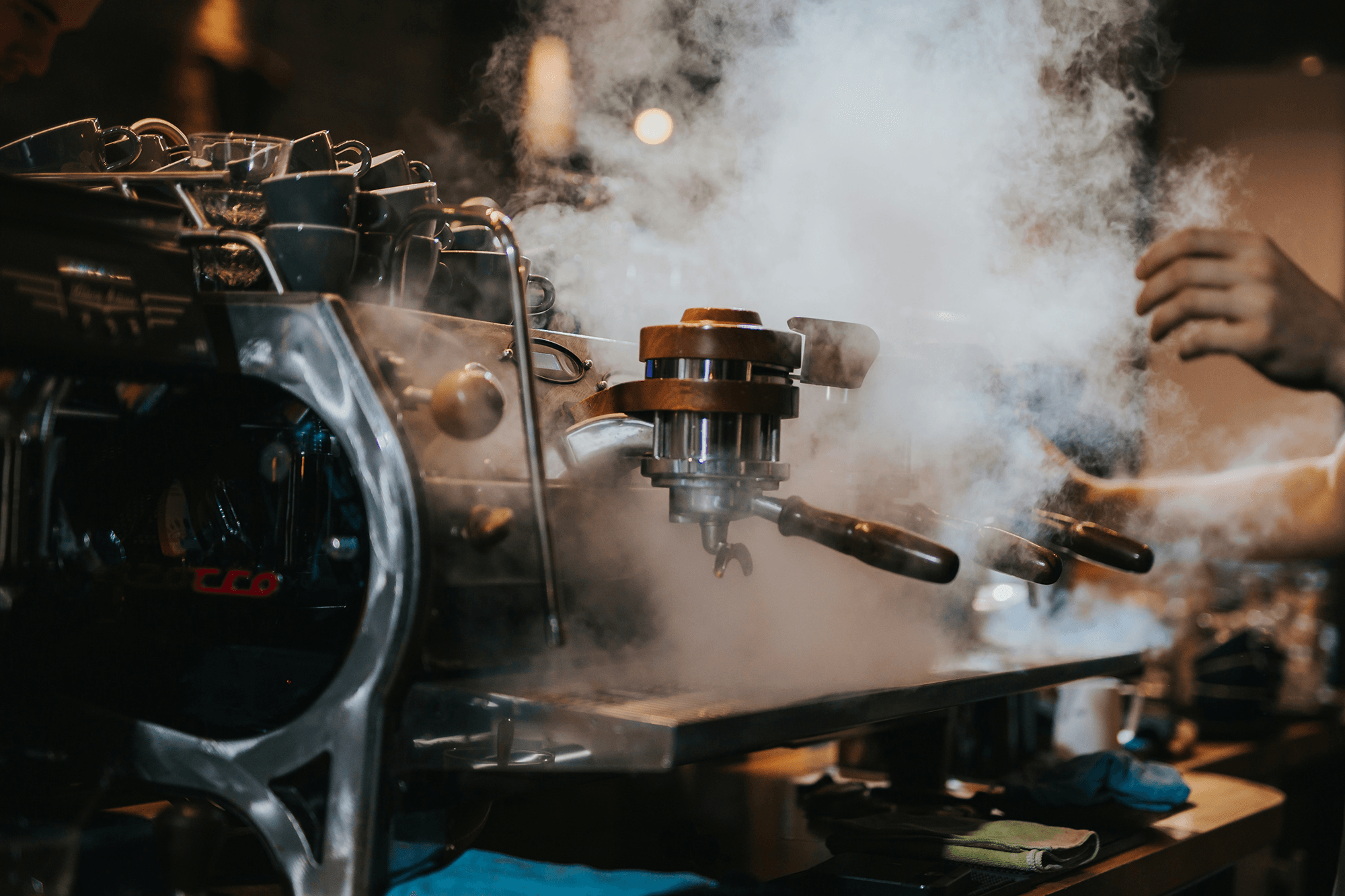
    Coffee-making continues to be a rich source for physics insight. The roasting and brewing processes are fertile ground for chemistry, physics, and engineering. Recently, one research group has focused on the phenomenon of channeling, where water follows a preferred path through the coffee grounds rather than seeping uniformly through the grounds. Channeling reduces the amount of coffee extracted in the brew, which is both wasteful and results in a less flavorful cup. By uncovering what mechanics go into channeling, the group hopes to help baristas mitigate the undesirable process, creating a repeatable, efficient, and tasty espresso every time. (Image credit: E. Yavuz; via Ars Technica)

    Fediverse Reactions
  • Featured Video Play Icon

    Engineering Our Landfills

    We create a lot of waste and, at least for now, much of that waste goes into landfills. Properly managing garbage requires much more than digging a hole in the ground, as Grady from Practical Engineering shows in this video. Maintaining a landfill requires careful management of water, soil, landfill strata, and even gas buildup. And these challenges don’t end once the trucks stop arriving. Landfills require decades of care even after their closure. Check out the video to learn more about how these artificial structures are built, managed, and maintained. (Video and image credit: Practical Engineering)

  • Origins of Salt Polygons

    Origins of Salt Polygons

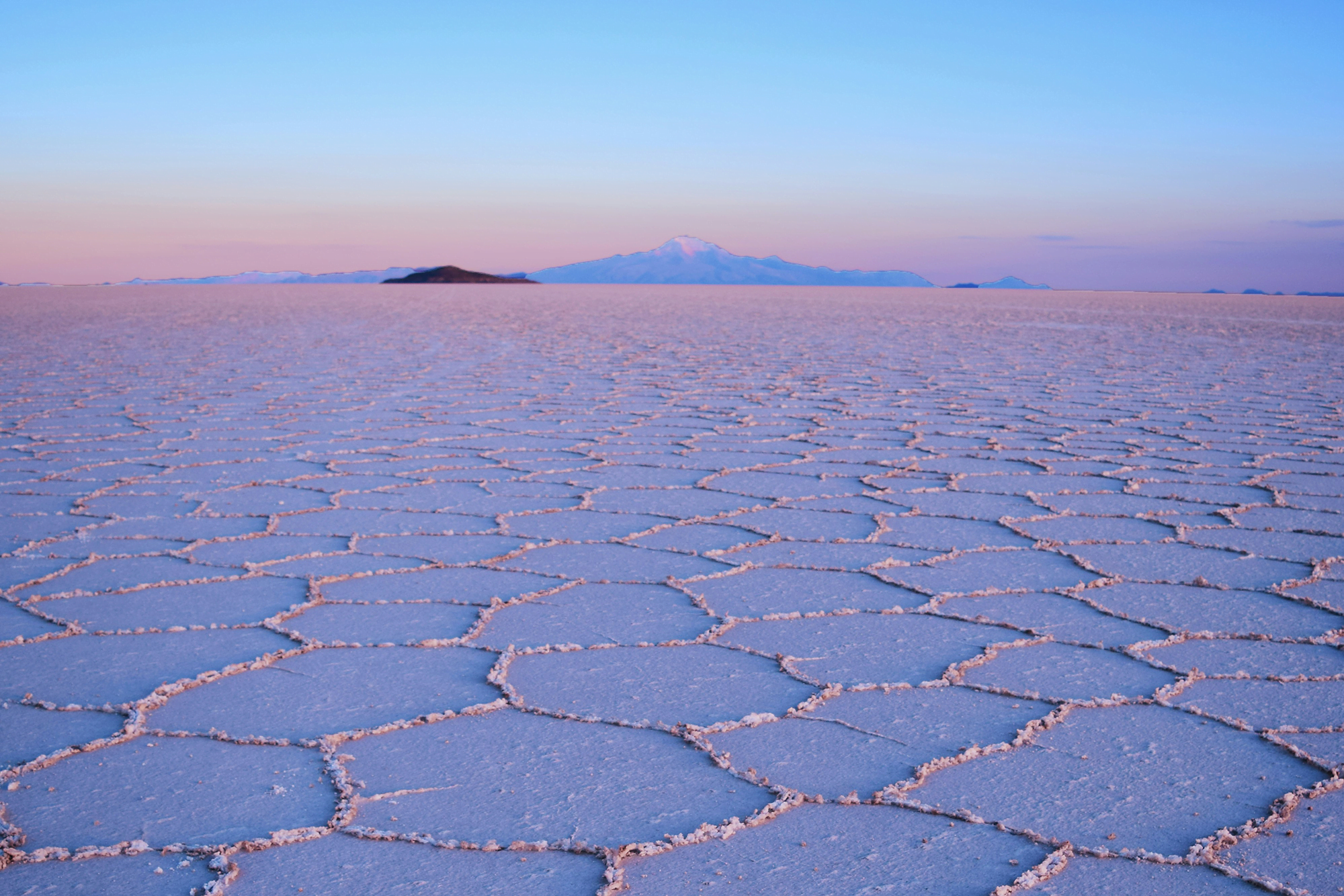
    Around the world, dry salt lakes are crisscrossed by thousands of meter-wide salt polygons. Although they resemble crack patterns, these structures are actually the result of convection occurring in the salty groundwater beneath the soil. I have covered the physics previously, but this new article by several of the researchers gives a behind-the-scenes glimpse of the investigation itself and how they uncovered the true explanation. (Image credit: S. Liu, see also: Physics Today)

  • Washing By Vortex Ring

    Washing By Vortex Ring

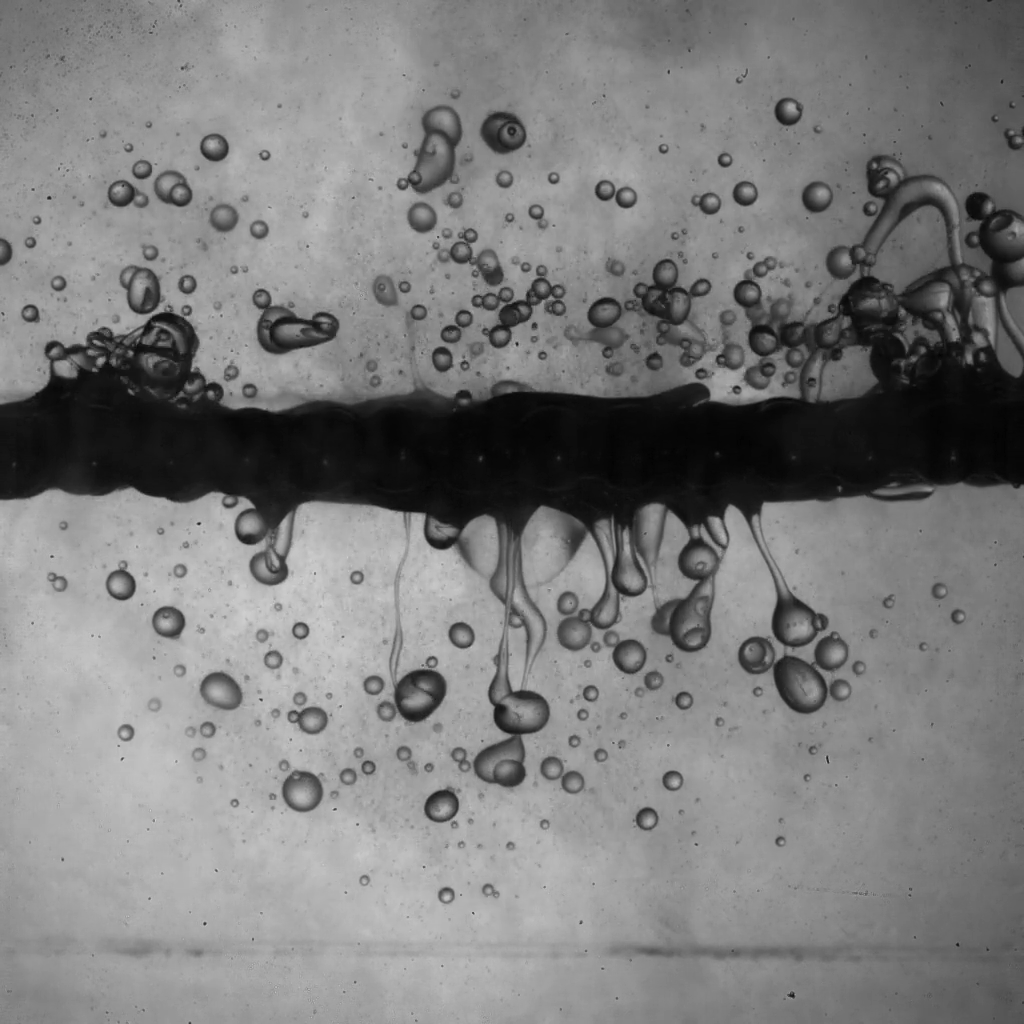
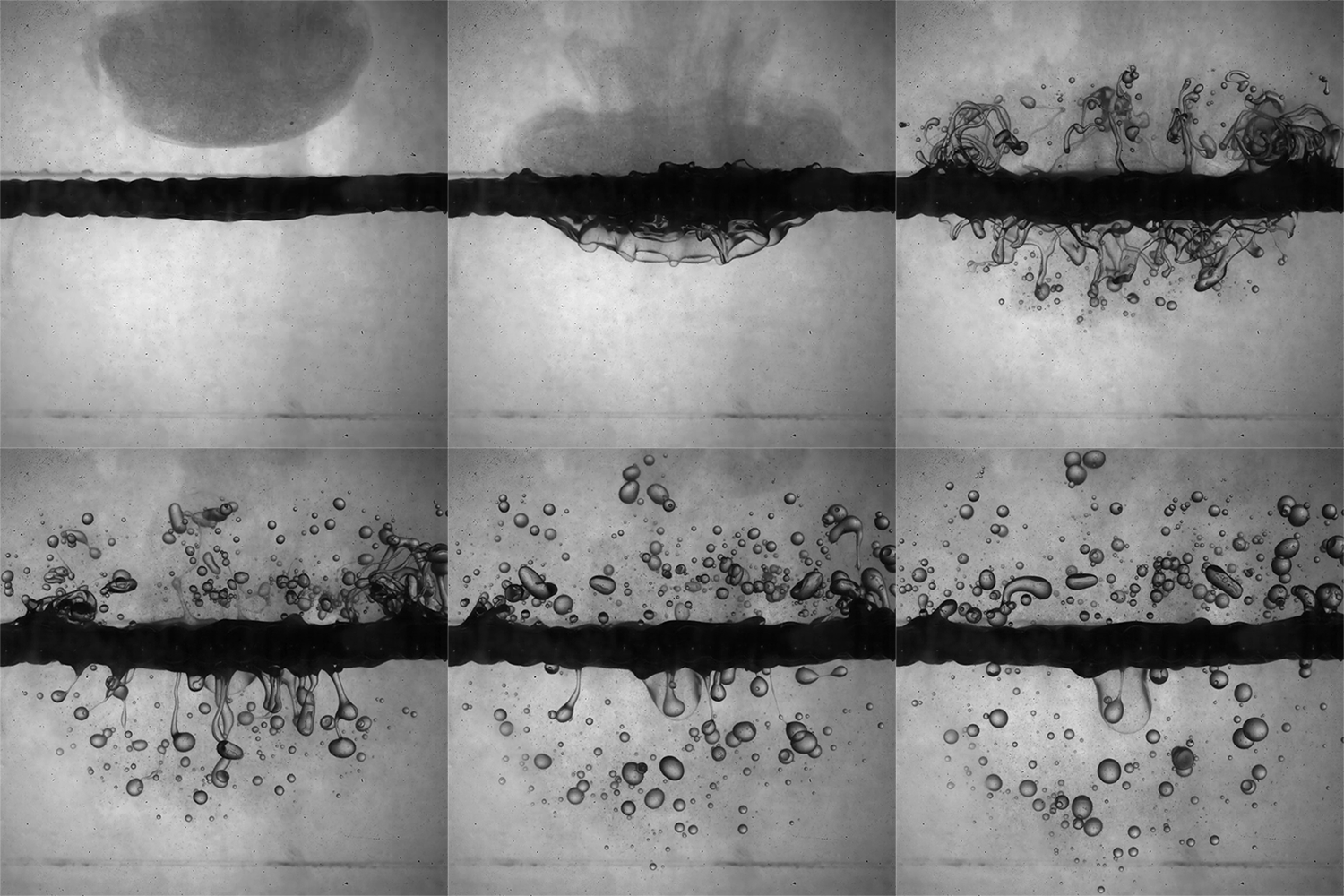
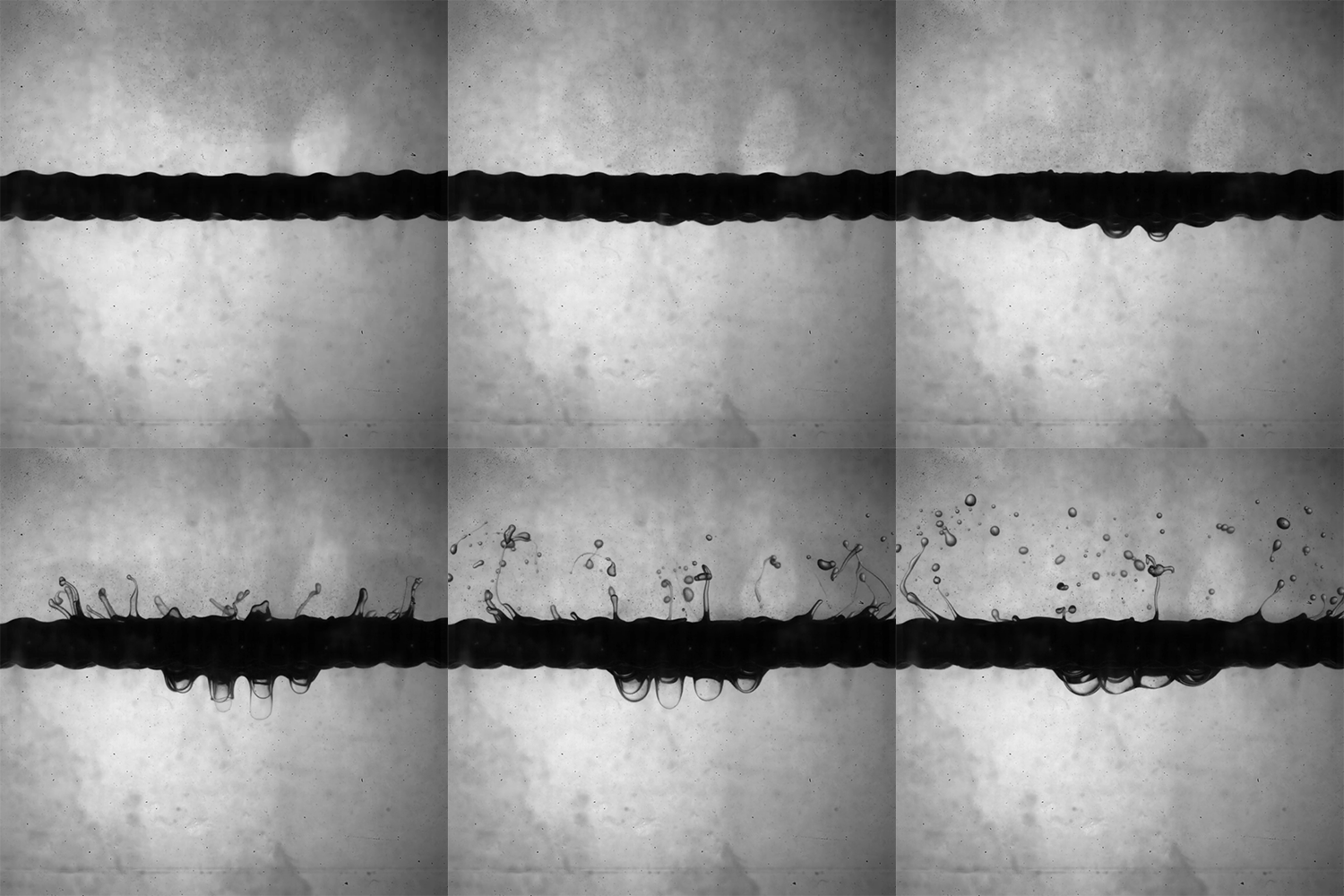
    Spraying a surface clean with a jet of fluid can be an energy-intensive operation. But a recent experiment shows that pulsed flow — which creates vortex rings — could be a viable cleaning alternative. Here we see vortex rings impacting a porous, beaded surface that’s covered in oil. Vortex rings with lots of rotation actually pass through the beads, knocking oil off both the front and back surfaces (Image 1). Even with a lower rotation rate, a vortex ring can still help clean the upper surface (Image 2). (Image and research credit: S. Jain et al.; via APS Physics)

  • Vietnam’s Emerald Isles

    Vietnam’s Emerald Isles

    Vietnam’s HαΊ‘ Long Bay is home to more than 1,600 islands, many of them made up of mountainous limestone. The area is famous for its karst features, a type of terrain formed from highly porous, water-soluble rock. Over time, water dissolves and fractures the limestone, creating karst landscapes full of caves, springs, sinkholes, and fluted rock outcroppings. The area’s erosion also produces highly fertile soil, leading to a verdant ecosystem with many unique and endemic species. (Image credit: N. Kuring/NASA/USGS; via NASA Earth Observatory)

  • Featured Video Play Icon

    Groundwater-Structure Interactions

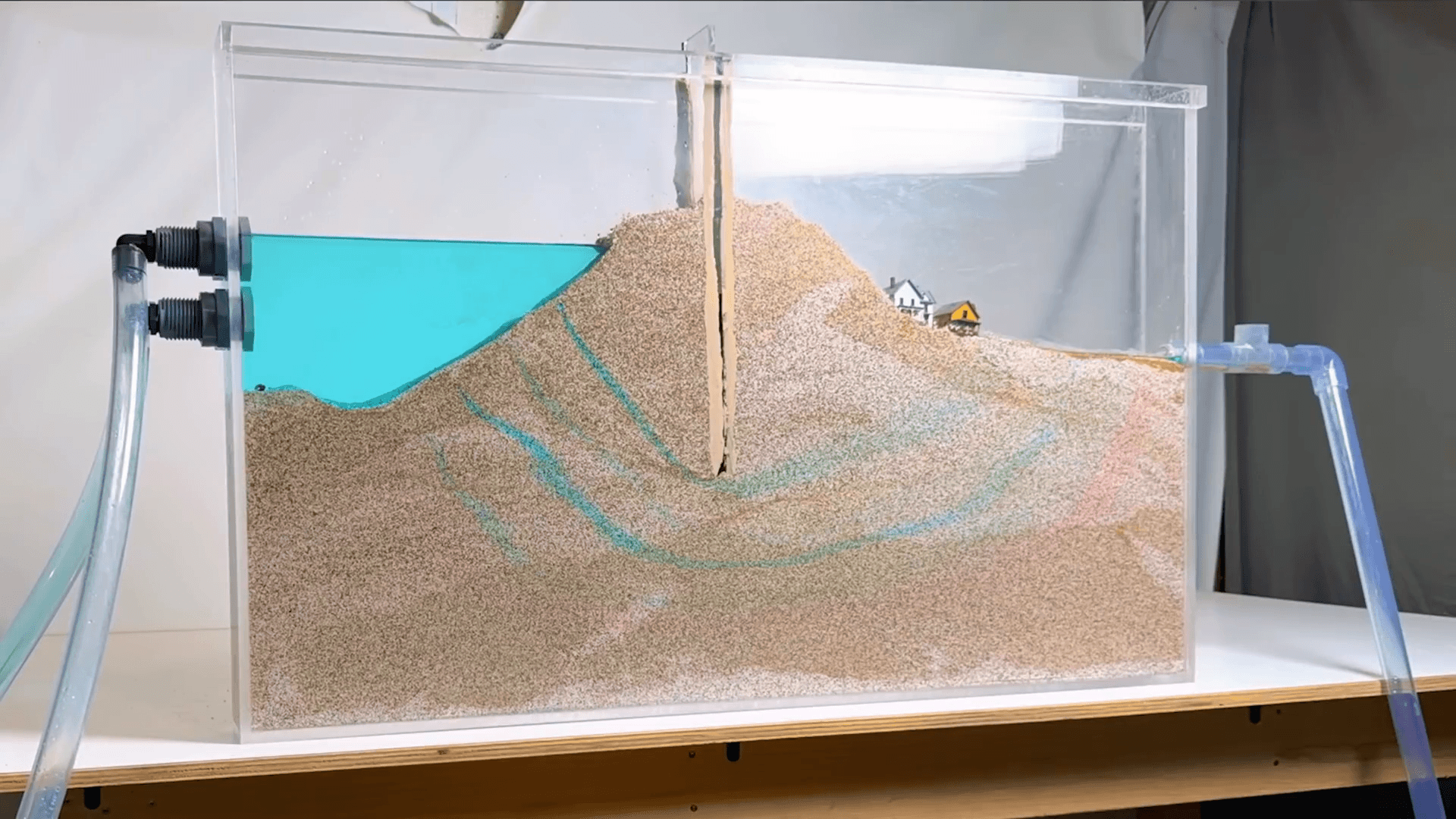
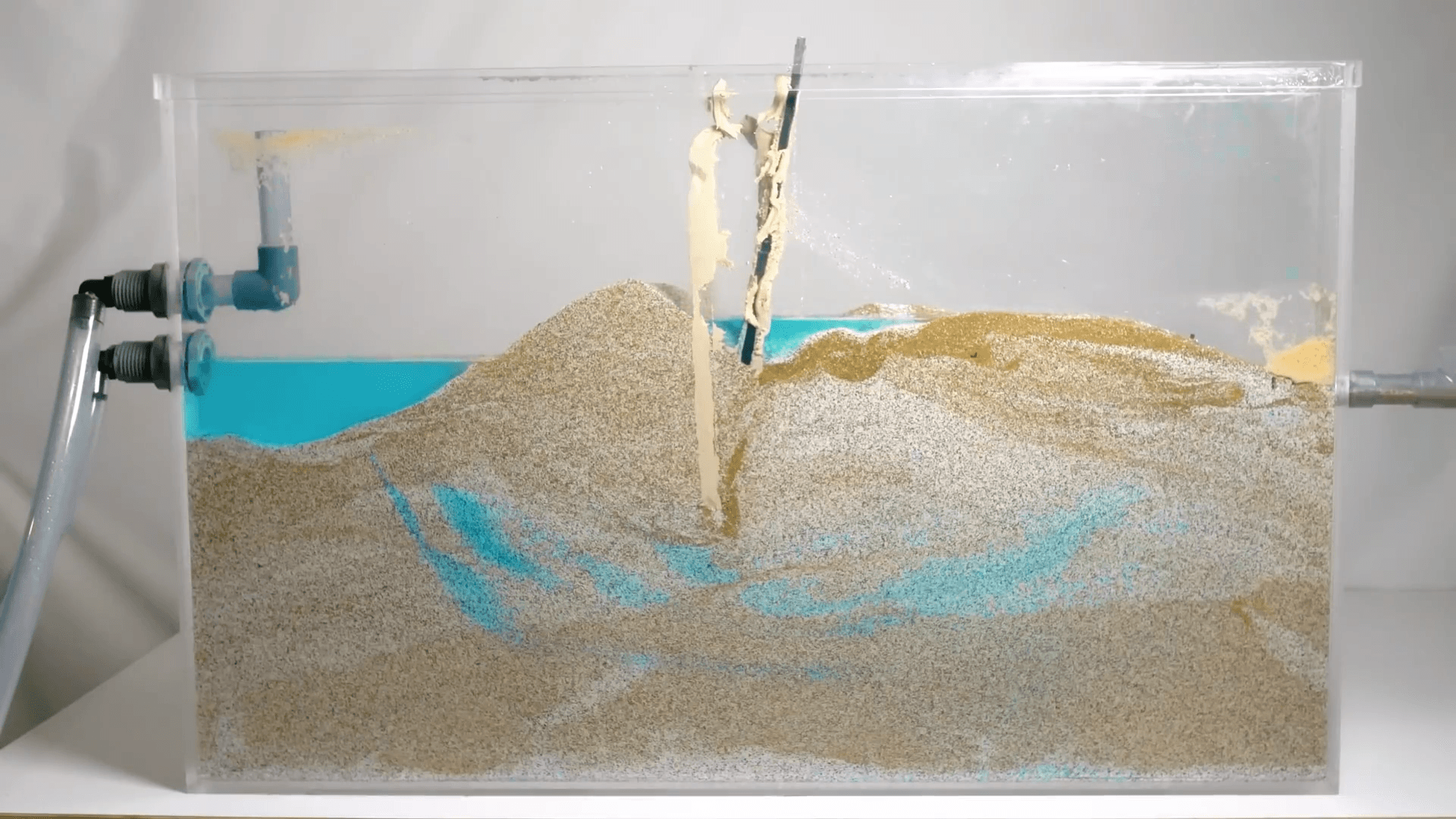
    Groundwater can sometimes wind up in unexpected places, given the way it interacts with subsurface structures. In this Practical Engineering video, Grady discusses the paths that groundwater takes around structures and how civil engineers account for groundwater-related forces on dams and other buildings. As always, he illustrates with excellent model demos, allowing viewers to see groundwater interactions for themselves. (Image and video credit: Practical Engineering)

  • Featured Video Play Icon

    How Wells and Aquifers Work

    When rain falls, some of that water turns into run-off in storm systems but much of it seeps into the ground. What happens to that water? In most places, it joins the local aquifer, infusing the spaces between soil particles underground. In this video, Grady takes us through some of the interactions between surface water, aquifers, and the wells we use to access water underground. He’s even built some great demonstrations to show how aquifers and surface water like rivers pass water back and forth. (Image and video credit: Practical Engineering)

  • Beijing 2022: Sliding on Snow

    Beijing 2022: Sliding on Snow

    Skiing and snowboarding events rely on the peculiar physics of sliding on snow. According to classical lubrication theory, that sliding shouldn’t be nearly as low in friction as what we observe. The key here is that snow is soft and porous; it’s compressible, but it can also trap air (or water) in the pores between flakes. Because the passage of a skier or snowboarder is so fast, the air doesn’t have the time to slip out of the pores. Instead, it gets pressurized, providing lift that keeps the slider’s friction low. In the end, it isn’t the snow holding the slider up, it’s the air trapped in the snow beneath them! (Image credit: skier in powder – J. Andersson, snowboarder – Visit Almaty, halfpipe – P. T’Kindt; research credit: Z. Zhu et al.)