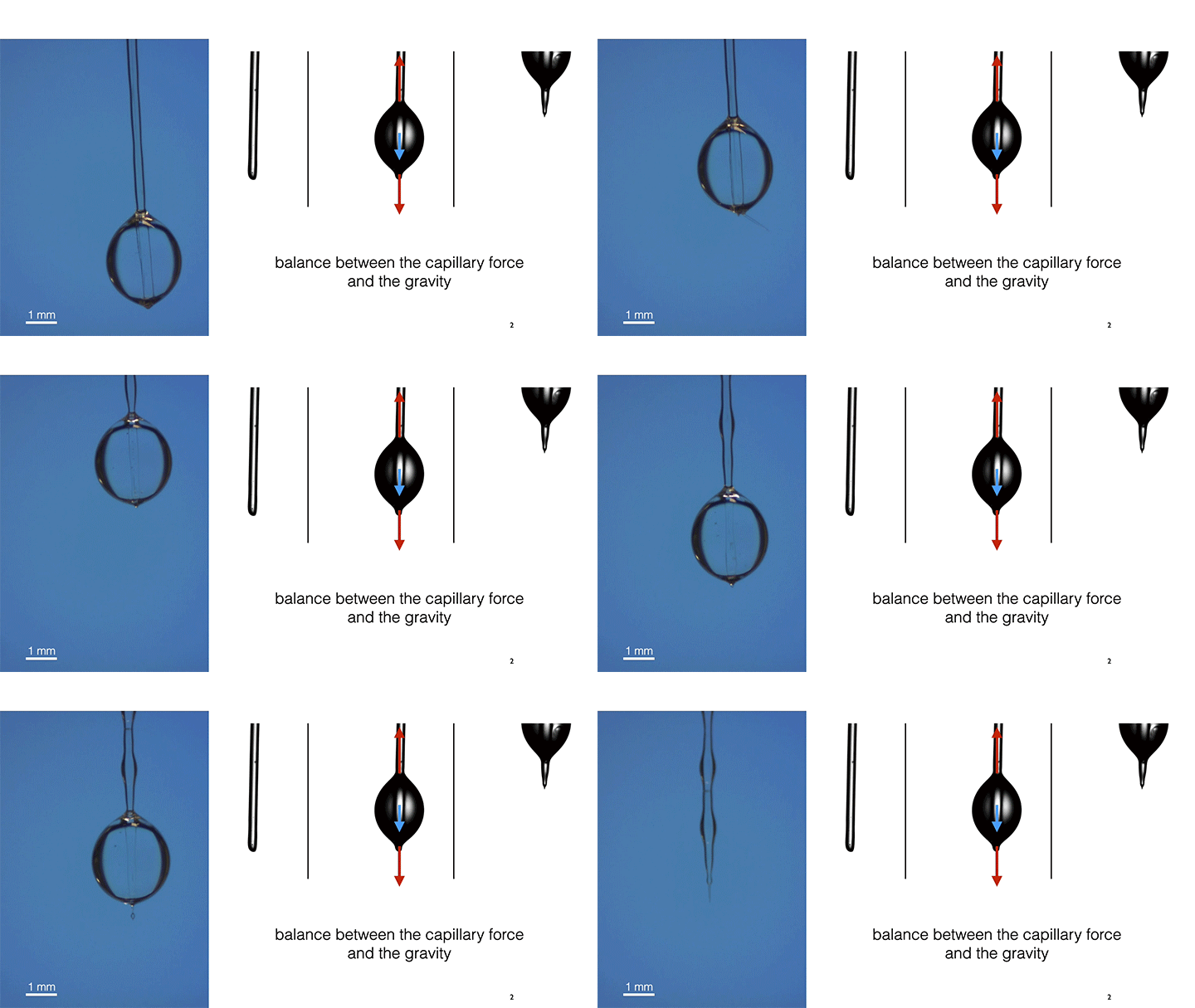
In nature, droplets and fibers can meet on a spider’s web, on fur, or on a dew-gathering cactus. Here, researchers explore what happens when the droplet can dissolve the fiber it’s suspended on. As the authors note, a lumberjack who cuts the branch they sit on makes a fatal choice. The droplet sees a different outcome.
As the droplet hangs on the fiber, it dissolves the fiber’s sugar. Dense, sugar-laden water flows downward along the fiber and a replenishing upward flow goes along the droplet’s exterior. Because the sugar concentration is lower near the top of the drop, the fiber thins most quickly there.
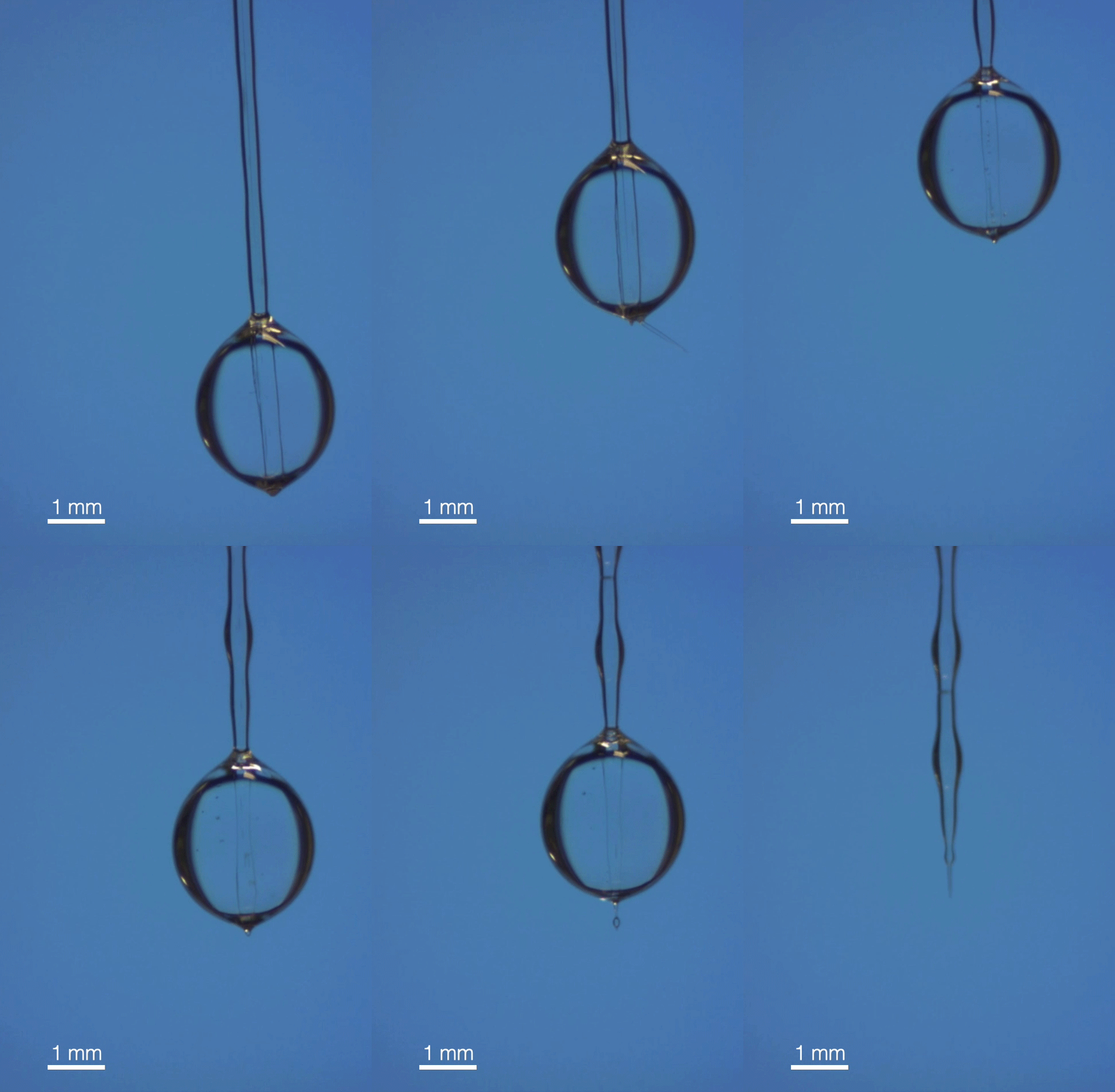
The droplet has capillary forces along its top and bottom, where it meets the fiber. At the top, the droplet is free to expand, wetting more fiber, but the bottom of the drop is pinned to the fiber. The excess capillary force there goes into compressing the fiber.
As soon as the fiber breaks, the capillary force is no longer balanced, and the droplet jumps upward. If the drop and fiber are sized just right, the drop will jump upward enough to stay attached to the fiber instead of falling off. (Image and research credit: S. Dorbolo et al.)























Leave a Reply