Tag: shockwave

  • A Supernova in Motion

    A Supernova in Motion

    In 1604, astronomers first caught sight of Kepler’s Supernova Remnant, a massive explosion some 17,000 light-years away. Twenty-five years of observations from the Chandra X-ray Observatory went into making this timelapse, which shows the supernova remnant‘s material pushing into the surrounding gas and dust.

    Zoomed version of a timelapse showing 25 years of change in Kepler's Supernova Remnant.

    In its fastest regions, the supernova remnant is moving around 2% of the speed of light–some 22 million kilometers per hour. Slower parts of the remnant are moving at just 0.5% of light-speed. (Image credit: NASA/CXC/SAO/Pan-STARRS; via Gizmodo)

    Zoomed version of a timelapse showing 25 years of change in Kepler's Supernova Remnant.
    Fediverse Reactions
  • The Best of FYFD 2025

    The Best of FYFD 2025

    Happy 2026! This will be a big year for me. I’ll be finishing up and turning in the manuscript for my first book — which flows between cutting edge research, scientists’ stories, and the societal impacts of fluid physics. It’s a culmination of 15 years of FYFD, rendered into narrative. I’m so excited to share it with you when it’s published in 2027.

    As always, though, we’ll kick off the year with a look back at some of FYFD’s most popular posts of 2025. (You can find previous editions, too, for 2024202320222021202020192018201720162015, and 2014.) Without further ado, here they are:

    What a great bunch of topics! I’m especially happy to see so many research and research-adjacent posts were popular. And a couple of history-related posts; I don’t write those too often, but I love them for showing just how wide-ranging fluid physics can be.

    Interested in keeping up with FYFD in 2026? There are lots of ways to follow along so that you don’t miss a post.

    And if you enjoy FYFD, please remember that it’s a reader-supported website. I don’t run ads, and it’s been years since my last sponsored post. You can help support the site by becoming a patronbuying some merch, or simply by sharing on social media. And if you find yourself struggling to remember to check the website, remember you can get FYFD in your inbox every two weeks with our newsletter. Happy New Year!

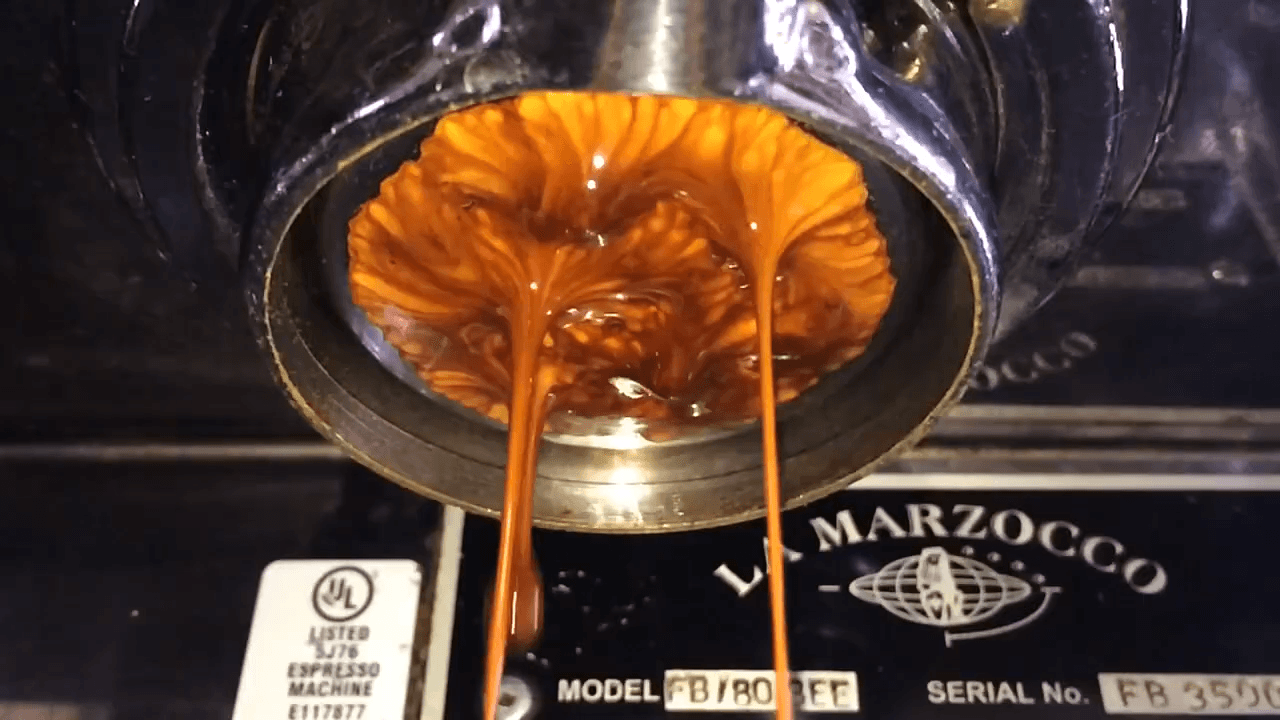
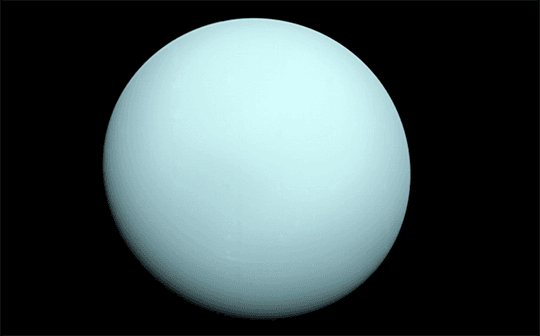
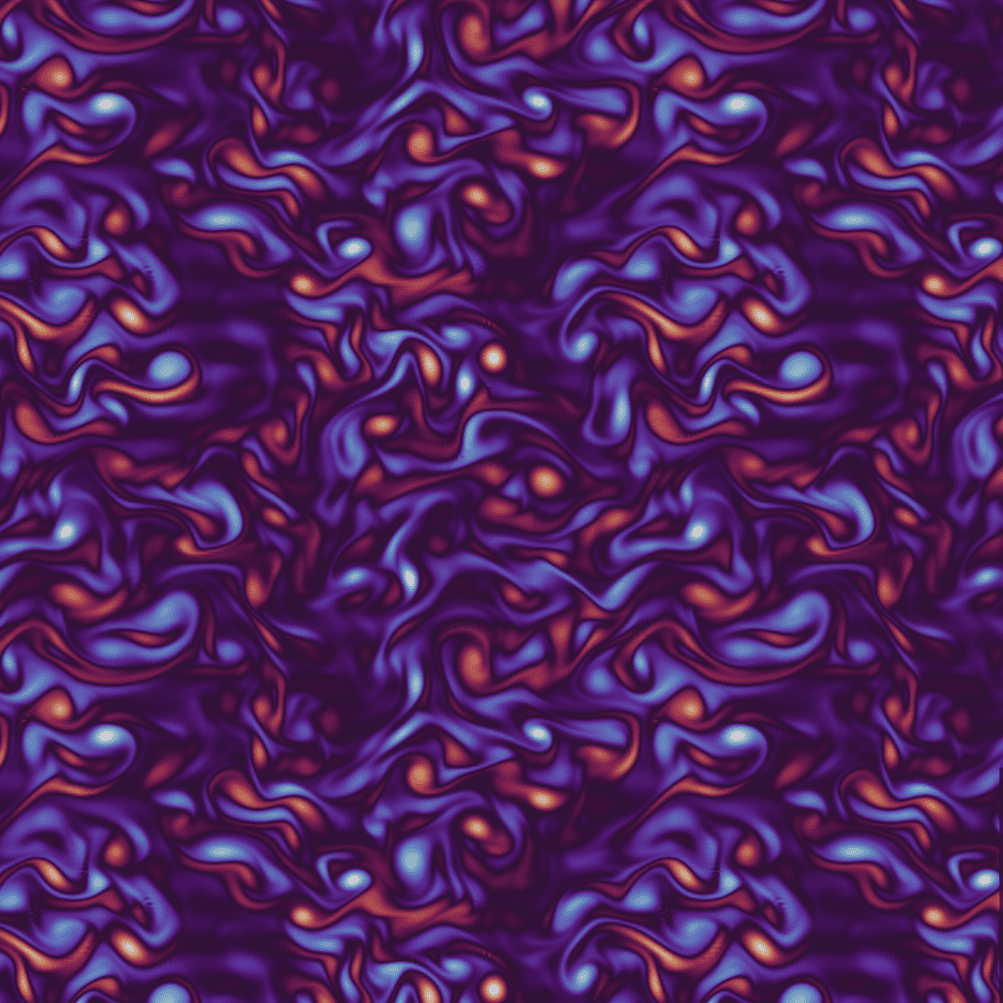
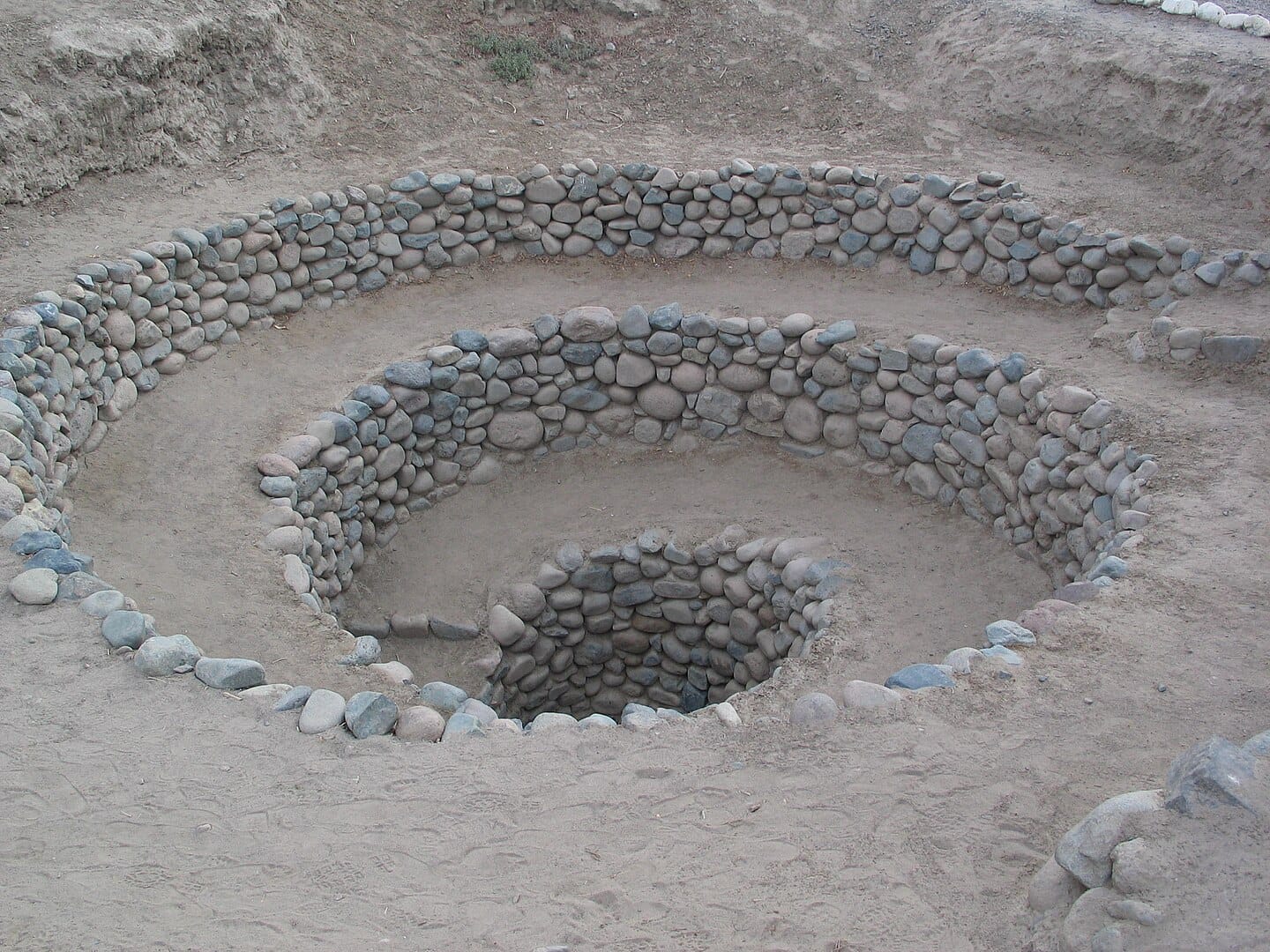
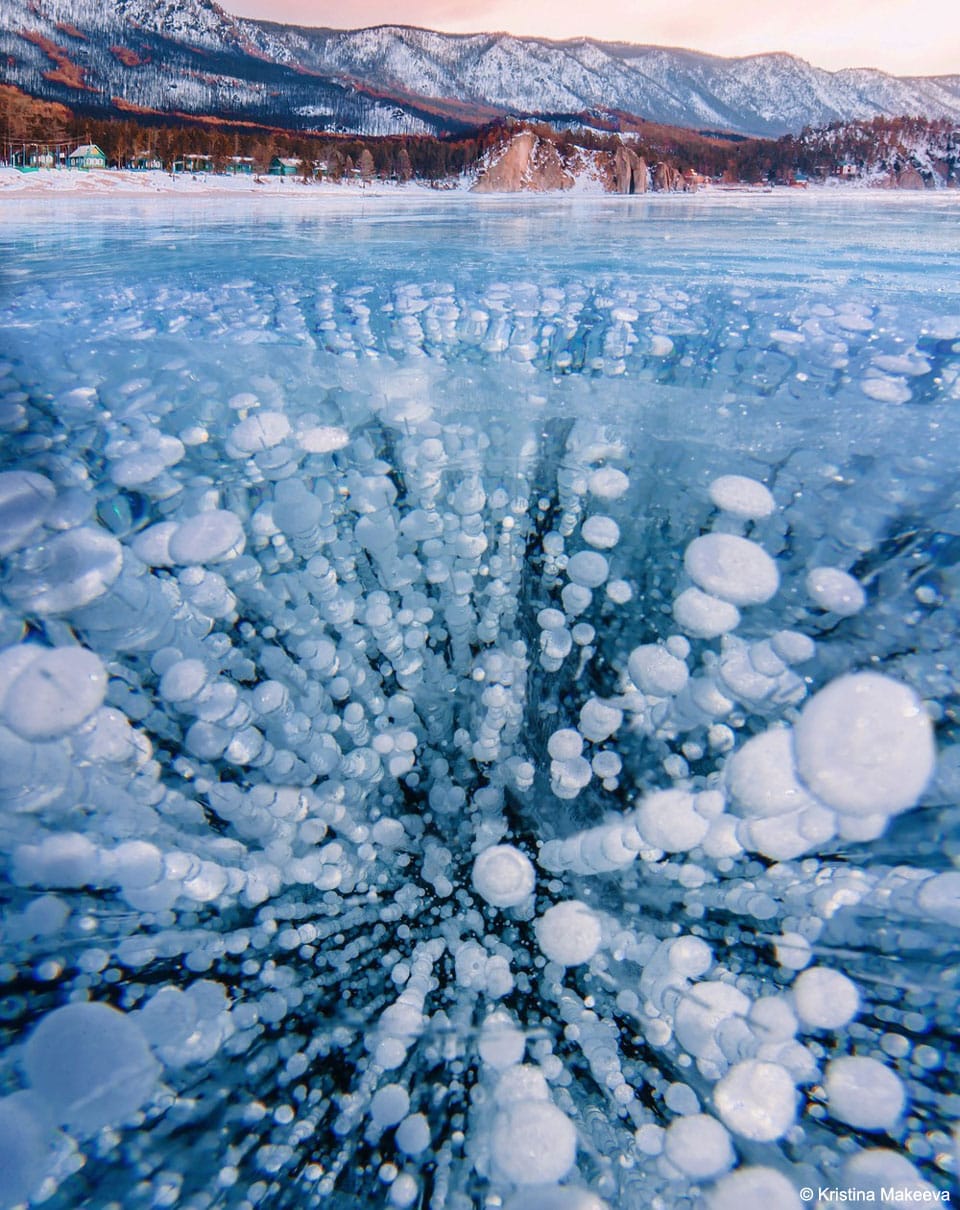
    (Image credits: droplet – F. Yu et al., starlings – K. Cooper, espresso – YouTube/skunkay, fountain – Primal Space, Uranus – NASA, turbulence – C. Amores and M. Graham, capsule – A. Álvarez and A. Lozano-Duran, melting ice – S. Bootsma et al., puquios – Wikimedia, cooling towers – BBC, solar wind – NASA/APL/NRL, Lake Baikal – K. Makeeva, sprite – NASA, roots – W. van Egmond, sunflowers – Deep Look)

    1. I know what I did. ↩︎
    Fediverse Reactions
  • Compressing Jupiter’s Magnetosphere

    Compressing Jupiter’s Magnetosphere

    Shaped by its strong internal magnetic field and the incoming solar wind, Jupiter has the largest magnetosphere in the solar system. It also has highly active aurorae at its poles, though they are most visible in ultraviolet wavelengths. A new analysis of Juno’s data shows that on 6-7 December 2022, Jupiter’s magnetosphere got compressed, coinciding with aurorae six times brighter than usual. The compression itself came from a shock wave in the incoming solar wind. (Image credit: NASA/JPL; research credit: R. Giles et al.; via Eos)

    Fediverse Reactions
  • Veil Nebula

    Veil Nebula

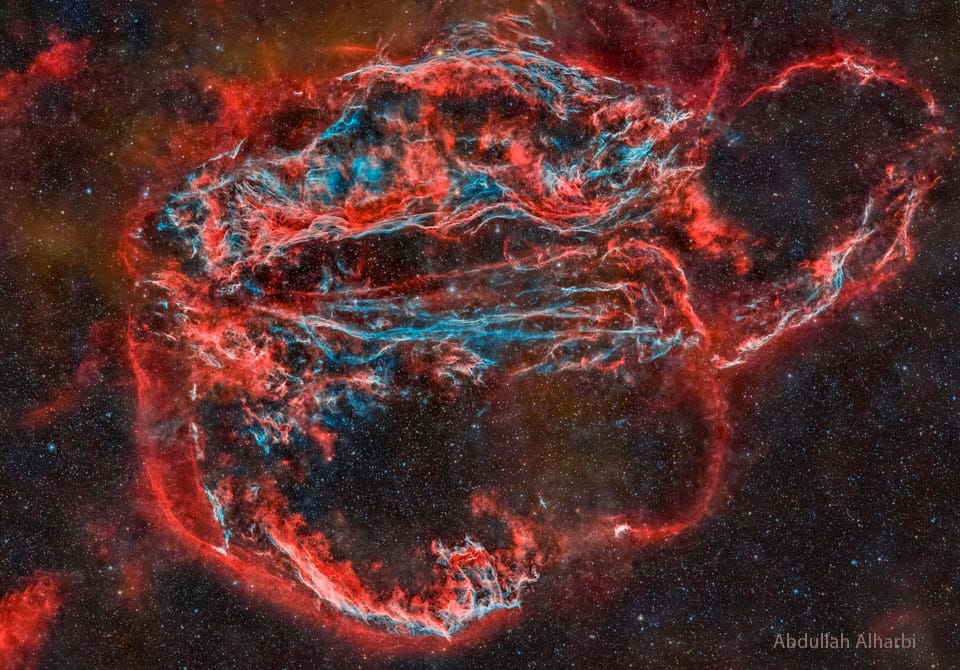
    These glowing wisps are the visible remains of a star that went supernova about 7,000 years ago. Today the supernova remnant is known as the Veil Nebula and is visible only through telescopes. In the image, red marks hydrogen gas and blue marks oxygen. First carried by shock waves, these remains of a former star now serve as seed material for other stars and planetary systems to form. (Image credit: A. Alharbi; via APOD)

    Fediverse Reactions
  • Cat’s Eye Halo

    Cat’s Eye Halo

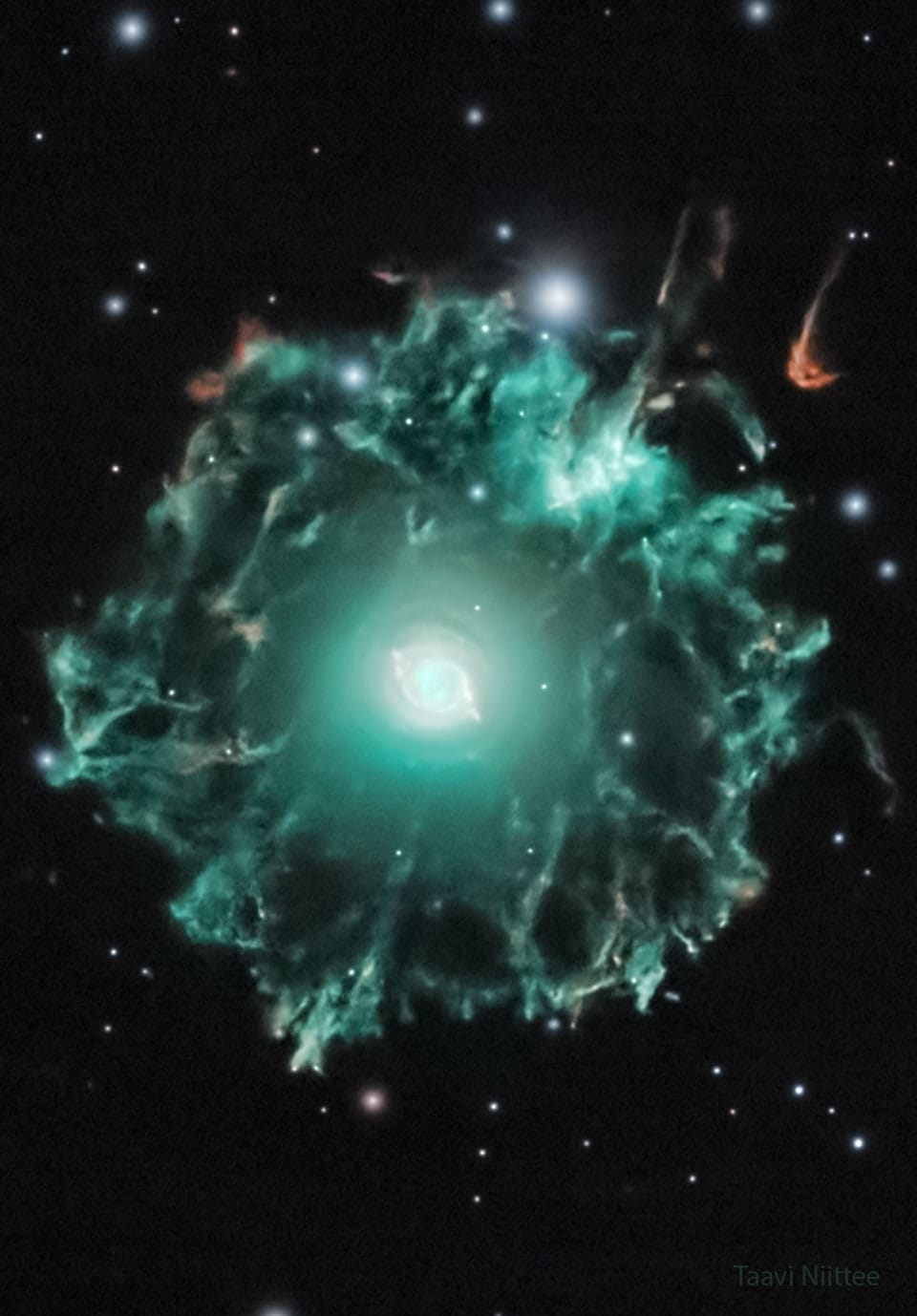
    The Cat’s Eye Nebula is a planetary nebula located in the Draco constellation. At its center is a dying star. Seen here is the faint halo that stretches 3 light-years around the central nebula. The filaments of the halo are estimated to be 50,000 to 90,000 years old and were shed during earlier periods in the star’s evolution. Their shape is reminiscent of Rayleigh-Taylor instabilities, to my eye. (Image credit: T. Niittee; via APOD)

    Fediverse Reactions
  • Interstellar Jets

    Interstellar Jets

    This JWST image shows a couple of Herbig-Hero objects, seen in infrared. These bright objects form when jets of fast-moving energetic particles are expelled from the poles of a newborn star. Those particles hit pockets of gas and dust, forming glowing, hot shock waves like those seen here in red. The star that birthed the object is out of view to the lower-right. The bright blue light surrounded by red spirals that sits near the tip of the shock waves is actually a distant spiral galaxy that happens to be aligned with our viewpoint. (Image credit: NASA/ESA/CSA/STScI/JWST; via APOD)

    Fediverse Reactions
  • Imaging a New Era of Supersonic Travel

    Imaging a New Era of Supersonic Travel

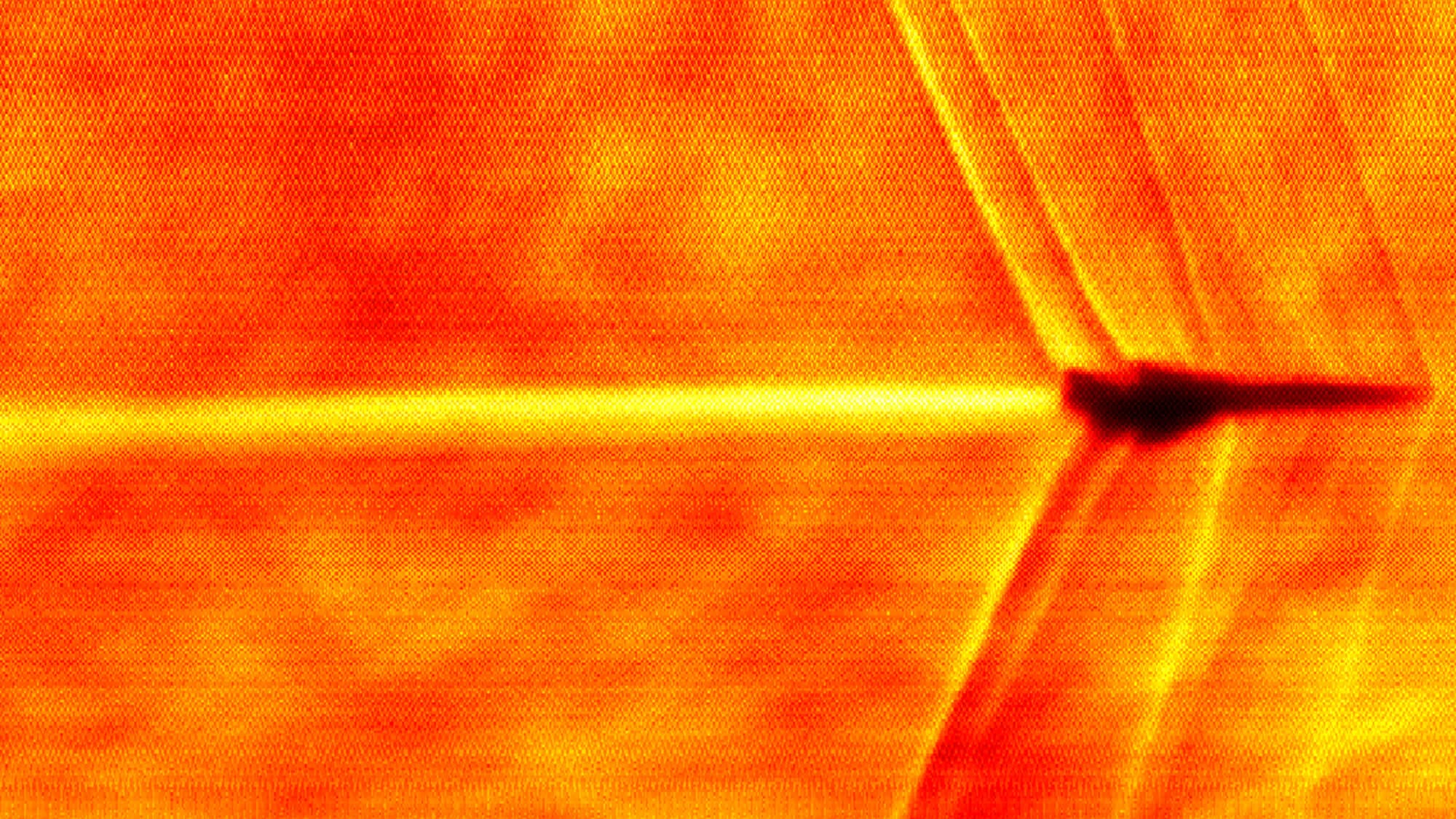
    Supersonic commercial travel was briefly possible in the twentieth century when the Concorde flew. But the window-rattling sonic boom of that aircraft made governments restrict supersonic travel over land. Now a new generation of aviation companies are revisiting the concept of supersonic commercial travel with technologies that help dampen the irritating effects of a plane’s shock waves.

    One such company, Boom Supersonic, partnered with NASA to capture the above schlieren image of their experimental XB-1 aircraft in flight. The diagonal lines spreading from the nose, wings, and tail of the aircraft mark shock waves. It’s those shock waves’ interactions with people and buildings on the ground that causes problems. But the XB-1 is testing out scalable methods for producing weaker shock waves that dissipate before reaching people down below, thus reducing the biggest source of complaints about supersonic flight over land. (Image credit: Boom Supersonic/NASA; via Quartz)

    The XB-1 test aircraft in flight.
    Fediverse Reactions
  • Tracking Tonga’s Boom

    Tracking Tonga’s Boom

    When the Hunga Tonga-Hunga Ha’apai volcano erupted in January 2022, its effects were felt — and heard — thousands of kilometers away. A new study analyzes crowdsourced data (largely from Aotearoa New Zealand) to estimate the audible impact of the eruption. The researchers found that the volume, arrival time, and nature of the rolling rumble reported by survey takers correlated well with seismic measurements. But humans provided data that monitoring equipment couldn’t. For example, reports of shaking buildings and rattling windows let researchers estimate the shock wave‘s overpressure far from the volcano. The team suggests that acting quickly to collect human impressions of rare events like this one can add valuable data that’s otherwise overlooked. (Image credit: NASA; research credit: M. Clive et al.; via Gizmodo)

  • A Dandelion-Like Supernova Remnant

    A Dandelion-Like Supernova Remnant

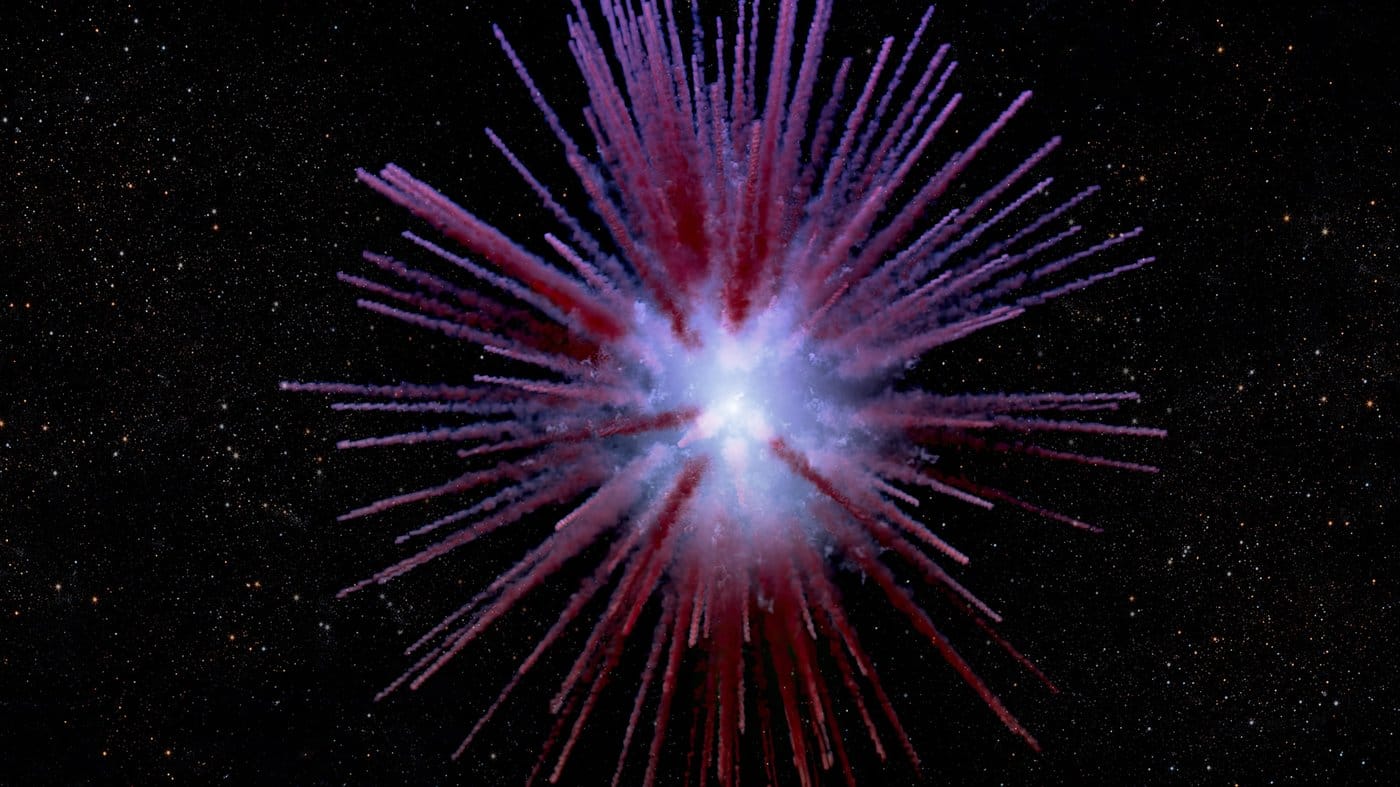
    In 1181 CE, astronomers in China and Japan recorded a new, short-lived star in the constellation Cassiopeia. After burning for nearly six months, this historic supernova disappeared from the naked eye. It was only in 2013 that an amateur astronomer identified a nebula in the vicinity of that supernova, and, in the years since, astronomers have collected evidence that identifies the object, known as Pa 30, as the remnants of that 1181 supernova. Now, astronomers have mapped the supernova remnant, revealing an unusual dandelion-like structure (shown in an artist’s conception above and below). Filaments of sulfur project outward from a dusty central region that houses the remains of the original star. Normally, a supernova destroys its original star, but this was a Type Iax supernova, a “failed” explosion that left behind a hot, inflated star that may eventually cool into a white dwarf star.

    Why the supernova remnant has this strange shape remains unclear. Scientists speculate that shock waves may have helped concentrate sulfur into these clumpy filaments. The material’s velocity suggests a ballistic trajectory (meaning, essentially, that it has neither sped up nor slowed down since the original explosion). Winding the trajectory backwards pegs their origin to 1181, helping confirm that Pa 30 is, indeed, the remains of that 1181 supernova. (Image and video credit: W.M. Keck Observatory/A. Makarenko; research credit: R. Fesen et al.; via Gizmodo)

  • Gigapixel Supernova

    Gigapixel Supernova

    Eleven thousand years ago, a star exploded in the constellation Vela, blowing off its outer layers in a spectacular shock wave that remains visible today. Today’s image is a piece of a 1.3-gigapixel composite image of the supernova remnant, captured by the Dark Energy Camera of the Víctor M. Blanco 4-meter Telescope at Cerro Tololo Inter-American Observatory in Chile. Below is a labeled version of the image, identifying the original star — now a fast-spinning pulsar that packs our sun’s mass into an object only kilometers across — its shock wave, and other features. To explore the full-sized image, see NOIRLab. (Image credit: CTIO/NOIRLab/DOE/NSF/AURA; via Colossal)

    A labeled version of the image shows the shock wave and other features.
    A labeled version of the image shows the shock wave and other features.