Tag: volcano

  • Volcanic Shocks

    Volcanic Shocks

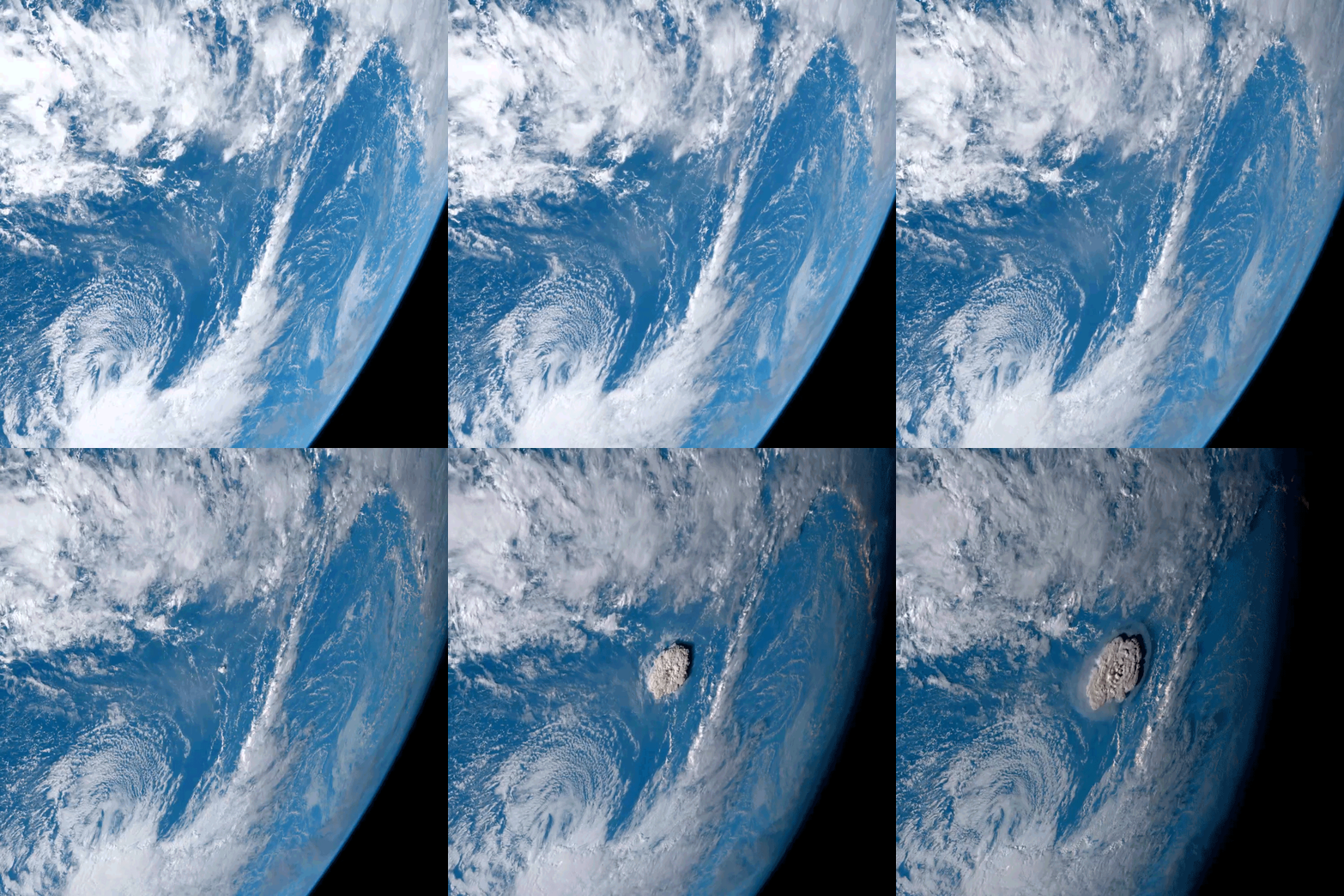
    A violent underwater eruption at the Hunga Tonga-Hunga Ha’apai caldera on January 15th sent literal shock waves around the world. This animation, based on satellite images from Japan’s Himawari 8, shows the fast-moving shock waves and the growing ash plume coming from the uninhabited island. Although most recent eruptions from this volcano have been small, experts suspect that this latest eruption is part of a major event, similar to the volcano’s last big eruption about 1,000 years ago.

    The explosiveness of the eruption comes from the interaction of seawater and fresh magma. When the magma erupts quickly underwater, the hot liquid contacts seawater directly rather than forming a protective layer of vapor (as in the Leidenfrost effect). The resulting explosion tears the magma apart, exposing more hot surfaces to the cold water and further driving the chain reaction. (Image credit: S. Doran/Himawari 8; submitted by jpshoer; see also S. Cronin)

  • Bullseye

    Bullseye

    The Cumbre Vieja volcano in the Canary Islands began erupting in mid-September 2021. This satellite image, captured October 1st, shows a peculiar bullseye-like cloud over the volcano. Hot water vapor and exhaust gases rose rapidly from the erupting volcano until colliding with a drier, warmer air layer at an altitude of 5.3 kilometers. The warm upper layer, known as a temperature inversion, prevented the volcanic gases from rising any further, so they instead spread horizontally. The outflow from the volcano varies and is non-uniform, and its fluctuations generated gravity waves that are visible here as the expanding rings of clouds. (Image credit: L. Dauphin; via NASA Earth Observatory)

  • Modelling Volcanic Bombs

    Modelling Volcanic Bombs

    When magma meets water on its journey to the surface, the two form a large, partially molten chunk known as a volcanic bomb. As you would expect from their name, these bombs can often be explosive, either in the air or upon impact. But a surprising number of these bombs never explode. Since catching volcanic bombs in action is far too dangerous, researchers modeled them instead to determine what makes a dud.

    Examples of porous volcanic bombs.

    The type of volcanic bomb they were most interested in comes from Surtseyan eruptions, where the bombs travel through shallow sea or lake water, collecting moisture along the way. When the water reaches the molten interior of the volcanic bomb, it flashes into steam. That’s where the pressure to explode the bombs comes from. But the team found that the bombs are also extremely porous, thanks to bubbles created as the magma depressurizes on its trip to the surface. If the bomb is porous enough, steam escapes the rock before it can build to explosive pressures. (Image credit: top – NASA, others – E. Greenbank et al.; research credit: E. Greenbank et al.; via NYTimes; submitted by Kam-Yung Soh)

  • Featured Video Play Icon

    “Stranded”

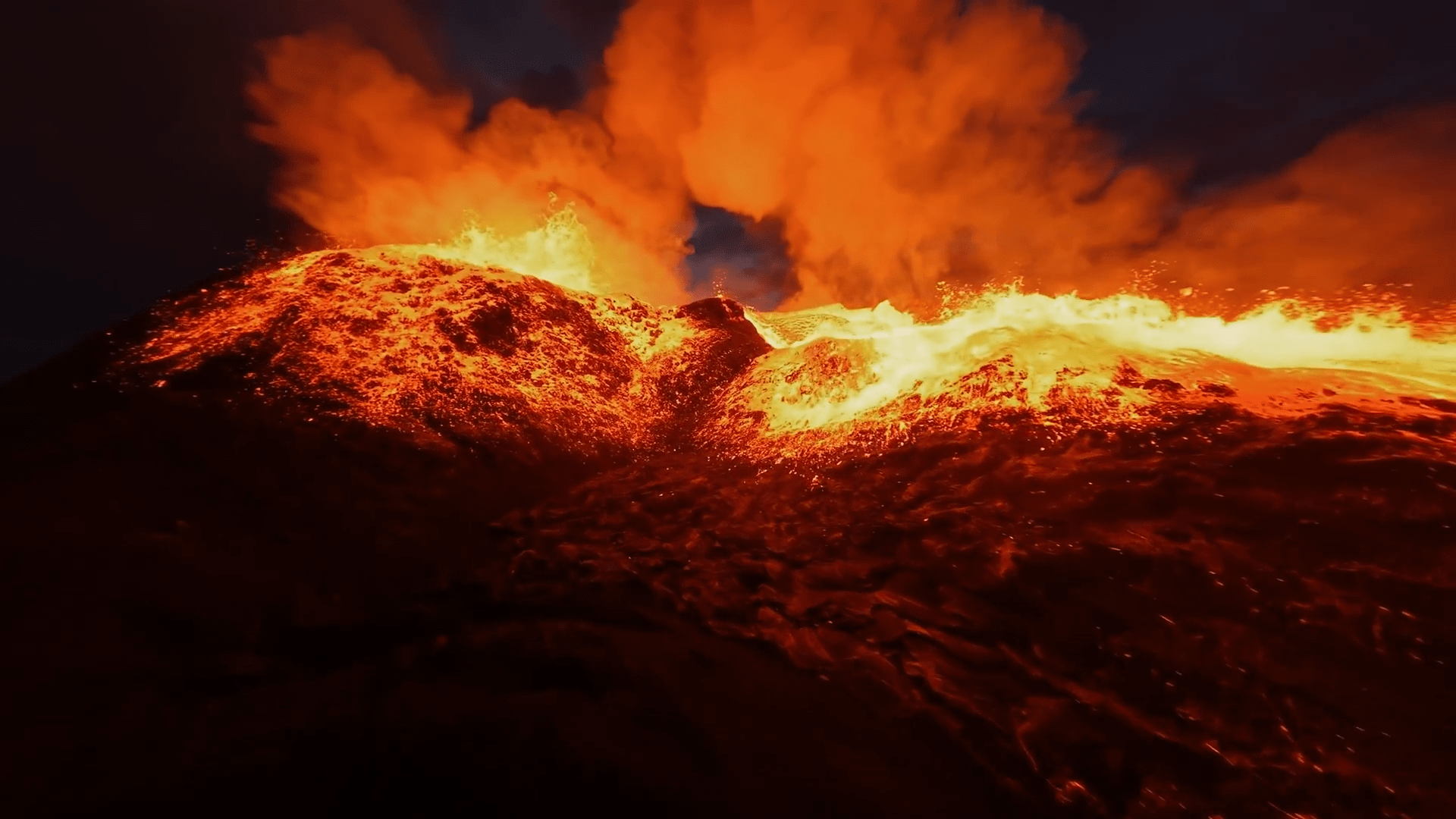
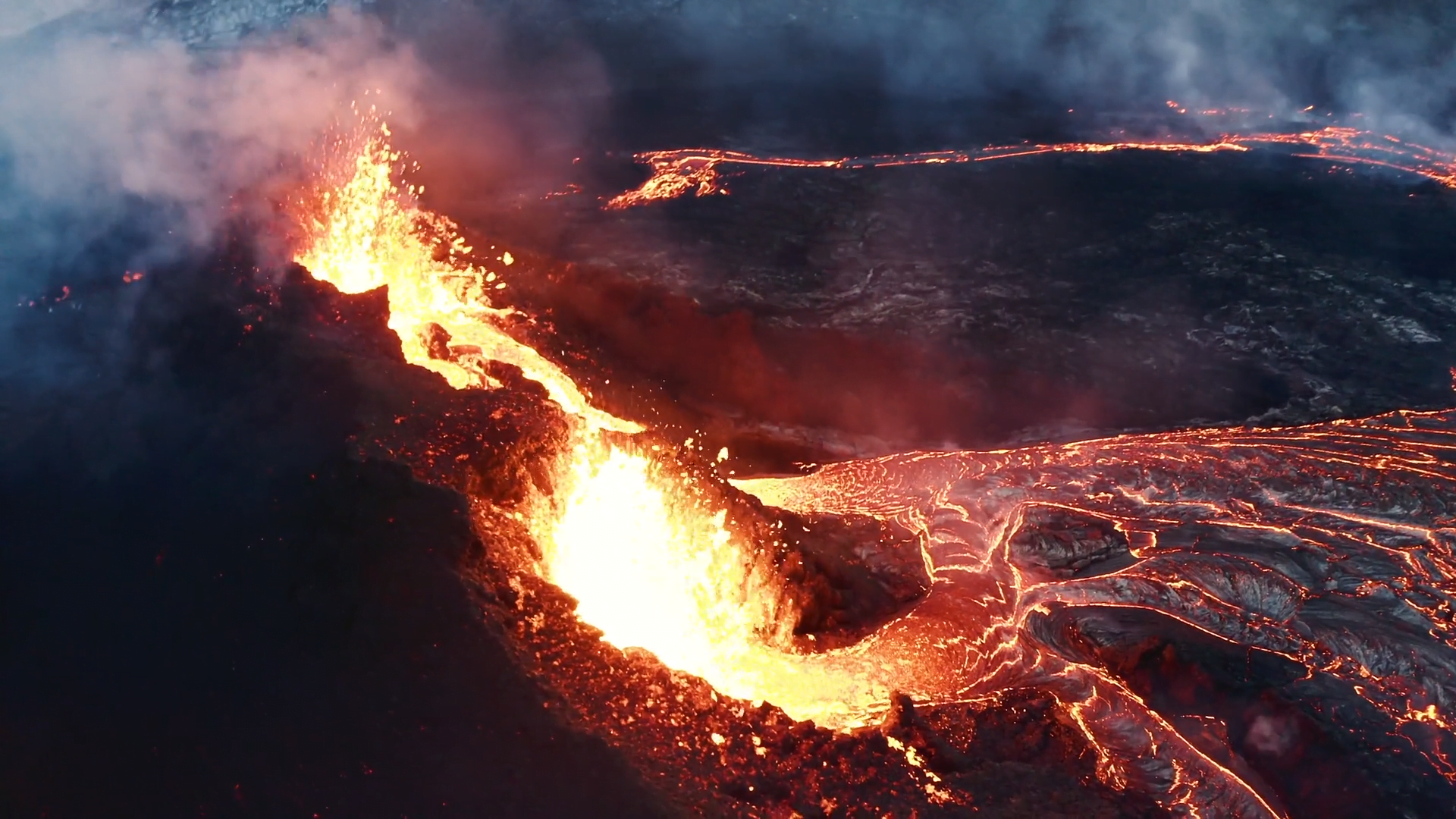
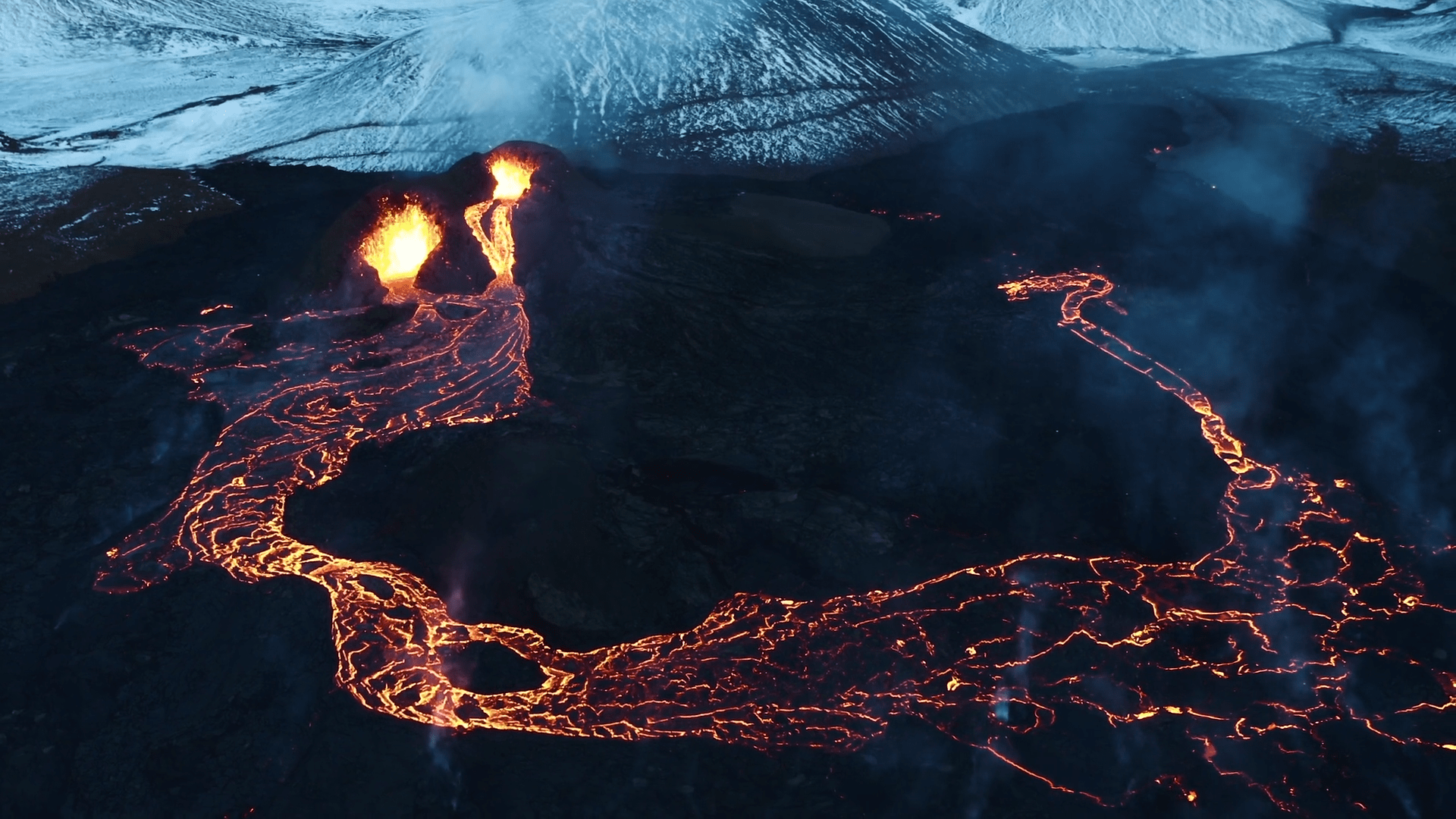
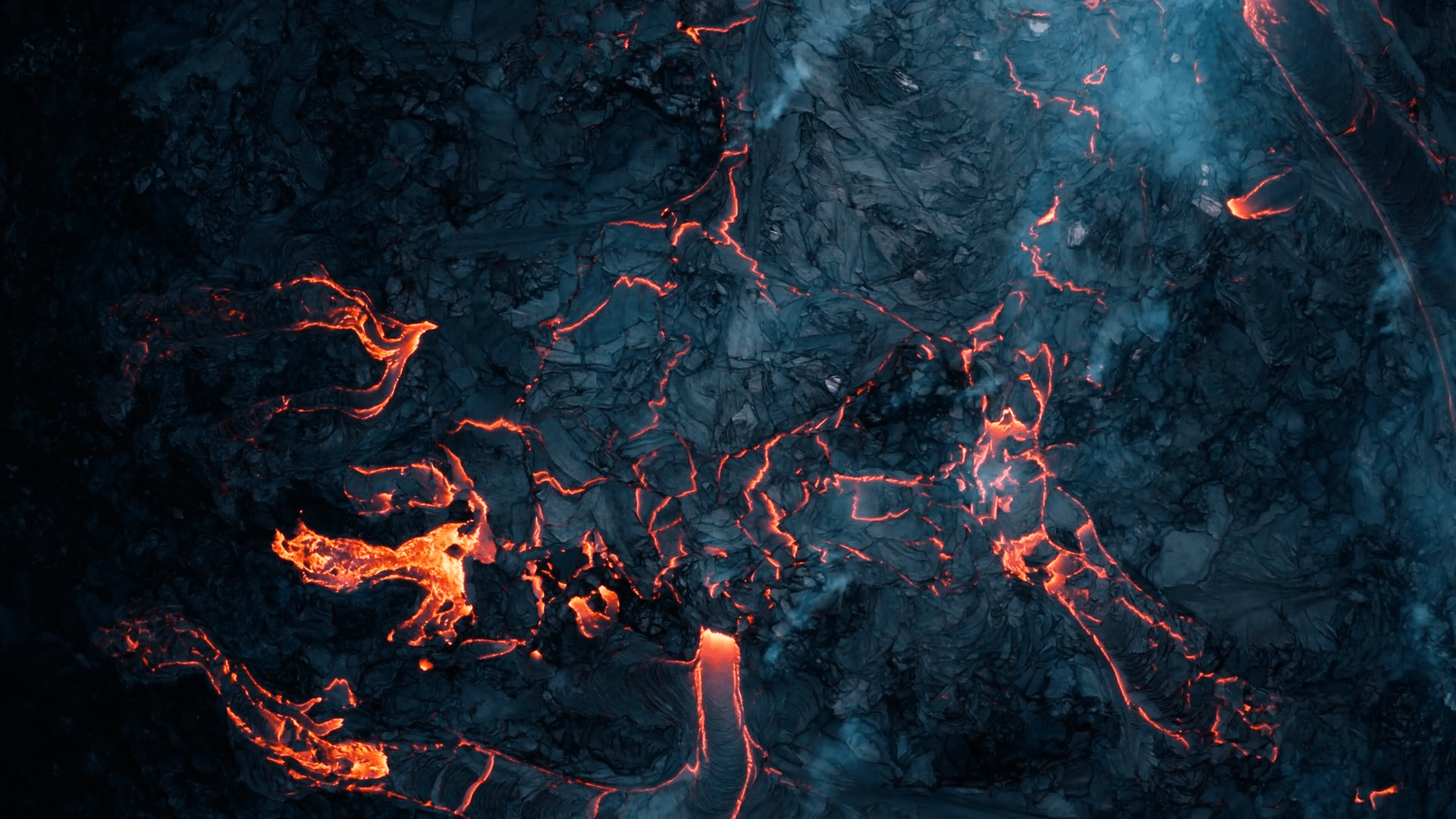
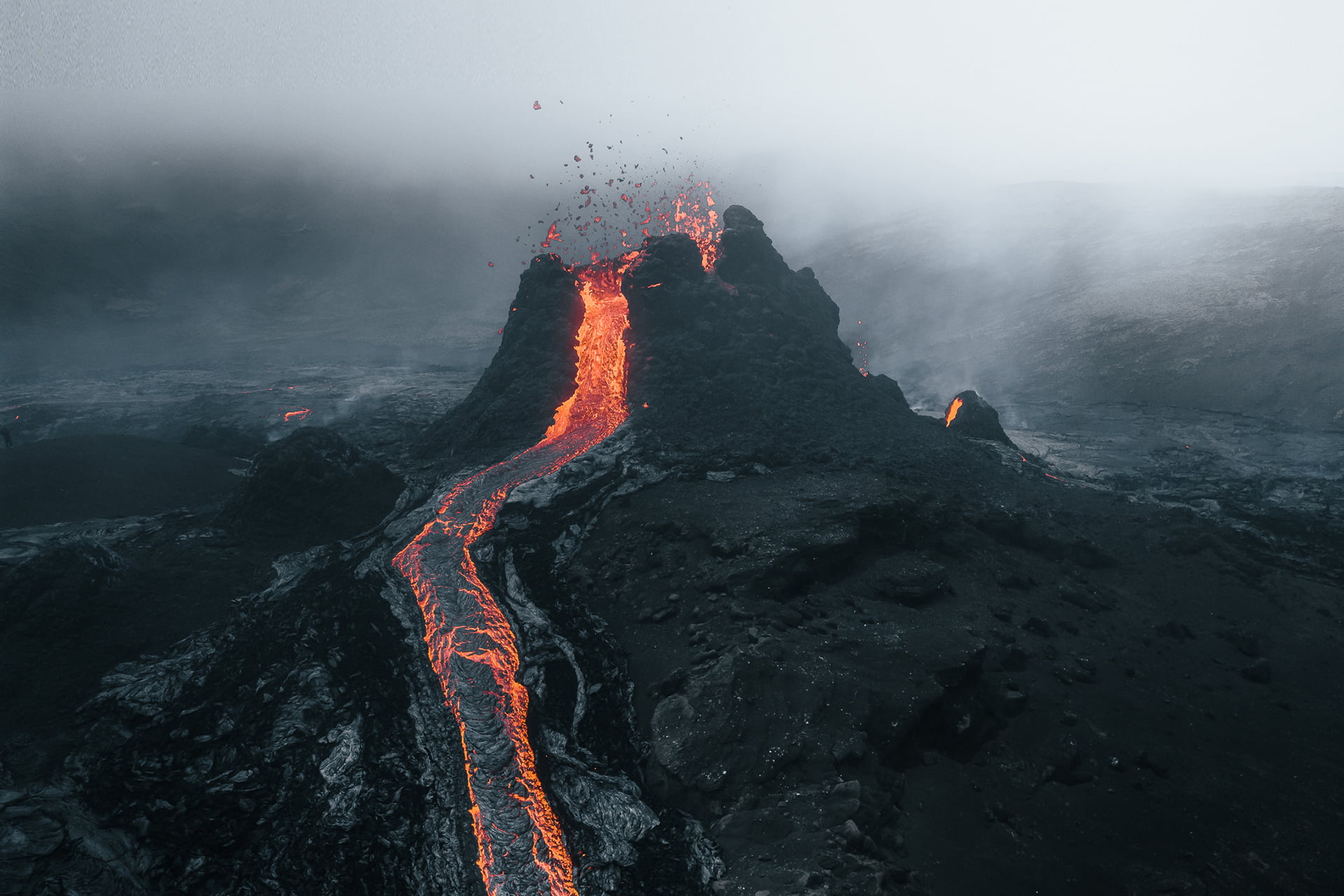
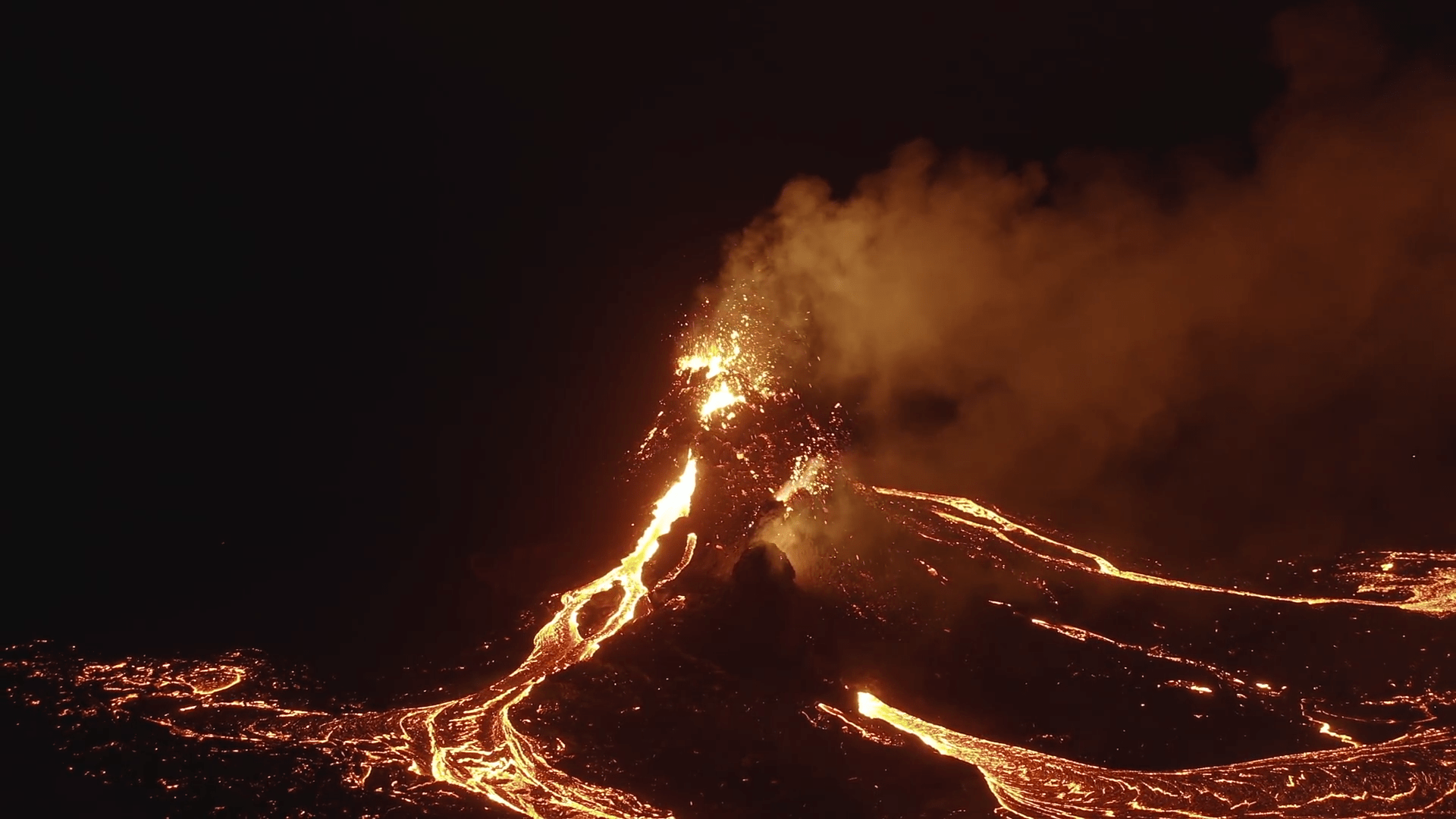
    The advantage of flying a drone over a volcanic eruption is getting all of the beauty with none of the danger. No asphyxiating on sulfuric gases, no burns from intense heat, no ash or flying rocks. Just the stunning, glowing beauty of fresh earth being born. “Stranded” takes us over and around the recent Icelandic eruption in a way that no human can ever experience. Sit back, relax, and feast your eyes on the spectacle. (Image and video credit: S. Ridard; via Colossal)

  • Lava Fields From Above

    Lava Fields From Above

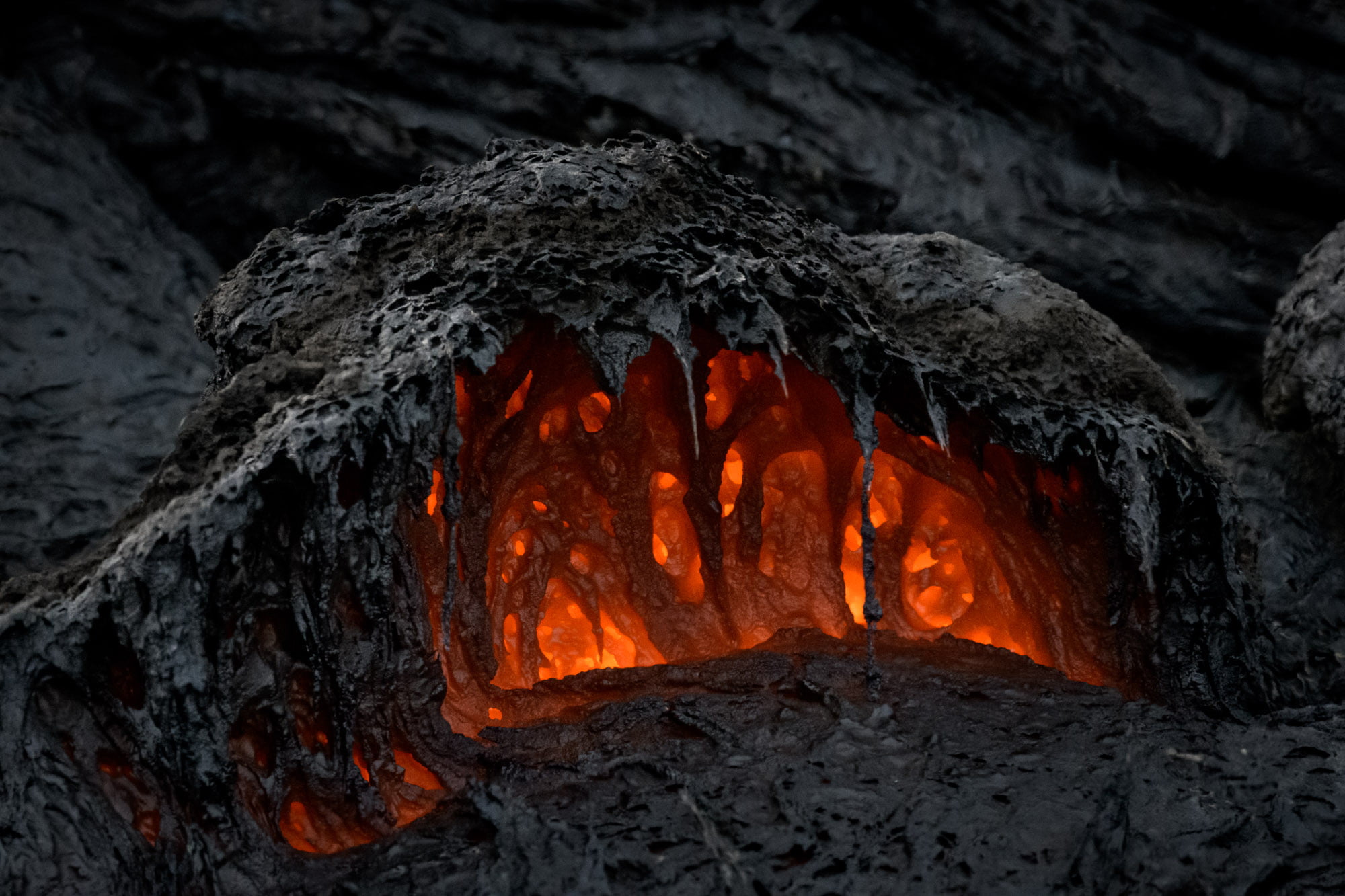
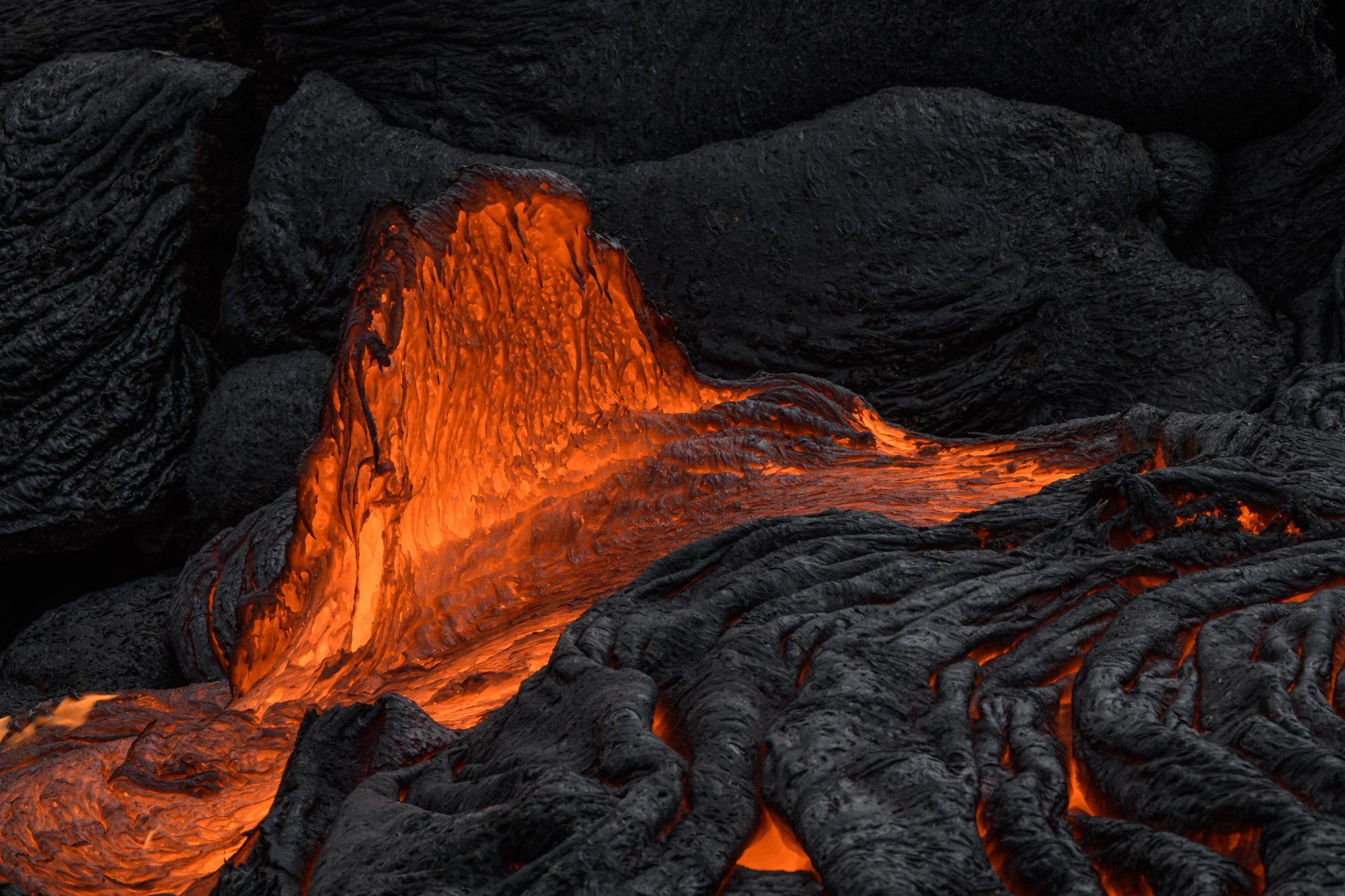
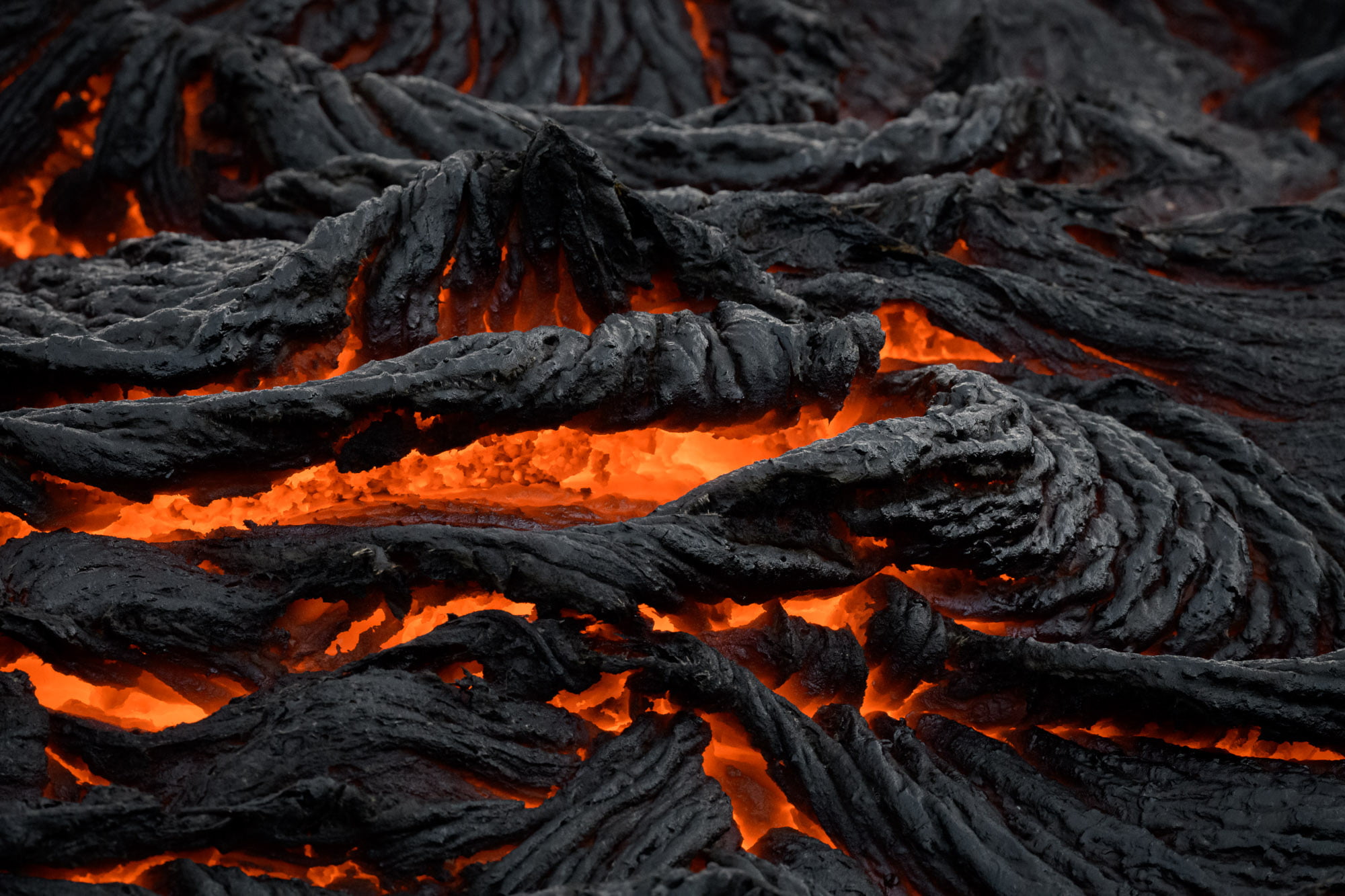
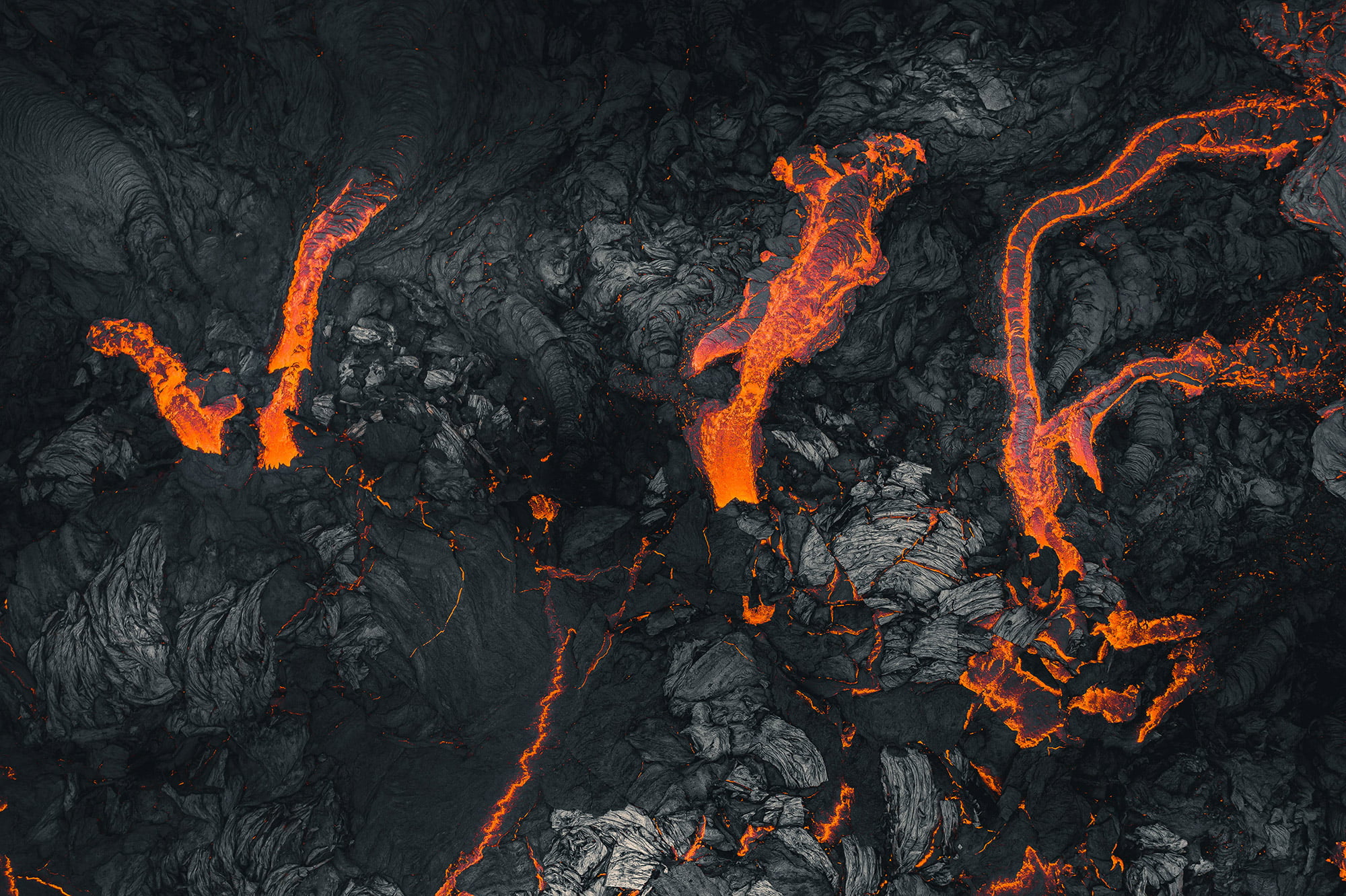
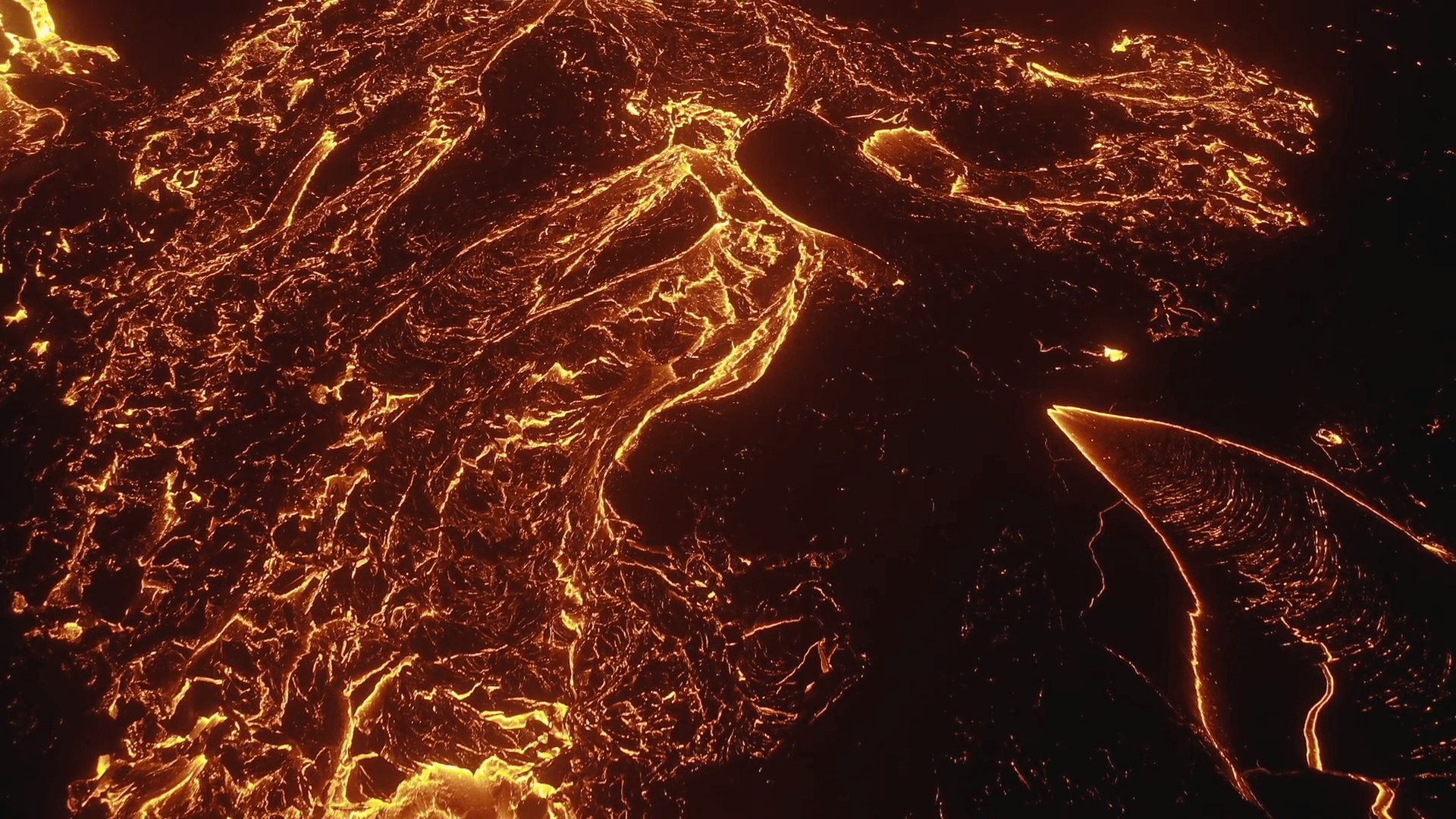
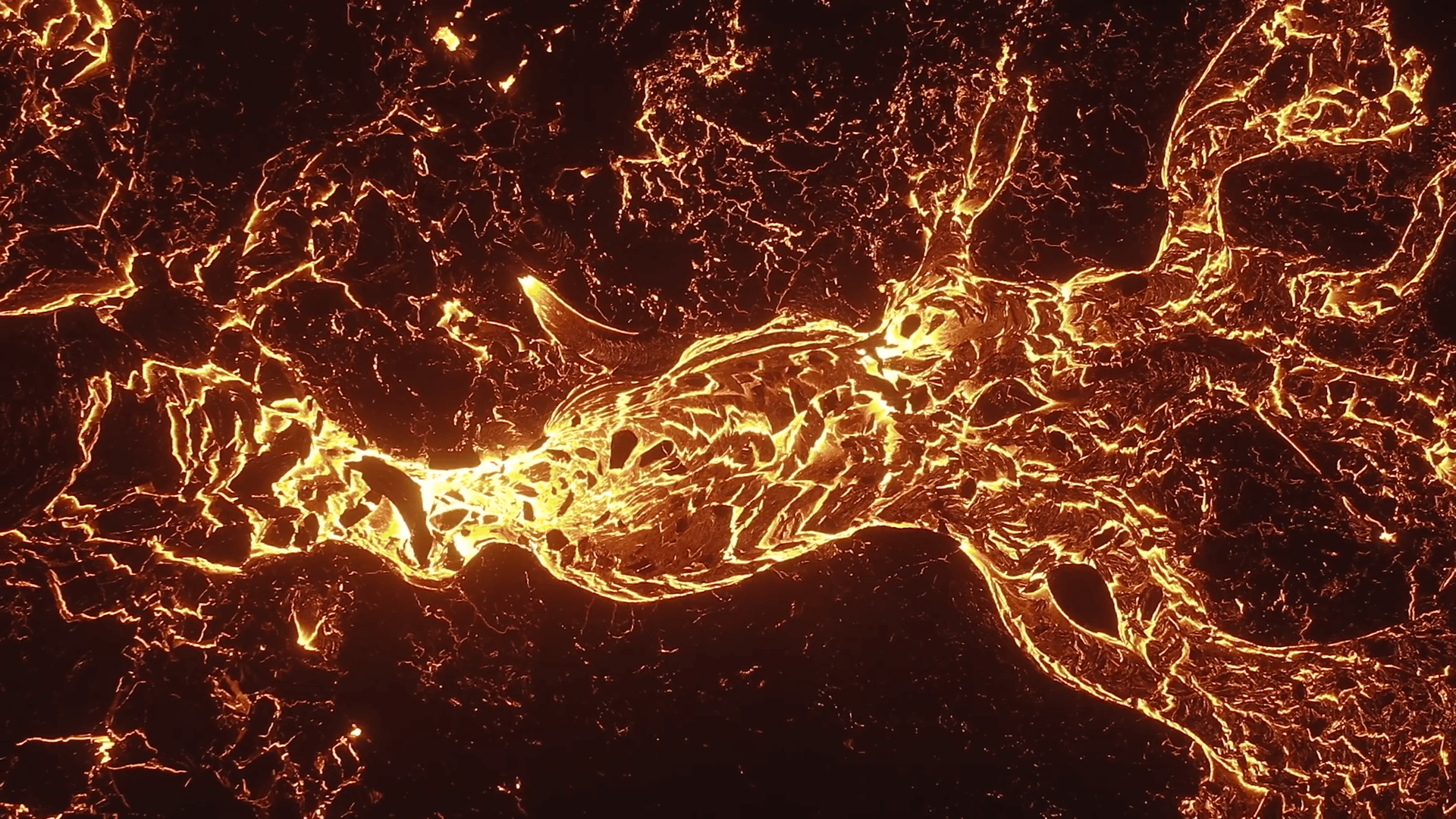
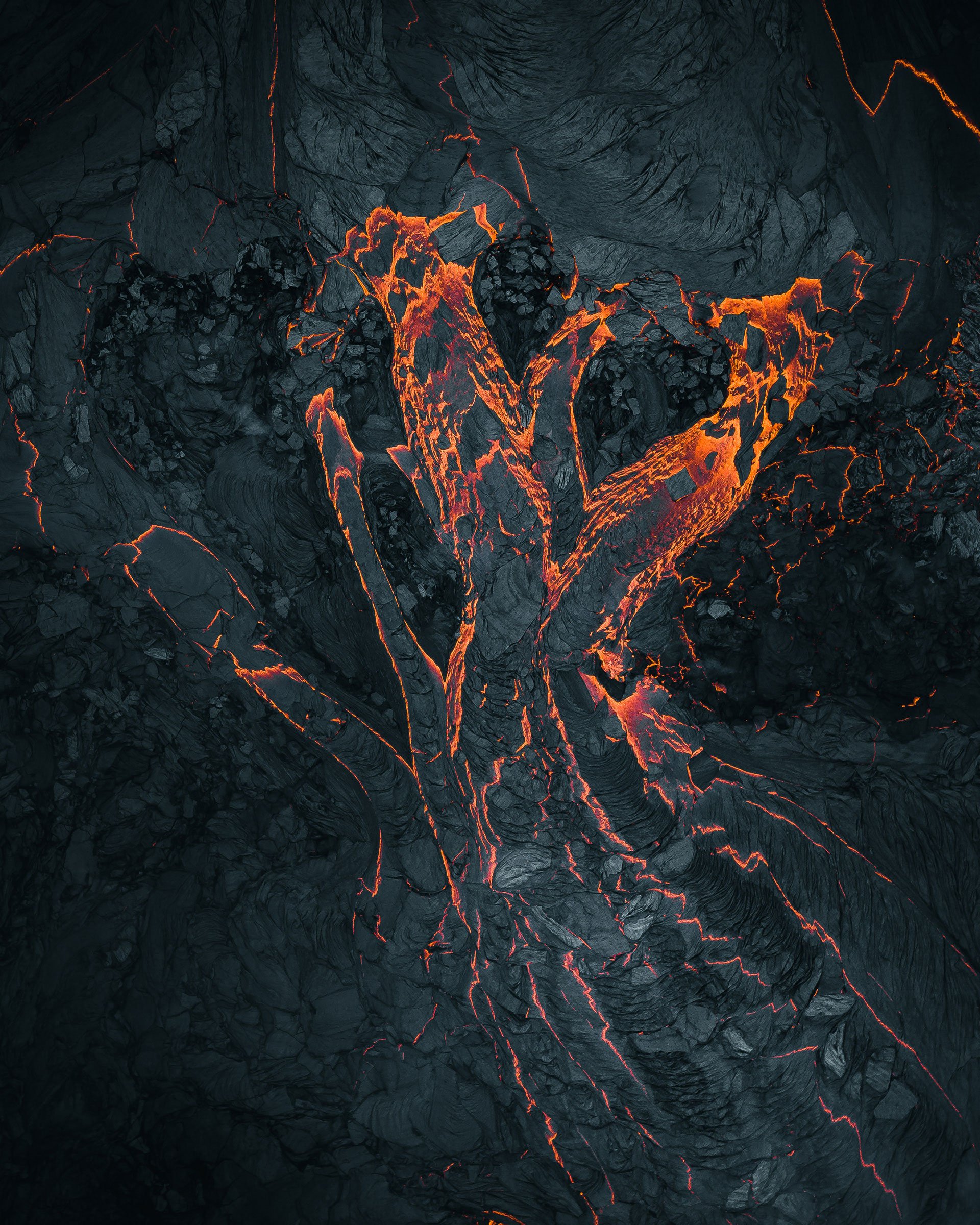
    Lava flows are endlessly fascinating to watch. They’re a destructive act of creation that seems in many ways familiar; after all, lava moves the same way we see other viscous fluids move. But it’s so much more extreme in its temperature, viscosity, and destructive potential. These beautiful aerial photos by photographer Thrainn Kolbeinsson show the recent eruption at Iceland’s Fagradalsfjall volcano. I love the vivid texture of the lava in these shots and the sharp contrast between the hot and cooling flows. You can see the pahoehoe forming before your very eyes! (Image credit: T. Kolbeinsson; via Colossal)

  • Featured Video Play Icon

    Lava and Life

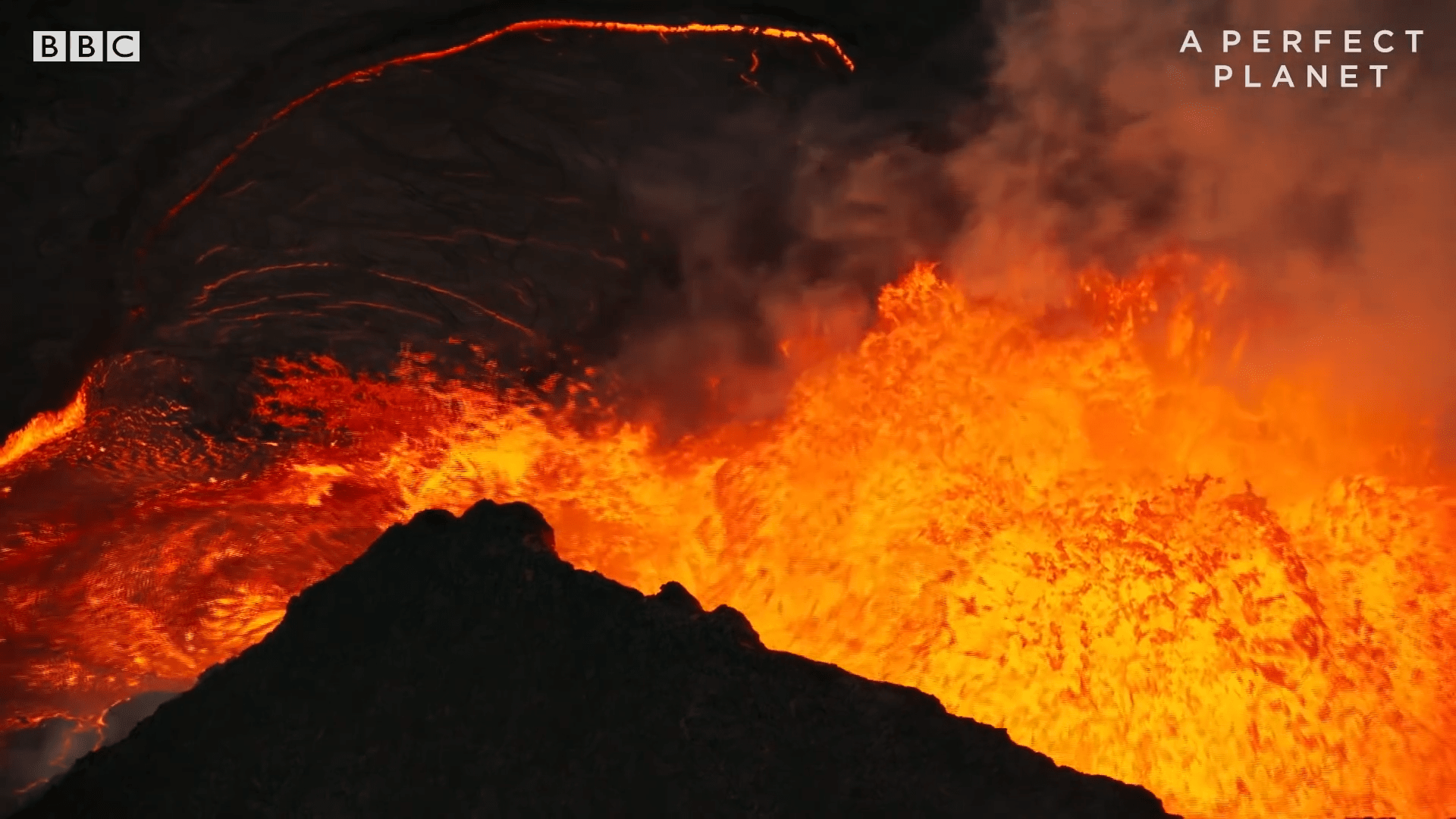
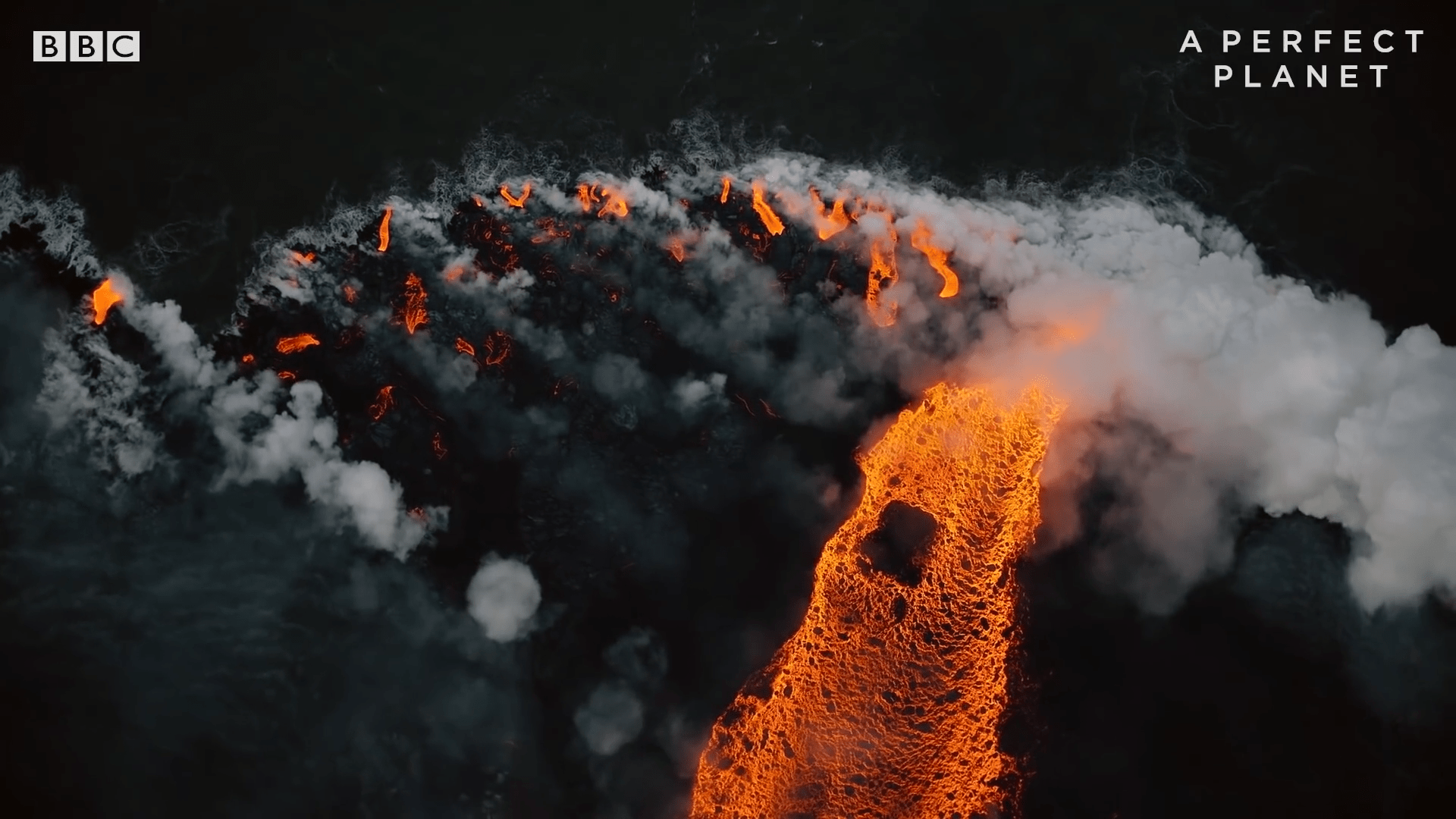
    Kilauea’s 2018 eruption gave us some of the most stunning volcanic footage ever seen, a tradition carried on in this BBC footage. As powerful and destructive as lava is, it’s also critical to life as we know it here on Earth. Volcanoes are a piece of the tectonic activity on our planet that drives the carbon cycle, without which we’d have no oceans or breathable atmosphere. It’s tough to imagine the geological scales over which these cycles act, but fortunately, there are numerical simulations to help! (Image and video credit: BBC Earth)

  • Featured Video Play Icon

    Lava at Night

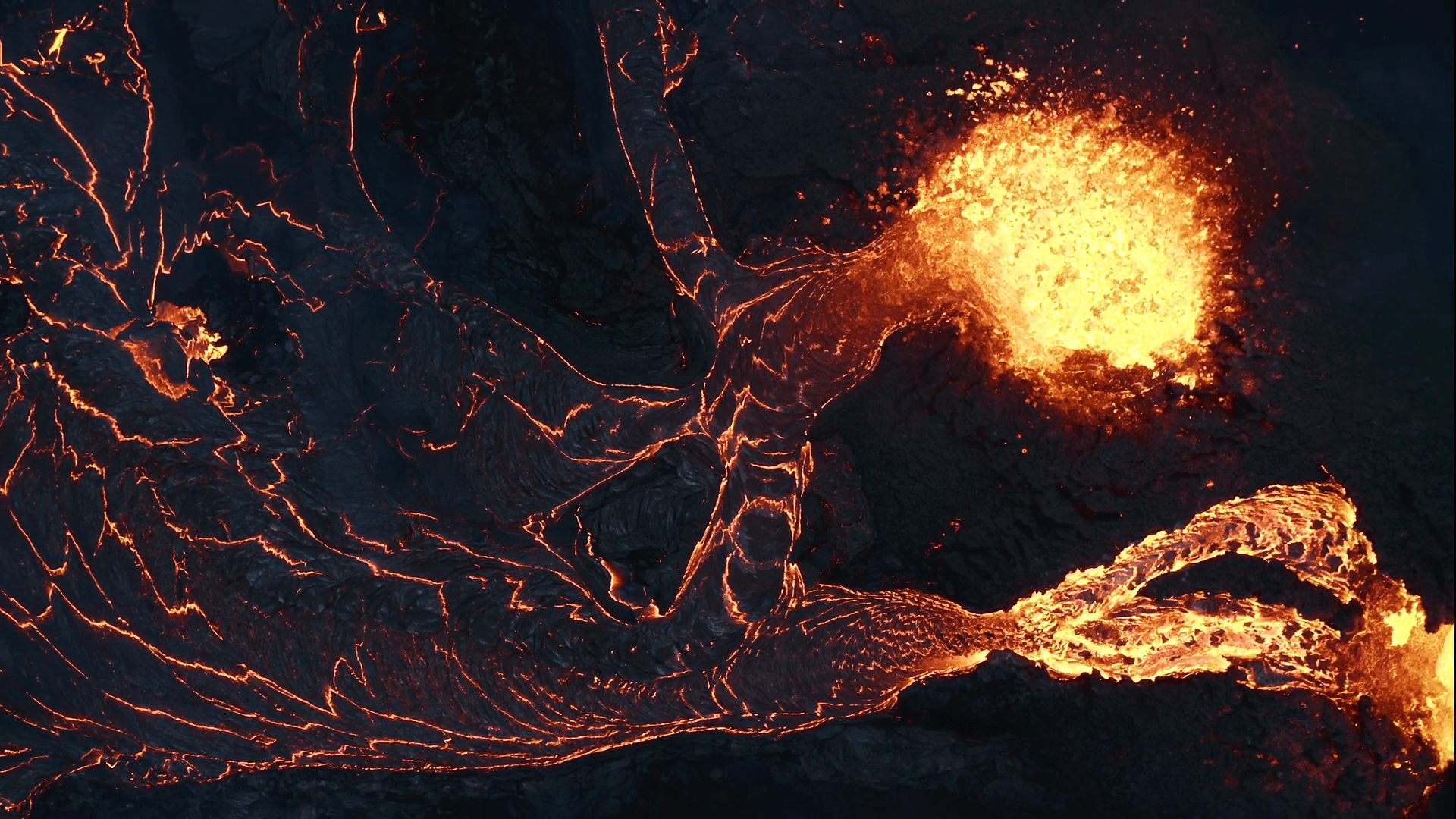
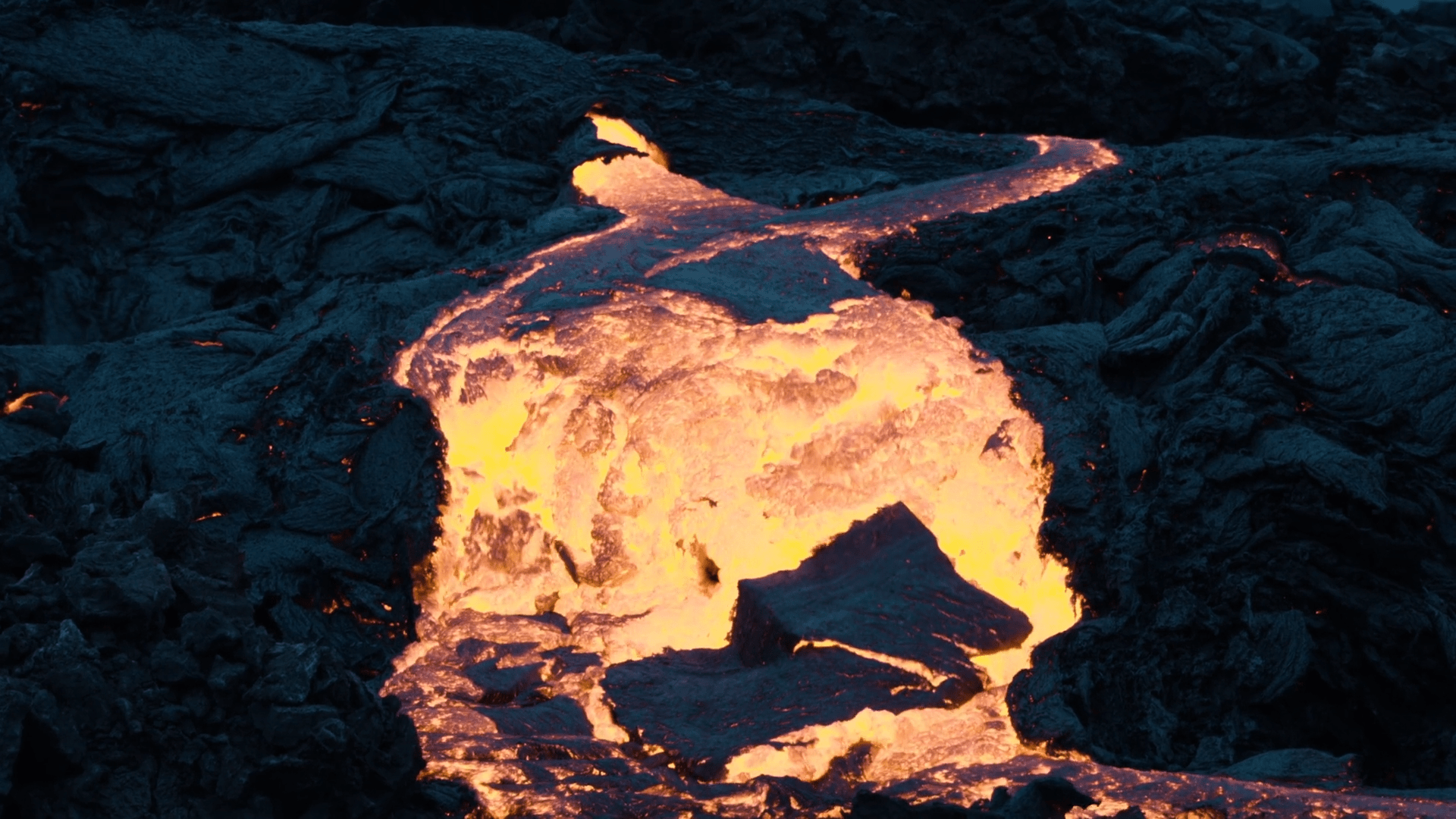
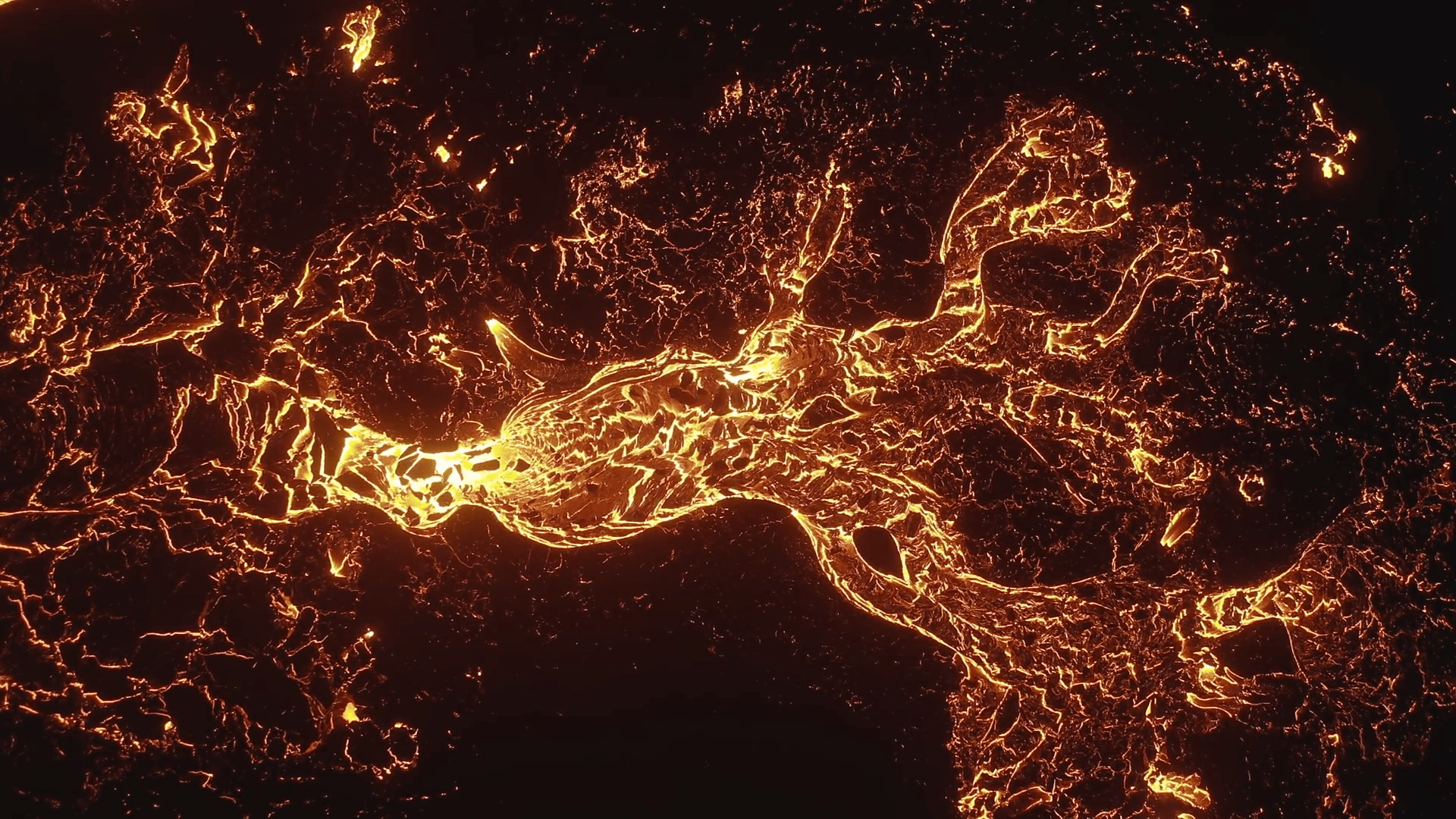
    Today’s cameras and drones capture volcanic eruptions in ways that were unthinkable in years past. This incredible footage shows the recent eruption in Iceland as it glows in the night. I love the crisp details of the flow. You can clearly see how the hotter, molten lava moves compared to the cooling crust. There’s some great footage of spurting fountains and blocks of lava getting swept along by the river. Enjoy! (Image and video credit: B. Steinbekk; submitted by jpshoer)

  • Bright Volcanic Clouds

    Bright Volcanic Clouds

    Every day human activity pumps aerosol particles into the atmosphere, potentially altering our weather patterns. But tracking the effects of those emissions is difficult with so many variables changing at once. It’s easier to see how such particles affect weather patterns somewhere like the Sandwich Islands, where we can observe the effects of a single, known source like a volcano.

    That’s what we see in this false-color satellite image. Mount Michael has a permanent lava lake in its central crater, and so often releases sulfur dioxide and other gases. As those gases rise and mix with the passing atmosphere, they can create bright, persistent cloud trails like the one seen here. The brightening comes from the additional small cloud droplets that form around the extra particles emitted from the volcano.

    As a bonus, this image includes some extra fluid dynamical goodness. Check out the wave clouds and von Karman vortices in the wake of the neighboring islands! (Image credit: J. Stevens; via NASA Earth Observatory)

  • Recreating Volcanic Lightning

    Recreating Volcanic Lightning

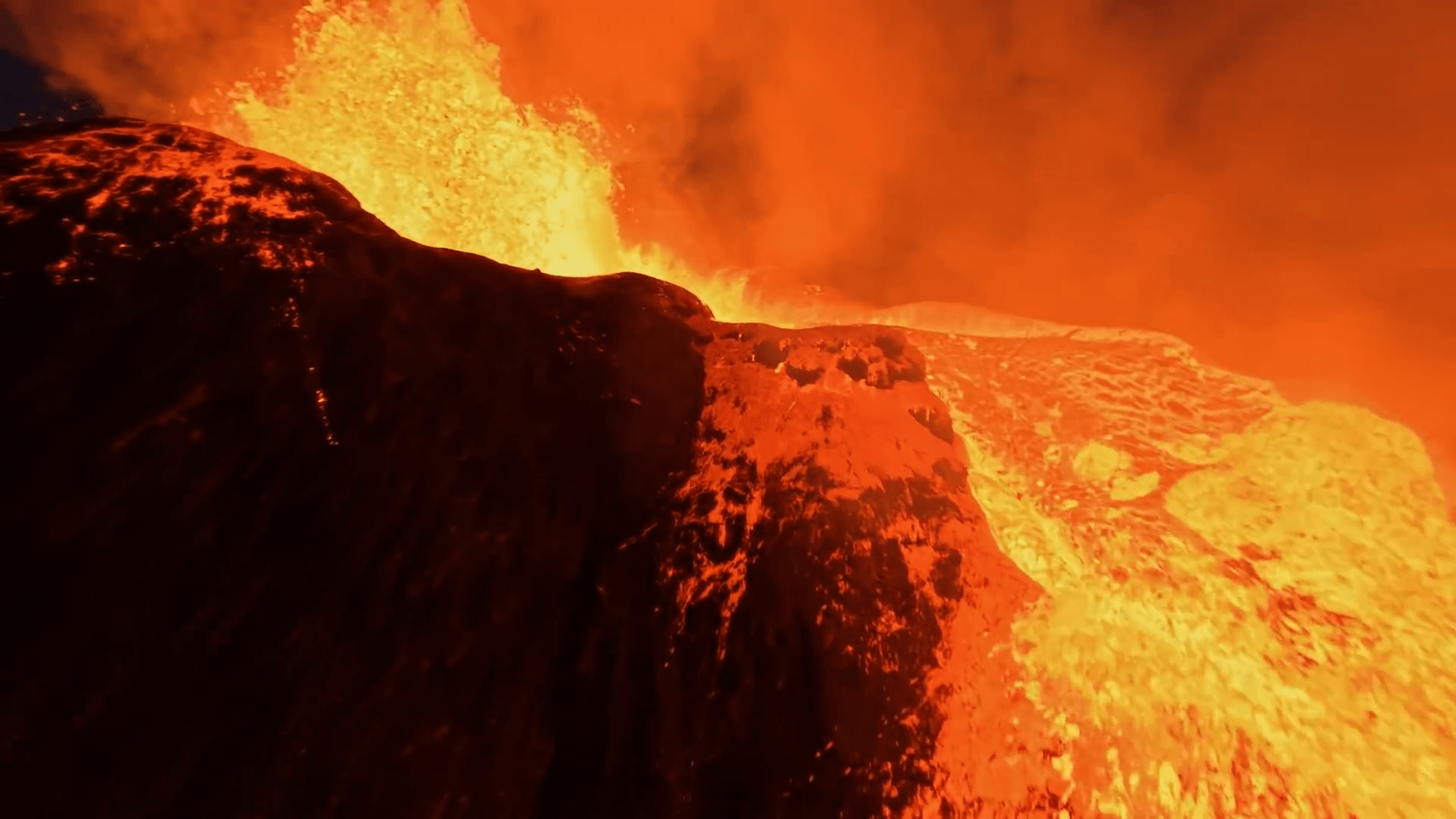
    Some natural phenomena, like volcanic eruptions or tornado formation, don’t lend themselves to fieldwork — at least not at the height of the action. The danger, unpredictability, and destructiveness of these environments is more than our equipment can survive. And so researchers find clever ways to recreate these phenomena in controllable ways. The latest example comes from a lab in Germany, where researchers are recreating volcanic lightning.

    To do so, they heat and pressurize actual volcanic ash in an argon environment and let the mixture decompress into a jet, like a miniature eruption. The lightning that accompanies the jet is thought to depend on friction between ash particles, which build up electric charges when rubbed, just like a balloon rubbed against one’s hair. When the charges get large enough, lightning discharges the build-up.

    Small-scale experiments like this one allow researchers to vary the temperature and water content of the ash and observe how this changes the lightning. Drier ash generates more lightning, but it’s hard to distinguish whether this is inherent to the ash or the result of the denser jets that form without the added eruptive force of steam. (Image credit: eruption – M. Szeglat, lab lightning – Sönke Stern/Ludwig-Maximilians-Universität München/Gizmodo; research credit: S. Stern et al.; via Gizmodo)
  • Anak Krakatoa Landslide

    Anak Krakatoa Landslide

    Last December, the collapsing flank of the Anak Krakatoa volcano caused a deadly tsunami in Indonesia. Using satellite imagery, scientists have now constructed a timeline of the island’s dramatic restructuring. In the process, they found that the landslide that triggered the tsunami was likely much smaller than originally estimated.

    Their evidence shows that the landslide and tsunami (Image B) occurred before the eruption that destroyed the volcano’s cone. In fact, the landslide seems to have created a vent that opened directly underwater, which explains the increased violence of the eruption in late December and the eventual destruction of the volcano’s cone (Image C). After that, the underwater vent closed off and the eruption returned to its quieter state as the volcano began rebuilding its cone (Image D).

    The key finding here is that the initial landslide contained roughly a third of the material originally estimated. That means our tsunami models have been seriously underestimating the catastrophic potential of smaller volcanic landslides. Hopefully the lessons we learn from Anak Krakatoa will help us avoid future tragedies. (Image and research credit: R. Williams et al.; via BBC; submitted by Kam-Yung Soh)