Tag: jets

  • Paris 2024: Diving

    Paris 2024: Diving

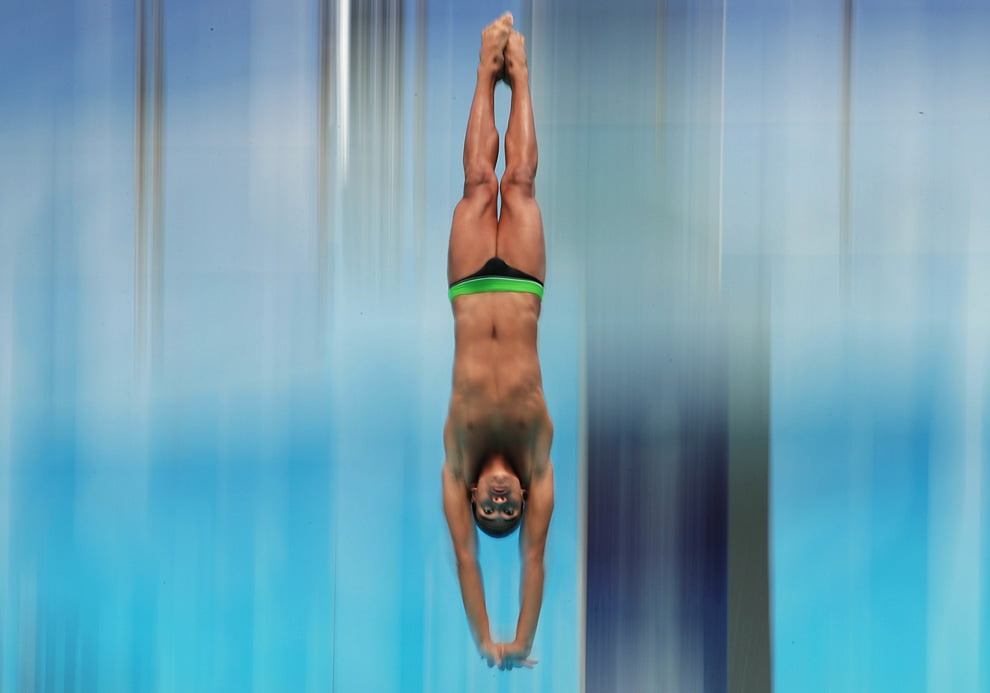
    In competition diving, athletes chase a rip entry, the nearly splash-less dive that sounds like paper tearing. Part of a successful rip dive comes in the impact, where divers try to open a small air cavity with their hands that their entire body then enters. But the other key component happens below the surface, where divers bend at the hips once underwater. This maneuver enlarges the air cavity underwater and disrupts the formation of a jet that would typically shoot back upwards. Done properly, the result is an entry with little to no splash at the surface and a panel full of pleased judges. (Image credits: top – A. Pretty/Getty Images, other – E. Gregorio; research credit: E. Gregorio et al.; via Science News; submitted by Kam-Yung Soh)

    Sequence of images showing a synthetic diver bending underwater to disrupt splash formation.
    Sequence of images showing a synthetic diver bending underwater to disrupt splash formation.

    Related topics: Rip entry physics, how pelicans dive safely, and how boobies plunge dive

    This post marks the end of our Olympic coverage for this year’s Games, but if you missed any previous entries, you can find them all here.
  • “Spitting Out Water Babies”

    “Spitting Out Water Babies”

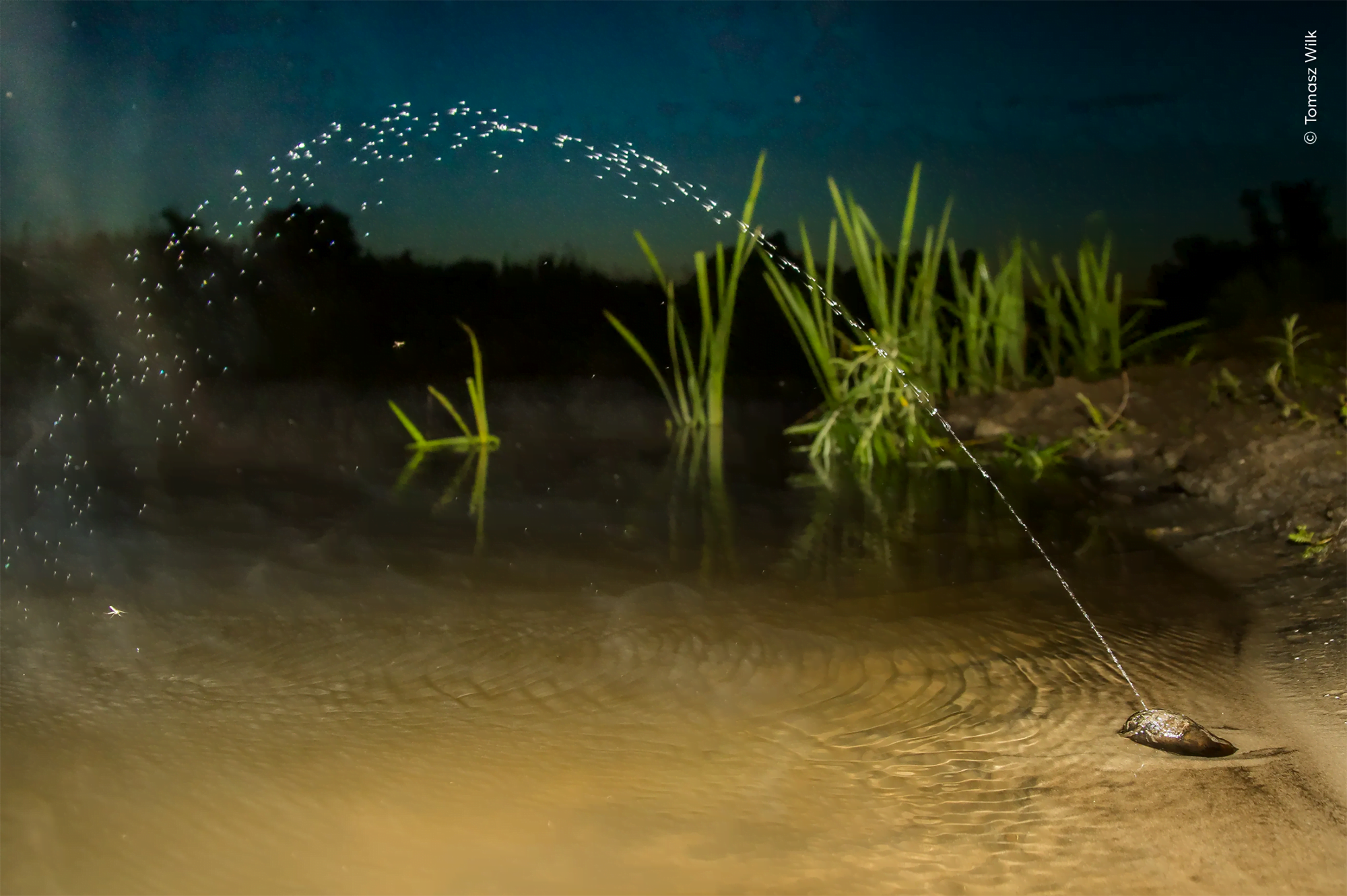
    When Tomasz Wilk settled to camp one evening on the banks of a Polish river, he didn’t expect to find fountains in the shallows. Though reminiscent of an archer fish’s shot, this stream comes from a freshwater mussel. In spring, the mature female thick-shelled river mussels head to the shallows, where they edge a bit of their shell out of the water and release this fountain of water and larvae. Once dispersed, the larvae will attach (harmlessly) to the gills of fish until they grow into a juvenile mussel. (Image credit: T Wilk; via Wildlife POTY)

  • Featured Video Play Icon

    Shredding Gold

    While vacuums can do pretty wild things to liquids, the title of this Slow Mo Guys video is a bit misleading. They’re not so much exploding gold in a vacuum as they are shredding it during repressurization. Regardless, the visuals are pretty awesome. They place thin foils in a vacuum chamber, pump it down, and then film what happens when they reopen the valve and pressurize the chamber. Flow-wise, that introduces a strong air jet that flows downward in the center of the chamber and causes a recirculating flow up the sides. For the foils, this sudden flow is devastating, shredding the material so thoroughly that it looks like a splash. (Video and image credit: The Slow Mo Guys)

  • The Sound of Bubbles

    The Sound of Bubbles

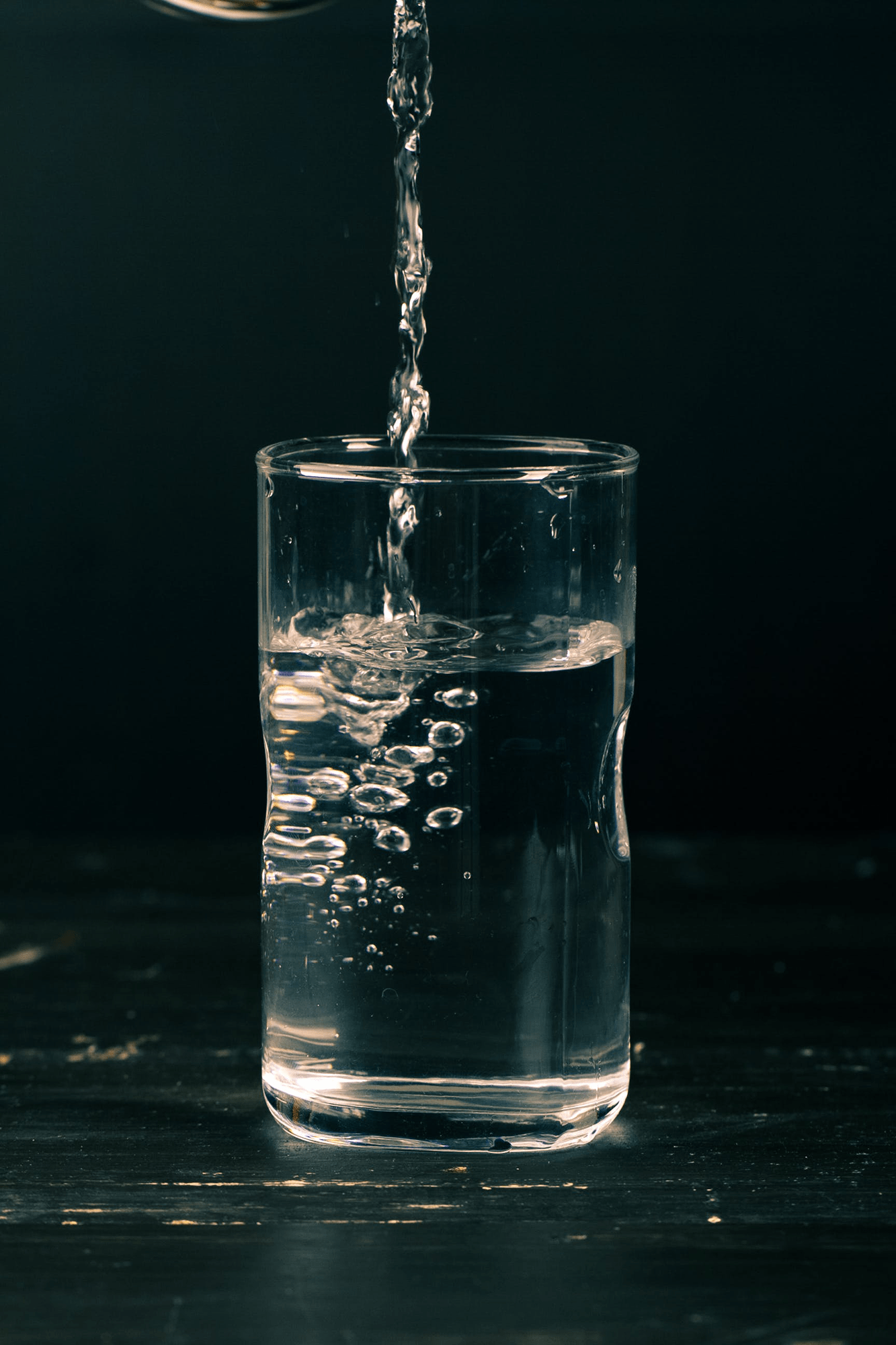
    Every day I stand in front of my refrigerator and listen to the water dispenser pouring water into my glass. The skinny, fast-moving jet of water plunges into the pool, creating a flurry of bubbles. Those bubbles come from air the water jet pulls in with it, and the sound the water makes (minus the fridge’s noises) comes from those bubbles. A short, laminar jet will make fewer bubbles and, therefore, be quieter than a a jet that falls farther before hitting the water.

    The reason? That tall jet falls for long enough that its walls start to wobble or even break up completely into separate droplets. Compared to a smooth jet, these wobbly or broken-up jets pull in more air and create more bubbles. That makes them louder. Researchers even suggest that listening to these bubbles can give a noninvasive method for finding how much fresh oxygen is in the water. (Image credit: R. Piedra; research credit: M. Boudina et al.; via APS Physics)

  • The Jumping Jump

    The Jumping Jump

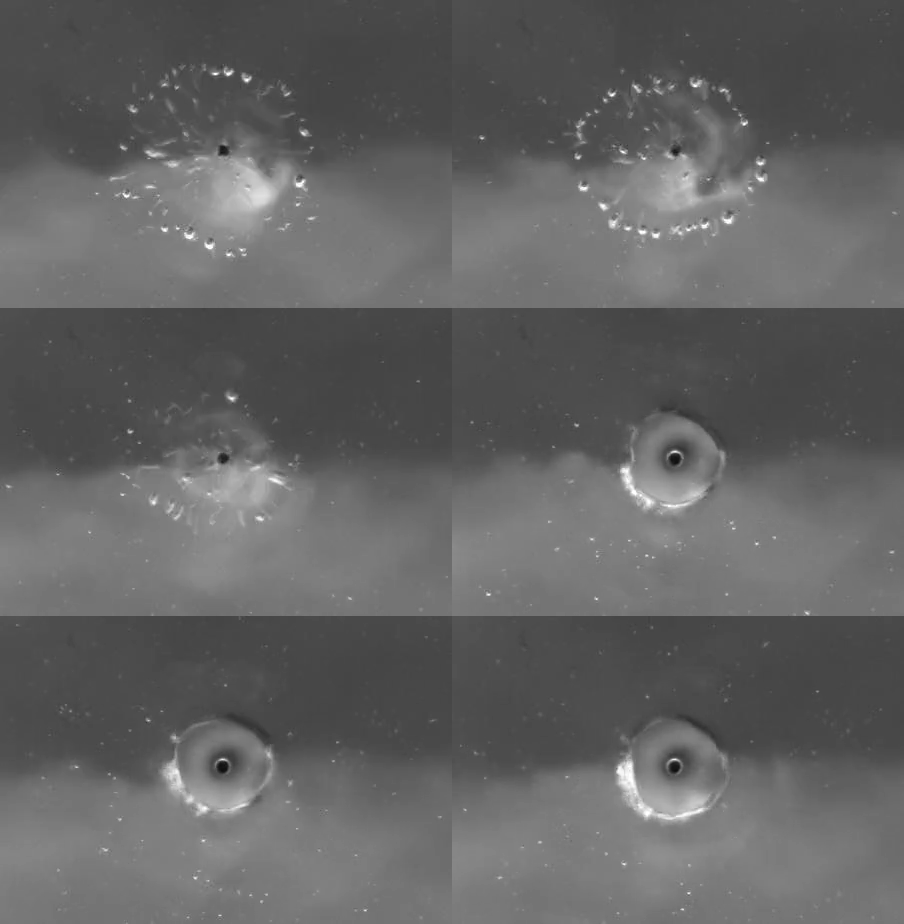
    Turn on your kitchen sink, and the falling jet may form a circle of shallow flow where it strikes the sink. This fast-moving region of flow, surrounded by a wall of water, is a hydraulic jump. A recent study delves into a previously-missed phenomenon of this flow: intermittent disruption and reappearance.

    An oscillating hydraulic jump, viewed from below.
    An oscillating hydraulic jump, viewed from below.

    The team found that, within a narrow range of jet and surface sizes, a hydraulic jump will periodically appear and disappear. The effect comes from the hydraulic jump itself; waves from the jump propagate outward, hit the edge of the circular plate, and reflect inward. When the incoming and outgoing waves interfere, it floods the jump zone, making it disappear briefly. (Image credit: sink – Nik, jump – A. Goerlinger et al.; research credit: A. Goerlinger et al.; via APS Physics)

  • Stopping a Bottle’s Bounce

    Stopping a Bottle’s Bounce

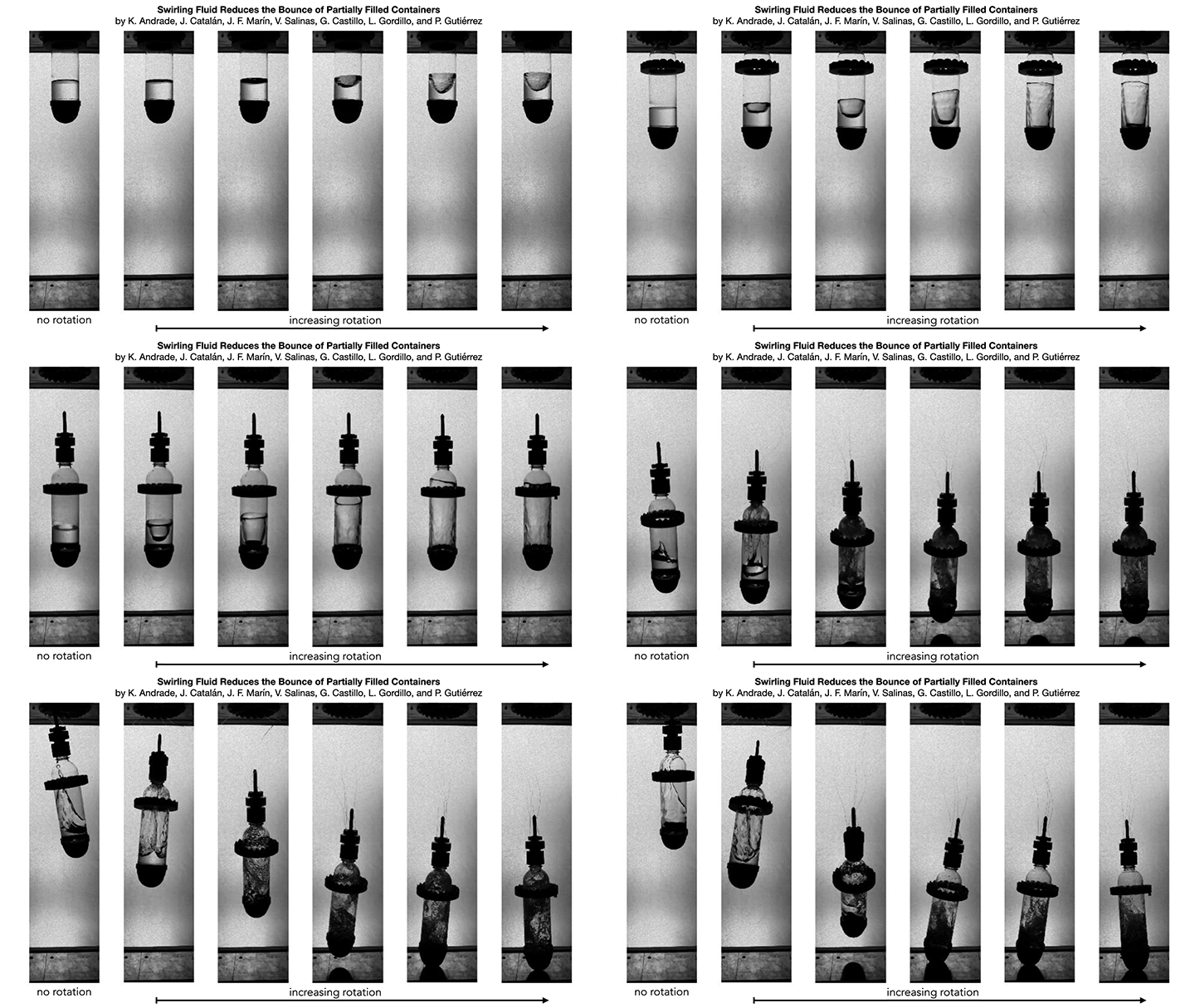
    A few years ago, the Internet was abuzz with water bottle flips. Experimentalists are still looking at how they can arrest a partially fluid-filled container’s bounce, but now they’re rotating the bottles vertically rather than flipping them end-over-end. Their work shows that faster rotating bottles have little to no bounce after impacting a surface.

    This image sequence shows how water in a rotating bottle moves during its fall (top row) and after impact (bottom row). Water climbs the walls during the fall, creating a shell of fluid that, after impact, forms a central jet that arrests the bottle's momentum.
    This image sequence shows how water in a rotating bottle moves during its fall (top row) and after impact (bottom row). Water climbs the walls during the fall, creating a shell of fluid that, after impact, forms a central jet that arrests the bottle’s momentum.

    The reason for this is visible in the image sequence above, which shows a falling bottle (top row) and the aftermath of its impact (bottom row). When the bottle rotates and falls, water climbs up the sides of the bottle, forming a shell. On impact, the water collapses, forming a central jet that shoots up the middle of the bottle, expending momentum that would otherwise go into a bounce. It’s a bit like the water is stomping the landing.

    The authors hope their observations will be useful in fluid transport, but they also note that this bit of physics is easily recreated at home with a partially-filled water bottle. (Image and research credit: K. Andrade et al.; via APS Physics)

  • Oil-Covered Bubbles Popping

    Oil-Covered Bubbles Popping

    When bubbles burst, they release smaller droplets from the jet that rebounds upward. Depending on their size, these droplets can fall back down or get lofted upward on air currents that spread them far and wide. Thus, knowing what kind of bubbles produce small, fast droplets is important for understanding air pollution, climate, and even disease transmission.

    The jet from a bubble of clean water.
    The jet from a bubble of clean water is broad and slow, releasing fewer and larger drops.

    In a recent study, researchers compared droplets made by clean, water-only bubbles, and the ones generated from water bubbles with a thin layer of oil coating them. The clean bubbles created jets that were broad and relatively slow moving; this motion produced a few large drops that quickly fell back down.

    The jet from an oil-covered bubble.
    The jet from an oil-covered bubble is skinny and fast-moving. It produces many small droplets.

    In contrast, the oil-slicked bubbles made a narrow, fast-moving jet that broke into many small droplets. These droplets could stay aloft for longer periods, indicating that contaminated water can produce more aerosols than clean. (Image credit: top – J. Graj, bursting – Z. Yang et al.; research credit: Z. Yang et al.; submitted by Jie F.)

  • A Starry Nursery

    A Starry Nursery

    This mountain of interstellar gas and dust lies in the picturesque Eagle Nebula. Though it appears solid in this near-infrared image from JWST, the density of the structure is actually quite low. Jets and solar winds from the glowing, young stars inside the region sculpt the pillar’s shape. Over the next 100,000 years, the stars’ energetic jets, solar winds, and destructive supernovas will destroy the dusty nursery. (Image credit: NASA/ESA/CSA/STScI/M. Özsaraç)

  • Toilet Plumes

    Toilet Plumes

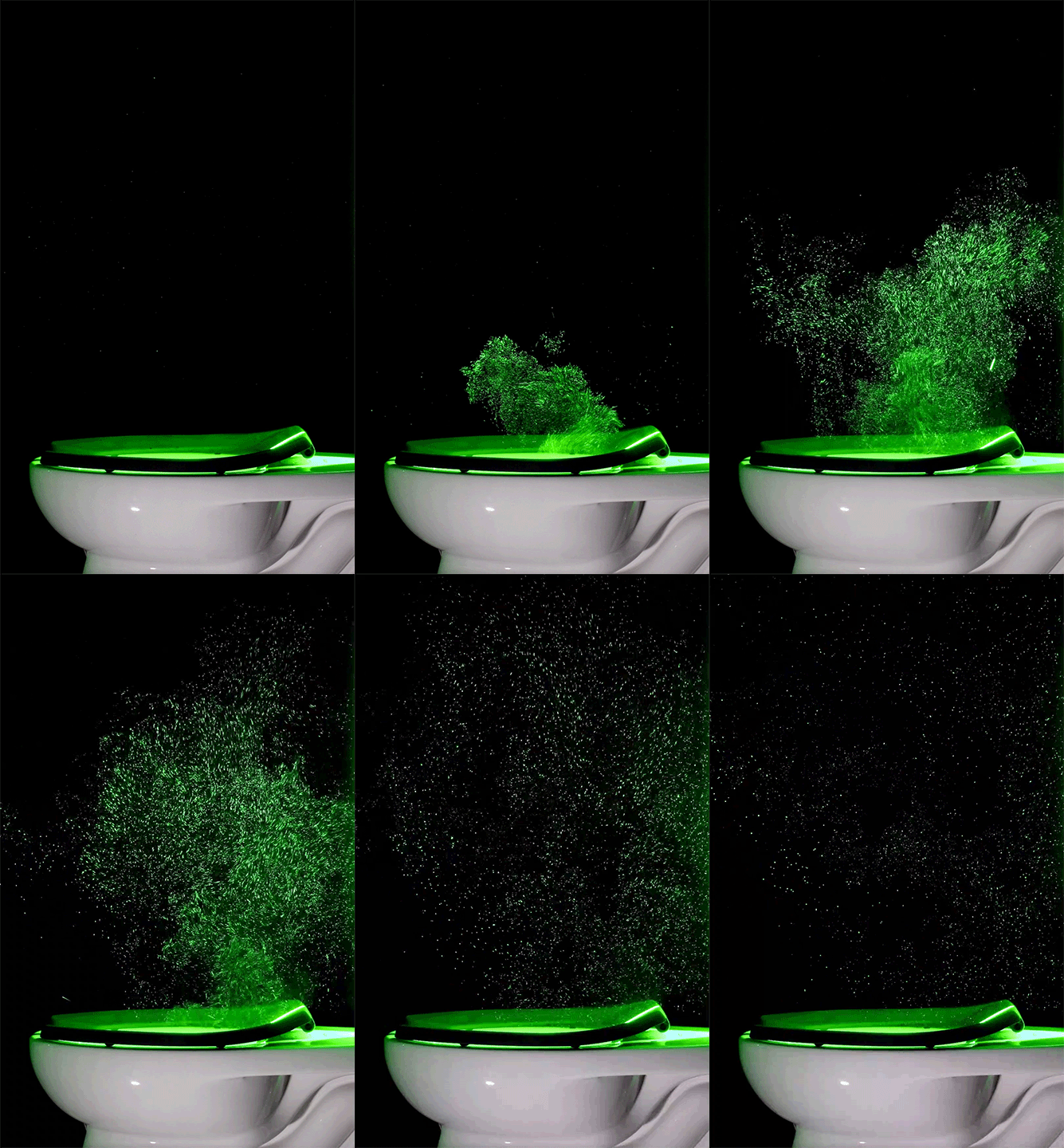
    Toilet flushes are gross. We’ve seen it before, though not in the same detail as this study. Here, researchers illuminate the spray from the flush of a typical commercial toilet, like those found in many public restrooms. They found that flushing generates a plume of droplets that reaches 1.5 meters in under 8 seconds, producing many thousands of droplets across a range of sizes.

    The experiments were conducted in a ventilated lab space, and the flushes involved only clean water — no fecal matter or toilet paper — so they don’t perfectly mimic the confines of a public toilet stall. But the implications are still pretty gross. Without a lid to contain the flush’s spray, these energetic toilets are spraying droplets capable of carrying COVID, influenza, and other nastiness all over our bathrooms. (Image and research credit: J. Crimaldi et al.; via Gizmodo)

  • Featured Video Play Icon

    Draining a Bottle

    Turn a bottle upside-down to empty it, and you’ll hear a loud glug-glug-glug as the liquid in the bottle empties and air rushes in. In this video, researchers aim a high-speed camera at the very first bubble that forms during the process. Once the bubble reaches the wider area of the bottle, it tends to pinch off in the bottle’s neck. That creates a narrow jet that pierces the bubble and flies all the way to the other side, leaving a column of liquid inside the rising bubble. Increasing the fluid’s viscosity has remarkably little effect, at least until the liquid is extremely viscous. (Image and video credit: H. Mayer et al.)