Tag: entrainment

  • Hot Droplets Bounce

    Hot Droplets Bounce

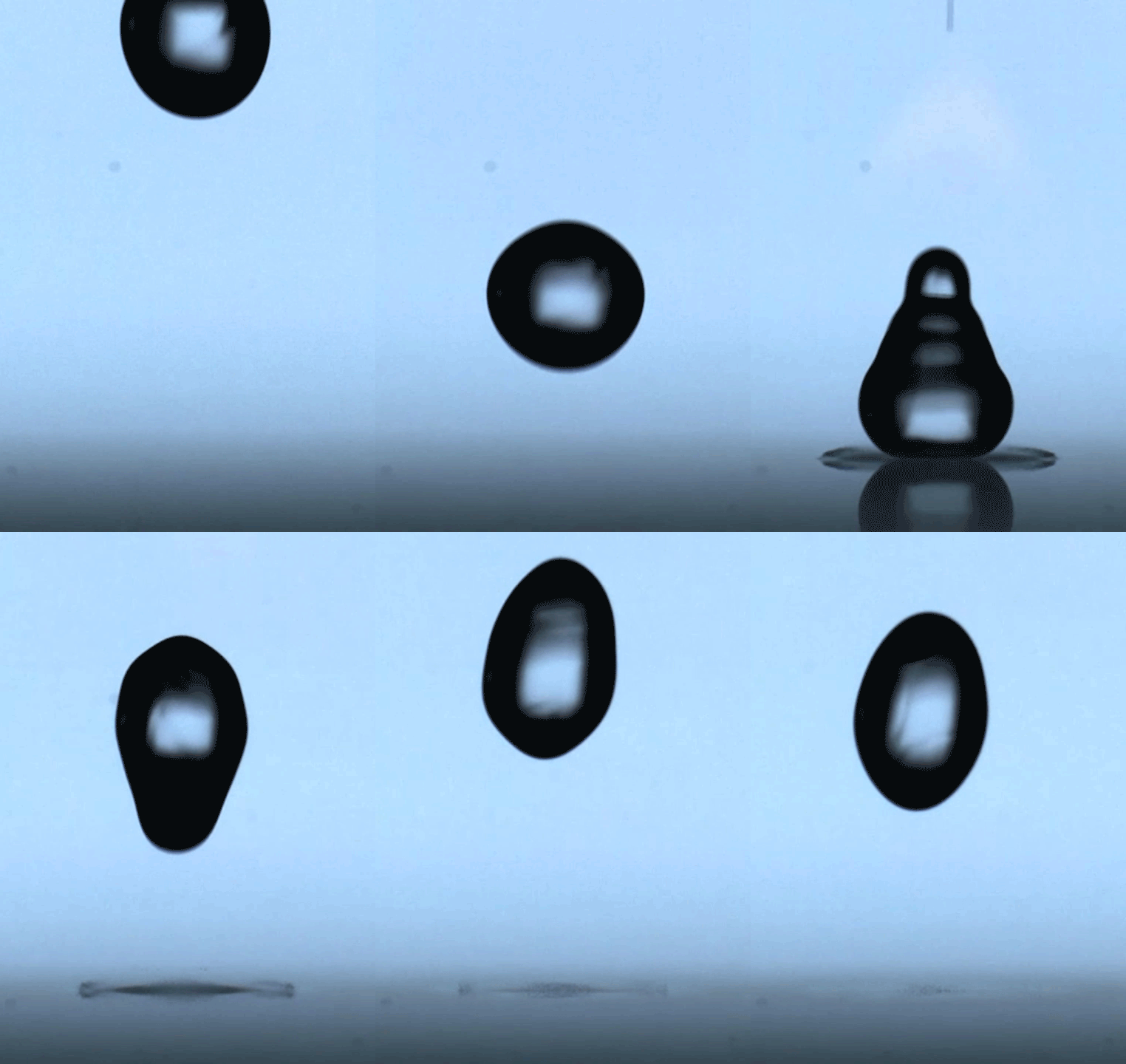
    In the Leidenfrost effect, room-temperature droplets bounce and skitter off a surface much hotter than the drop’s boiling point. With those droplets, a layer of vapor cushions them and insulates them from the hot surface. In today’s study, researchers instead used hot or burning drops (above) and observed how they impact a room-temperature surface. While room-temperature droplets hit and stuck (below), hot and burning droplets bounced (above).

    In this case, the cushioning air layer doesn’t come from vaporization. Instead, the bottom of the falling drop cools faster than the rest of it, increasing the local surface tension. That increase in surface tension creates a Marangoni flow that pulls fluid down along the edges of the drop. That flow drags nearby air with it, creating the cushioning layer that lets the drop bounce. In this case, the authors called the phenomenon “self-lubricating bouncing.” (Image and research credit: Y. Liu et al.; via Ars Technica)

    A room temperature droplet strikes and sticks to a scratched glass surface.
  • The Sound of Bubbles

    The Sound of Bubbles

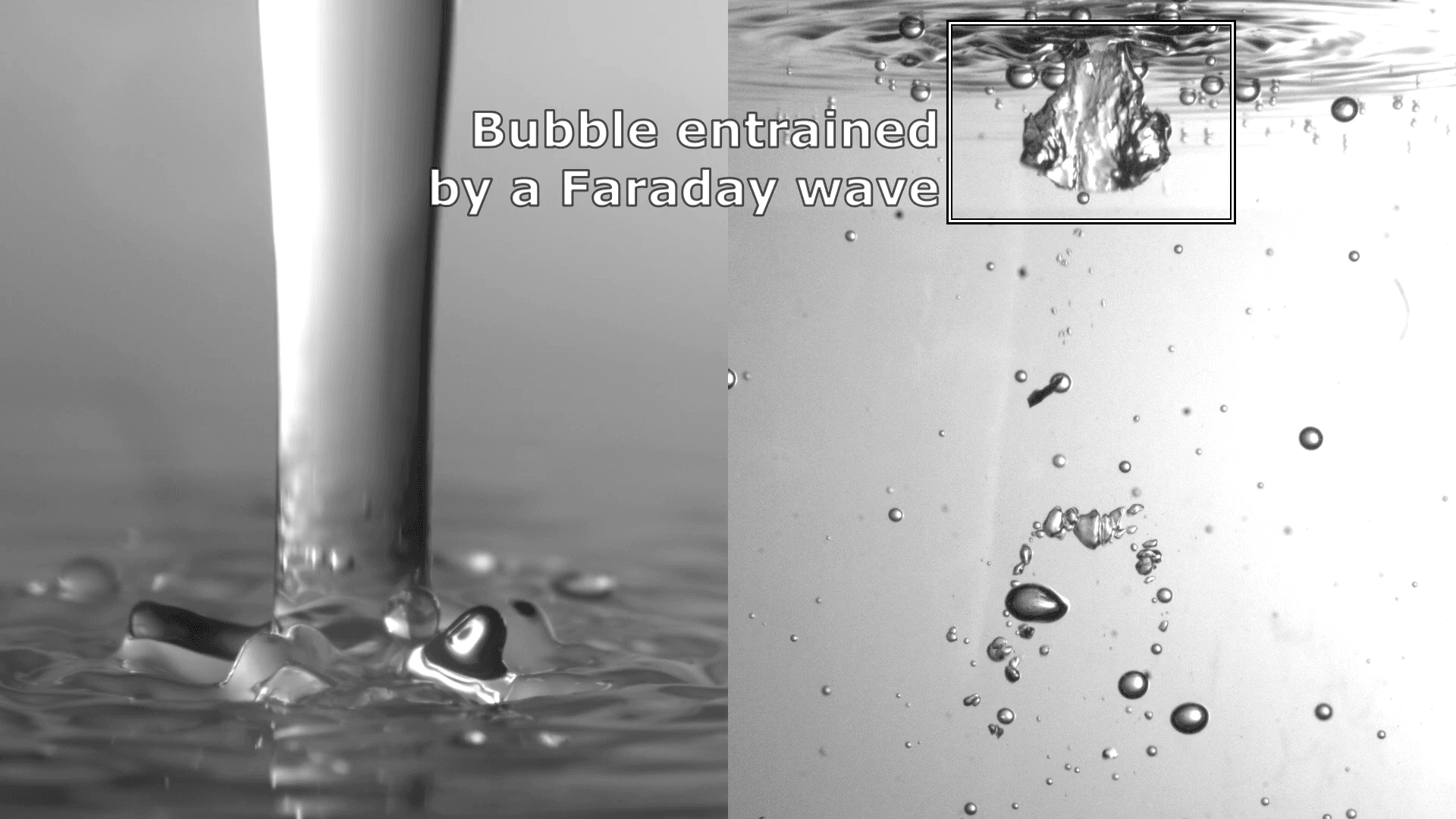
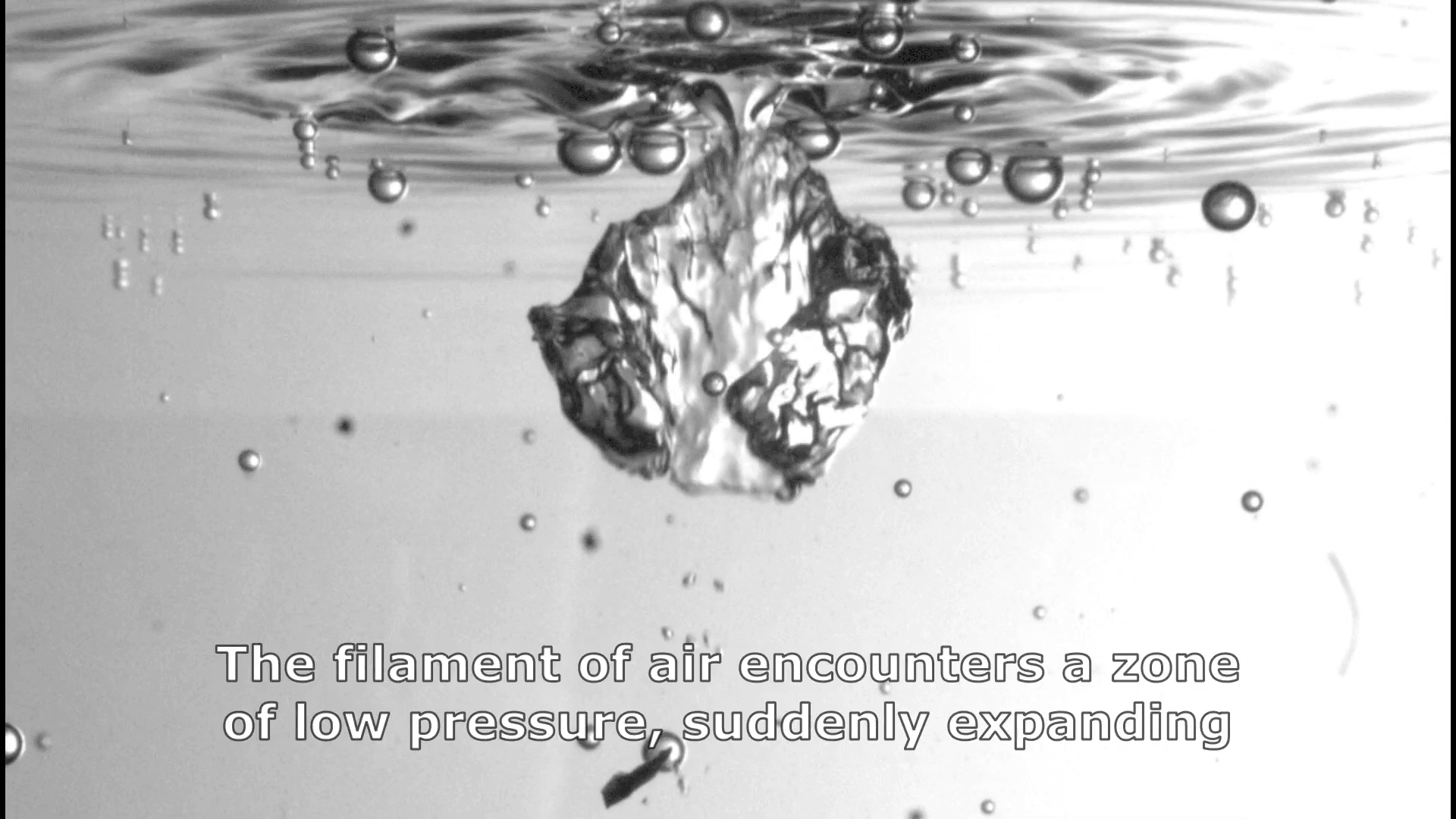
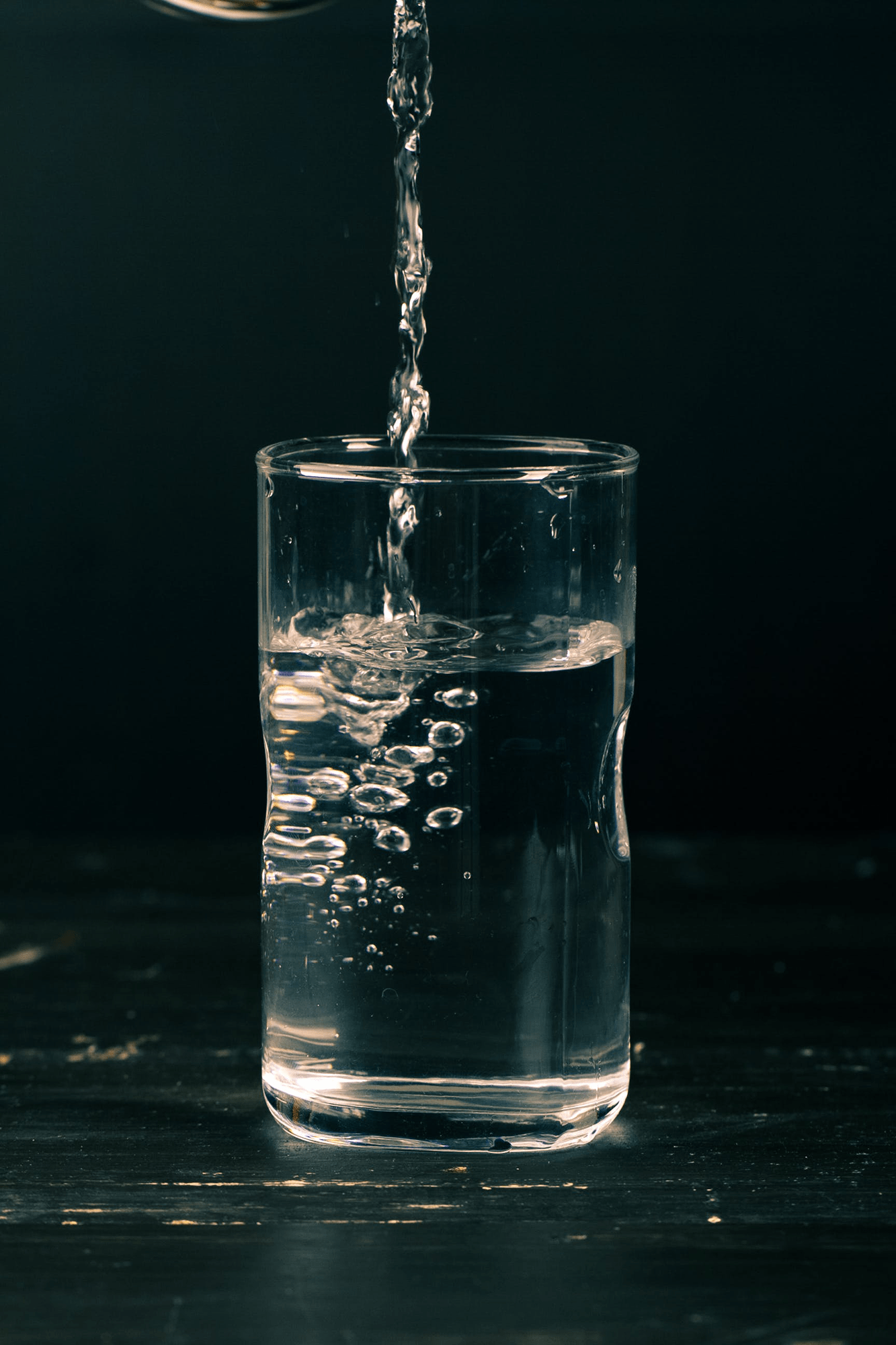
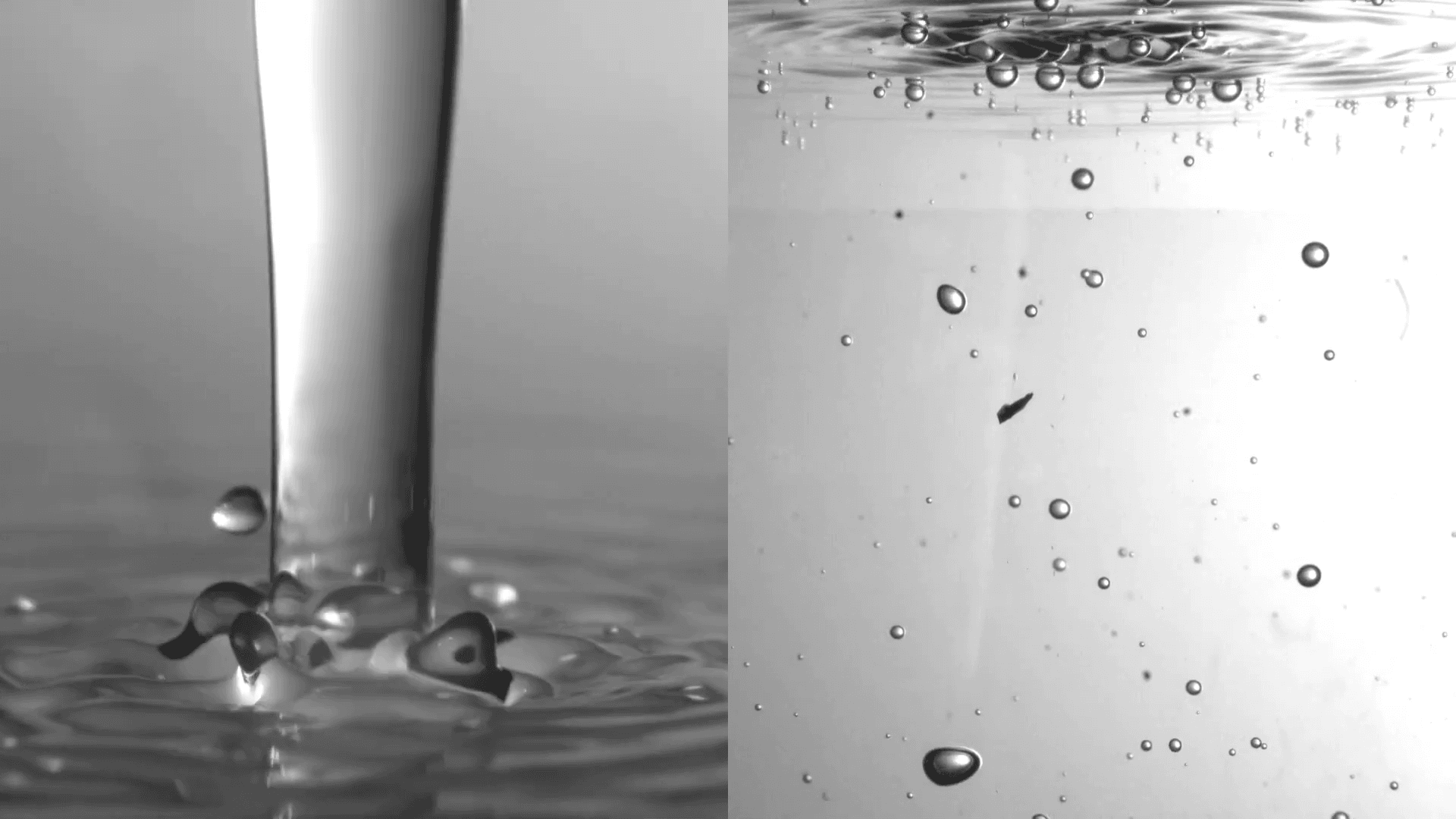
    Every day I stand in front of my refrigerator and listen to the water dispenser pouring water into my glass. The skinny, fast-moving jet of water plunges into the pool, creating a flurry of bubbles. Those bubbles come from air the water jet pulls in with it, and the sound the water makes (minus the fridge’s noises) comes from those bubbles. A short, laminar jet will make fewer bubbles and, therefore, be quieter than a a jet that falls farther before hitting the water.

    The reason? That tall jet falls for long enough that its walls start to wobble or even break up completely into separate droplets. Compared to a smooth jet, these wobbly or broken-up jets pull in more air and create more bubbles. That makes them louder. Researchers even suggest that listening to these bubbles can give a noninvasive method for finding how much fresh oxygen is in the water. (Image credit: R. Piedra; research credit: M. Boudina et al.; via APS Physics)

  • Swept Along

    Swept Along

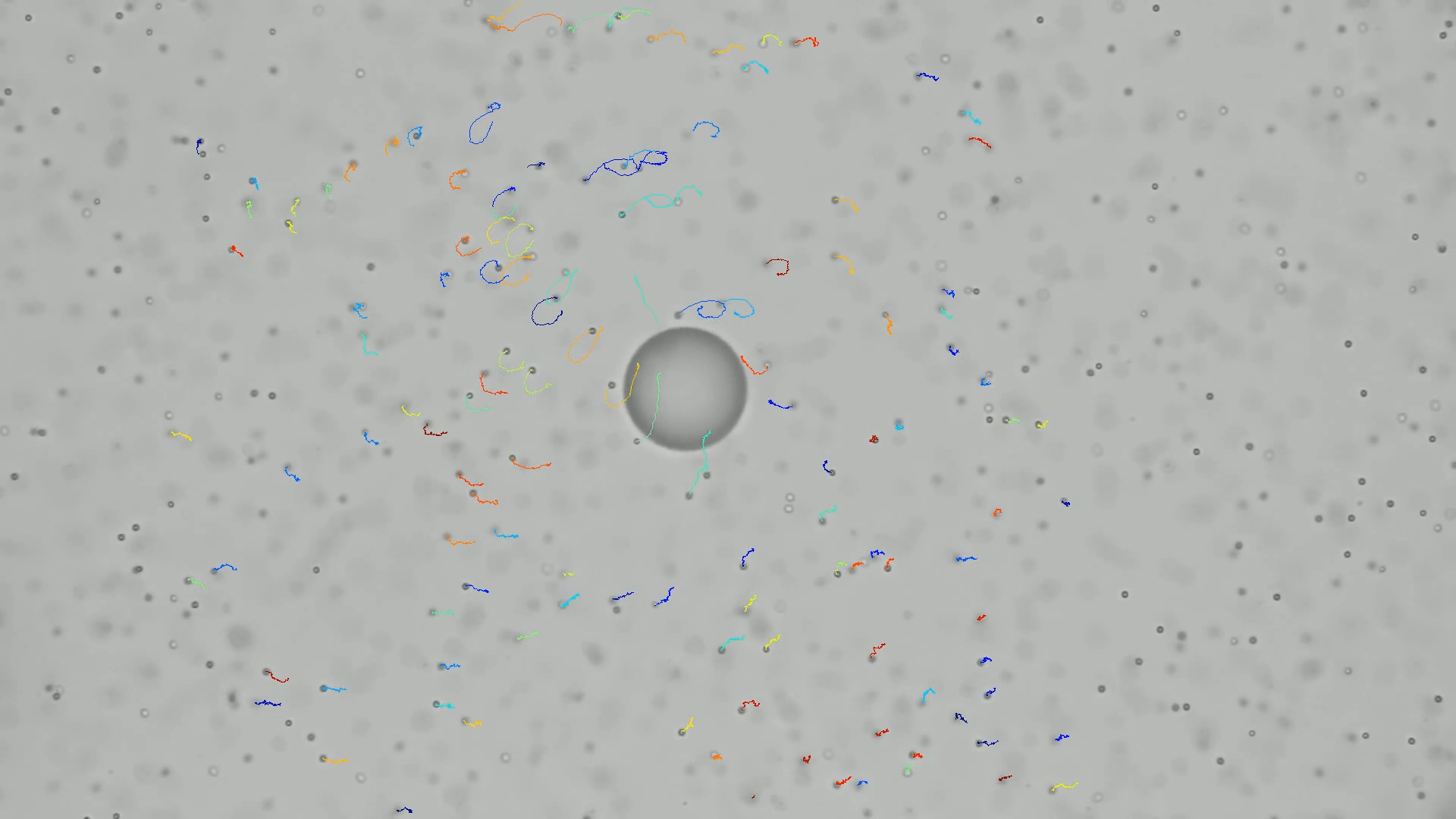
    When a car drives over a leaf-strewn autumn road, it pulls leaves up with its passage. This tendency to drag fluid along when an object passes is called entrainment, and it may be a key to transporting loads like medicine in microfluidic applications.

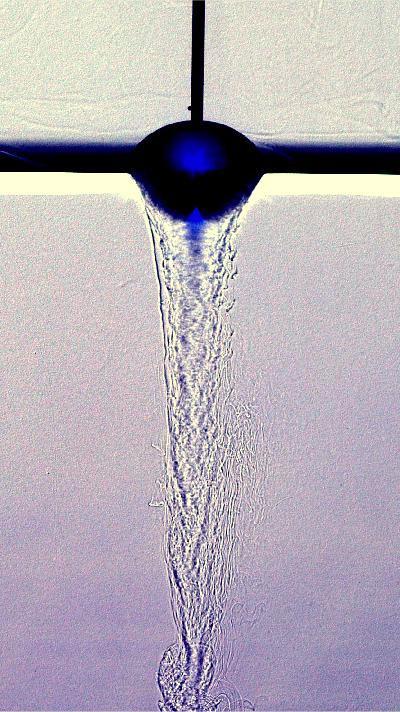
    As shown above, a self-propelled microswimmer — in this case, an oil droplet — pulls the surrounding fluid and tracer particles with it (Image 1). Researchers modeled this single-swimmer entrainment (Image 2) to quantify just how much fluid the droplet pulls with it. Then they studied what happens when many swimmers pass through an area (Image 3). They found that the droplet swarm entrained ten times the volume of fluid compared to the fluid entrained by the same number of isolated droplets. The fluid volume pulled along was also far larger than any payload the droplets themselves could carry. So future microswimmer swarms may simply sweep their cargo along in their wake. (Image and research credit: C. Jin et al.; via APS Physics)

  • Understanding Wildfire

    Understanding Wildfire

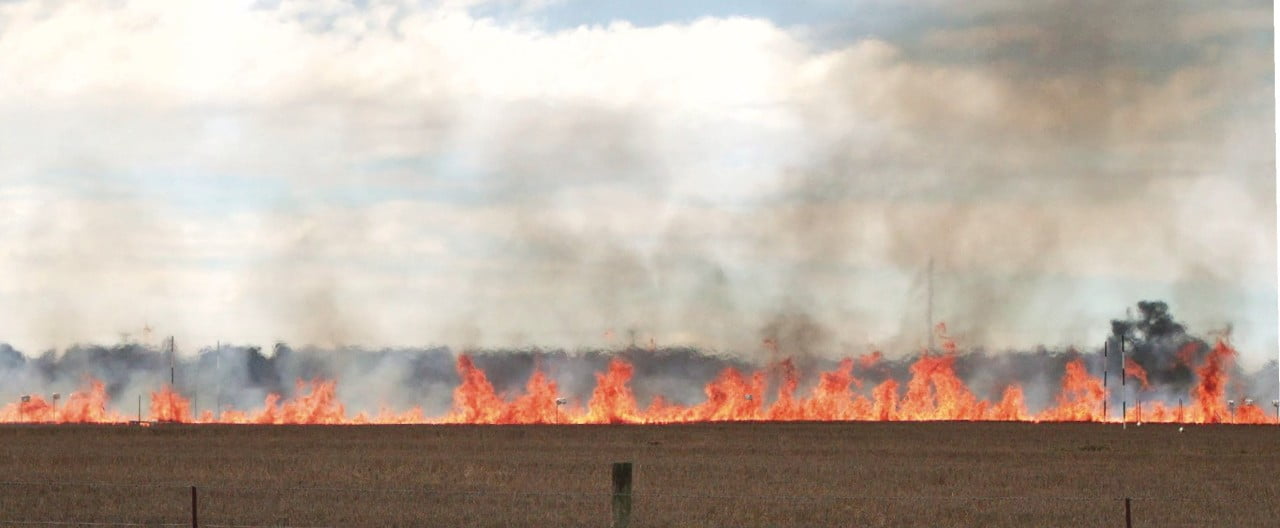
    Wildfires are an ongoing challenge in the western United States, where droughts and warmer conditions have combined with a century of fire suppression to form perfect conditions for monstrous fires. It’s long been understood that ambient winds can drive spreading fire, but the connection between wildfire and wind is more complicated than this.

    The heat of a fire drives buoyant air to rise, creating tower-like updrafts in a flame front. We see this both in the shape of the grass fire above, and in the wind vectors of a simulated grass fire in the lower image. Between those towers are troughs where cooler ambient wind is drawn in to replace the rising air. How a fire spreads will depend on the speed, direction, and temperature of these winds. A hot wind fed by the fire’s heat will raise the temperature of fuel in unburned areas, bringing it closer to ignition. In contrast, cooler ambient winds can hinder a fire by keeping nearby grass and twigs too cool to ignite. (Image credit: fire – M. Finney/US Forest Service; simulation – R. Linn; research credit: R. Linn et al.; for more, see Physics Today)

  • Entraining Bubbles

    Entraining Bubbles

    If you stand on a bridge and watch the current flow past pylons below, you’ll see disturbances marking the wakes. Dragging a rod – or an oar – at a high enough speed through the water creates something similar: a wavy cavity in the fluid surface that surfs along behind the rod. The faster you pull the rod, the harder you’ll have to work, until that wake becomes so turbulent that it begins entraining air bubbles, like the tiny ones seen above. Once entrainment starts, the drag coefficient drops somewhat, presumably due to changes in the pressure distribution around the rod. The characteristics of air entrainment change with object size as well. Larger rods can entrain air through the cavity and not just in the wake. (Image and research credit: V. Ageorges et al.)

  • The Shape of Splashes

    The Shape of Splashes

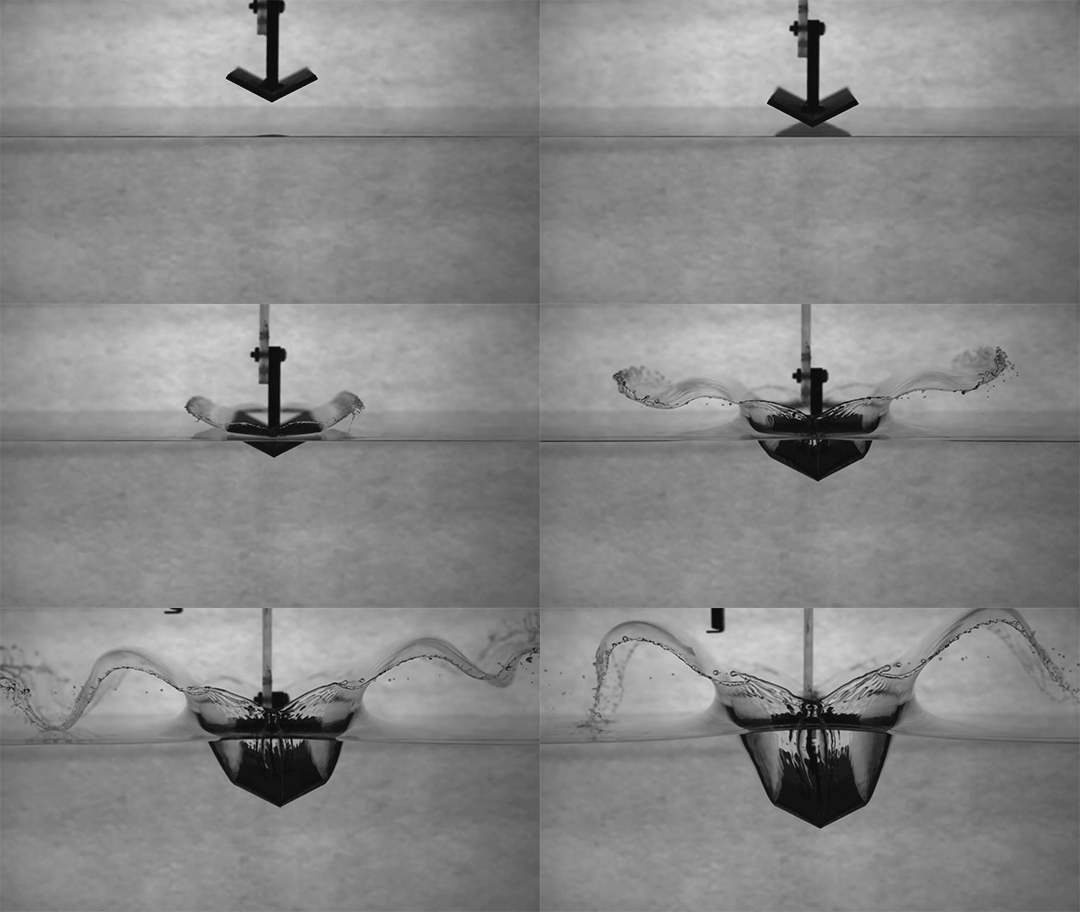
    When a wedge falls into a pool, it creates a distinctive, doubly-curved splash. Here’s how it works. When the front of the wedge first enters the water, it creates a thin sheet of fluid that gets ejected diagonally upward. As the wedge sinks further, the sheet thickens and ejects at a more vertical angle. That creates a low pressure zone in the air beside the splash, which causes outside air to flow inward, generating a sort of Venturi effect under the splash. Because the outer part of the splash sheet is thinner, it’s more strongly affected by the air flow beneath it, and it gets pulled downward, enhancing the splash’s curvature.

    This doubly-curved splash is particular to wedges of the right angle. To see what kind of splashes other shapes make, check out the video below. (Image and video credit: Z. Sakr et al.; for more, see L. Vincent et al.)

  • Entrained

    Entrained

    When an object hits water whether it draws air in with it depends on its shape, impact speed, and surface characteristics. In this experiment, though, there’s a bit of a twist. Here the sphere is passing through an interface with surfactants added. On the left, the sphere passes through smoothly without entraining air or creating a cavity. On the right, the same sphere impacts at the same speed but this time the interface is covered in a layer of bubbles. As a result, the sphere pulls a large air cavity into the water with it. Why the big difference?

    As the sphere passes through the bubbles, they burst, spraying the sphere with droplets. On impact, those droplets disrupt the layer of water traveling up the sides of the sphere, causing it to pull away from the surface and form a splash. Instead of smoothly coating the sphere in water, air can now stick to the sphere and get pulled in with it. (Image and research credit: N. Speirs et al., source)

  • Fighting a Viscous World

    Fighting a Viscous World

    Vaucheria is a genus of yellow-green algae (think pond scum), and some species within this genus reproduce asexually by releasing zoospores. Once mature, the zoospore has to squeeze out of a narrow, hollow filament in order to escape into the surrounding fluid (top). To do so, it uses tiny hair-like flagella on its surface. Despite the minuscule size of these micron-length flagella, they generate some major flows around the zoospore (middle and bottom). Even several body lengths away, the flow field shows significant vorticity. All this active entrainment of fluid from the surroundings helps the zoospore escape its confinement and swim away to start a new plant. (Image and research credit: J. Urzay et al., source)

  • Eroding Candy

    Eroding Candy

    When you pop a hard candy in your mouth, you probably don’t give much thought to the fluid dynamics involved in dissolving it. The series above shows a hard candy suspended in water being slowly eaten away. As sugars in the candy dissolve into the water, the fluid becomes denser and falls away. This creates the downward flow visible in the center of the image. As sugar-laden water sinks, fresher water is pulled in alongside the walls of the candy. That flow helps erode the candy, creating a rougher surface. Since rough surfaces have a greater surface area exposed (than a smooth surface), they prompt further and faster dissolution. That strengthens the downward flow, pulls in more ambient water, and keeps the whole process going. (Image credit: M. Wykes)

  • Hairy Surfaces Keep Skin Dry

    Hairy Surfaces Keep Skin Dry

    Big animals like whales and sea lions stay warm in cold waters by having thick layers of insulating blubber. But smaller mammals, like beavers and sea otters, have a different mechanism for staying warm – their thick fur traps air near their skin, keeping the cold water at bay. Researchers used flexible, 3D-printed “hairy” surfaces to see how hair density, diving speed, and fluid viscosity affected the amount of air trapped between hairs. This enabled them to build a mathematical model describing the physics, which can now be used to predict, for example, the characteristics needed for a hairy wetsuit that could keep surfers warm in and out of the water. For more on this research check out MIT News’ video, and for a closer look at sea otter fur – not to mention a healthy overdose of pure adorable – check out the video below.  (Photo credit: F. Frankel; video credit: Deep Look; research credit: A. Nasto et al.)