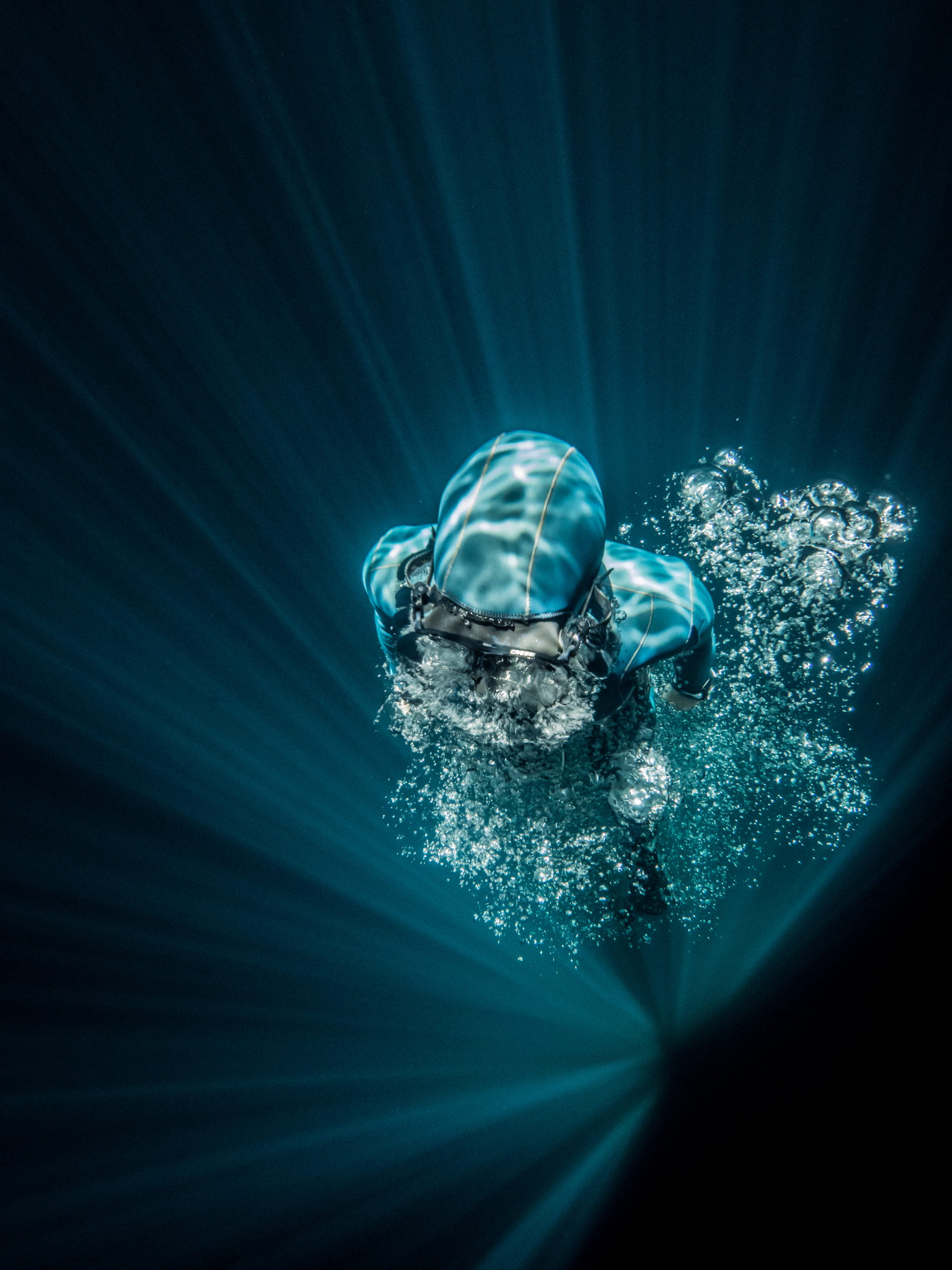
Photographer Lucie Pollet caught this image of her freediving friend ascending through a plume of bubbles and sunlight. I love the otherworldliness of the image, like the diver is an astronaut in the dark of space. The illumination of the bubbles is spectacular, too, and reminds me of the way penguins use supercavitation to help escape predators. (Image credit: L. Pollet; via Oceanographic Magazine)
Tag: fluids as art

Beautiful Waves


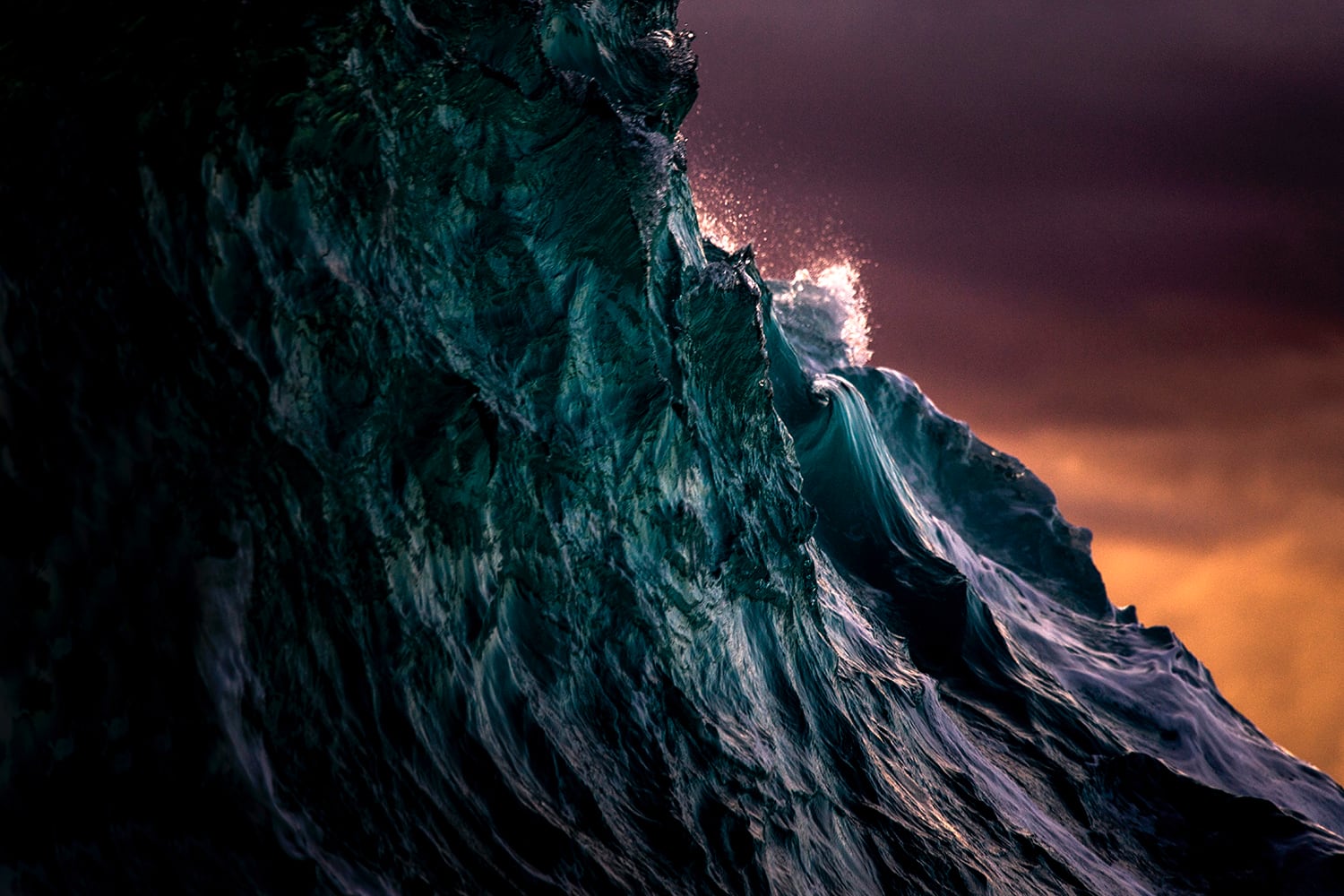


Australian photographer Ray Collins captures some of the most impressively dynamic photographs of ocean waves I’ve ever seen. The textures of the water range from glassy smooth to scaled to violent sprays of droplets. You can easily get lost in every image. For more, check out his website and Instagram. (Image credits: R. Collins; via Colossal)

Flow Between Fibers


Two vertical fibers, with a gap left between them, form a playground for flow in this Gallery of Fluid Motion video. If the fiber spacing is small enough, the flow will form a stable liquid sheet that runs the full length of the fibers. With a little more distance, though, the fluid forms intermittent bridges, whose spacing depends on flow rate. And when the fibers are not perfectly vertical, even more complex flows are possible. I love how a seemingly simple situation begets such complexity! (Image and video credit: C. Gabbard and J. Bostwick)
Recreating the Rings of Power Opening


Everyone loves a good title sequence, especially when they feature neat visuals. Many who watched “The Rings of Power” zeroed in immediately on their use of cymatics — visuals born from the vibrations of sound. In the video above, Steve Mould delves into the physics behind cymatics and recreates patterns similar to those in the show’s opening, which was a mixture of CGI and live action.
For Tolkien fans, the opening sequence holds additional layers of meaning; in Tolkien’s mythology, the universe is born from song, and many of the patterns shown in the opening — the two trees, Fëanor’s star, and the Silmarils themselves — are drawn directly from Tolkien’s myths. In a way, the opening sequence tells the story of the creation of Arda and the rise of Sauron’s predecessor, Melkor/Morgoth, and all the events that led to the show itself. It’s incredibly cool, both from a physics perspective and a literary one. (Image and video credit: S. Mould)
“Crystallizing Epsom Salts”
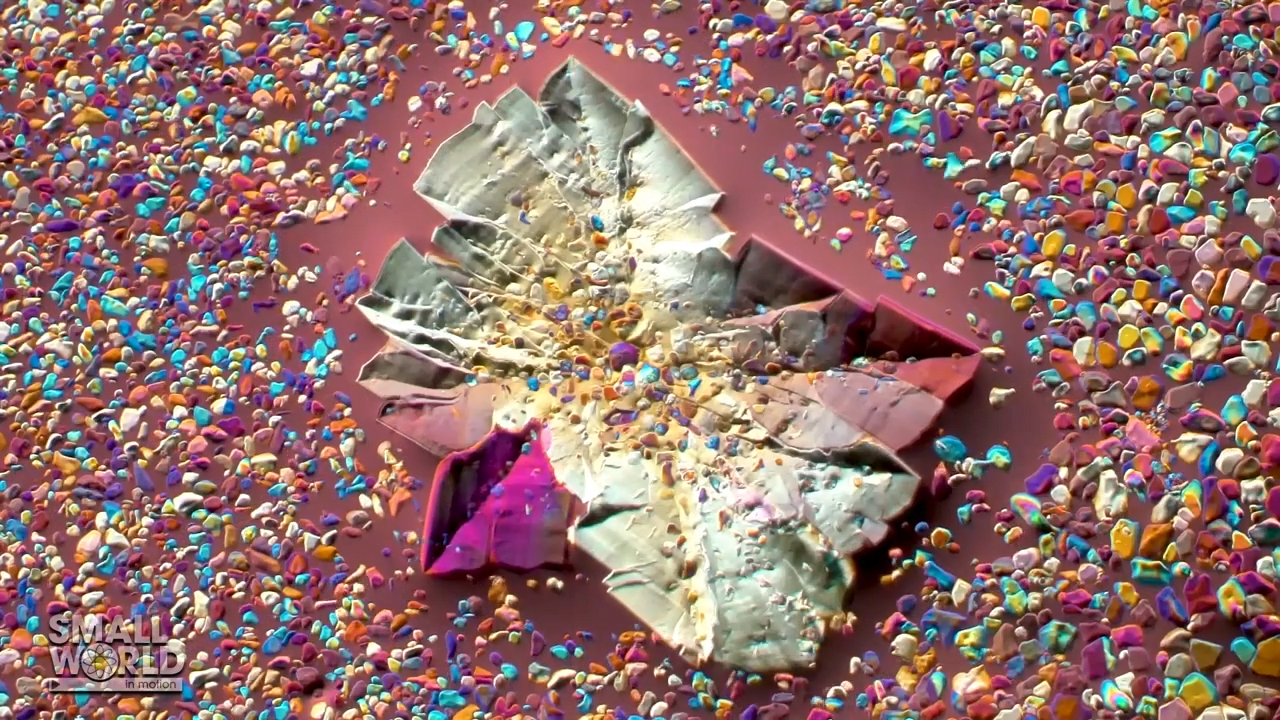
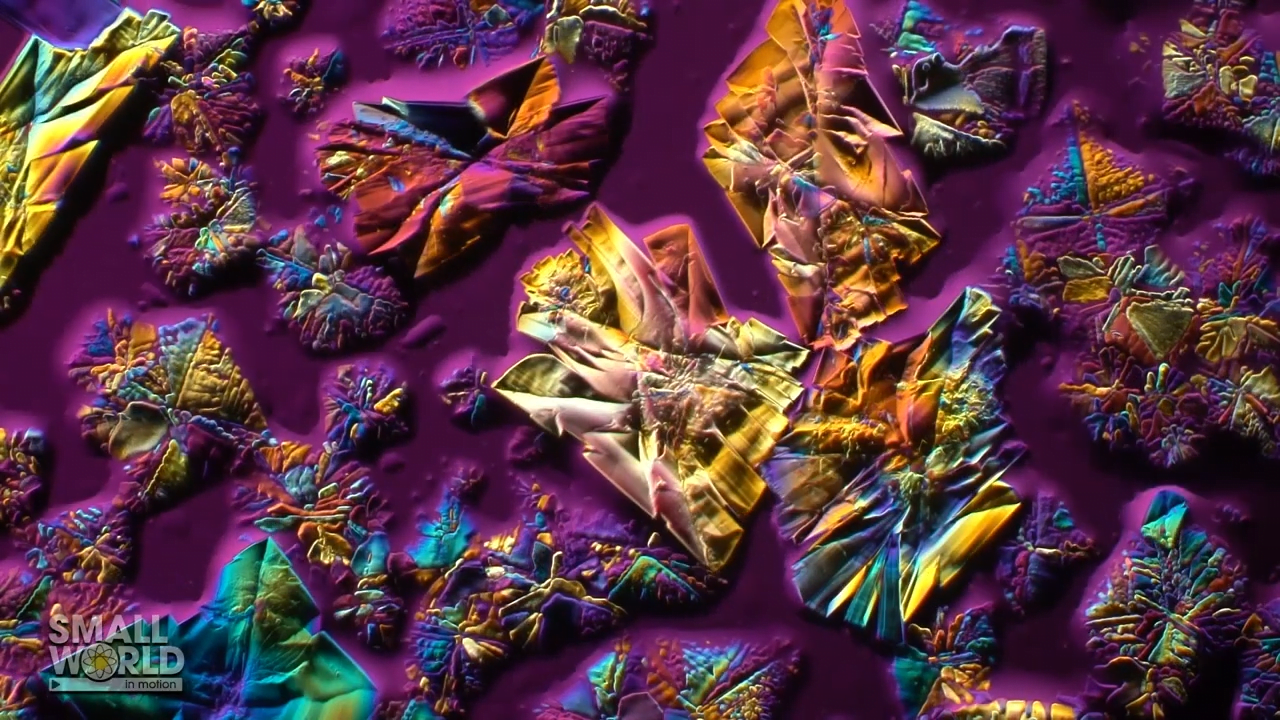
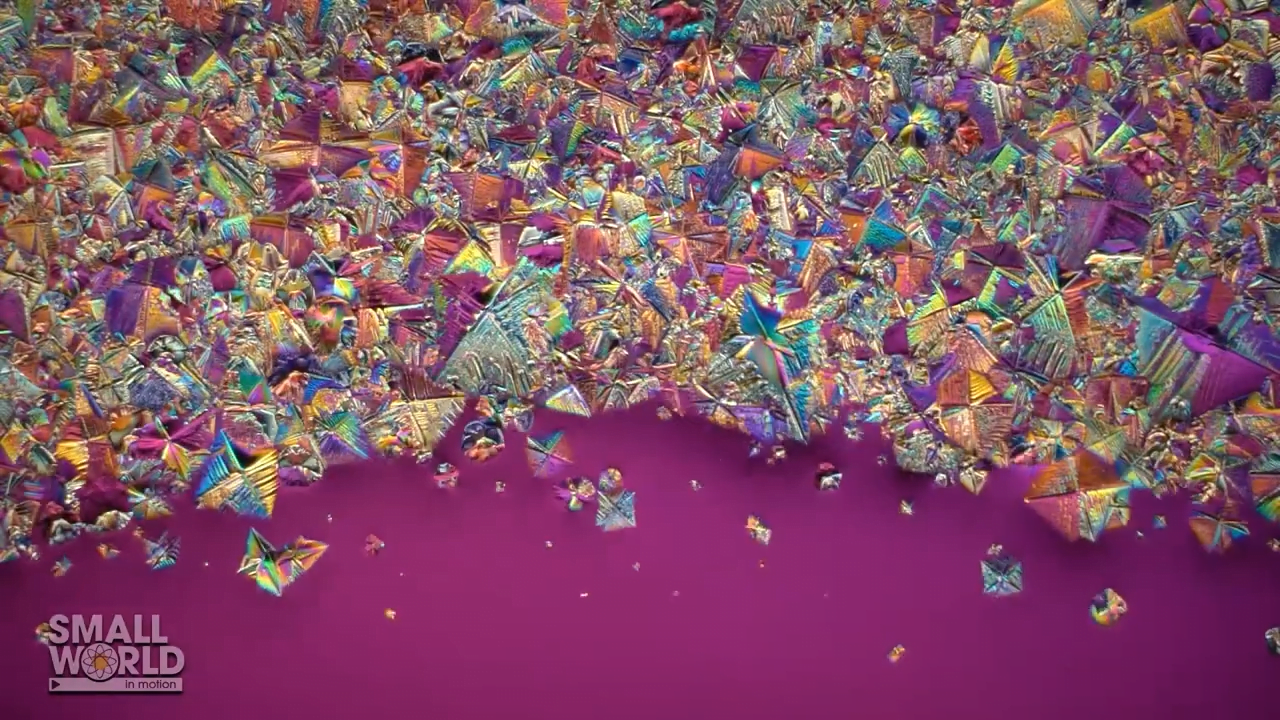
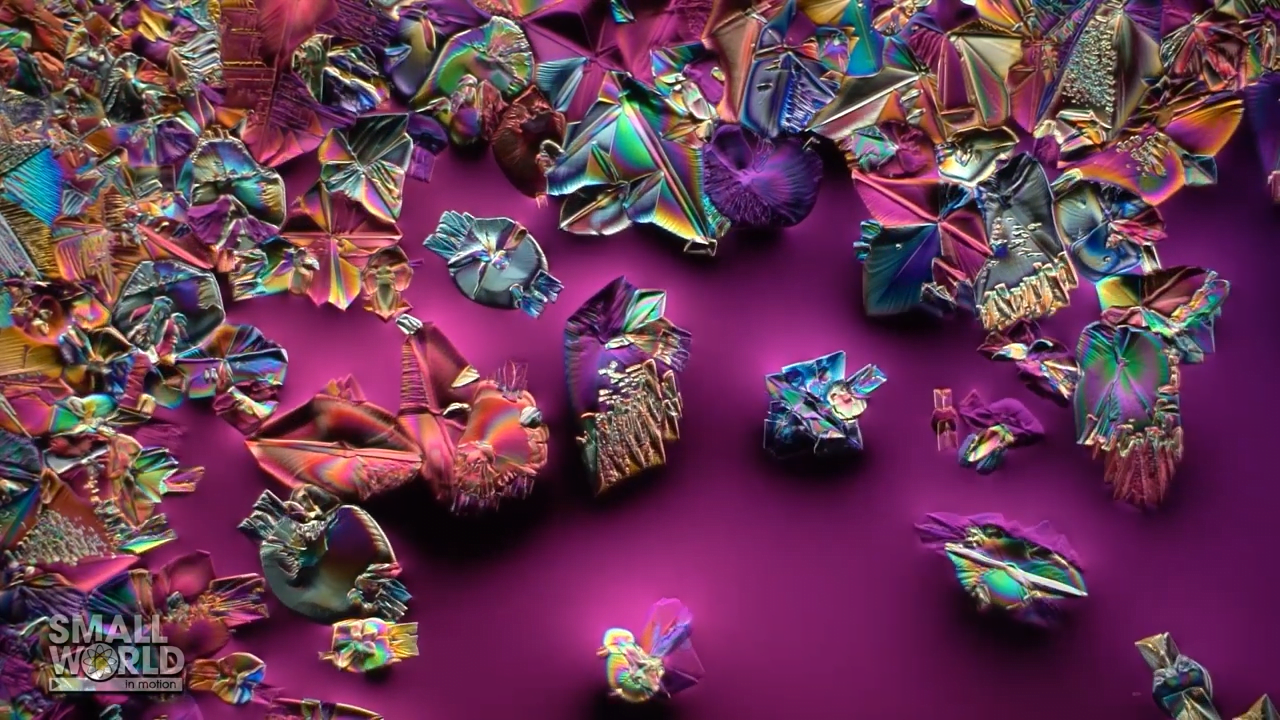

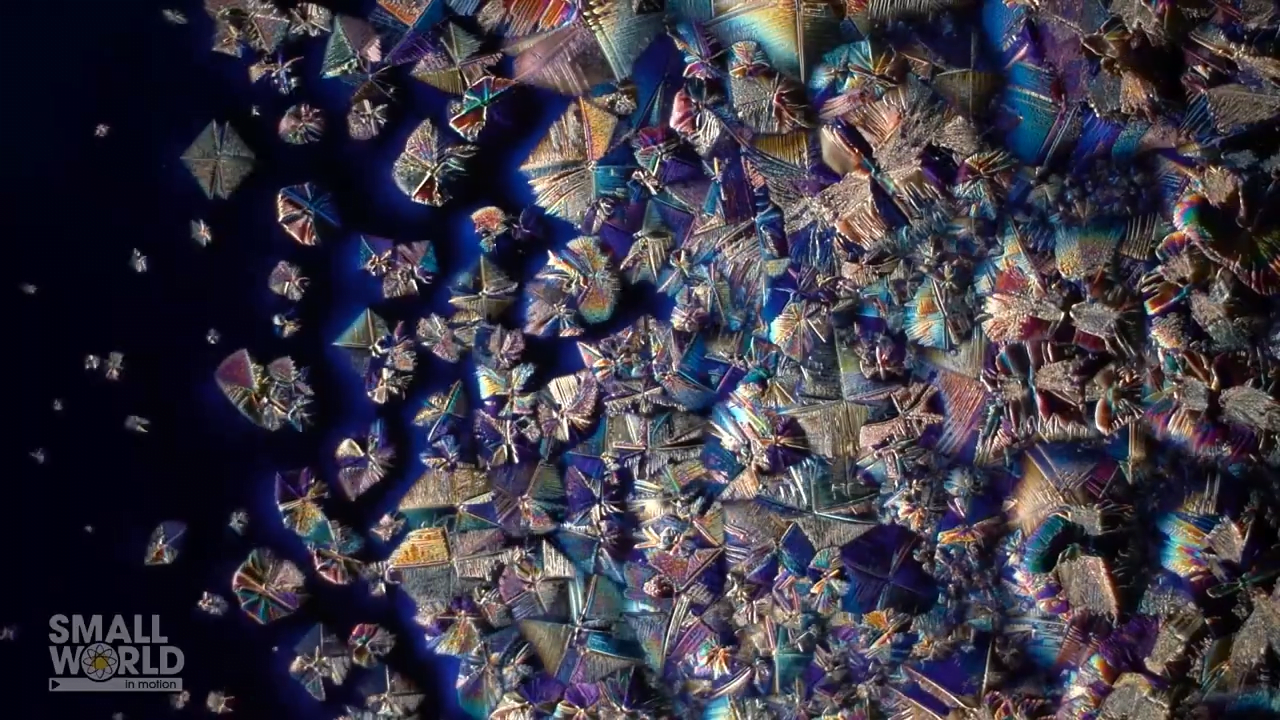
Candy-colored crystals emerge from a salty liquid in this macro video of Epsom salt crystallization by Karl Gaff. The video was an honorable mention in the 2022 edition of the Nikon Small World in Motion competition. The wild colors in the video come from illumination with polarized light, which makes the crystals appear different colors depending on the orientation of their atoms. (Image and video credit: K. Gaff; via 2022 Nikon Small World in Motion Competition)

The Delta Series


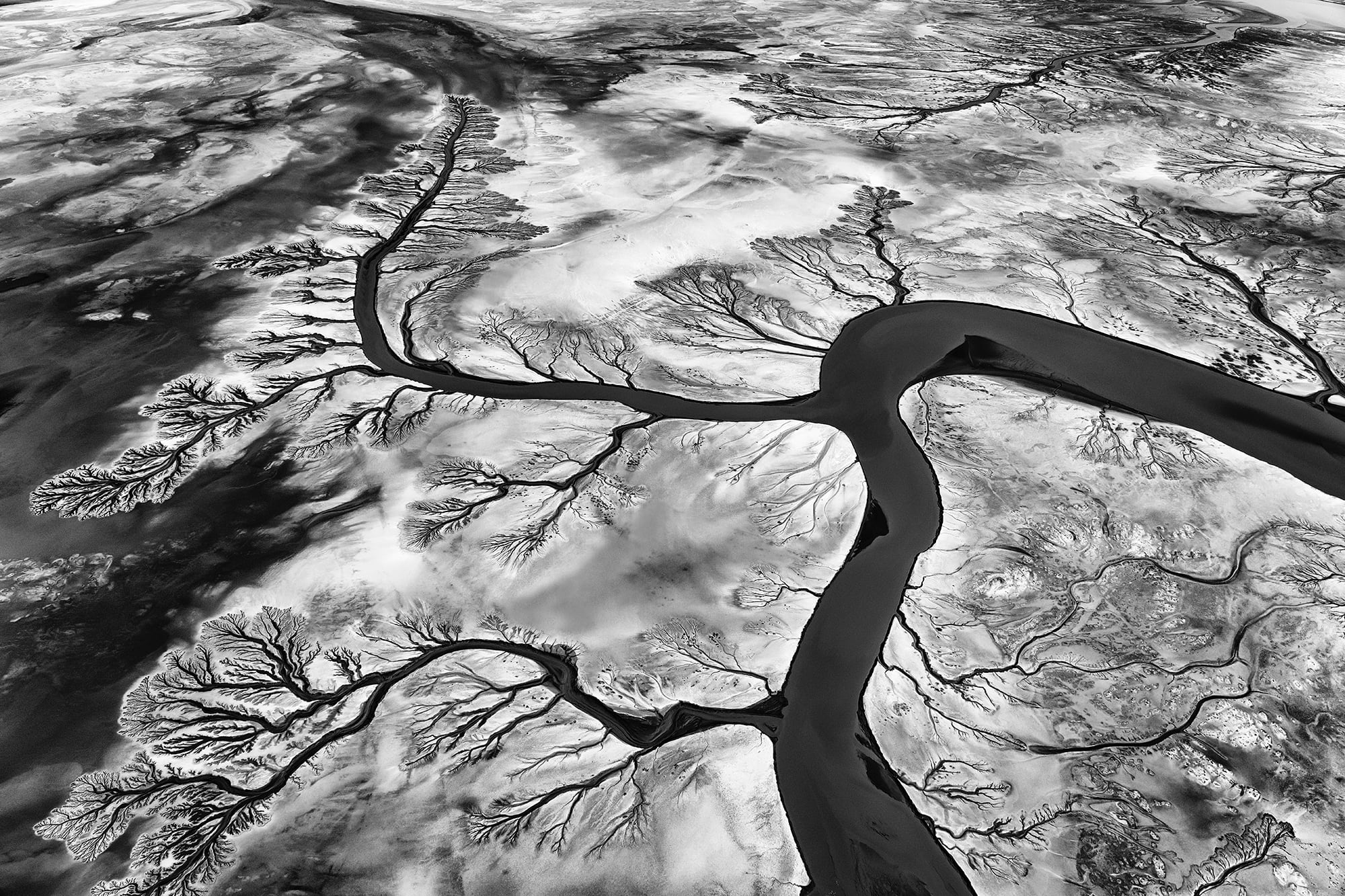

It’s easy in the rush of our daily lives to forget just how dynamic rivers are. In his “Delta Series” conservation photographer Paul Nicklen explores that ever-changing nature from above the Colorado River delta. With the ongoing megadrought in this region and ever-increasing demands for more water, the Colorado no longer flows to the ocean. It trickles its way to a tired end near Baja, Mexico, where its last gasp is not enough to sustain ecosystems that relied on the river’s irrigation long before us. Nicklen’s work is a beautiful portrait of the fractal, tree-like patterns of a slowing river. Find more of Nicklen’s work on his website and Instagram. (Image credit: P. Nicklen; via Colossal)

A Comet’s Tail Swept Away
On Christmas Day 2021, Comet Leonard put on a show in our skies. Though the comet was a pale streak to the naked eye, photographer Gerald Rhemann caught a striking event: the moment part of the comet’s tail disconnected from its body. The solar wind swept the comet’s gas and dust away. Though I’ve talked about the fluid dynamics of comets before, this image is the most stunning example I’ve seen. It’s no wonder that it won the top prize at the Astronomy Photographer of the Year competition. (Image credit: G. Rhemann; via Colossal; see also APOTY)

Dripping Glaze on Ceramics
Candy-colored glaze oozes down the sides of Brian Giniewski’s Drippy Pots. These mugs seem like a great way to the start the day with a little happy, fluidsy action! (Image credit: B. Giniewski; via Colossal)

Flowers Through a Hazy Veil


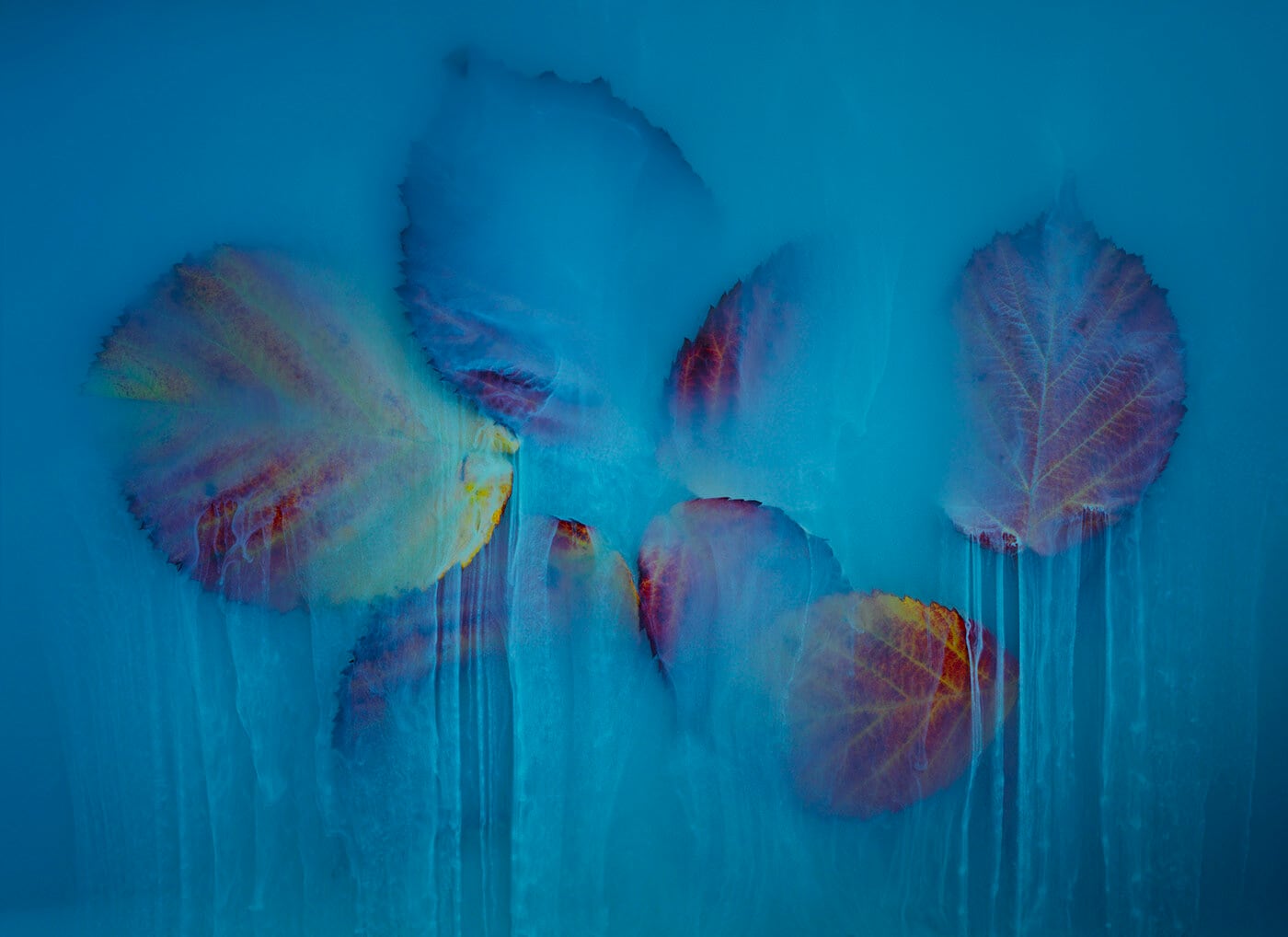


A smoke-like haze obscures colorful bouquets in these photographs from artist Robert Peek. To achieve the effect, Peek submerges his subjects underwater with white dye that sinks due to its greater density. The wakes traced by the dye are impressively laminar, so the dye must drift rather slowly past each petal. The overall effect is beautifully dream-like. You can find more of Peek’s work on Behance and Instagram. (Image credit: R. Peek; via Colossal)

Bird Photographer of the Year 2022


Try as we might, humans cannot understand fluid dynamics as birds do. Whether they are primarily flyers or swimmers, birds have an innate understanding of lift and other aerodynamic forces that put the best engineers to shame. Shown here are a subset of winners from the 2022 Bird Photographer of the Year competition, each of them showing off fluid dynamics in some fashion. Hummingbirds hover, droplets shine like diamonds, and divers brace for impact. You can peruse more winner at BPOTY’s website. (Image credits: Various; see alt text of individual images)


