Tag: civil engineering

  • Featured Video Play Icon

    Do Droughts Worsen Floods?

    In recent years many areas have seen record droughts followed by sudden, massive rainfalls. Such wild swings raise the question: does drought-parched soil make flooding worse? That’s the question Grady tackles in this Practical Engineering video, and, as is often the cause in real-world engineering, the answer is complicated.

    How quickly water soaks into the spaces between soil particles depends on many factors, including soil type, vegetation, and how much moisture is in the soil already. In general, dry soils initially soak water in more quickly than pre-moistened soil – except when the surface soil is hydrophobic and water-repellent. Check out the full video to learn more! (Video and image credit: Practical Engineering)

  • Featured Video Play Icon

    Desalination in Action

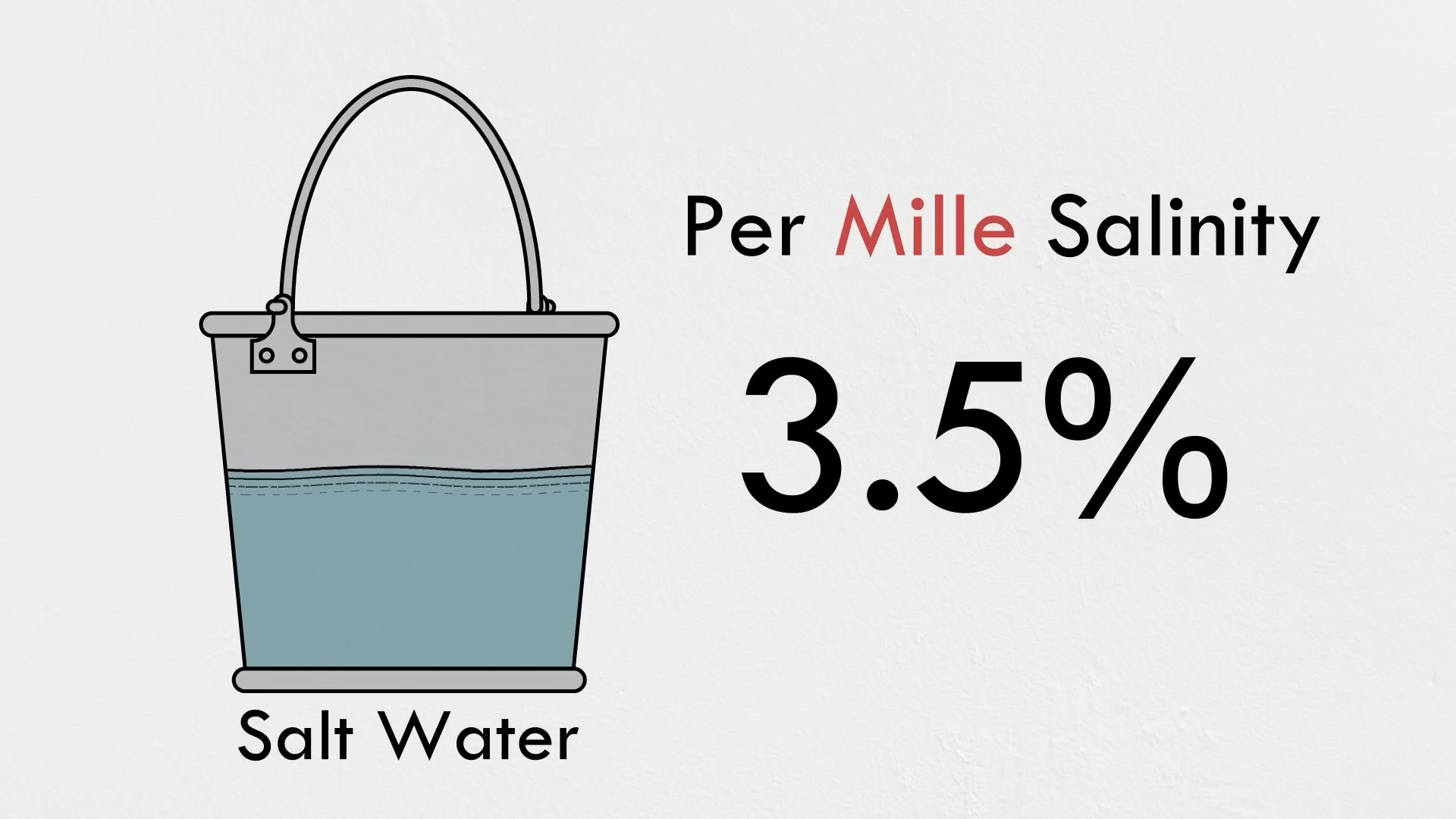
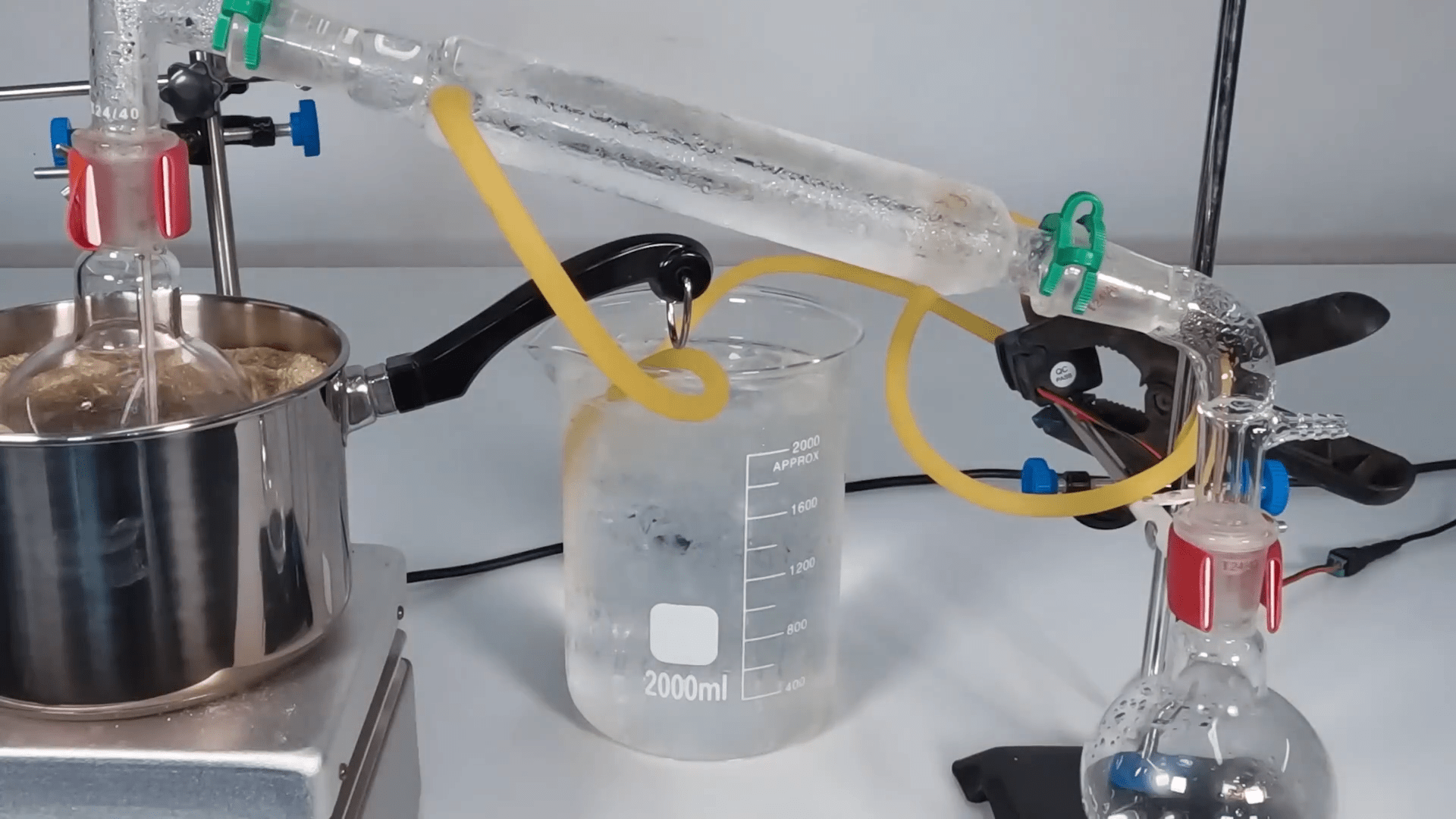
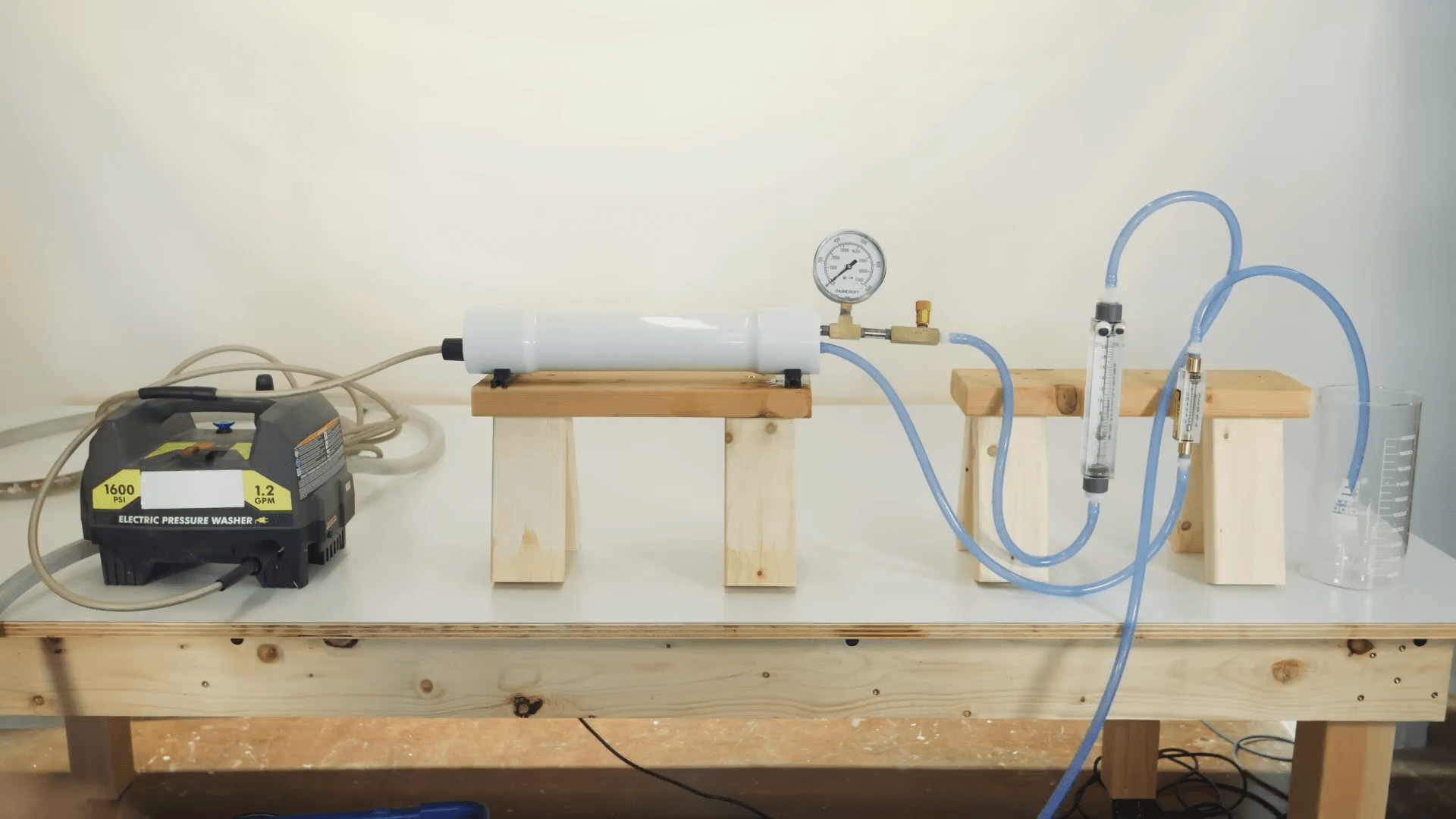
    Desalination — the removal of salt from water — is an important process for providing the fresh water we need, but it’s quite expensive in terms of energy. In this Practical Engineering video, Grady demonstrates small-scale versions of the two most common methods for purifying water: distillation and reverse osmosis.

    In distillation, salt water is boiled to separate the water into vapor that’s then condensed into freshwater. As straightforward as that sounds, though, the process is expensive, requiring a lot of energy for relatively little (albeit extremely pure) water. In contrast, reverse osmosis produces a somewhat less pure product at a lower energy cost. But it also produces brine, an even-saltier water that must be disposed of. (Video and image credit: Practical Engineering)

  • Featured Video Play Icon

    Withstanding Rocket Launches

    It takes a lot of power to lift a giant rocket‘s payload all the way to orbit, and in the first moments of a rocket launch, all that energy is directed downward at a concrete pad. How do engineers design and protect launch pads? In this Practical Engineering video, Grady tackles just that question through a comparison of SpaceX’s Stage Zero and NASA’s Launch Pad 39A.

    SpaceX notoriously chose to build Stage Zero without a trench or water sprayer system like the ones NASA use. Trenches deflect the rocket exhaust to reduce the impact on infrastructure beneath the engines. And water sprayers reduce the temperatures the pad experiences and disrupt shock waves that otherwise hammer the pad. Without those precautions, even special heavy-duty concretes have a hard time holding together against a launch. (Video and image credit: Practical Engineering)

  • Featured Video Play Icon

    Mitigating Urban Floods

    For densely-populated urban areas, floods are one of the most damaging and expensive natural disasters. We can’t control the amount of rain that falls, so engineers need other ways to mitigate damage. It’s not usually possible to remove people and property from floodplains, so instead civil engineers look below the surface, building flood tunnel networks to alleviate floodwaters. In this Practical Engineering video, Grady demonstrates how these systems work and what some of their challenges are. (Video and image credit: Practical Engineering)

  • Featured Video Play Icon

    Why We Can’t Control Rivers

    Rivers are systems in a constant state of change, balancing flow speeds, path length, sediment deposition, and erosion, as seen in this previous Practical Engineering video. The next video in this mini-series considers what human interventions do to rivers. As convenient as it is for humanity to force a river into a straight and constant course, the long-term effects can be incredibly destructive both upstream and downstream.

    In this video, Grady takes a look at several types of interventions: stream straightening, dams, river crossings, and more. With the help of a stream table, he demonstrates just how these efforts shift the river’s balance and what effects — in terms of erosion, deposition, and flooding — each can cause. These disadvantages, along with habitat destruction, are part of why stream remediation projects are on the rise. (Video and image credit: Practical Engineering)

  • Featured Video Play Icon

    Jackson Water Crisis

    In the United States, we expect clean water from our taps, but the experiences of Jackson, Mississippi over the last several years are a reminder that we cannot take that water for granted. Since 2020, aging infrastructure, chronic underfunding, and extreme weather have placed the city in a state of emergency. Residents are often under boil water notices, if they have water pressure at all. In this video, Grady from Practical Engineering dissects the engineering side of this crisis and what’s needed to keep a city’s residents supplied with clean water. Check out the video’s links for more on the racism and politics that impact the crisis. (Video credit: Practical Engineering)

  • Featured Video Play Icon

    How Spillway Gates Work

    Dams and reservoirs need a way to control their water level, and for many, that’s managed using spillway gates. In this video, Grady from Practical Engineering introduces several types of spillway gates, including their advantages and disadvantages. As always, he’s got neat tabletop demonstrations of each type, and he digs into the practical issues engineers face when building, maintaining, and repairing these critical pieces of infrastructure. (Image and video credit: Practical Engineering)

  • Featured Video Play Icon

    Yellowstone Flooding

    In June of 2022, the area around Yellowstone National Park saw catastrophic flooding. The combined effects of rainfall and snowmelt overwhelmed waterways and washed out many roads and other structures in and around the park. In this video, Grady from Practical Engineering breaks down the floods and their aftermath, including how the area can be rebuilt. His depiction of the flood, from an engineering standpoint, is especially helpful, as he illustrates conditions across the park using flow sensor data. It helps explain the damage and gives viewers a sense for how engineers monitor and analyze these events. (Image and video credit: Practical Engineering)

  • Featured Video Play Icon

    When Reservoirs Run Dry

    With the ongoing megadrought in the U.S. Southwest, more and more reservoirs are reaching historic low water levels. So it’s worth asking: what happens when a reservoir runs dry? And what, exactly, does a reservoir do in the first place? In this Practical Engineering video, Grady tackles both questions and takes a look at the many disciplines — beyond just civil engineering — that go into making a functional reservoir. (Image and video credit: Practical Engineering)

  • Featured Video Play Icon

    Treating Water

    In an ongoing series, Practical Engineering is looking at how civil engineers deal with sewage and wastewater. In this video, Grady looks at how wastewater gets treated to remove contaminants. Where possible, engineers use gravity to do this job, building infrastructure that slows the flow down and lets gravity make heavier particles settle out. Of course, sometimes gravity alone doesn’t act quickly enough, in which case engineers use a little extra help in the form of chemicals that can neutralize particles’ electric charge and help them clump together and settle faster. Check out the full video for a tour of how wastewater gets processed. (Image and video credit: Practical Engineering)