Tag: flooding

  • Capturing River Waves

    Capturing River Waves

    Rainfall, ice jams, and dam breaks create surges of high flow that make their way down a river in a wave that stretches tens to thousands of kilometers in length. Traditionally, scientists monitor such flow waves using river gauges, which measure river height at specific locations. But gauges are few and far between on many rivers, so a group of researchers are supplementing that data with the SWOT (Surface Water and Ocean Topography) spacecraft. SWOT bounces microwaves off the water to precisely measure the water’s height, giving researchers a glimpse of the flow wave’s shape along the entire river.

    In their paper, the team identify and describe flow waves on three different rivers — the Yellowstone, Colorado, and Ocmulgee rivers — ranging in height up to 9 meters and stretching up to 400 kilometers. (Image credit: CNES; research credit: H. Thurman et al.; via Gizmodo)

    Fediverse Reactions
  • Flooding the Mediterranean

    Flooding the Mediterranean

    Nearly 6 million years ago, the Mediterranean was cut off from the ocean and evaporated faster than rivers could replenish it. This created a salty desert that persisted until about 5.3 million years ago. One hypothesis — the Zanclean megaflood — suggests that the Mediterranean refilled rapidly through an erosion channel near the Strait of Gilbraltar. A new study bolsters the concept by identifying geological features near Sicily consistent with the megaflood.

    The team point to a grouping of over 300 ridges near the Sicily Sill, once a land bridge dividing the eastern and western Mediterranean and now underwater. The ridges are layered in debris but aren’t streamlined, suggesting they were rapidly deposited by turbulent waters, and date to the period of the proposed flooding. For more on the Zanclean Flood, check out this older post. (Image credit: R. Klavins; research credit: A. Micallif et al.; via Gizmodo)

    Fediverse Reactions
  • Featured Video Play Icon

    Dutch Water Works

    The Netherlands have a long history of extraordinary public works when it comes to water management. With much of the country’s land lying at or below sea level, massive civil engineering infrastructure is a necessity. In this Practical Engineering video, Grady takes us on a tour of Dutch water works, from the centuries-old techniques that allowed farmers to claim arable land from marshes to the unbelievably massive structures that protect the Dutch coastline from flooding and storm surges.

    For the Dutch, these projects, expensive as they are to build and maintain, are cheaper than the cost of inaction, as numerous devastating floods of the past have taught them. Although the goals are often the same — shortening the coastline, protecting land and people — the techniques are constantly evolving, especially as ecological needs of non-human species are taken into account. (Video and image credit: Practical Engineering)

    Fediverse Reactions
  • Featured Video Play Icon

    Do Droughts Worsen Floods?

    In recent years many areas have seen record droughts followed by sudden, massive rainfalls. Such wild swings raise the question: does drought-parched soil make flooding worse? That’s the question Grady tackles in this Practical Engineering video, and, as is often the cause in real-world engineering, the answer is complicated.

    How quickly water soaks into the spaces between soil particles depends on many factors, including soil type, vegetation, and how much moisture is in the soil already. In general, dry soils initially soak water in more quickly than pre-moistened soil – except when the surface soil is hydrophobic and water-repellent. Check out the full video to learn more! (Video and image credit: Practical Engineering)

  • Extreme Weather and Climate Change

    Extreme Weather and Climate Change

    Extreme weather events like floods, hurricanes, atmospheric rivers, heat waves, and droughts are increasingly discussed in terms of the effects of climate change. Because complex systems have complex causes, it’s difficult to draw exact lines of causality between human-made climate change and a given weather event. But scientists have built an array of tools that help address two key questions: 1) how much more extreme was this weather due to climate change, and 2) how much more likely was this extreme event due to climate change?

    Comparing (a) the actual flooding from Hurricane Harvey with (b) the estimated flood that would have been without climate change. The depth of actual flood waters was about 1m greater due to climate change.
    Comparing (a) the actual flooding from Hurricane Harvey with (b) the estimated flood that would have occurred without climate change. The depth of actual flood waters was about 1m greater due to climate change.

    To answer the first question, scientists often use hindcasts. In these studies, scientists first build a simulation that mirrors the actual event, like Hurricane Harvey’s stall over Houston, Texas. Once their simulated storm reflects the actual one, they tweak the initial conditions to reflect a world without climate change and see how the storm differs. By comparing the actual and simulated floods (image above), scientists can estimate just how much worse climate change made things. In Harvey’s case, they found that human activity increased the overall precipitation by 19% and that 32% of the flooded homes in Harris county would not have flooded in a world without climate change. Detailed results from that particular study can be explored in the web portal here. (Image credits: Flooded street – J. Gade, Harvey flooding – M. Wehner; research credit: M. Wehner in Physics Today)

  • Featured Video Play Icon

    Mitigating Urban Floods

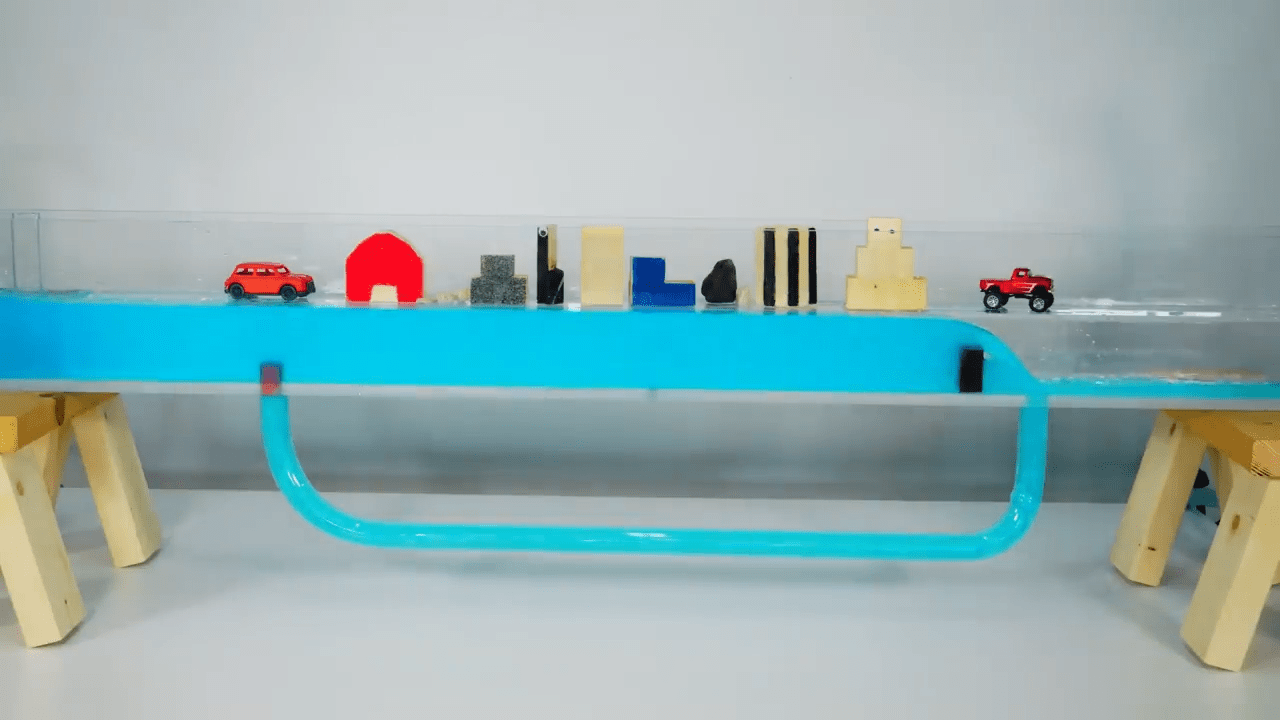
    For densely-populated urban areas, floods are one of the most damaging and expensive natural disasters. We can’t control the amount of rain that falls, so engineers need other ways to mitigate damage. It’s not usually possible to remove people and property from floodplains, so instead civil engineers look below the surface, building flood tunnel networks to alleviate floodwaters. In this Practical Engineering video, Grady demonstrates how these systems work and what some of their challenges are. (Video and image credit: Practical Engineering)

  • Featured Video Play Icon

    Shaping the Earth Through Cataclysm

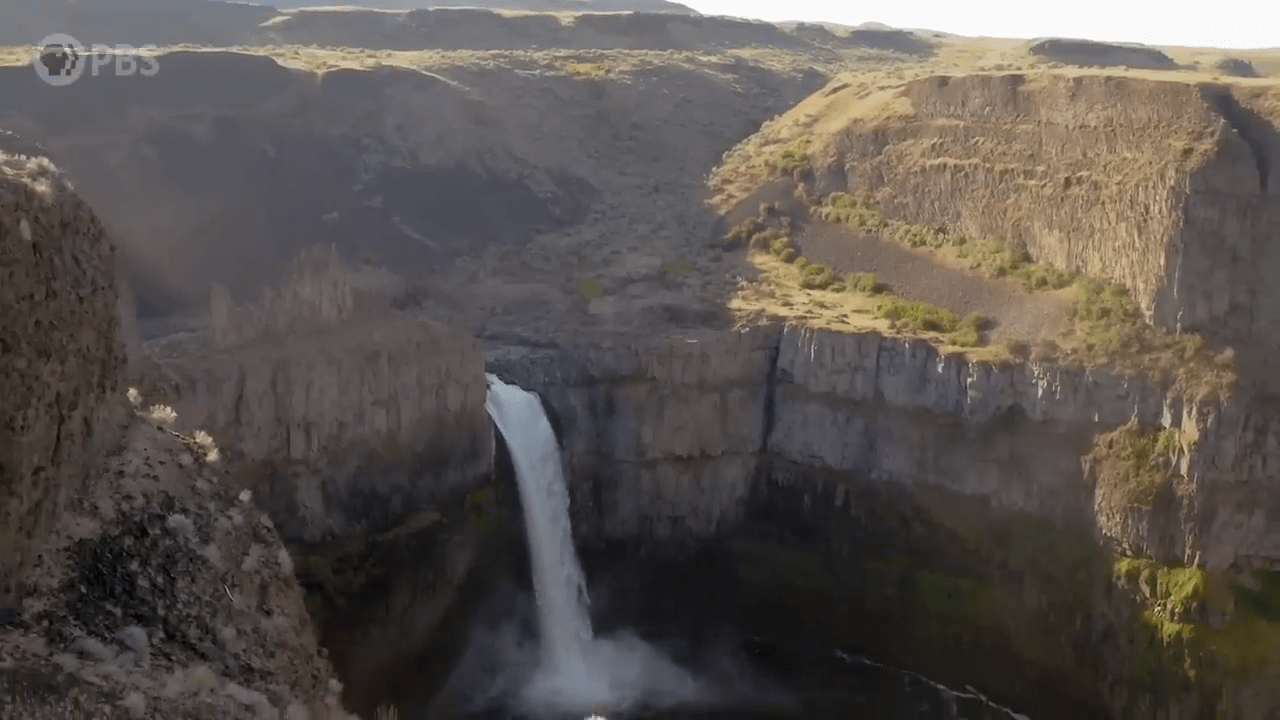
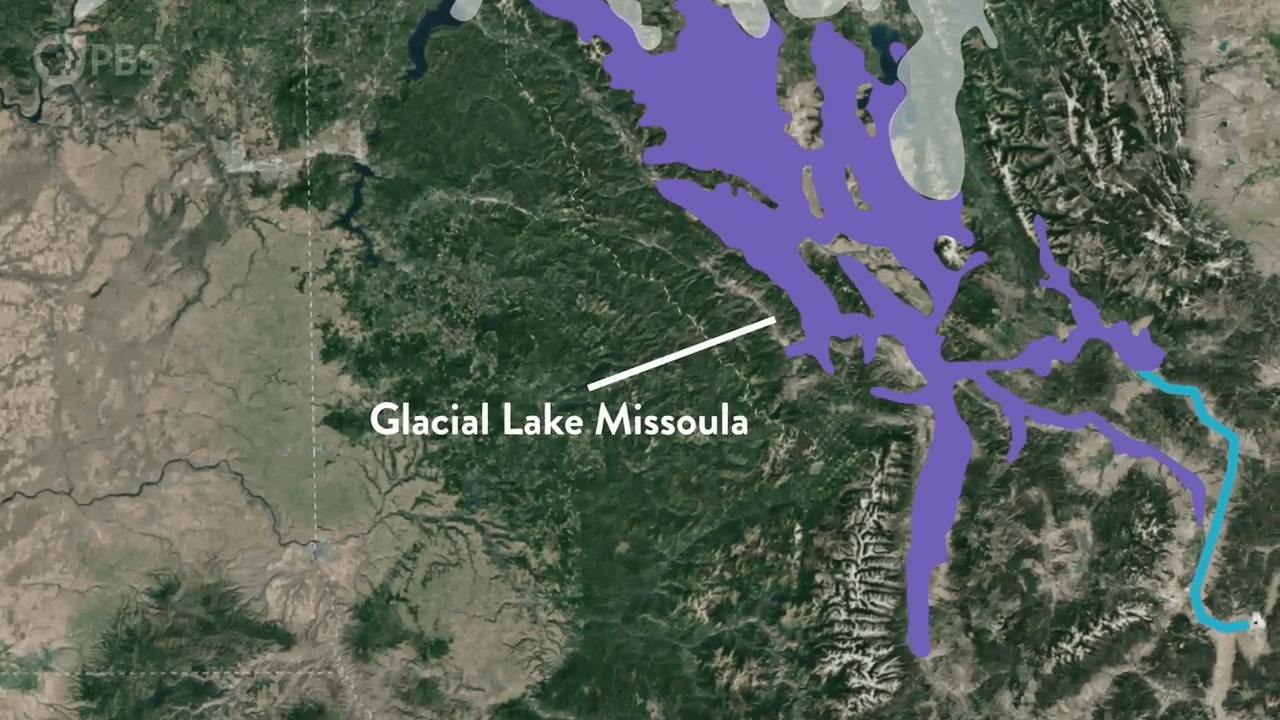
    Though we often think of the Earth as changing slowly, some events are so catastrophic that they change the landscape irrevocably. Some 15,000 years ago, a massive lake covered what is now Missoula, Montana. Dammed in by a 2,000-foot-tall wall of glacial ice, this lake contained more water than Lakes Ontario and Erie combined. But when the ice dam broke, the lake drained in days, sending a deluge across the Pacific Northwest.

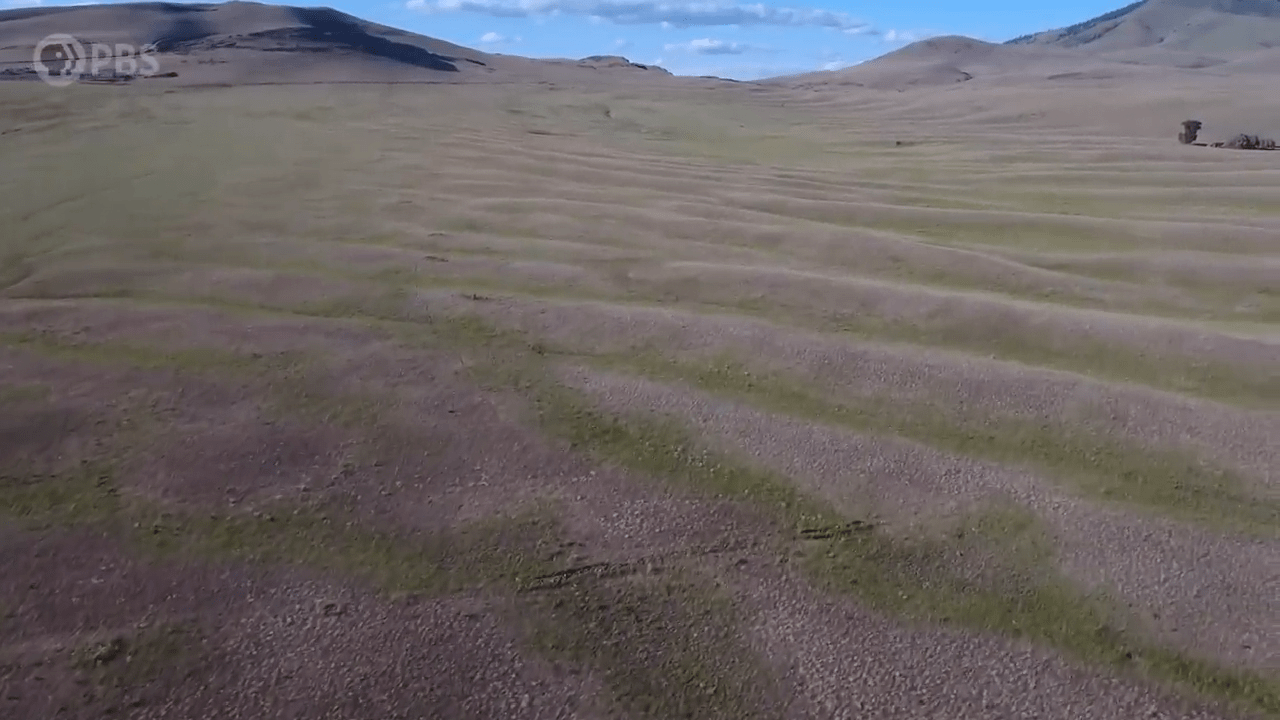
    The floodwaters carved new canyons and waterfalls, left massive ripples in the landscape, and deposited rocks from thousands of kilometers away as they raged their way to the sea. It was one of the most massive floods the Earth has ever seen. And, incredibly, it happened over and over as the lake refilled and broke again. Check out this Be Smart video for even more of this incredible story. (Image and video credit: Be Smart)

  • Featured Video Play Icon

    Yellowstone Flooding

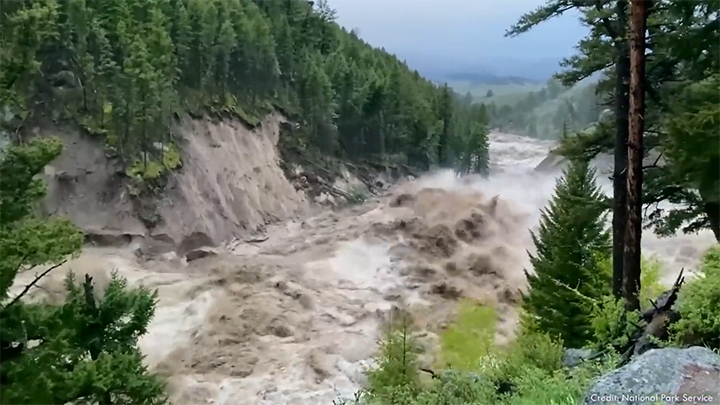
    In June of 2022, the area around Yellowstone National Park saw catastrophic flooding. The combined effects of rainfall and snowmelt overwhelmed waterways and washed out many roads and other structures in and around the park. In this video, Grady from Practical Engineering breaks down the floods and their aftermath, including how the area can be rebuilt. His depiction of the flood, from an engineering standpoint, is especially helpful, as he illustrates conditions across the park using flow sensor data. It helps explain the damage and gives viewers a sense for how engineers monitor and analyze these events. (Image and video credit: Practical Engineering)

  • Zuiderzee Works

    Zuiderzee Works

    Few countries have to contend with water the way the Netherlands does. With 26% of its area and 21% of its population living below sea level, water control is critical. This satellite image shows some of the natural and manmade features that help protect the landscape. The West Frisian Islands, the long spine-like archipelago seen here, form the first barrier. Behind them lies the mudflats of the Wadden Sea, home to countless wetland species. The Wadden Sea is separated from the freshwater Lake Ijssel by the Afsluitdijk, constructed in 1932 to protect the country from rising seas. With the dam in place, the Dutch used wind power to drain the shallow lands behind the dam, reclaiming the polders labeled here. With the islands, mudflats, and lake between urban settlements and the sea, engineers have more options for diverting water and protecting people from disastrous flooding. (Image credit: A. Holmes/NASA’s Ocean Color Web; via NASA Earth Observatory)

  • Featured Video Play Icon

    When Rivers Break Their Banks

    Rivers often change their course, but they do not always do so gradually. River avulsions are a bit like earthquakes — they happen suddenly and with disastrous potential. Researchers find that these sudden course changes happen when silt builds up in a river and reduces the amount of water it can carry. Eventually, the resistance to flow is large enough that the river bursts its banks in search of an easier route to the sea. That’s a deadly problem for the communities that live nearby and rely on the river’s sedimentation for their fertile farmland. But using small-scale models, scientists are beginning to unravel the physics behind avulsions, bringing hope that they can be predicted or even sustainably averted. (Video and image credit: Science)