Tag: asperitas

  • Featured Video Play Icon

    “Vorticity 6”

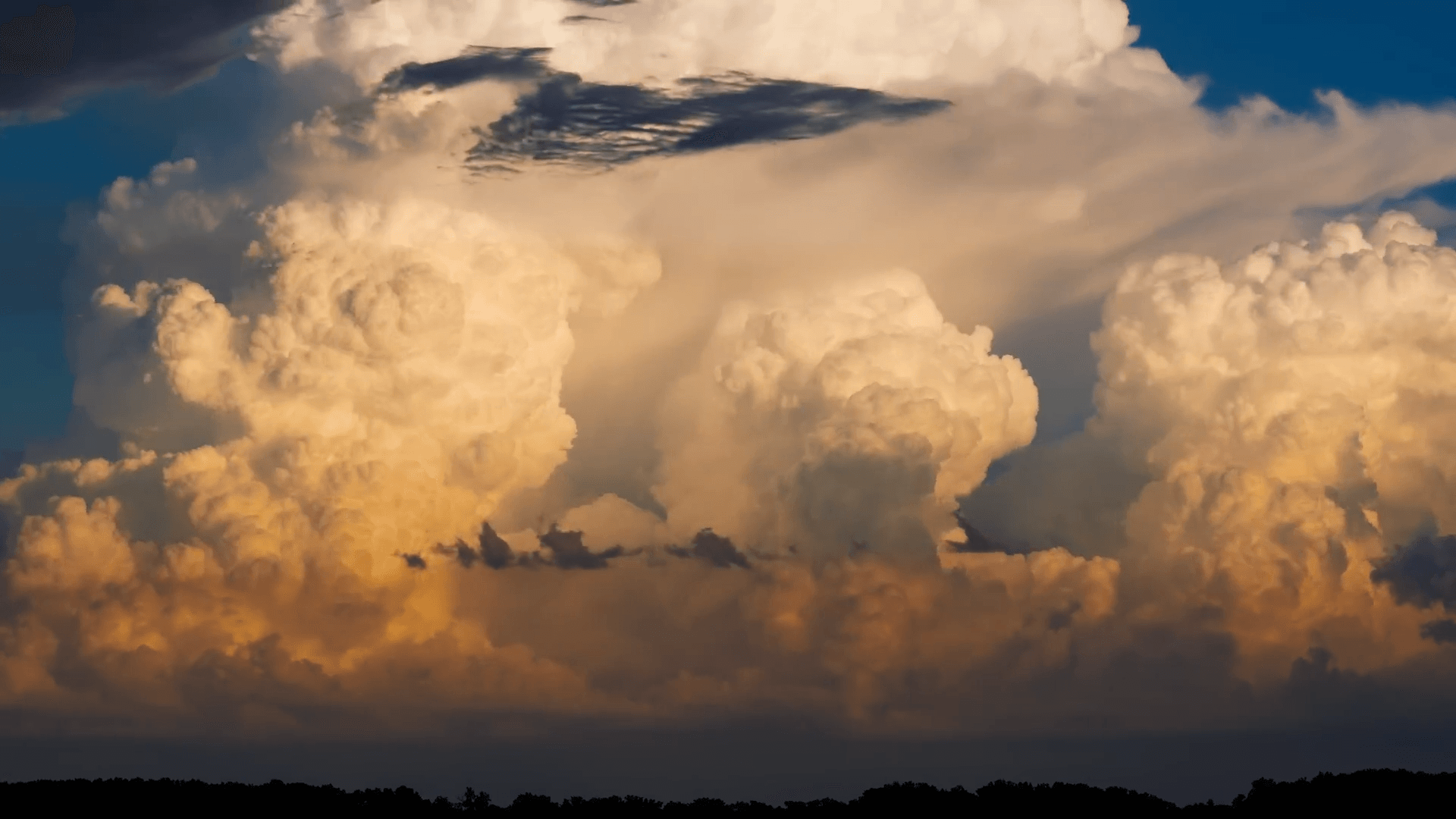
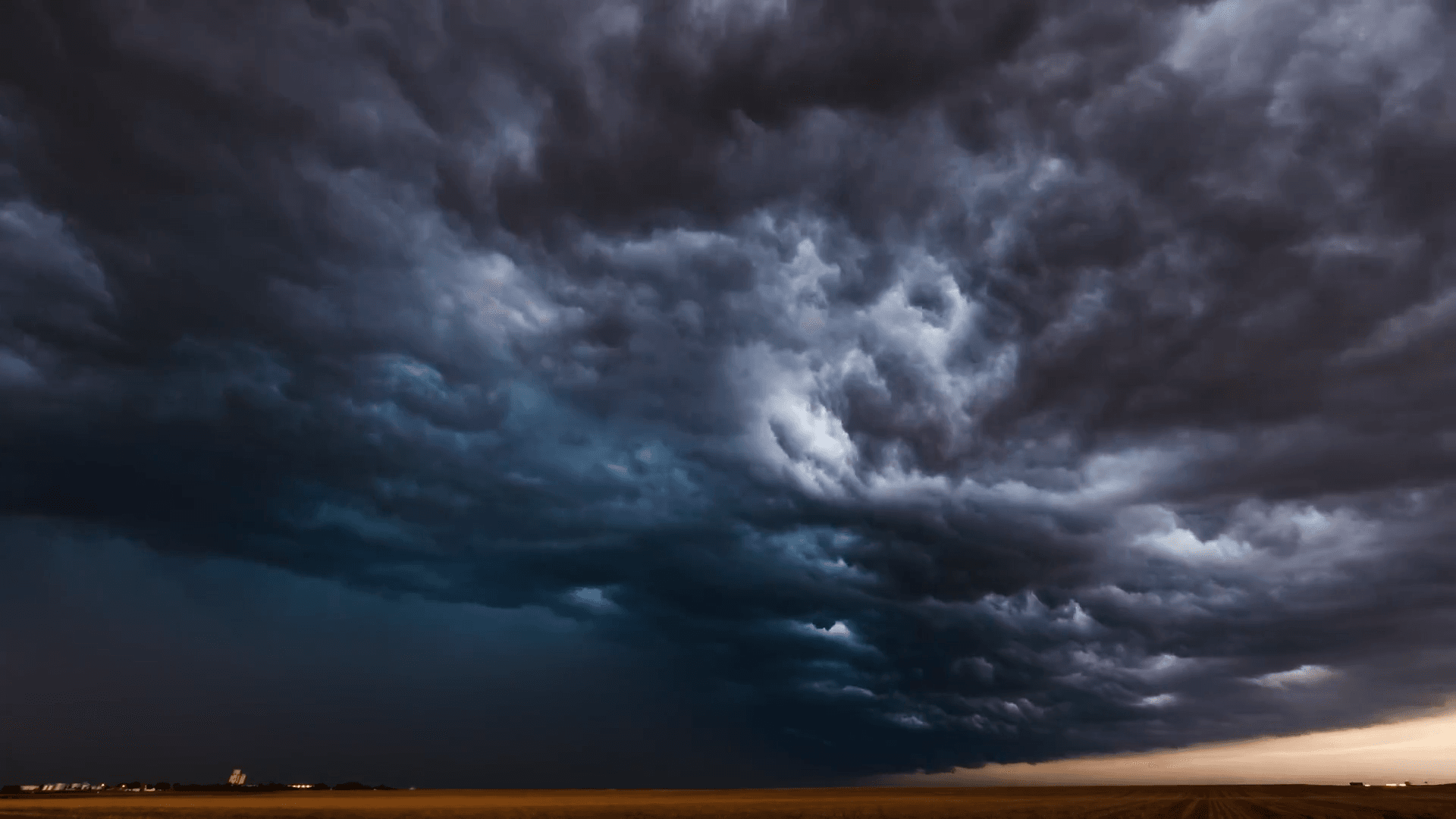
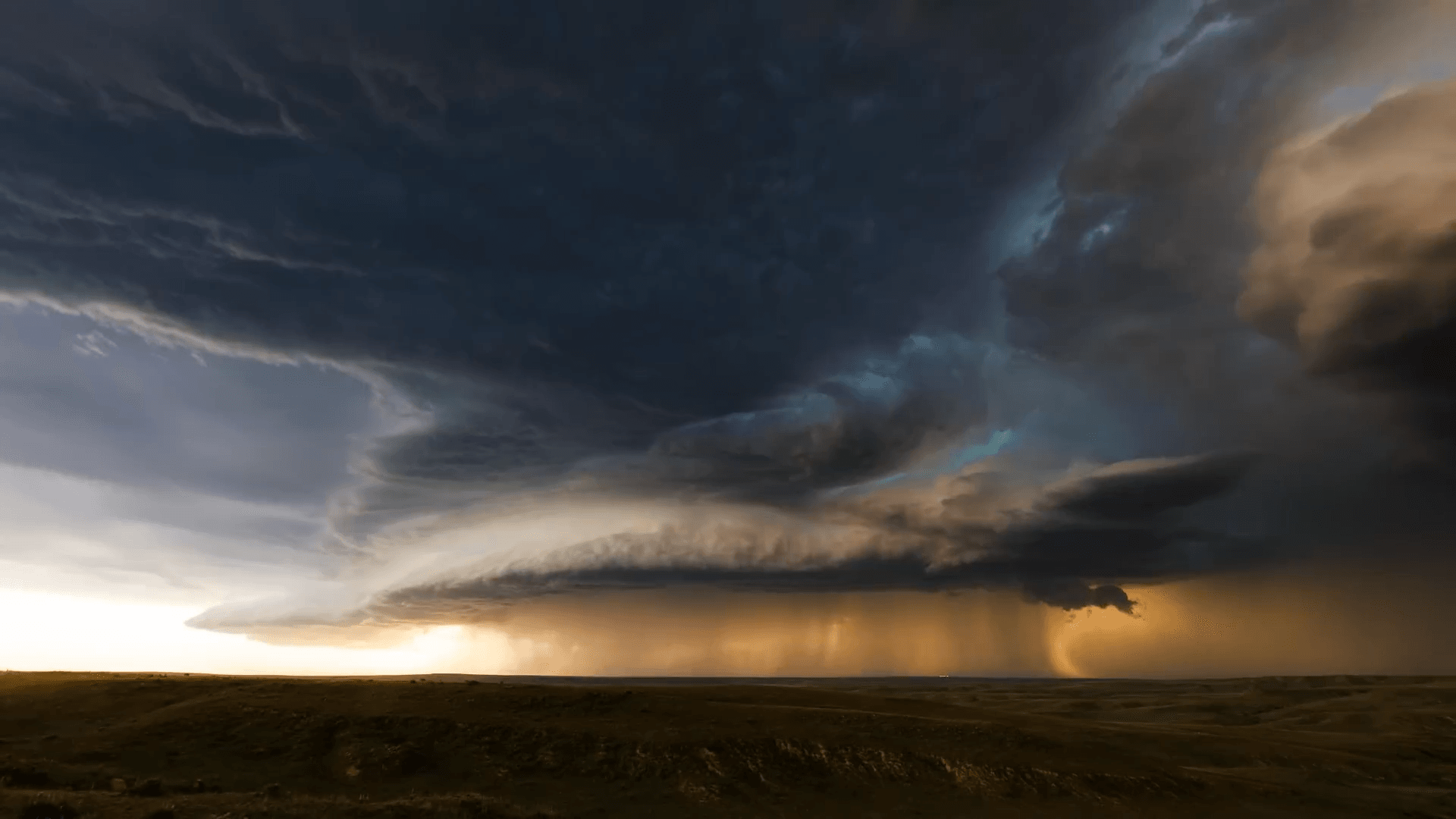
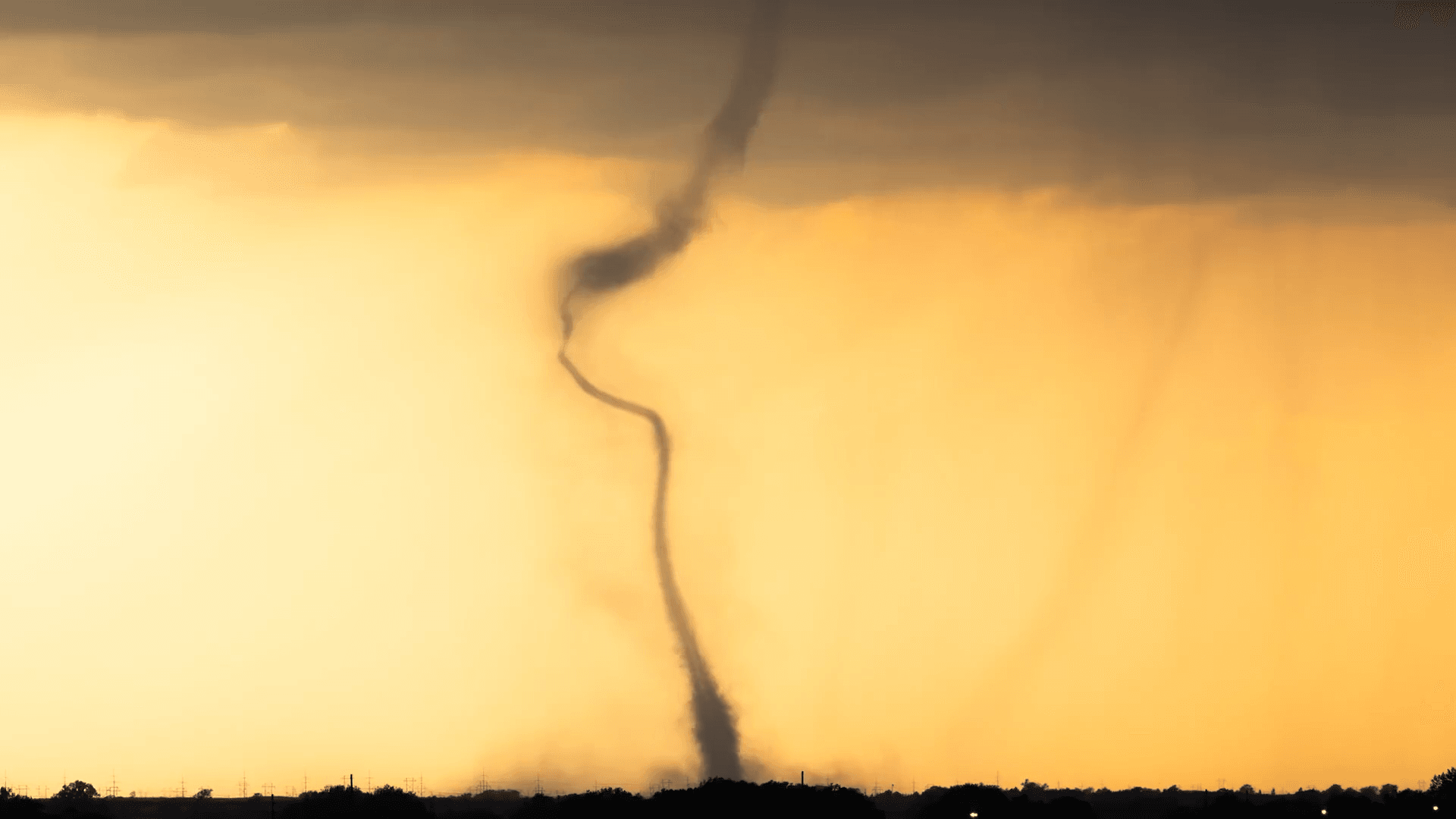
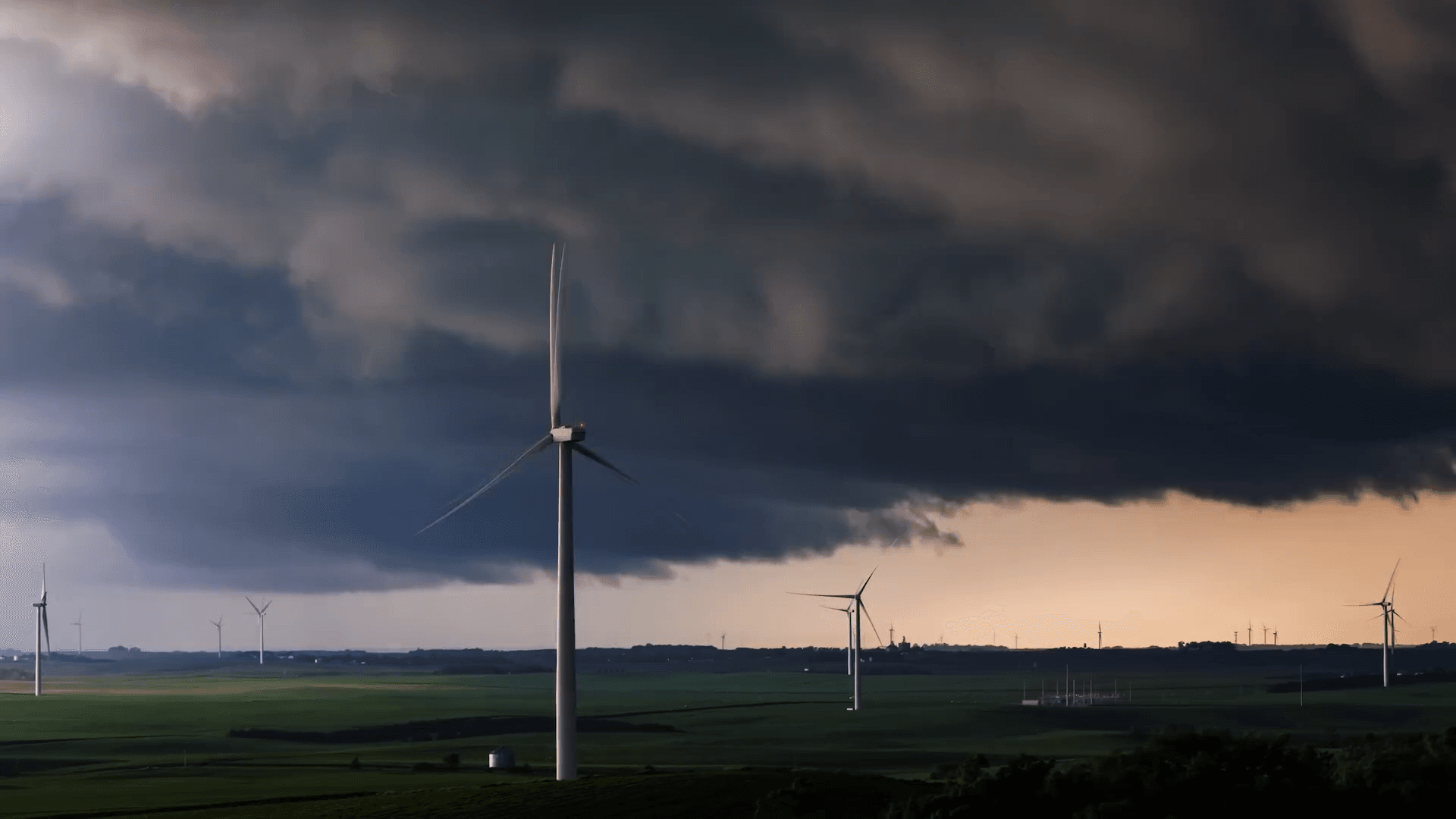
    It’s time for another storm-chasing timelapse from photographer Mike Olbinski! “Vorticity 6” focuses on supercell thunderstorms and their tornadoes. There’s billowing turbulent convection, undulating asperitas, bulging mammatus, microbursts, and more. There’s nothing like timelapse to highlight the growth, rotation, and shear involved in these storms. (Video and image credit: M. Olbinski)

    Fediverse Reactions
  • Asperitas Formation

    Asperitas Formation

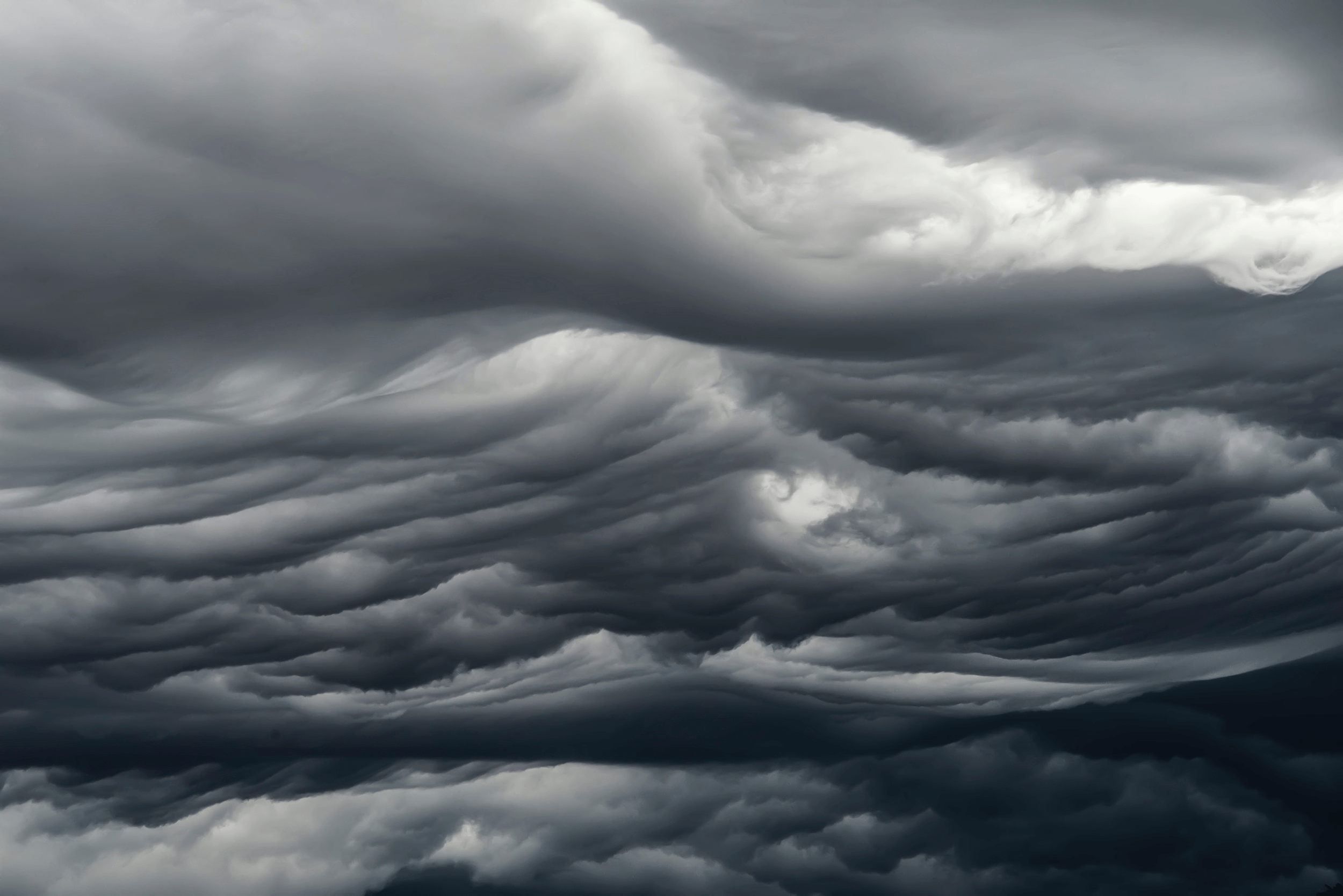
    In 2017, the World Meteorological Organization named a new cloud type: the wave-like asperitas cloud. How these rare and distinctive clouds form is still a matter of debate, but this new study suggests that they need conditions similar to those that produce mammatus clouds, plus some added shear.

    Using direct numerical simulations, the authors studied a moisture-filled cloud layer sitting above drier ambient air. Without shear, large droplets in this cloud layer slowly settle downward. As the droplets evaporate, they cool the area just below the cloud, changing the density and creating a Rayleigh-Taylor-like instability. This is one proposed mechanism for mammatus clouds, which have bulbous shapes that sink down from the cloud.

    When they added shear to the simulation, the authors found that instead of mammatus clouds, they observed asperitas ones. But the amount of shear had to be just right. Too little shear produced mammatus clouds; too much and the shear smeared out the sinking lobes before they could form asperitas waves. (Image credit: A. Beatson; research credit: S. Ravichandran and R. Govindarajan)

  • Featured Video Play Icon

    “Pursuit”

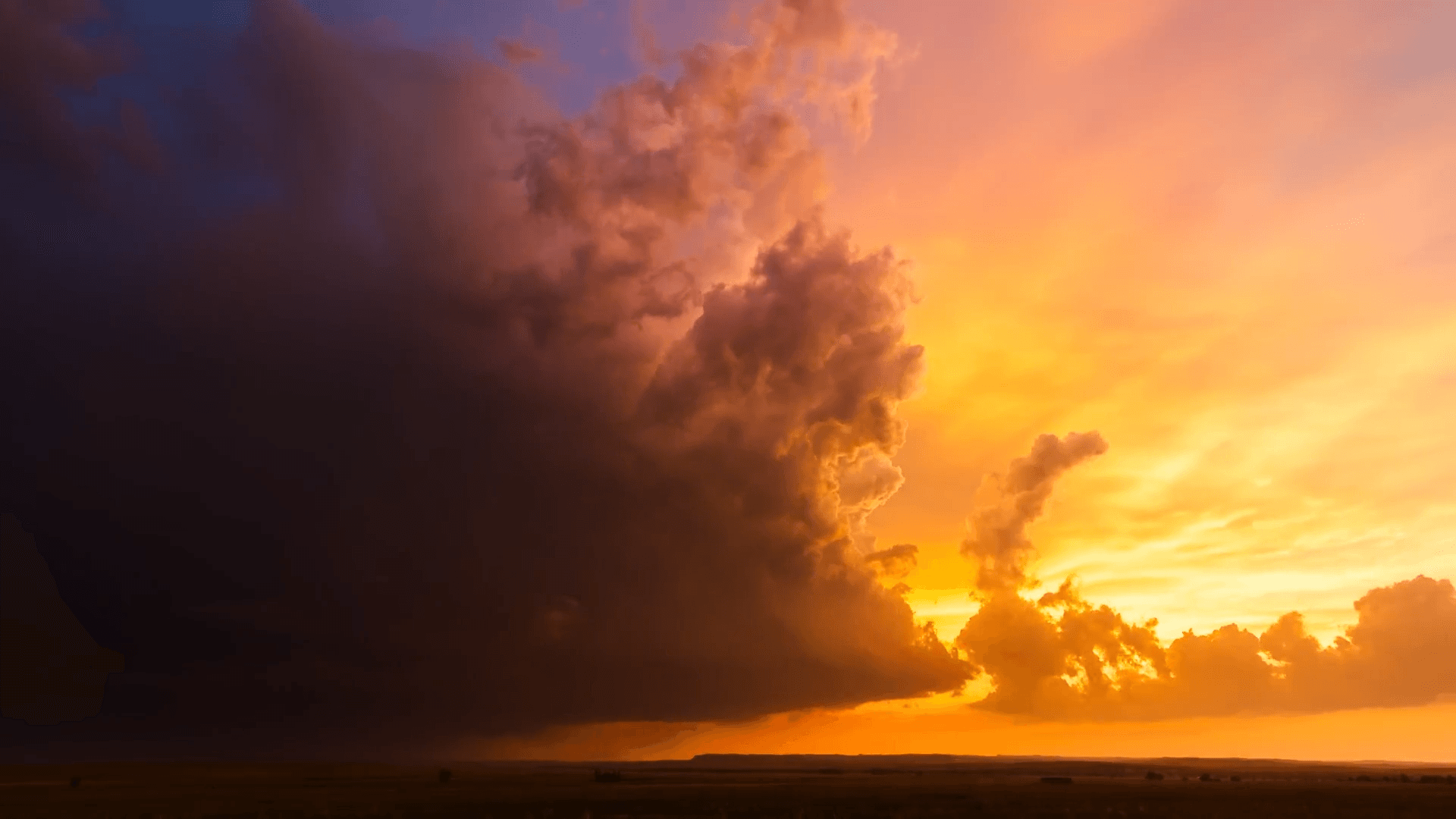
    Photographer Mike Olbinski has released yet another breathtaking timelapse film of weather over the Great Plains. This one has a little bit of everything: storms, tornadoes, incredible cloud formations, and even sunny days. Olbinski’s work is a reminder that there’s a constant beautiful drama playing out over our heads if we just take the time to watch. Under blue skies, condensation and turbulence are building towering mountains, and even when the sky is gray, it can be churning like the ocean just over your head. The U.S. Great Plains may be home to particularly dramatic examples of this behavior (thanks largely to the atmospheric influence of the Rocky Mountains), but these same phenomena are going on all the time overhead. (Video and image credits: M. Olbinski)

    image
  • Featured Video Play Icon

    Asperitas Sunset

    Asperitas clouds, previously known as undulatus asperatus, are the most recently recognized cloud type. These clouds make the sky look like the ocean rolling in waves. Photographer Mike Olbinski, on a recent storm chase earlier this month, caught these spectacular asperitas clouds near sunset. The clouds’ effect is unusual under normal circumstances and completely surreal with this lighting. Check out the video for the full effect. Olbinski caught the clouds on the outskirts of a dying storm cell. That’s a common place to see these formations; despite their ominous appearance, they do not develop storms and are more often seen as storms are ending. (Video and image credit: M. Olbinski; h/t to Paul vdB)

  • Featured Video Play Icon

    Asperitas Clouds

    This short timelapse captures an impressive display of asperitas clouds over Augusta, Georgia. Asperitas clouds, previously known as undulatus asperatus, are a new classification recommended by the Cloud Appreciation Society in 2009. Recently, the World Meteorological Organization indicated they would include the clouds in the their latest Cloud Atlas under the new name. Asperitas clouds form under conditions similar to those of mammatus clouds – in areas with stable, cool, sinking air near the outskirts of thunderstorms. Despite their ominous appearance, the clouds are not themselves an indicator of severe weather – just a spectacular display of our atmospheric dynamics. Happy World Meteorological Day! (Video credit: A. Walters; via Rebekah W/Flow Viz)