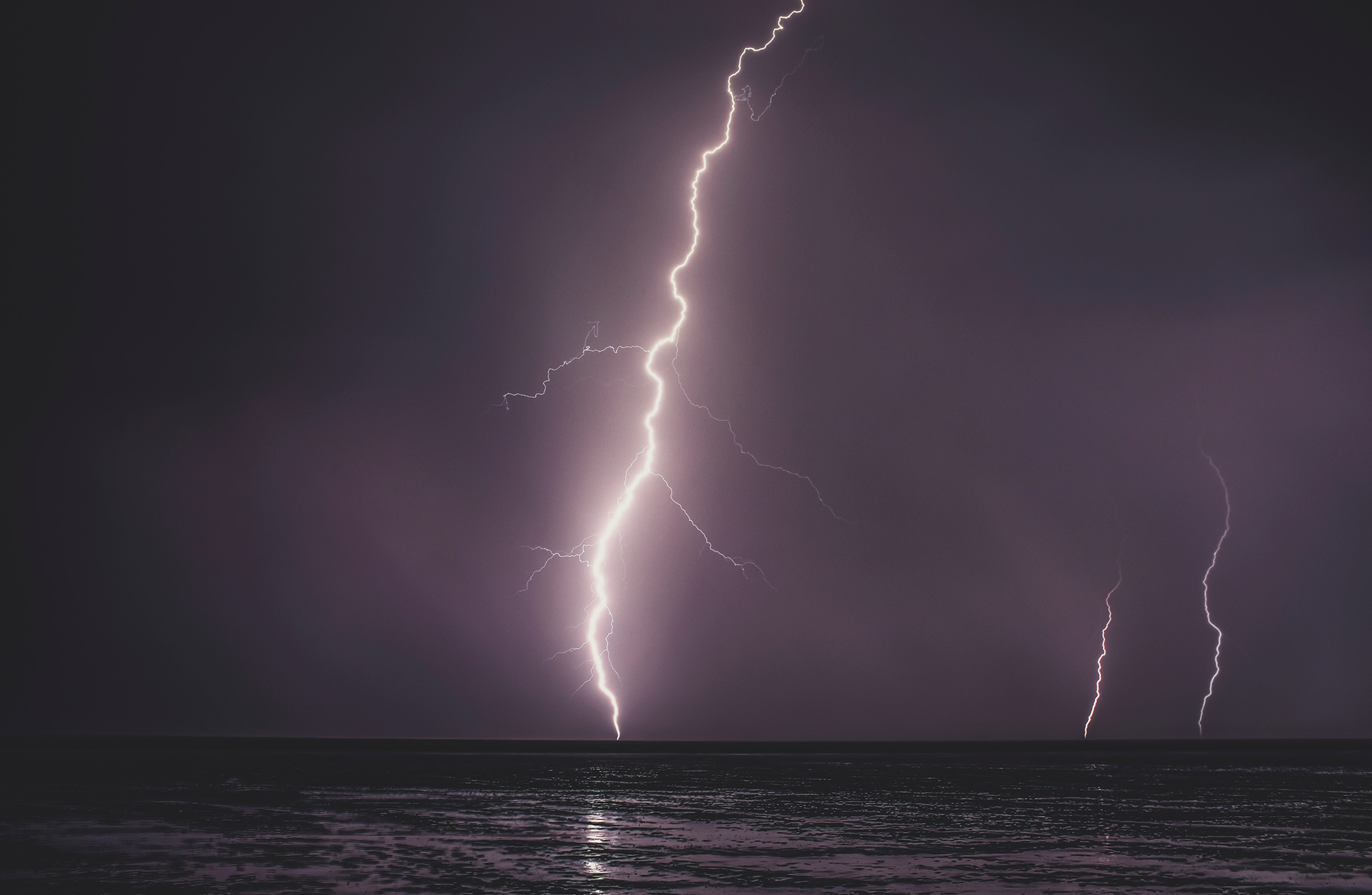
Thunderstorms over the ocean have substantially less lightning than a similar storm over land. Scientists wondered whether this difference could be due to lower cloud bases over the ocean or differences in the cloud droplets’ nuclei. But a new study instead implicates coarse sea spray as the deciding factor. By tracking the full lifetime of storm systems through remote sensing, the team found that fine aerosols can increase lightning activity over both land and ocean. But adding coarse sea salt from sea spray reduced lightning by 90% regardless of fine aerosols. With sea salt in the mix, clouds seem to develop fewer but larger condensation droplets, providing less opportunity for the electrification necessary to generate lightning. (Image credit: Z. Tasi; research credit: Z. Pan et al.)
Tag: aerosols

Acidic Aerosols
As ocean waves crash, they generate aerosols — tiny liquid and solid particulates — that interact with the atmosphere. Curious about the chemistry of these tiny drops, researchers set out to measure their acidity. That’s easier said than done. Over time, aerosol droplets acidify as they interact with acidic gases in the atmosphere and capturing fresh aerosols in the field is next to impossible.
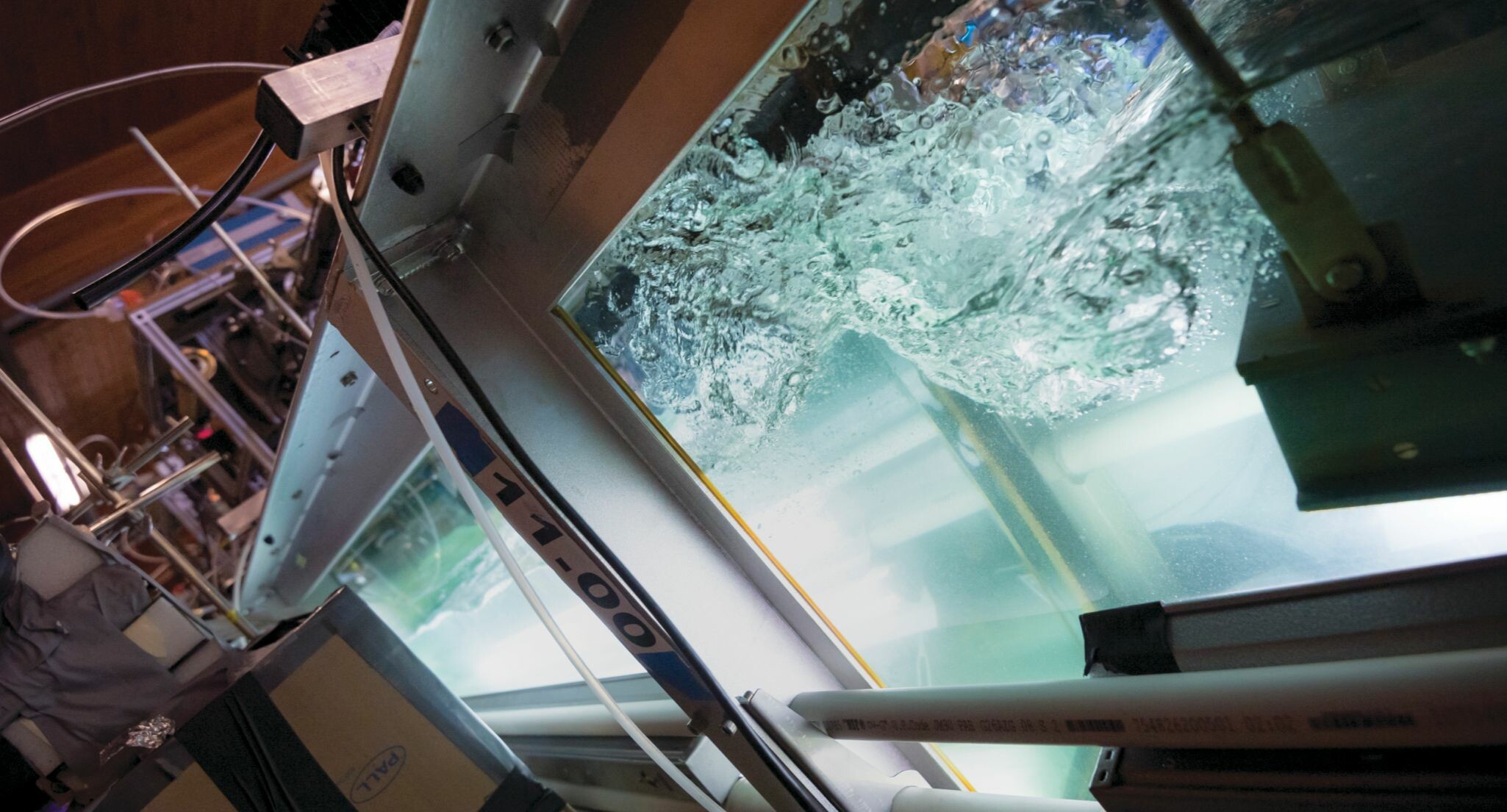
To tackle these challenges, researchers instead moved the aerosols to the laboratory, filling a wave channel with seawater and agitating it to generate aerosols they could then measure. They found that the smallest aerosols become a million times more acidic than the bulk ocean in only two minutes! Find out more about their experiment and its implications over at Physics Today. (Image credit: E. Jepsen; research credit: K. Angle et al.)

Ship Tracks in the Sky
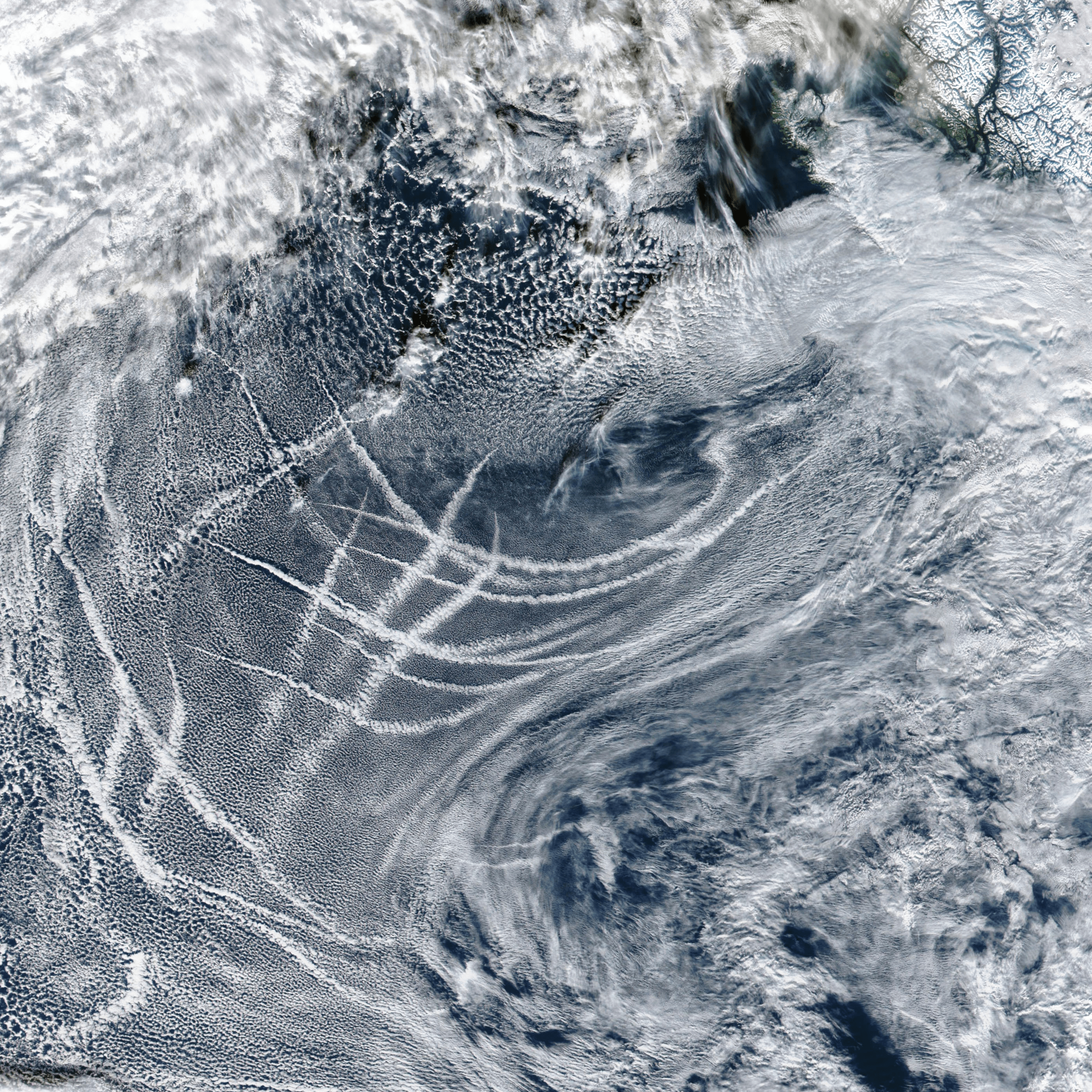
Line-like clouds criss-cross the Pacific Ocean in this satellite image. Each one is a ship track, a remnant left behind a passing ship. As they travel, ships leave a trail of exhaust that seeds the atmosphere with aerosols that serve as additional nucleation sites for clouds. The tiny particles interact with existing low-level clouds, making them brighter. Of course, the aerosols are present in the wake of ships regardless of whether they seed clouds that we can observe. (Image credit: J. Stevens; via NASA Earth Observatory)

Inside a Coronavirus Aerosol
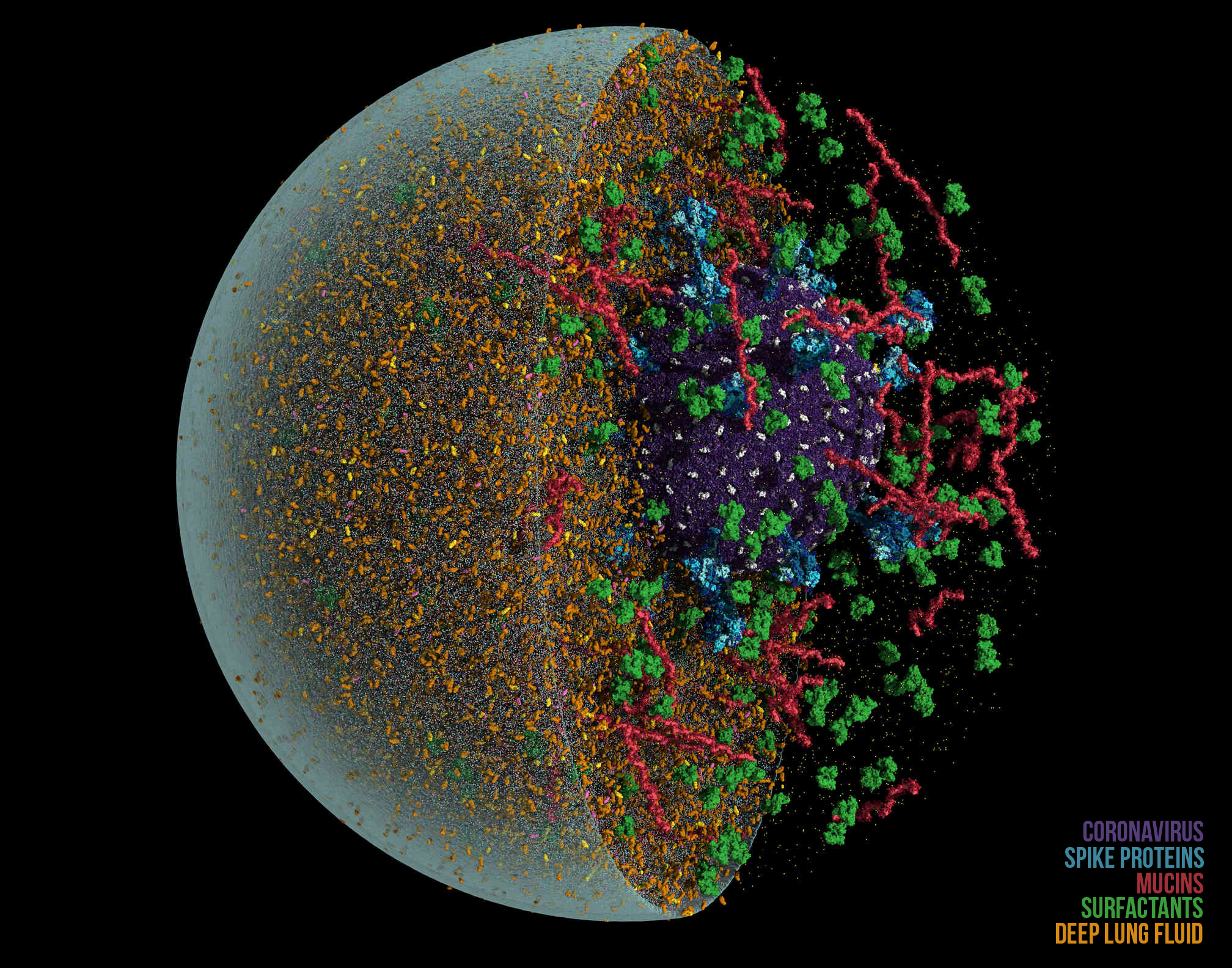
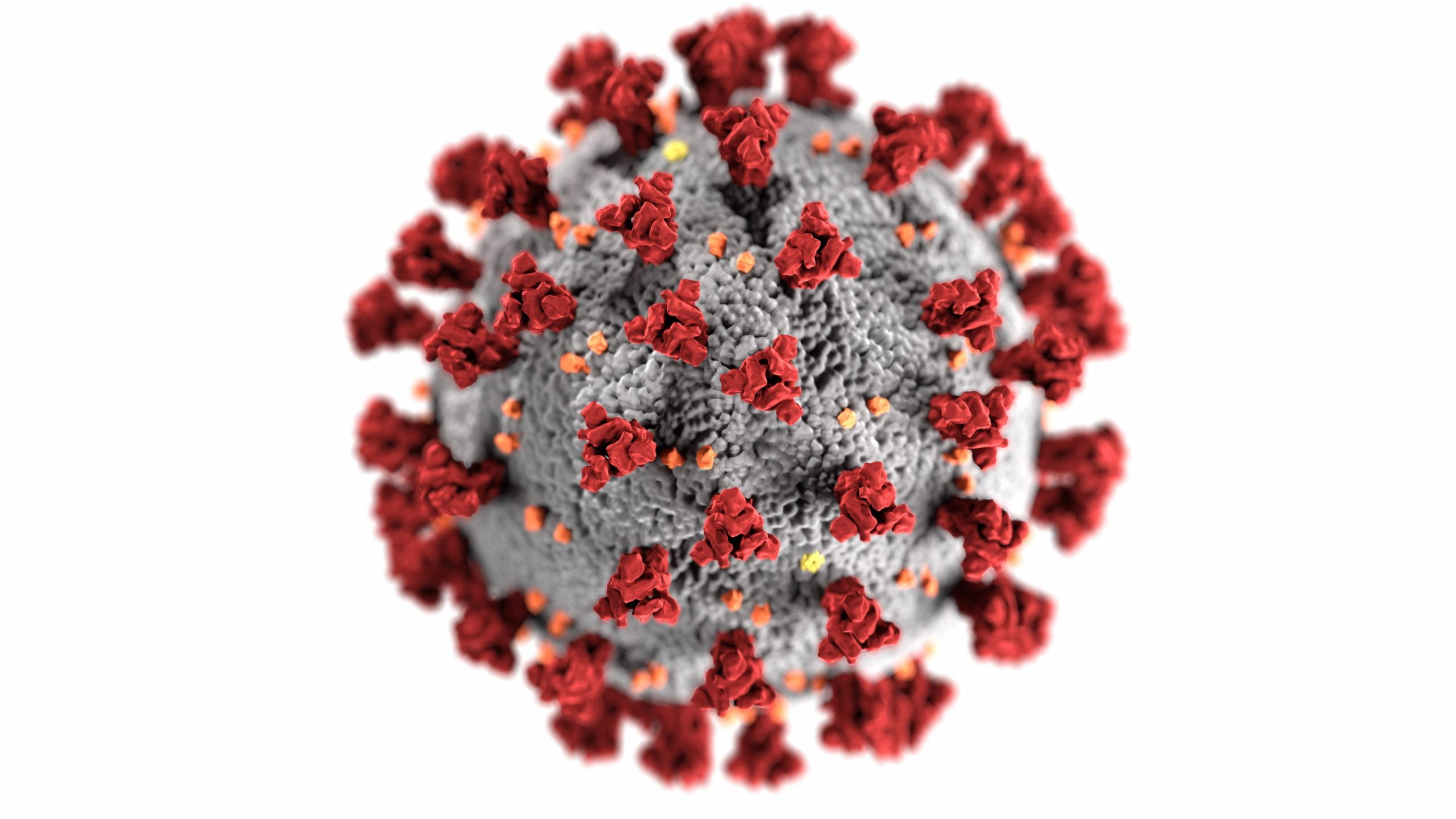
This is a glimpse inside a tiny aerosol droplet with a single SARS-CoV-2 coronavirus inside it. The numerical simulation required a team of 50 scientists, 1.3 billion atoms, and the second most powerful supercomputer in the world. By simulating every atom, the researchers hope to observe what happens to a coronavirus in these micron-sized, long-lasting droplets. Does the virus survive? How do variants fare?
Their simulation shows that the positive charge of the coronavirus’s spike proteins helps attract mucins that shield the virus and protect it from the droplet interface where evaporation could destroy it. Variants like Delta and Omicron have even more positive charge to their spike proteins, giving themselves a better cloak of mucins and potentially making them all the more infectious. Definitely check out the full New York Times write-up for more spectacular visualizations from the work. (Image and research credit: R. Amaro et al.; via NYTimes; submitted by Kam-Yung Soh)

Cloud-Making Waves
As sea ice disappears in the Arctic Ocean, it leaves behind higher waves on the open water. These large waves help inject sea salt and organic matter into the atmosphere, where they can serve as nucleation sites for ice crystals. A recent field expedition in the Chukchi Sea observed high concentrations of organic particulates in the air and more ice-producing clouds during periods of high wave action. So, oddly enough, the loss of sea ice may lead to more cloud cover and precipitation in the Arctic (though the effect is likely not strong enough to entirely mitigate the effects of ice loss). It’s another example of the intricate and complex connections between ice, ocean, and atmosphere in the Arctic climate. (Image credit: A. Antas-Bergkvist; research credit: J. Inoue et al.; via Gizmodo)

Tides and Tempests of the Coast

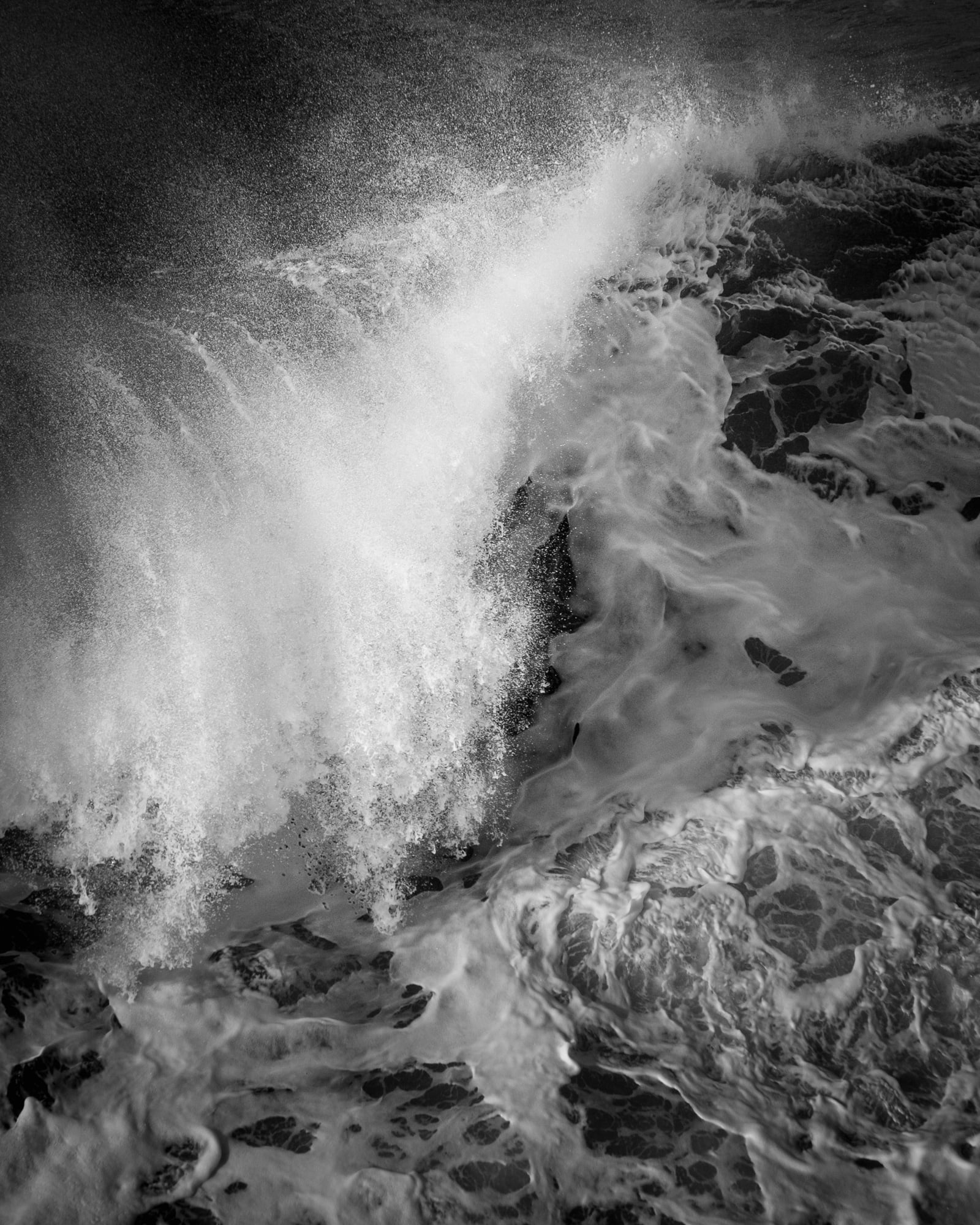
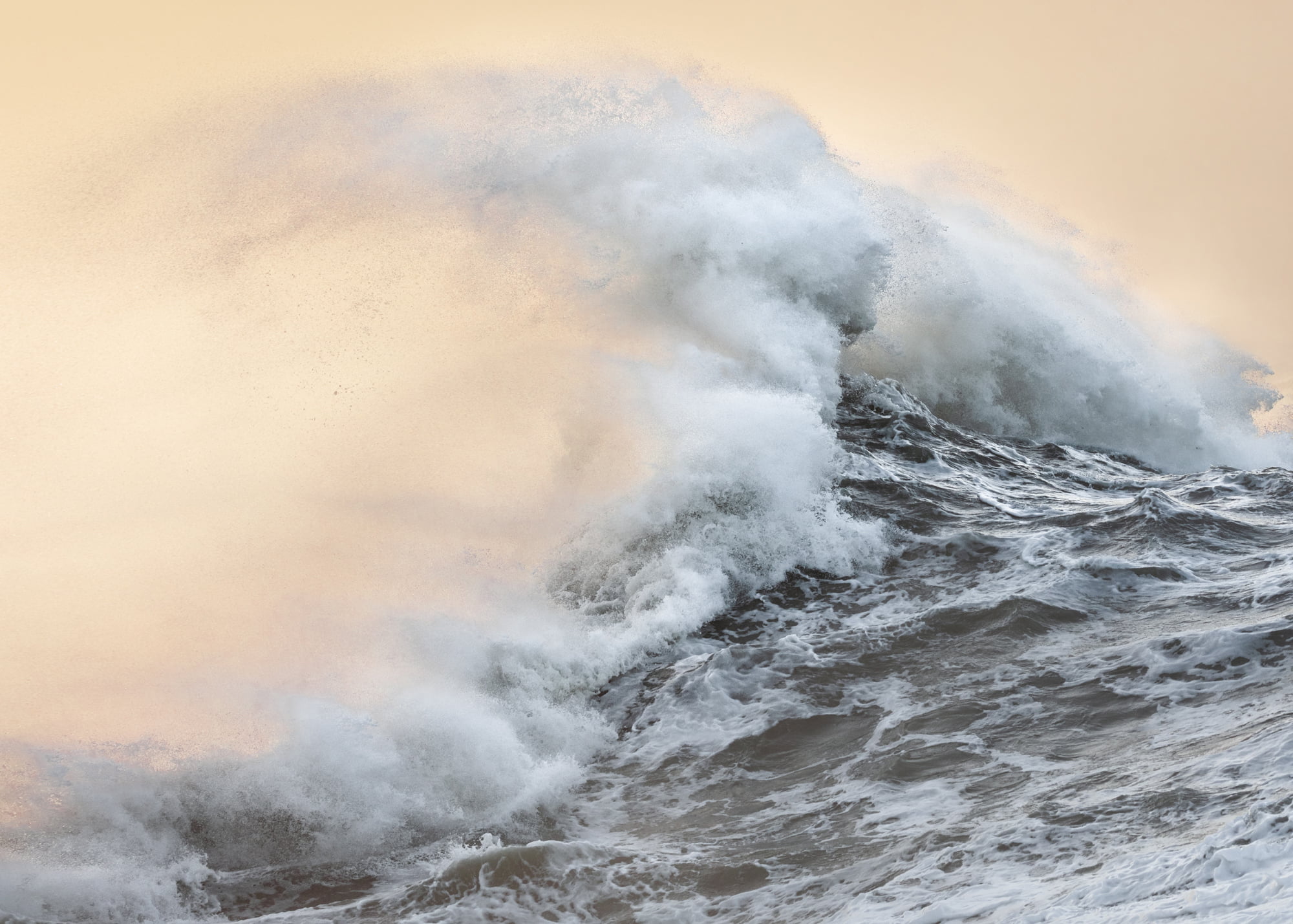

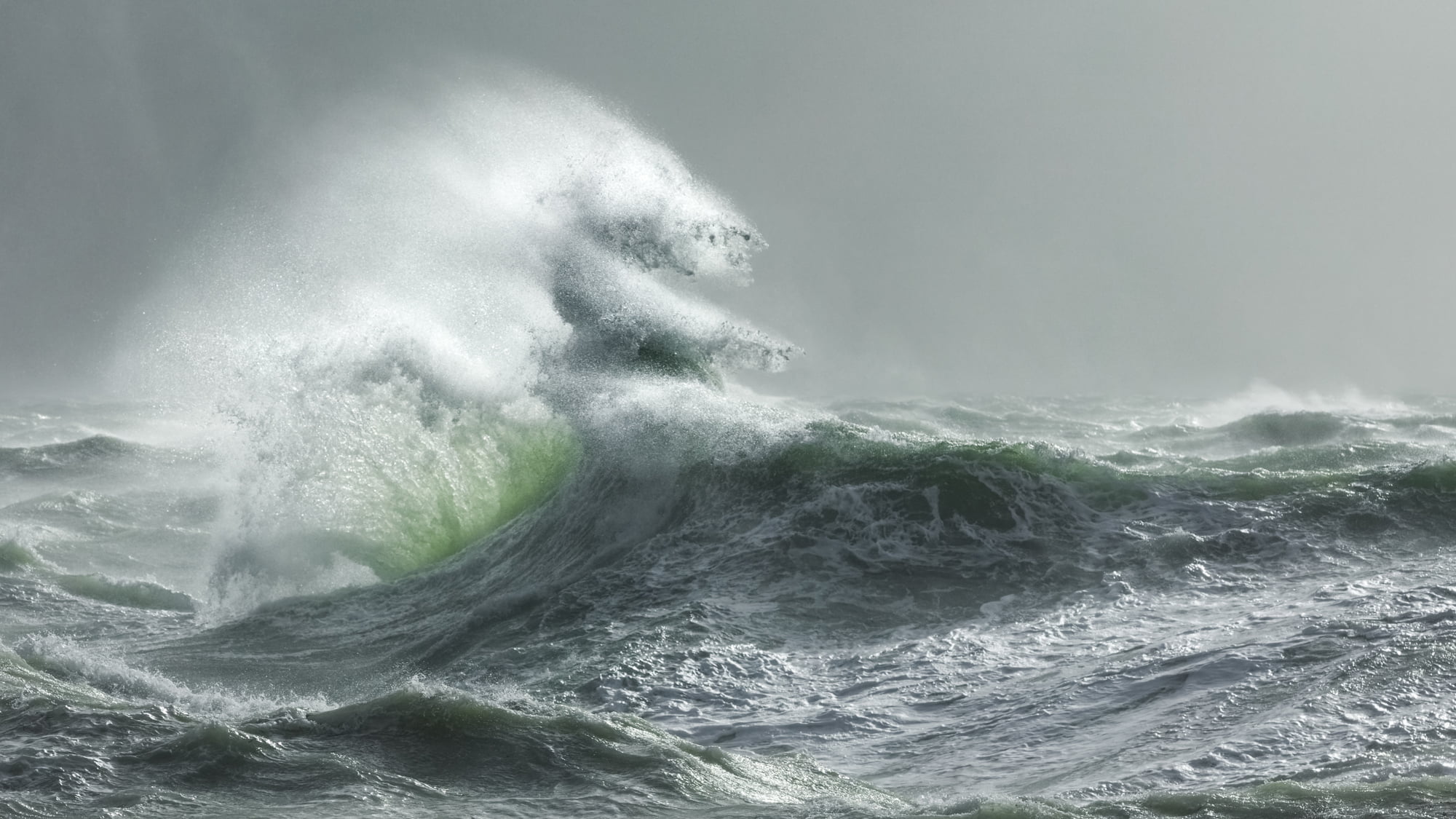
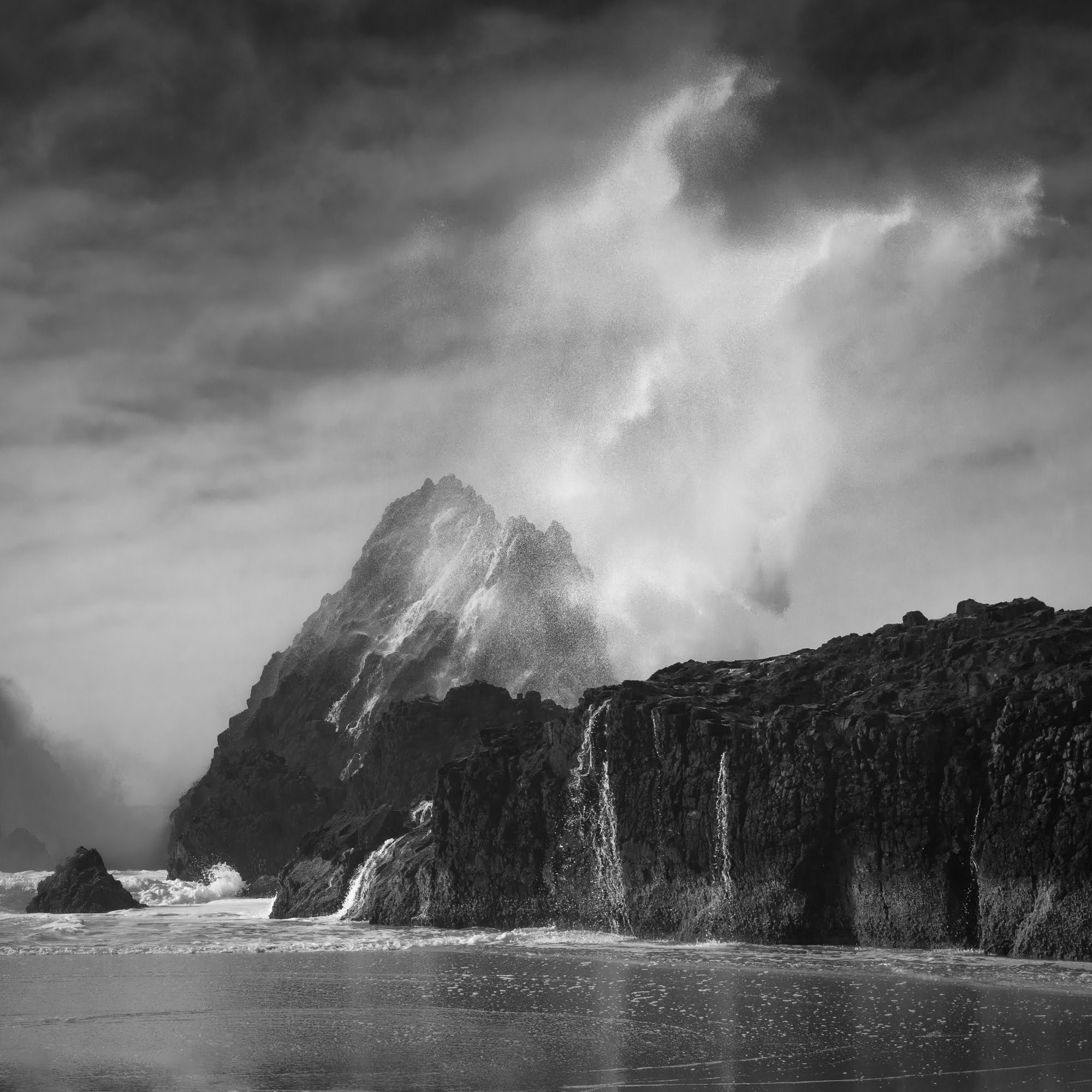

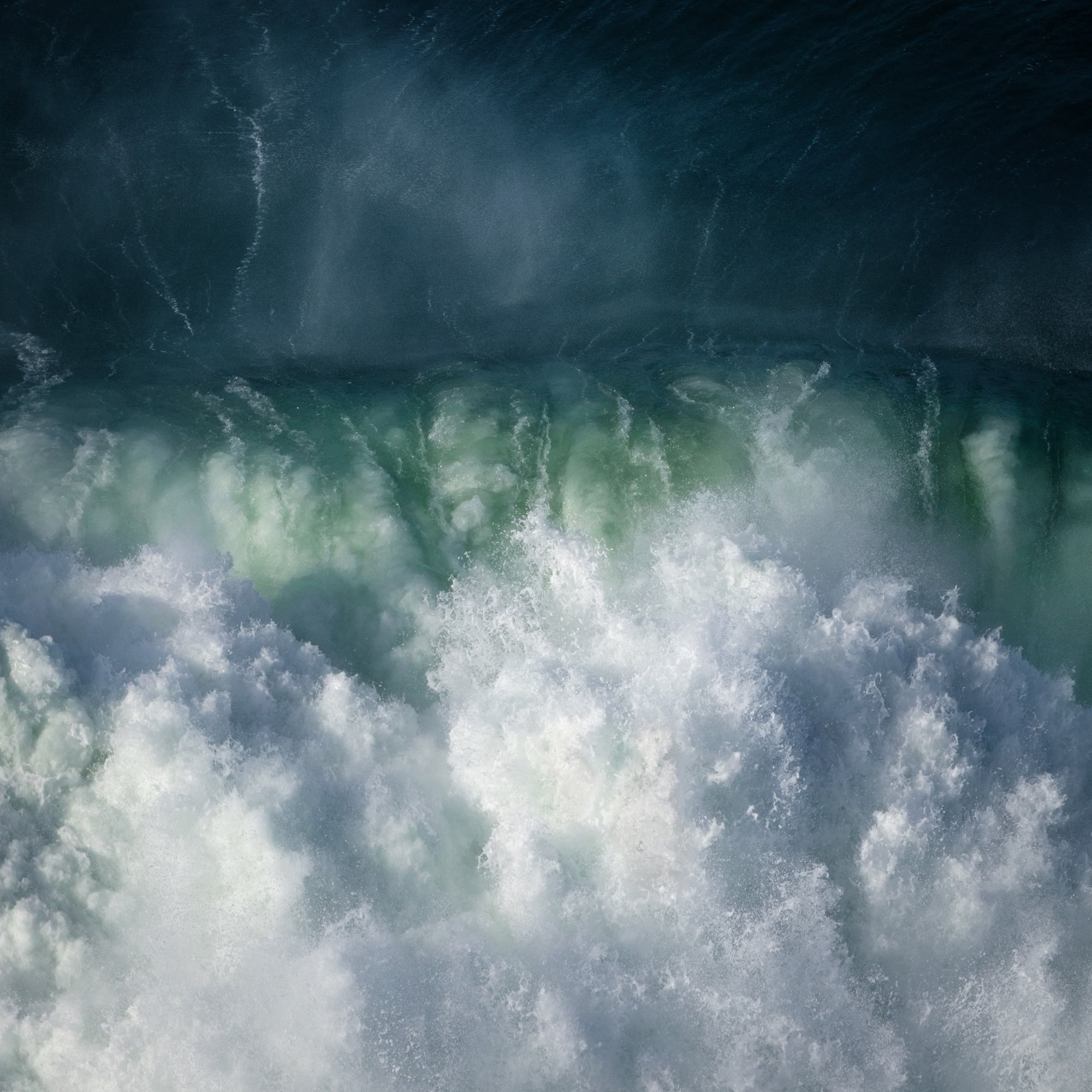
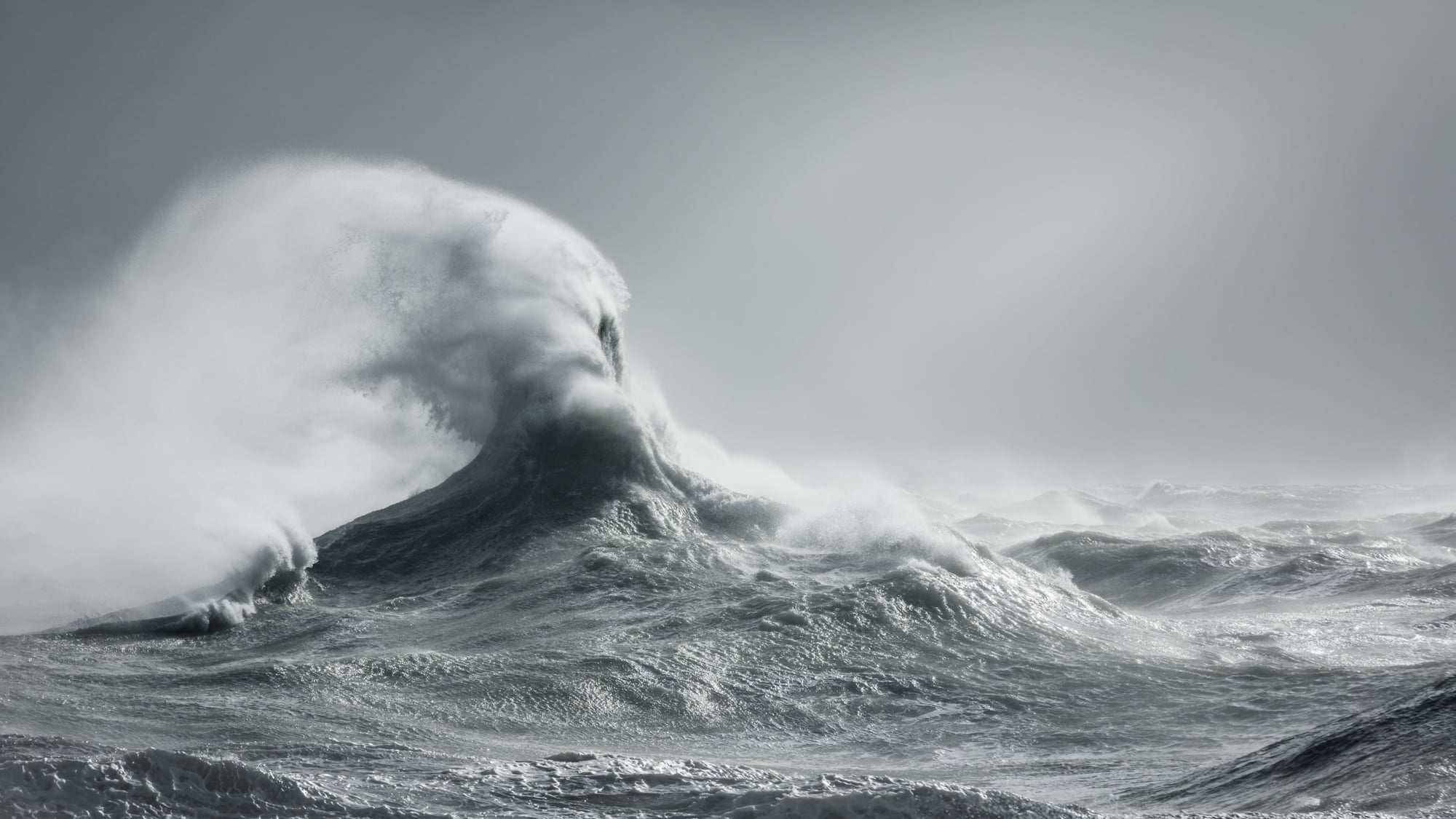
Photographer Rachael Talibart specializes in capturing the majestic and tumultuous power of the sea along England’s coast. Her most recent book “Tides and Tempests” looks incredible — full of turbulent crashing waves, skies of spray, and shorelines of surge and froth. I love how her photographs freeze the water in positions that seems surreal while underlining the sheer power of these storms. You can find more of her work on her website and Instagram. (Image credit: R. Talibart; via Colossal)
Controlling Aerosols Onstage
Few industries saw more disruption from the pandemic than the performing arts. To help orchestras return to the concert hall in a way that keeps performers and audience members safe, researchers have simulated air flow and aerosols around musicians onstage. Some instruments — like the trumpet — are super-spreaders when it comes to aerosol production, and, in the conventional organization of orchestras, those aerosols have to travel through other sections of the orchestra before reaching air vents, putting more musicians at risk.

(Upper row) Aerosol concentration for the orchestra’s original seating arrangement (left) and in the modified arrangement (right). (Bottom row) Time-averaged concentration of aerosol particles in the breathing zone of each musician in the original (left) and modified arrangements (right). Using Large Eddy Simulation, researchers looked at alternate seating arrangements for the Utah Symphony that could mitigate these risks. By rearranging the musicians so that instruments that produce lots of aerosols are closer to the air vents and open doors, the team reduced the average concentration of aerosols around musicians by a factor of 100, giving the performers a chance to return to the stage far more safely. (Image credit: top – M. Nägeli, simulation – H. Hedworth et al.; research credit: H. Hedworth et al.; via NYTimes; submitted by Kam-Yung Soh)

Airborne Aerosol Transmission of COVID-19
Early in the COVID-19 pandemic health officials resisted the idea that the novel coronavirus was transmissible through tiny aerosol droplets rather than larger, non-buoyant droplets. One case that made headlines and helped shift opinion was that of an outbreak among patrons of a Guangzhou restaurant traced to a single, pre-symptomatic patient zero. The pattern of who became sick at the carrier’s table and those nearby made little sense unless the restaurant’s air flow played a role in spreading the virus.
This paper studies the incident in detail, using an in-house computational fluid dynamics (CFD) code to simulate both airflow in the restaurant and the paths aerosol droplets would follow in that environment. It takes into account flow from the air conditioner and the warm air rising from customers. The study’s predictions of which areas would have the highest concentrations of virus-laden aerosols matches well with the actual pattern of the outbreak. The authors hope that tools like theirs can help prevent future outbreaks by indicating the most dangerous paths for transmission and measures that can block those. (Image credit: Center for Disease Control; video, research, and submission credit: H. Liu et al.)

Acidic Sea Spray
As waves crash and break, they generate a spray of droplets — known as aerosols — that make their way into the atmosphere. Researchers investigated the chemistry of these aerosol droplets by generating spray in a wave tank filled with ocean water. They found that aerosol droplets are far more acidic than the ocean they come from, and the smaller the droplet, the more acidic it is. This acidification happens in a matter of minutes, as acidic gases interact with the spray. Their findings will be critical for accurately modeling the climate connections between our oceans and atmosphere. (Image credit: Elle; research credit: K. Angle et al.; via OceanBites; submitted by Kam-Yung Soh)

Bright Volcanic Clouds
Every day human activity pumps aerosol particles into the atmosphere, potentially altering our weather patterns. But tracking the effects of those emissions is difficult with so many variables changing at once. It’s easier to see how such particles affect weather patterns somewhere like the Sandwich Islands, where we can observe the effects of a single, known source like a volcano.
That’s what we see in this false-color satellite image. Mount Michael has a permanent lava lake in its central crater, and so often releases sulfur dioxide and other gases. As those gases rise and mix with the passing atmosphere, they can create bright, persistent cloud trails like the one seen here. The brightening comes from the additional small cloud droplets that form around the extra particles emitted from the volcano.
As a bonus, this image includes some extra fluid dynamical goodness. Check out the wave clouds and von Karman vortices in the wake of the neighboring islands! (Image credit: J. Stevens; via NASA Earth Observatory)