Droplet collisions, usually with water or milk, are popular with photographers for their artistic value. As stunning as these still images are, high-speed video makes the effect even better.
Photo credit; See also: Liquid sculpture and Flickr
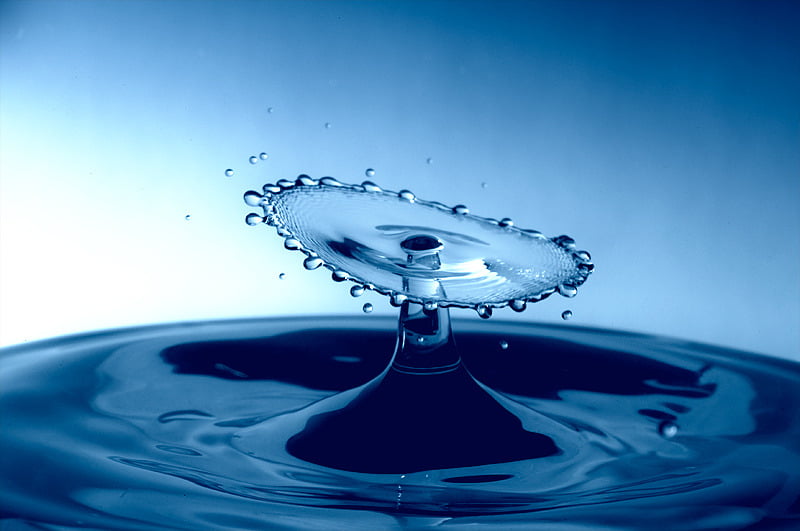
Droplet collisions, usually with water or milk, are popular with photographers for their artistic value. As stunning as these still images are, high-speed video makes the effect even better.
Photo credit; See also: Liquid sculpture and Flickr

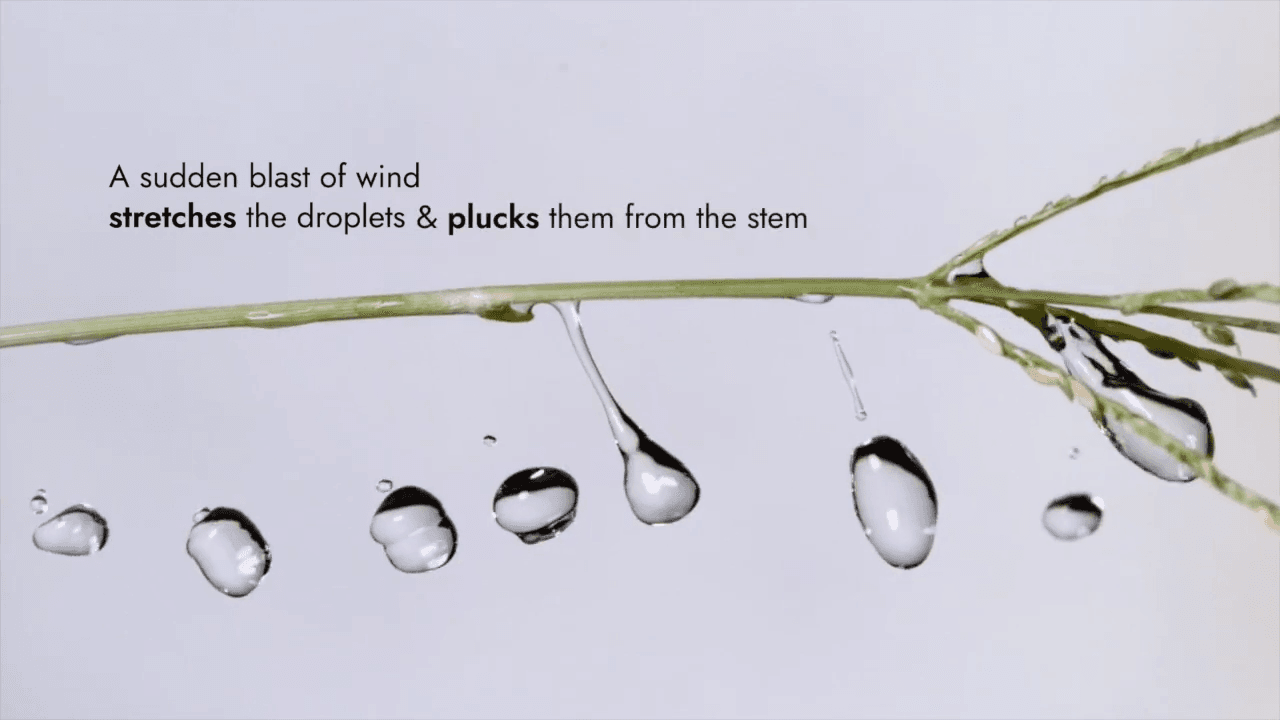
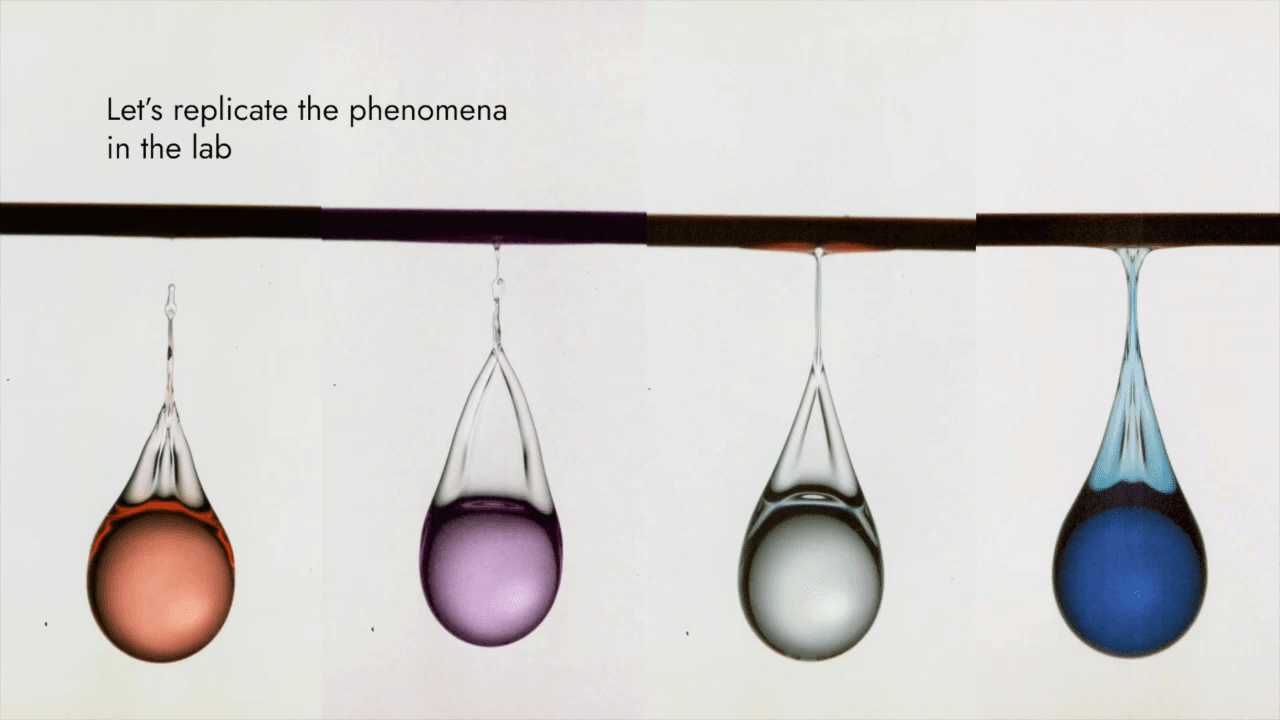
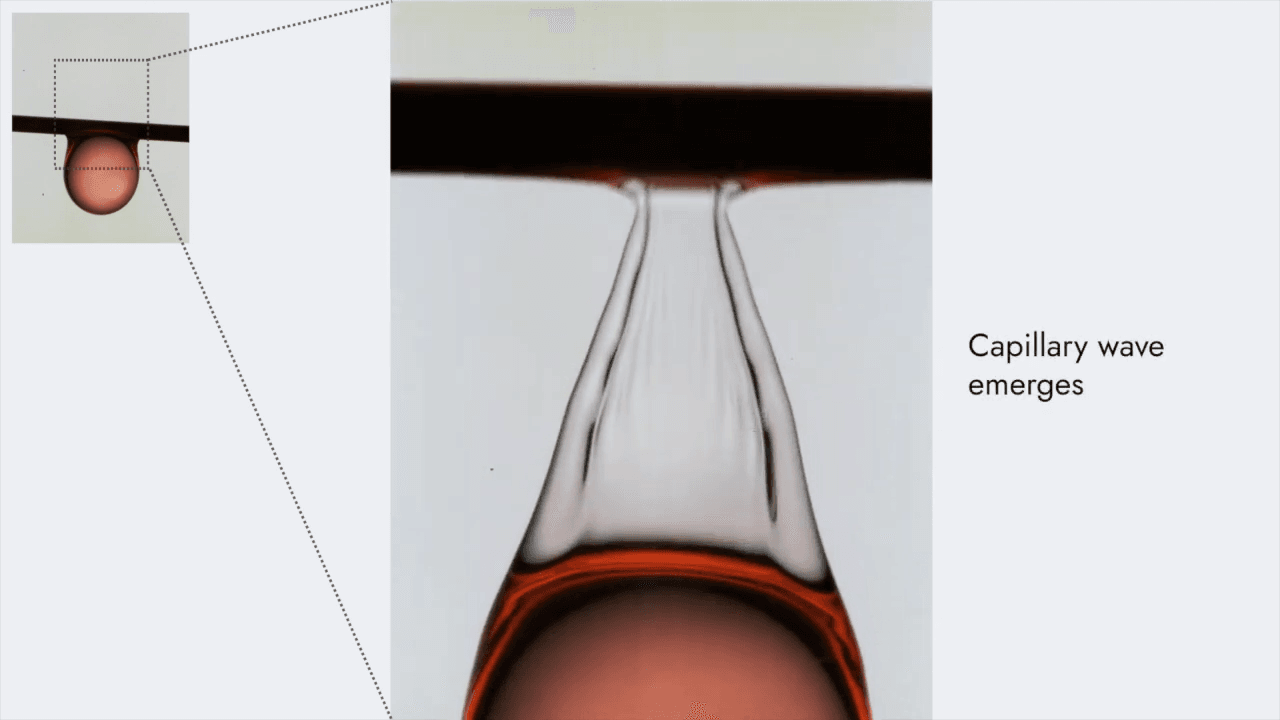
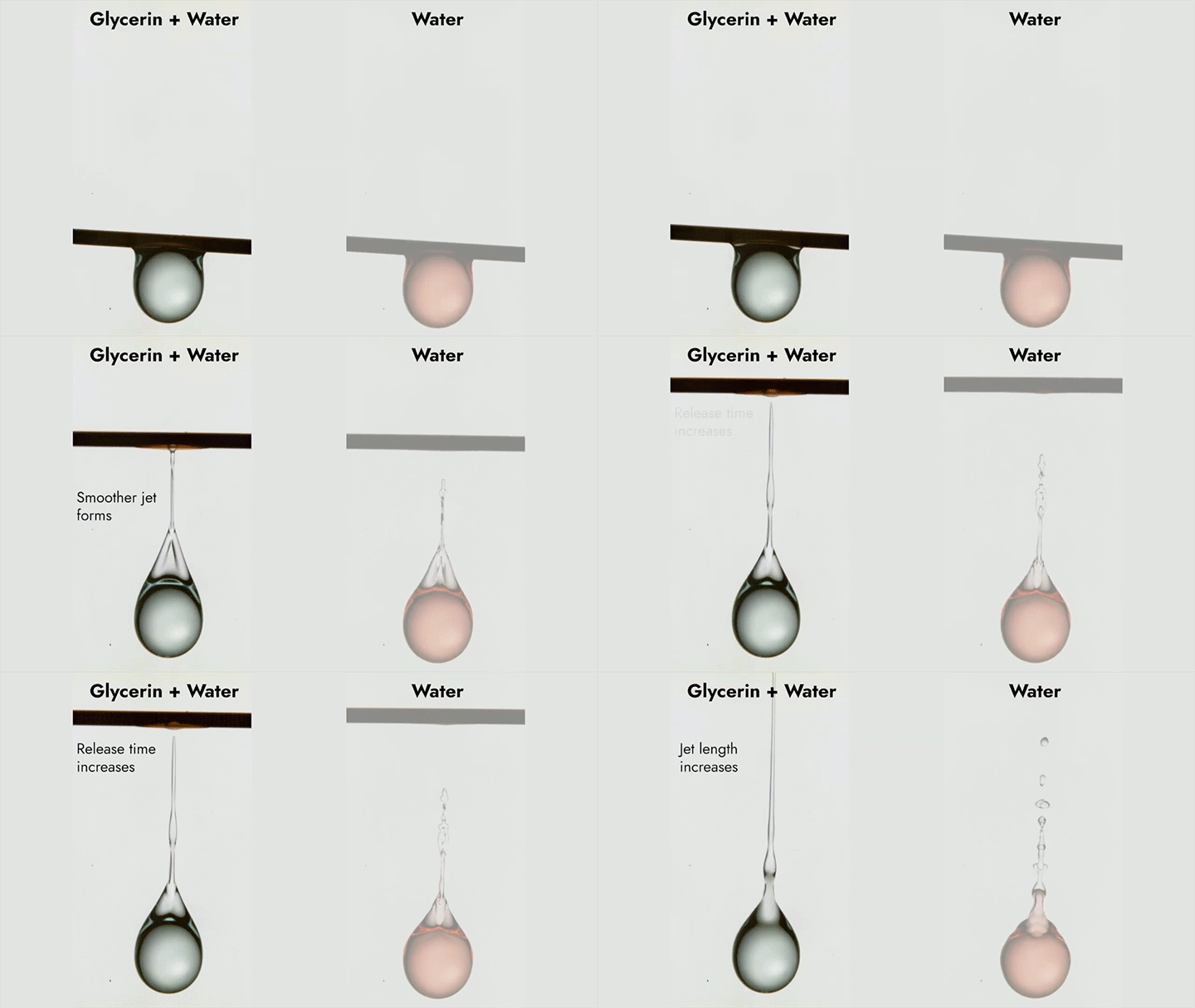
A sudden breeze can pluck droplets hanging from a stem. Here, researchers recreate that phenomenon in the laboratory. With a close-up view and high-speed images, we can enjoy every detail of the detachment and break-up. As the wire pulls away, it drags a liquid sheet off the droplet. The thicker rims on either side of the sheet eventually collide, creating a jet that stretches, deforms, and, at last, breaks. (Video and image credit: D. Maity et al.)








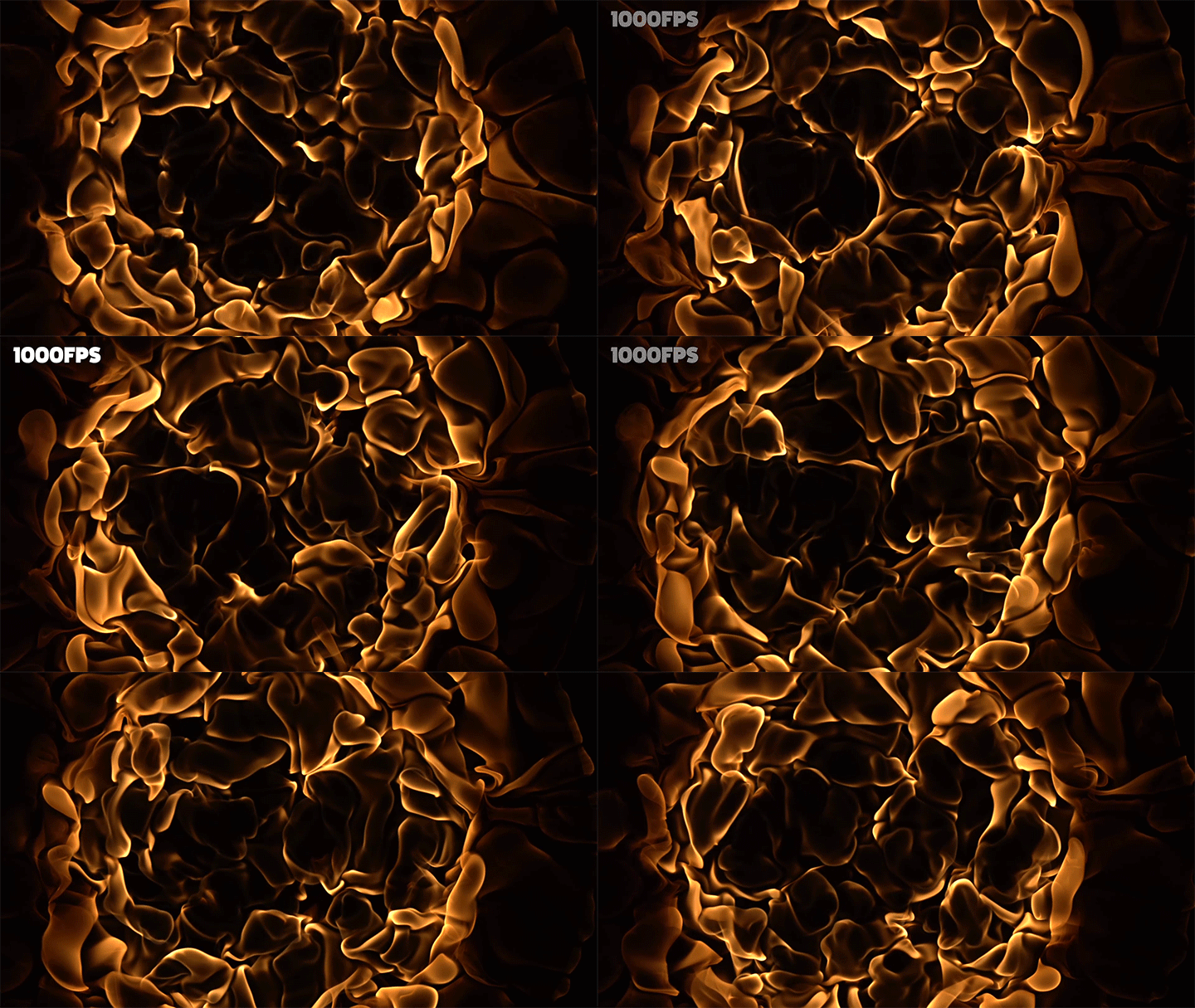
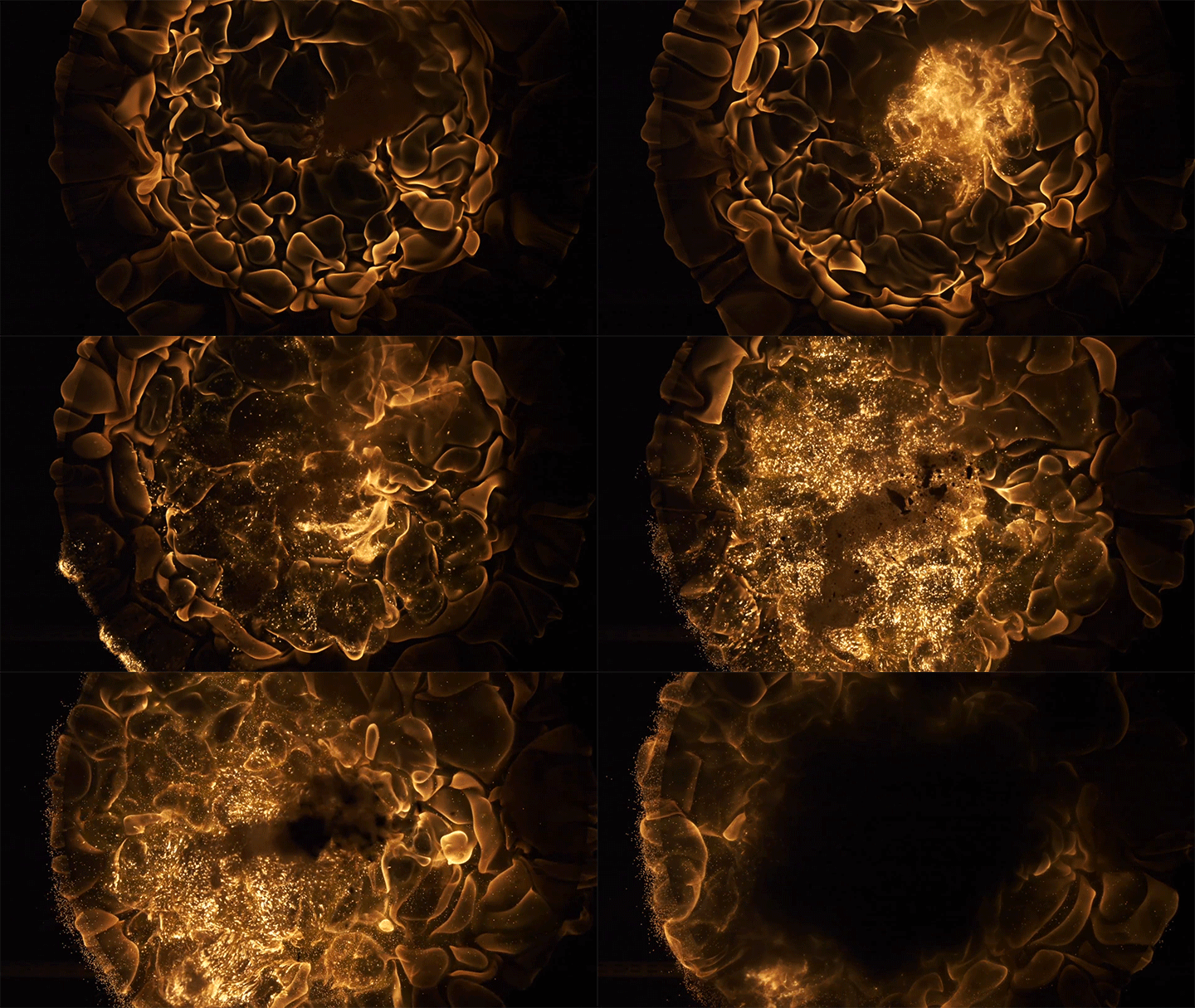
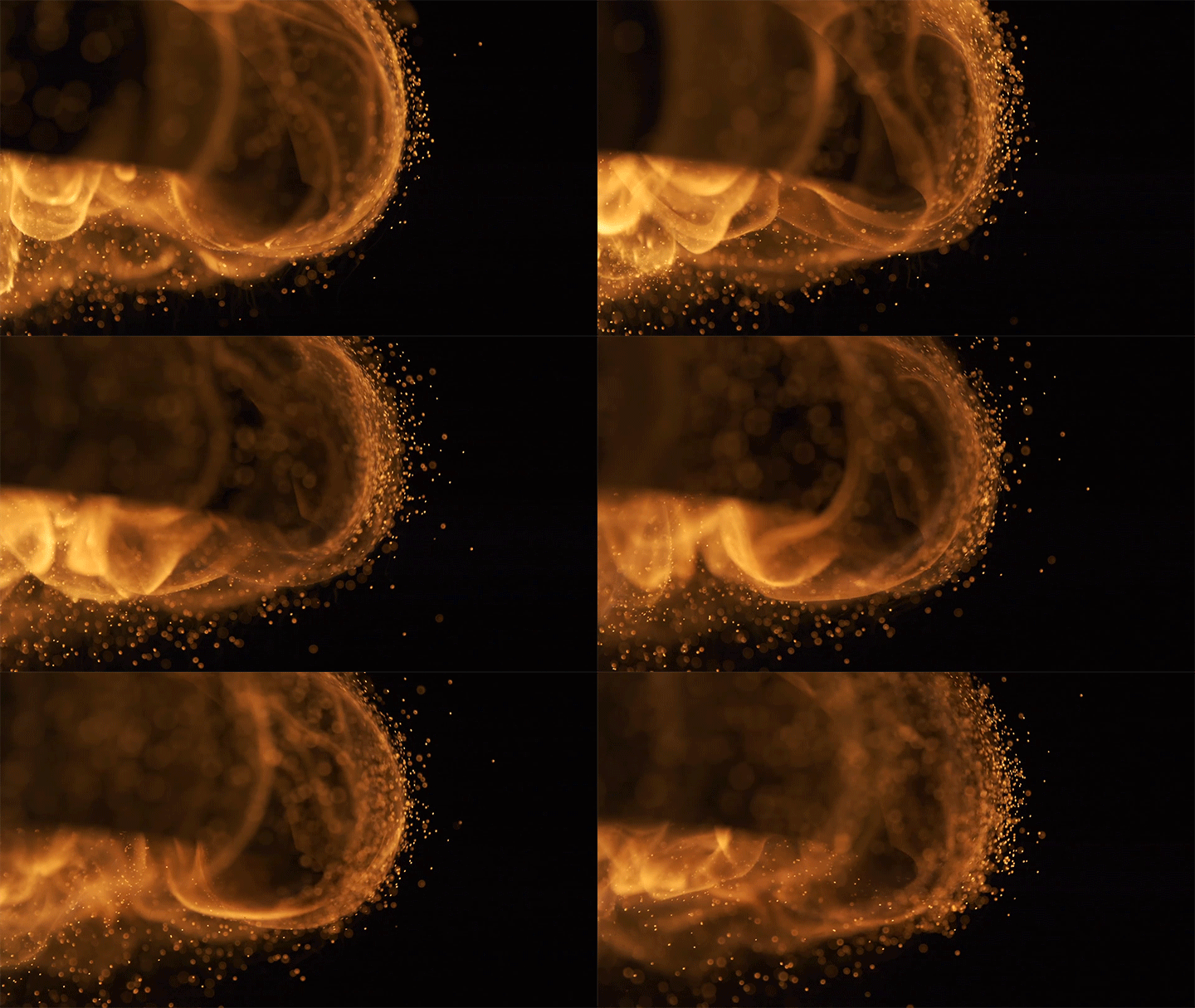
A slight change in perspective can do wonders. In this video, the Slow Mo Guys look at a burning flame from below. They accomplish this by mounting a gas grill upside-down. This small change means that buoyancy can’t simply lift heat and exhaust gases away from the flame source. Instead, the flow pushes out and around the edges of the grill.
The views are, as always, amazing. The billowing flames are mesmerizing–often closer to laminar than turbulent. And the added spectacle of cinnamon combusting in the later segments really does make for the kind of visuals you’d expect in a sci-fi movie. (Video and image credit: The Slow Mo Guys)







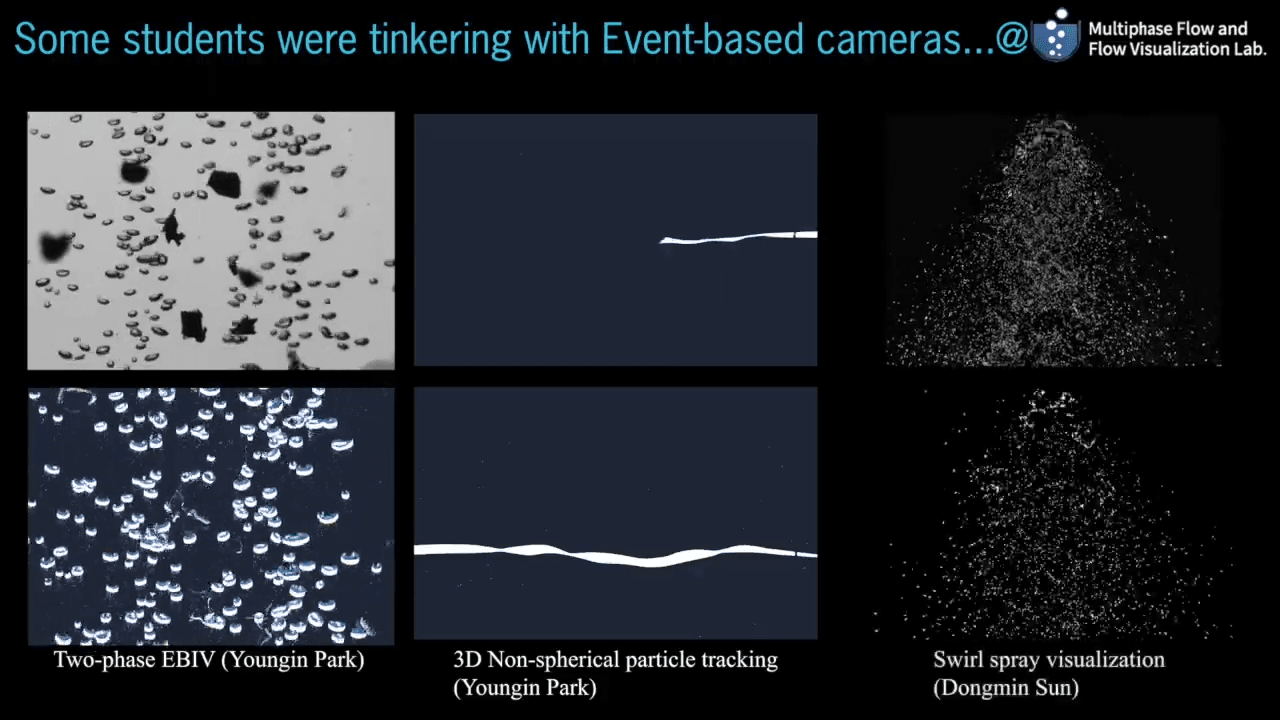

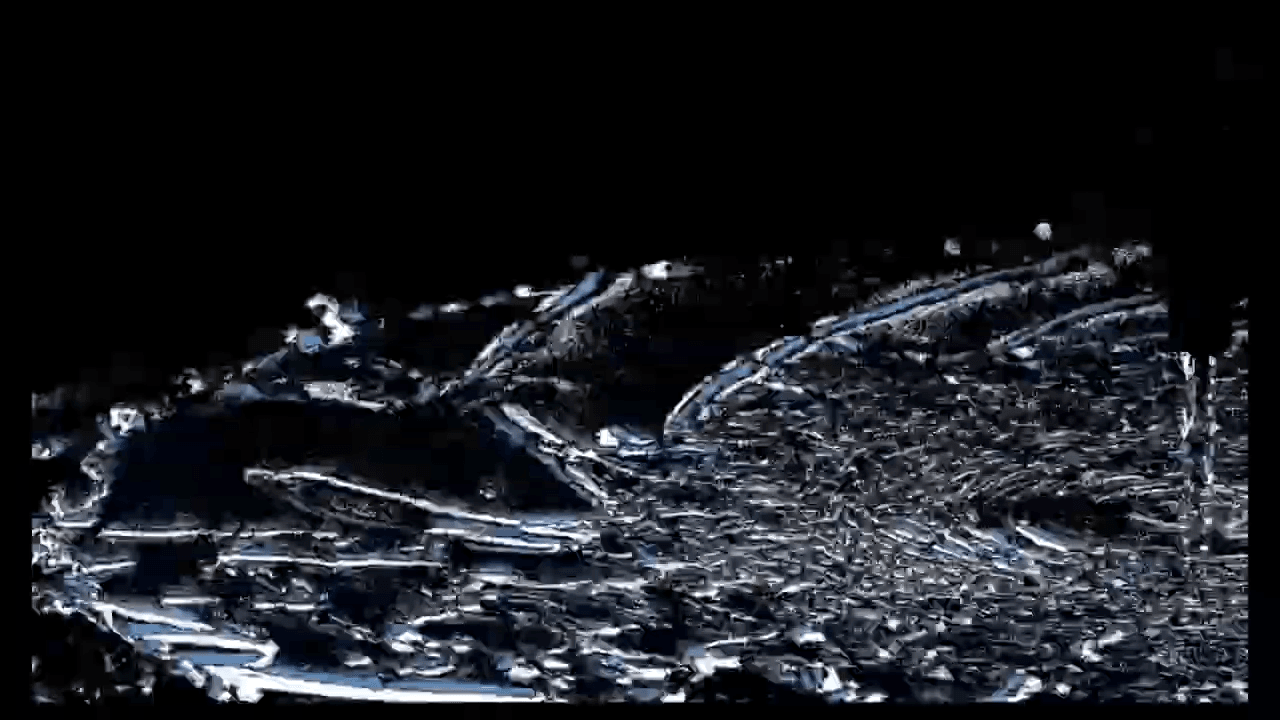
High-speed cameras are an amazing tool in fluid dynamics, but they come with a whole host of challenges. The camera and lighting have to be positioned to deal with reflections, the data sets are enormous, and post-processing all that data takes a long time.
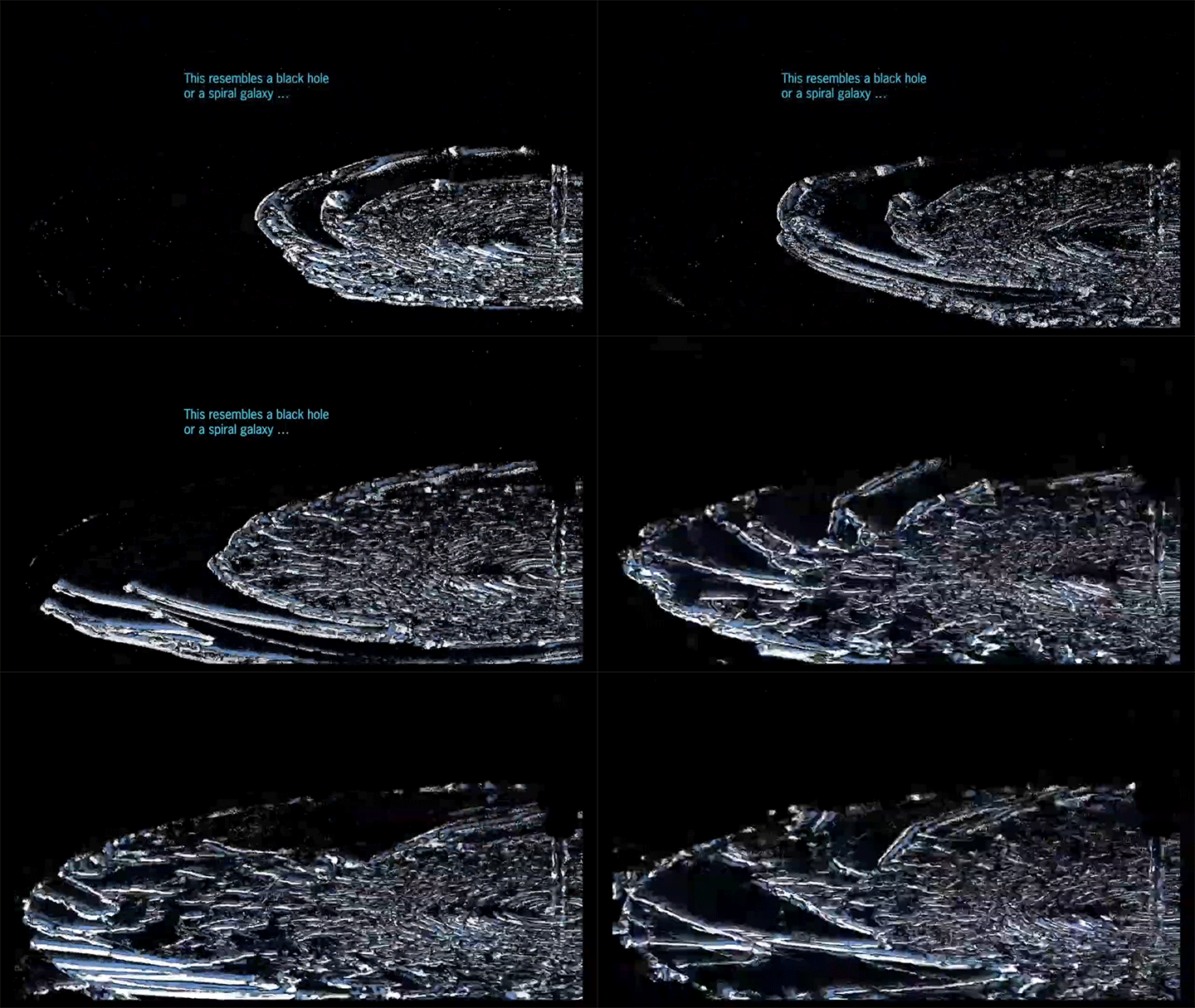
Here, researchers experiment instead with studying a flow using an event-based camera, which records information only when and where the brightness changes. The images and videos look strange to our eyes, but, as the authors show, they work nicely for identifying flow features and extracting valuable data. (Video and image credit: D. Sun et al.)




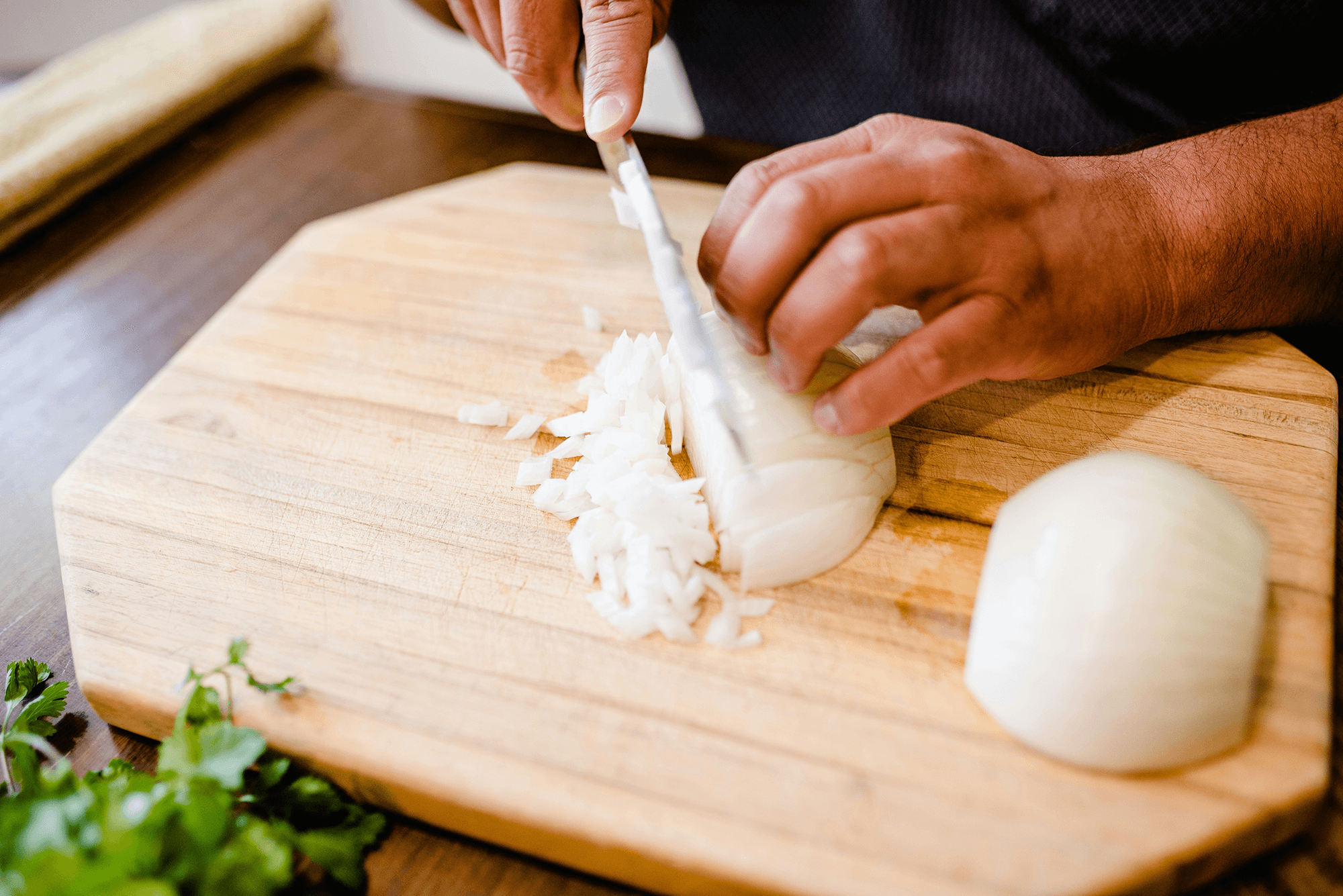
Onions are a well-known source of tears for many a cook. And while the chemical source of their power–onions release a chemical that reacts in our eyes to produce tears–has been known for years, no one has looked at the fluid dynamics in the process until now.
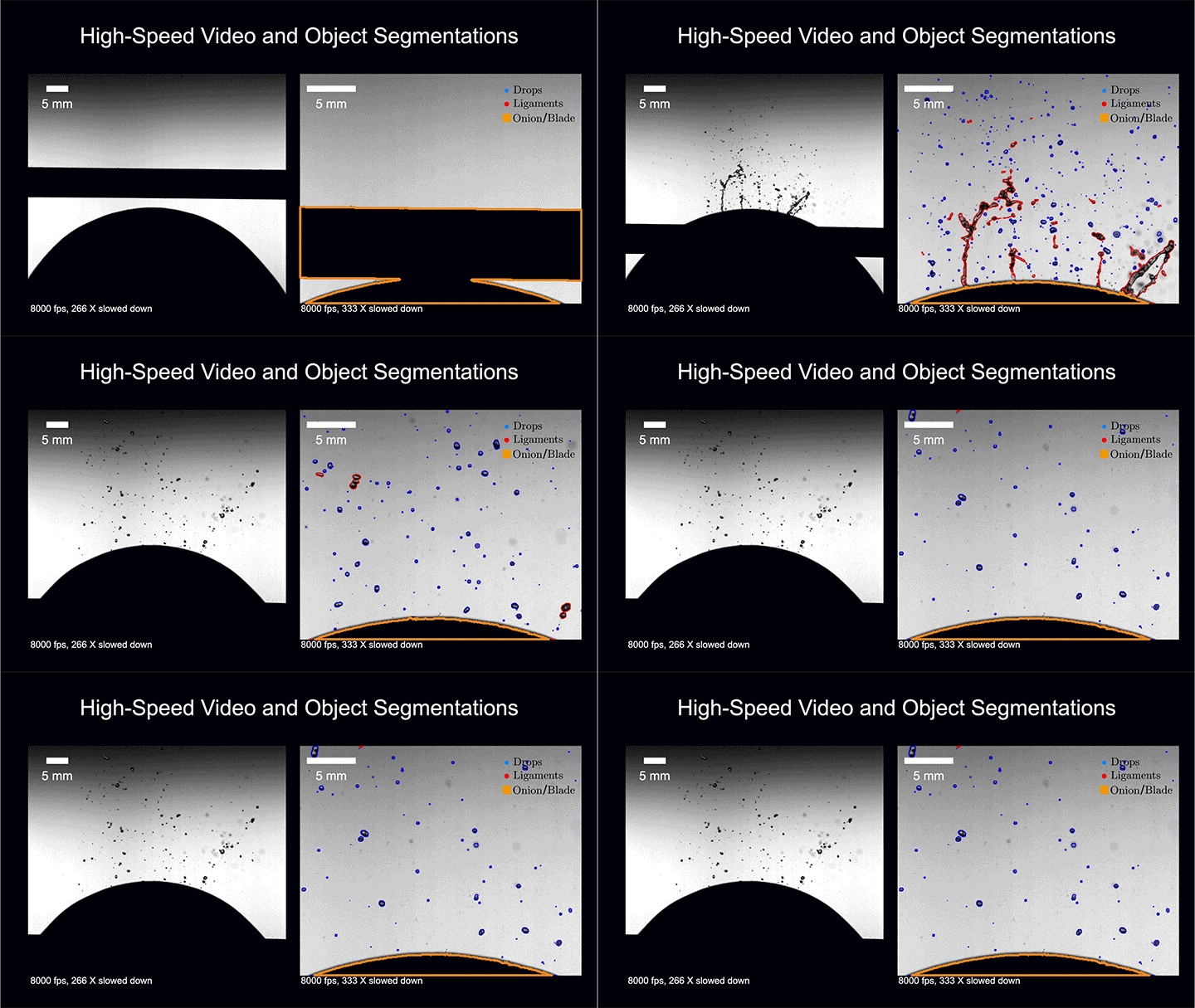
As seen above, a knife piercing the onion’s surface releases a mist of high-speed droplets, followed by a slower spray. Much like a citrus fruit’s microsprays, the onion’s fountain depends on both solid and fluid mechanics. As the knife presses into the onion’s stiffer outer layer, pressure builds in the softer layer underneath, which contains pores of fluid. Once the knife breaks the epidermis, that pressurized fluid sprays out.
The good news is that the team also confirmed a common culinary wisdom: using a sharper knife and a slower, gentler cut will reduce the spray and its speed, resulting in fewer tears. (Image credit: M. Stone; research credit: Z. Wu et al.)








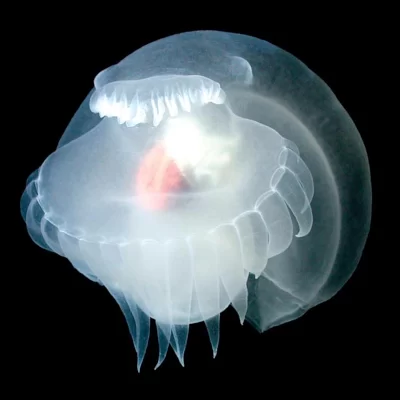


Insects are masters of a challenging flight regime; their agility, stability, and control far outstrip anything we’ve built at their size. But to even understand how they accomplish this, researchers must manage to capture those maneuvers in the first place. Insects don’t stay in one small area, which is what the typical fixed camera motion capture set-up requires. Instead, one group of researchers has designed a system with a moveable mirror that tracks an insect’s motion in real-time, ensuring that the camera stays fixed on the insect even as it traverses a room or — for the drone-mounted version — a field.
Real-time motion tracking means that researchers can better capture detailed footage of the insect’s maneuvers in a lab environment, or they can head into the field to follow insects in the wild. Imagine tracking individual pollinators through a full day of gathering or watching how a bumblebee responds to getting hit by a raindrop mid-flight. (Video and image credit: Science; research credit: T. Vo-Doan et al.)





Thomas Blanchard’s short film “The Ballet of Colors” plunges viewers into a warm spectrum of roiling oil and paint. Fluid dynamically speaking, it could be subtitled “the Plateau-Rayleigh instability” thanks to its focus on retracting paint ruptures and ligaments breaking into droplets. Unlike some other videos of this genre, Blanchard uses a high-speed camera here, filming the action at 1,000 frames per second, and the result is smooth, crisply focused, and absolutely delectable. (Video and image credit: T. Blanchard et al.)


We often think of plants as passive and stationary, but the truth is that some plants move faster than we can even see. In this “True Facts” video, Ze Frank takes a look at a whole host of fast-moving plants, including horsetail plant spores that walk and jump, trebuchet-like bunchberry dogwood, vortex-ring-shooting moss, and moisture-driven self-digging seeds. These plants all use clever mechanisms that leverage water to spread the plant’s reproductive material at little to no energy cost to the plant itself. (Video and image credit: Z. Frank)


In one of their most Mythbusters-like videos ever, the Slow Mo Guys ask: can an explosion deflect a bullet? To find out, they built out a system to trigger a C4 explosive using a 9mm bullet, all while watching with a series of high-speed cameras. As you’d expect, there are lots of blast waves and neat flame propagation to watch. As for the fundamental question, well, you’ll have to watch to find out! (Video and image credit: The Slow Mo Guys)


One way to explore the effects of spinning liquids at high-speeds is to build an expensive and precise lab apparatus. Another method is to raid the Lego bin. Here, a YouTuber builds ever-more-elaborate Lego constructions to spin a sphere of water. He begins with a relatively straightforward magnetic stirrer that creates a bathtub vortex in his sphere, but as the set-up grows, he eventually encases the sphere to spin the entire thing at high-speed. It’s a cool way to see how spinning liquids react, from forming a vortex to spin coating the interior of the sphere and to generating a parabolic interface between air and liquid. Set-ups like these are not merely for fun, though; scientists use them to simulate the interiors of planets. (Image and video credit: Brick Technology; submitted by clogwog)