When a butterfly emerges from its chrysalis, it flaps its wings to help pump fluids through its body, essentially inflating its new adult form. You get a glimpse of that process here in this Ant Lab video, along with some spectacular slow motion footage of butterflies taking off. I’m always amazed to see how much butterfly wings flex with each wing beat! Even more impressive is the strength of the insect’s lift; as seen here, a butterfly is strong enough to take off while supporting both itself and a mated insect. (Image and video credit: Ant Lab/A. Smith)
Category: Phenomena

Streaks of Sea Ice
As summer approaches in the Southern Ocean, sea ice melts, but the process is not purely one-way. Temperatures in some locations are cold enough for some limited new freezing. The result is a mix of ice conditions like those seen here. The oldest, thickest ice is part of the ice shelf in the image’s lower right. Normally, younger sea ice would nestle against this shelf, but strong winds have blown that ice north-eastward.
In the open waters between, delicate frazil ice — tiny needle-like crystals — forms. The wind, coupled with the wave motion, drives the frazil ice together to form streaks of nilas, which eventually accumulate into a layer along the older, broken, windswept ice. (Image credit: J. Stevens/USGS; via NASA Earth Observatory)

Beijing 2022: Sliding on Snow

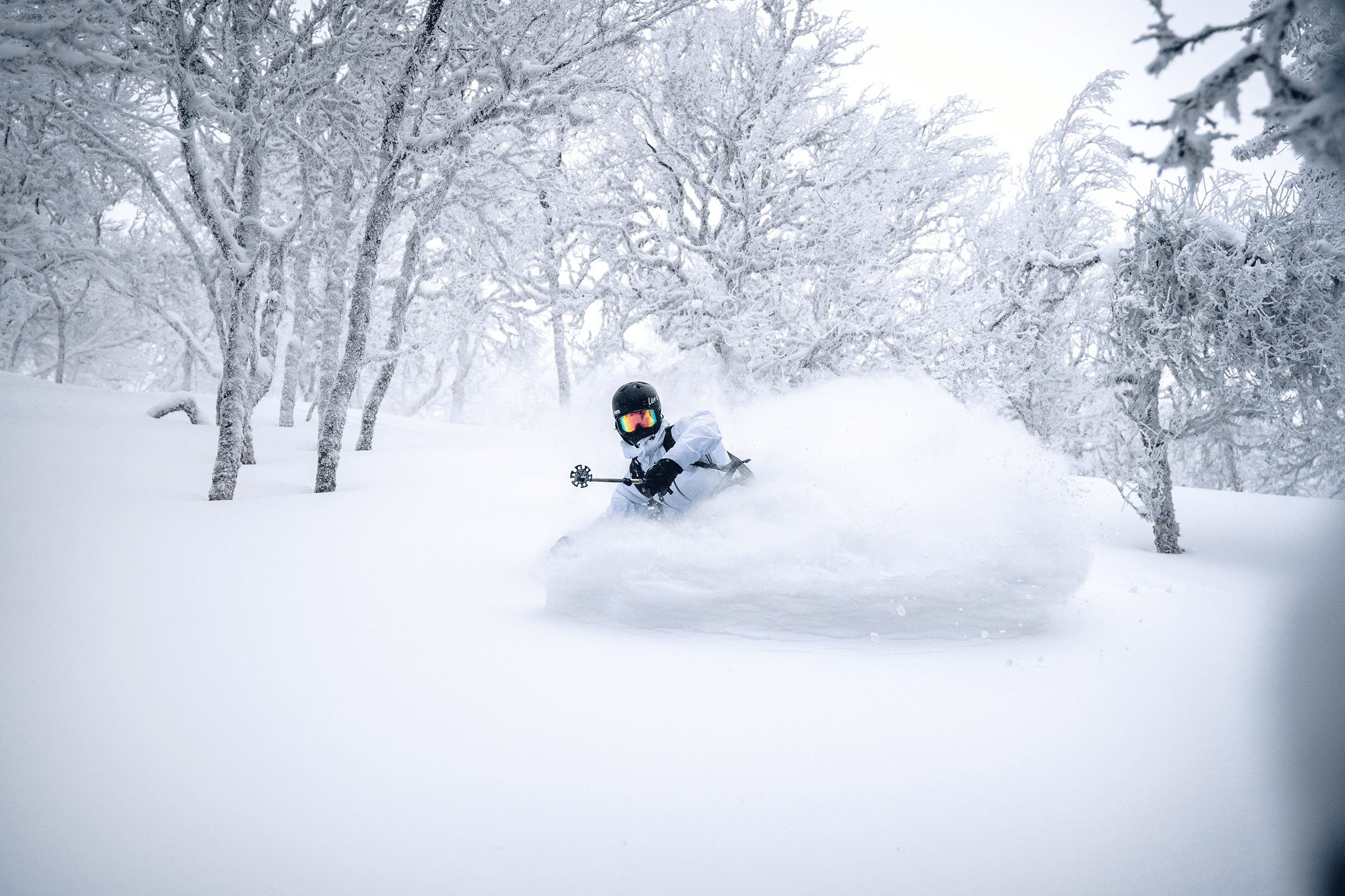
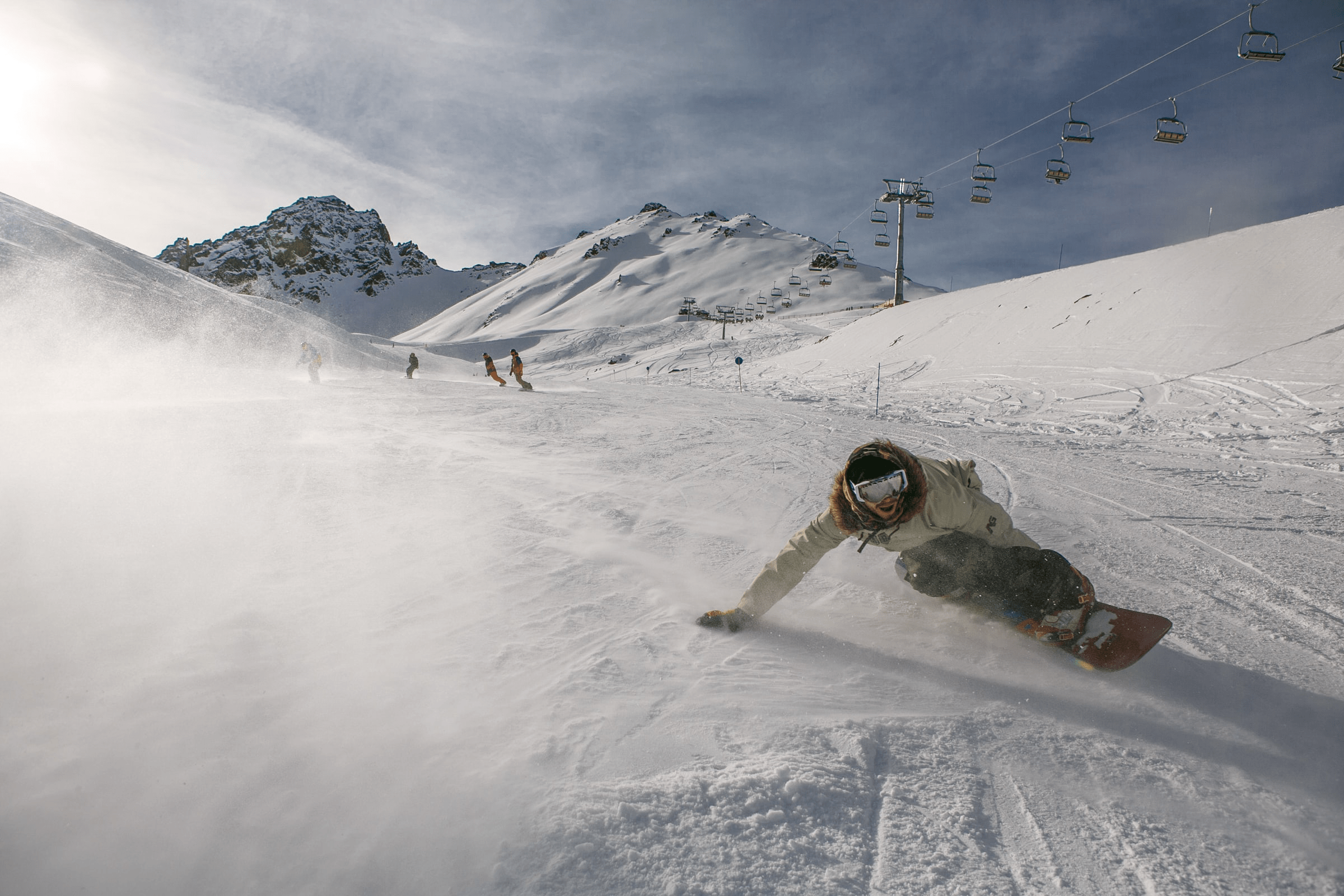

Skiing and snowboarding events rely on the peculiar physics of sliding on snow. According to classical lubrication theory, that sliding shouldn’t be nearly as low in friction as what we observe. The key here is that snow is soft and porous; it’s compressible, but it can also trap air (or water) in the pores between flakes. Because the passage of a skier or snowboarder is so fast, the air doesn’t have the time to slip out of the pores. Instead, it gets pressurized, providing lift that keeps the slider’s friction low. In the end, it isn’t the snow holding the slider up, it’s the air trapped in the snow beneath them! (Image credit: skier in powder – J. Andersson, snowboarder – Visit Almaty, halfpipe – P. T’Kindt; research credit: Z. Zhu et al.)

Beijing 2022: Monobob
Bobsleigh, as a discipline, has been dominated in recent years by teams seeking every aerodynamic advantage to shave hundredths of a second off their runs. So it’s fascinating that the newest event in the discipline — the women-only monobob — cuts away that secretive part of the sport by permitting sleds from only one manufacturer. Every athlete competes in an identical sled. Not only that, they swap sleds between runs based on their times! So the fastest athlete from the first run will switch sleds with whomever had the slowest time.
The event’s rules refocus the competition on athletic performance and skill rather than incentivizing countries who can afford to spend more money on wind tunnel testing and F1 design companies. That’s a great step toward leveling the playing field. I can’t wait to watch! (Image credit: OIS)

Beijing 2022: Ski Jumping
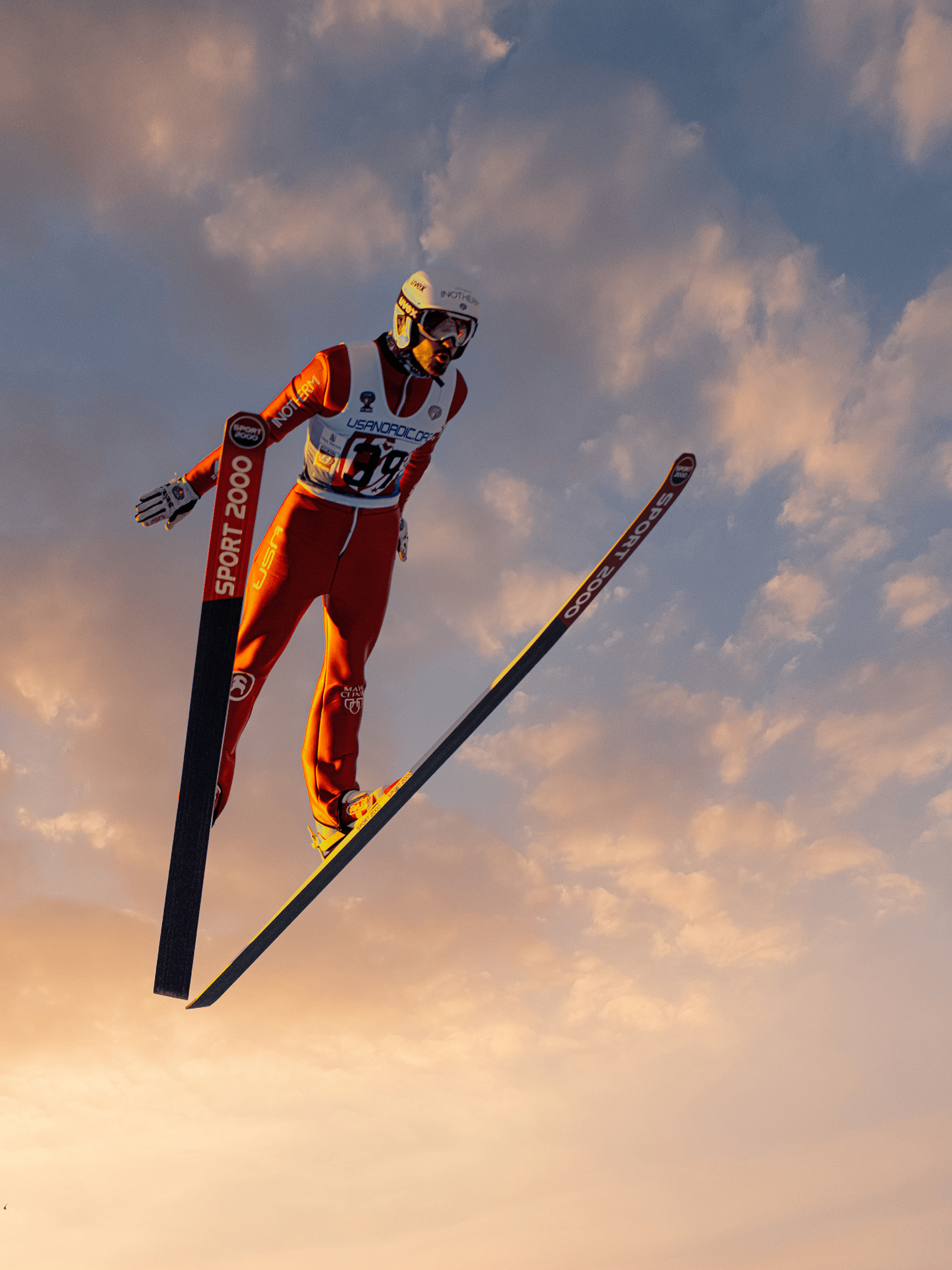
In ski jumping, aerodynamics are paramount. Each jump consists of four segments: the in-run, take-off, flight, and landing. Of these, aerodynamics dominates in the in-run — where jumpers streamline themselves to minimize drag and maximize their take-off speed — and in flight. During flight, ski jumpers spread their skis in a V-shape and lift their arms to the sides to turn themselves into a glider. Their goal is to maximize their lift-to-drag ratio, so that the air keeps them aloft as long as possible. Because of the short flight time and high risk of taking jump after jump, many elite ski jumpers use wind tunnel time to practice and hone their flight positioning, as seen in the video below.
Weather also plays a significant role in ski jumping; it’s one of the few sports where a headwind is an advantage to athletes. To try to adjust for wind effects, scoring for the sport uses a wind factor. (Image credit: T. Trapani; video credit: NBC News)

Acrylic Paint Fractals


Here’s a simple fluids experiment you can try at home using acrylic paints, ink, isopropyl alcohol and a few other ingredients. When dropped onto diluted acrylic paint, a mixture of black ink and alcohol spreads in a fractal fingering pattern. The radial (outward) flow is driven by the alcohol’s evaporation, which increases the local surface tension and draws fluid outward. The shape and density of the fingers depends, at least in part, on the viscosity of the underlying paint layer; more viscous paint layers grow smaller and denser fractal patterns. (Image and video credit: S. Chan et al.)

Antarctic Meltwaters
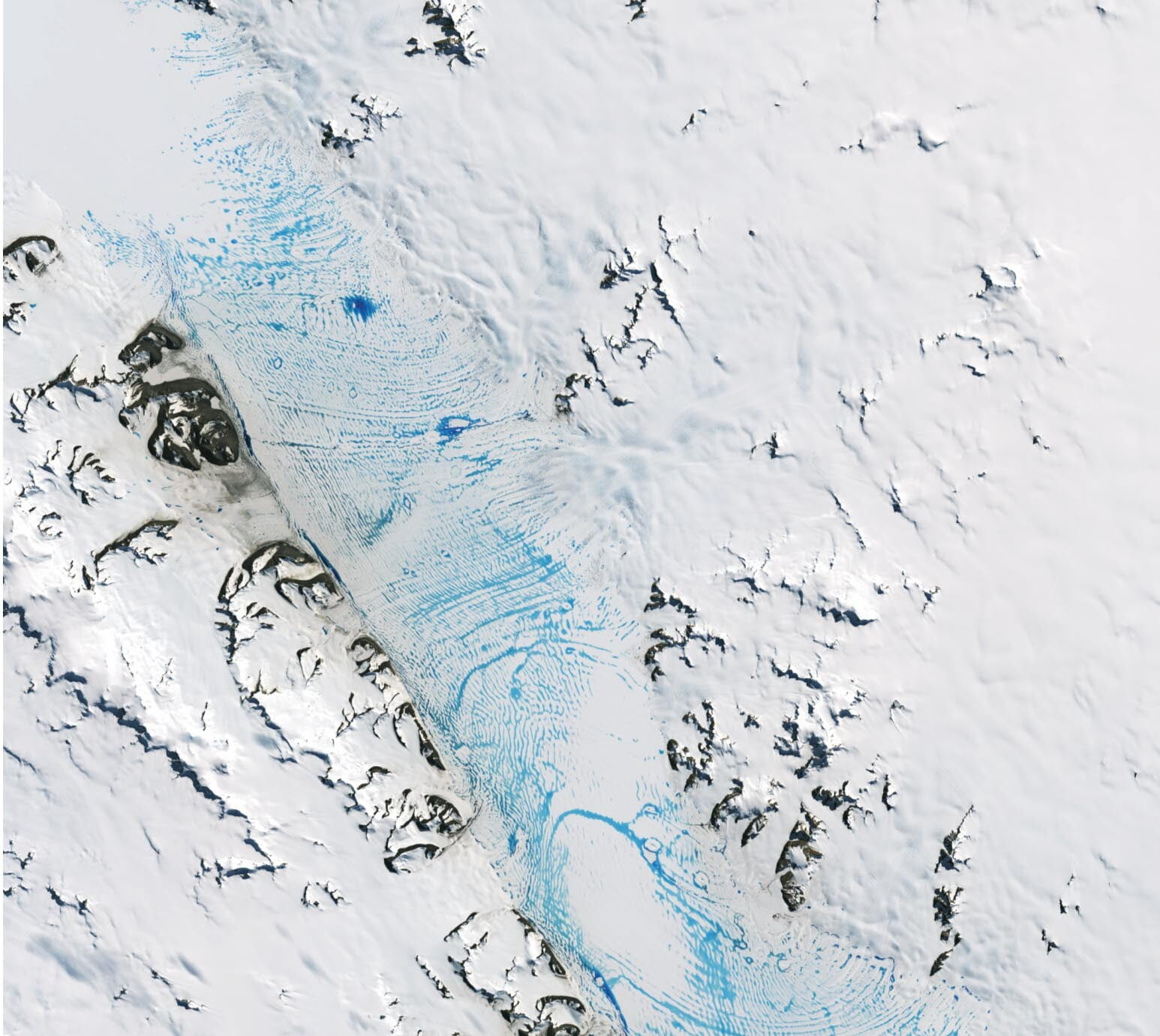
Cerulean blue meltwater glints in this satellite image of the George VI Ice Shelf. Wedged between the Antarctic Peninsula on the right and Alexander Island on the left, the ice shelf itself floats on the ocean. When ice shelves collapse, they do not directly raise sea levels since their weight has already displaced water; but a collapsed ice shelf lets glaciers flow and break up faster, thereby raising water levels.
In past ice shelf collapses, scientists have noted major buildup and sudden drainage of surface lakes like the ones seen here. Meltwater penetrating through snow and ice can destabilize the shelf and hasten collapse, but the exact mechanisms are hard to track. This Physics Today article summarizes our understanding of the process and some of the methods scientists use to study it. (Image credit: L. Dauphin/NASA Earth Observatory; see also Physics Today)
The Assassin’s Teapot


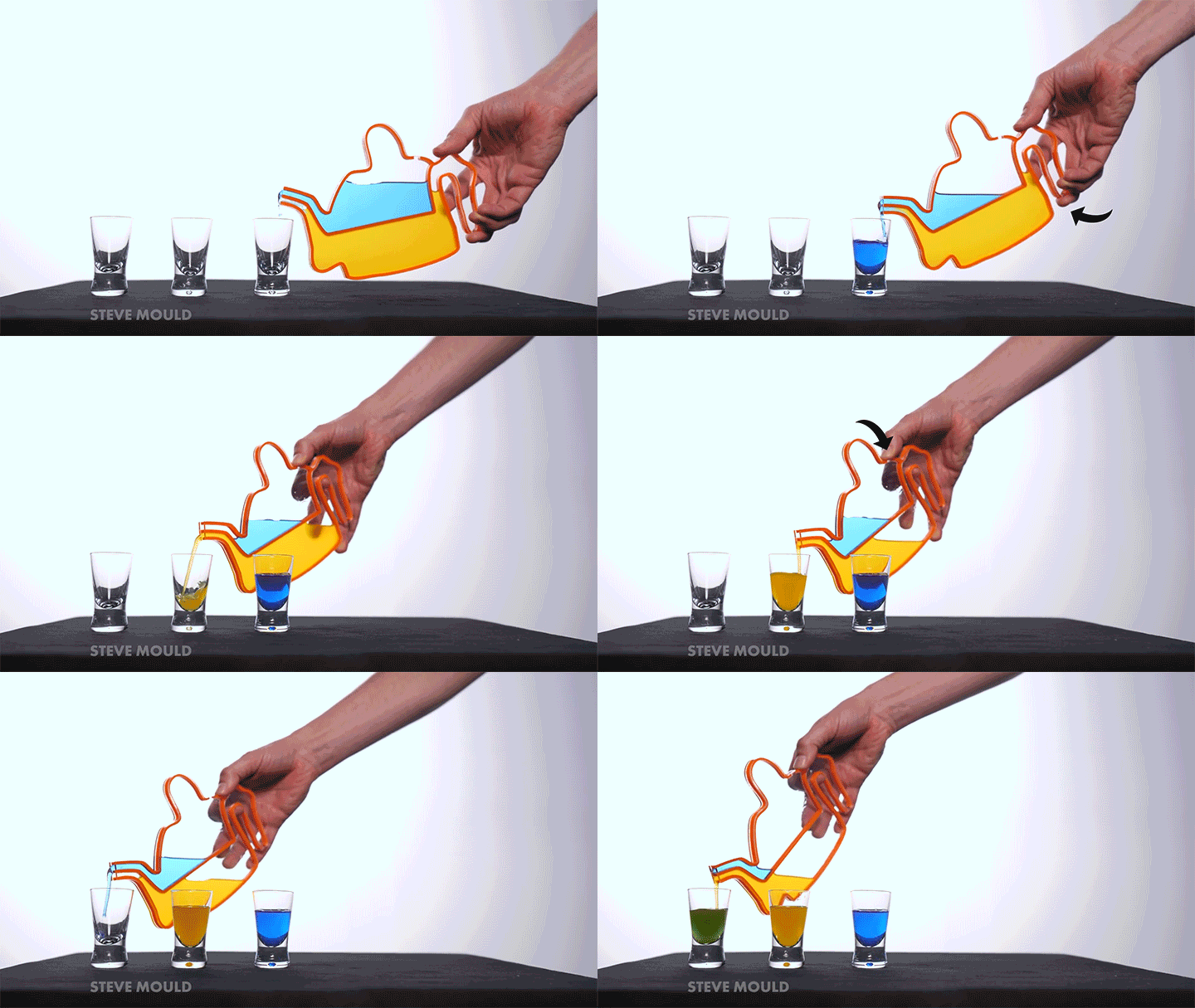
The assassin’s teapot is a cleverly designed container that can pour from different reservoirs depending on how it’s held. Steve Mould digs into the physics in this video, and he builds a transparent cutaway version of the pot to show exactly how it works. This design uses two separate reservoirs, each with two holes — one in the spout and one concealed near the pot’s handle. By covering this breather hole, the server blocks air from flowing into the teapot, which also keeps the liquid inside from flowing out.
What holds the liquid in? Air pressure, with an assist from surface tension. Atmospheric pressure is enough to hold the fluid inside the pot, provided air has no separate way in. To get in through the spout, air would have to push into the pot at the same time as water coming out. Surface tension prevents that, though, because the spout is too narrow. The same physics keeps water inside a larger bottle with a wire mesh over its mouth. The mesh’s tiny holes are smaller than the capillary length of water, which is the length scale at which surface tension and gravity balance one another. As long as the spout and holes are smaller than that length, surface tension will keep the liquid from deforming enough to get out. (Video and image credit: S. Mould)
The Yarning Droplet


Marangoni bursting takes place in alcohol-water droplets; as the alcohol evaporates, surface tension changes across the liquid surface, generating a flow that tears the original drop into smaller droplets. Here researchers add a twist to the experiment using PMMA, an additive that dissolves well in alcohol but poorly in water. As the alcohol evaporates, the PMMA precipitates back out of the water-rich droplet, forming yarn-like strands. (Image and video credit: C. Seyfert and A. Marin)

The Return of the Ice Disk
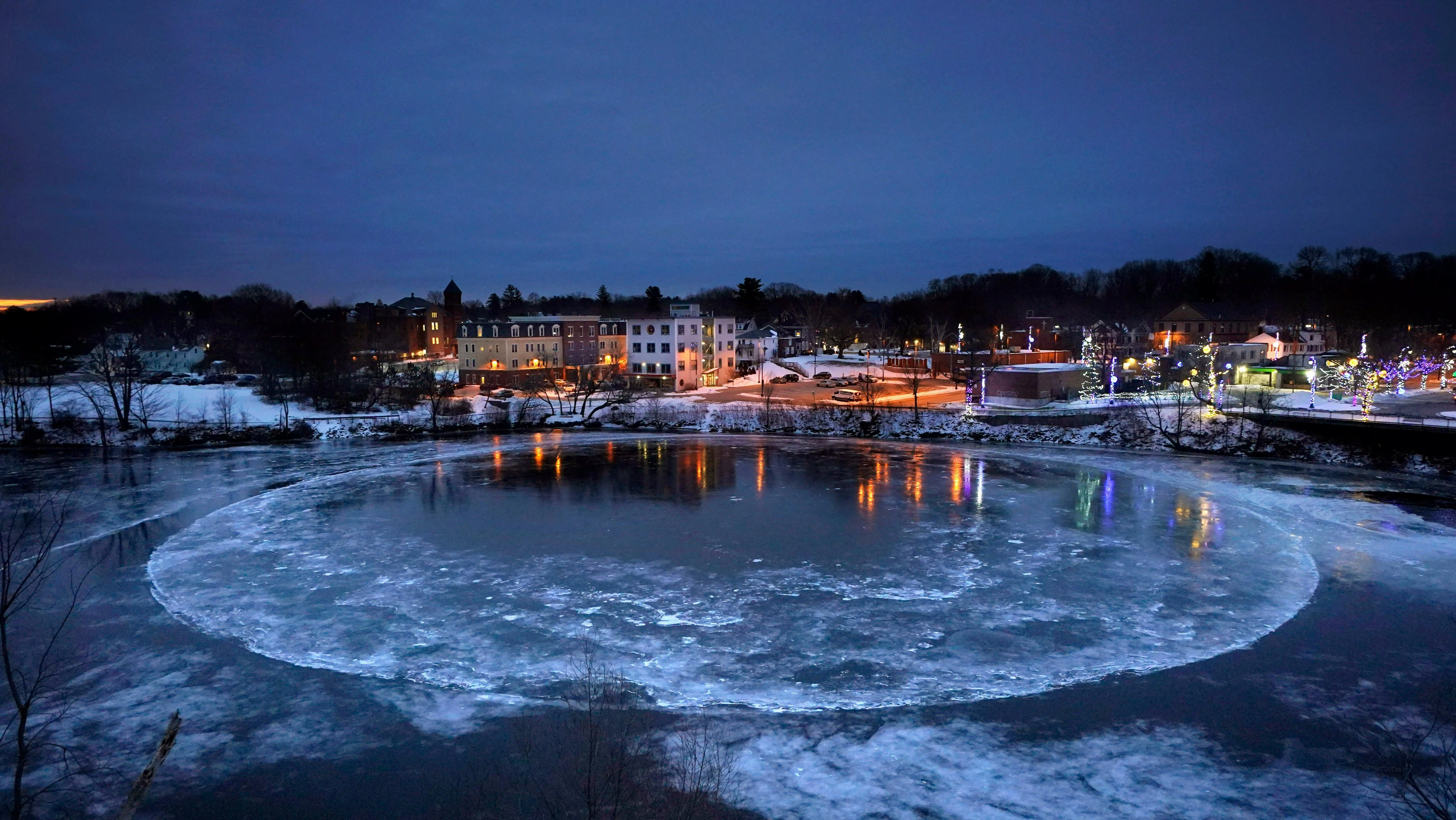
Maine’s giant, spinning ice disk is taking shape again. In 2019, it reached about 91 meters across, rotating slowly in the Presumpscot River. How exactly these features form is still a matter of debate, but scientists have worked out a few relevant mechanisms. The spinning of the disk seems to depend on a vortex that forms beneath the ice as melting water sinks. (One of water’s peculiarities is that it’s densest around 4 degrees Celsius, so newly melted water is actually denser than ice. Otherwise ice wouldn’t float!) The plume of sinking water sets up a vortex that drags the ice disk with it as it spins in the river beneath. (Image credit: R. Bukaty/AP; via Gizmodo)