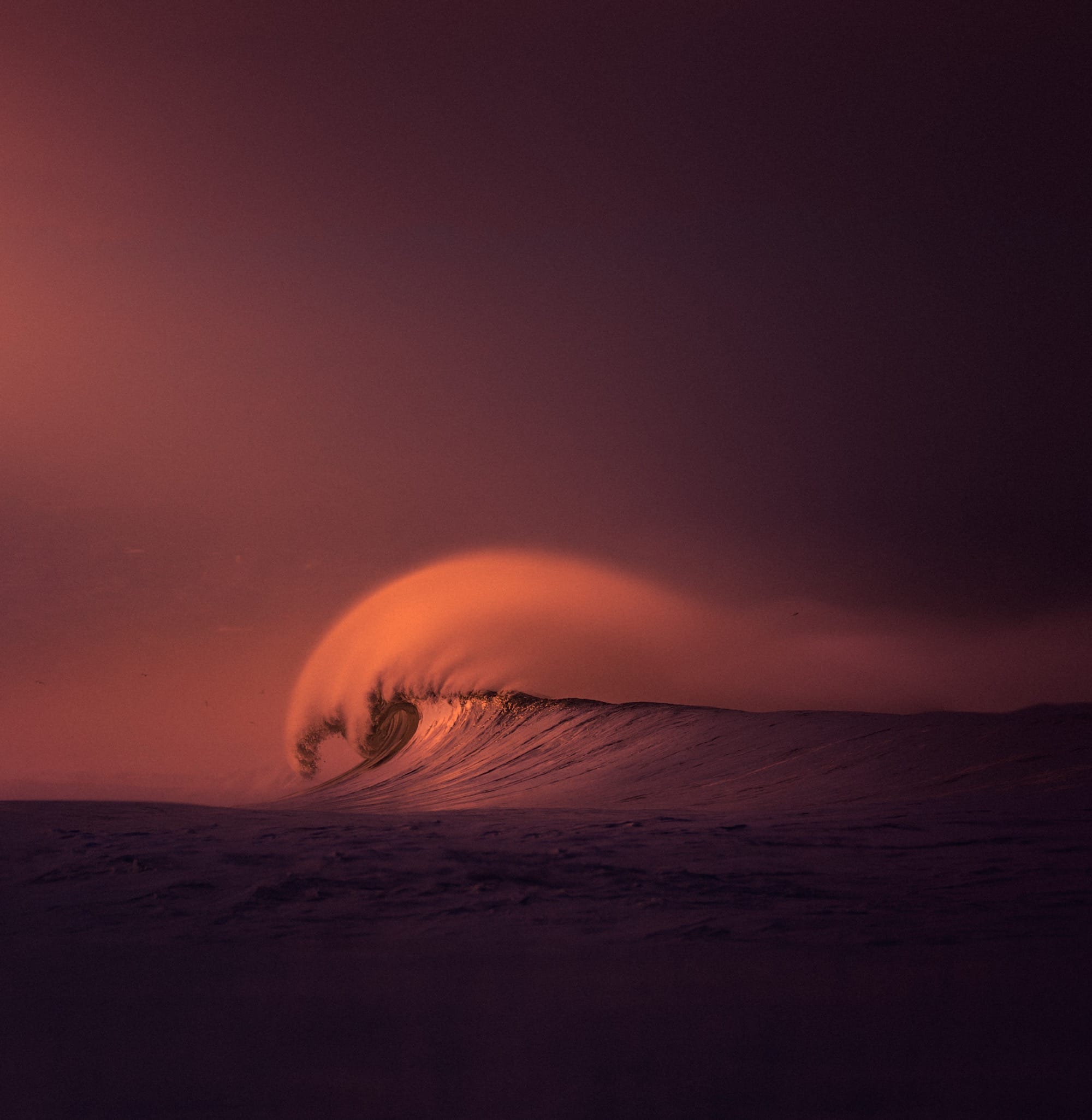
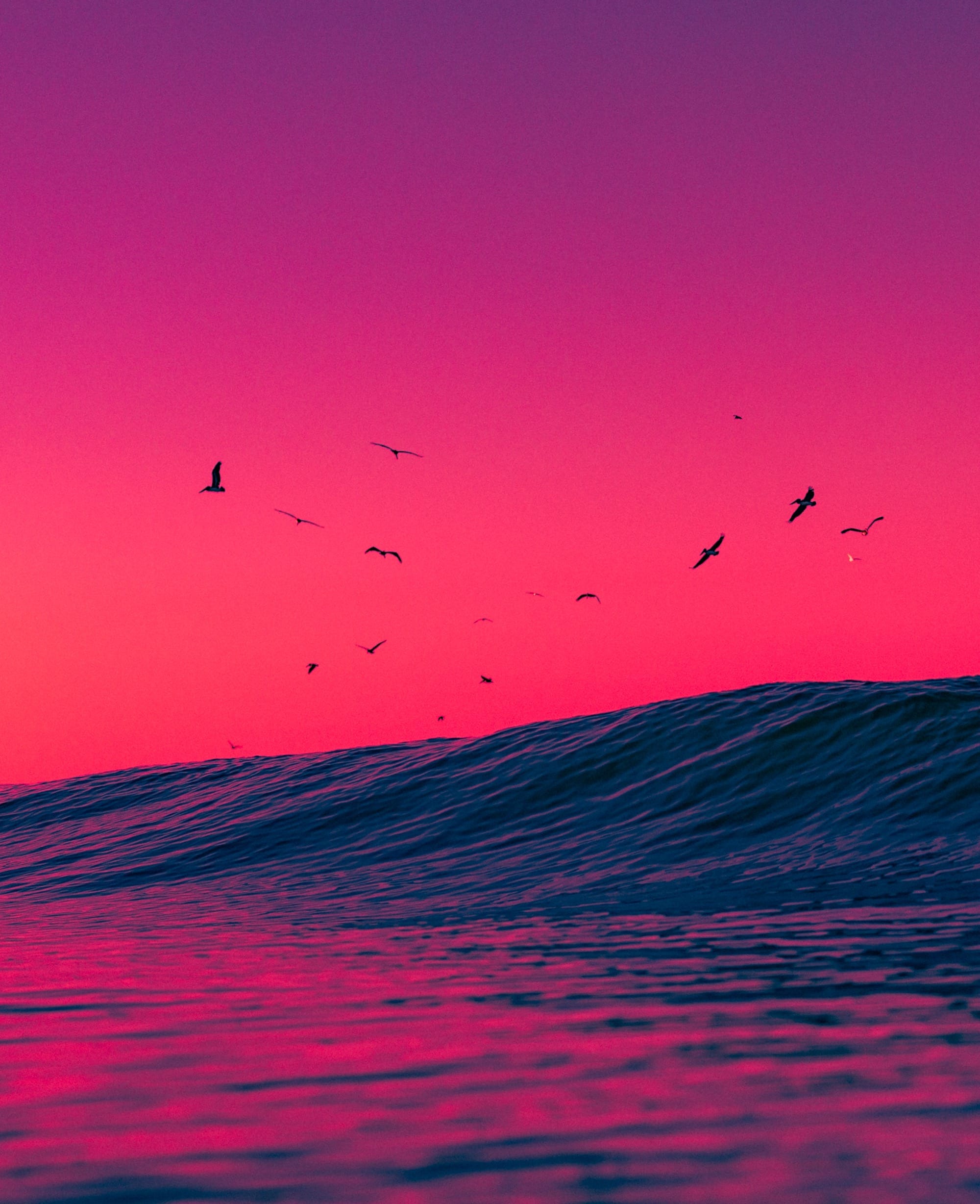
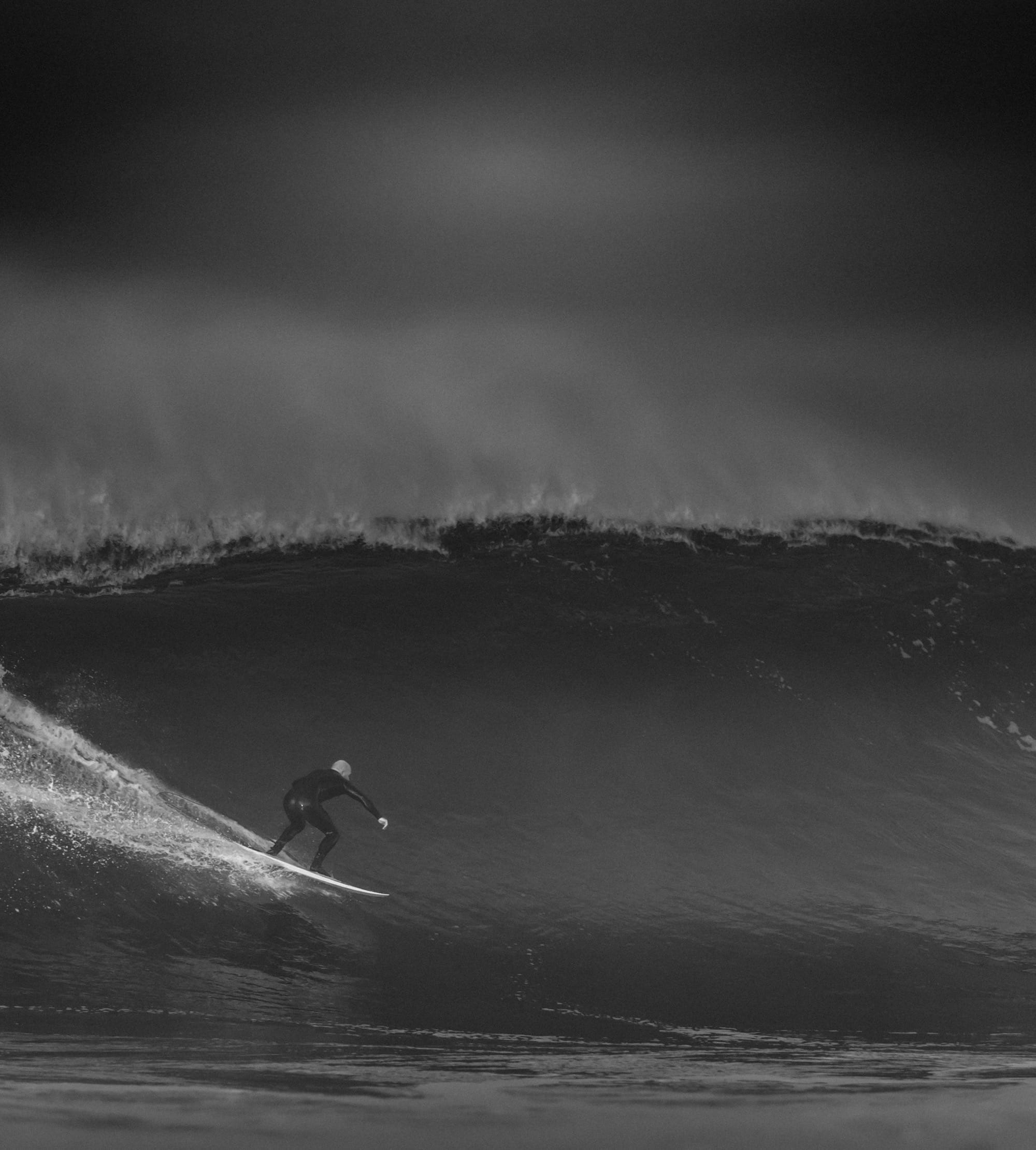
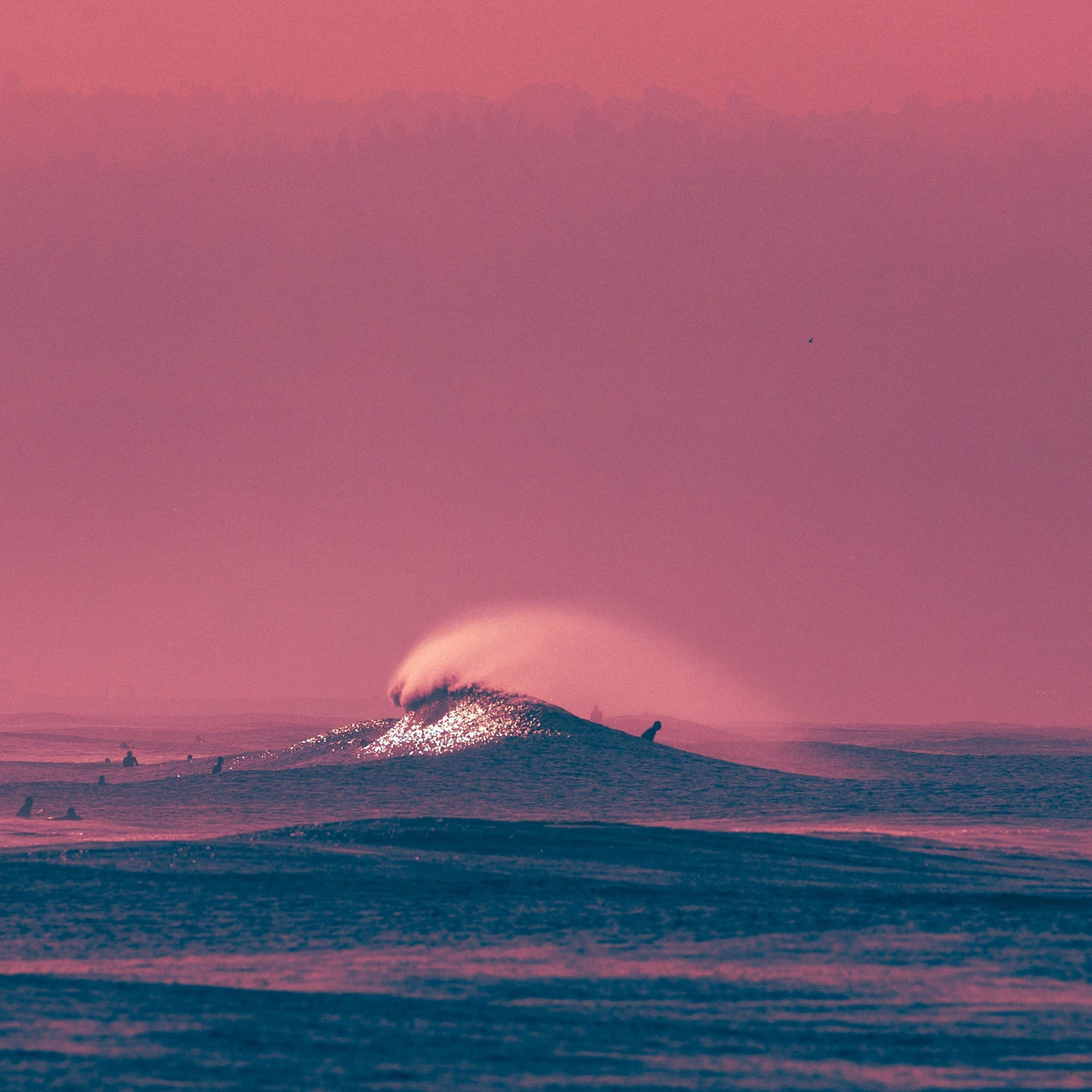
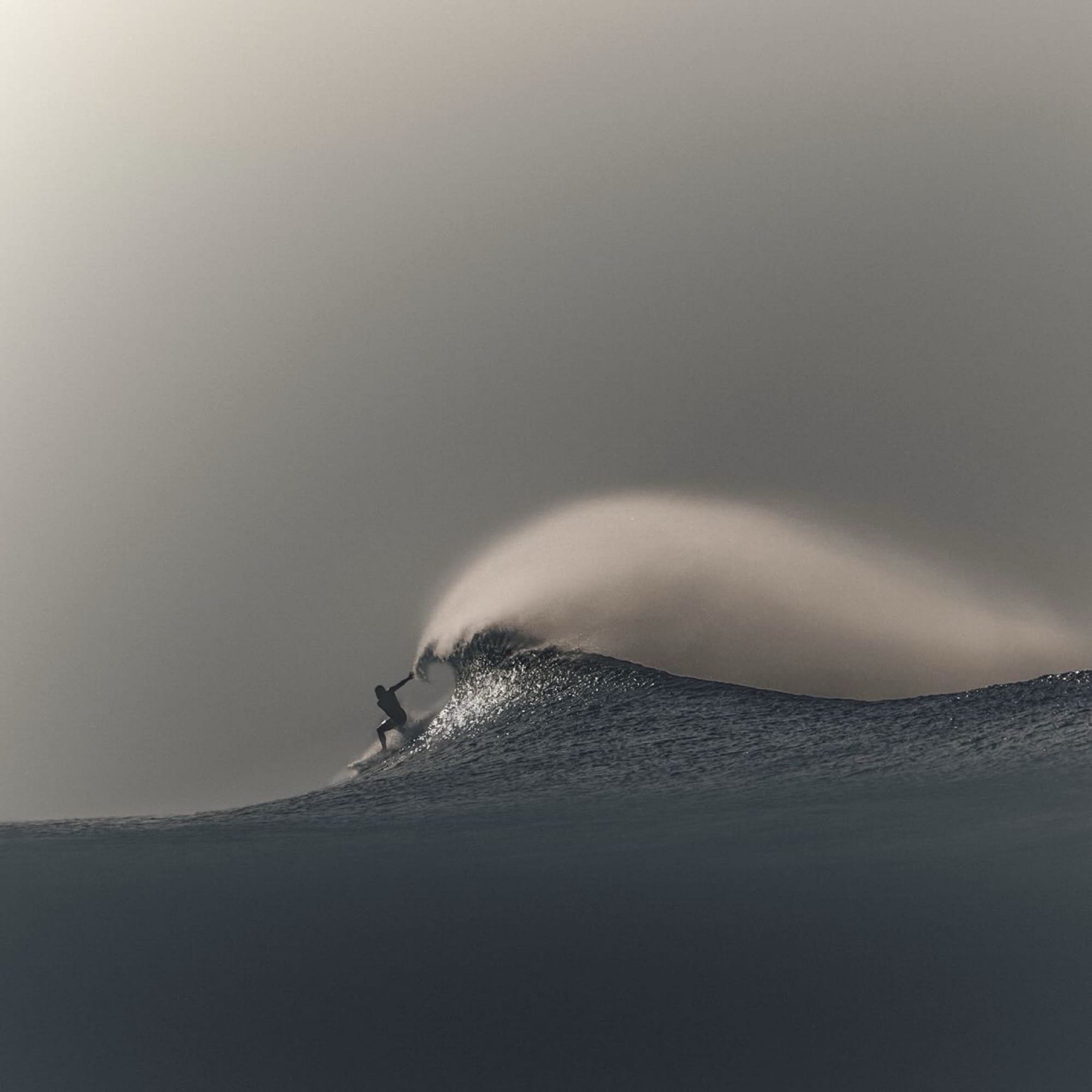
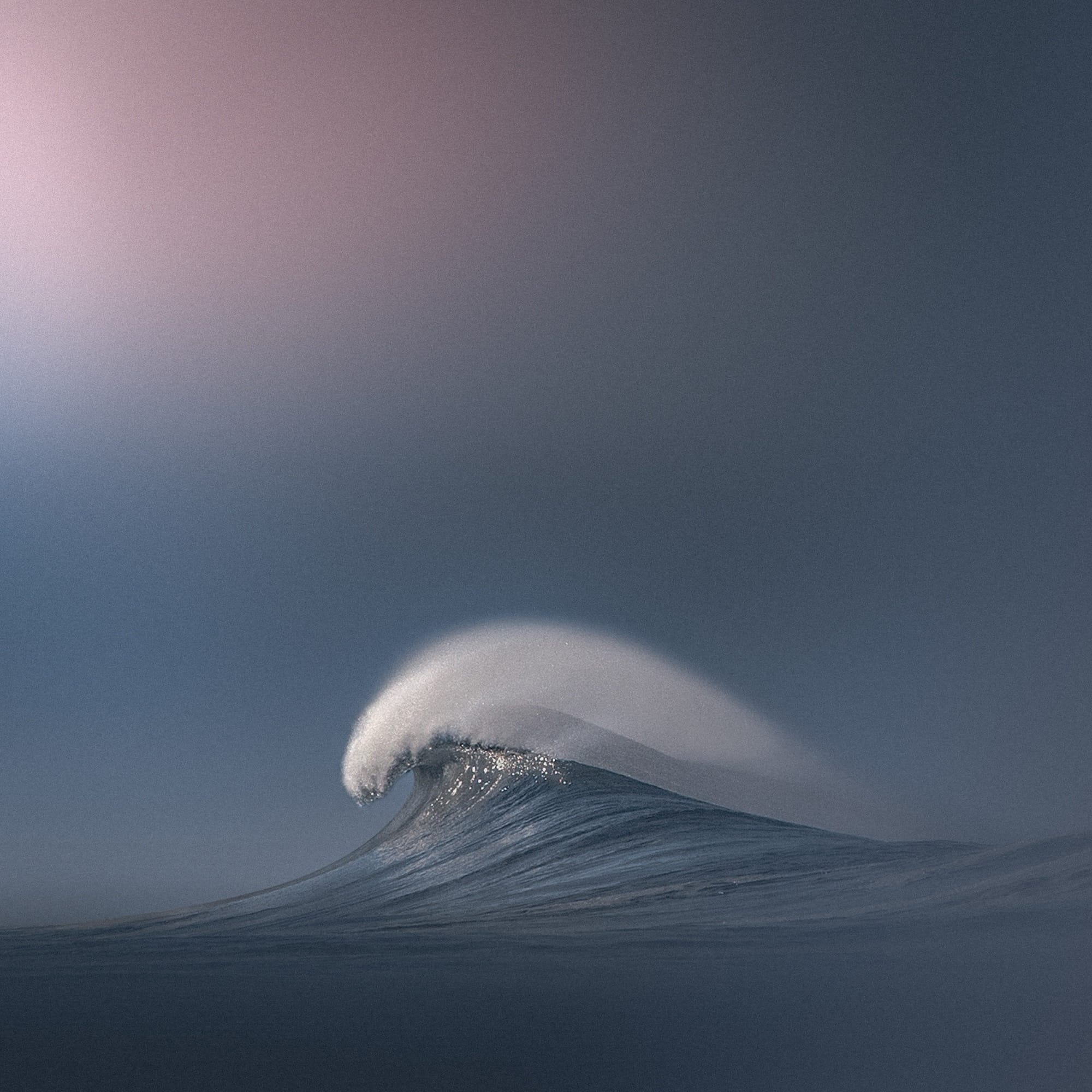
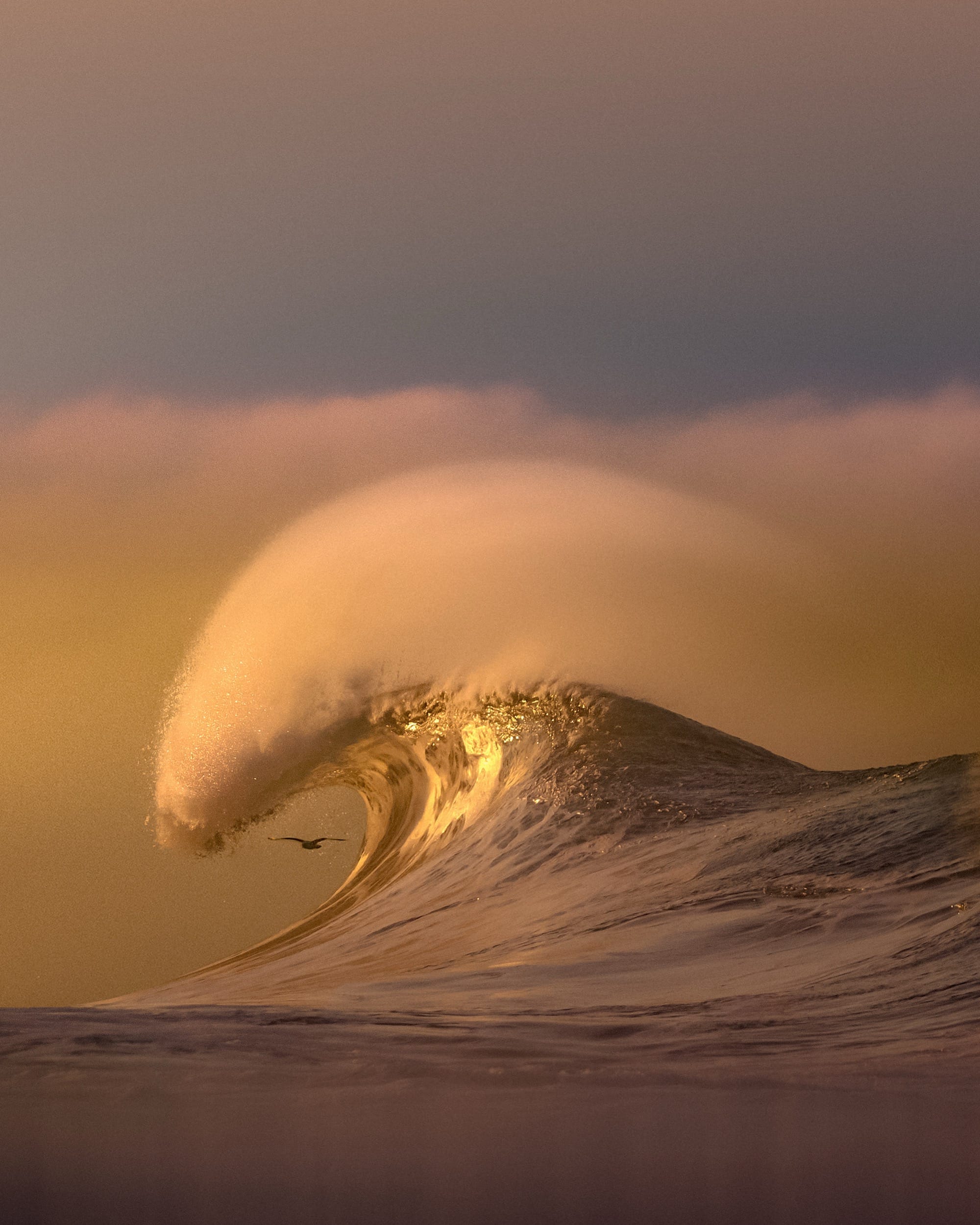
Life in Venice Beach lends itself to wave-watching, or so it seems for photographer Craig Hubbard. His portraits of waves and surfers are ethereal, every swell capped by a cloud-like swath of spray. Somehow, every photographer seems to capture breaking waves a little differently! (Image credit: C. Hubbard; via Colossal)
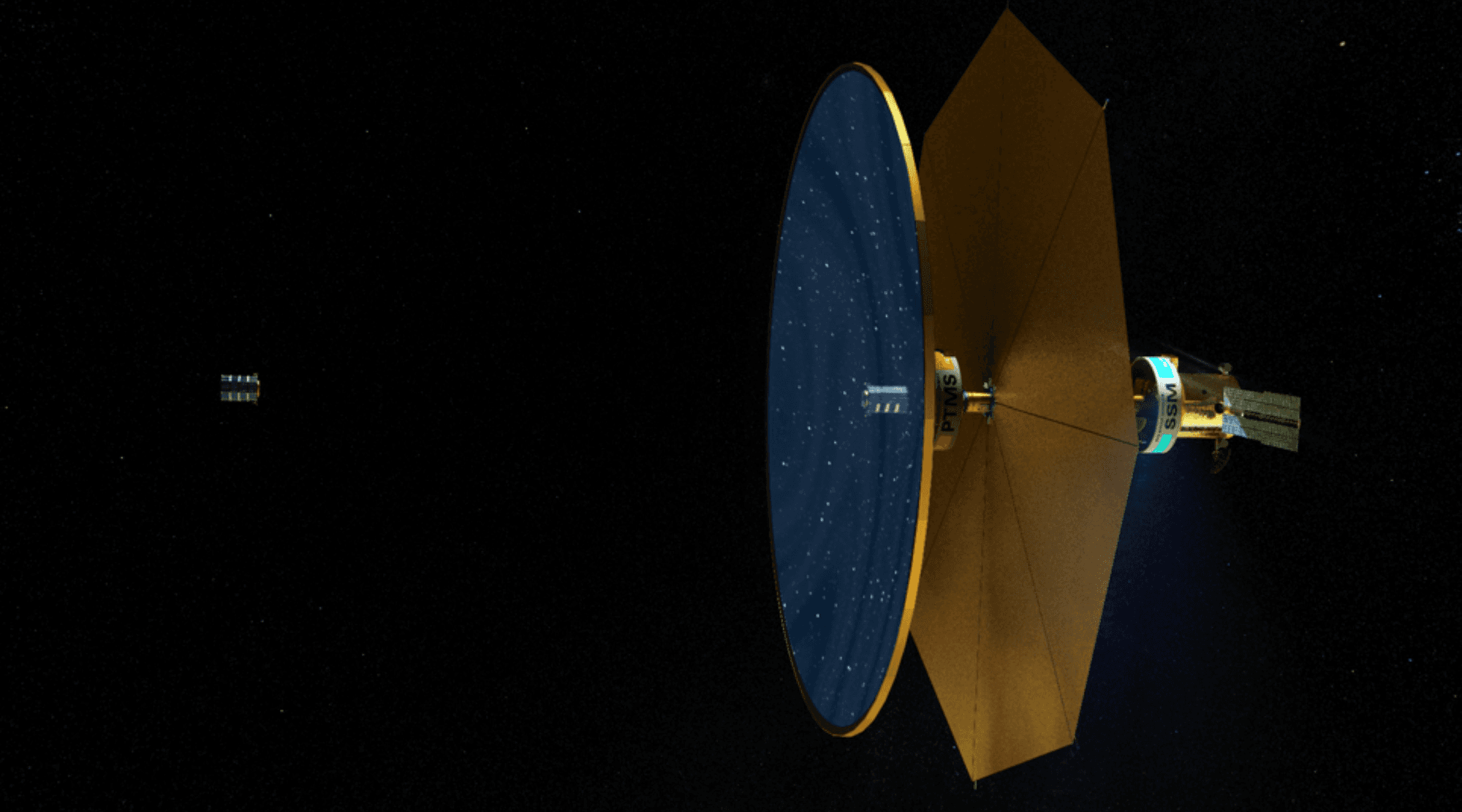
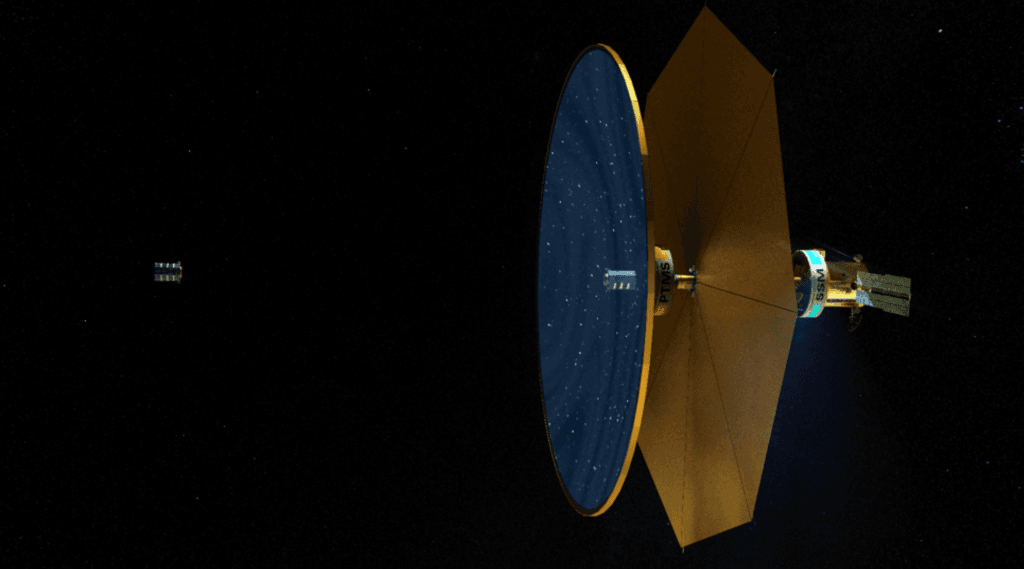
A telescope’s resolution is set by the size of its reflective surface. Our largest space telescope, JWST, has a 6.5-meter reflector, the largest we could manage given manufacturing constraints and the need to launch it in a rocket. To reach even larger sizes, researchers are considering a new type of reflector: one made of liquid.
A fluidic telescope has some obvious advantages: surface tension makes it atomically smooth, and liquids can be packed into any convenient shape for launch. But there are challenges, also. Like, what happens to the reflector when you point it in an new direction?
That’s what this study looks at, mathematically. Using a mathematical model of a 50-meter-wide, millimeter-thick fluid, the researchers analyzed how different maneuvers over the telescope’s lifetime would affect the image quality.
Shifting the reflector creates perturbations in the surface, initially at the mirror’s edges. Over time, those perturbations move toward the center of the mirror and, at the same time, decay. The team found that, while typical space telescope operations distorted parts of the mirror beyond the limits of good optical quality, the inner 80% of the mirror could remain undisturbed for twenty or more years. That would be like having a 40-meter telescope in orbit with more than 6x the resolution of JWST. (Image credit: NASA; research credit: I. Gabay et al.)
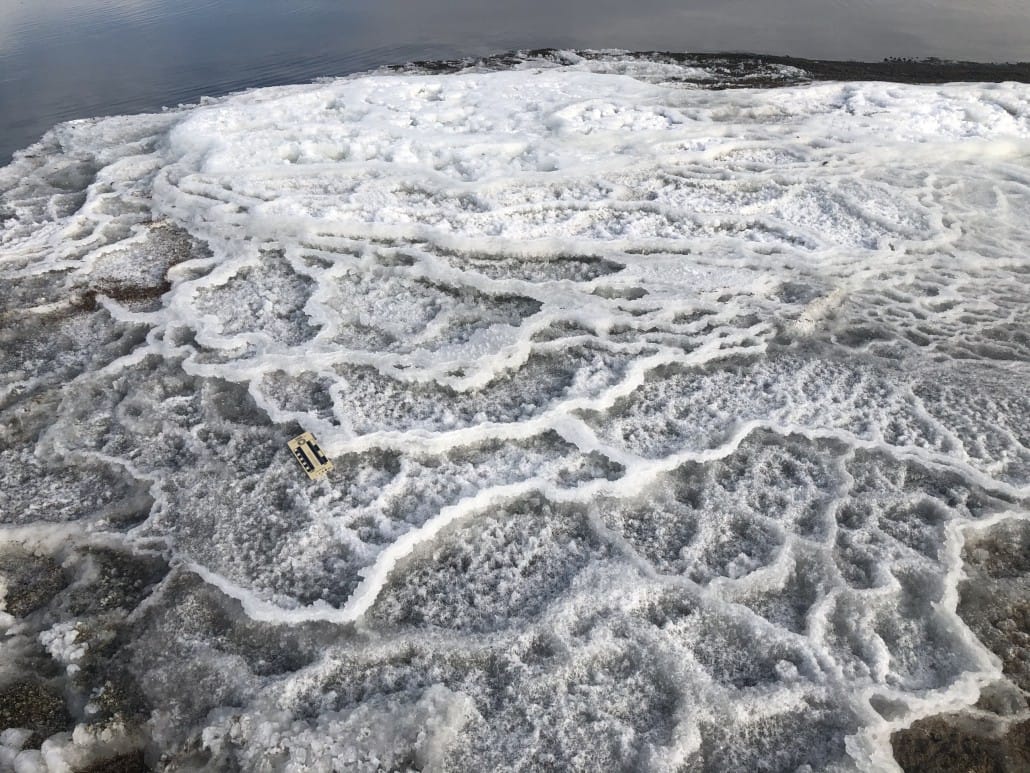
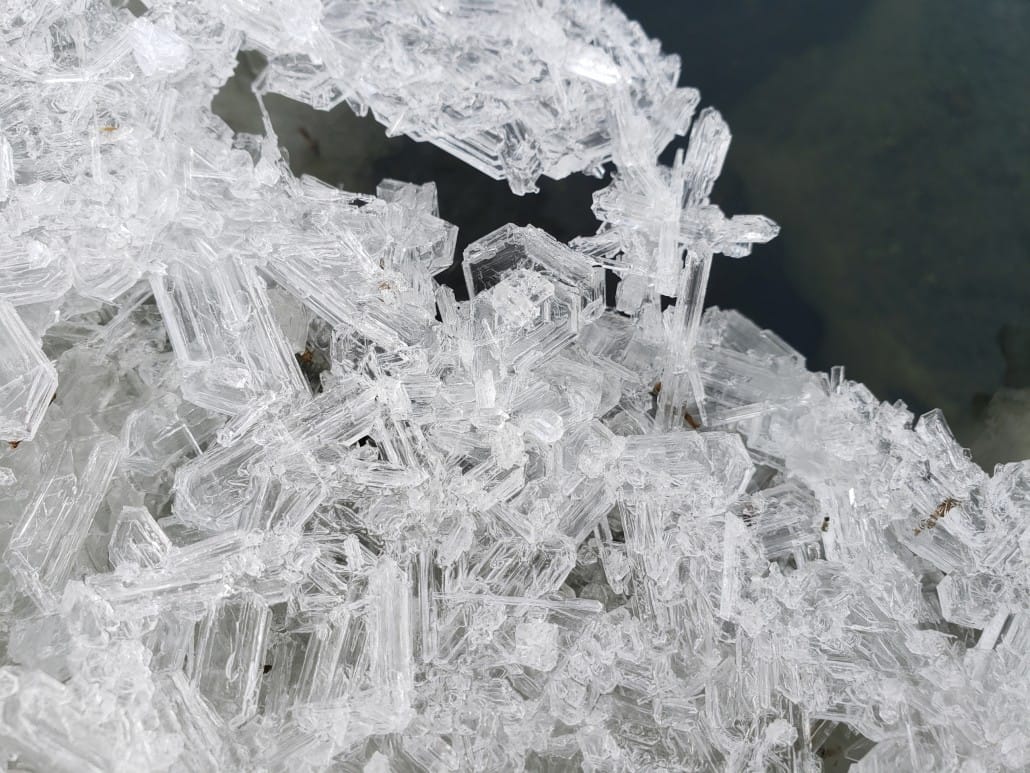
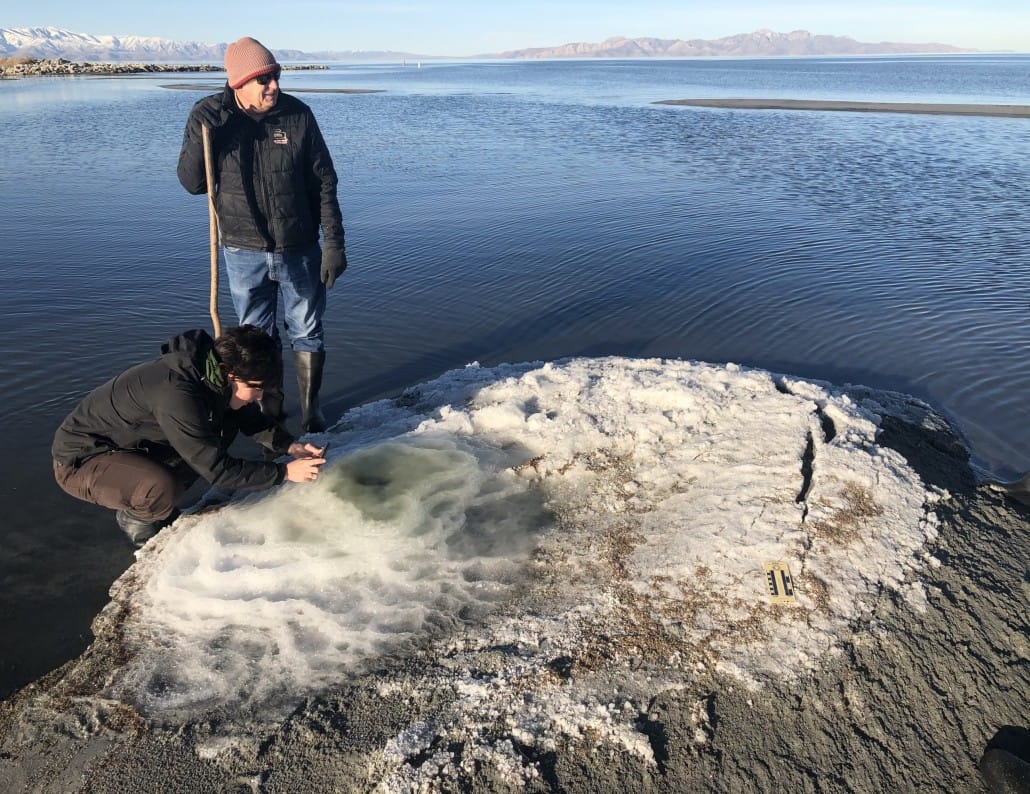
In cold weather, a new geological feature has shown up at Utah’s Great Salt Lake in the last decade. These salty mirabilite mounds form terraced crystals that resemble Yellowstone’s Mammoth Hot Springs.
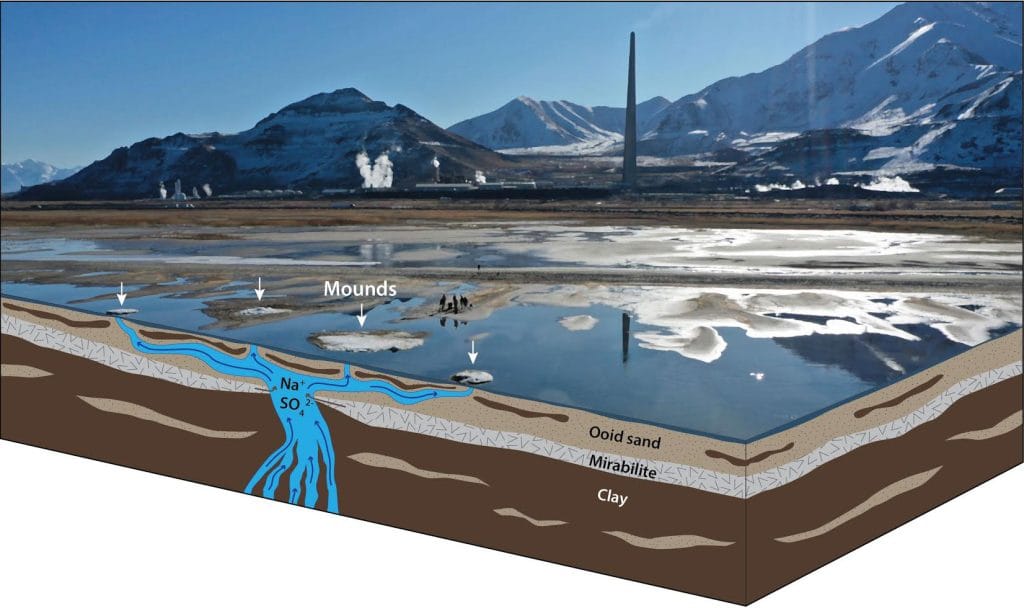
Diagram showing how a salt-laden spring pushing upward through the mirabilite layer can then form mounds at the surface when the dissolved mirabilite recrystallizes after the water evaporates.
Mirabilite is hydrated sodium sulfate (as opposed to the sodium chloride of table salt). The structures form when upwelling spring water partially dissolves the layer of mirabilite found beneath the lake bed. That sulfate-laden water rises to the surface, where it freezes into the crystals seen here.
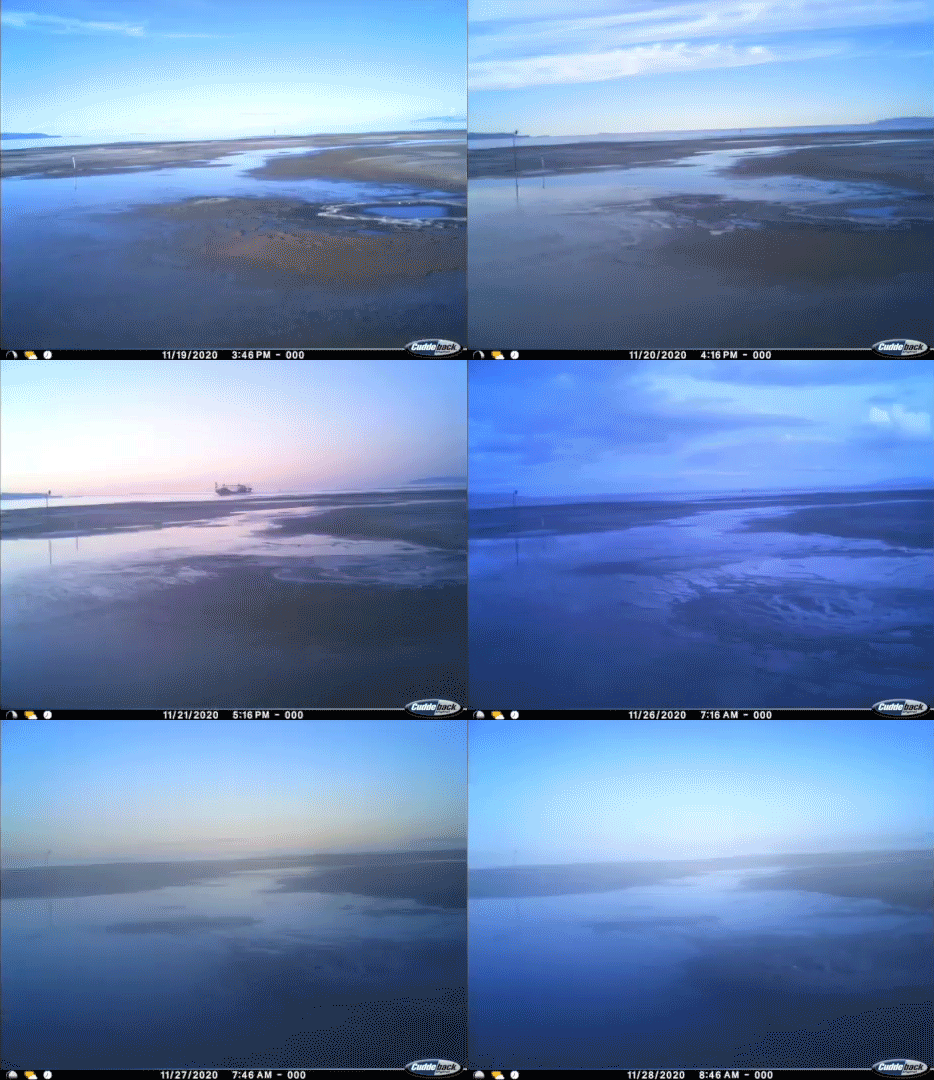
A timelapse showing the formation of mirabilite mounds.
When temperatures rise above freezing, the water in the mirabilite evaporates, leaving behind white, powdery thenardite. (Video credit: Great Salt Lake Institute; image credit: Utah Geological Survey)
In nature, droplets and fibers can meet on a spider’s web, on fur, or on a dew-gathering cactus. Here, researchers explore what happens when the droplet can dissolve the fiber it’s suspended on. As the authors note, a lumberjack who cuts the branch they sit on makes a fatal choice. The droplet sees a different outcome.
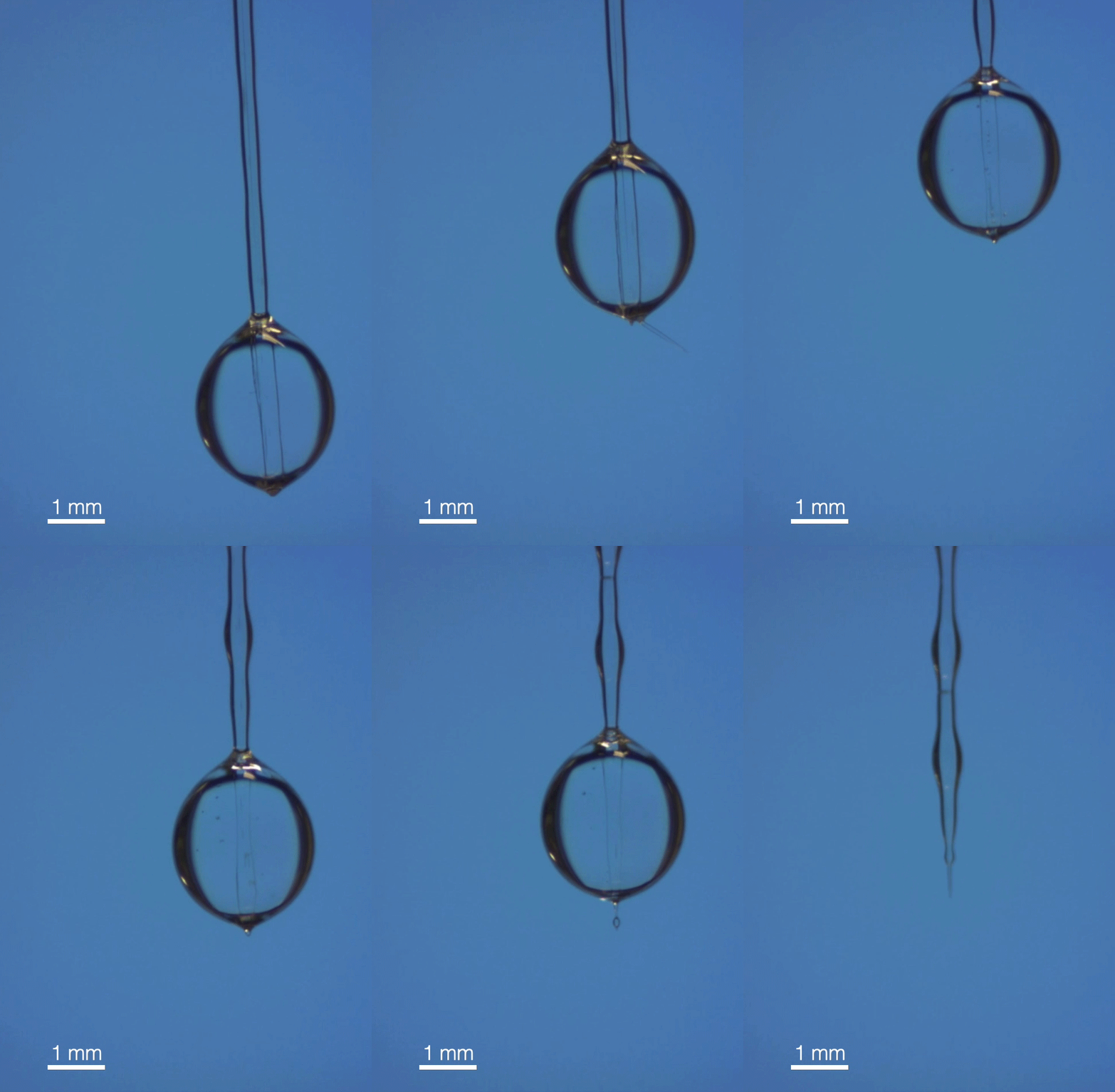
As the droplet hangs on the fiber, it dissolves the fiber’s sugar. Dense, sugar-laden water flows downward along the fiber and a replenishing upward flow goes along the droplet’s exterior. Because the sugar concentration is lower near the top of the drop, the fiber thins most quickly there.
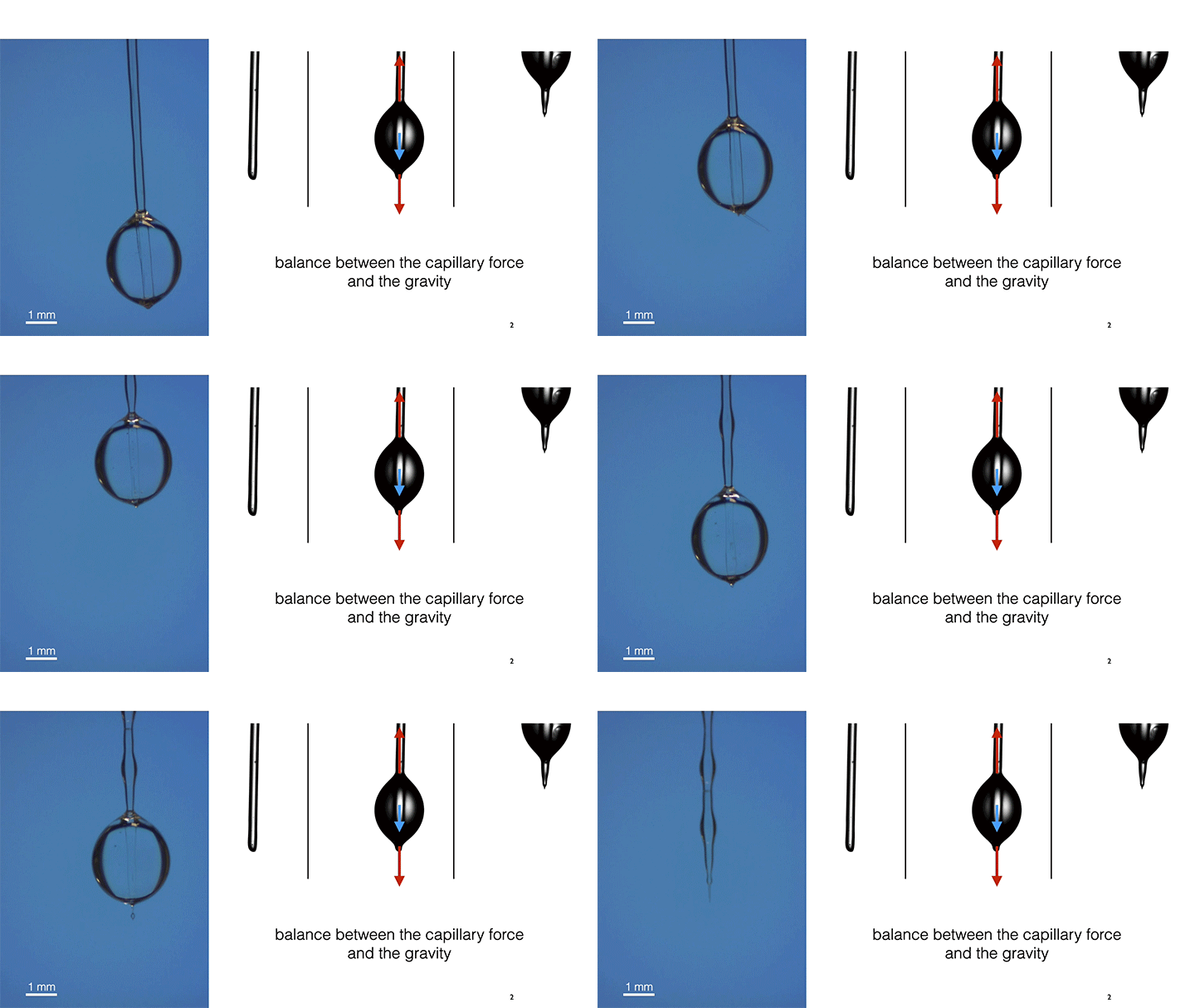
A droplet hanging at the end of a sugar fiber dissolves the fiber and then “jumps” upward to the next intact portion.
The droplet has capillary forces along its top and bottom, where it meets the fiber. At the top, the droplet is free to expand, wetting more fiber, but the bottom of the drop is pinned to the fiber. The excess capillary force there goes into compressing the fiber.
As soon as the fiber breaks, the capillary force is no longer balanced, and the droplet jumps upward. If the drop and fiber are sized just right, the drop will jump upward enough to stay attached to the fiber instead of falling off. (Image and research credit: S. Dorbolo et al.)
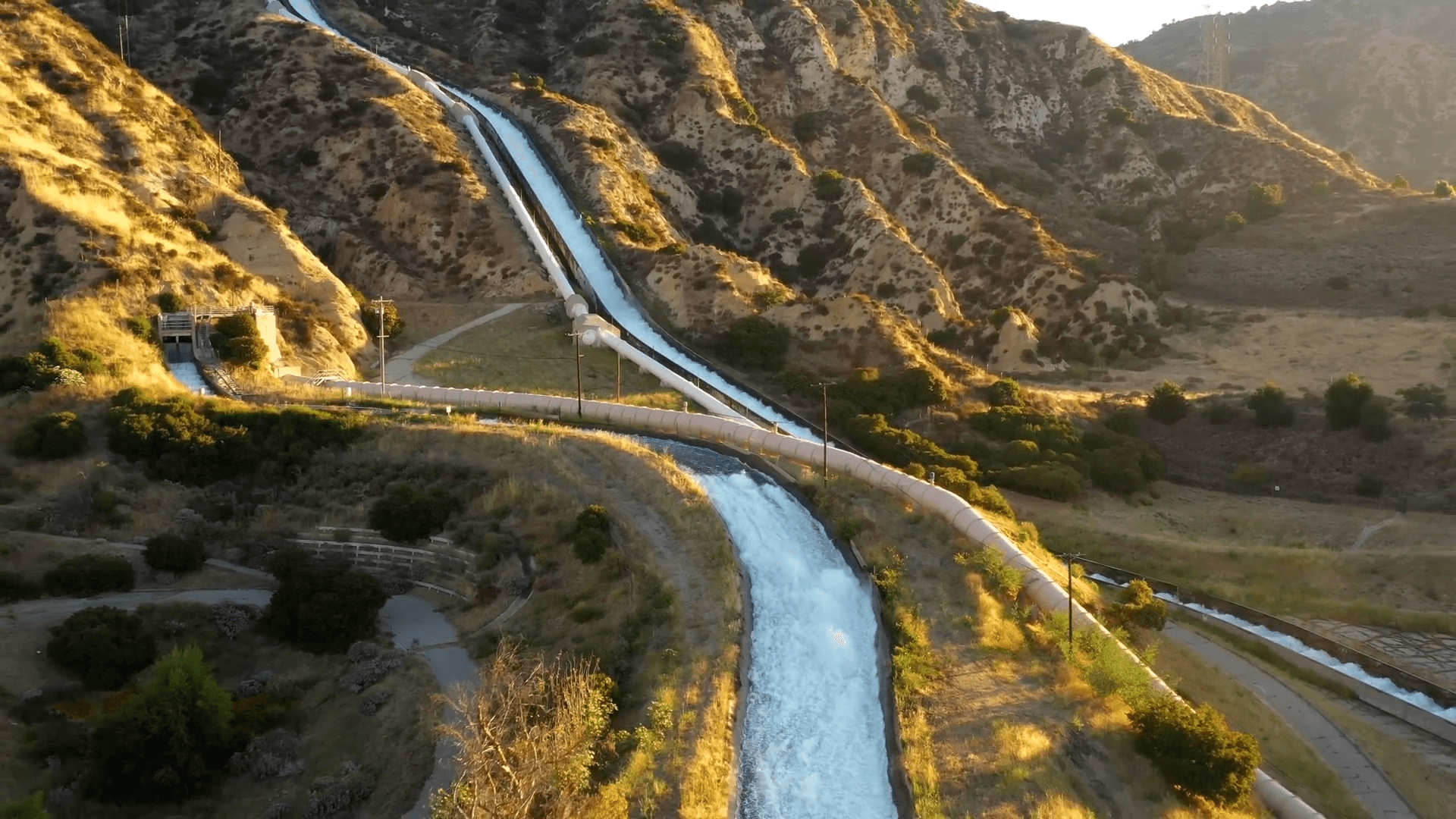
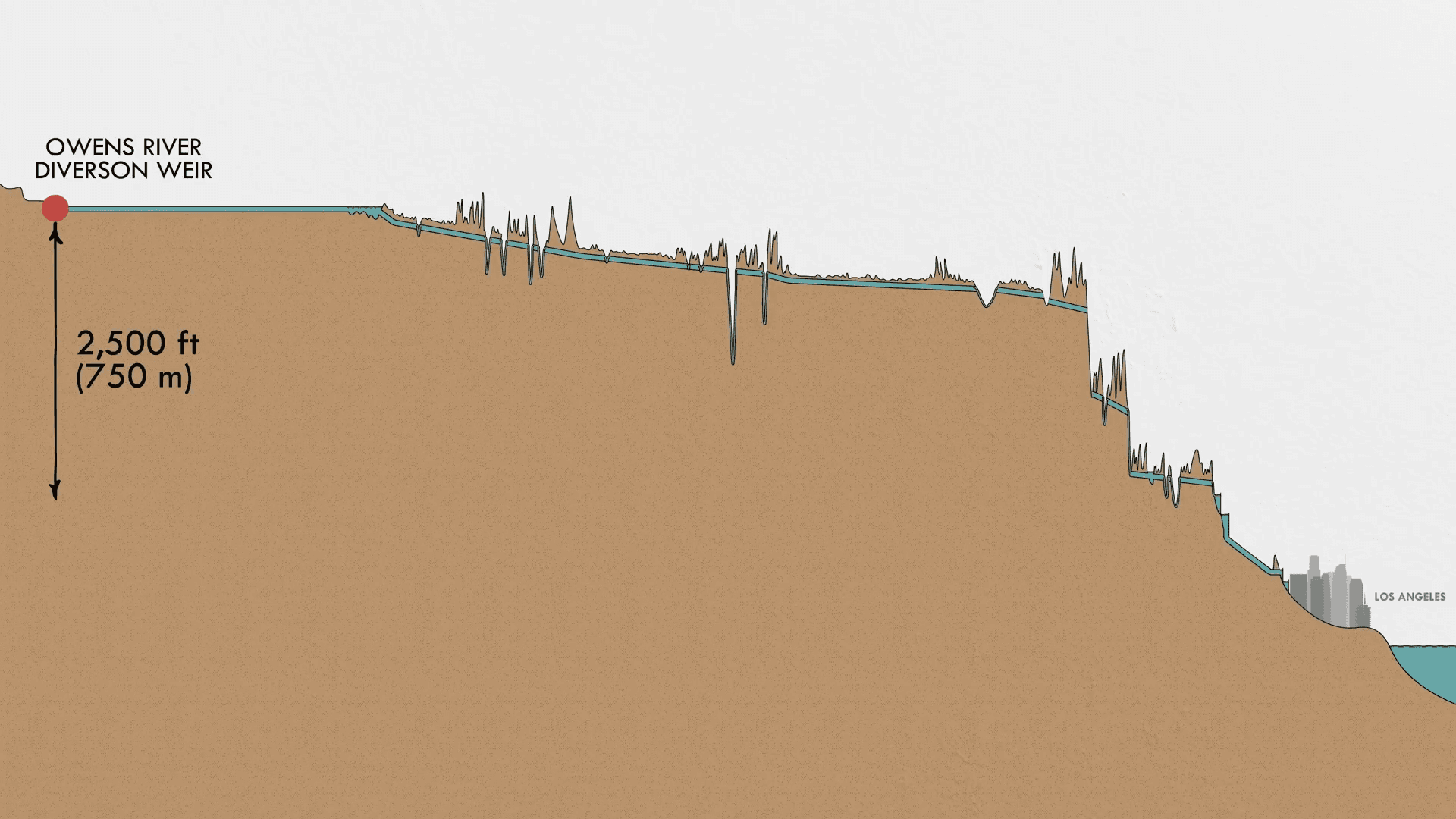
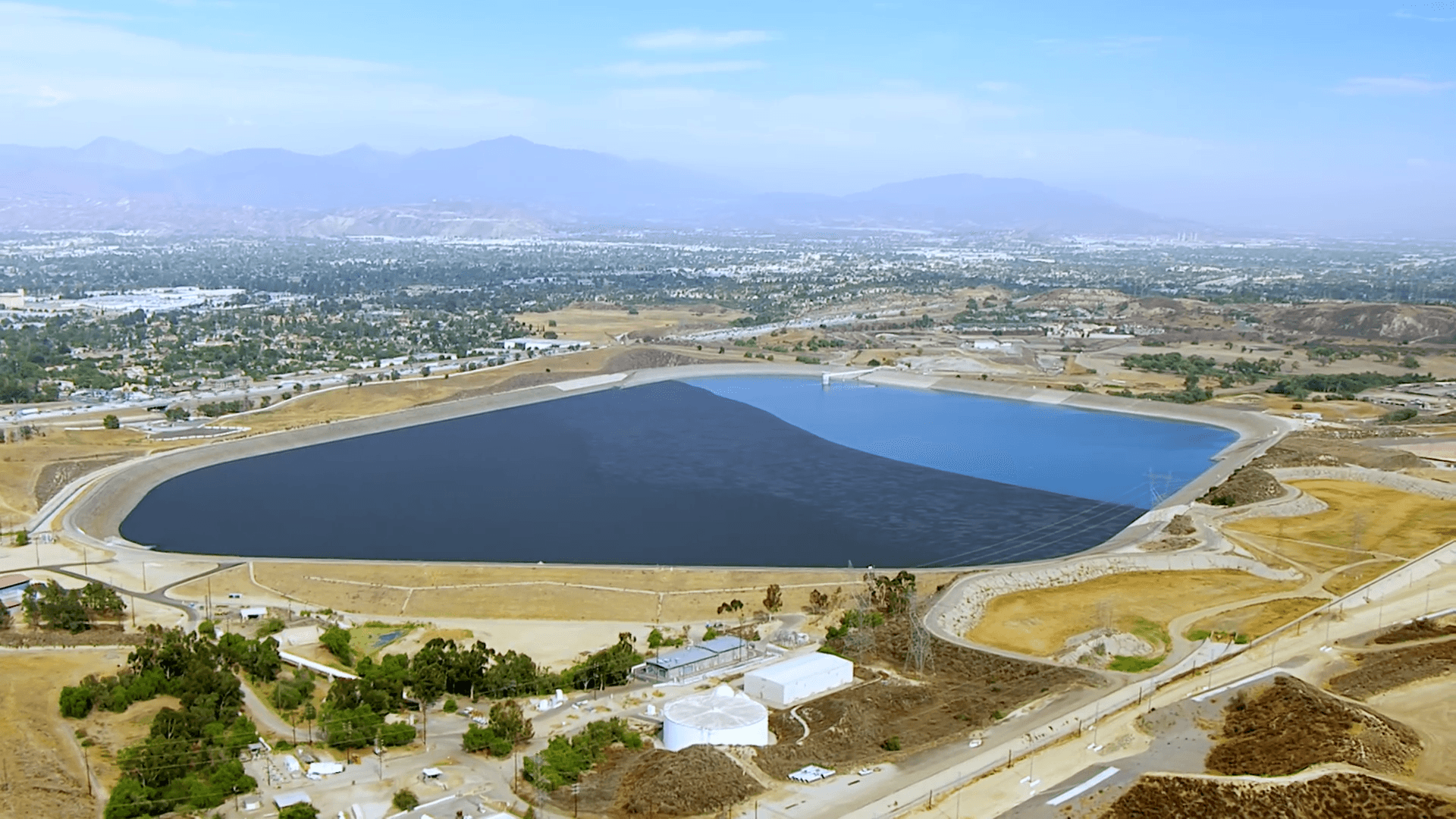
In the early twentieth century, Los Angeles had capital and political willpower, but not water. So it built an engineering marvel, the LA Aquaduct, to guide water from the Sierra Nevadas down to the growing city. Grady gets into the literal (and figurative) ups and downs of the project in this Practical Engineering video.
Although the engineering prowess of the aquaduct system is impressive, as Grady points out, the LA Aquaduct’s story is much more complicated than the engineering needed to move water between two points. It’s a story where greed, corruption, politics, cultural impact, environment effects, and climate change all intersect. (Video and image credit: Practical Engineering)
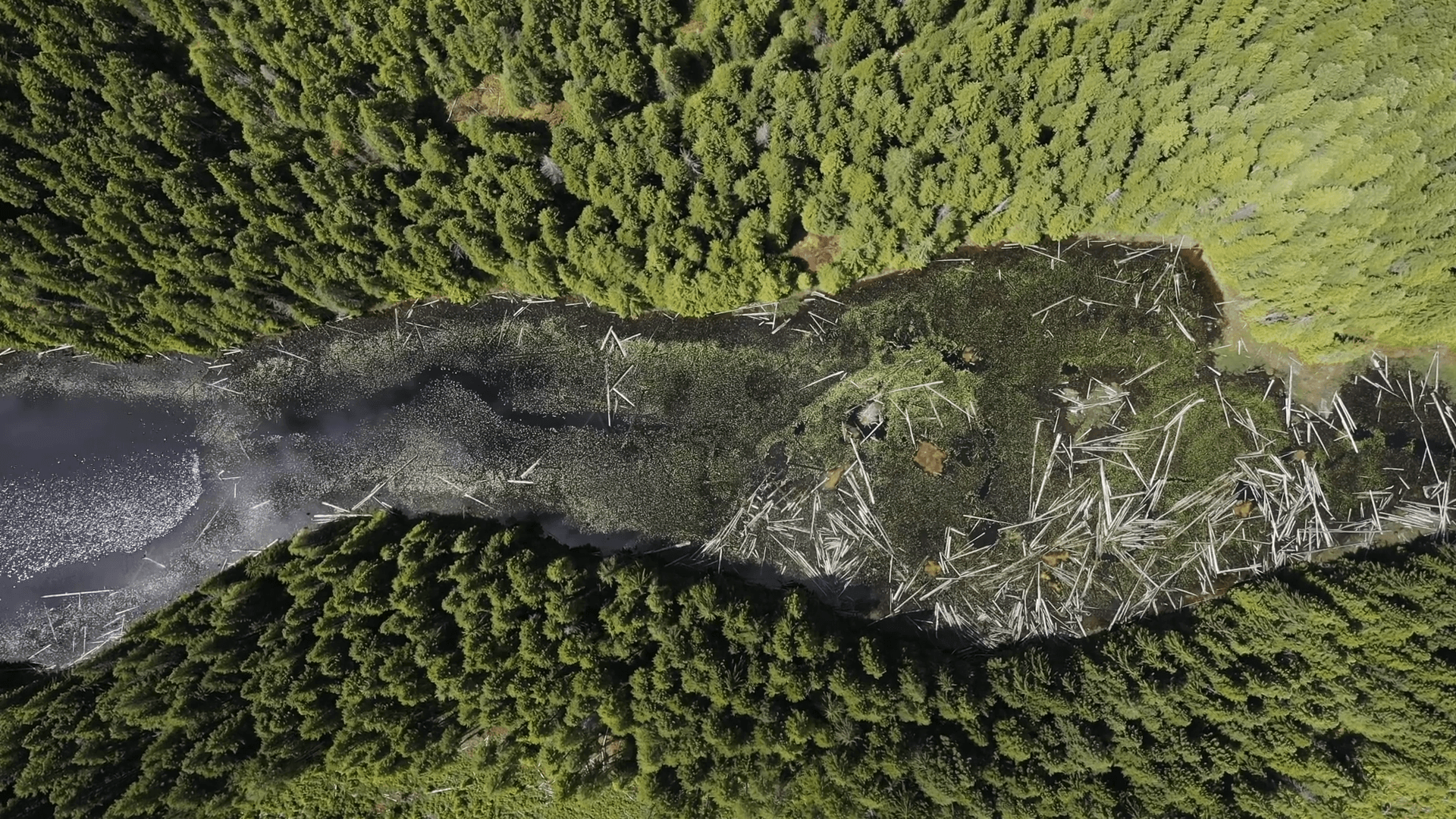
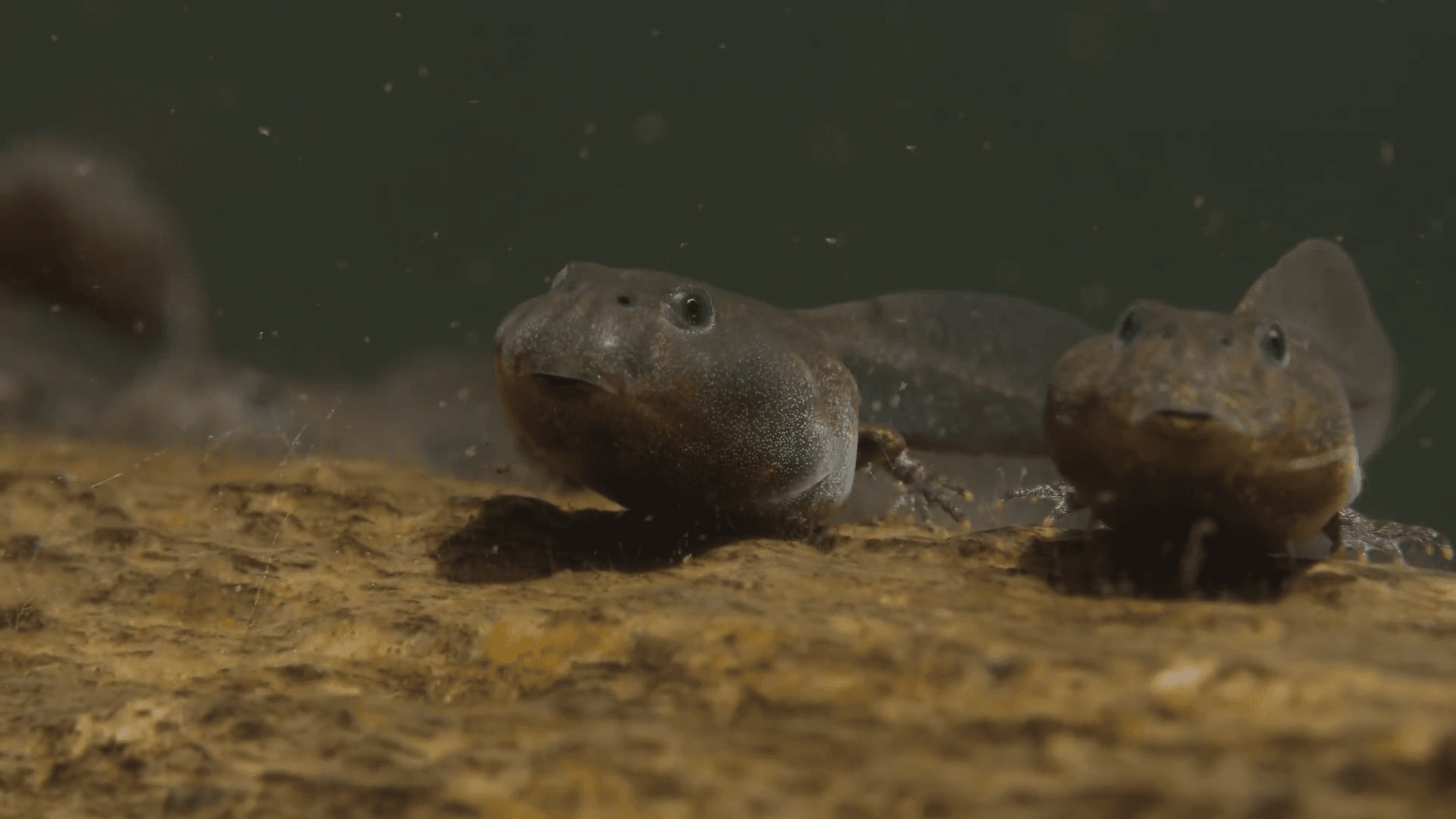
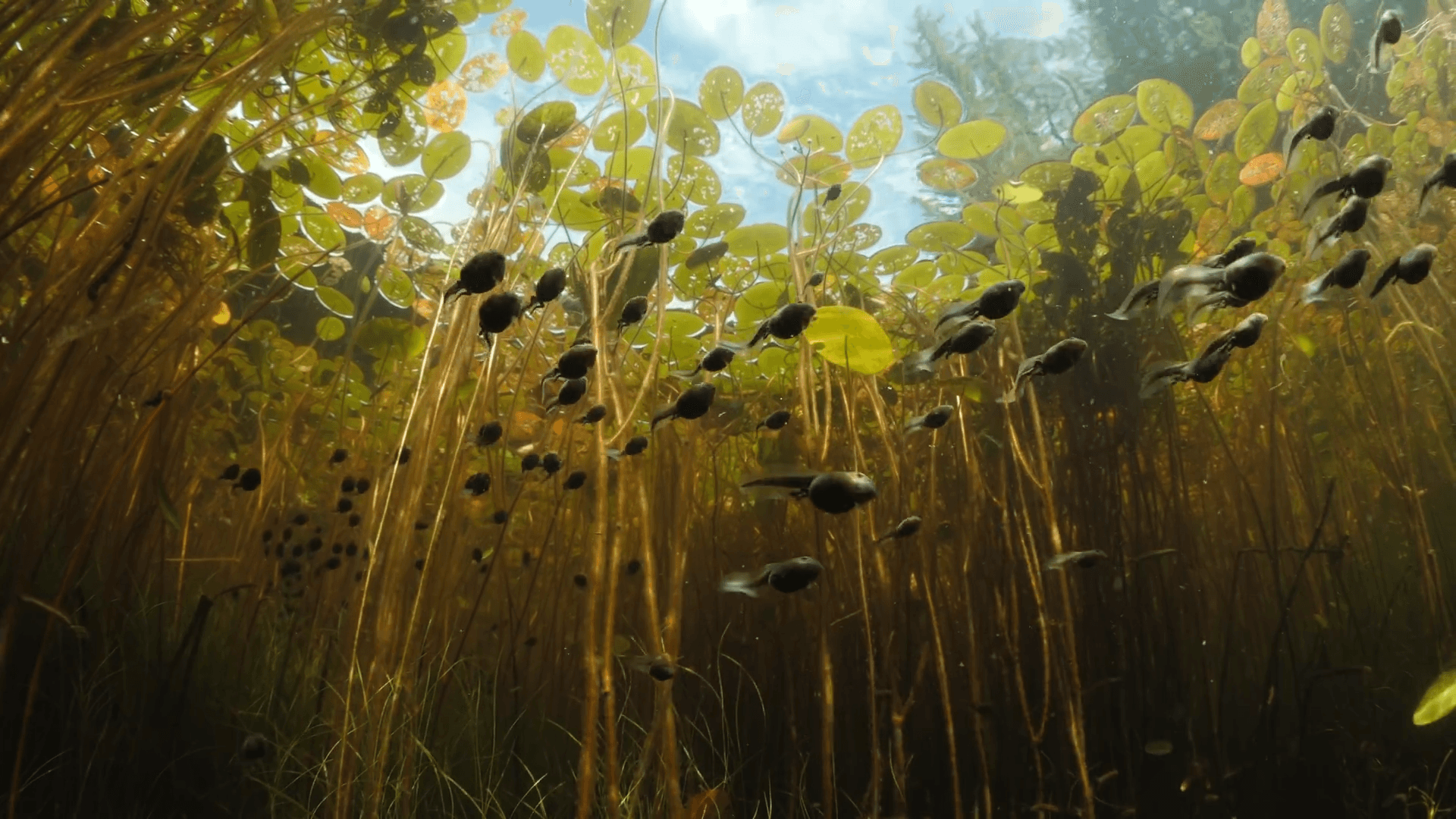
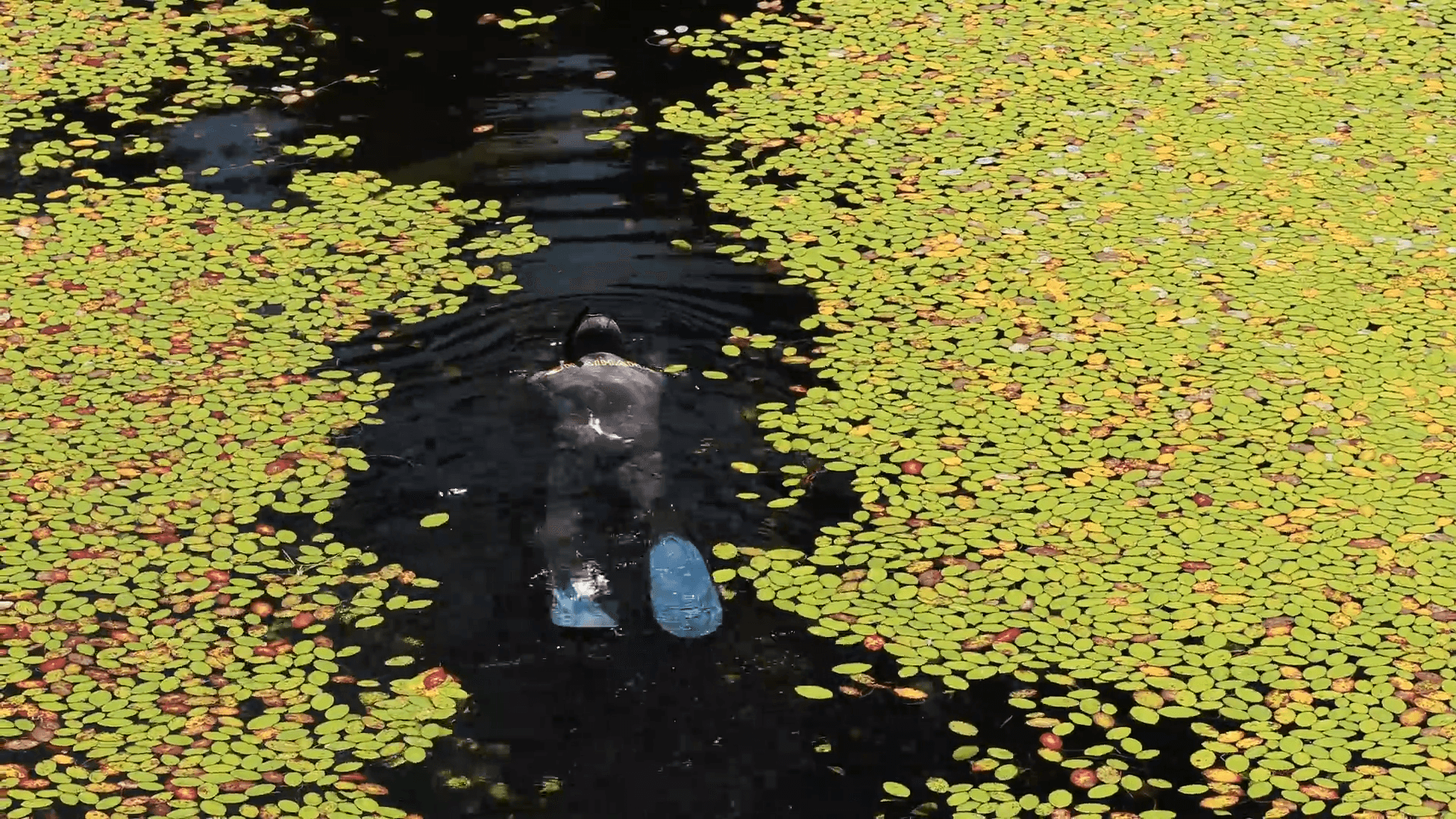
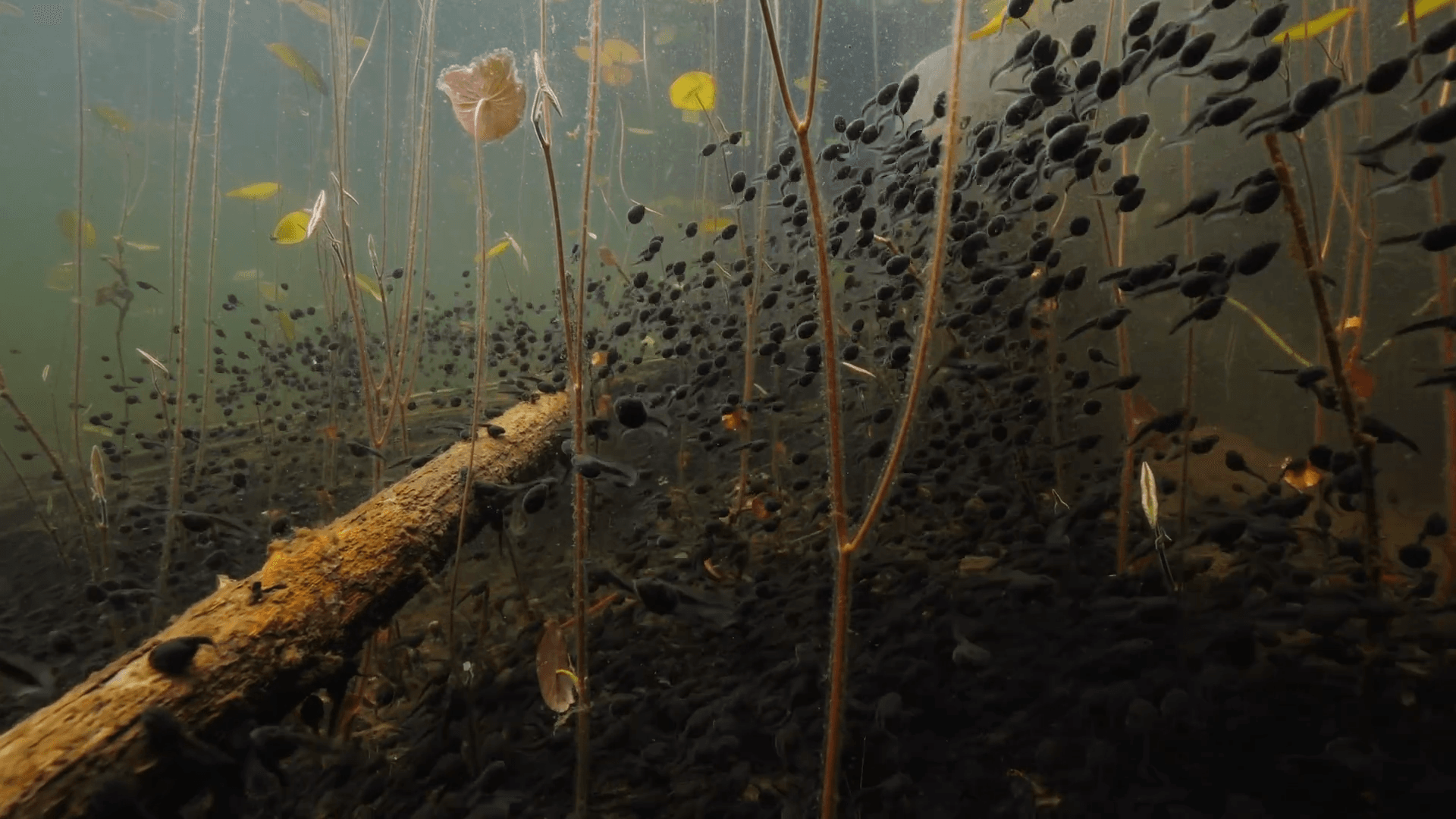
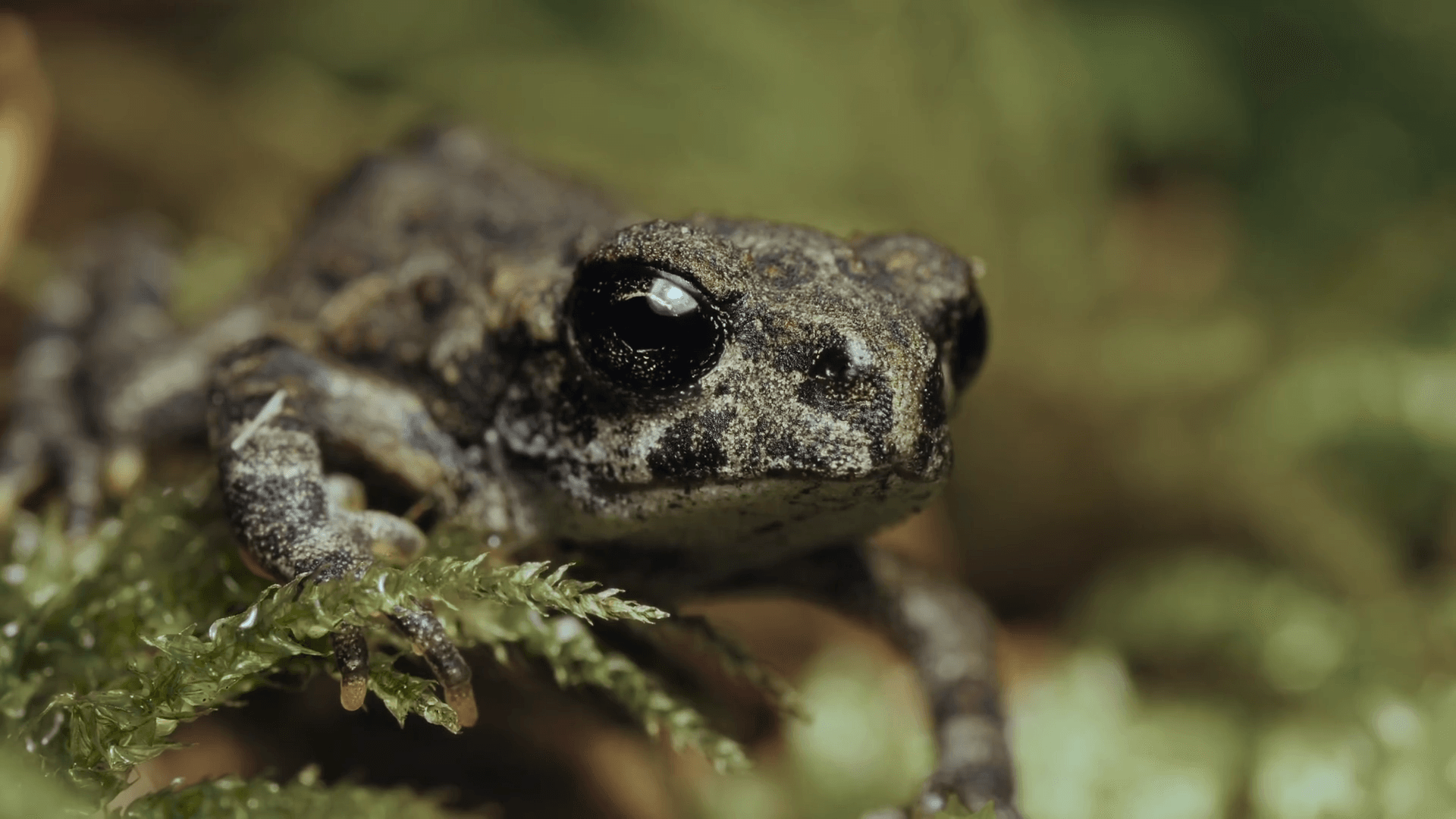
Amphibians like toads are often indicator species for their ecosystem because they are vulnerable to changes on both land and water. In this short film, videographer Maxwel Hohn follows the migration of western toad tadpoles in British Columbia, showing their daily underwater journey from deep waters, where they can hide, to warmer, shallow waters, where they eat. Over the days and weeks of their early life, millions of tadpoles make the journey, their bodies morphing as they do. Eventually, they will hop away as toadlets. (Video and image credit: M. Hohn et al.)
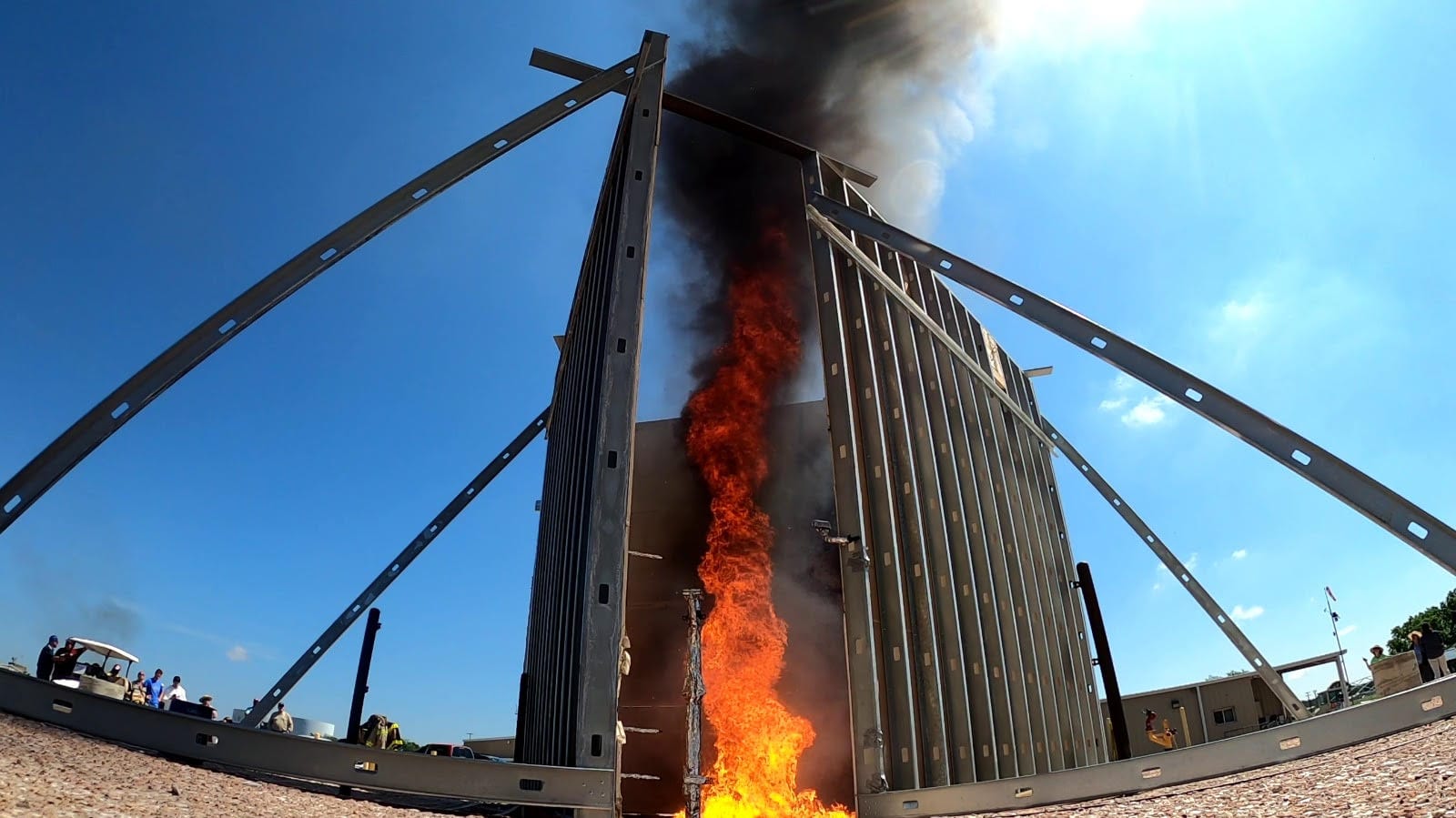
Though they are relatively infrequent, large marine oil spills, like 2010’s Deepwater Horizon, are devastating and incredibly difficult to clean up. In many locations, the “best” option for responding to such disasters is burning off the oil before it can absorb enough water to sink. But these floating fires leave behind unburned oil and produce soot. To enhance the burn, researchers are looking at the possibility of triggering large-scale fire whirls.
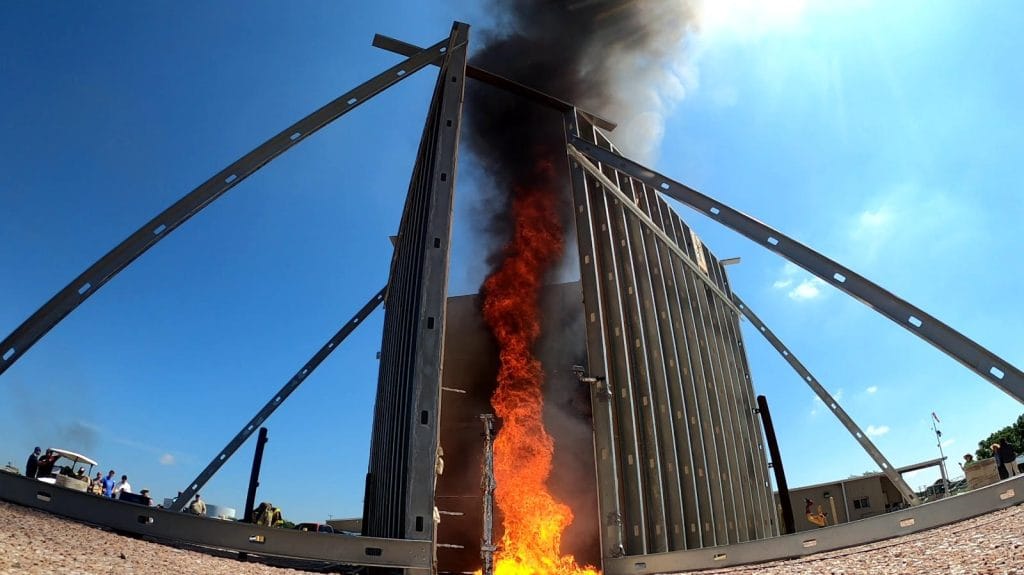
Often seen in wildfires, these fire vortices are intense and localized. Researchers made a more than 5-meter tall version in these experiments by arranging three walls that spun up the in-flowing air. The fire whirl sat above a pool of water topped in a layer of oil that served as the whirl’s fuel.
Within the whirl, the fire’s burn rate was 40% higher than a typical pool fire, and soot production was 40% lower–showing that fire whirls can burn cleaner. But the whirls are more finicky to start and maintain. It’s not yet clear whether such intense whirls are possible in the chaotic conditions on the ocean. (Research and image credit: W. Cui et al.; via Eos)
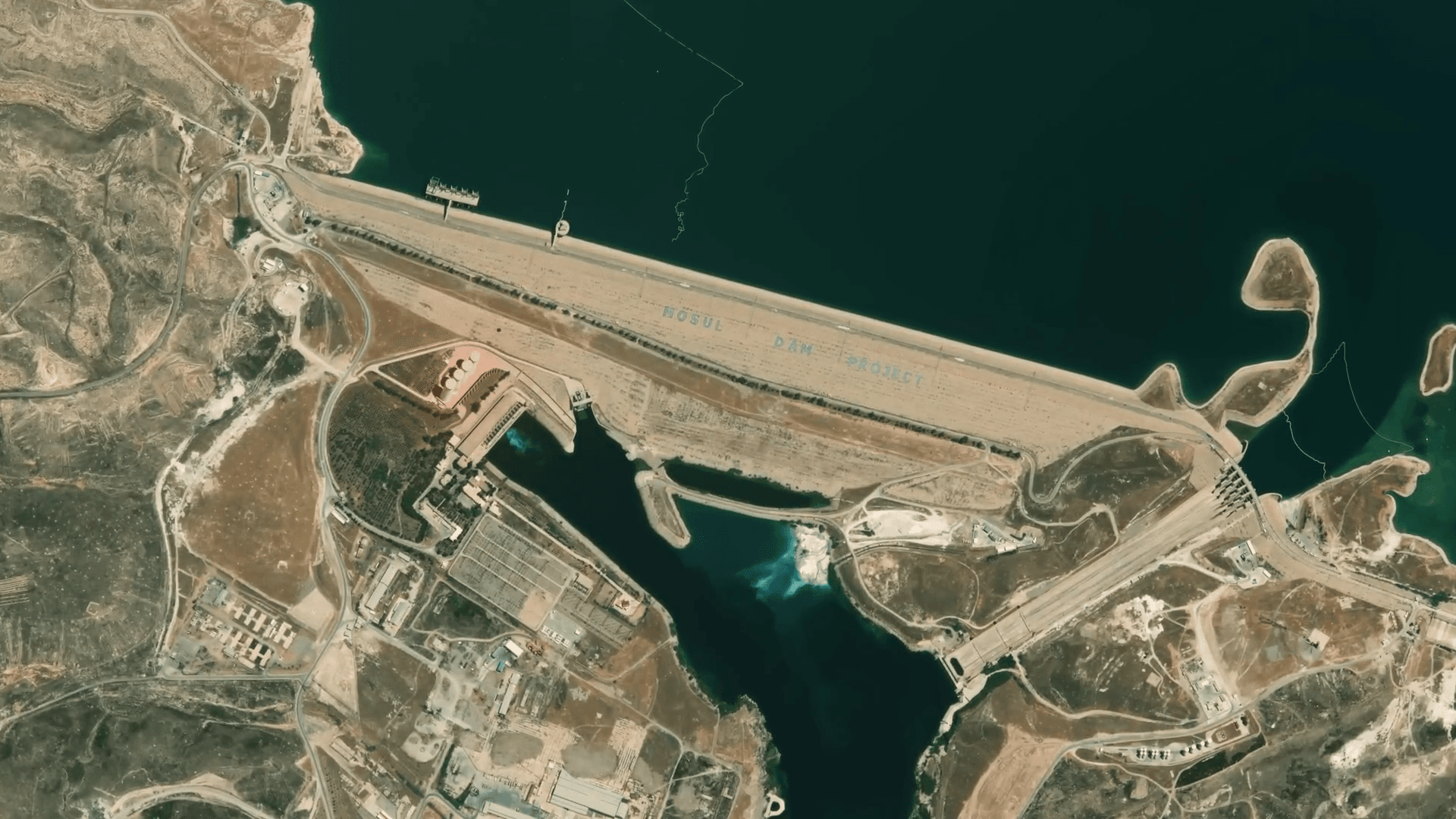
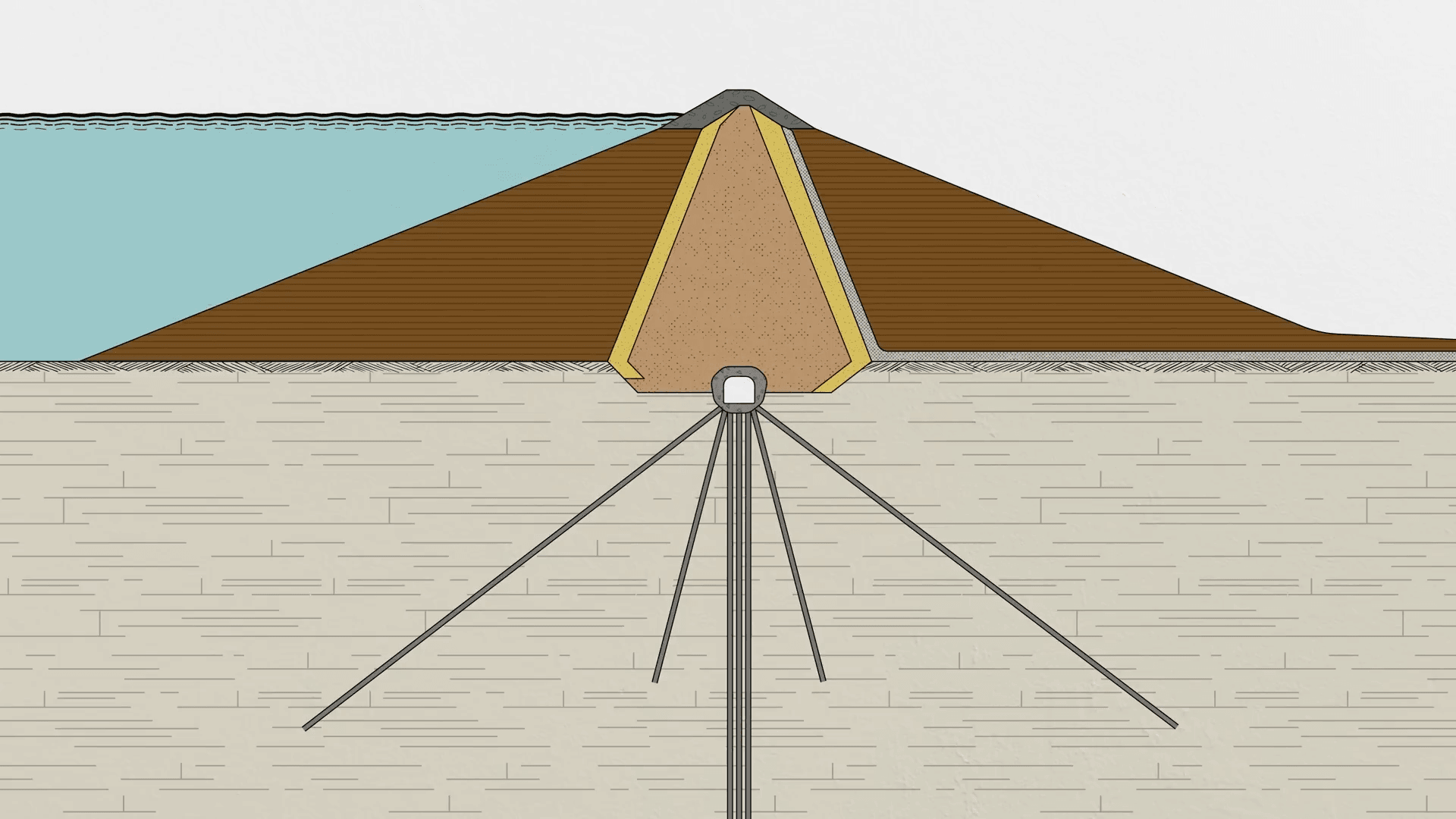
Keeping the water in a reservoir is an obvious challenge for any dam. But for Iraq’s Mosul Dam, it’s especially challenging because the dam was built on a foundation of gypsum, a highly water-soluble mineral. Since it was built, Mosul Dam’s water has been eating away at the underlying bedrock, making sinkholes, forcing gaps, and generally working its way out. That, obviously, creates a huge risk for dam failure and massive downstream flooding.
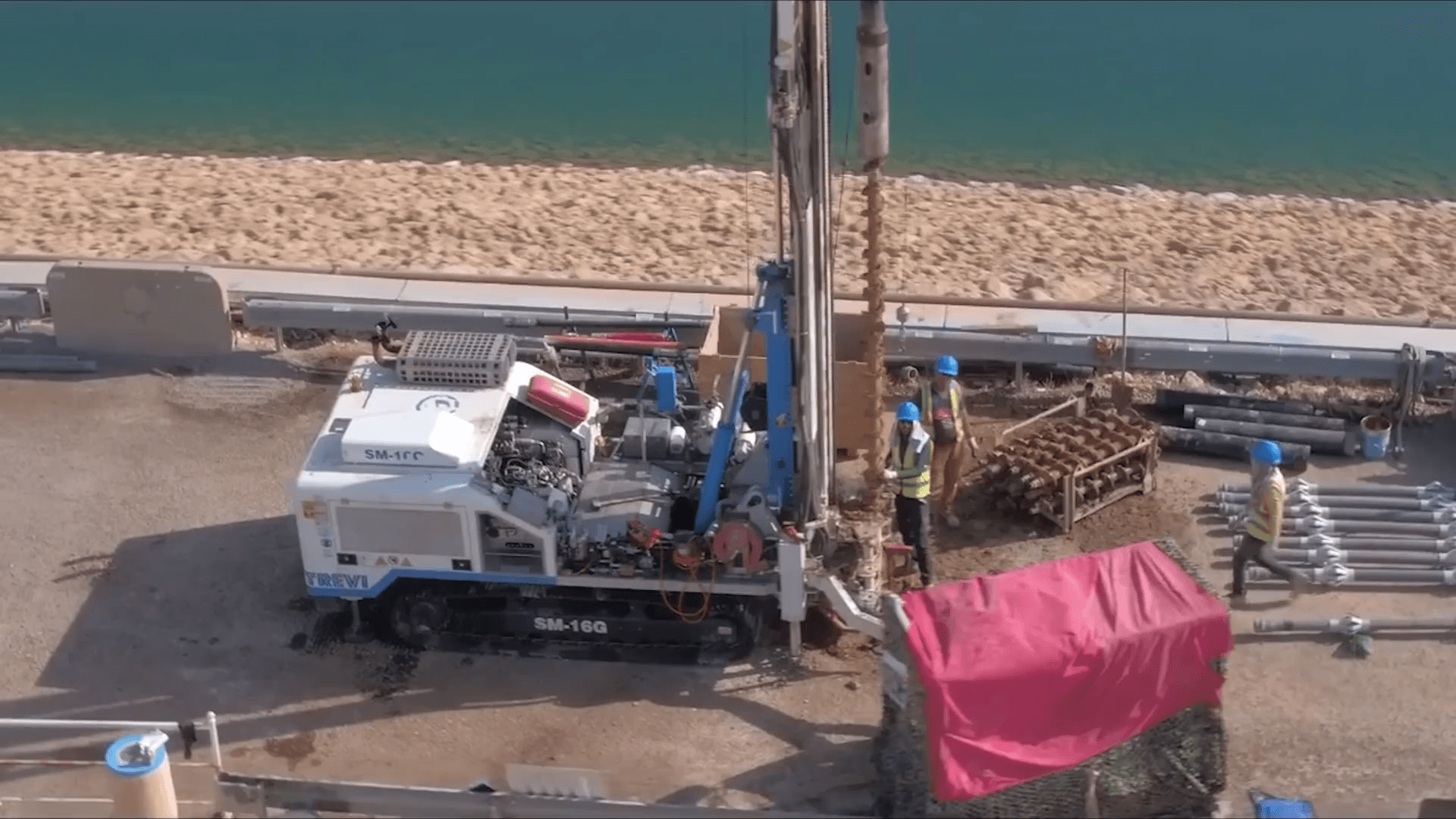
To get the dam stabilized–at least to a point where Iraqi engineers could keep up with filling the holes as they form–took a massive international engineering project, carried out in the shadow of armed conflict. (Video and image credit: Practical Engineering)
Since 1989, Utah’s Great Salt Lake has lost some 70% of its surface area. The exposed lakebed left behind is a source of toxic dust that gets lifted into the air. Researchers are trying to understand what water sources exist beneath the lake and whether they might save the saline lake and its ecosystem from disappearing entirely.
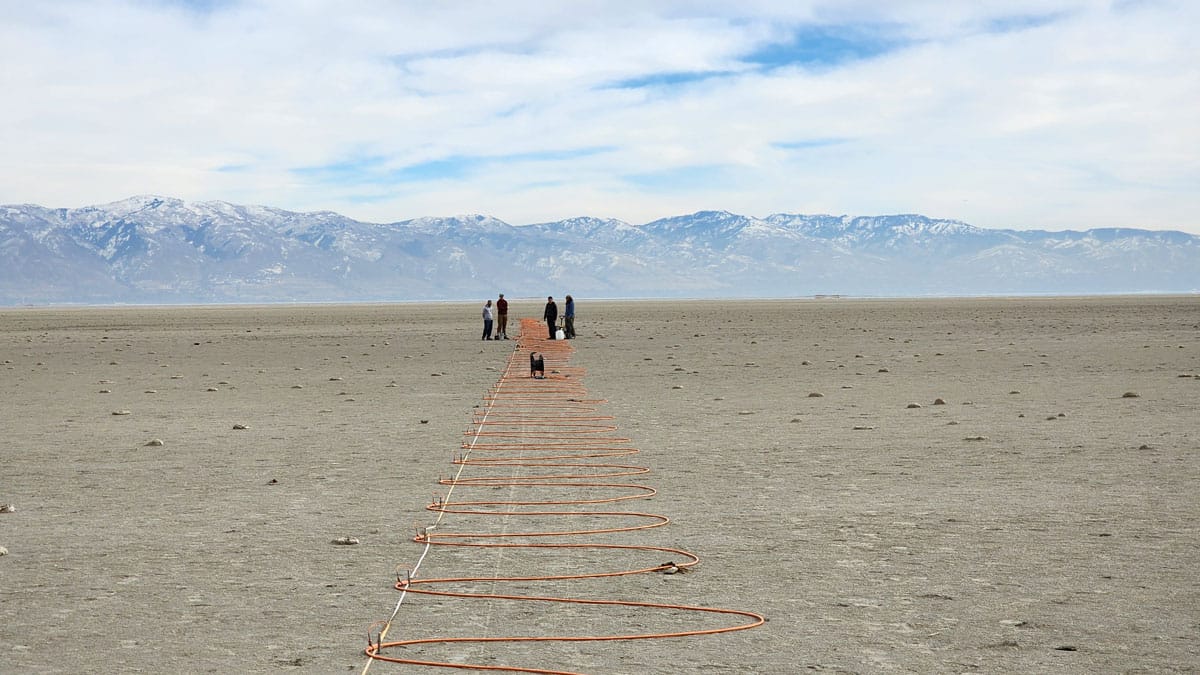
A recent study pinpoints underground water by measuring the electrical resistance between electrodes placed meters apart in the ground (photo above). Because salty water is more electrically conductive than fresh water, the researchers can distinguish between them. So far, they’ve found quite a lot of fresh water, sometimes only a couple meters below the surface. But those patches are often quite close to saline water, too.
The group also described to Eos that they found mounds of invasive reeds lying atop concentrations of fresh water. The invasive species seems to be sucking up water that would otherwise feed back into the lake or support native plants that provide habitat to native birds. (Image credit: M. Thorne; research credit: M. Jacketta et al.; via Eos)
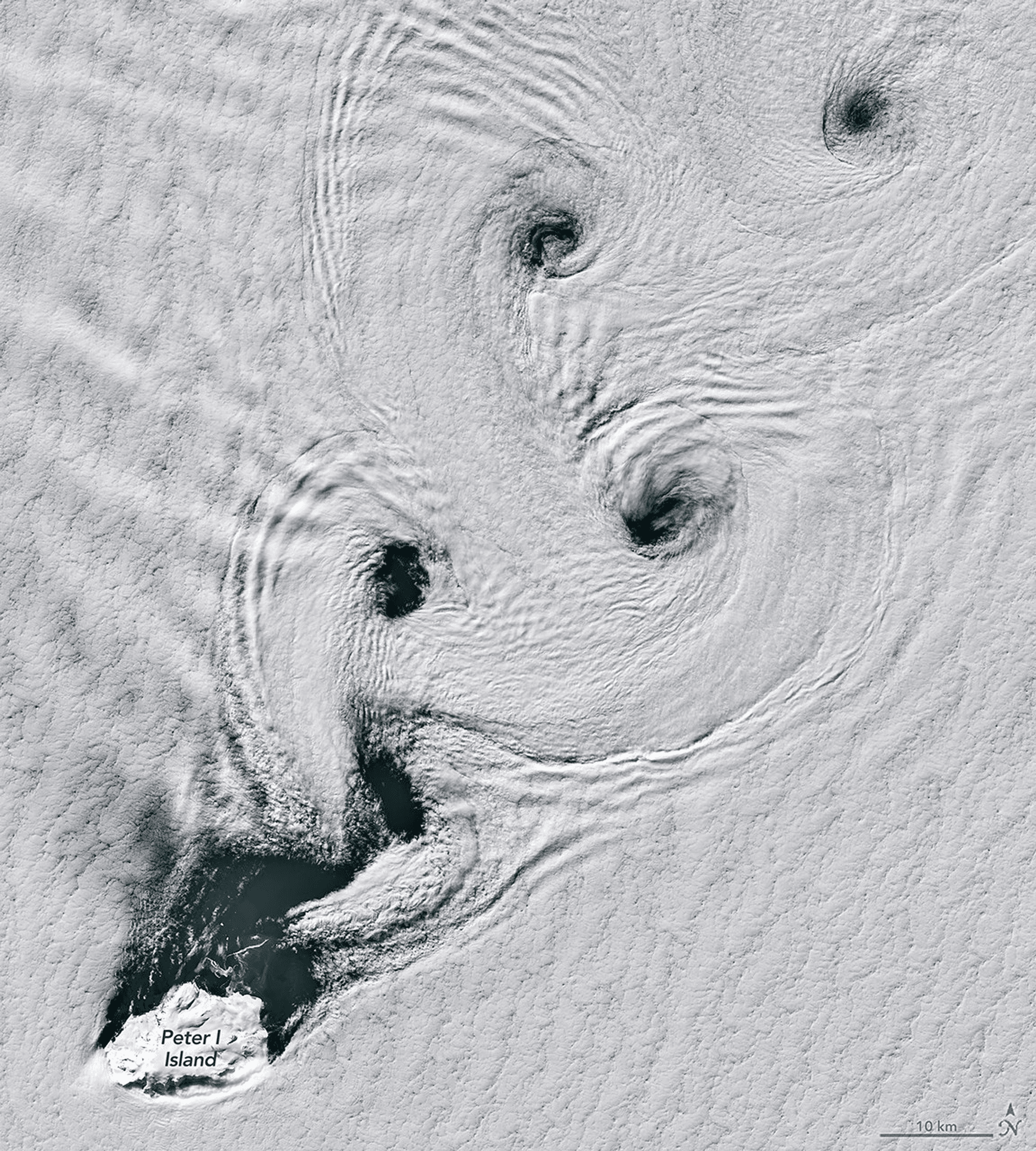
In the Southern Ocean, obstacles are sparse. But the ice-cloaked volcano of Peter I Island is tall enough at over 1600 meters to disrupt the wind. At steady wind speeds between about 18 to 54 kilometers per hour, flowing past the island creates vortices that shed from one side and then the other. The result is a von Karman vortex street like the one seen here, flowing toward the upper right.
The overlaid ripple structures in the cloud layer are reminiscent of gravity waves. Perhaps, the wind’s passage made some lee waves that the vortices distorted? (Image credit: M. Garrison; via NASA Earth Observatory)