Year: 2026

  • Featured Video Play Icon

    Inside the LA Aquaduct

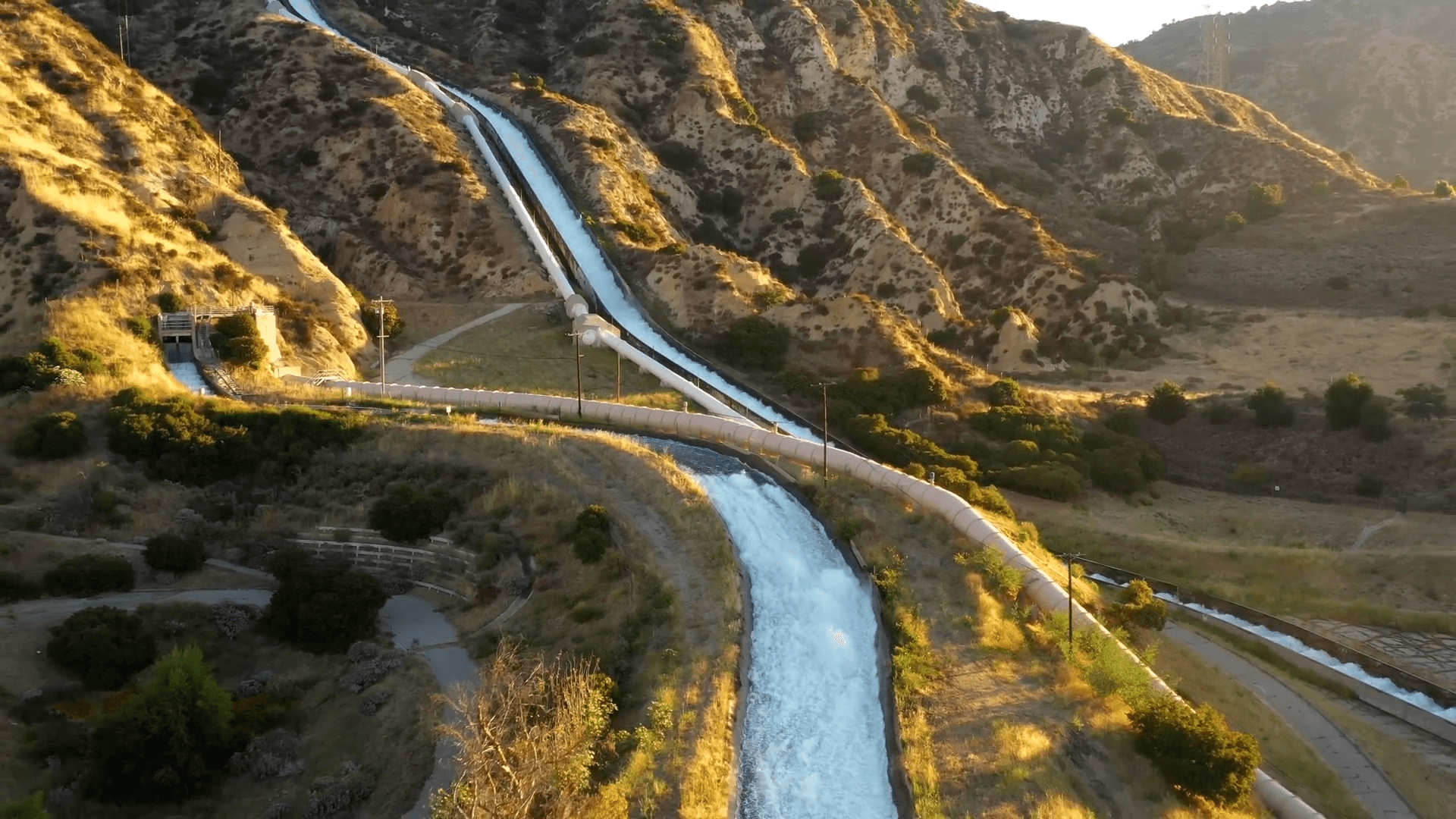
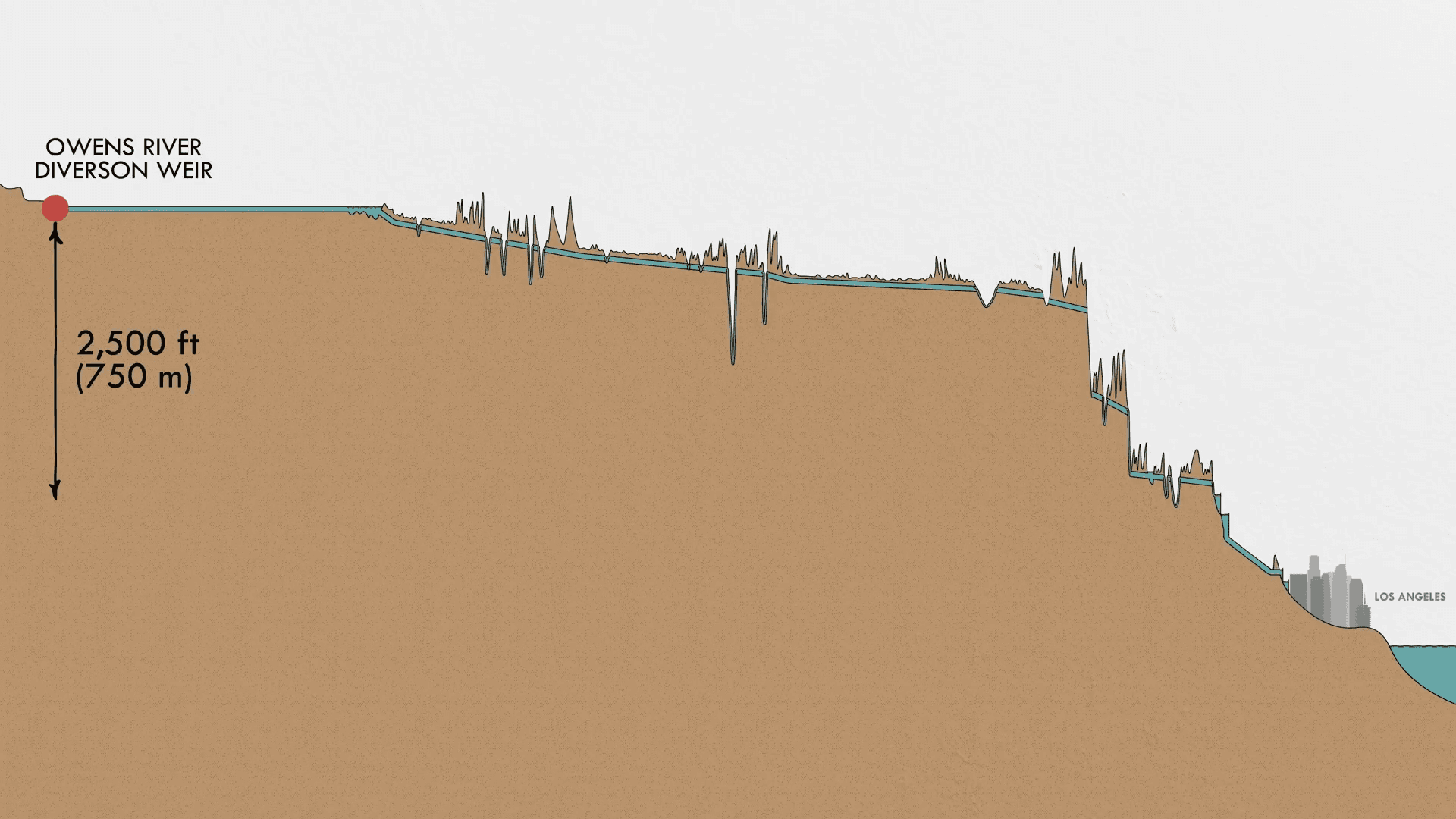
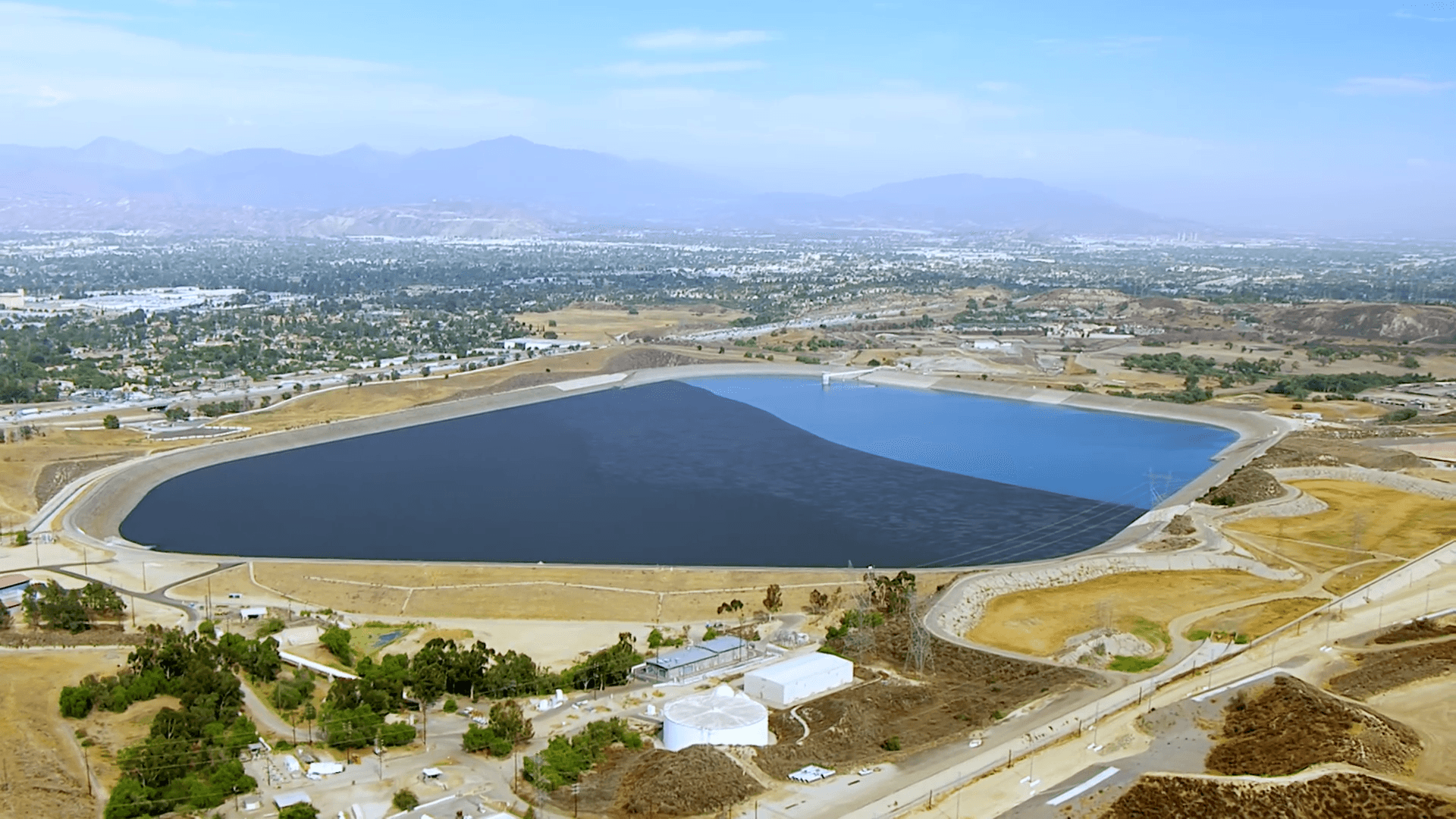
    In the early twentieth century, Los Angeles had capital and political willpower, but not water. So it built an engineering marvel, the LA Aquaduct, to guide water from the Sierra Nevadas down to the growing city. Grady gets into the literal (and figurative) ups and downs of the project in this Practical Engineering video.

    Although the engineering prowess of the aquaduct system is impressive, as Grady points out, the LA Aquaduct’s story is much more complicated than the engineering needed to move water between two points. It’s a story where greed, corruption, politics, cultural impact, environment effects, and climate change all intersect. (Video and image credit: Practical Engineering)
  • Featured Video Play Icon

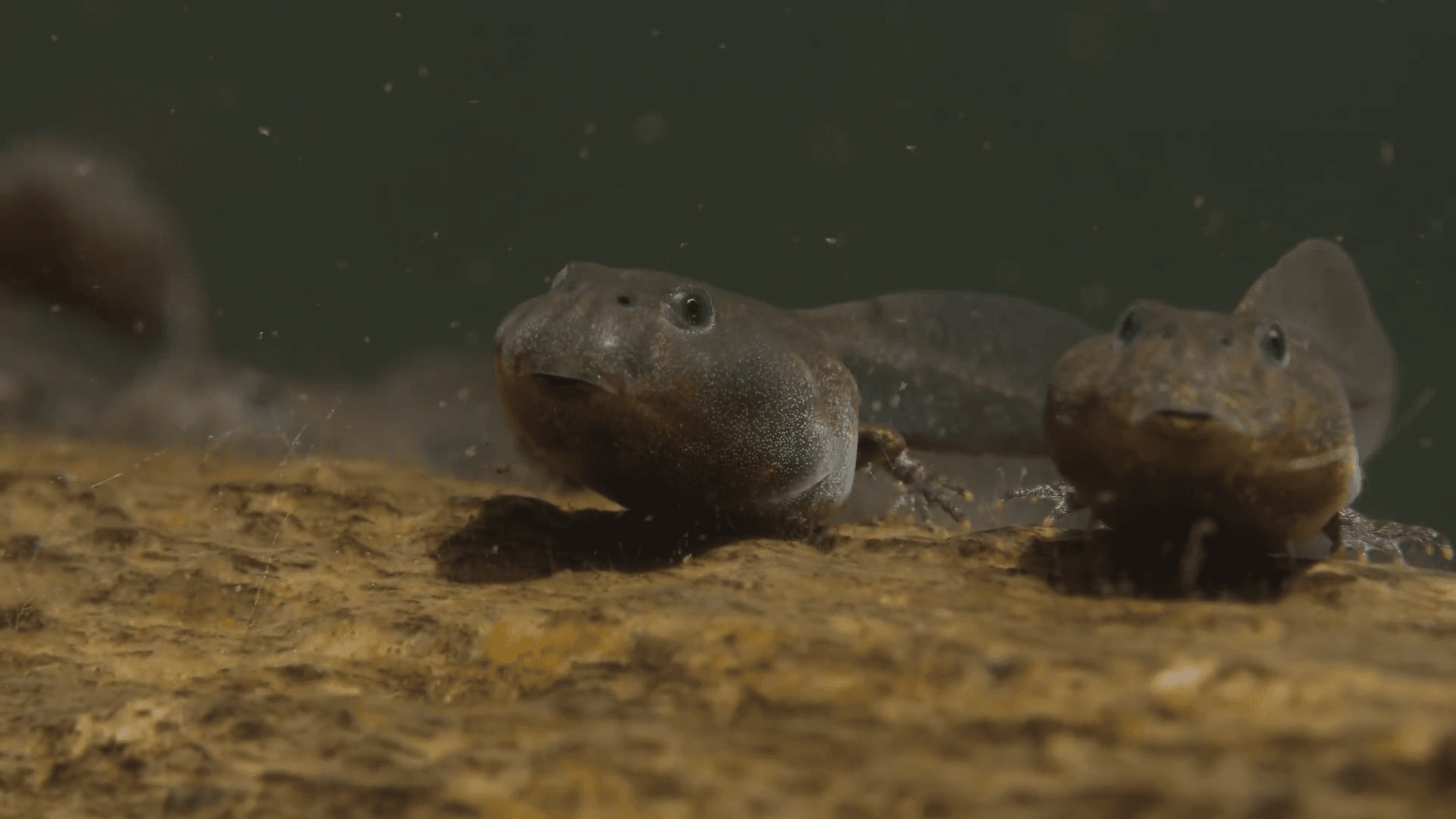
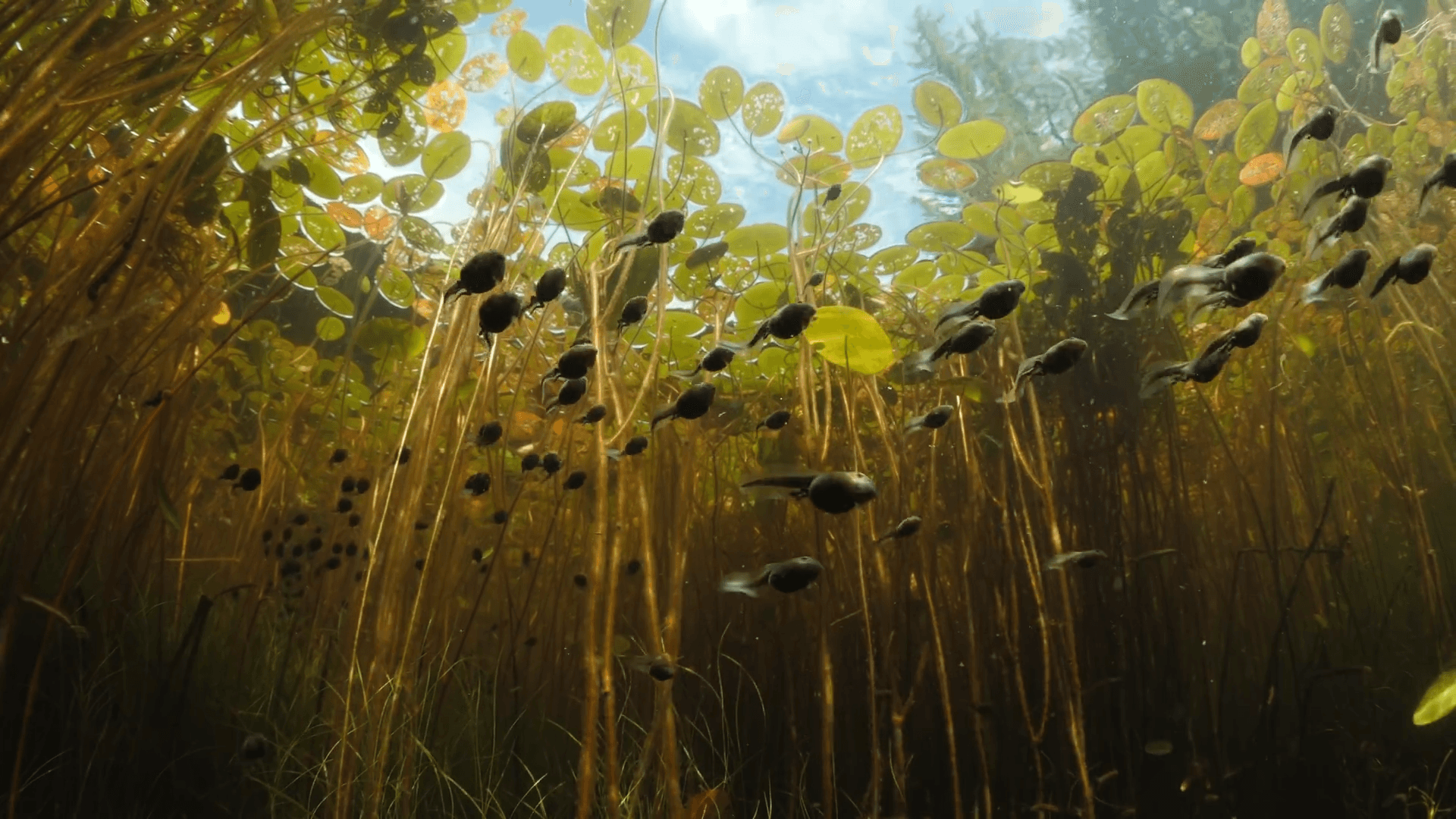
    “Tadpoles: The Big Little Migration”

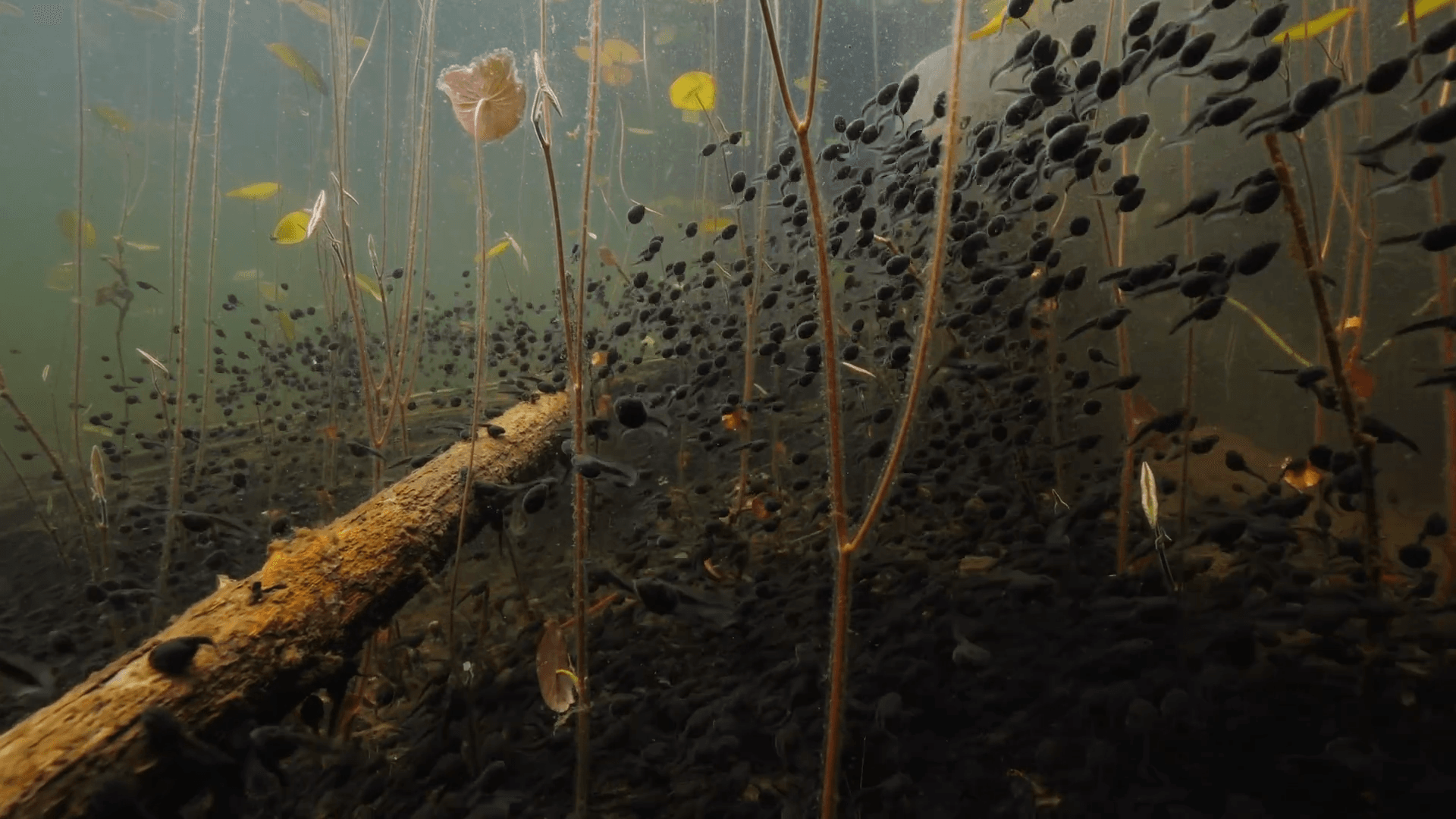
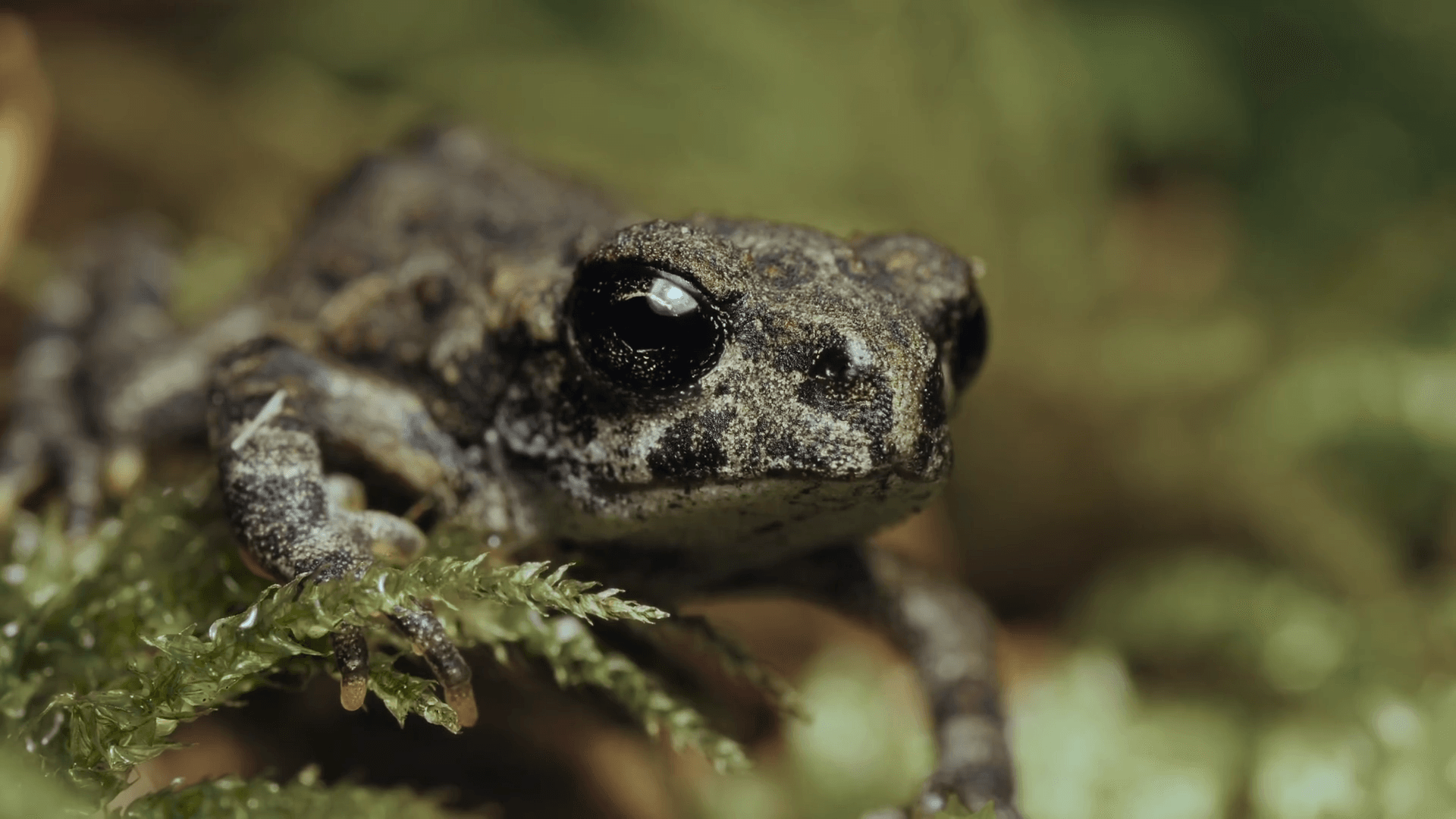
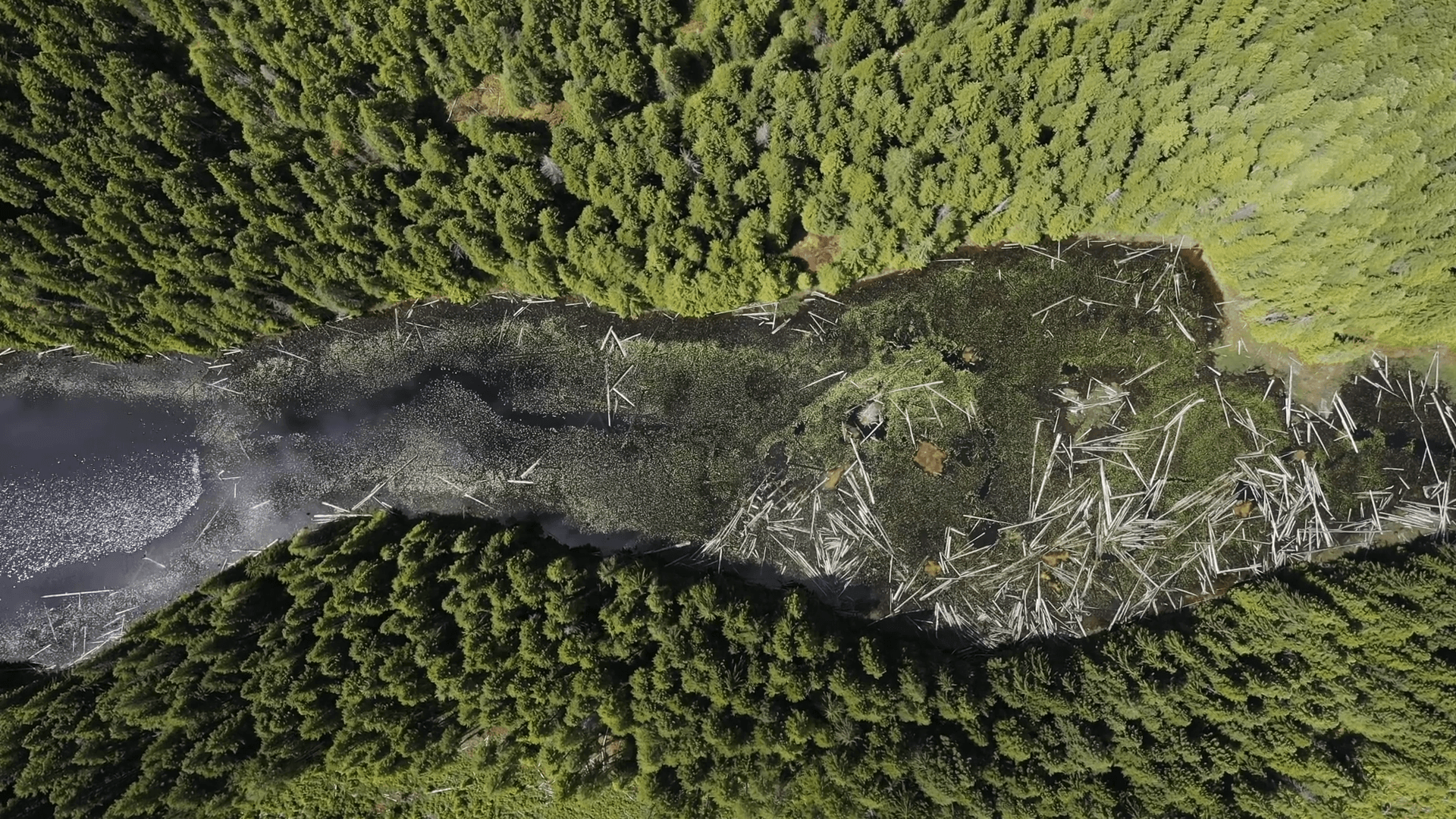
    Amphibians like toads are often indicator species for their ecosystem because they are vulnerable to changes on both land and water. In this short film, videographer Maxwel Hohn follows the migration of western toad tadpoles in British Columbia, showing their daily underwater journey from deep waters, where they can hide, to warmer, shallow waters, where they eat. Over the days and weeks of their early life, millions of tadpoles make the journey, their bodies morphing as they do. Eventually, they will hop away as toadlets. (Video and image credit: M. Hohn et al.)

    Fediverse Reactions
  • Burning Oil Spills With Fire Whirls

    Burning Oil Spills With Fire Whirls

    Though they are relatively infrequent, large marine oil spills, like 2010’s Deepwater Horizon, are devastating and incredibly difficult to clean up. In many locations, the “best” option for responding to such disasters is burning off the oil before it can absorb enough water to sink. But these floating fires leave behind unburned oil and produce soot. To enhance the burn, researchers are looking at the possibility of triggering large-scale fire whirls.

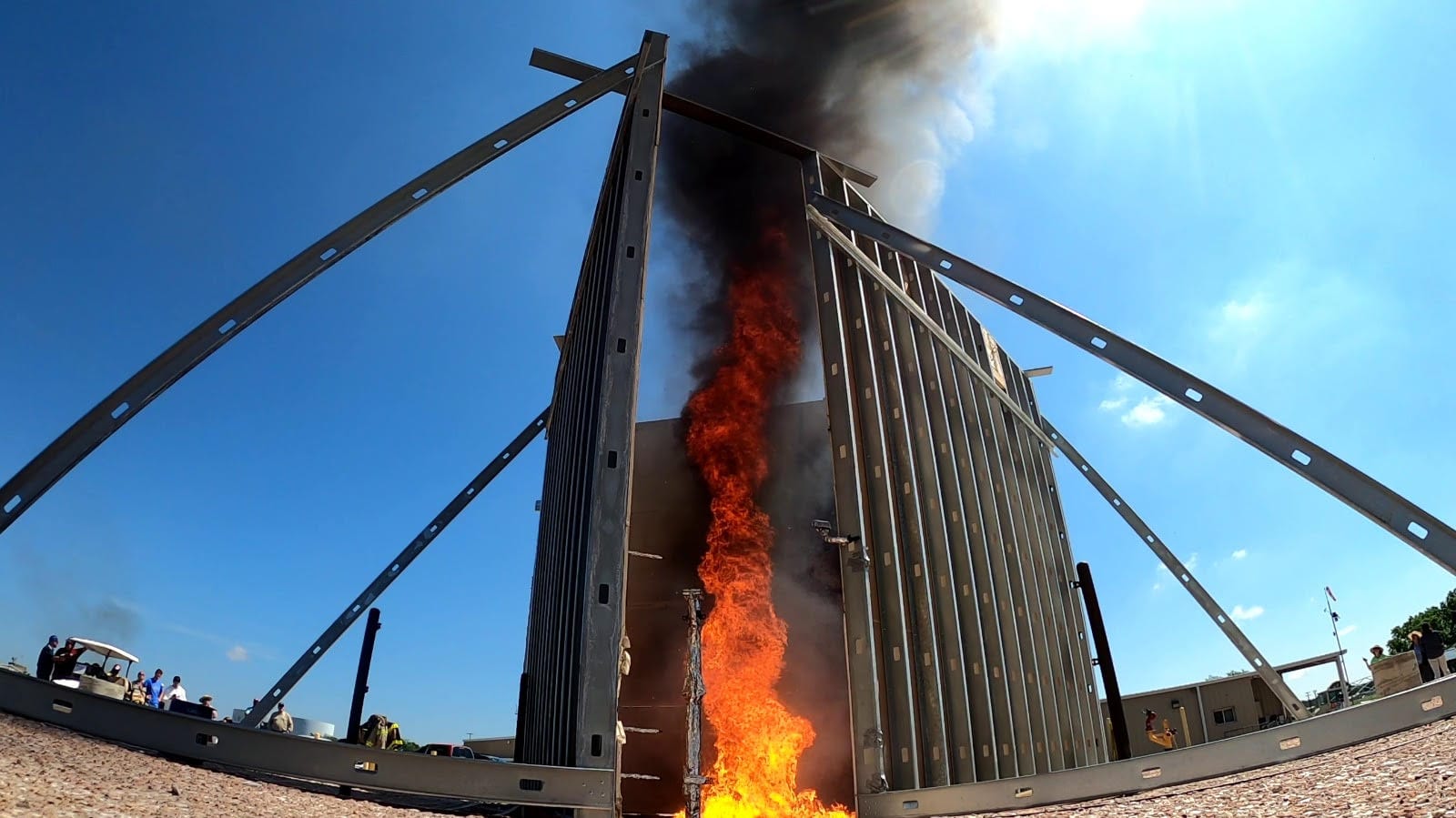
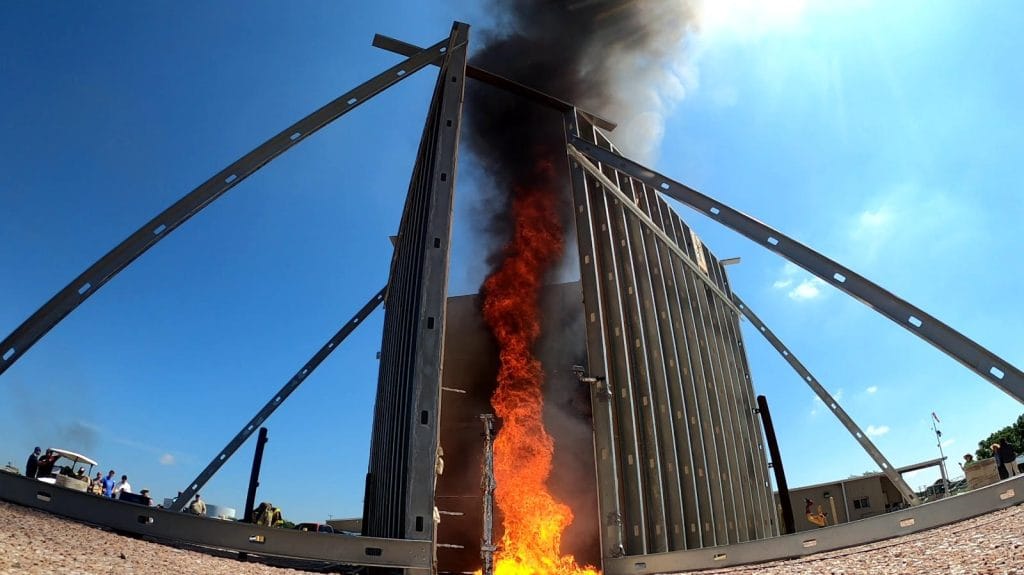
    Often seen in wildfires, these fire vortices are intense and localized. Researchers made a more than 5-meter tall version in these experiments by arranging three walls that spun up the in-flowing air. The fire whirl sat above a pool of water topped in a layer of oil that served as the whirl’s fuel.

    Within the whirl, the fire’s burn rate was 40% higher than a typical pool fire, and soot production was 40% lower–showing that fire whirls can burn cleaner. But the whirls are more finicky to start and maintain. It’s not yet clear whether such intense whirls are possible in the chaotic conditions on the ocean. (Research and image credit: W. Cui et al.; via Eos)

    View of a large-scale fire whirl experiment built around an oil spill on a pool.
    Fediverse Reactions
  • Featured Video Play Icon

    Fixing Mosul Dam

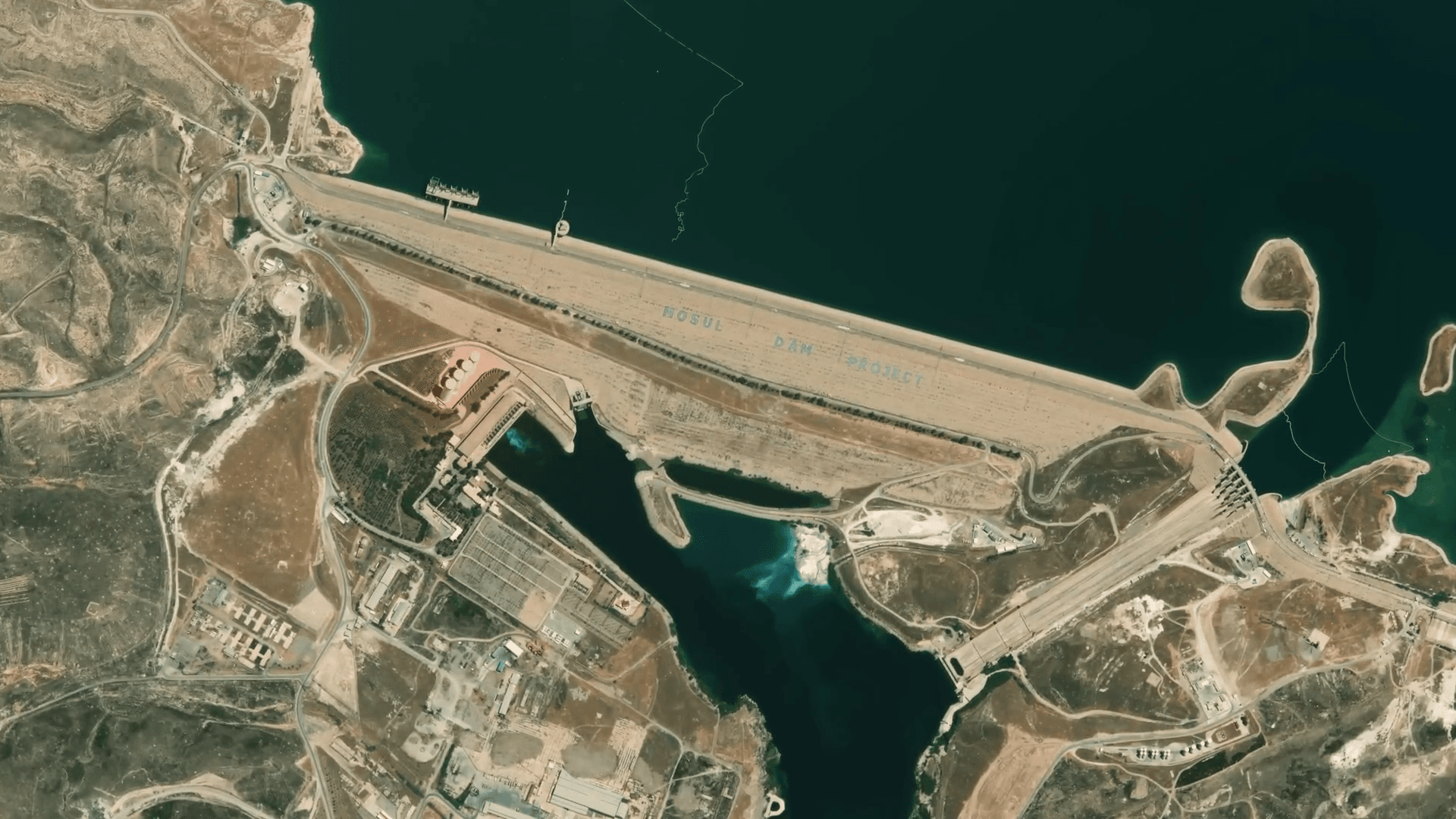
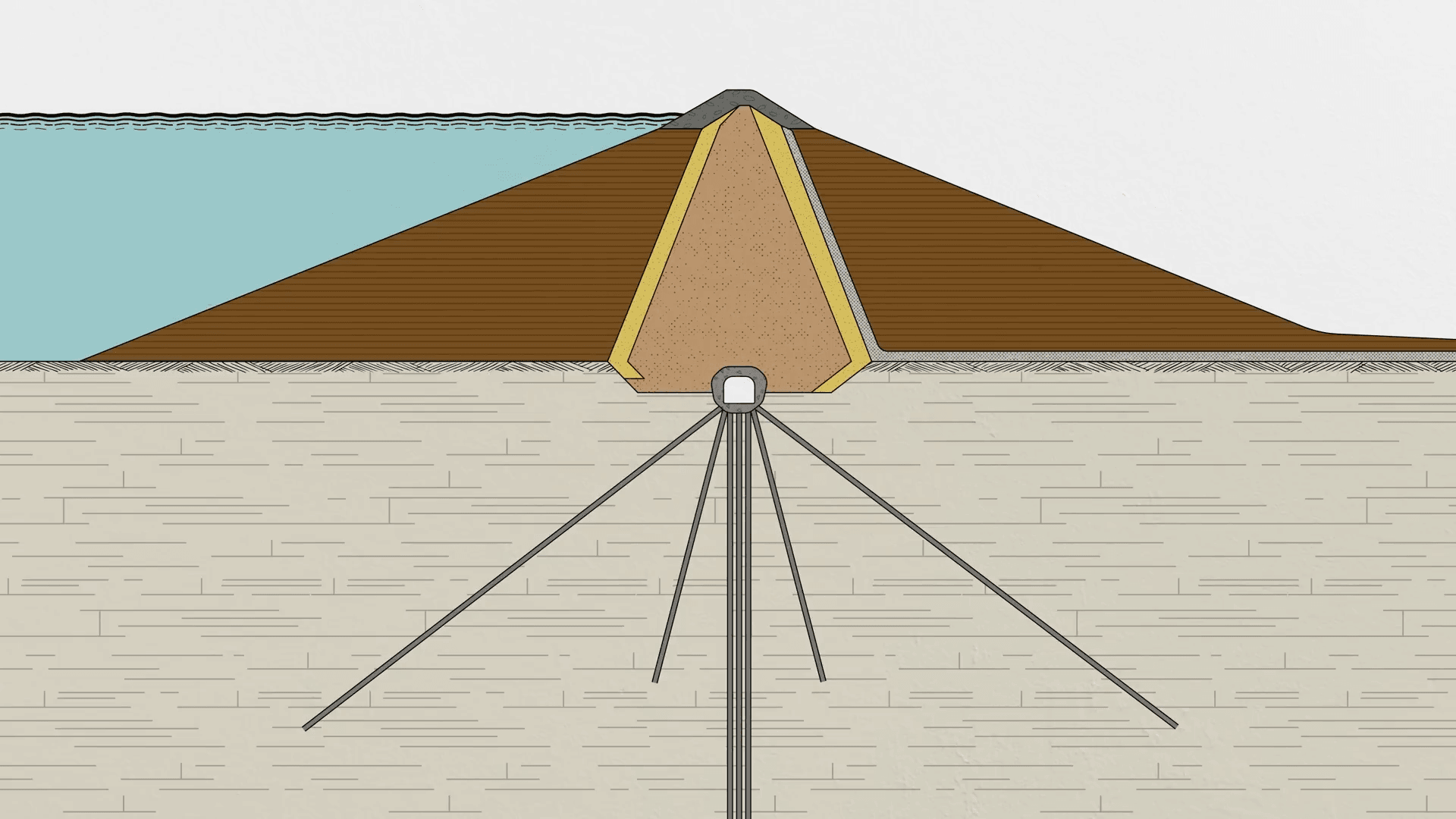
    Keeping the water in a reservoir is an obvious challenge for any dam. But for Iraq’s Mosul Dam, it’s especially challenging because the dam was built on a foundation of gypsum, a highly water-soluble mineral. Since it was built, Mosul Dam’s water has been eating away at the underlying bedrock, making sinkholes, forcing gaps, and generally working its way out. That, obviously, creates a huge risk for dam failure and massive downstream flooding.

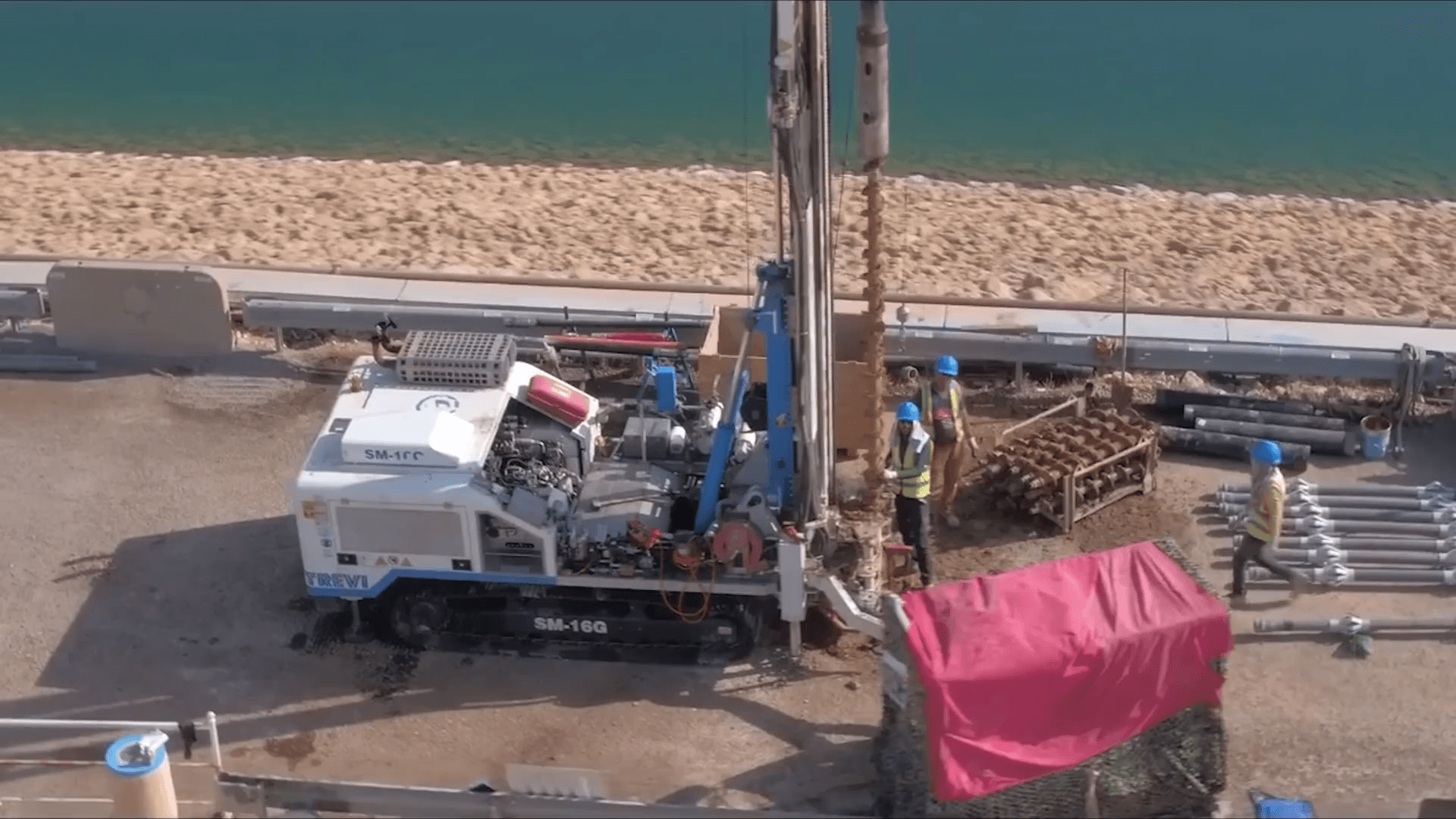
    To get the dam stabilized–at least to a point where Iraqi engineers could keep up with filling the holes as they form–took a massive international engineering project, carried out in the shadow of armed conflict. (Video and image credit: Practical Engineering)
    Fediverse Reactions
  • The Disappearing Great Salt Lake

    The Disappearing Great Salt Lake

    Since 1989, Utah’s Great Salt Lake has lost some 70% of its surface area. The exposed lakebed left behind is a source of toxic dust that gets lifted into the air. Researchers are trying to understand what water sources exist beneath the lake and whether they might save the saline lake and its ecosystem from disappearing entirely.

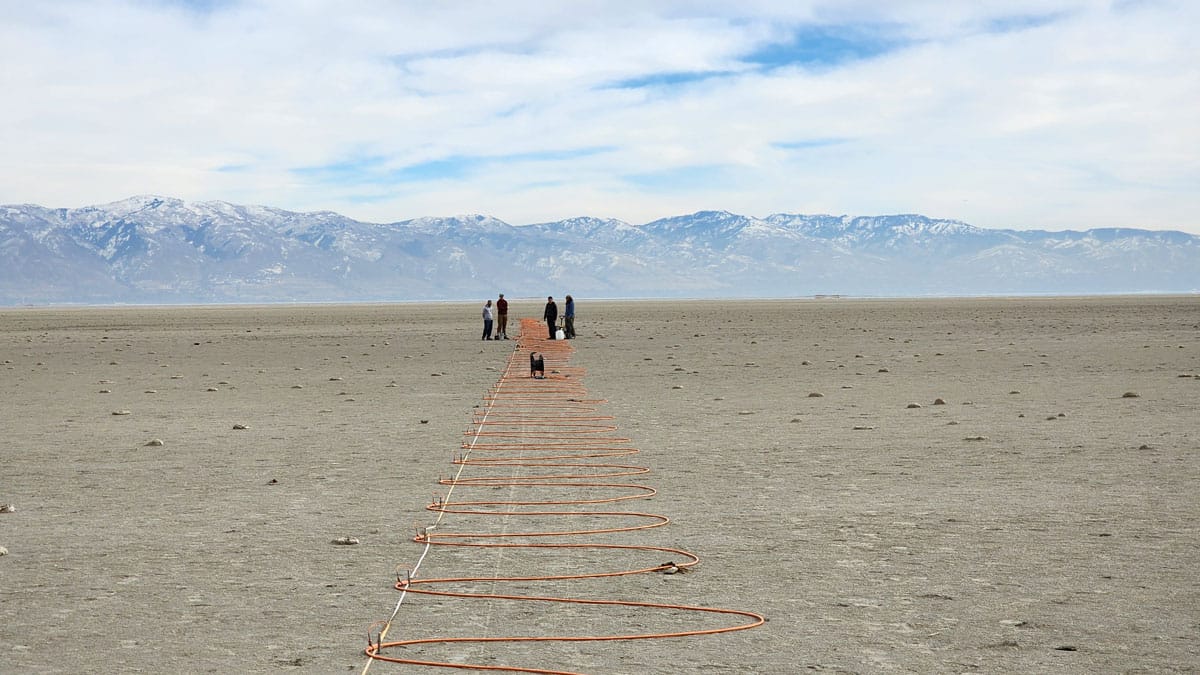
    A recent study pinpoints underground water by measuring the electrical resistance between electrodes placed meters apart in the ground (photo above). Because salty water is more electrically conductive than fresh water, the researchers can distinguish between them. So far, they’ve found quite a lot of fresh water, sometimes only a couple meters below the surface. But those patches are often quite close to saline water, too.

    The group also described to Eos that they found mounds of invasive reeds lying atop concentrations of fresh water. The invasive species seems to be sucking up water that would otherwise feed back into the lake or support native plants that provide habitat to native birds. (Image credit: M. Thorne; research credit: M. Jacketta et al.; via Eos)

    Fediverse Reactions
  • Swirls Above the Southern Ocean

    Swirls Above the Southern Ocean

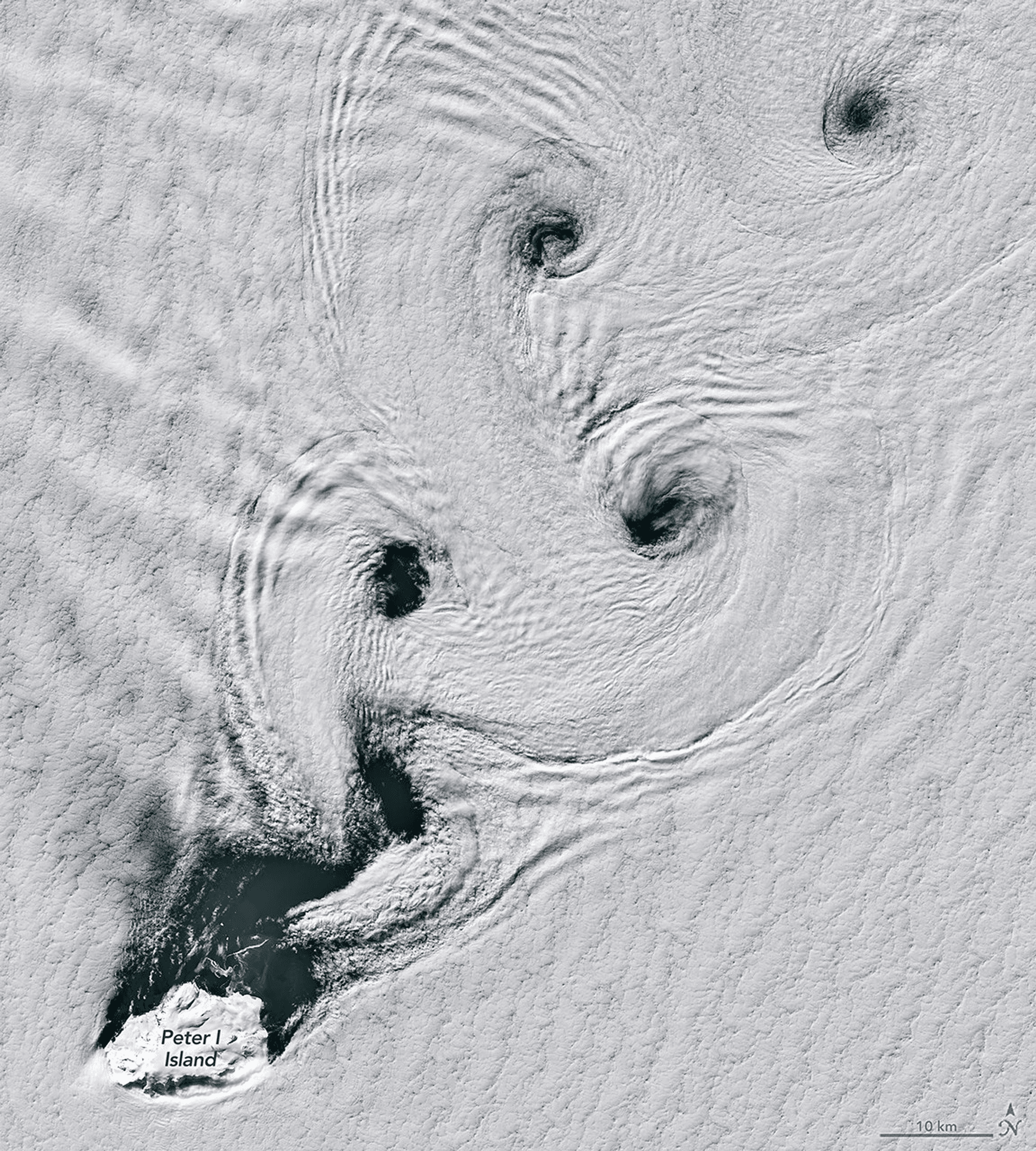
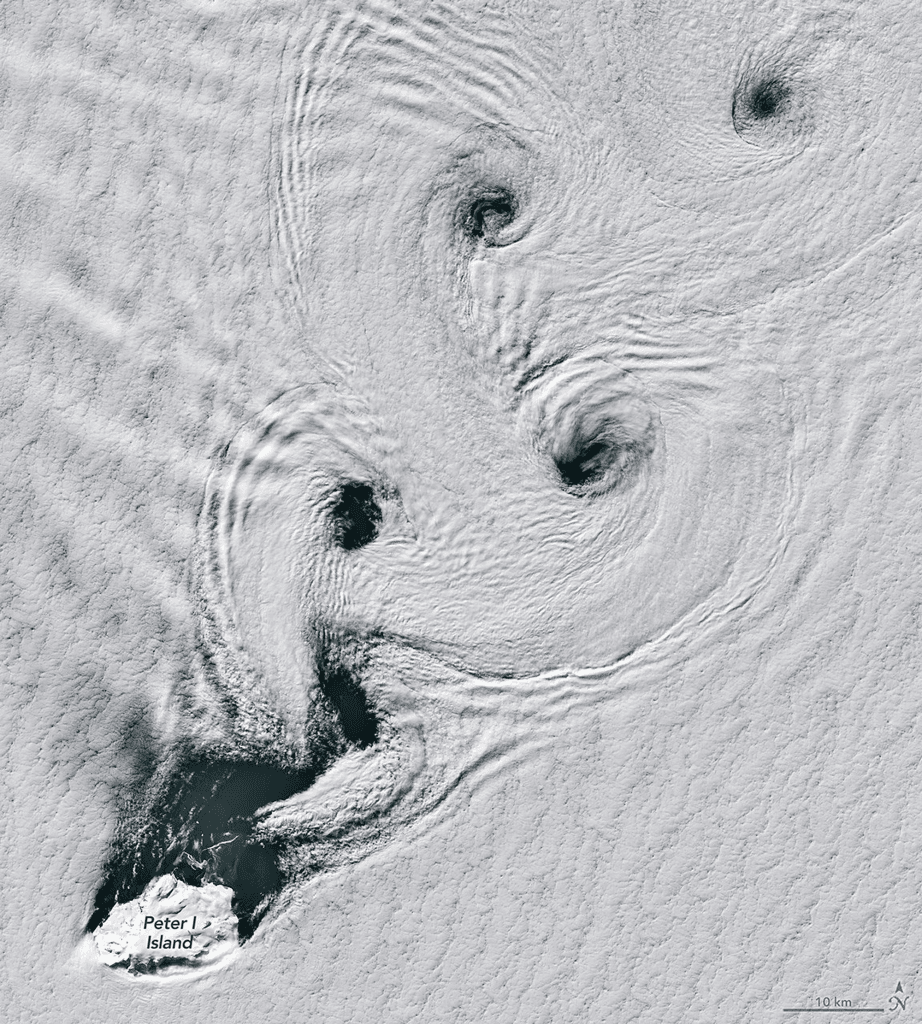
    In the Southern Ocean, obstacles are sparse. But the ice-cloaked volcano of Peter I Island is tall enough at over 1600 meters to disrupt the wind. At steady wind speeds between about 18 to 54 kilometers per hour, flowing past the island creates vortices that shed from one side and then the other. The result is a von Karman vortex street like the one seen here, flowing toward the upper right.

    The overlaid ripple structures in the cloud layer are reminiscent of gravity waves. Perhaps, the wind’s passage made some lee waves that the vortices distorted? (Image credit: M. Garrison; via NASA Earth Observatory)

    A von Karman vortex street stretches downstream from Peter I Island.
  • Featured Video Play Icon

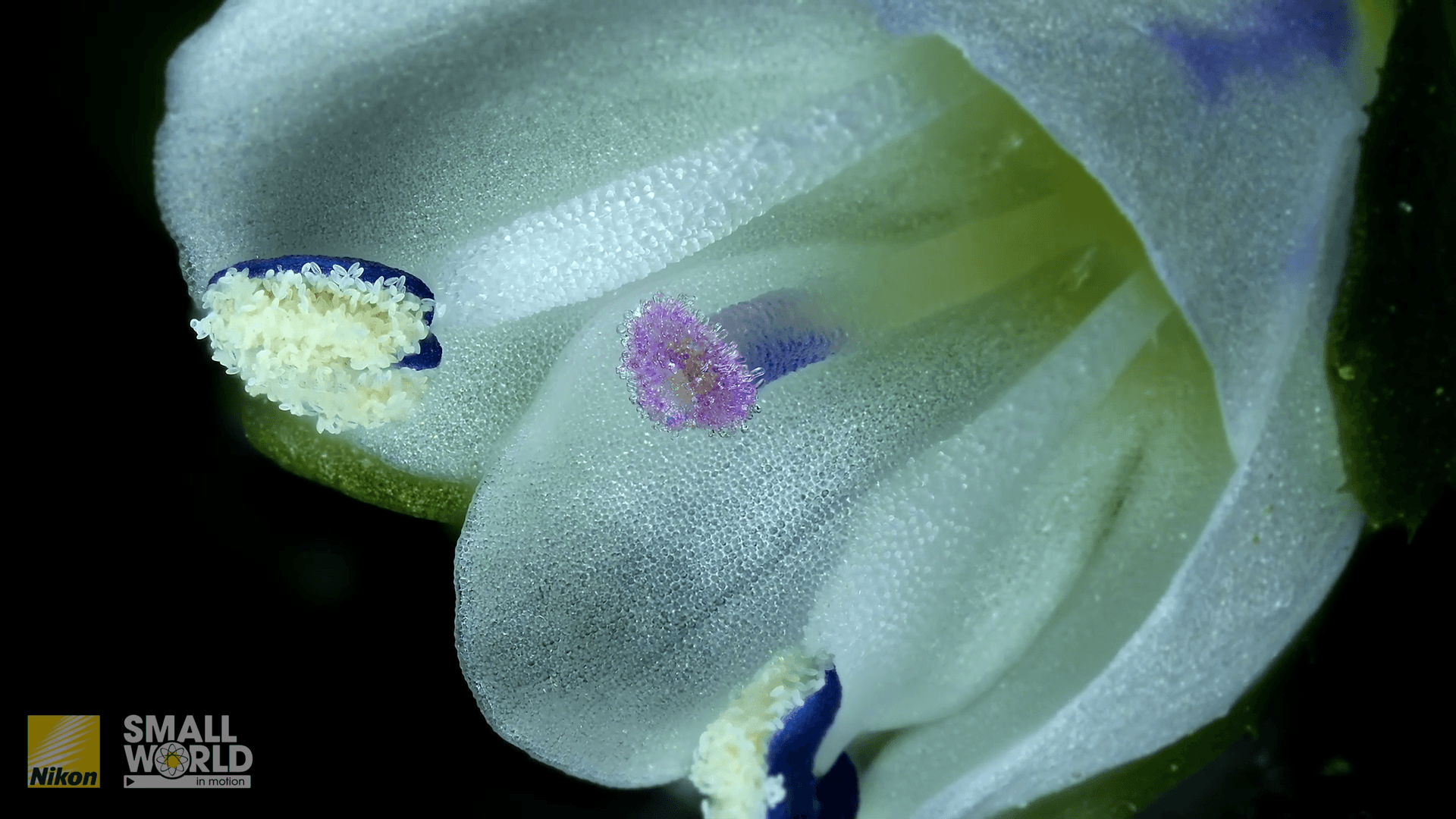
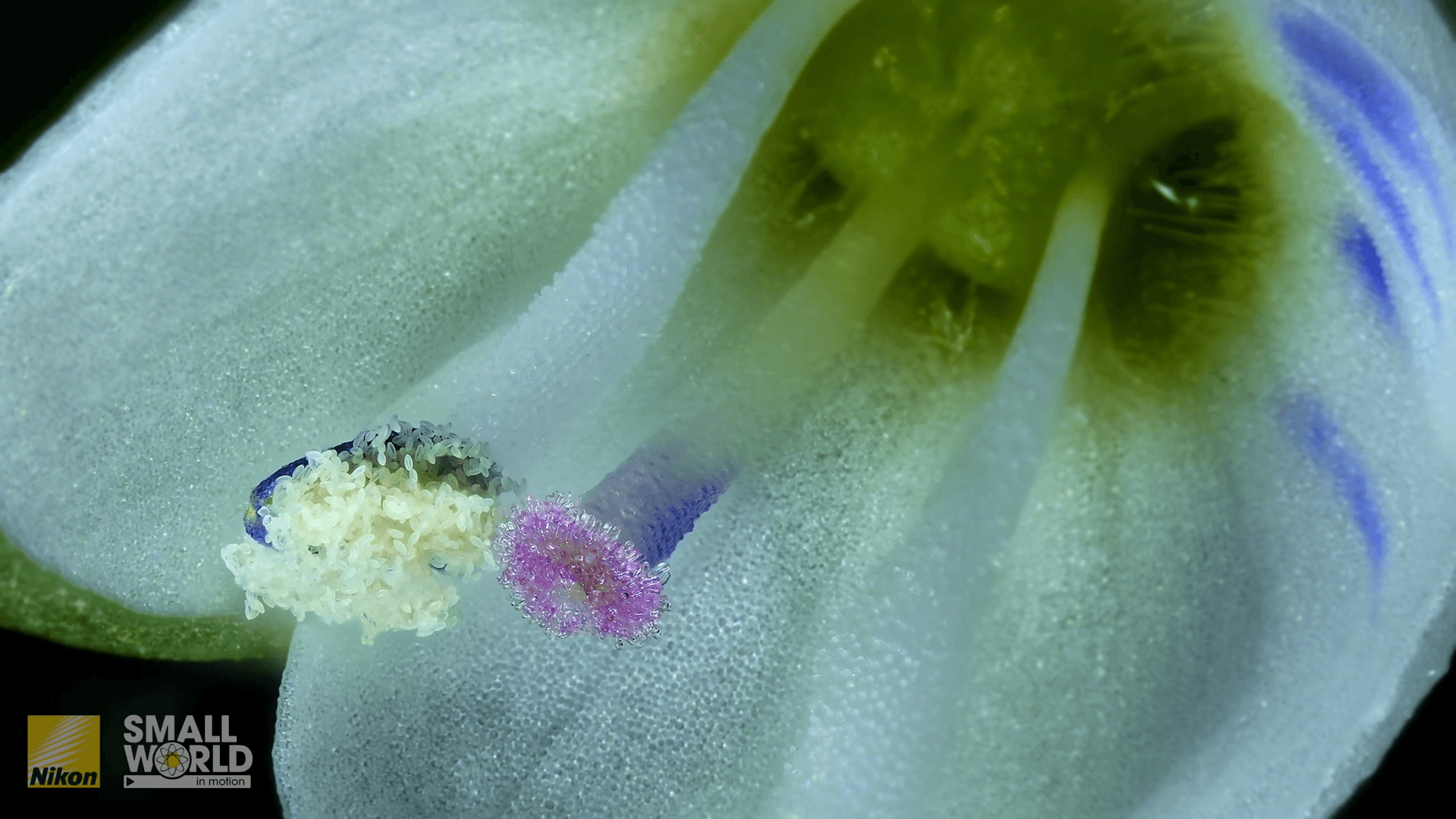
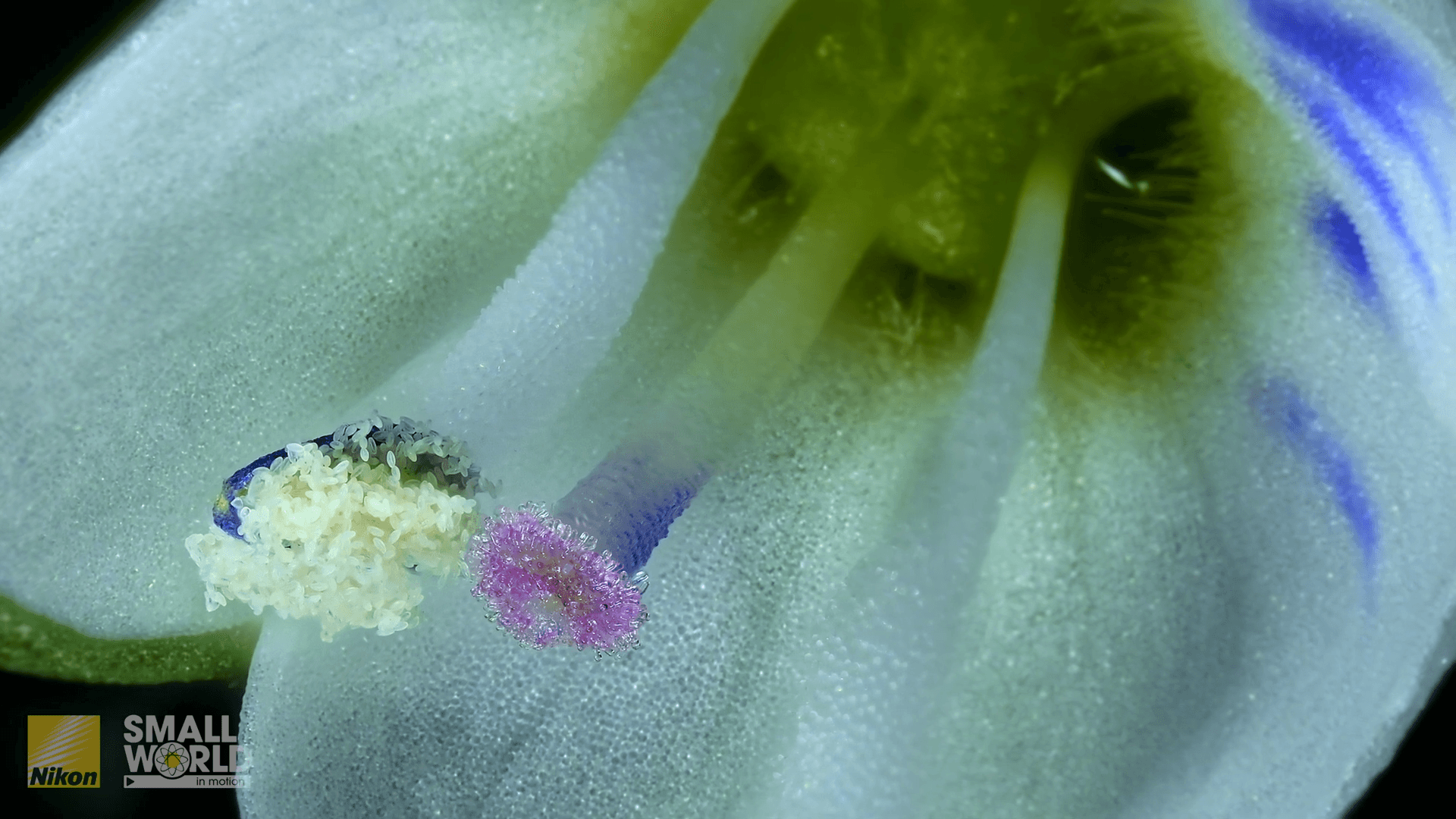
    “Self-pollination in a flower of thymeleaf speedwell (Veronica serpyllifolia)”

    Though we rarely notice their movement in the moment, plants, and especially their flowers, are frequently on the move. Here, retired engineer Jay McClellan captures a thymeleaf speedwell flower as it opens, then pushes a stamen toward its pistil, thereby pollinating itself. Like much of the motion executed by plants, these movements come from pumping water between different cells, swelling and shrinking them as needed to execute the overall motion. (Video and image credit: J. McClellan; via Colossal)

  • Closing a Venus Fly Trap

    Closing a Venus Fly Trap

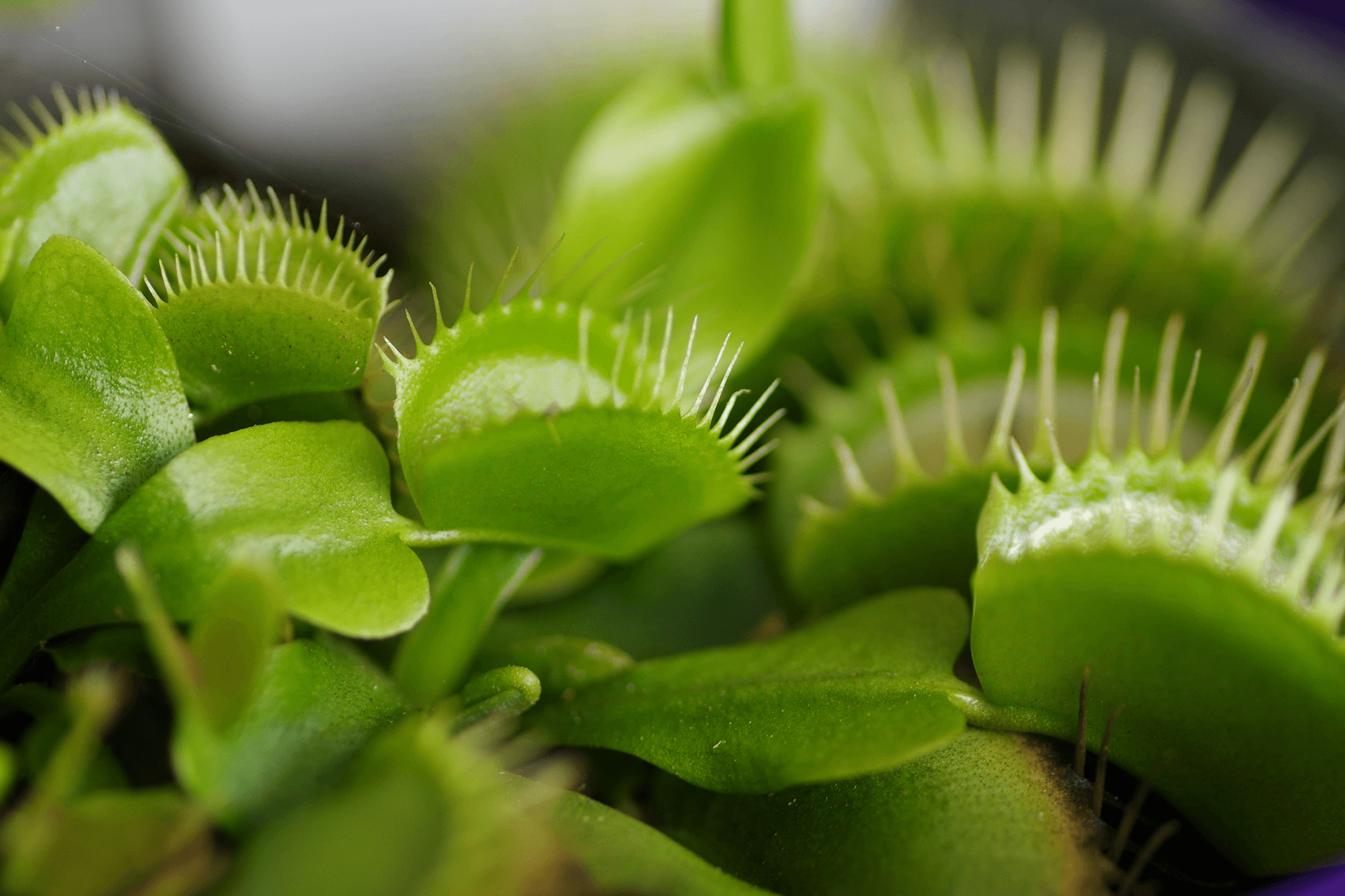
    The Venus fly trap has long fascinated scientists with its ability to catch fast-moving prey. Just how the plant closes its “trap” leaf so quickly is a matter of debate. A new study gives us more detail–but not complete clarity–about what’s going on.

    One way that plants move rapidly is by moving water into or out of cells, changing their internal pressure. The new experiments showed that this is not what the fly trap does. Specifically, by watching the speed at which individual Venus fly trap cells take up water, the team concluded that closing the leaf would take 30-150 seconds–far more than the 1 second observed.

    Instead, the team showed that the trap’s rapid closure happens because the plant’s cell walls rapidly soften, making the leaf unable to stay open against previously-stored elastic energy. Instead, the trap snaps closed. The physical mechanism behind the softening is still unclear, though, so the charismatic plant still has mysteries for us to discover. (Image credit: N. Suzuki; research credit: J. Ryu et al.; via Nature and Gizmodo)

    Fediverse Reactions
  • A Special Trio of Clouds

    A Special Trio of Clouds

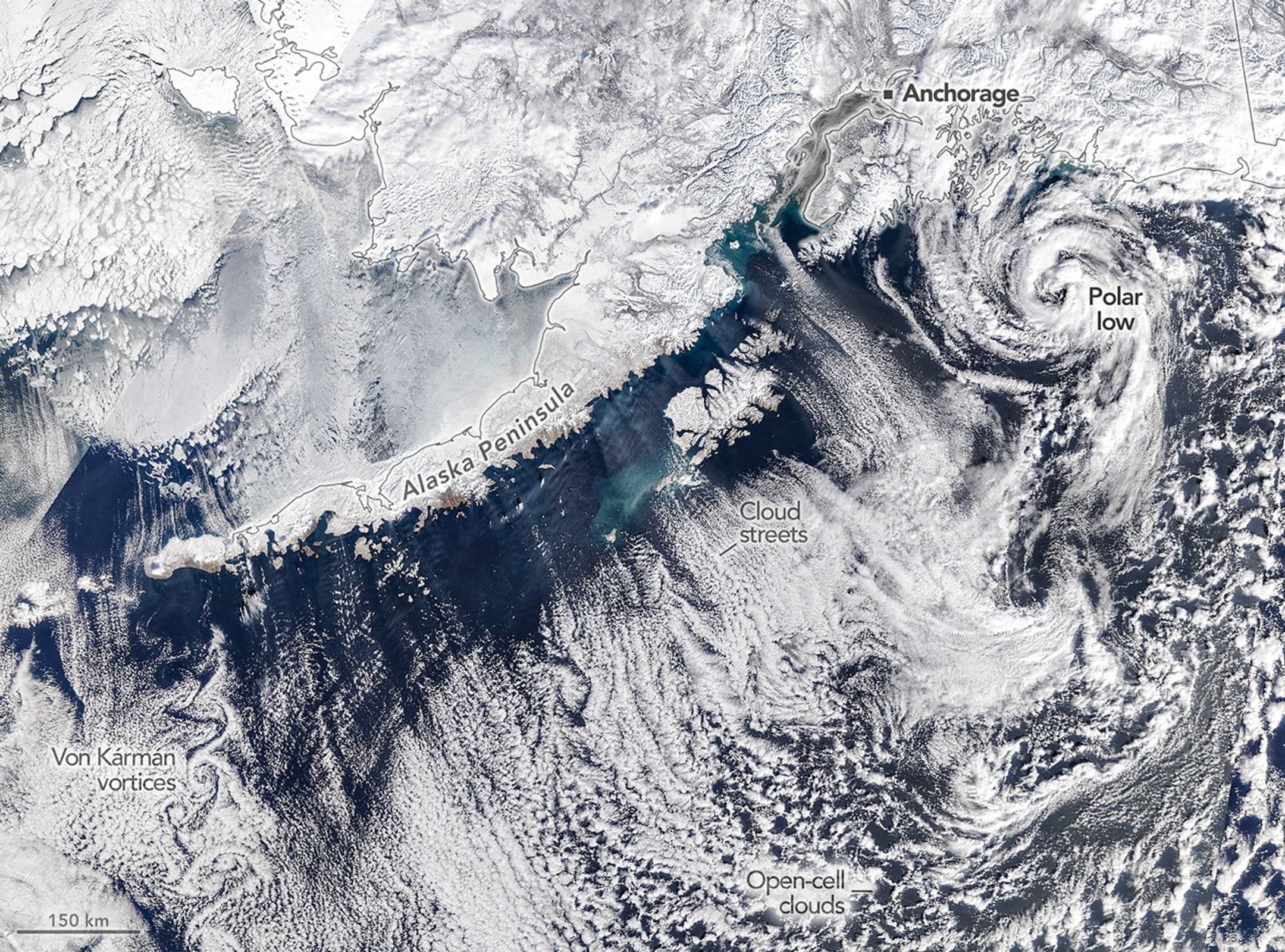
    Off the coast of Alaska, March 19th, 2026 featured a trio of fascinating clouds. Southwest of Anchorage, a cyclonic polar low twisted up from cold polar air centered over warmer waters. This particular storm boasted tropical-storm-force winds and thunderstorms in its center.

    Further west, long cloud streets formed parallel to the wind as cold dry air picked up moisture from warmer polar waters. And, finally, in the bottom left of the image, alternating vortices swirl in the wake of a rocky island, forming a beautiful von Karman vortex street. (Image credit: M. Garrison/NASA Earth Observatory)

    A trio of atmospheric phenomena appear in this satellite image off Alaska: a polar low, cloud streets, and a von Karman vortex street.

  • Dropping Oobleck

    Dropping Oobleck

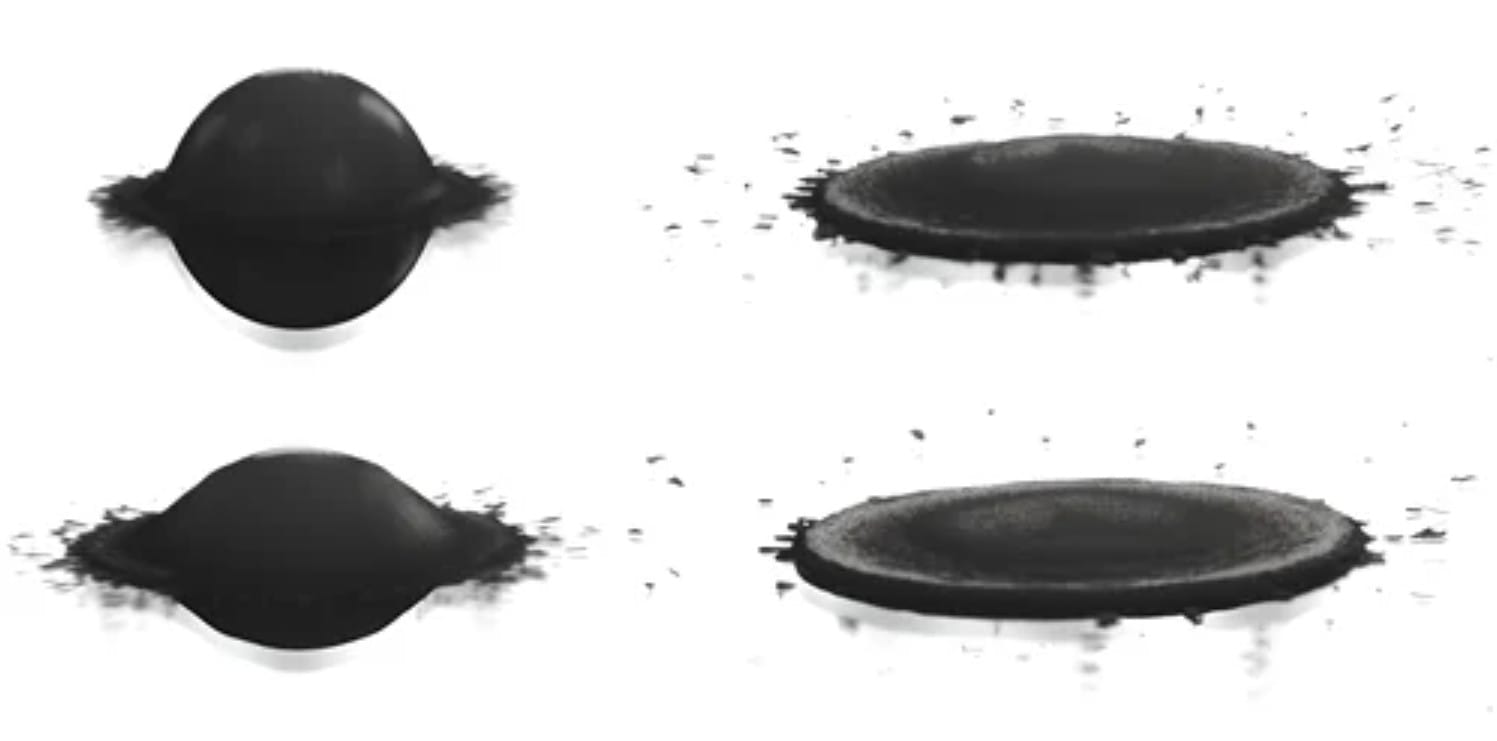
    Oobleck is a peculiar substance. Formed from a suspension of cornstarch particles in water, it can flow like a liquid at low shear rates or jam into a solid under impact. Here, researchers explore what happens to a droplet of oobleck impacting a surface. As they expected, the team found that dilute drops could spread like a normal liquid during impact (top), and denser suspensions could impact like a solid would (below). But at the right conditions, they found that cornstarch-rich droplets could show liquid-like behavior at high shear rates and transition to solid-like behavior once the shear rate slowed down. (Image and research credit: A. Mobaseri et al.; via APS)

    An oobleck drop impacts and acts mostly solid.