In mid-January 2022, the Hunga Tonga-Hunga Ha’apai (HTHH) volcano had one of the most massive eruptions ever recorded, destroying an island, generating a tsunami, and blanketing Tonga in ash. Volcanologists are accustomed to monitoring nearby seismic equipment for signs of an imminent eruption, but researchers found that the HTHH eruption generated a surface-level seismic wave picked up by detectors 750 kilometers away about 15 minutes before the eruption began. They propose that the seismic wave occurred when the oceanic crust beneath the caldera fractured. That fracture could have allowed seawater and magma to mix above the volcano’s subsurface magma chamber, creating the explosive trigger for the eruption. Their finding suggests that real-time monitoring for these distant signals could provide valuable early warning of future eruptions. (Image credit: NASA Earth Observatory; research credit: T. Horiuchi et al.; via Gizmodo and AGU News)
Month: December 2024

Wave Clouds in the Atacama
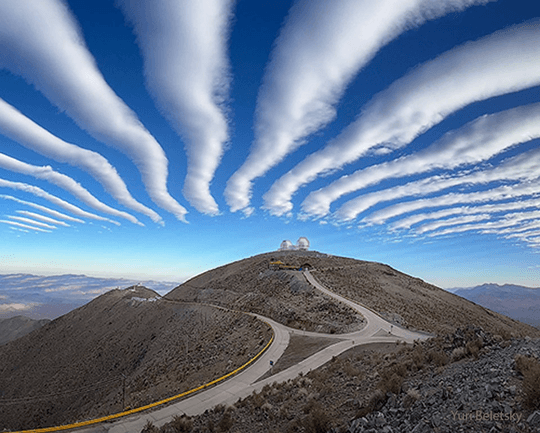
Striped clouds appear to converge over a mountaintop in this photo, but that’s an illusion. In reality, these clouds are parallel and periodic; it’s only the camera’s wide-angle lens that makes them appear to converge.
Wave clouds like these form when air gets pushed up and over topography, triggering an up-and-down oscillation (known as an internal wave) in the atmosphere. At the peak of the wave, cool moist air condenses water vapor into droplets that form clouds. As the air bobs back down and warms, the clouds evaporate, leaving behind a series of stripes. You can learn more about the physics behind these clouds here and here. (Image credit: Y. Beletsky; via APOD)
Fediverse Reactions
-

“Paradolia”


In “Paradolia,” filmmaker Susi Sie plays with pareidolia, our tendency to seek patterns in nebulous data — like faces on a slice of toast. Droplets of miscible and immiscible fluids collide, part, and mix in each sequence, providing plenty of fodder for an active imagination. For myself, my brain especially likes assigning cartoon expressions to well-spaced drops in the video. What do you see? (Video and image credit: S. Sie)

Inside a Big Cat’s Roar
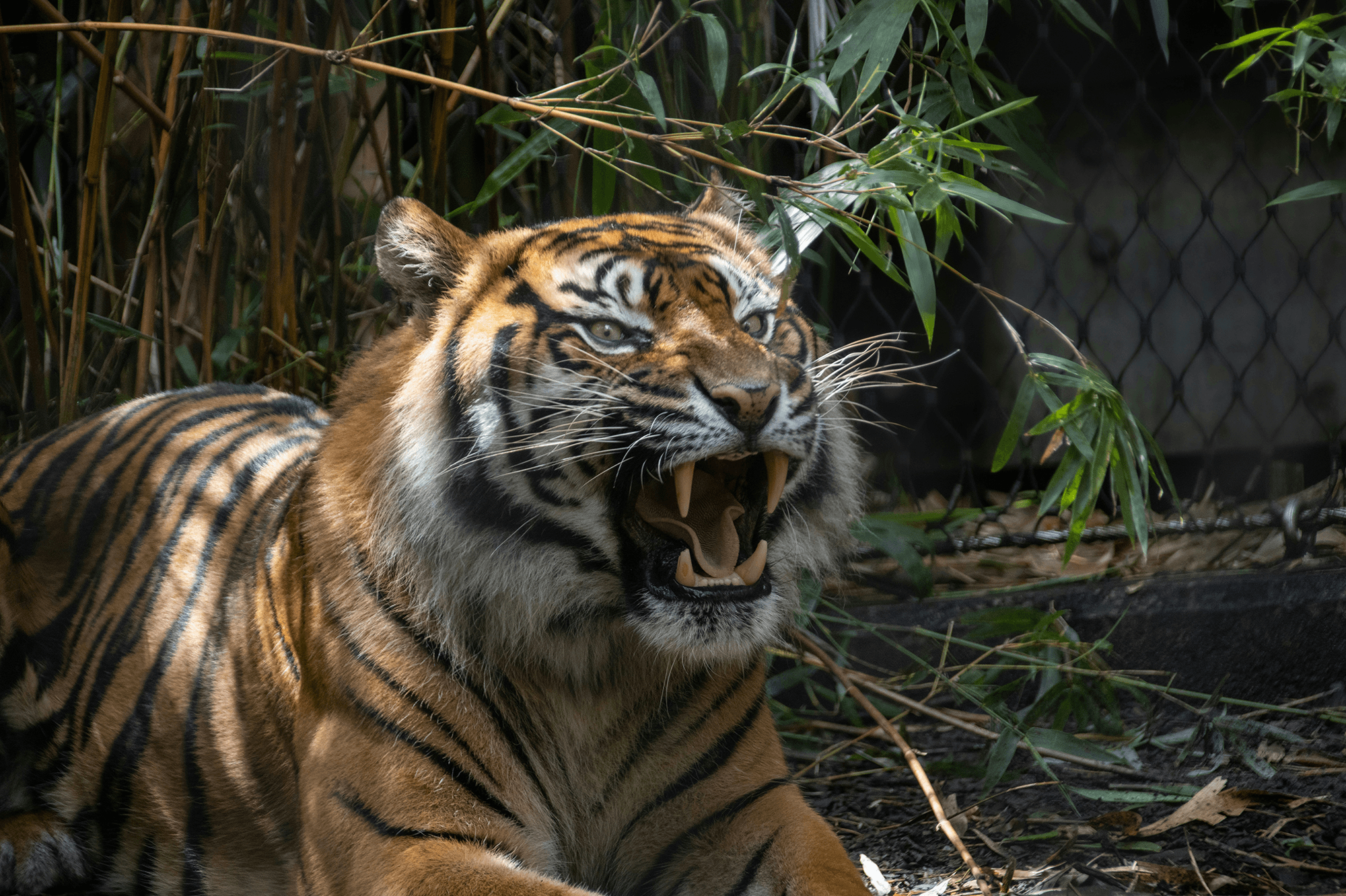
The roars of big cats — tigers, lions, jaguars, and leopards — carry long distances. In part, this reflects the animals’ size: large lungs exhale lots of air through a large voice-box, whose vibrations resonate in a large throat. But size alone does not make the roar. Below are examples of two big cat voice-boxes. On the left is the nonroaring snow leopard; on the right is the voice-box of a roaring jaguar. The red boxes labeled “VF” mark each cat’s vocal folds. Nonroaring cats have triangular folds, while roaring ones have thick square or rectangular vocal folds. These rectangular folds are more aerodynamically efficient, allowing them to produce a wider range of output levels. They’re also more resilient to the intense forces of a roar, thanks to the cushioning effect of fat deposits inside them. If interested, you can learn more over at Physics Today. (Image credit: tiger – T. Myburgh, voice box – E. Walsh and J. McGee; research credit: E. Walsh and J. McGee)

The vocal folds (VF) of nonroaring cats are triangular (left), whereas roaring cats have rectangular vocal folds (right). 
A Mini Jupiter
Astronaut Don Pettit posted this image of a Jupiter-like water globe he created on the International Space Station. In microgravity, surface tension reigns as the water’s supreme force, pulling the mixture of water and food coloring into a perfect sphere. It will be interesting to see a video version of this experiment, so that we can tell what tools Pettit used to swirl the droplet into the eddies we see. Is the full droplet rotating (as a planet would), or are we just seeing the remains of a wire passed through the drop? We’ll have to stay tuned to Pettit’s experiments to find out. (Image credit: NASA/D. Pettit; via space.com; submitted by J. Shoer)
Fediverse Reactions
-

A Magnetic Tsunami Warning
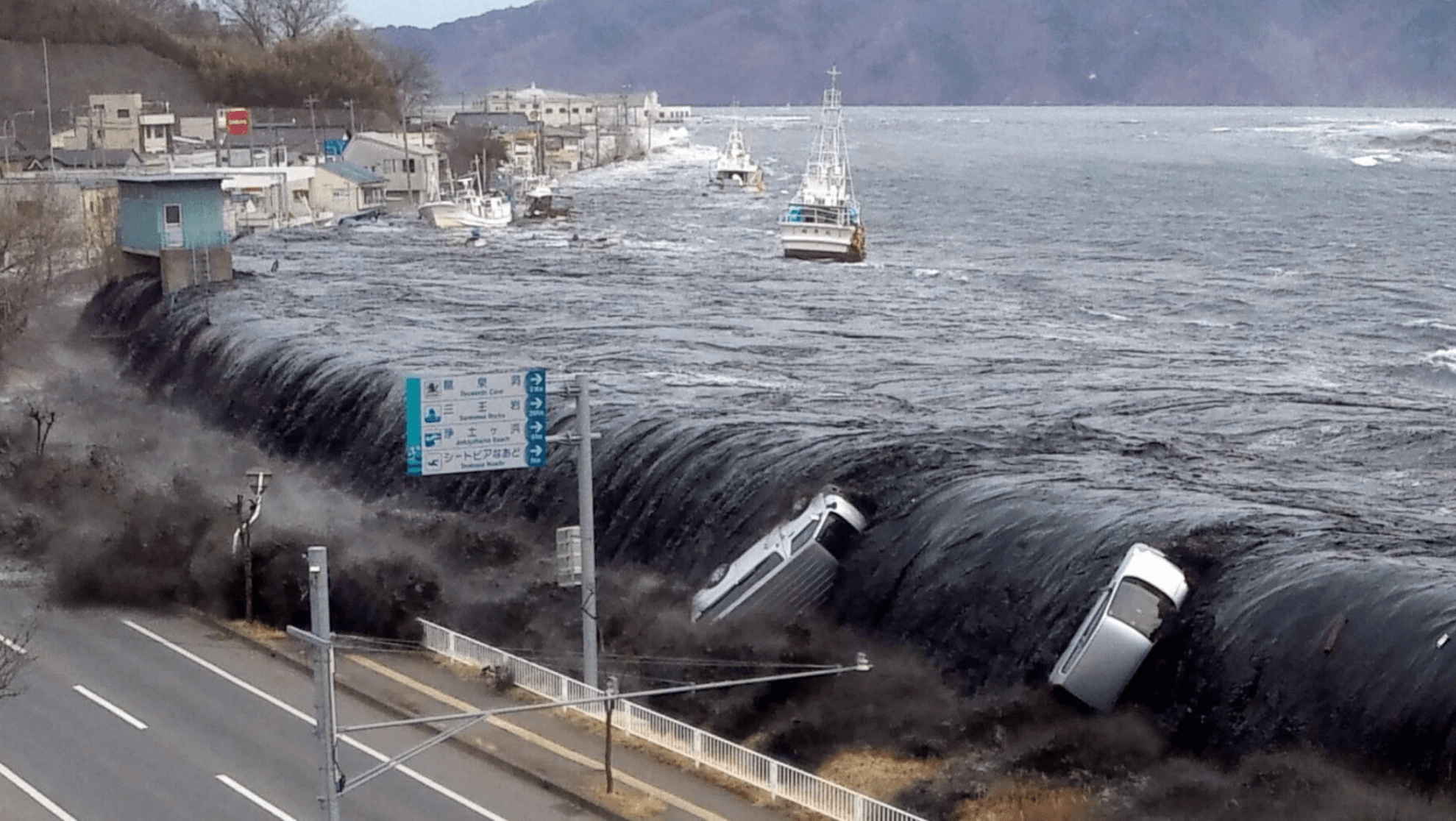
Tsunamis are devastating natural disasters that can strike with little to no warning for coastlines. Often the first sign of major tsunami is a drop in the sea level as water flows out to join the incoming wave. But researchers have now shown that magnetic fields can signal a coming wave, too. Because seawater is electrically conductive, its movement affects local magnetic fields, and a tsunami’s signal is large enough to be discernible. One study found that the magnetic field level changes are detectable a full minute before visible changes in the sea level. One minute may not sound like much, but in an evacuation where seconds count, it could make a big difference in saving lives. (Image credit: Jiji Press/AFP/Getty Images; research credit: Z. Lin et al.; via Gizmodo)
Skydiving Salamanders

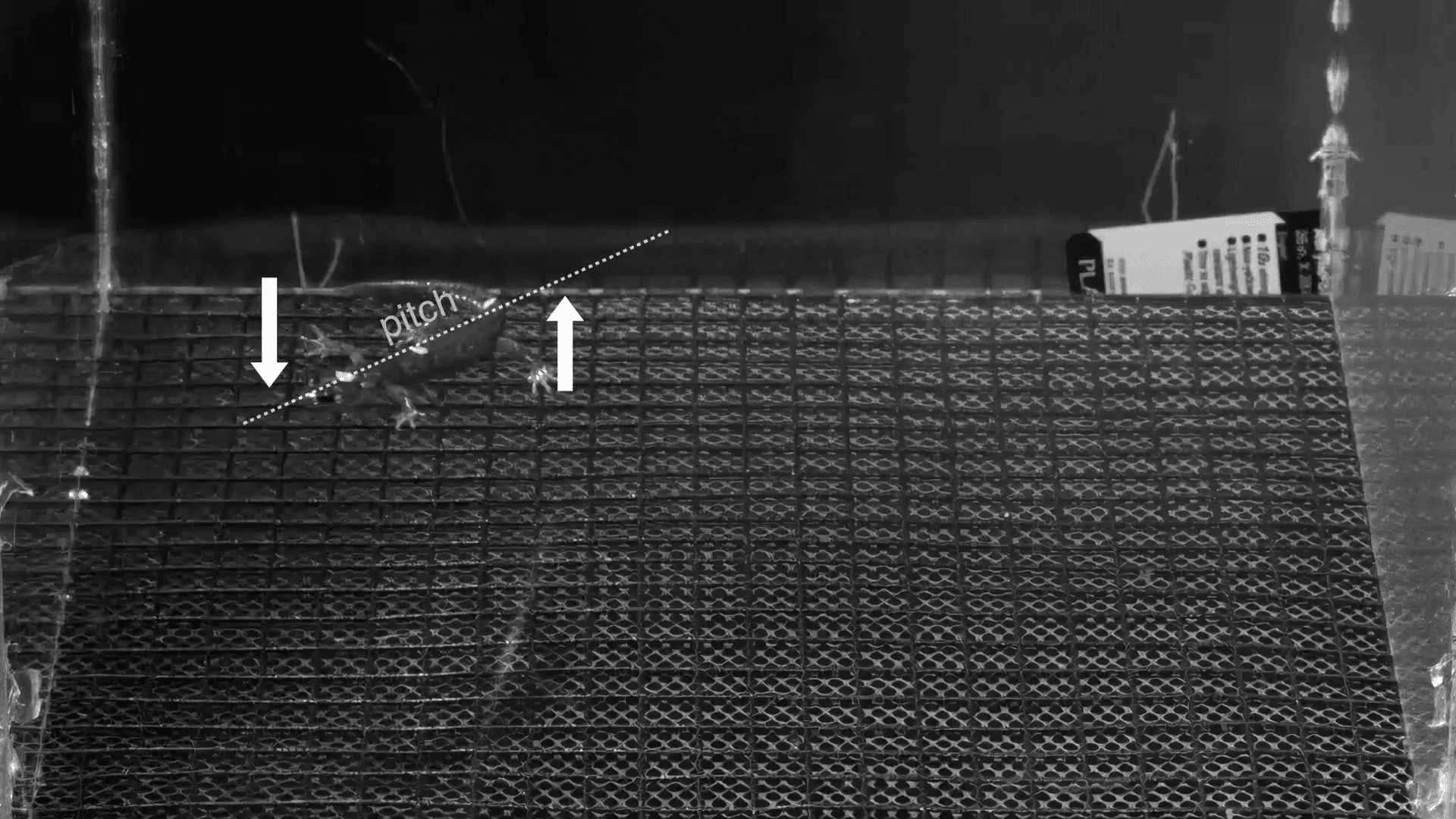

The wandering salamander can spend its entire 20-year lifespan in the canopy of a coast redwood. When predators come calling, they have a special skill that helps them get away: skydiving. These little amphibians have no webbed appendages and no wings, but they’re some of the most skillful skydivers out there. By carefully repositioning its tail and feet, a wandering salamander controls its pitch, yaw, and roll. It’s not only able to orient itself as it falls; it can actually steer itself to a safe landing! Other salamander species, as seen in the video above, do not share this skill. Check out the full Deep Look video to see these incredible gliders in action. (Video and image credit: Deep Look; see also C. Brown)

Trapped in Ice


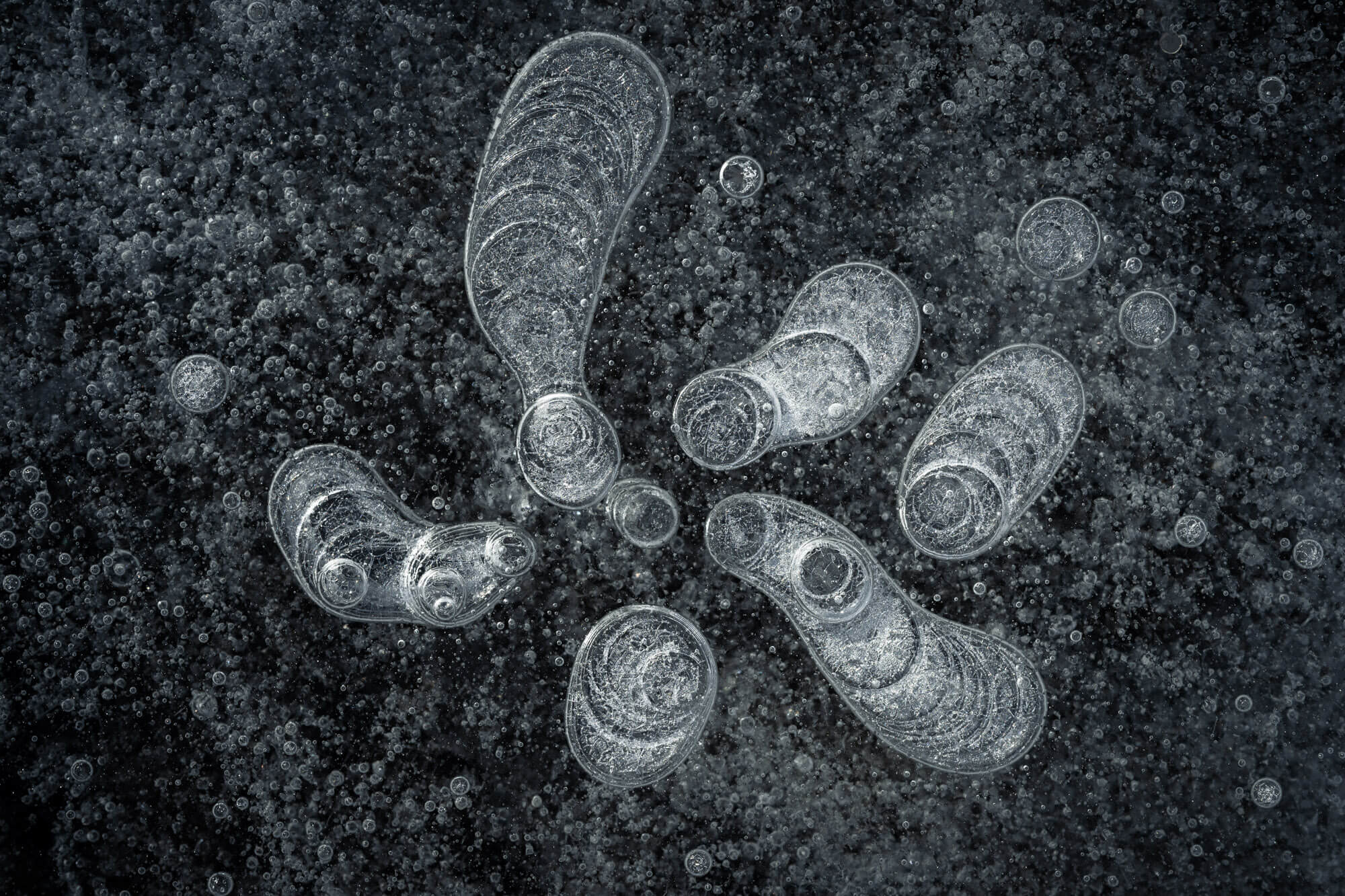


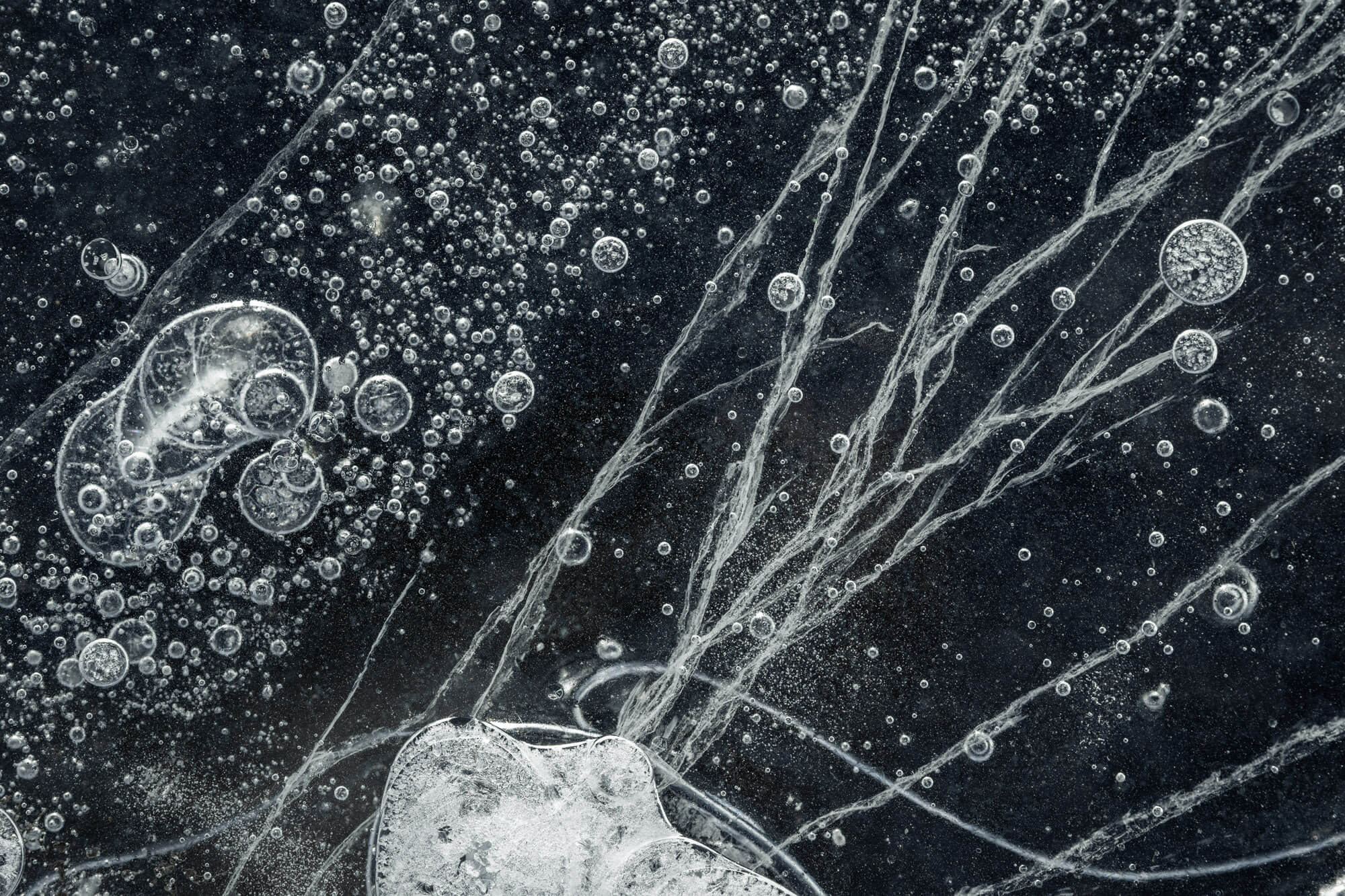
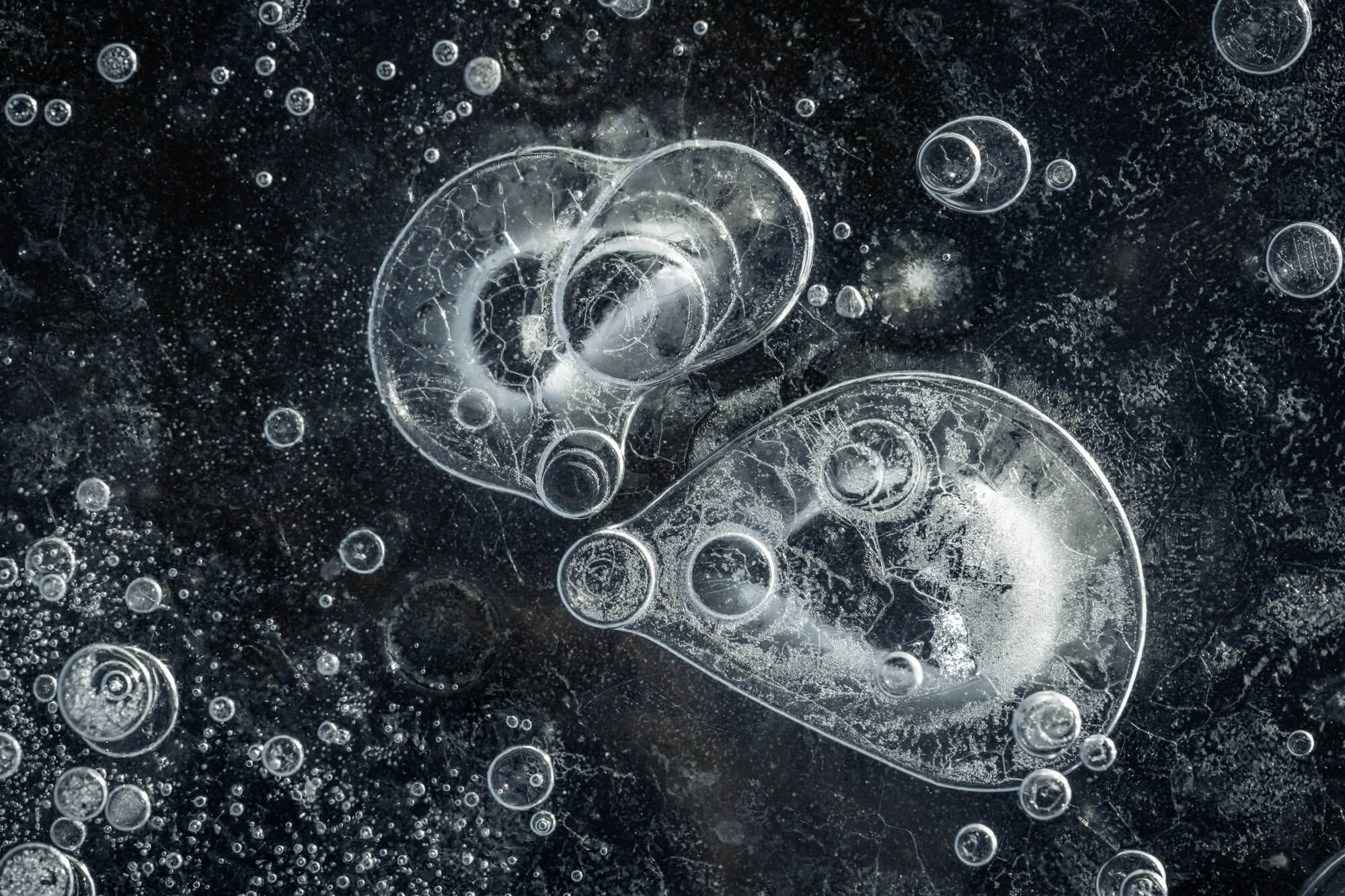
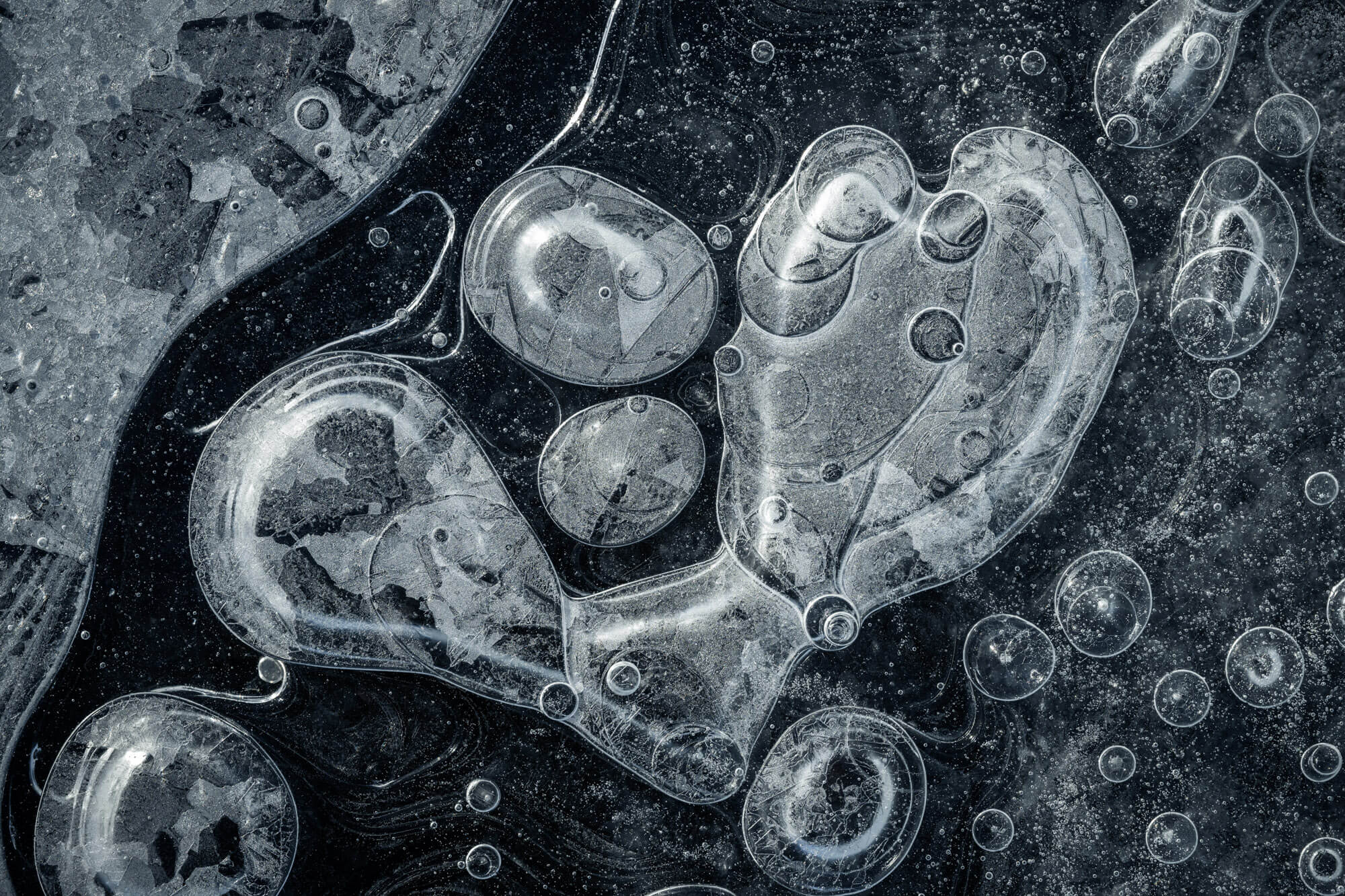
On lake bottoms, decaying matter produces methane and other gases that get caught as bubbles when the water freezes. In liquid form, water is excellent at dissolving gases, but they come out of solution when the molecules freeze. In the arctic, these bubbles form wild, layered patterns like these captured by photographer Jan Erik Waider in a lake on the edge of Iceland’s Skaftafellsjökull glacier. Unlike the bubbles that form in our fridges’ icemakers, these bubbles are large enough that they take on complicated shapes. I especially love the ones that leave a visible trail of where the bubble shifted during the freezing process. (Image credit: J. Waider; via Colossal)

Growing Flexible Stalactites
Icicles and stalactites grow little by little, each layer a testament to the object’s history. Here, researchers explore a similar phenomenon, grown from a dripping liquid. They’re called “flexicles” in homage to their natural counterparts, and they start from a thin layer of elastomer liquid. Though it begins as a liquid, elastomer solidifies over time.

Timelapse video showing the formation of an initial layer of flexicles from a dripping elastomer. To form flexicles, the researchers spread a layer of elastomer on an upside-down surface and allow gravity to do its thing (above). Thanks to the Rayleigh-Taylor instability, the dense elastomer forms a pattern of drips that, after hardening, creates a pebbled surface. Subsequent layers of elastomer will drip from the same spots as before, slowly growing longer flexicles (below). The team envisions using them for soft robotics, but, personally, I just really want poke at them and wiggle them. (Image and research credit: B. Venkateswaran et al.; via APS Physics)

A stitched composite photo showing flexicles on a cylinder growing layer by layer. 
Predicting Droplet Sizes
Squeeze a bottle of cleaning spray, and the nozzle transforms a liquid jet into a spray of droplets. These droplets come in many sizes, and predicting them is difficult because the droplets’ size distribution depends on the details of how their parent liquid broke up. Shown above is a simplified experimental version of this, beginning with a jet of air striking a spherical water droplet on the far left. In less than 3 milliseconds, the droplet has flattened into a pancake shape. In another 4 milliseconds, the pancake has ballooned into a shape called a bag, made up of a thin, curved water sheet surrounded by a thicker rim. A mere 10 milliseconds after the jet and drop first meet, the liquid is now a spray of smaller droplets.
Researchers have found that the sizes of these final droplets depend on the balance between the airflow and the drop’s surface tension; these two factors determine how the drop breaks up, whether that’s rim first, bag first, or due to a collision between the bag and rim. (Image credit: I. Jackiw et al.; via APS Physics)