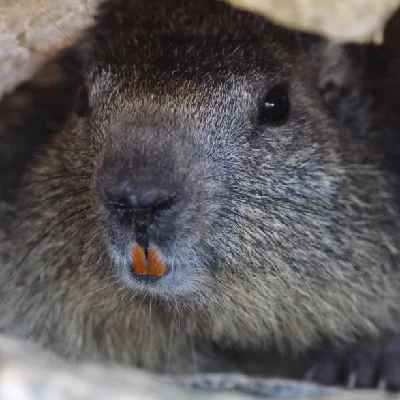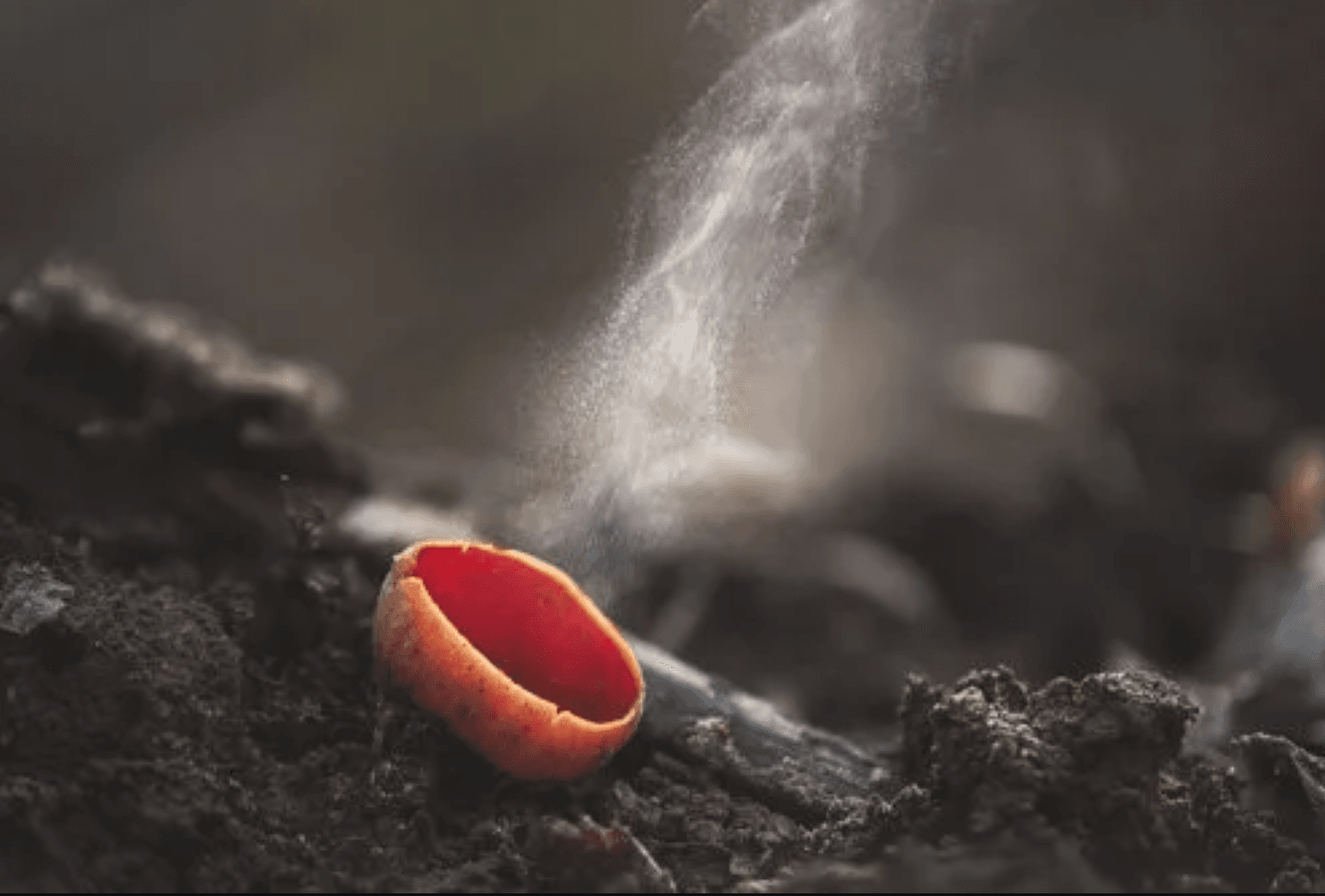
Mushrooms have the challenging task of dispersing spores, typically from heights no more than a few centimeters above the ground. At that altitude, viscosity and friction with the ground mean that air barely moves, if it does at all. And mushrooms rely on a wide range of methods, from explosive launches to rain assistance to making their own weather. Every one of these methods gives spores a lift in altitude to reach higher winds and greater dispersal. (Image credit: A. Bejczi/CUPOTY; via Colossal)
Tag: science

A Rough Day
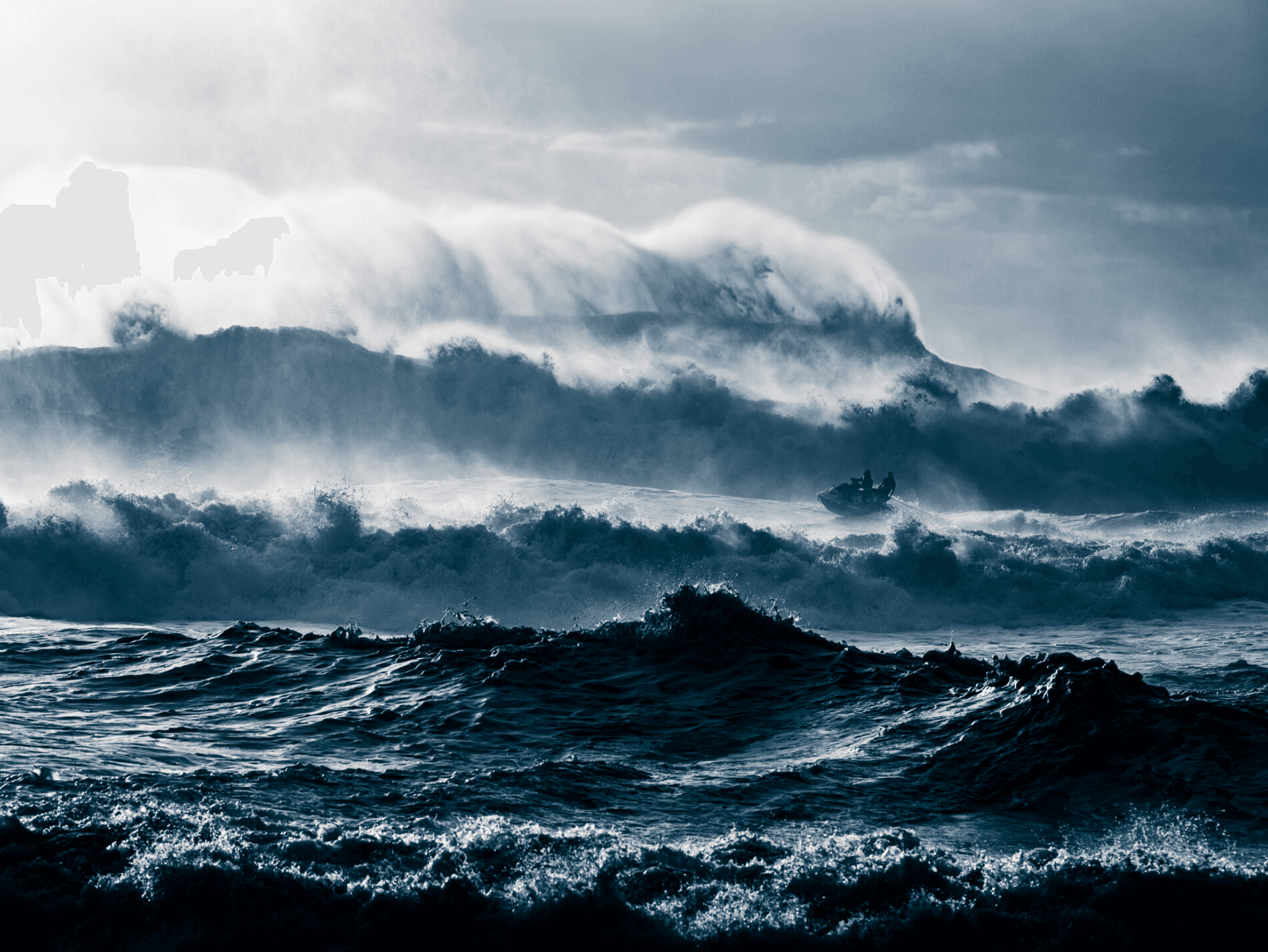
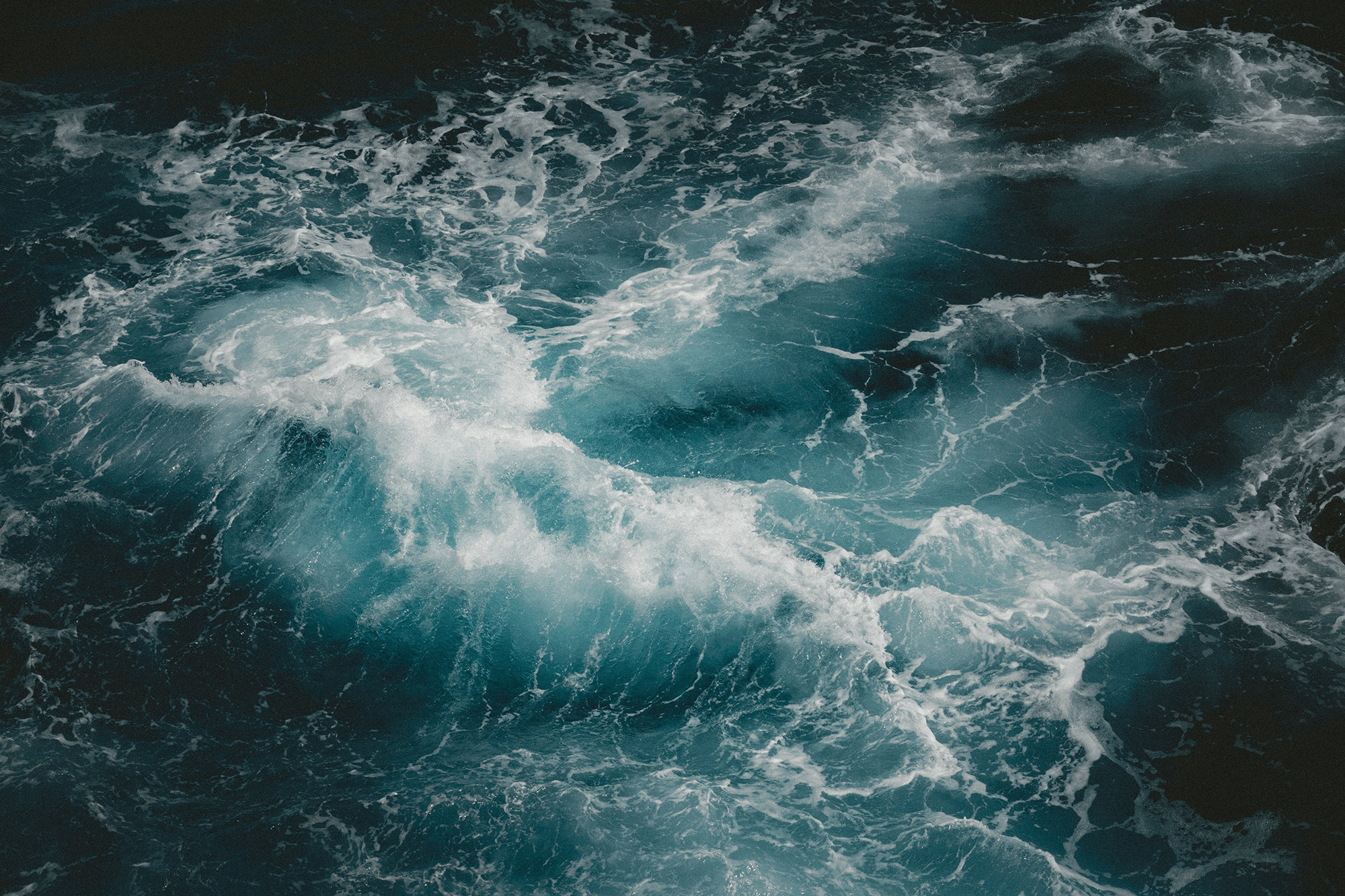
Winds from the north made for wild conditions at Nazaré in Portugal. Photographer Ben Thouard caught these crashing waves in the late afternoon, when the low sun angle illuminated the spray of the surf. Every year teratons of salt and biomass move from the ocean to the atmosphere, much of it through turbulent wave action driven by the wind. Here, the wind rips droplets off of wave crests, but smaller droplets reach the atmosphere when bubbles–trapped underwater by crashing waves–reach the surface and burst. (Image credit: B. Thouard/OPOTY; via Colossal)
Fediverse Reactions
-

Wobbling Plasma Could Help Planets Grow
To form planets, the dust and gas around a star has to start clumping up. While there are many theories as to how this could happen, it’s a difficult process to observe. A recent study shows that a magnetorotational (MR) instability could do the job.
The team used a Taylor-Couette set-up (where an inner cylinder rotates inside an outer cylinder) filled with a liquid metal alloy. With the cylinders moving relative to one another at over 2,000 rotations per minute, the team measured how the magnetic field changed in the churning fluid. Parts of the liquid metal formed free shear layers, and within these, the MR instability occurred, causing some regions to slow down and others to speed up.
The experiments suggest that triggering a MR instability is easier to achieve than once thought, which supports the possibility that it occurs in protoplanetary disks, helping to drive dust together into planets. (Image credit: ALMA/ESO/NAOJ/NRAO; research credit: Y. Wang et al.; via Eos)
Fediverse Reactions
-

Draining Topography is Hard

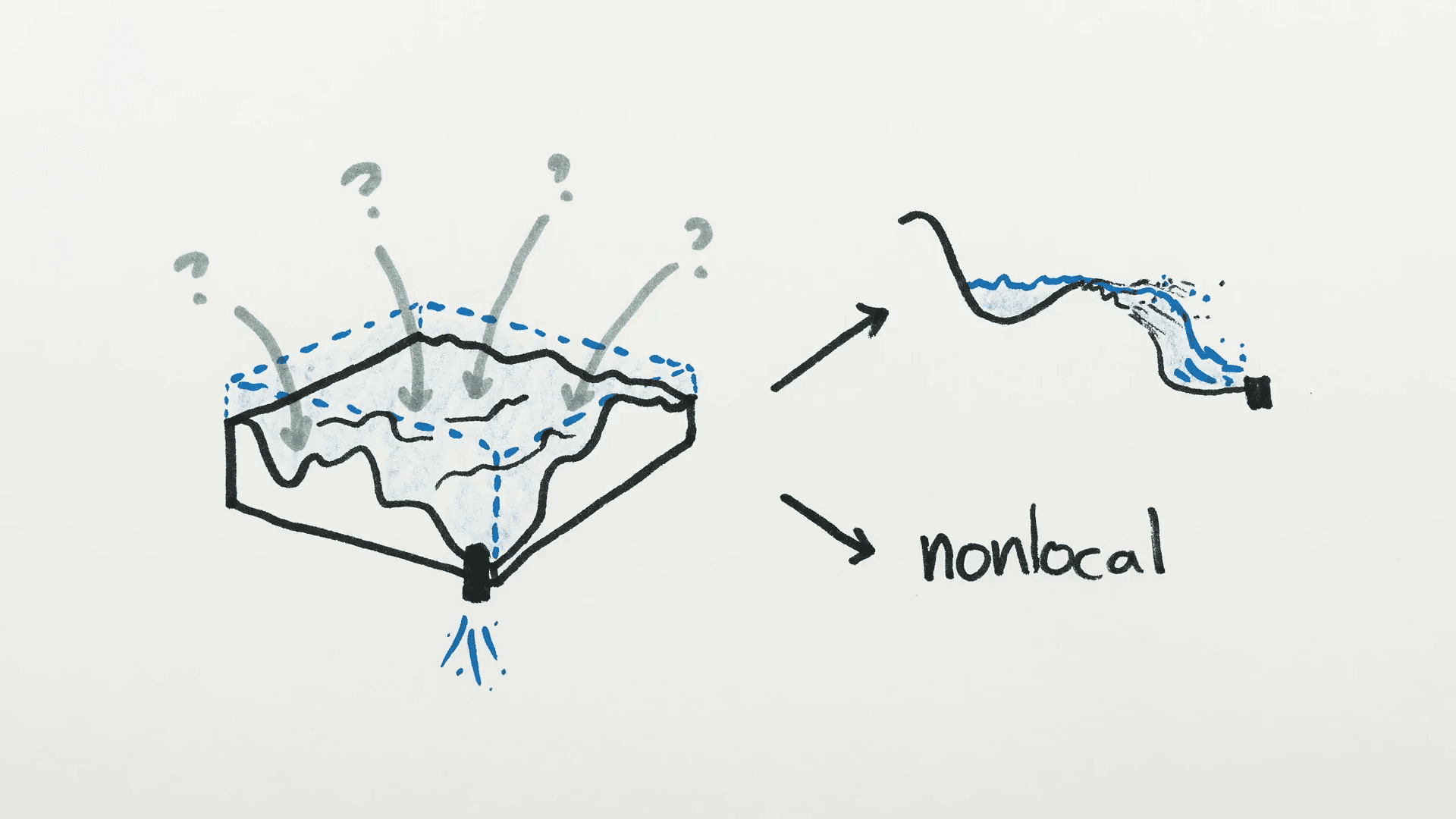
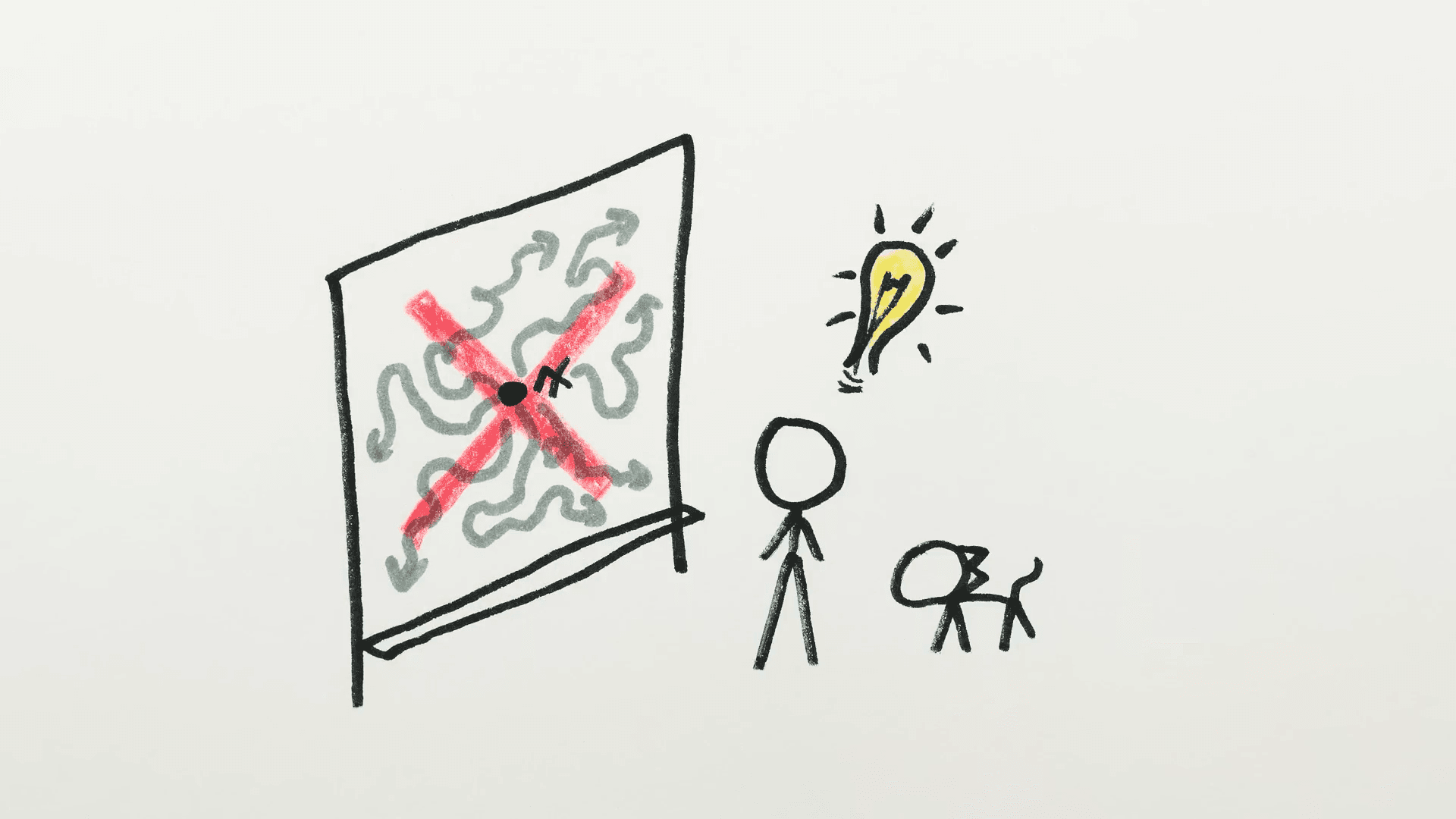
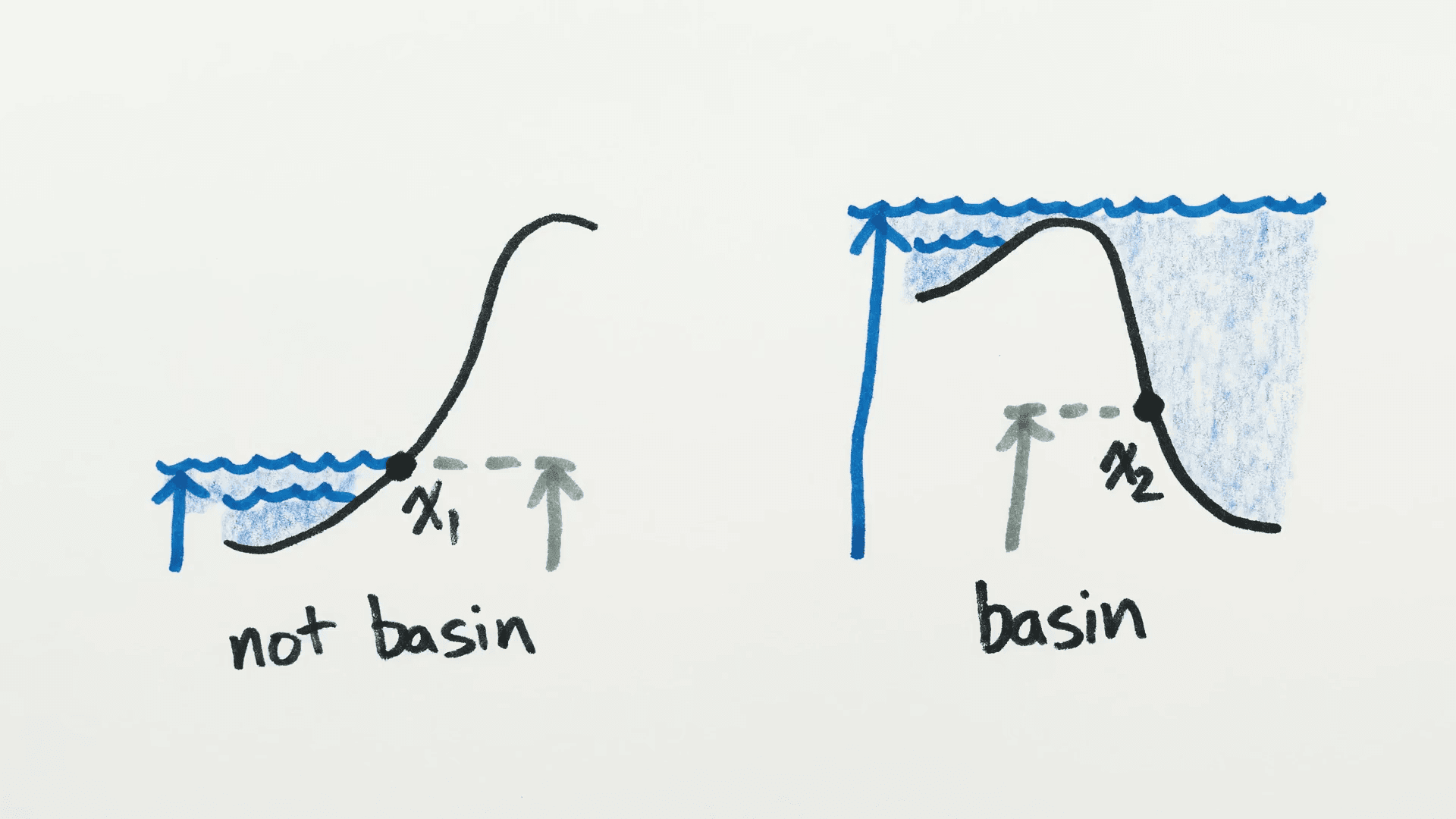
At first glance, draining an ocean seems simple like a simple problem: just put a drain at the lowest point. But, as shown in this Minute Physics video, the problem is harder than it sounds because drainage depends not just on a point’s elevation but also on the path that leads to the drain. Fortunately, Henry has some clever methods for figuring out which areas would drain and how. (Video and image credit: Minute Physics)
Fediverse Reactions
-

Wave Energy Through the Meniscus
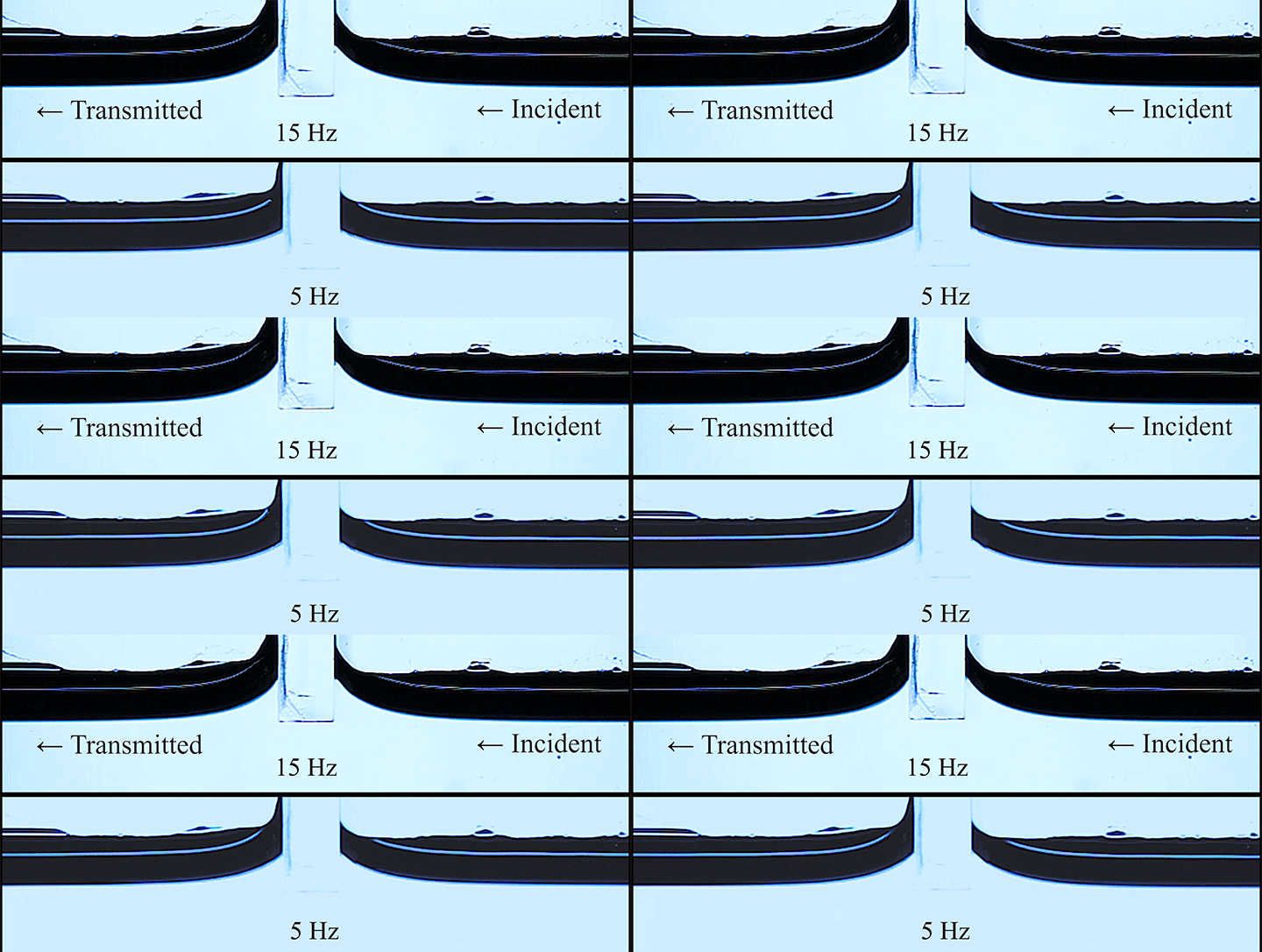
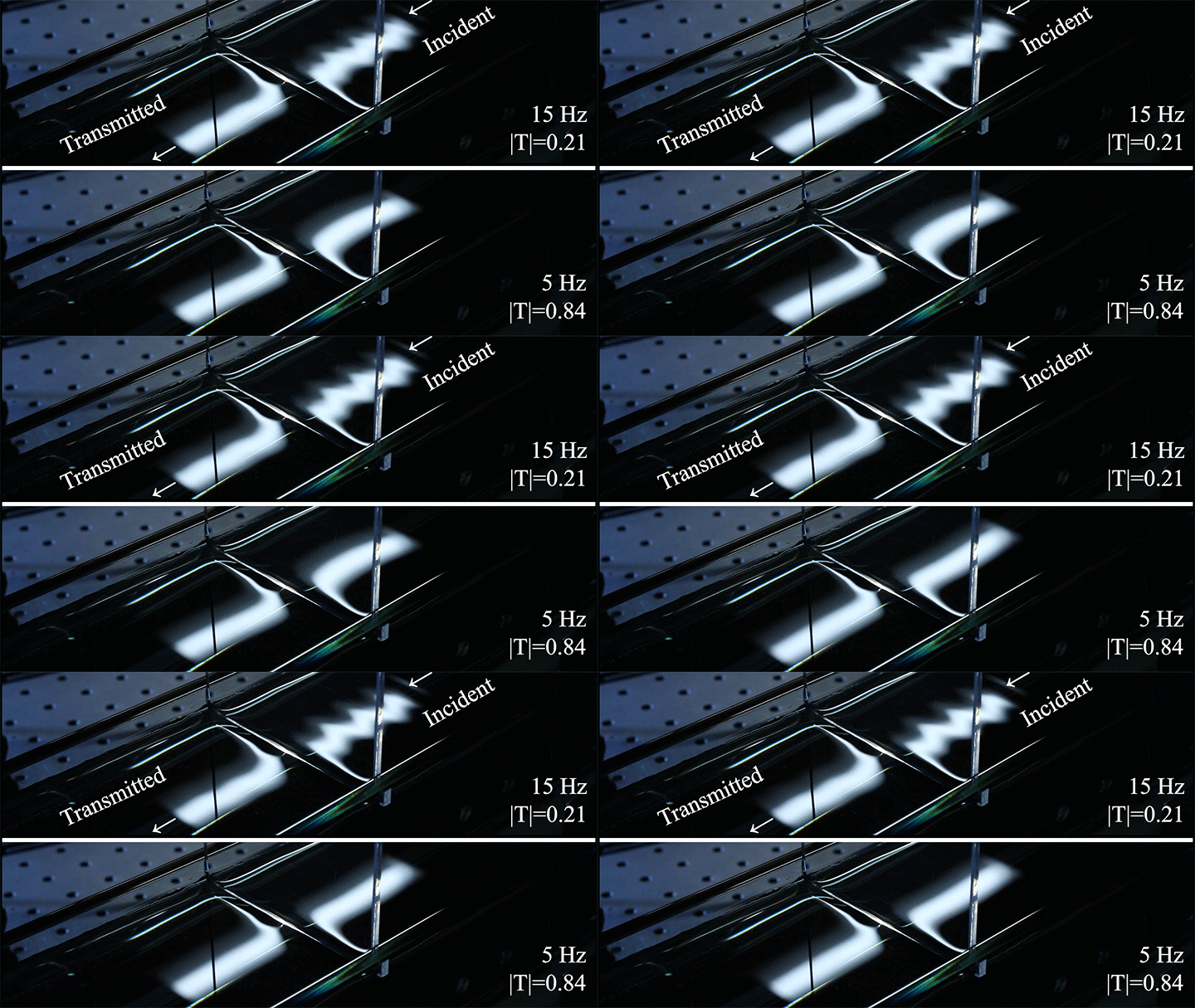
Even small changes to a meniscus can change how much wave energy passes through it. A new study systemically tests how meniscus size and shape affects the transmission of incoming waves.
As seen above, the meniscus was formed on a suspended barrier. By changing the barrier size and wettability as well as the characteristics of incoming waves, researchers were able to map out how the meniscus affected waves that made it past the barrier.

In particular, they found that drawing the meniscus upward by raising the barrier would, at first, enhance wave transmission but then suppressed wave energy as the barrier moved higher. They attributed the change in behavior to an interplay between water column height and meniscus inclination. (Research and image credit: Z. Wang et al.; via Physics World)
Fediverse Reactions
-

Fluids at the Angstrom-Scale
We spend our lives dealing with fluids at a scale where the motion of individual molecules is beneath our notice. There’s no reason to track every molecule of water moving through a municipal pipe; it’s effectively impossible, anyhow! But once you are dealing with pipes that are small enough–below about 1 nanometer in diameter–fluids have to be considered molecule-by-molecule. At this scale, so-called angstrofluidics behave very differently.
Intuition suggests that flow through such tiny channels would be extremely slow, however researchers have observed protein channels that allow a single water molecule through at a time while still processing a billion molecules each second. Combine this throughput with charged channel walls that can sort molecules by polarity, and angstrofluidics offers the possibility for unprecedented control for filtering, desalination, and drug testing. (Image credit: T. Miroshnichenko; see also R. Boya et al.)
Fediverse Reactions
-

A Gentoo Flotilla
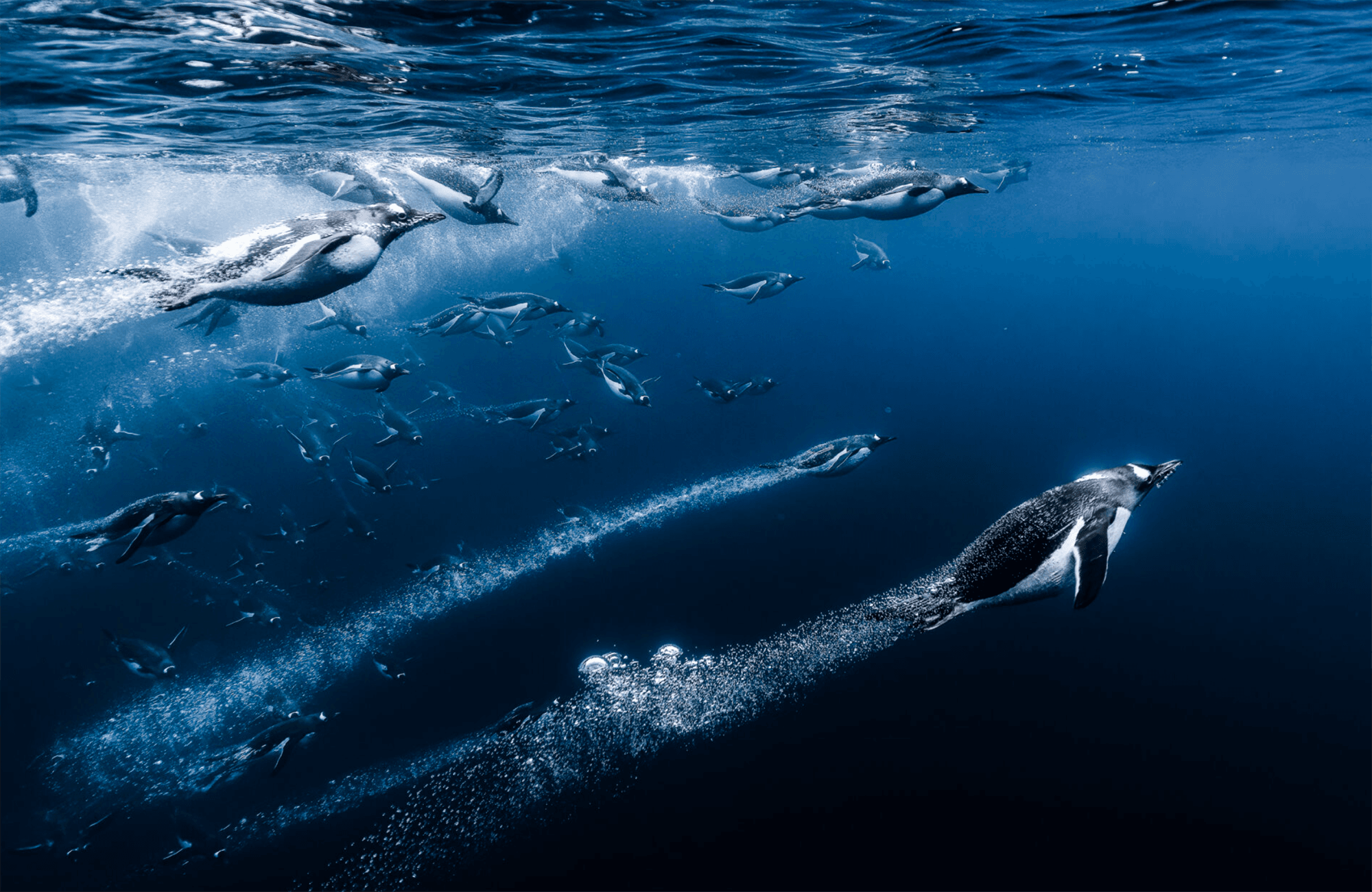
If you’re used to seeing penguins on land, their speed and grace in the water can surprise. Penguins are even capable of extra bursts of speed through supercavitation. They trap air beneath their feathers and then release it underwater when they need to move faster. Their coating of bubbles reduces their drag and gives them the extra speed to help escape predators like leopard seals. (Image credit: R. Barats/OPOTY; via Colossal)
Fediverse Reactions
-

Why Sharper Knives Mean Fewer Onion Tears
Onions are a well-known source of tears for many a cook. And while the chemical source of their power–onions release a chemical that reacts in our eyes to produce tears–has been known for years, no one has looked at the fluid dynamics in the process until now.
As seen above, a knife piercing the onion’s surface releases a mist of high-speed droplets, followed by a slower spray. Much like a citrus fruit’s microsprays, the onion’s fountain depends on both solid and fluid mechanics. As the knife presses into the onion’s stiffer outer layer, pressure builds in the softer layer underneath, which contains pores of fluid. Once the knife breaks the epidermis, that pressurized fluid sprays out.
The good news is that the team also confirmed a common culinary wisdom: using a sharper knife and a slower, gentler cut will reduce the spray and its speed, resulting in fewer tears. (Image credit: M. Stone; research credit: Z. Wu et al.)
Fediverse Reactions
-
Floating Bridges
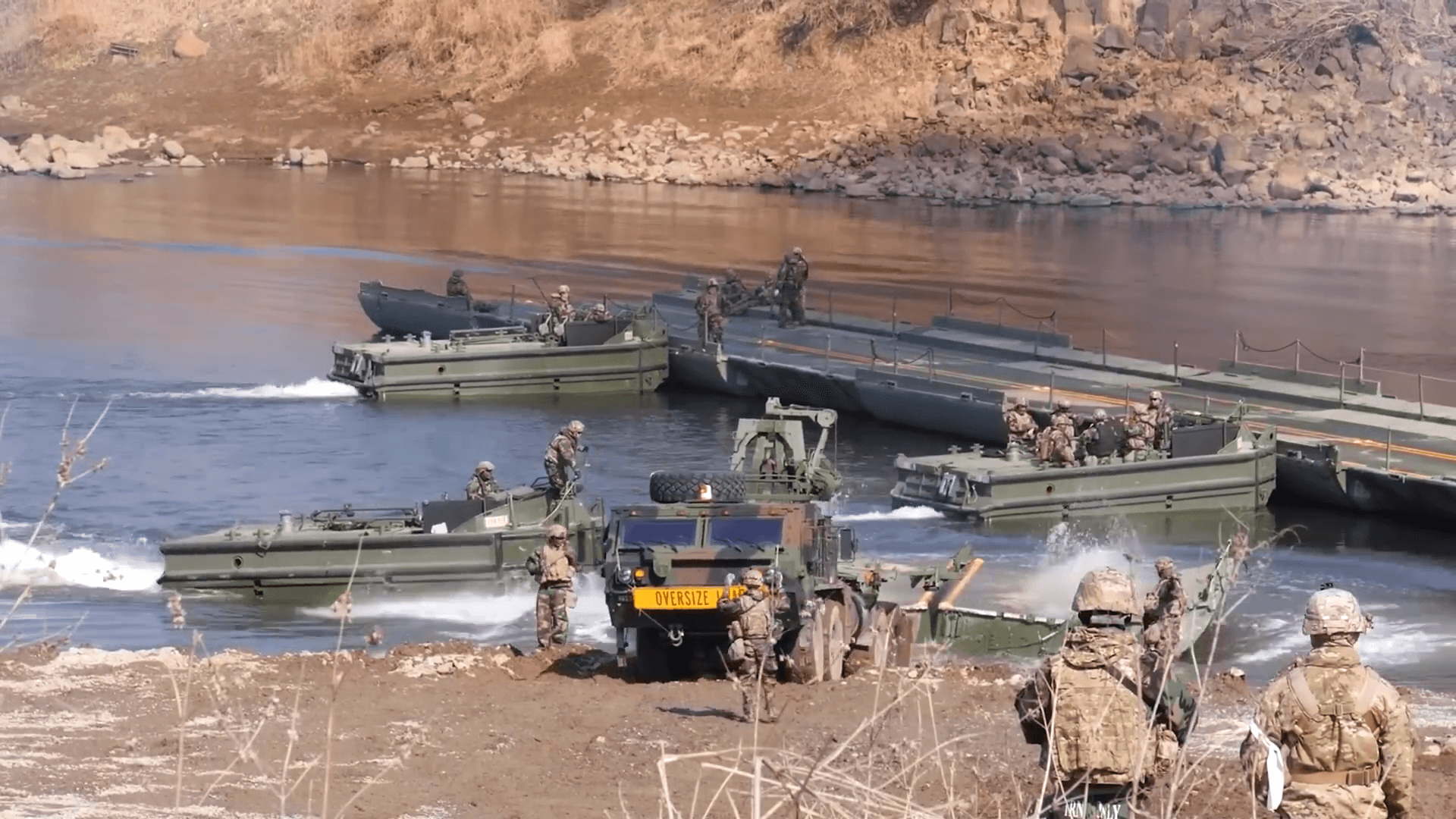
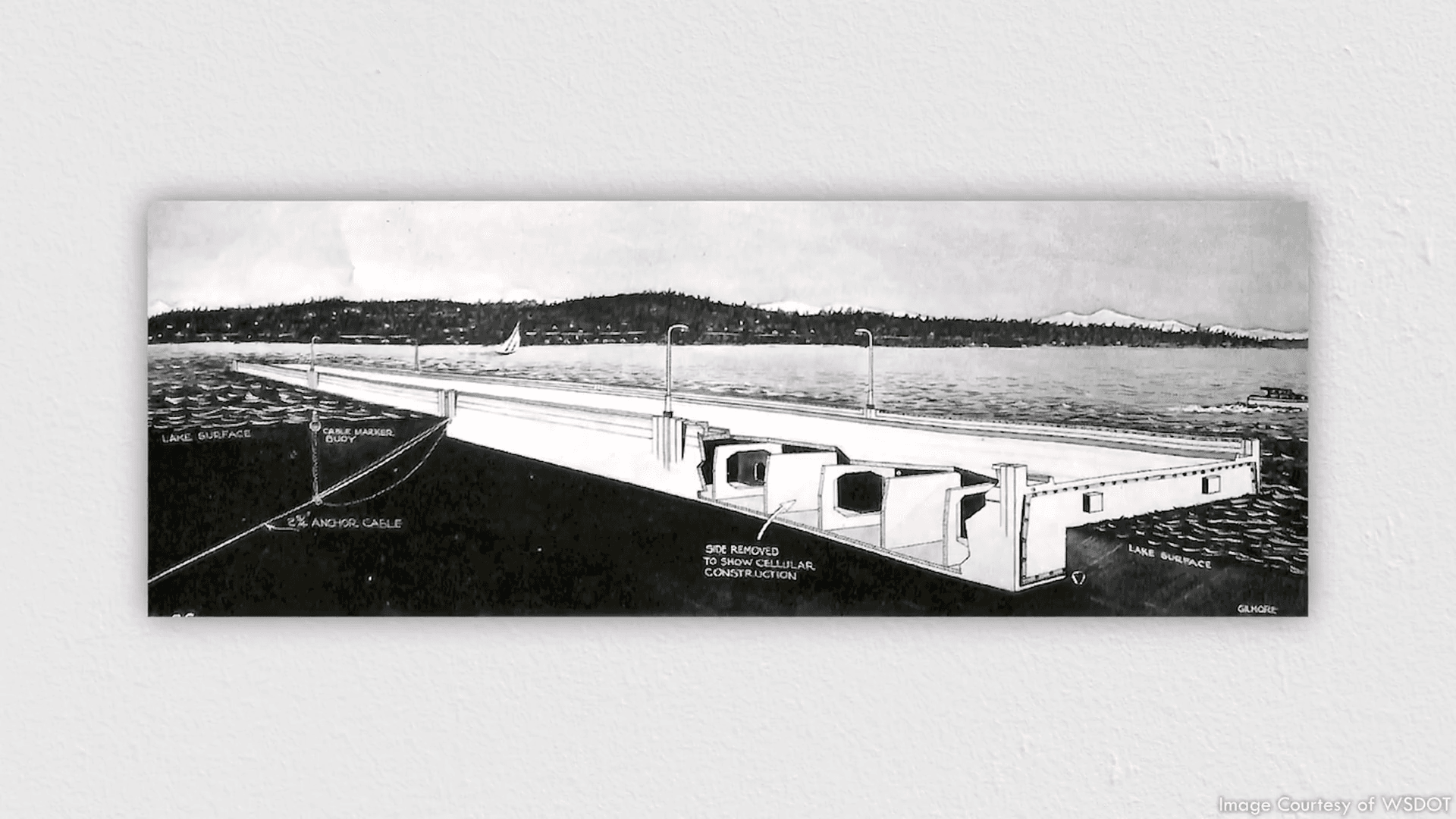
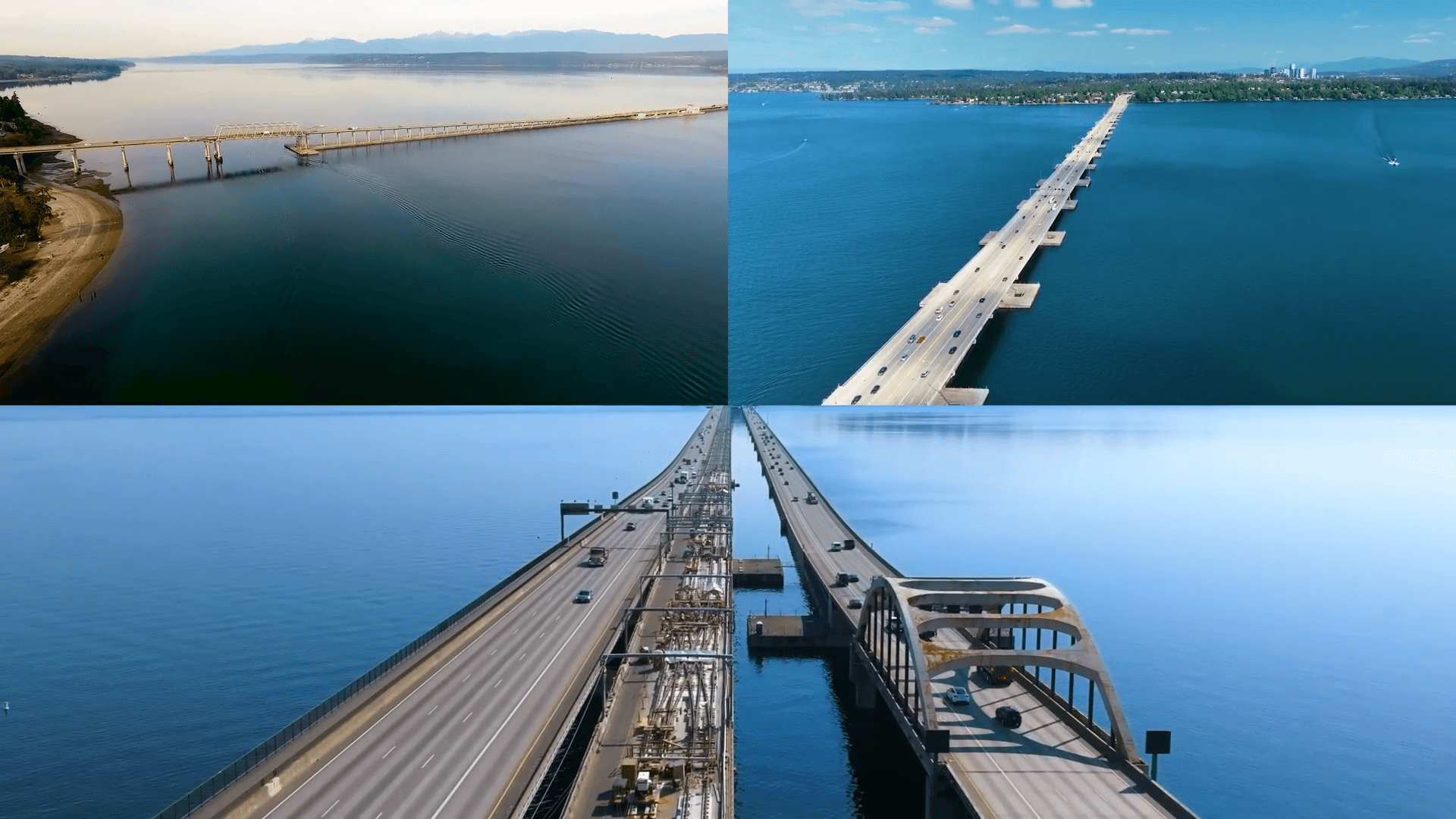
For most of history, floating bridges have been temporary structures, often used by militaries crossing water, but over the course of the twentieth century, engineers learned to build more permanent floating bridges. These structures require very particular conditions–calm waters, minimal ice, and so on–but they can be great options for crossing lakes where the traditional anchoring options for a bridge just don’t exist. In this Practical Engineering video, Grady discusses some of the challenges and innovations of these unusual bridges. (Video and image credit: Practical Engineering)
Fediverse Reactions
-
Oceans Could “Burp” Out Absorbed Heat
Earth’s atmosphere and oceans form a complicated and interconnected system. Water, carbon, nutrients, and heat move back and forth between them. As humanity pumps more carbon and heat into the atmosphere, the oceans–and particularly the Southern Ocean–have been absorbing both. A new study looks ahead at what the long-term consequences of that could be.
The team modeled a scenario where, after decades of carbon emissions, the world instead sees a net decrease in carbon–which could be achieved by combining green energy production with carbon uptake technologies. They found that, after centuries of carbon reduction and gradual cooling, the Southern Ocean could release some of its pent-up heat in a “burp” that would raise global temperatures by tenths of a degree for decades to a century. The burp would not raise carbon levels, though.
The research suggests that we should continue working to understand the complex balance between the atmosphere and oceans–and how our changes will affect that balance not only now but in the future. (Image credit: J. Owens; research credit: I. Frenger et al.; via Eos)
Fediverse Reactions
-