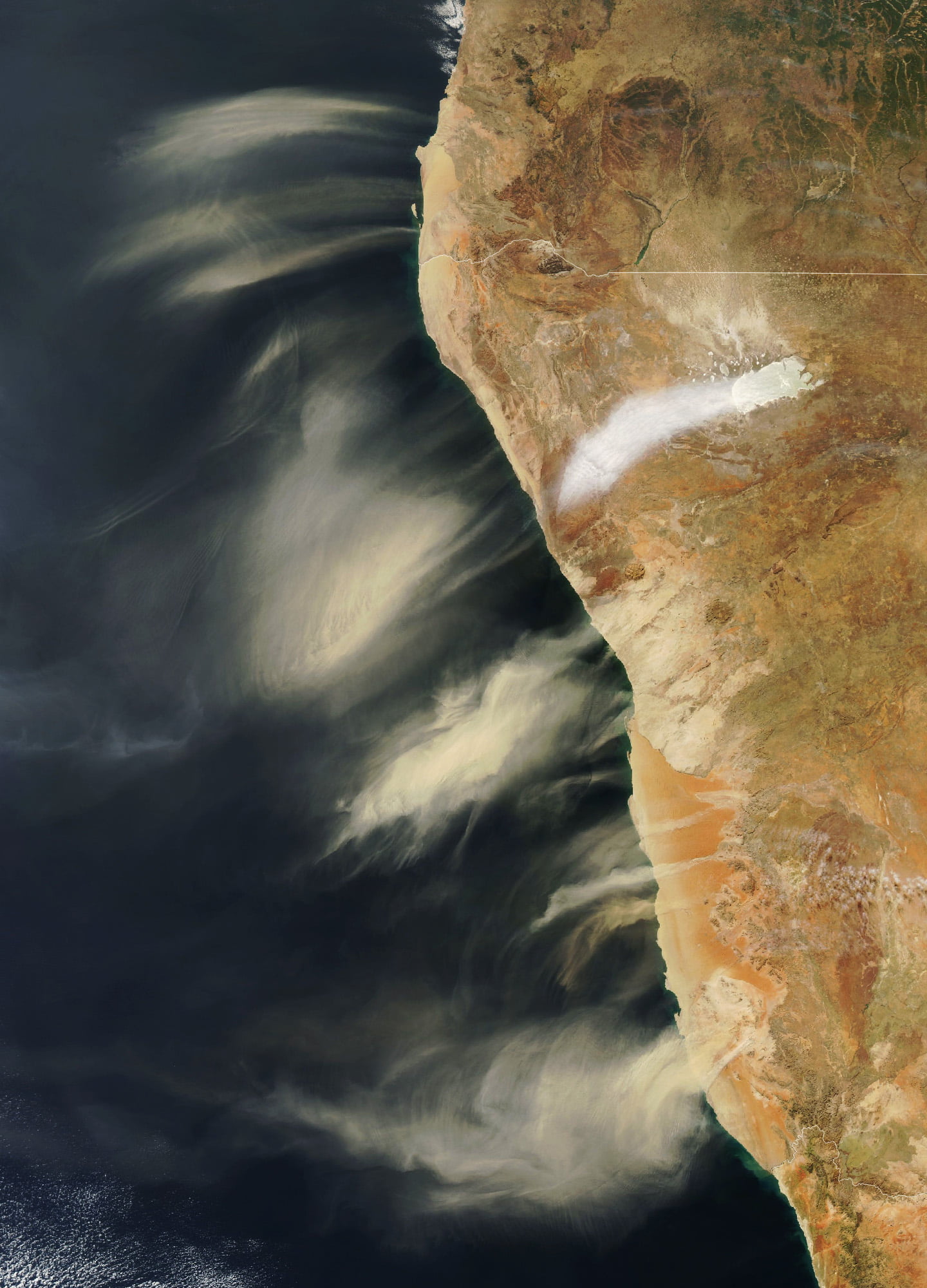
Hot, dry berg winds swept down from the Namibian highlands and sent these plumes of dust flying out to the Atlantic coast. Another plume — white instead of brown — marks salt dust from the Etosha Pan salt flat. The dust and salt become aerosol particles in the atmosphere — seeds for raindrops to form. Coastal towns sometimes need construction equipment to deal with the drifting sand from these storms, but these storms are small compared to Saharan dust storms. Those storms are so large that their dust influences the weather on the other side of the Atlantic. (Image credit: W. Liang; via NASA Earth Observatory)
Tag: physics

Black Hole Signature
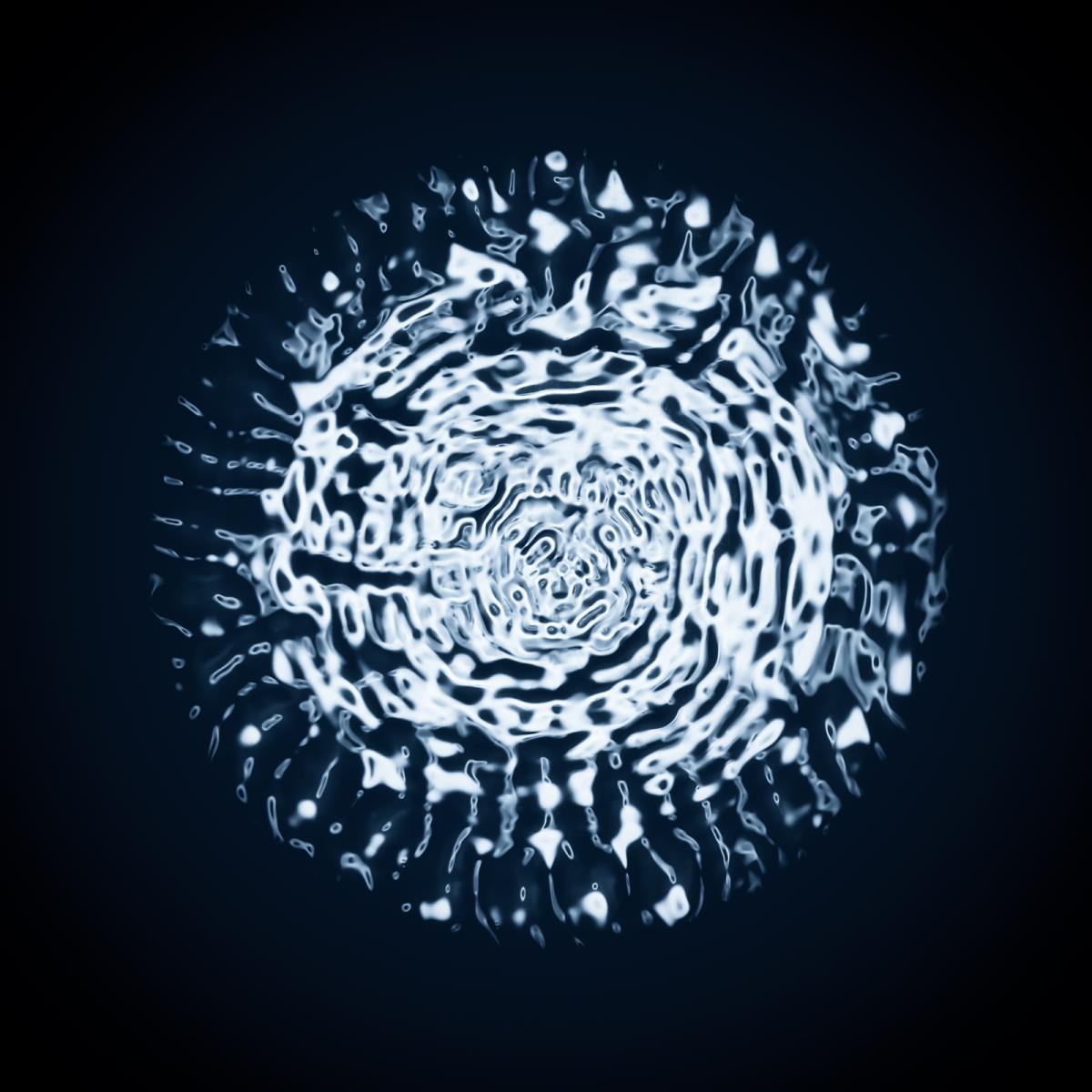
240 million years ago, pressure waves emanated from a black hole inside the Perseus Galaxy Cluster. Much later, NASA’s Chandra X-Ray Observatory intercepted those waves. Scientists raised the frequency of the signal until it fell within the range of human hearing. And then photographer John White played that sound through a petri dish of water sitting on a speaker. The result is above: a watery glimpse of a long ago black hole’s signature. Within these Faraday waves is the echo of a stellar phenomenon that took place when the very first dinosaurs walked our planet. (Image credit: J. White; via the 2023 Astronomy POTY)

Underwater Volcanic Flows
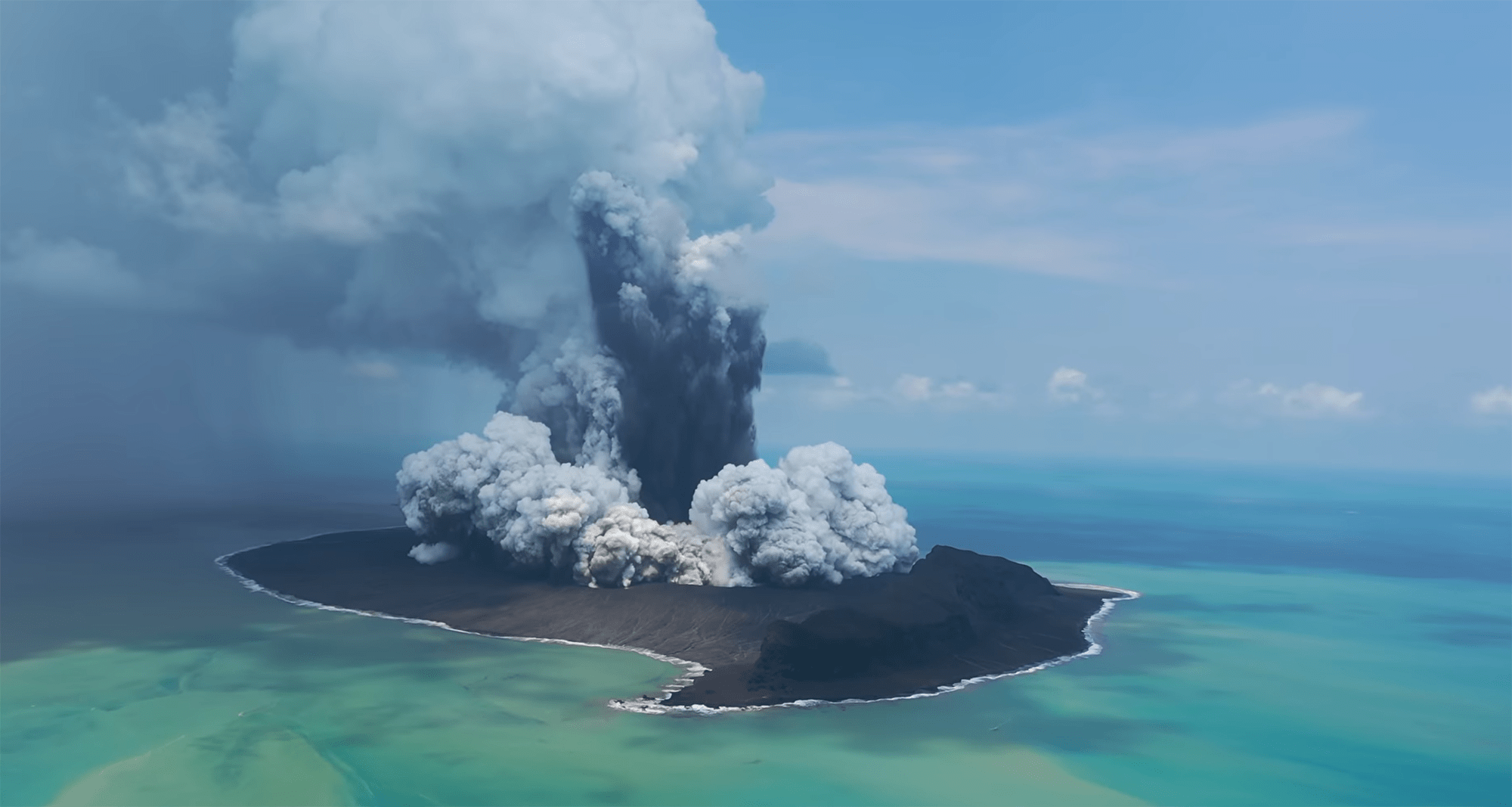
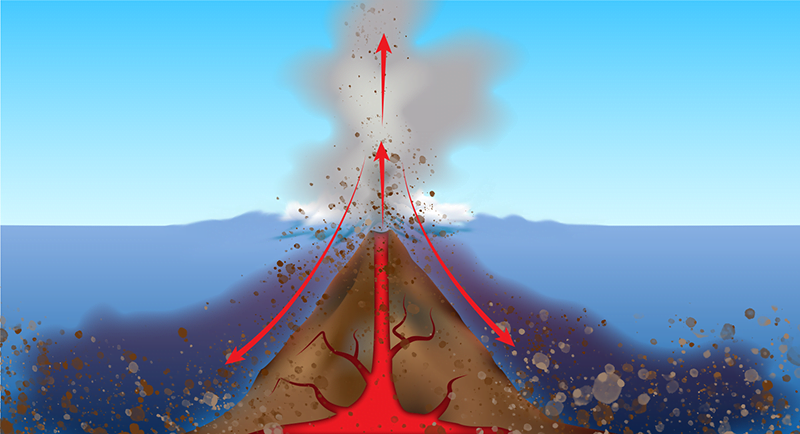
The Hunga Tonga–Hunga Ha’apai volcanic eruption in December 2021 was the most violent in 140 years, and we are still learning from its aftermath. A recent study focuses on the eruption’s incredible underwater flows, which damaged nearly 200 kilometers of underwater cables. From the cables’ locations and the time of service loss, the team calculated that gravity currents hit the cables at speeds as high as 122 kilometers per hour and with run-outs that lasted over 100 kilometers. These fast flows were triggered by material from the volcanic plume falling into the ocean, causing dense flows that swept down the submerged slopes of the volcano and seafloor.

Illustration of volcanic plume material falling into the ocean and triggering underwater flows. Previously, a landslide broke underwater telegraph cables off Newfoundland and a coastal construction accident severed a cable in the Mediterranean. But neither of those incidents revealed the same level of speed, distance, and destructive capacity as the Tongan eruption. It seems that these underwater gravity currents pose an ongoing threat to submerged infrastructure. As more cables are laid in volcanically-active regions of the Pacific, we will need more extensive mapping and monitoring of the seafloor to protect against future disruptions. (Image credit: eruption – Tonga Geological Services, illustration – APS/C. Cain; research credit: M. Clare et al.; via APS Physics)

Scuba-Diving Fly


Mono Lake, three times saltier than the ocean, is an extreme environment by any measure. But for the alkali fly, it’s home. This extremophile insect dives into the lake, protected by a bubble sheath, to eat and lay eggs. The fly’s wings and body are covered in tiny, waxed hairs that repel water. That traps a bubble of air around the insect, allowing it to breathe. Fresh oxygen can diffuse into the bubble from the water, replenishing the supply. (Image and video credit: Deep Look)

Packing Disks
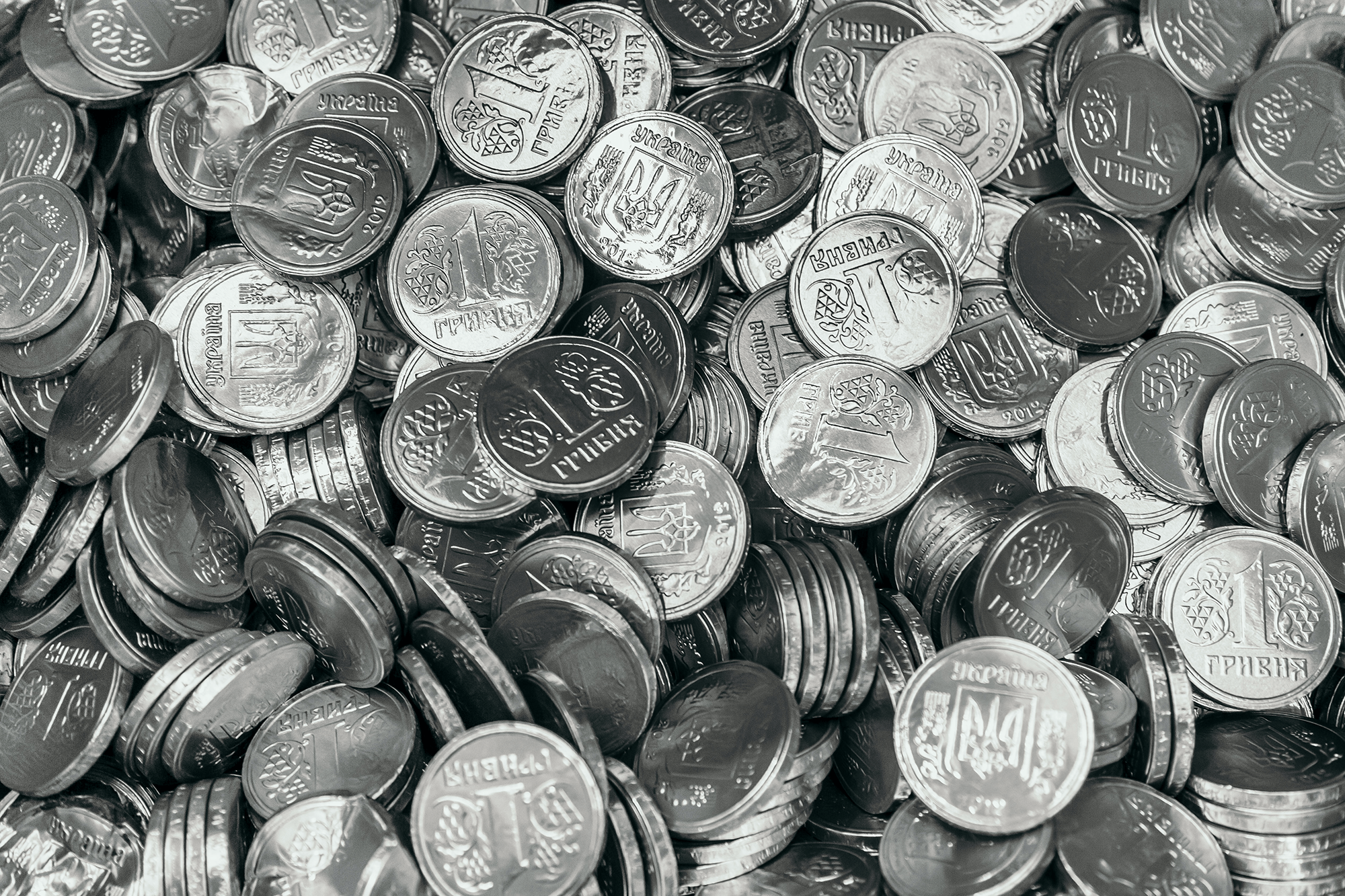
Liquid crystals, bottles of pills, and hoppers of grains can all involve disk-shaped particles. To better understand how disks pack together, researchers studied how disks in a box orient themselves after shaking. They used MRI to observe the disks’ interior packing.

These reconstructions show the packing found in the experiment. The disks are color-coded by orientation; horizontal disks are redder and vertical ones are bluer. Initially, the packing has many horizontal disks (left), but after shaking, the disks get more compacted (right). The disks form short stacks that are randomly oriented. This increases the overall density but the random orientations reduce the total alignment of disks. The team found that shaking increases the disks’ density, but that increase does not come from disks orienting in the same direction. Instead, the disks form short stacks of similarly-oriented disks. The stacks themselves took on many different orientations, which reduced the system’s overall alignment in orientation. (Image credit: coins – M. Blan, packing – Y. Ding et al.; research credit: Y. Ding et al.; via APS Physics)

Star YY Hya
A team of professional and amateur astronomers discovered and then imaged this previously undiscovered galactic nebula. At the heart of the stellar remnant is a binary star pair. Shock waves of the gas and dust twist and spread in the surrounding space, the remains of an earlier star’s violent eruption. (Image credit: M. Drechsler et al.; via 2023 Astronomy POTY)

Vivid Auroras Over Iceland


When solar storms in late February sent energetic particles toward Earth, photographer Cari Letelier ventured to the remote northern edge of Iceland to capture the resulting auroras. When fast-moving, high-energy particles from the solar wind meet Earth’s magnetosphere, they’re directed toward the poles. There the particles slam into Earth’s upper atmosphere, exciting atoms that glow in greens, reds, and pinks. Curtains of light dance across the sky as a result. February’s show was particularly stunning, as captured by Letelier at Arctic Henge. (Image credit: C. Letelier; via Colossal)

Forests Slow Avalanches
In snowy mountainous regions, avalanches are a dangerous and destructive problem. Researchers studying the mechanisms of these flows have a suggestion: plant more trees. A group of researchers found that a “forest” of regularly spaced pillars slowed avalanches by as much as two-thirds. On an empty slope, the avalanche picked up speed as its thickness grew. But with regularly-spaced pillars the slower flow rate became almost completely independent of avalanche thickness.

The researchers with their avalanche set-up, which releases glass beads through a forest of pillars. For now, the researchers suggest placing trees every 3 meters on steep, avalanche-prone slopes — a technique that, admittedly, only works for slopes below the treeline. In their next round of experiments, the researchers plan to see how a randomly arranged forest affects an avalanche. (Image credit: top – N. Cool, apparatus – Université Paris-Saclay/FAST; research credit: B. Texier et al.; via Physics World)

Capturing the Tides
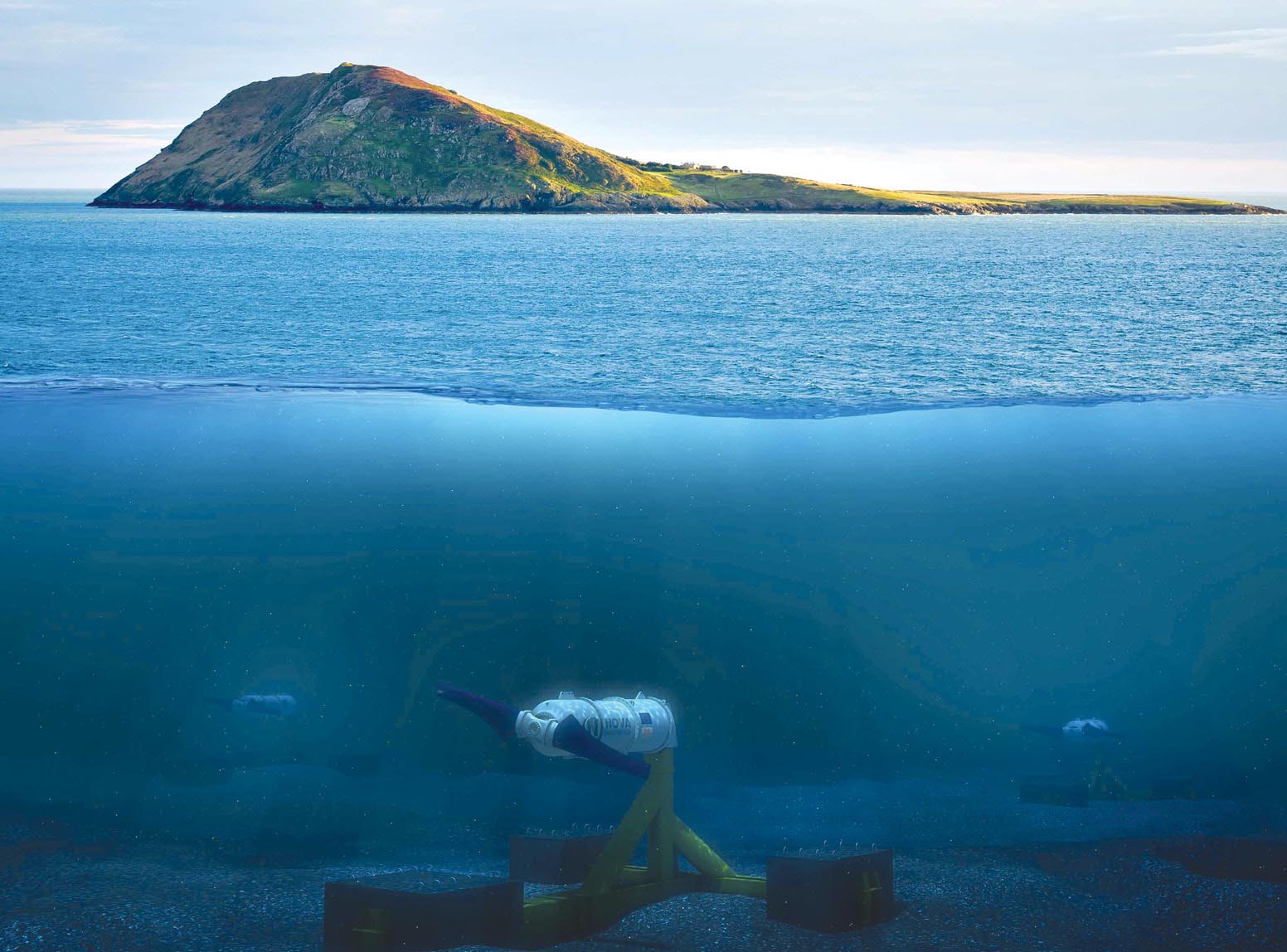
Twice a day the tides rise and fall along coastlines. Increasingly, engineers are trying to harness these regular currents for clean energy. Tidal turbines spin during the fastest flows, turning a rotor that powers an electrical generator. Compared to wind and solar energy, tidal energy is expensive, but it’s also predictable — a feature wind and solar lack.
Previous investments in clean energy have reduced costs as technologies mature, and proponents expect this will hold true for tidal turbines, as well. The machines face difficult conditions: salt and water are notoriously tough on equipment. Right now that makes large-scale facilities impractical. Instead, most projects are on a smaller scale, often focusing on powering remote rural coastal communities that currently rely on diesel for their electricity. These projects provide immediate benefits to the community while serving as a proving ground for the technology as a whole. For more, see this Physics Today article. (Image credit: Nova Innovation; see also Physics Today)
Scooting Droplets
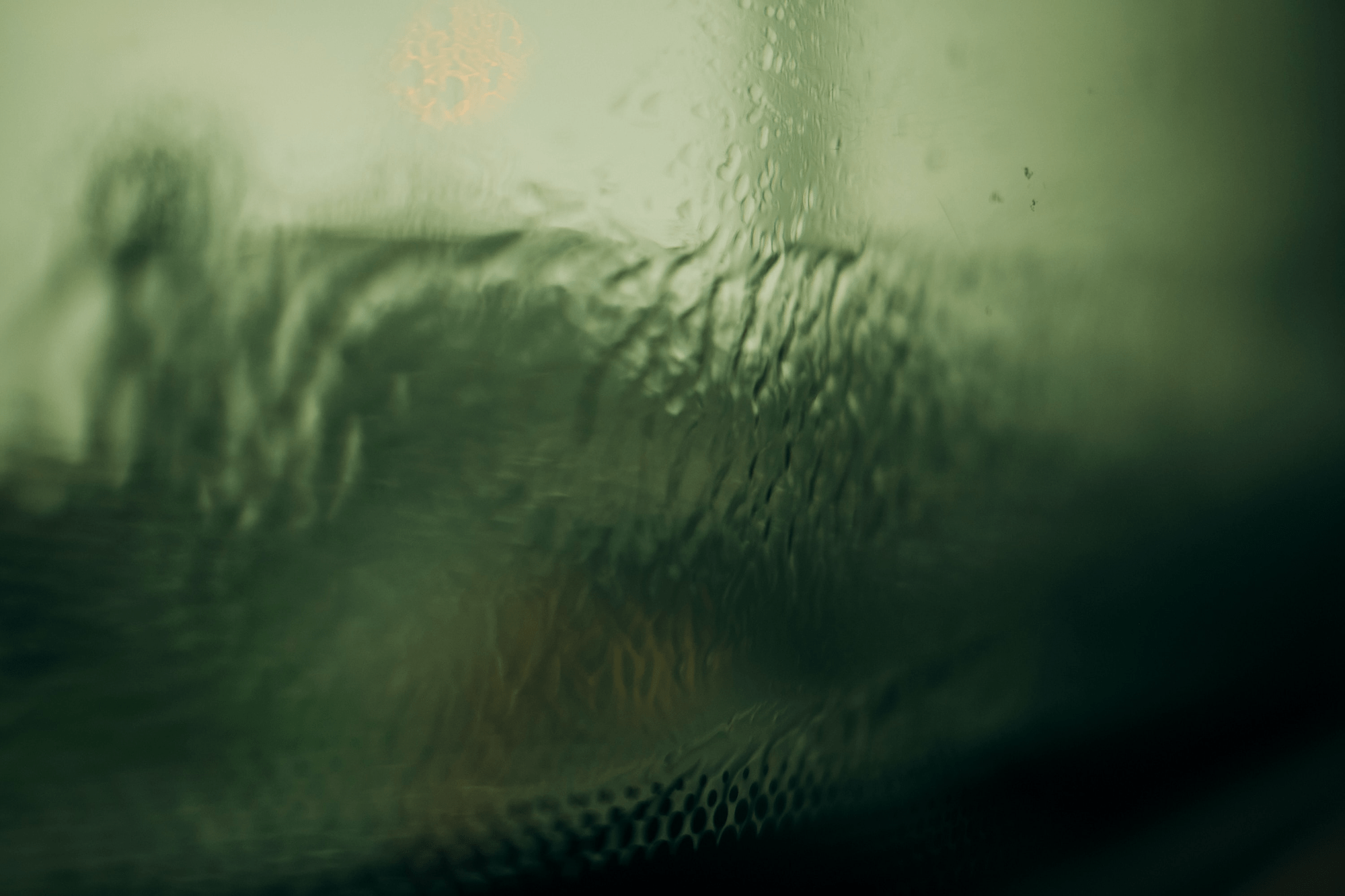
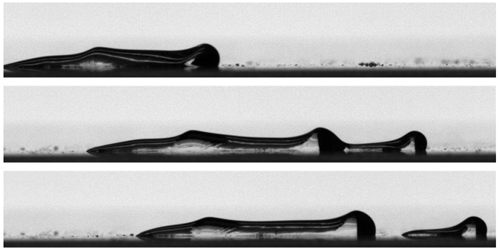
As a child, I always loved watching rain on the windows as I rode in the car. Hemispherical droplets got stretched by the wind flowing over them. But they never stretched smoothly; instead they seemed to shiver and shake unevenly. A recent study looks at a similar situation: drops of glycerin forced to slide along a horizontal surface under the force of the wind. Like the drops on my parents’ car, the glycerin gets stretched out into an elongated oval. Surface waves develop atop the drop and move downstream. The drops, the authors observe, move a bit like a crawling caterpillar, pilling up and smoothing out as they move. (Image credit: rain – A. Alves, experiment – A. Chahine et al.; research credit: A. Chahine et al.; via APS Physics)

This series of images shows an elongated droplet subjected to airflow moving from left to right. Waves form on the drop and move downstream in a fashion similar to a caterpillar crawling.