Tag: physics

  • Roll Waves in Debris Flows

    Roll Waves in Debris Flows

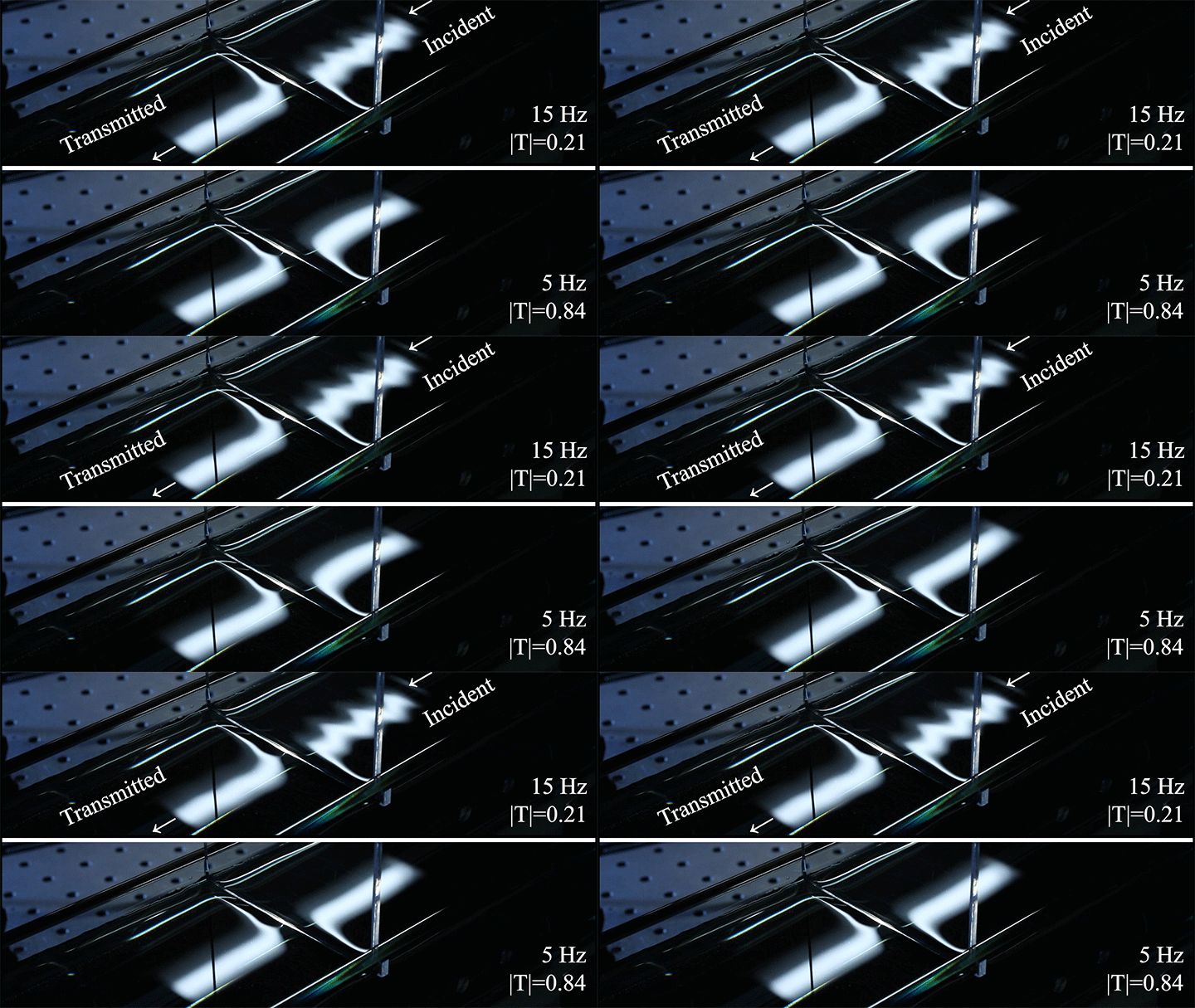
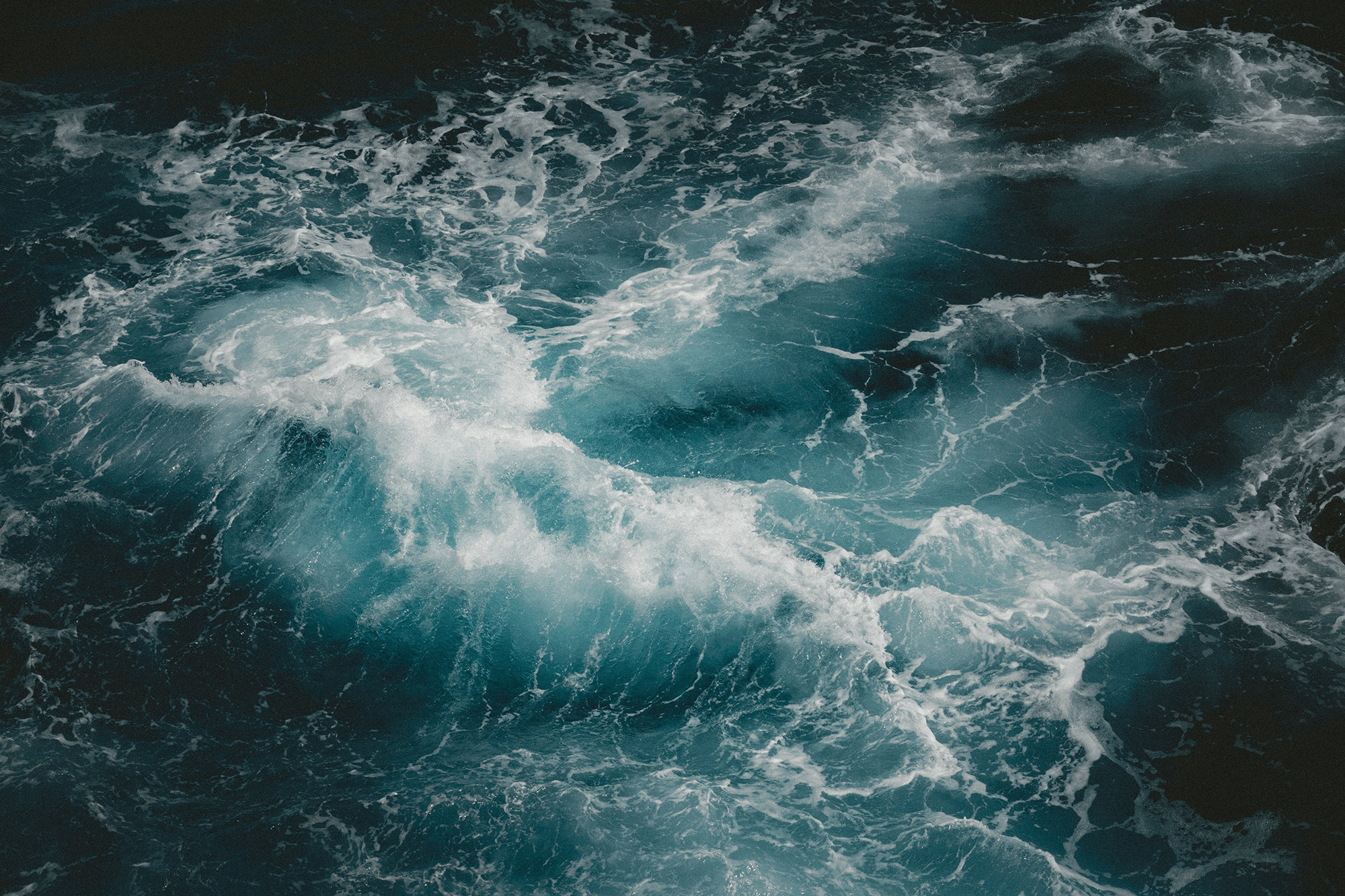
    When a fluid flows downslope, small disturbances in the underlying surface can trigger roll waves, seen above. Rather than moving downstream at the normal wave speed, roll waves surge forward — much like a shock wave — and gobble up every wave in their way.

    Such roll waves are fairly innocuous when flowing down a drainage ditch but far more problematic in the muddy debris flows of a landslide. Debris flows are harder to predict, too, thanks to their combined ingredients of water, small grains, and large debris.

    A new numerical model has shed some light on such debris flows, after showing good agreement with a documented landslide in Switzerland. The model suggests that roll waves get triggered in muddy flows at a higher flow speed than in a dry granular flow but a lower flow speed than is needed in pure water.

    For a great overview of roll waves, complete with videos, check out this post by Mirjam Glessner. (Image credit: M. Malaska; research credit: X. Meng et al.; see also M. Glessmer; via APS)

    Fediverse Reactions
  • Featured Video Play Icon

    Recycling Water

    As regions are stressed by severe drought, communities considering how to stretch their water supply increasingly turn to the option of reclaiming wastewater. As Grady explains in this video, that idea faces both technological and psychological challenges. But neither, it turns out, is insurmountable. (Video and image credit: Practical Engineering)

    Fediverse Reactions
  • Featured Video Play Icon

    “Sensations”

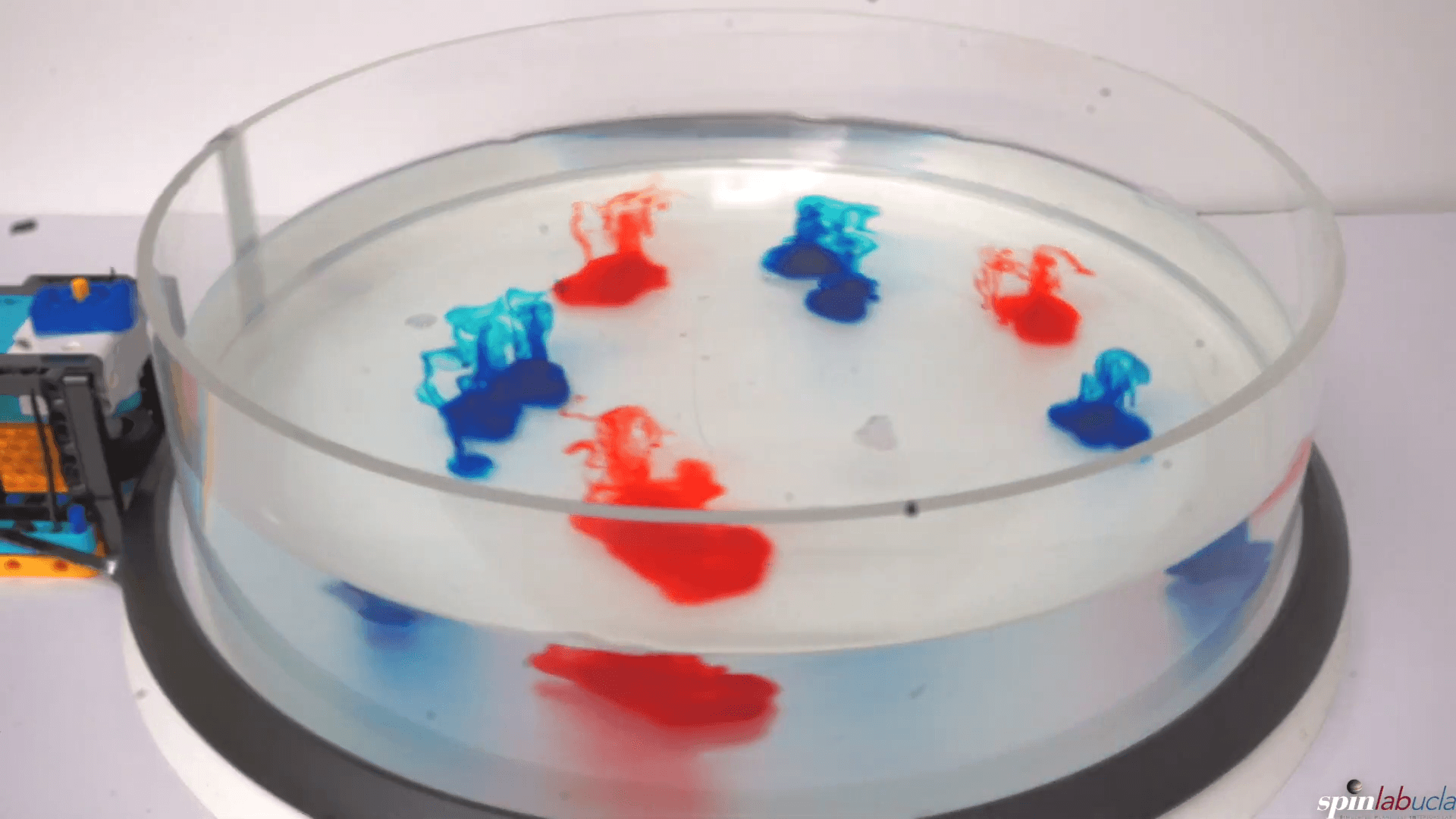
    Beautiful colors, subtle flows, and sudden fractals animate Thomas Blanchard’s “Sensations,” which, like his other short films, is entirely CGI-free. It’s a lovely exploration of droplets, liquid lenses, Marangoni effects, and fingering instabilities. (Video and image credit: T. Blanchard)
    Fediverse Reactions
  • Uranus Emits More Than Thought

    Uranus Emits More Than Thought

    Since Voyager 2 visited Uranus in 1986, scientists have debated the odd ice giant’s heat balance. The other giant planets of our solar system — Jupiter, Saturn, and Neptune — all emit much more heat than they absorb from the sun, indicating that they have strong internal heat sources. Voyager 2’s measurements from Uranus indicated only weak heat emissions.

    But a new study indicates that Uranus does, in fact, have an internal heat source contributing to its heat flux. The study combined observations with a global model of Uranus across the planet’s full 84-year orbit and concluded that Uranus emits 12.5% more internal heat than it absorbs from the sun. That suggests that Uranus may not be so different from its fellow giants, but the planet’s large seasonal variations and differences across hemispheres raise plenty of questions about the planet’s interior structure. (Image credit: NASA; research credit: X. Wang et al.; via Gizmodo)

    Fediverse Reactions
  • Veil Nebula

    Veil Nebula

    These glowing wisps are the visible remains of a star that went supernova about 7,000 years ago. Today the supernova remnant is known as the Veil Nebula and is visible only through telescopes. In the image, red marks hydrogen gas and blue marks oxygen. First carried by shock waves, these remains of a former star now serve as seed material for other stars and planetary systems to form. (Image credit: A. Alharbi; via APOD)

    Fediverse Reactions
  • What Makes a Dune?

    What Makes a Dune?

    Wind and water can form sandy ripples in a matter of minutes. Most will be erased, but some can grow to meter-scale and beyond. What distinguishes these two fates? Researchers used a laser scanner to measure early dune growth in the Namib Desert to see. They found that the underlying surface played a big role in whether sand gathered or disappeared from a given spot. Surfaces like gravel, rock, or moistened sand were better for starting a dune than loose sand was. Each of these surface types affected how much sand the wind could carry off, as well as whether grains bounced or stuck where they landed. Every trapped sand grain made the surface a little rougher, increasing the chances of trapping the next sand grain. Over time, the gathering sand forms a bump that affects the wind flow nearby, further shaping the proto-dune. As long as the wind isn’t strong enough to scour the surface clean, it will keep gathering sand as the process continues. (Image credit: M. Gheidarlou; research credit: C. Rambert et al.; via Eos)

    Fediverse Reactions
  • Featured Video Play Icon

    Understanding Acoustic Dissonance

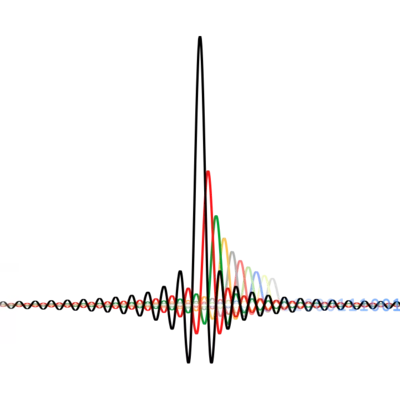
    Dissonance — the discomfort we feel when two or more musical notes feel mismatched — is more than just a subjective measure. In this video, Henry of Minute Physics delves into some of the physics involved in dissonance, first with simple sine waves and then with musical instruments. Our ears — and our brains — seem most troubled when two notes (and their overtones) are close but not quite matching in frequency. And, as Henry explains, the peaks and valleys between those agreements lead to many of the musical systems we have today. (Video and image credit: Minute Physics)

    Fediverse Reactions
  • A Sandy Spine

    A Sandy Spine

    Where sea and sand meet, Gaia’s spine rises. Photographer Satheesh Nair captured this striking image in western Australia, where wind and wave action have dragged a dune into vertebrae-like cusps. Notice how the size and shape of the curves differs between the under- and above-water sections. Those differences reflect the differing forces that shape them — just water for one set, water and air for the other. (Image credit: S. Nair/IAPOTY; via Colossal)

    Fediverse Reactions
  • Seeding Clouds With Wildfire

    Seeding Clouds With Wildfire

    Raging wildfires send plumes of smoke up into the atmosphere; that smoke is made up of tiny particles that can serve as seeds — nucleation sites — where water vapor can freeze and form clouds. To understand wildfire’s effect on cloud growth, researchers sampled air from the troposphere (the atmosphere’s lowest layer) both in and around wildfire smoke.

    The team found that smoke increased the number of nucleating particles up to 100 times higher than the background air, but the exact make-up of the smoke varied significantly by fire. Smoke particles were mostly organic, though inorganic ones appeared as well. The temperature of a fire, as well as what materials it was burning, made a big difference; the fire where they measured the highest particle concentrations included lots of unburned plant material, thought to be carried aloft by turbulence around the fire. (Image credit: K. Barry; research credit: K. Barry et al.; via Eos)

    Fediverse Reactions
  • Featured Video Play Icon

    The Incredible Engineering of the Alhambra

    Begun in 1238, Alhambra Palace in Grenada, Spain is a monument to Islamic architecture and clever engineering. Despite sitting far above the city, the Alhambra was fed by the river, diverted from upstream along a canal. Within the palace itself, this water was used for heated flooring, steam rooms, baths, and even a fountain that told the time. This Primal Space video breaks down how engineers pressurized the water lines, moved water into and around the palace, and how wonders like the palace’s fountains worked. As impressive as the engineering is, though, it’s worth remembering that the Alhambra’s engineers were not creating new technologies: multiple older civilizations also used aqueducts, water wheels, and siphons to similar effect. (Video and image credit: Primal Space)

    Fediverse Reactions