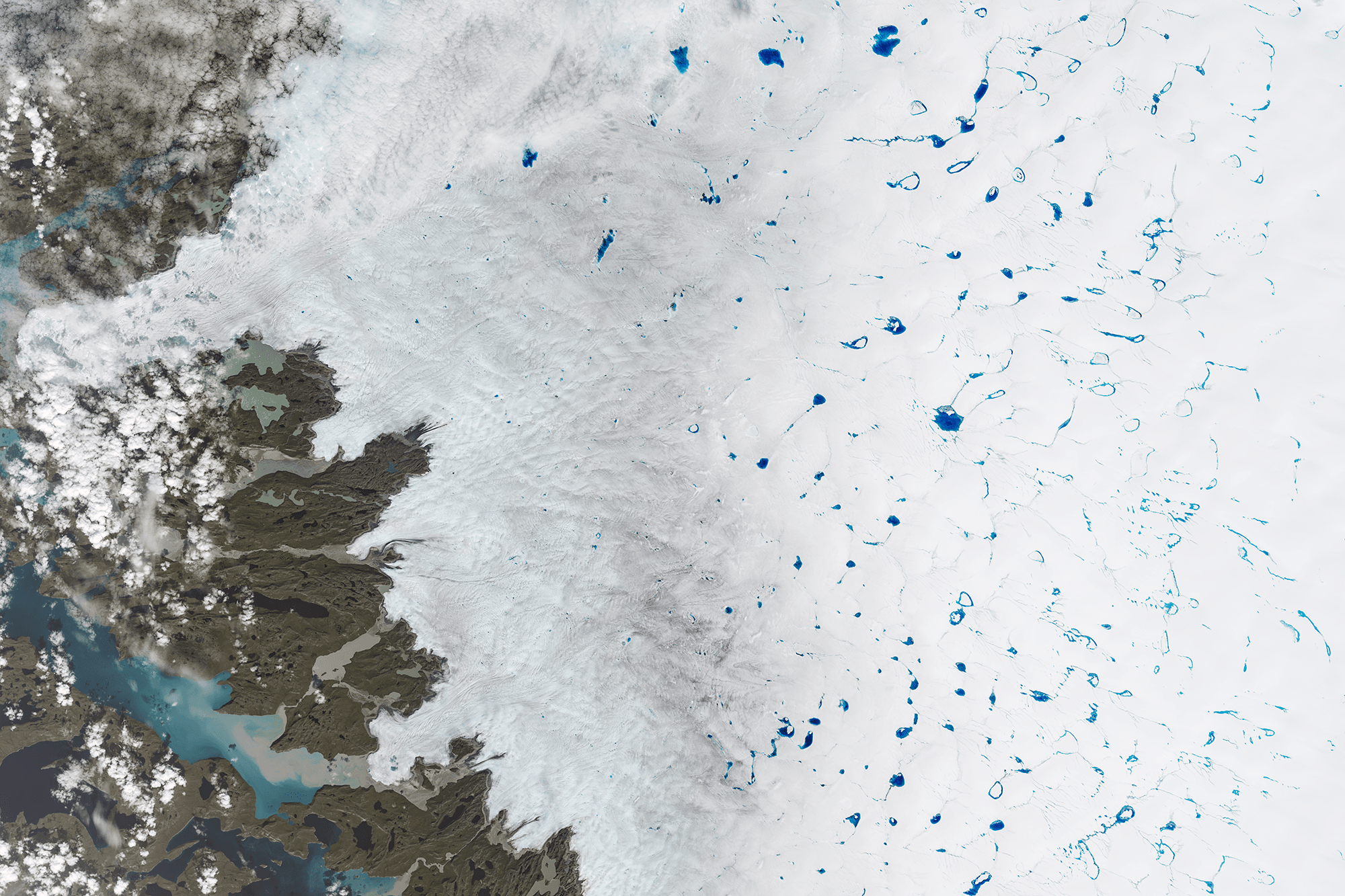
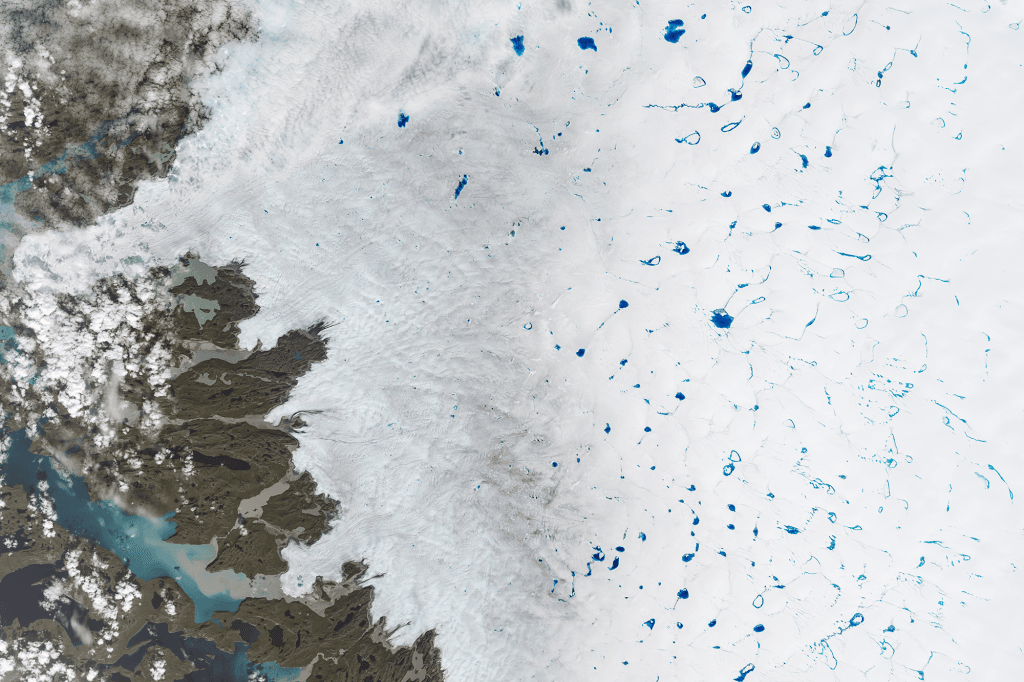
Beginning in early spring, brilliant blue ponds form on Greenland’s ice sheets as meltwater gathers in indentations. This satellite image shows the ice east of Nordenskiöld Glacier, which is the tongue of ice projecting on the left side of the image. The center region of ice is darker, marked by soot, ash, and dirt left behind after previous ice layers have melted. These darker remains make the ice less reflective to sunlight; with less reflectivity, the ice absorbs more sunlight, melting faster. (Image credit: M. Garrison/NASA Earth Observatory)
A satellite image of Greenland’s ice sheet, showing jewel-toned blue meltwater ponds to the right, a haze of dirty ice in the center, and bare rock and open water to the left.
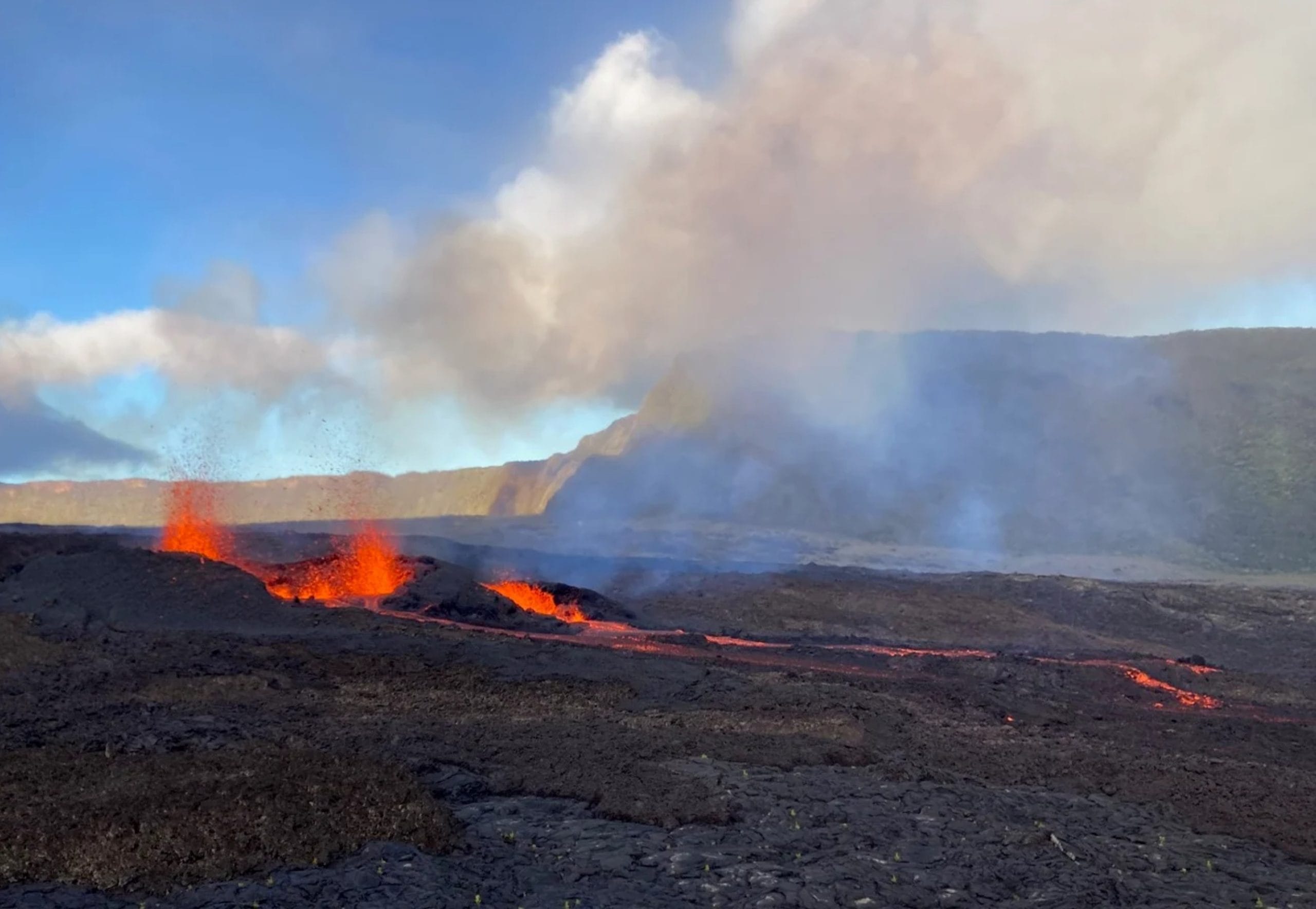
People have long hoped to reliably predict volcanic eruptions. An automated system at Piton de la Fournaise in France has been doing so since 2014 with an impressive 92% accuracy. The tool, called Jerk, makes its predictions based on real-time measurements of subtle ground movements associated with magma fracturing rock on its way to the surface. Its predictions have ranged from minutes to hours before the start of an eruption.
So far, the team has only tested the system at one volcano, but they are working to install a second version at Mount Etna, where they’ll see whether other volcanoes produce a similar signal ahead of eruption. If so, Jerk could provide valuable warnings in populated areas and give geologists an automated alternative for monitoring remote volcanoes.
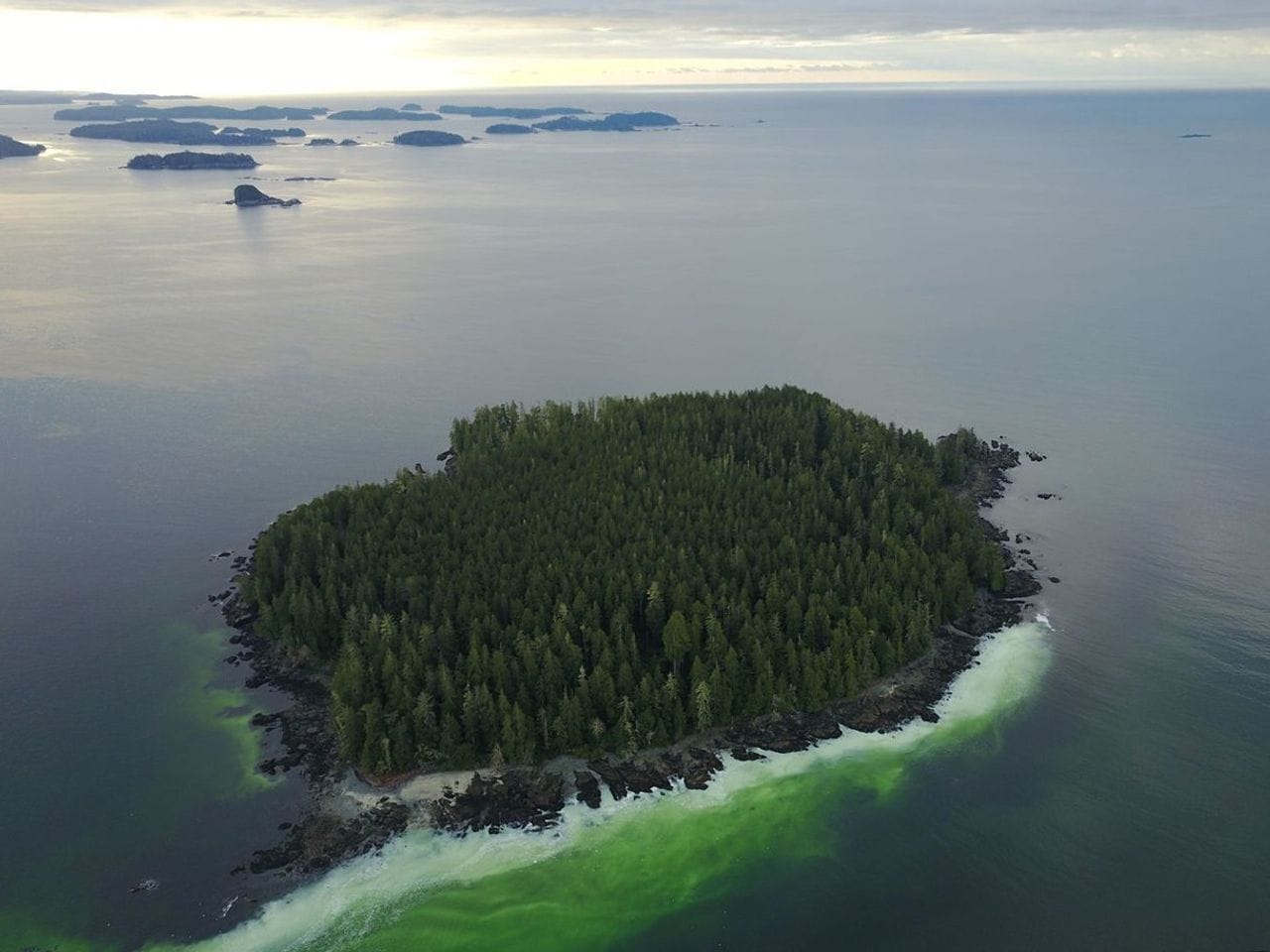
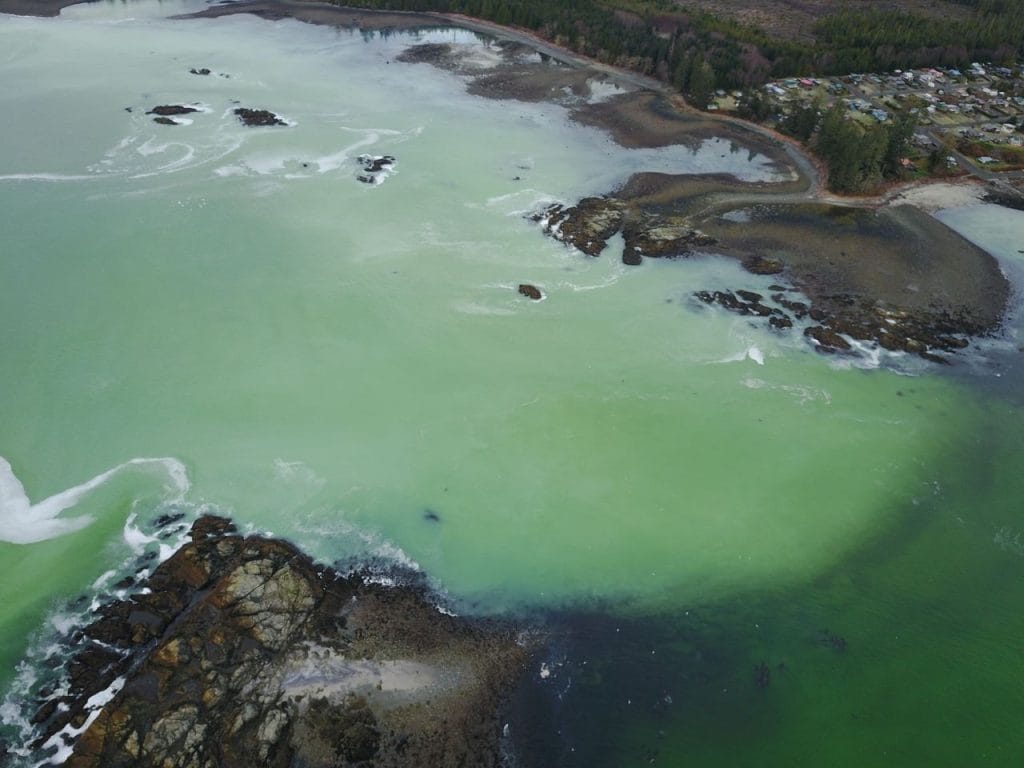
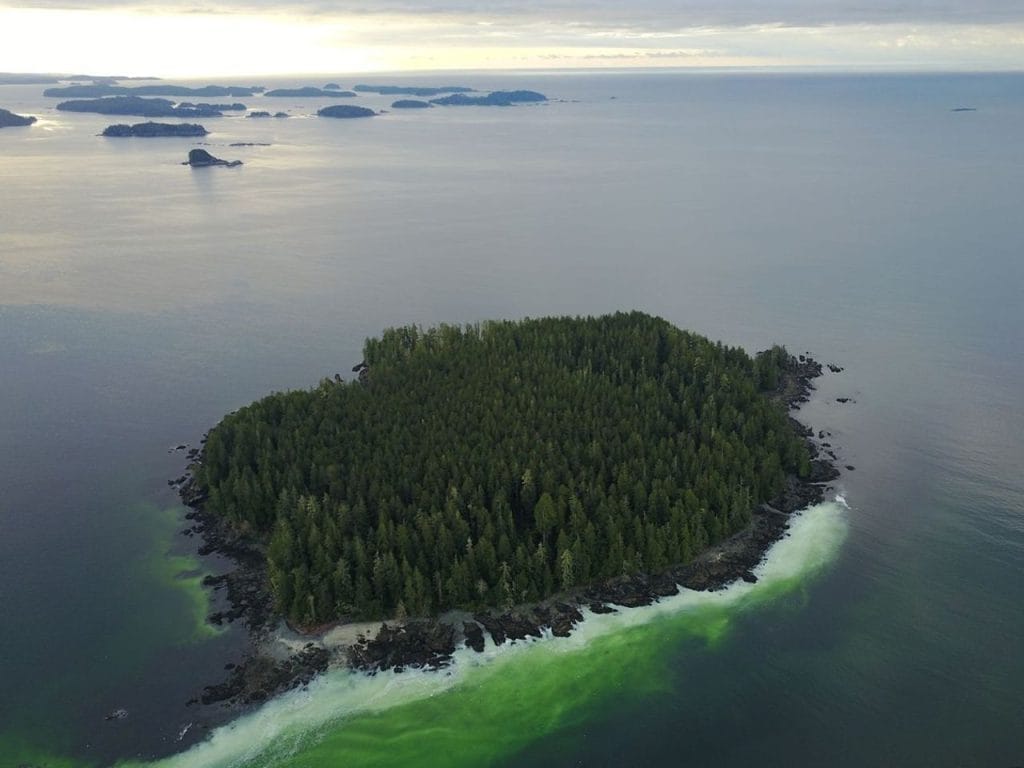
From mid-February to early May, tiny silvery Pacific herring gather along the shallow coastlines of Vancouver Island off British Columbia, Canada. In these sheltered waters, they spawn; female fish produce sticky eggs and males flood the area with milt, which turns the water a milky turquoise or green. The colors can be so vivid that the spawn is visible to satellites.
Barkley Sound, on the island’s southwestern side, frequently hosts spawning, as its rocky shoreline provides protection and the pockets of lower salinity that the fish favor. After spawning, the fish migrate back to their feeding grounds in deeper, nutrient-rich waters. (Image credit: R. Cutler; via NASA Earth Observatory)
A herring spawn clouding the waters along Vancouver Island on February 16, 2026.A herring spawn event near Forbes Island in Barkley Sound turns the shoreline green.
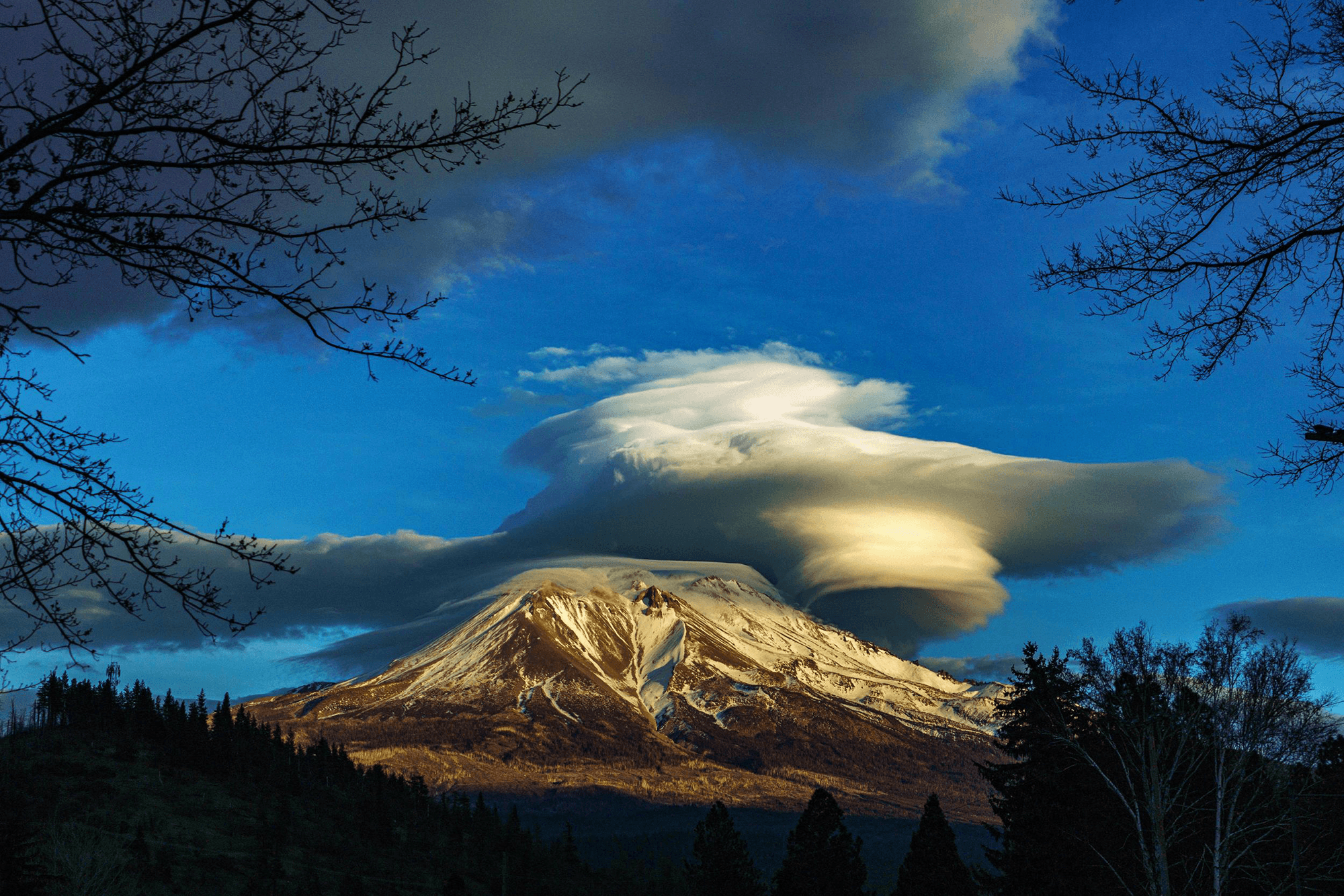
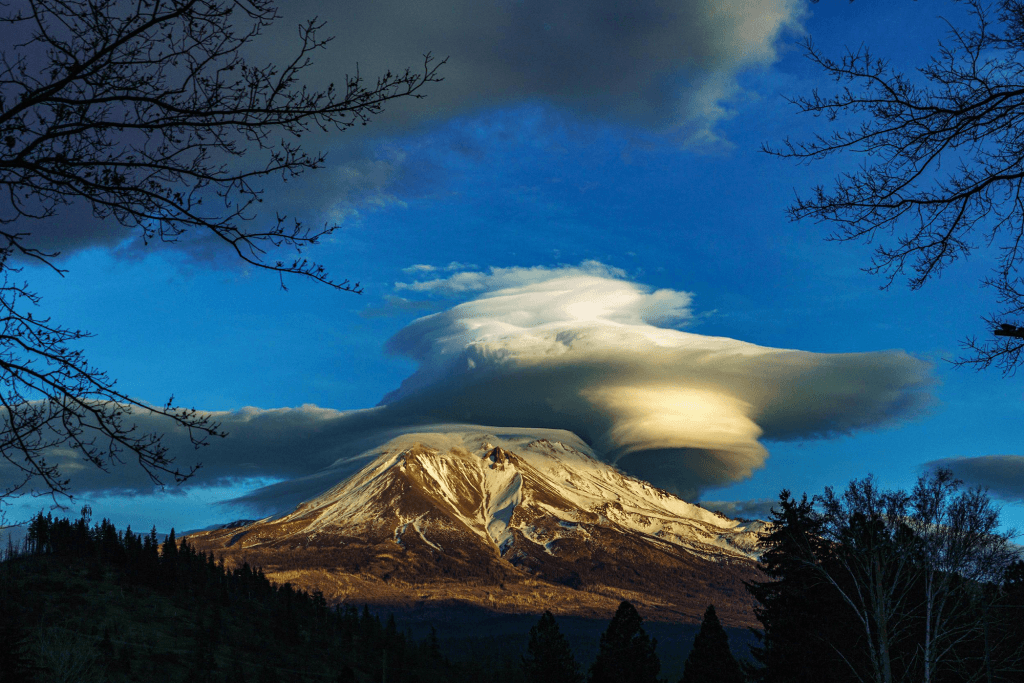
Photographer Lisa K. Kuhn captured a spectacular lenticular cloud over Mount Shasta in this image from the Sony World Photography Awards. These lens-shaped clouds occur most often near mountains and other terrain that forces air to flow up and over it. As the air cools, water condenses out, forming the cloud. When the air flows down and warms, condensation is no longer possible. The end result is a cloud that appears stationary against the mountain, even though air is continuously moving past. Add in the long sun angles and beautiful colors of near-sunset and the results are incredible. (Image credit: L. Kuhn; via Colossal)
When the wind blows, trees shift and sway, reconfiguring their shape and their leaves in response. For parts of the year, that flow can also pluck pollen grains off the tree, carrying them on the winds. A new computational simulation models this pollen dispersal from a tree, with the aim of eventually integrating into a tool for urban planners.
Trees are an important component to fighting climate change, especially in cities, because they cool their surroundings in addition to providing fresh oxygen. But urban planners recognize the downsides to trees, too–allergies, anyone?–and, with the right tools, they could maximize the trees’ advantages while minimizing pollen spread for allergy-sufferers. (Image credit: M. Köles; research credit: T. Dbouk et al.; via Physics World)
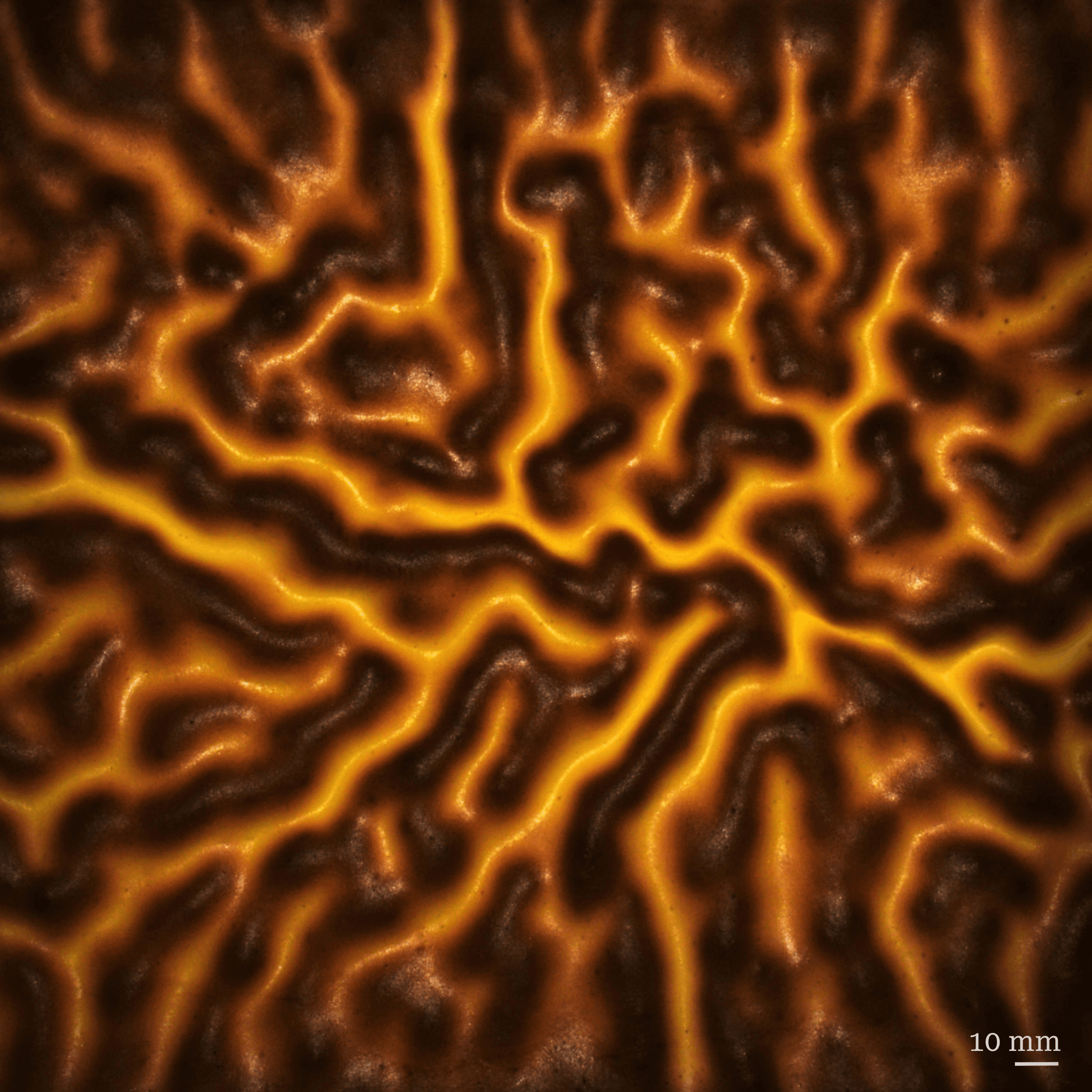
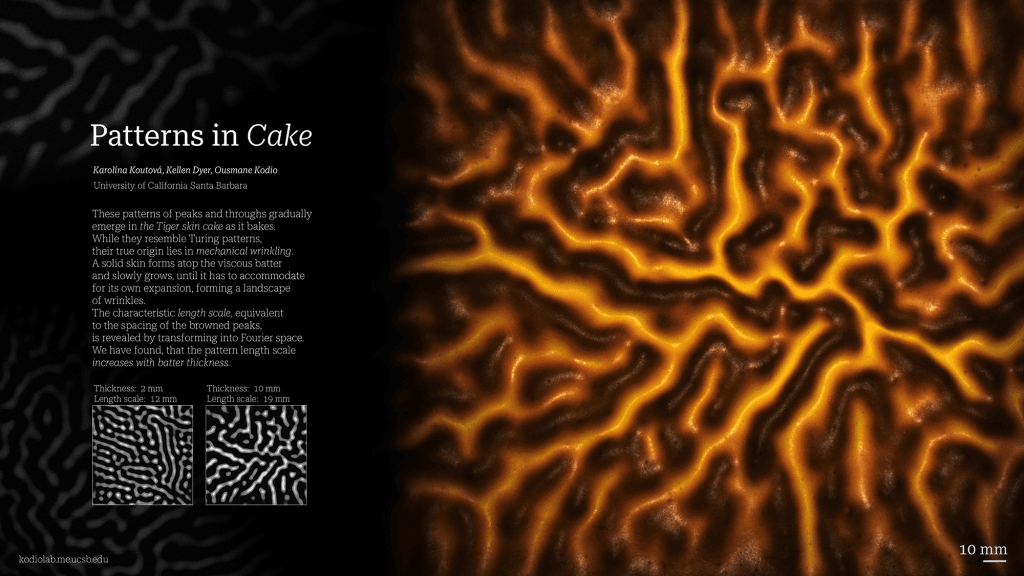
A tiger skin cake forms a distinctive pattern of light and dark patches as it bakes. Its current popularity seems to have expanded outward from China; I found a lot of Swiss-roll-style recipes that use it as an outer wrapper. Here, researchers look at how the wrinkled surface forms. The viscous batter quickly forms a solid skin on its surface, and, as the cake grows, the skin is forced to bend and wrinkle to accommodate the growth. Interestingly, the length-scale of the wrinkling pattern depends on the batter’s depth. For larger stripes, use a thicker layer of batter! (Image credit: K. Koutova et al.)
Research poster showing the wrinkling pattern formed on a tiger skin cake.
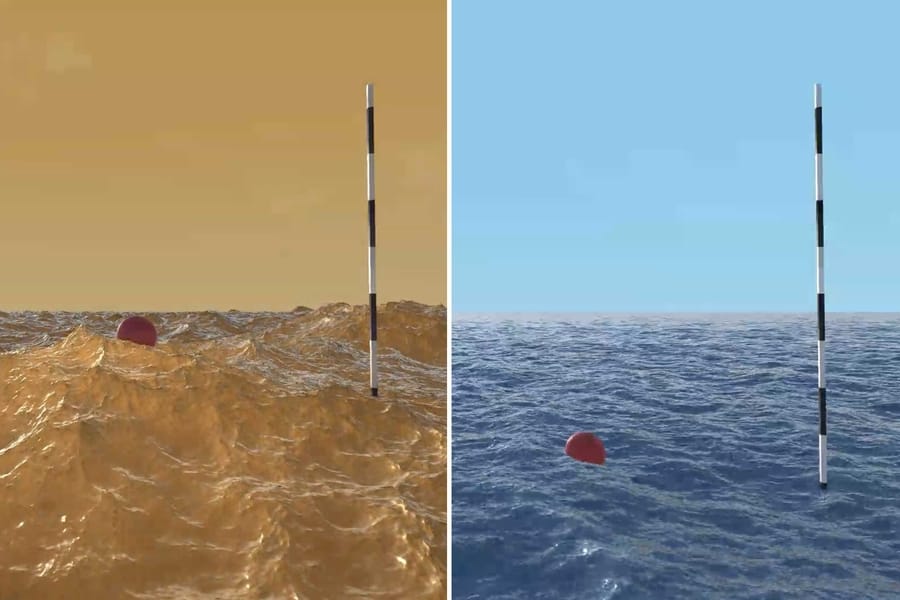
On Earth, most waves form when wind blows across the water. The shear and added energy from the wind ripples the surface, eventually building up waves (through the Kelvin-Helmholtz instability). The same process should happen anywhere else where wind and open liquid surfaces meet–even on other planets. To explore this, researchers built a new model, PlanetWaves, that predicts the waves based on a planet’s gravity, atmospheric conditions, and the density, viscosity, and surface tension of its surface liquid.
After validating the model with conditions on Earth, the team explored wave conditions for Titan, ancient Mars, and several exoplanets. They found that Titan’s lighter gravity and liquid ethane (which is less dense than water) combined to make waves on Titan much taller than those generated at the same wind speed on Earth (top image). You can watch them in action in the video below. Standing in a light breeze on Titan, you’d watch giant 3-meter waves rolling in.
The team also found that waves on Mars would have gotten shorter as Mars lost its atmosphere and the air pressure dropped. Over time, the same wind speed would have elicited smaller and smaller waves. Wave action has a big effect on a landscape’s erosion, so understanding how waves look on other planets will help us parse their geography. (Video, image, and research credit: U. Schneck et al.; via MIT News; submitted by Joseph S.)
When supersonicjets get emitted into rarefied air, they behave differently than they do in regular atmospheric conditions. Here, researchers picture three different configurations these jets can take. In the top image, the jets are close enough together that they appear to merge into a narrow supersonic jet. In the middle image, the jets are not quite as close together. They merge but form what appears to be a subsonic wake. In the final image, the jets are far enough apart that they don’t merge, although they do appear to “lean in” toward one another. (Image credit: S. Lee et al.)
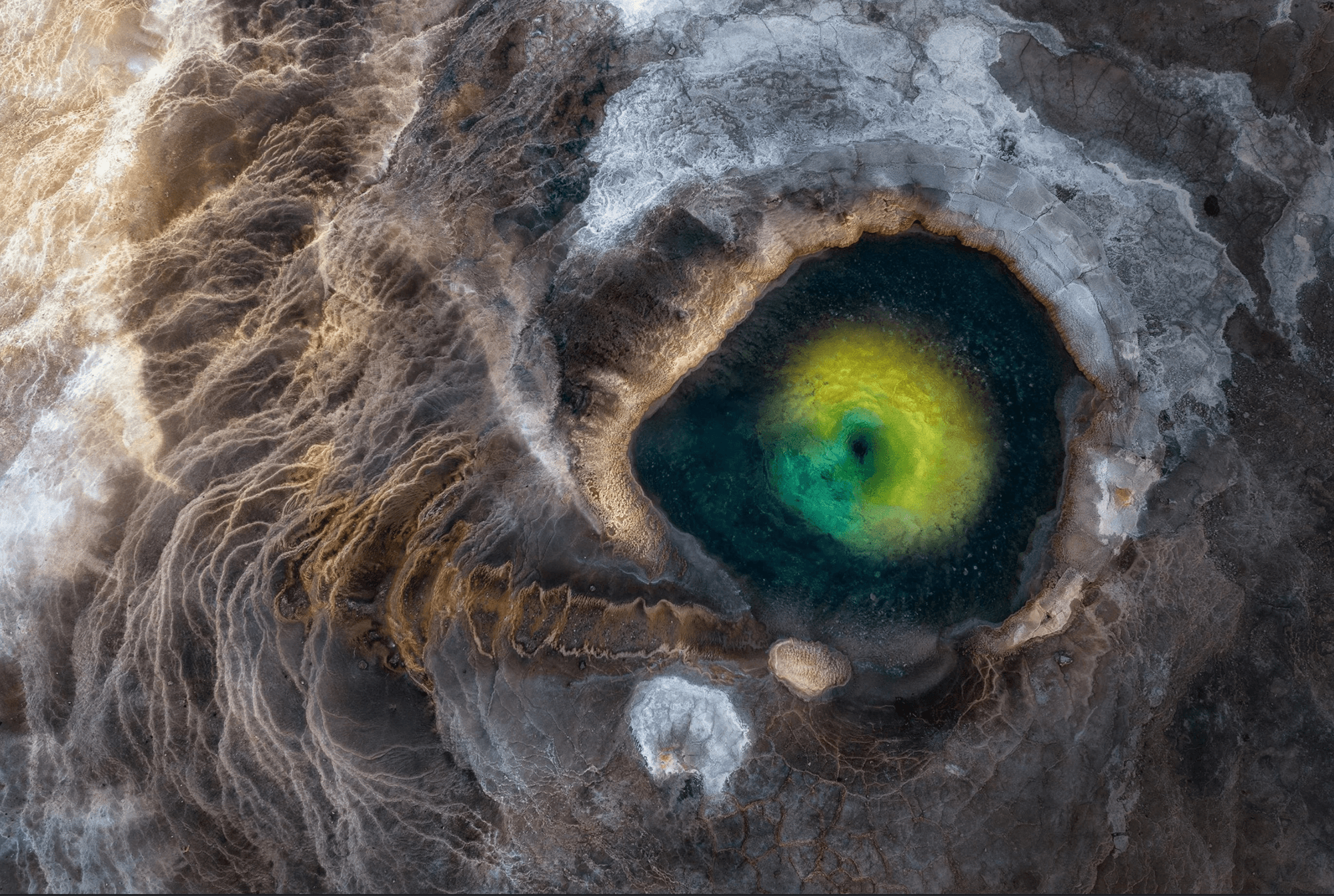
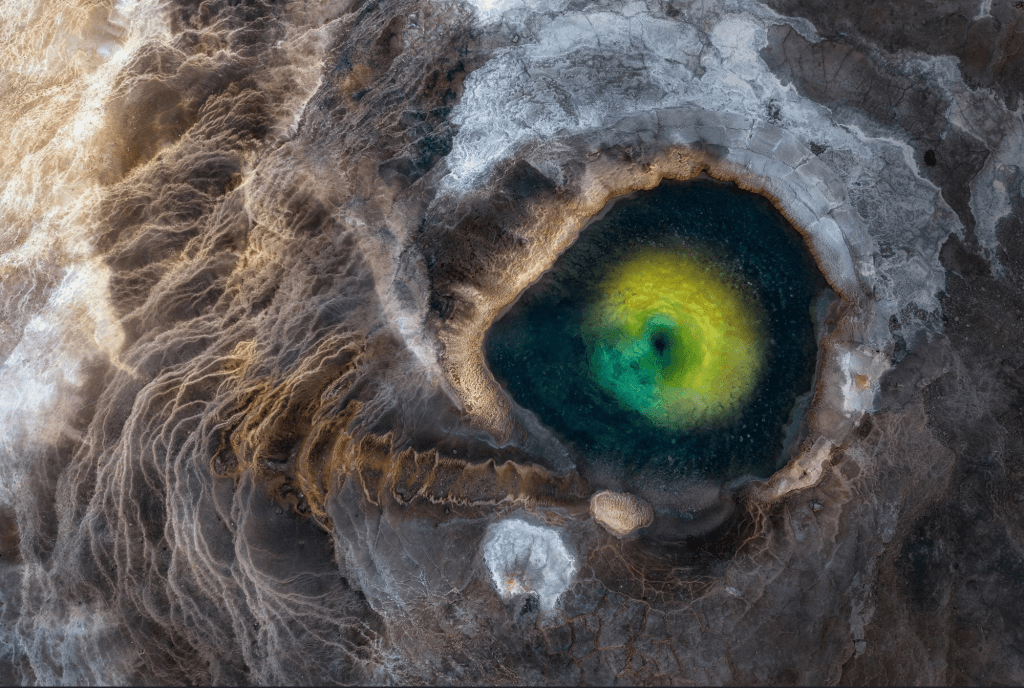
Looking down on a Icelandic geothermal pool gives a view into a dragon’s eye in this drone image by photographer Miki Spitzer. It won the Gold distinction in the World Nature Photography Awards’ “Planet Earth’s landscapes and environments” category. I particularly like how the mineral-rich stains left by evaporating water highlight the texture of the ground nearby, giving the impression of the dragon’s scales. (Image credit: M. Spitzer/WNPA; via Colossal)
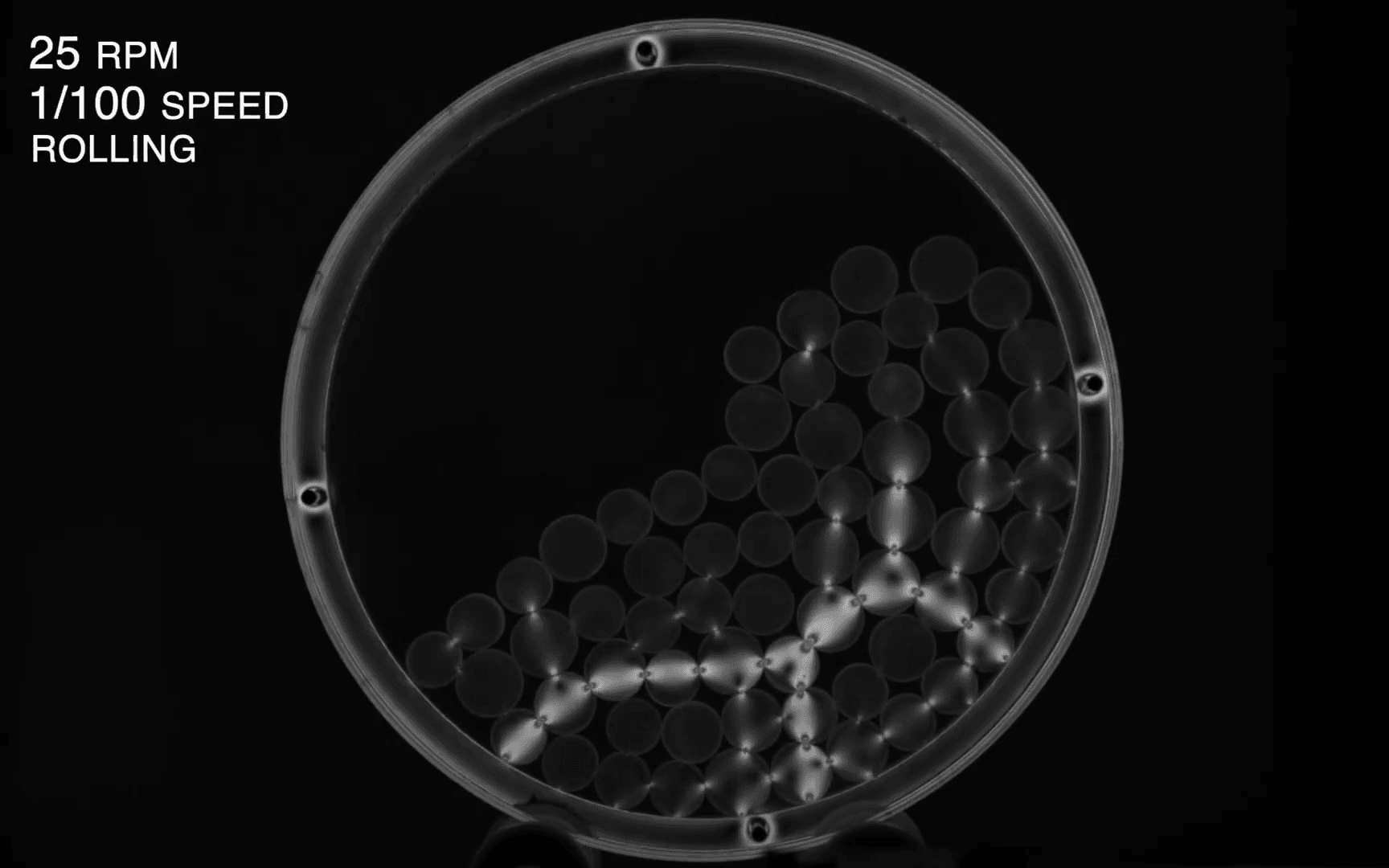
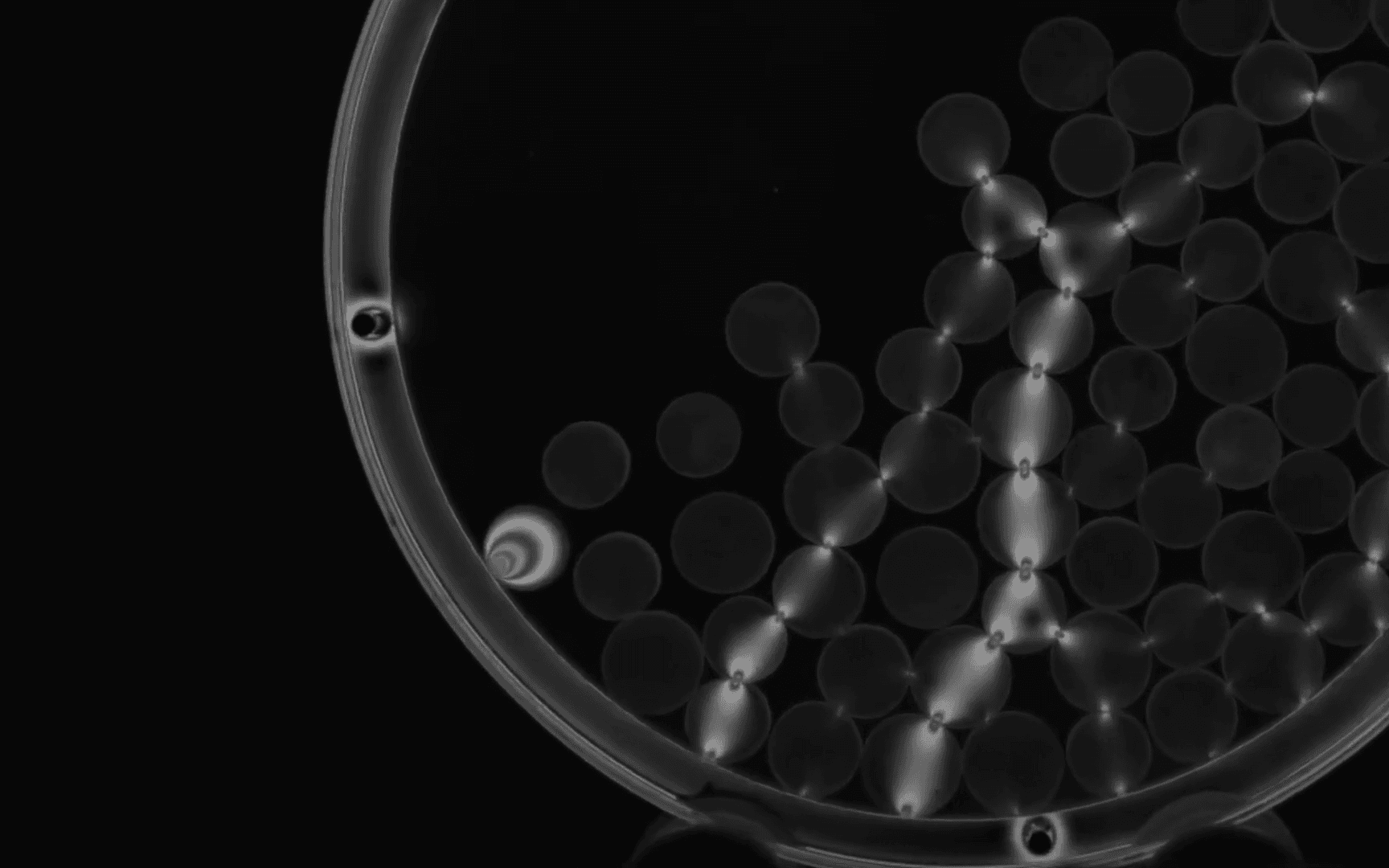
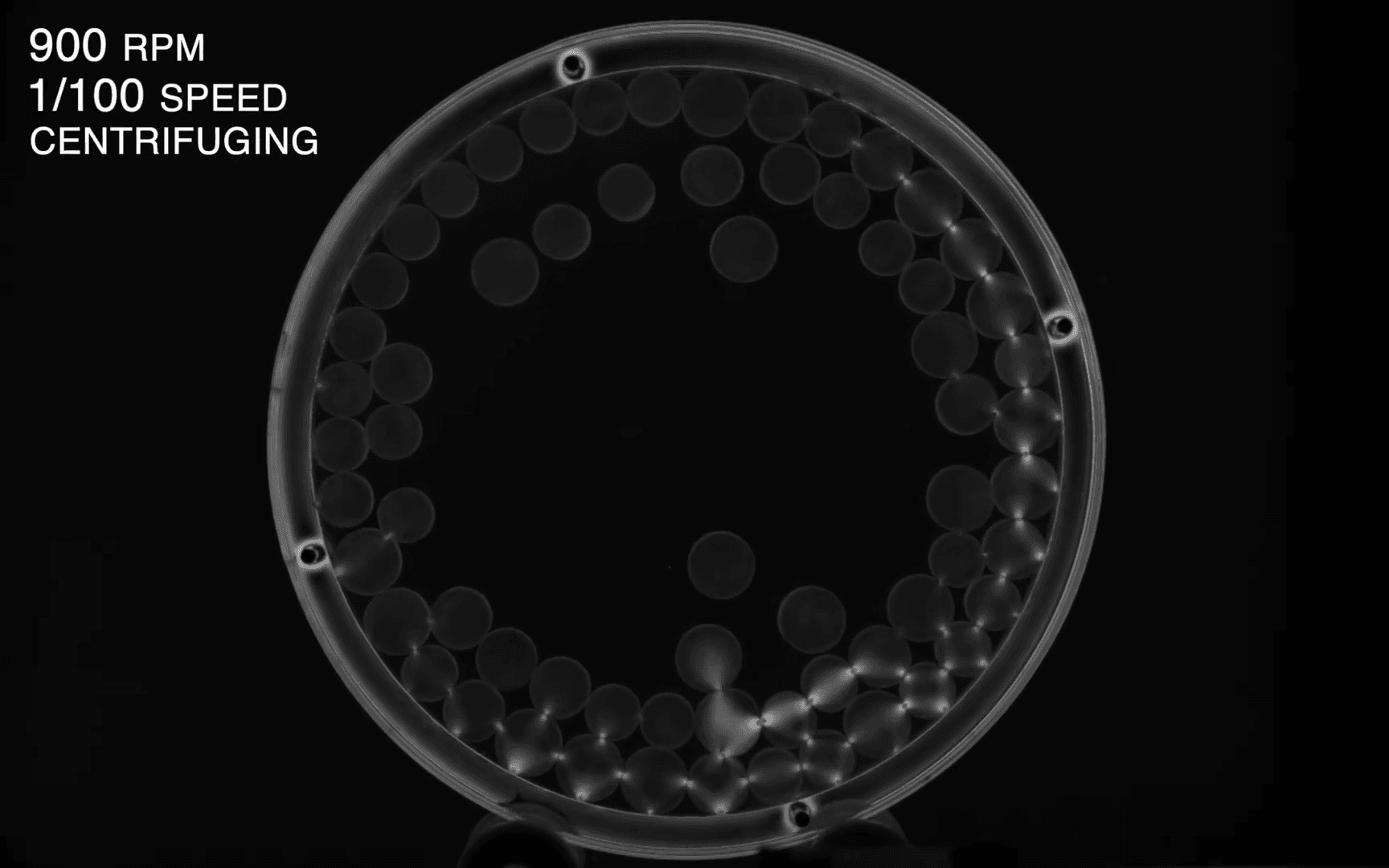
Researchers sometimes study avalanches and other granular flows in a rolling drum, where grains can cascade down continuously. Here, the twist is that they’ve done it with photoelastic disks, which show stress patterns when viewed under crossed polarizing filters.
In any given moment, the contacts between neighboring particles form a force chain that lights up the disks. In motion, the effect resembles lightning forking and branching across the sky. The close-ups of stress reverberating during impact are especially mesmerizing. (Video and image credit: R. Hodgson et al.)
Animation of stress reverberating through particles as they roll in a drum.