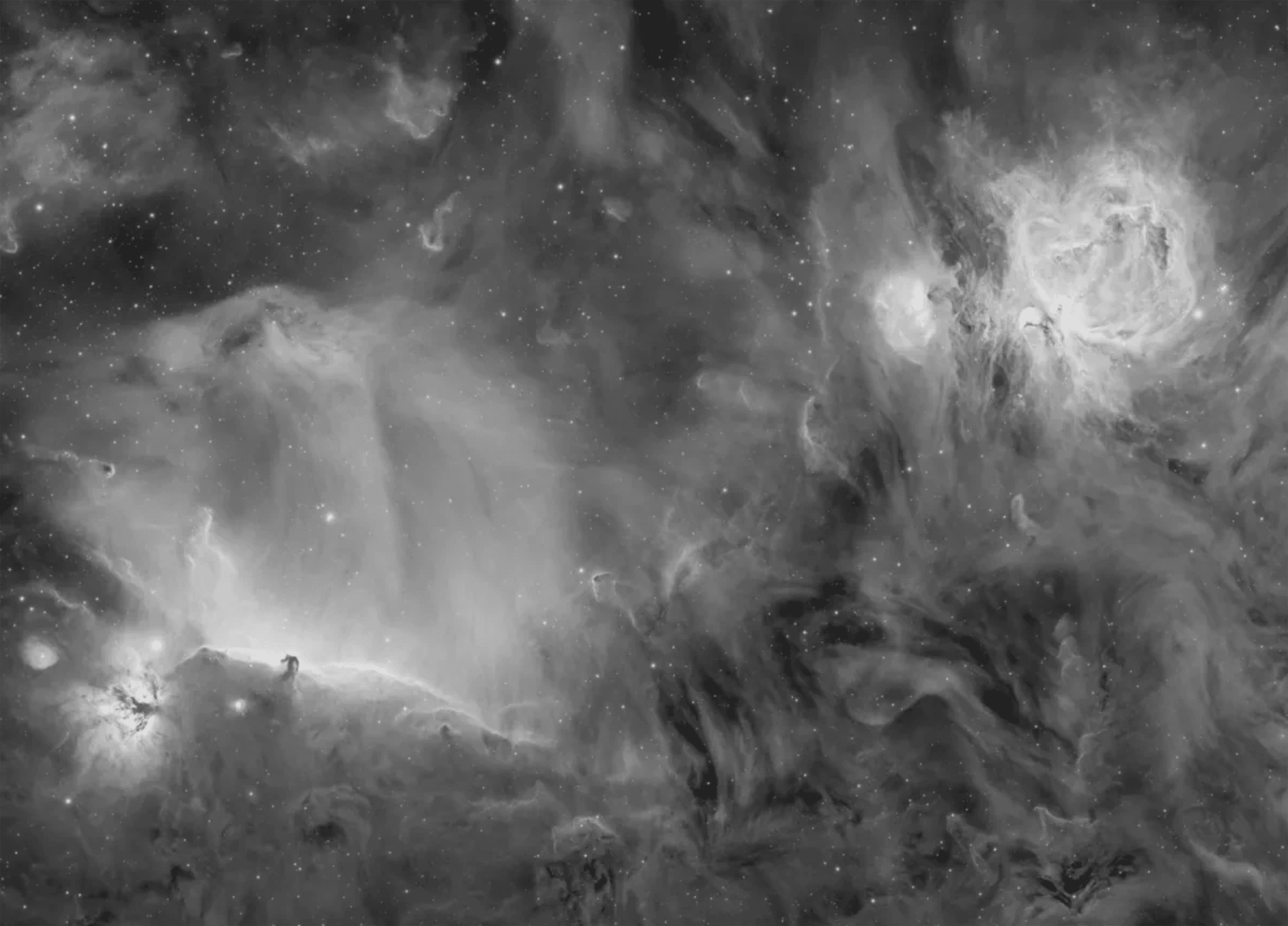
Photographer Daniele Borsari captured this gorgeous composite image of nebulas in black and white, emphasizing the motion underlying the gas and dust. In the upper right, the Orion Nebula shines, bright with new stars. In the lower left, you can pick out the distinctive shape of the Horsehead Nebula and, further to the left, the Flame Nebula. We often see nebulas in bright colors, but I love the way black and white highlights the turbulence surrounding them. (Image credit: D. Borsari/ZWOAPOTY; via Colossal)
Tag: fluid dynamics

Kirigami Parachutes
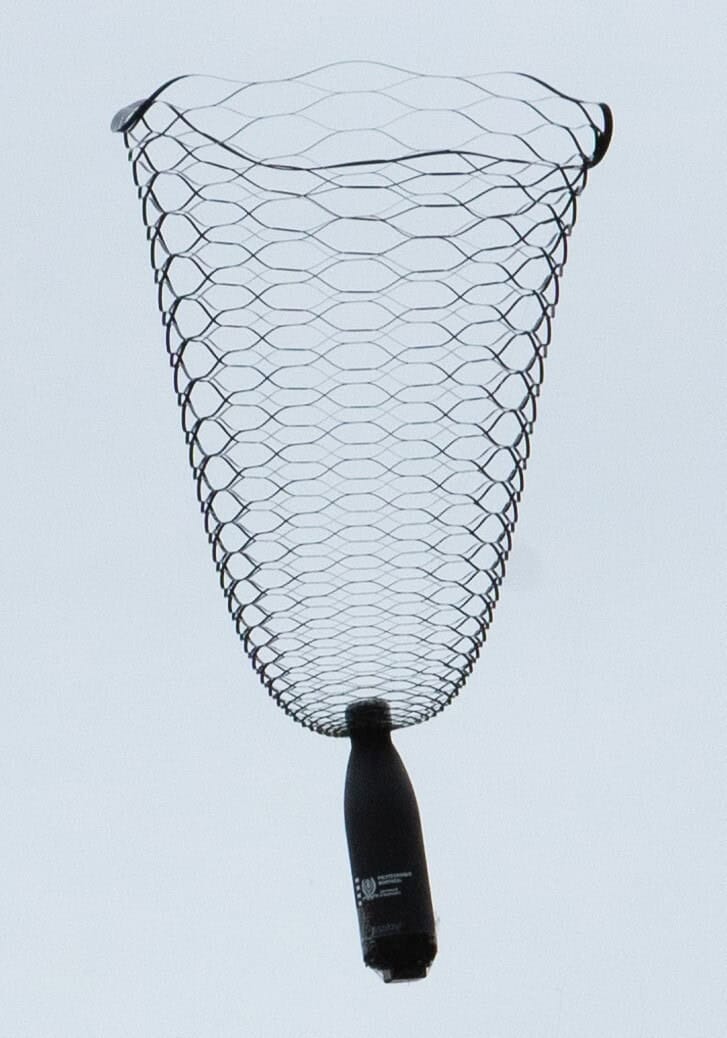
In kirigami, careful cuts to a flat surface can morph it into a more complicated shape. Researchers have been exploring how to use this in combination with flow; now they’ve created a new form of parachute. Like a dandelion seed, this parachute is porous, with a complex but stable wake structure. This allows the parachute to drop directly over its target, unlike conventional parachutes, which require a glide angle to avoid canopy-collapsing turbulence.
When dropping conventional parachutes, users either have to tolerate random landings far off target or invest in complicated active control systems that guide the parachute. Kirigami parachutes, in contrast, offer a potentially simple and robust option for accurately delivering, for example, humanitarian aid. (Image and research credit: D. Lamoureux et al.; via Physics World)
Fediverse Reactions
-

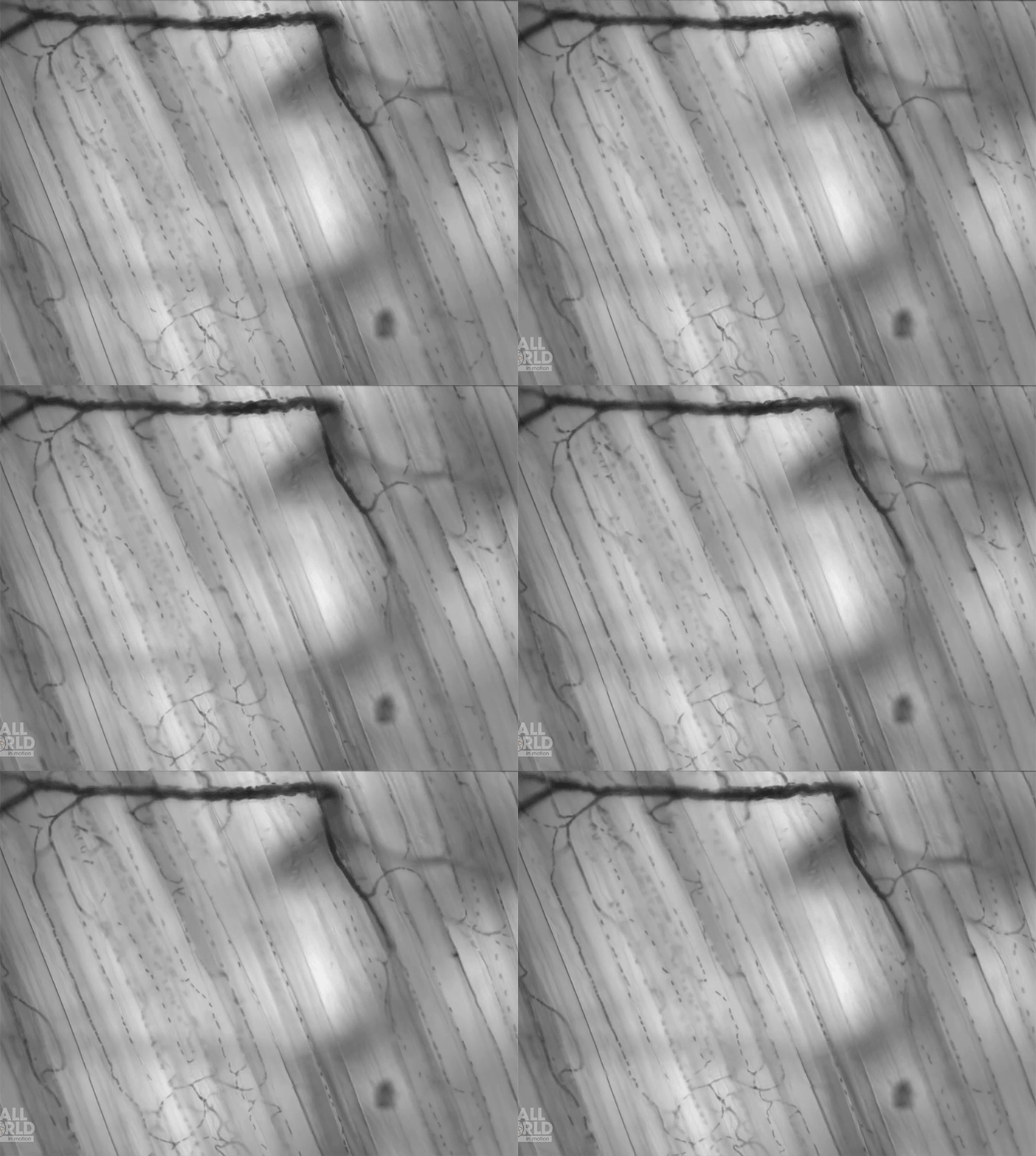
Circulation in a Capillary Network
Today’s video shows red blood cells flowing through a capillary network in a rat’s skeletal muscle. At this resolution, our eyes can follow the paths of individual red blood cells squeezing through each capillary, as well as the faster blur of thicker capillaries where many cells can pass at once. Watching videos like this is a great way to build intuition for particle image velocimetry, streaklines, and other flow visualization methods as our brains can readily recognize where the cells are moving fast and where they are slower. (Video and image credit: Dr. G. McEvoy et al.; via Colossal)
Fediverse Reactions
-

Geoengineering Trials Must Consider Unintended Costs
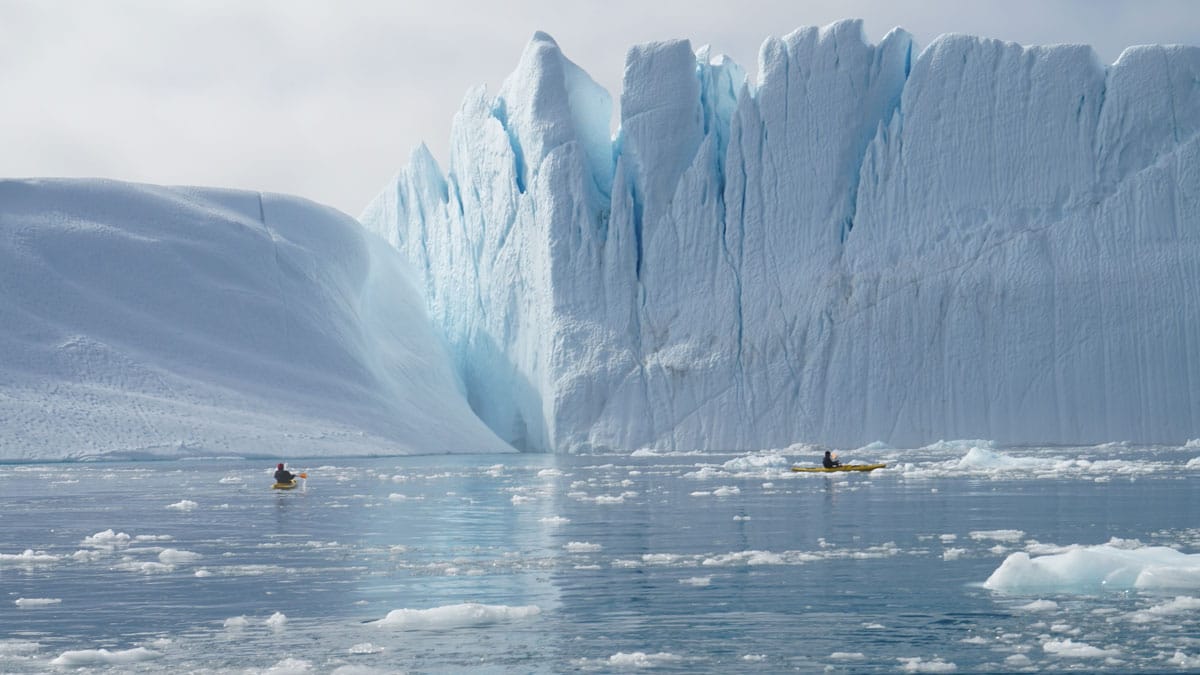
As the implications of climate change grow more dire, interest in geoengineering–trying to technologically counter or mitigate climate change–grows. For example, some have suggested that barriers near tidewater glaciers could restrict the inflow of warmer water, potentially slowing the rate at which a glacier melts. But there are several problems with such plans, as researchers point out.
Firstly, there’s the technical feasibility: could we even build such barriers? In many cases, geoengineering concepts are beyond our current technology levels. Burying rocks to increase a natural sill across a fjord might be feasible, but it’s unclear whether this would actually slow melting, in part because our knowledge of melt physics is woefully lacking.
But unintended consequences may be the biggest problem with these schemes. Researchers used existing observations and models of Greenland’s Ilulissat Icefjord, where a natural sill already restricts inflow and outflow from the fjord, to study downstream implications. Right now, the fjord’s discharge pulls nutrients from the deep Atlantic up to the surface, where a thriving fish population supports one of the country’s largest inshore fisheries. As the researchers point out, restricting the fjord’s discharge would almost certainly hurt the fishing industry, at little to no benefit in stopping sea level rise.
Because our environment and society are so complex and interconnected, it’s critical that scientists and policymakers carefully consider the potential impacts of any geoengineering project–even a relatively localized one. (Research and image credit: M. Hopwood et al.; via Eos)
Fediverse Reactions
-

Protecting Wildlife from Underwater Construction


The loud noises of construction are not just an issue for humans. Sound and pressure waves from underwater construction are a problem for water-dwellers, too. So engineers use bubble curtains around a construction site to help reduce the amount of sound that escapes. Water and air transmit sound very differently; in acoustic terms, they have very different impedance. You’ve probably experienced this yourself if you’ve ever compared the sounds of a swimming pool above and below the surface. Because some of a sound’s intensity gets lost in the water –> air –> water transition, a bubble curtain can halve the sound pressure transmitted from equipment. (Video and image credit: Practical Engineering)
Cornflower Roots Growing


As children, most of us plant a seed or two and watch it sprout, but we never get a view quite like this one. This microscopic timelapse shows the roots of a cornflower plant extending into moist, porous soil, establishing xylem, and extending root hairs outward to collect water and nutrients to fuel further growth. At the end, there’s even a close-up view of flow inside the root hairs. What an incredible glimpse inside a world we so often take for granted! (Video and image credit: W. van Egmond; via Colossal)
Fediverse Reactions
-

Waves Over Sand Ripples
Look beneath the waves on a beach or in a bay, and you’ll find ripples in the sand. Passing waves shape these sandforms and can even build them to heights that require dredging to keep waterways passable to large ships. To better understand how the sand interacts with the flow, researchers build computer models that couple the flow of the water with the behavior of individual sand grains. One recent study found that sand grains experienced the most shear stress as the flow first accelerates and then again when a vortex forms near the crest of the ripple. (Image credit: D. Hall; research credit: S. DeVoe et al.; via Eos)
Fediverse Reactions
-

Growing Salty
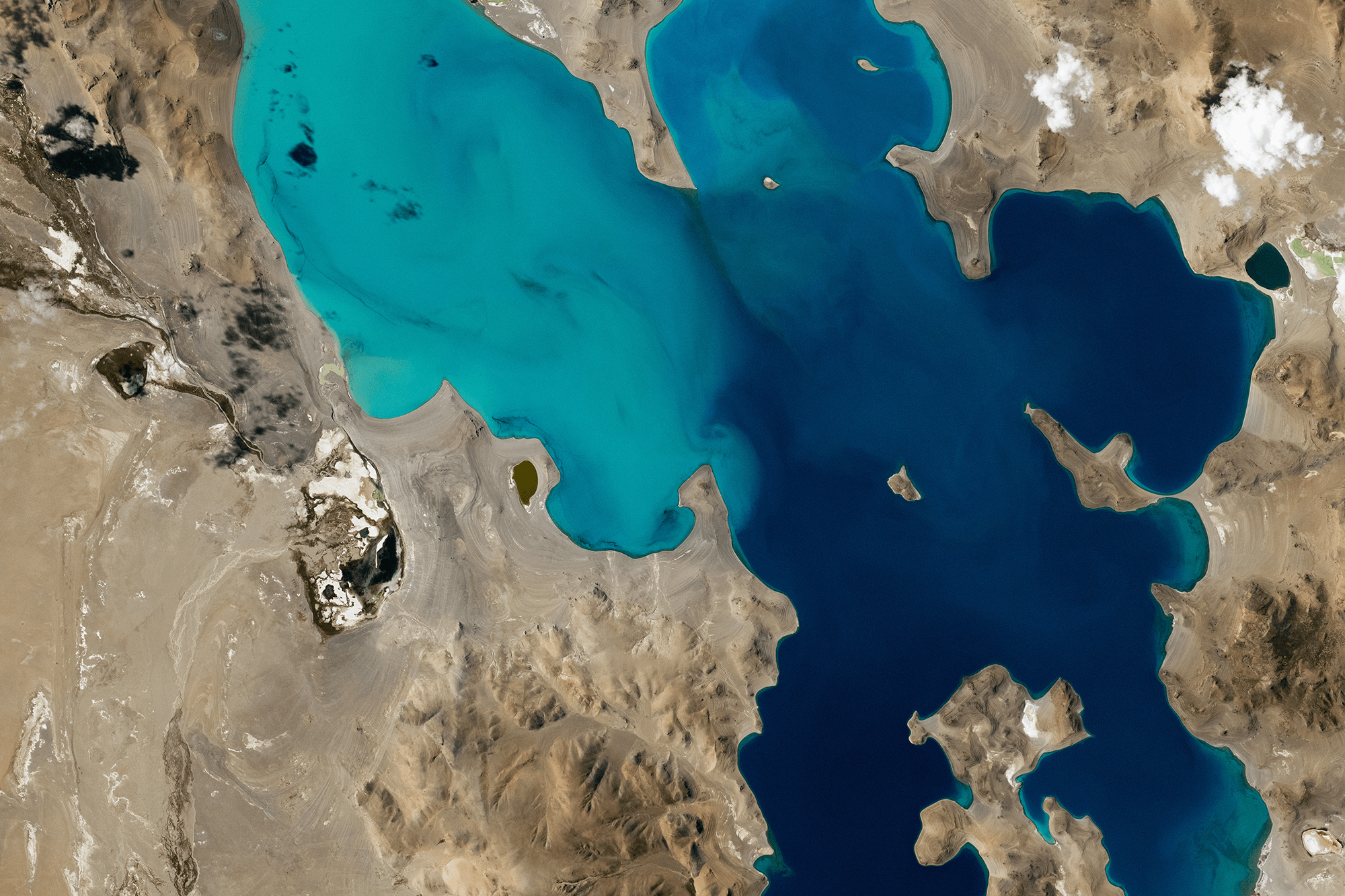
Ngangla Ringco sits atop the Tibetan Plateau, breaking up the barren landscape with eye-catching teal and blue. This saline lake sits at an altitude of 4,700 meters, fed by rainfall, Himalayan runoff, and melting glaciers and permafrost. The lake, like many inland bodies of salt water, has no outflow. Instead, water evaporates from the lake, leaving behind any salts that were dissolved in it. Over time, those left-behind salts build up and make the lake ever saltier. (Image credit: NASA; via NASA Earth Observatory)
Fediverse Reactions
-
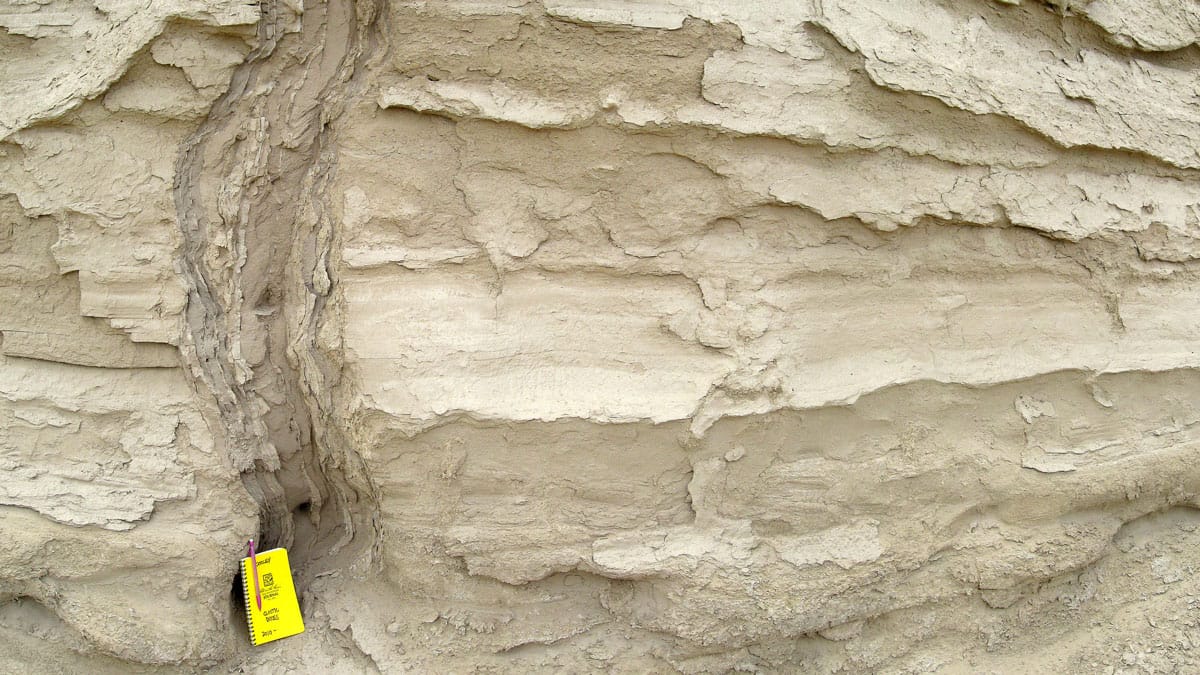
Sand Dikes Can Date Earthquakes
When a strong earthquake causes liquefaction, sand can intrude upward, leaving behind a feature that resembles an upside-down icicle. Known as a sand dike, researchers suspected that these intrusions could help us date ancient earthquakes. A new study shows how and why this is possible.
Using optically stimulated luminescence, researchers had already dated quartz in sand dikes and found that it appeared to be younger than the surrounding rock formations. But that information alone was not enough to tie the sand dike’s age to the earthquake that caused it.
The final puzzle piece fell into place when researchers showed that, during a sand dike’s formation, friction between sand grains could raise the temperature higher than 350 degrees Celsius. That temperature is high enough to effectively “reset” the age that luminescence dates the quartz to. Since the quartz likely wouldn’t have had another reset since the earthquake that put it in the sand dike, this means scientists can date the sand dikes themselves to determine when an earthquake occurred. (Image credit: Northisle/Wikimedia Commons; research credit: A. Tyagi et al.; via Eos)
Fediverse Reactions
-
Liquefaction in Earthquakes
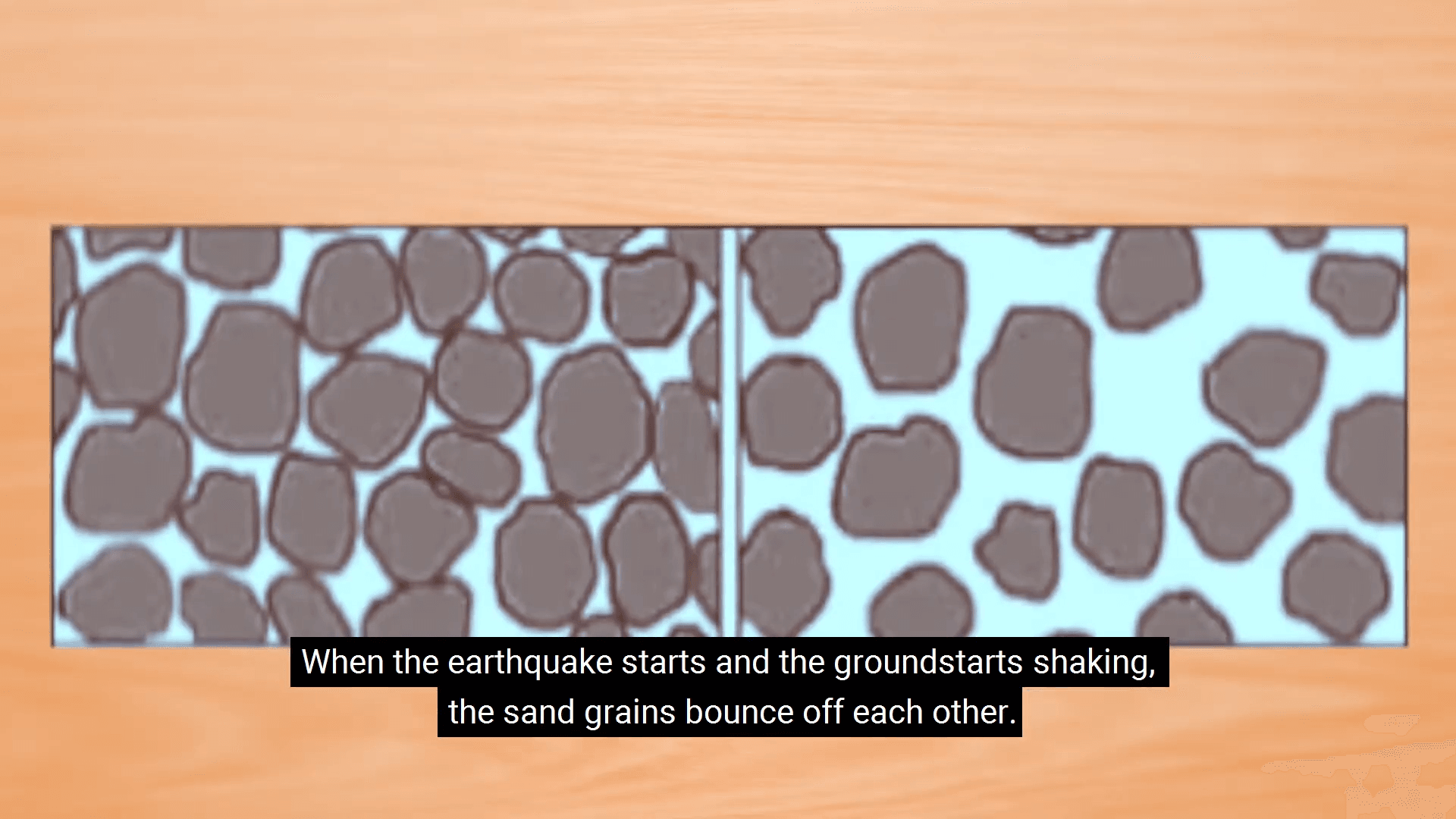
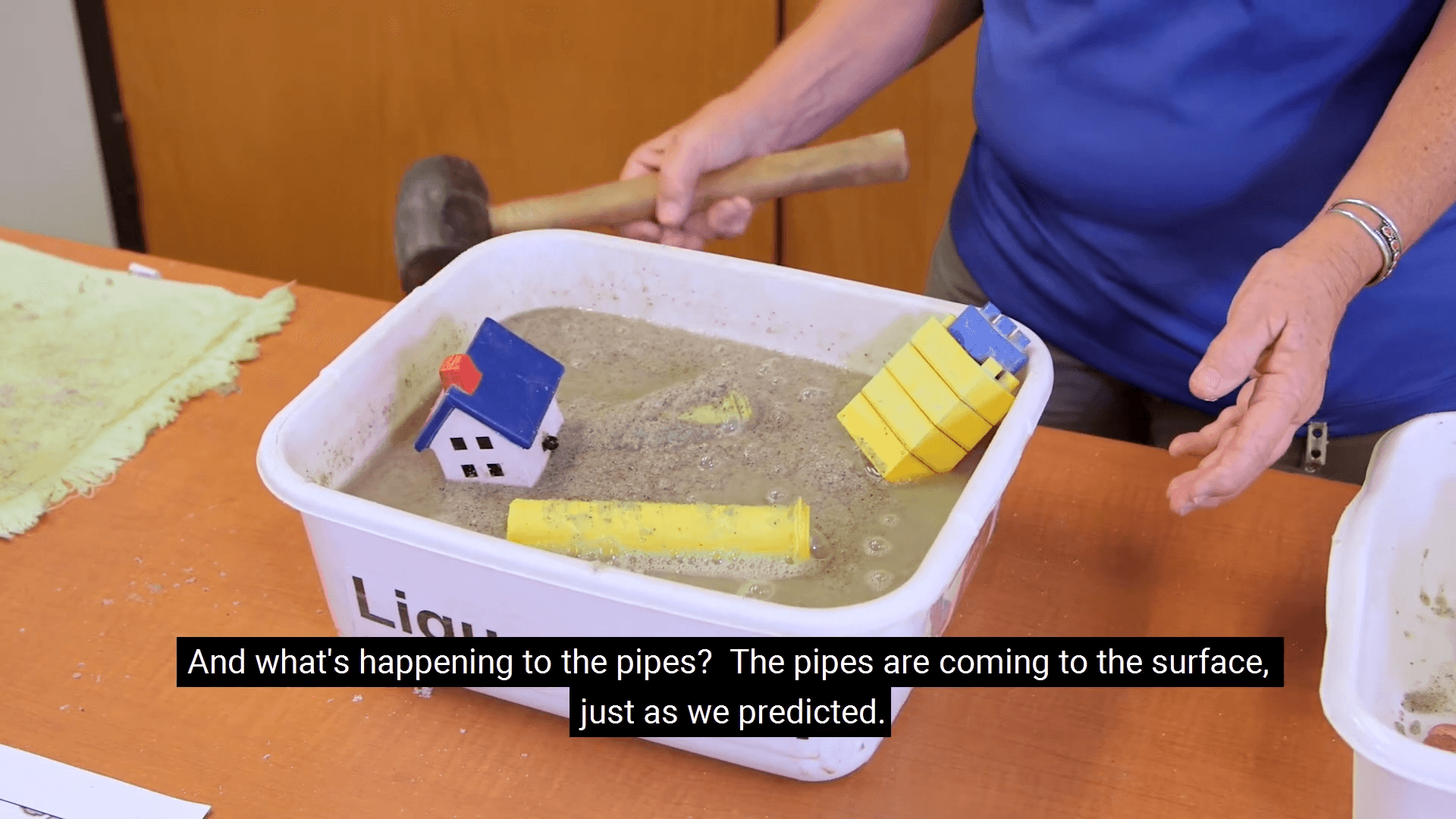
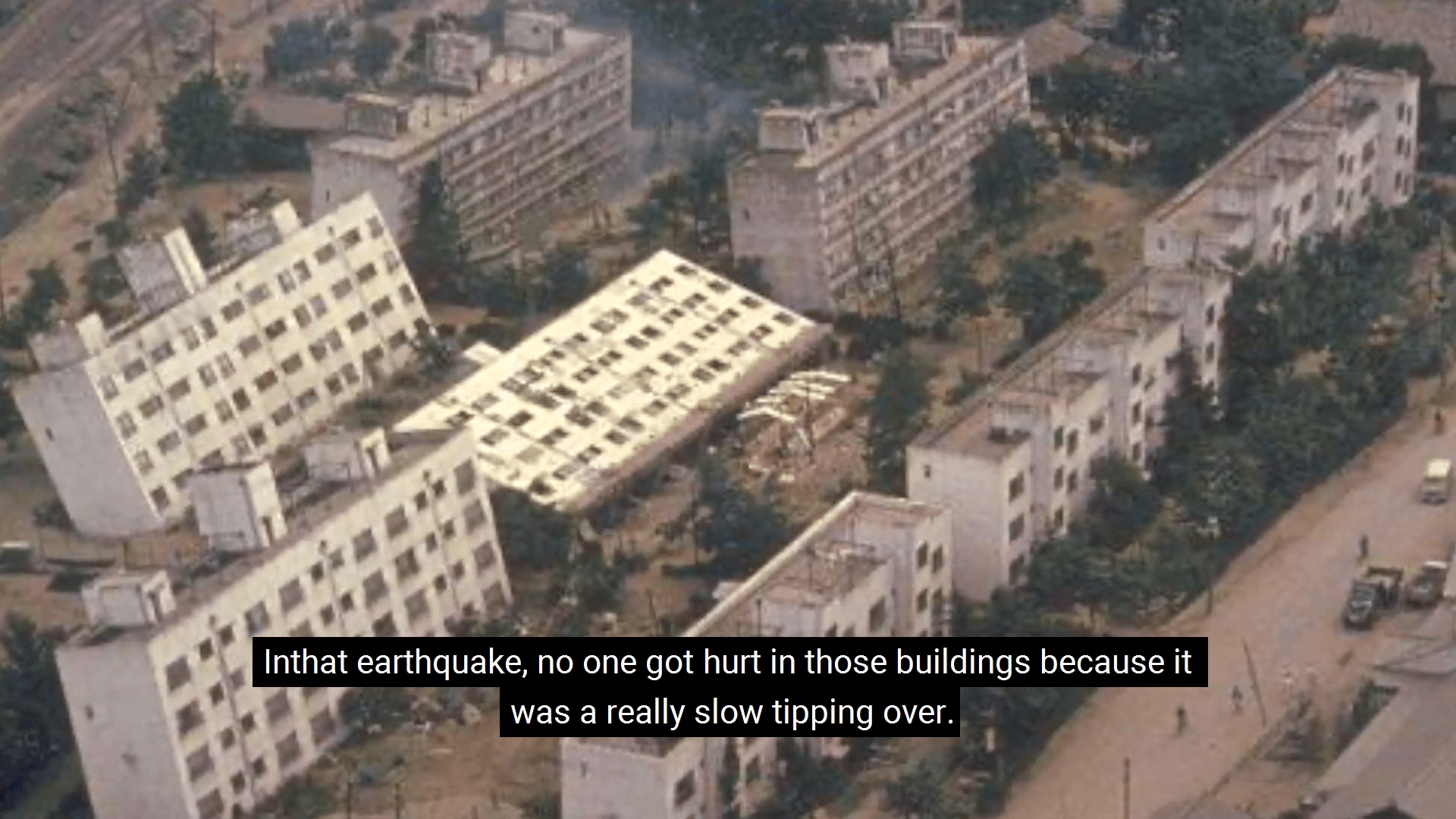
In an earthquake, sand and soil particles get jostled together, forcing any water between them up toward the surface. The result is liquefaction, a state where once-solid ground starts to behave much like a liquid. Buildings can tip over and pipelines get pushed toward the surface. In this video, a geologist shows off some great demonstrations of the effect, including ones that can be easily done in a classroom with younger kids. (Video credit: California Geological Survey)
Fediverse Reactions
-