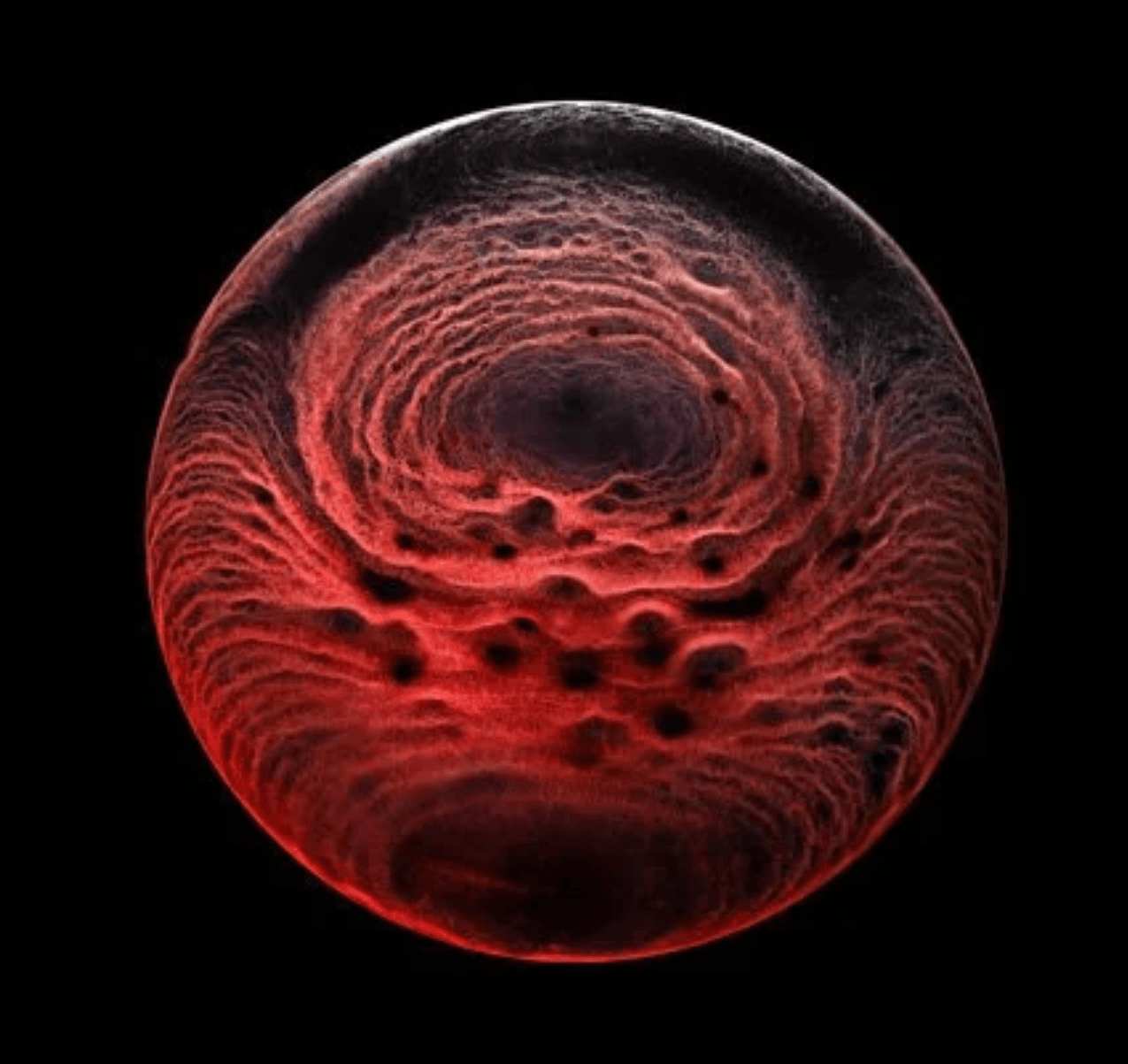
Photographer Ernie Button explores the stains left behind when various liquors evaporate. This one comes from a single malt scotch whisky by The Balvenie. The stain itself is made up of particles left behind when the alcohol and water in the whisky evaporate. The pattern itself depends on a careful interplay between surface tension, evaporation, pinning forces, and internal convection as the whisky puddle dries out. (Image credit: E. Button/CUPOTY; via Colossal)
Tag: fluid dynamics

How to Keep Water From Freezing


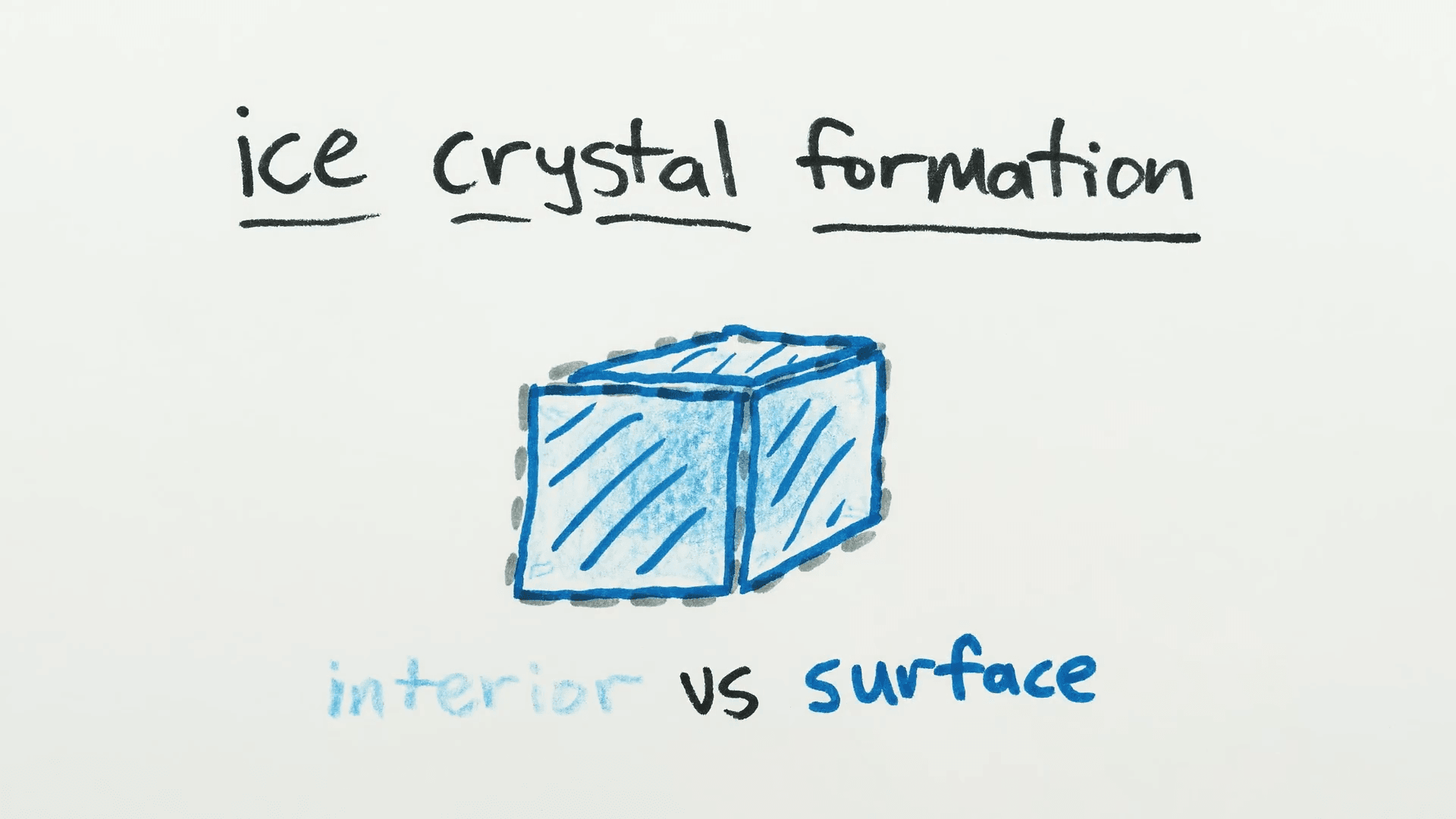

When supercooled, water can remain a liquid even below its freezing point. As explained in this Minute Physics video, this happens because of a tug-of-war between effects in the water. Generally speaking, having impurities in the water or smacking the bottle will shift that battle enough for freezing to win out. But it’s possible–theoretically, at least–to create a situation where supercooled water can never freeze. (Video and image credit: Minute Physics)
Fediverse Reactions
-

Deep Breaths Renew Lung Surfactants + A Special Announcement
Taking a deep breath may actually help you breathe easier, according to a new study. When we inhale, air fills our alveoli–tiny balloon-like compartments within our lungs. To make alveoli easier to open, they’re coated in a surfactant chemical produced by our lungs. Just as soap’s surfactant molecules squeezing between water molecules lowers the interface’s surface tension, our lung surfactants gather at the interface and lower the surface tension, making alveoli easier to inflate.
But things are a little more complicated in our lungs than in our kitchen sink because of our constant cycle of breathing, which stretches and compresses our lungs’ surfaces and surfactant layers. Imagine a flat interface, lined with surfactant molecules; then stretch it. As the interface stretches, gaps open between the surfactant molecules and allowing molecules from the interior of the liquid to push their way to the newly stretched interface, changing the surface tension. If the interface gets compressed, some of the excess molecules will get pushed back into the liquid bulk.
In looking at how lung surfactants respond to these cycles of compression and stretching, the researchers found that the lung liquid develops a microstructure during cycles of shallow breathing that makes the surface tension higher, thus making lungs harder to fill. In contrast, a deep breath like a sigh replenished the saturated lipids at the interface, lowering surface tension and making lungs more compliant. So a deep sigh actually can help you breathe easier. (Image credit: F. Møller; research credit: M.. Novaes-Silva et al.; via Gizmodo)


P.S. — I’ve got a book (chapter)! Several years ago, I joined an amazing group of women to write two books (one for middle grades and one for older audiences) about our journeys as scientists. And they are out now! In fact, today we’re holding a “Book Bomb” where we aim for as many of us as possible to buy the book(s) on the same day. If you’d like to join (and get ahead on your gift shopping), here are (affiliate) links:
- Persevere, Survive, and Thrive (including my story of becoming a science communicator): Amazon, Bookshop.org
- For All the Curious Girls: Amazon, Bookshop.org
Fediverse Reactions

Spores Get a Lift
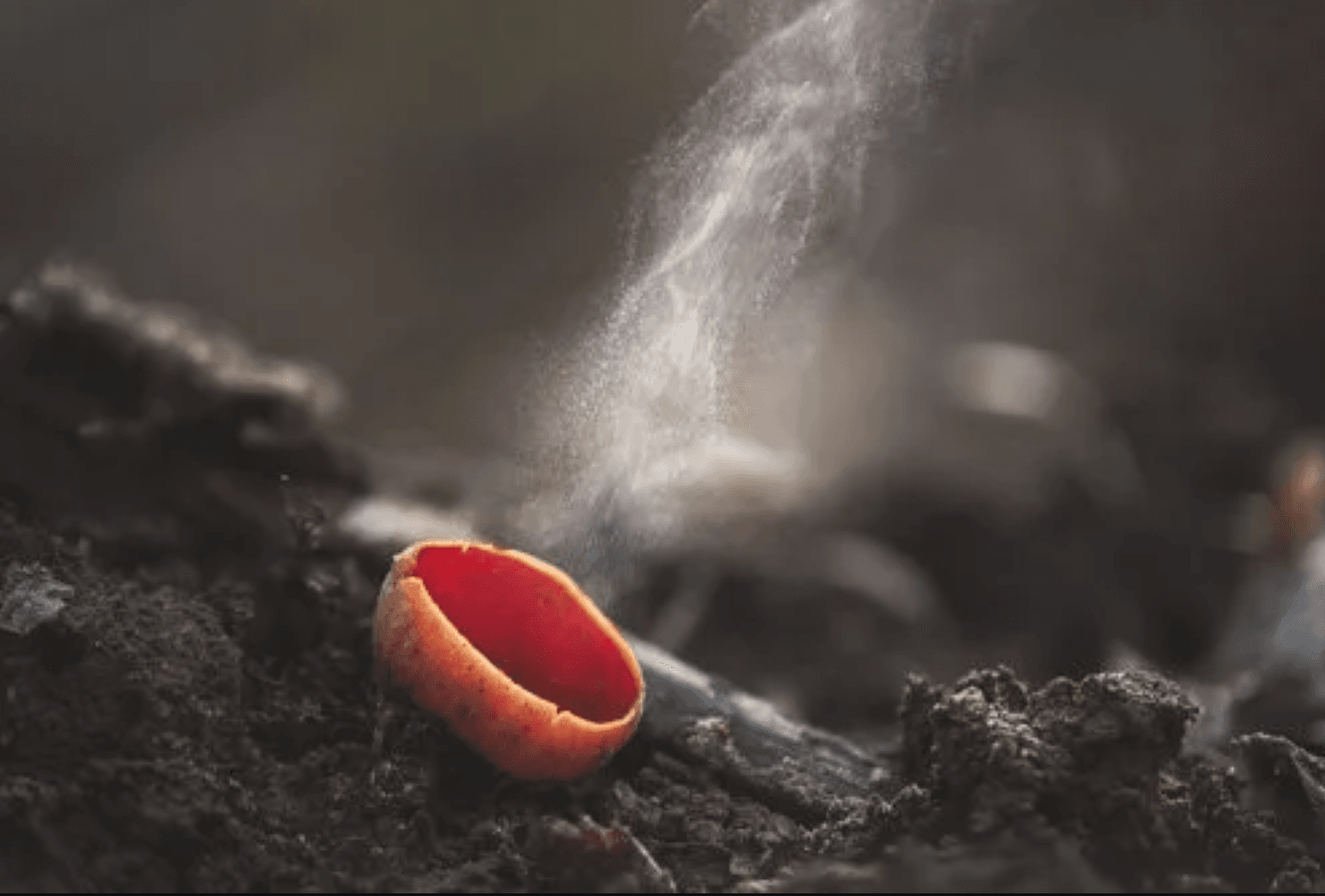
Mushrooms have the challenging task of dispersing spores, typically from heights no more than a few centimeters above the ground. At that altitude, viscosity and friction with the ground mean that air barely moves, if it does at all. And mushrooms rely on a wide range of methods, from explosive launches to rain assistance to making their own weather. Every one of these methods gives spores a lift in altitude to reach higher winds and greater dispersal. (Image credit: A. Bejczi/CUPOTY; via Colossal)
Fediverse Reactions
-

A Rough Day
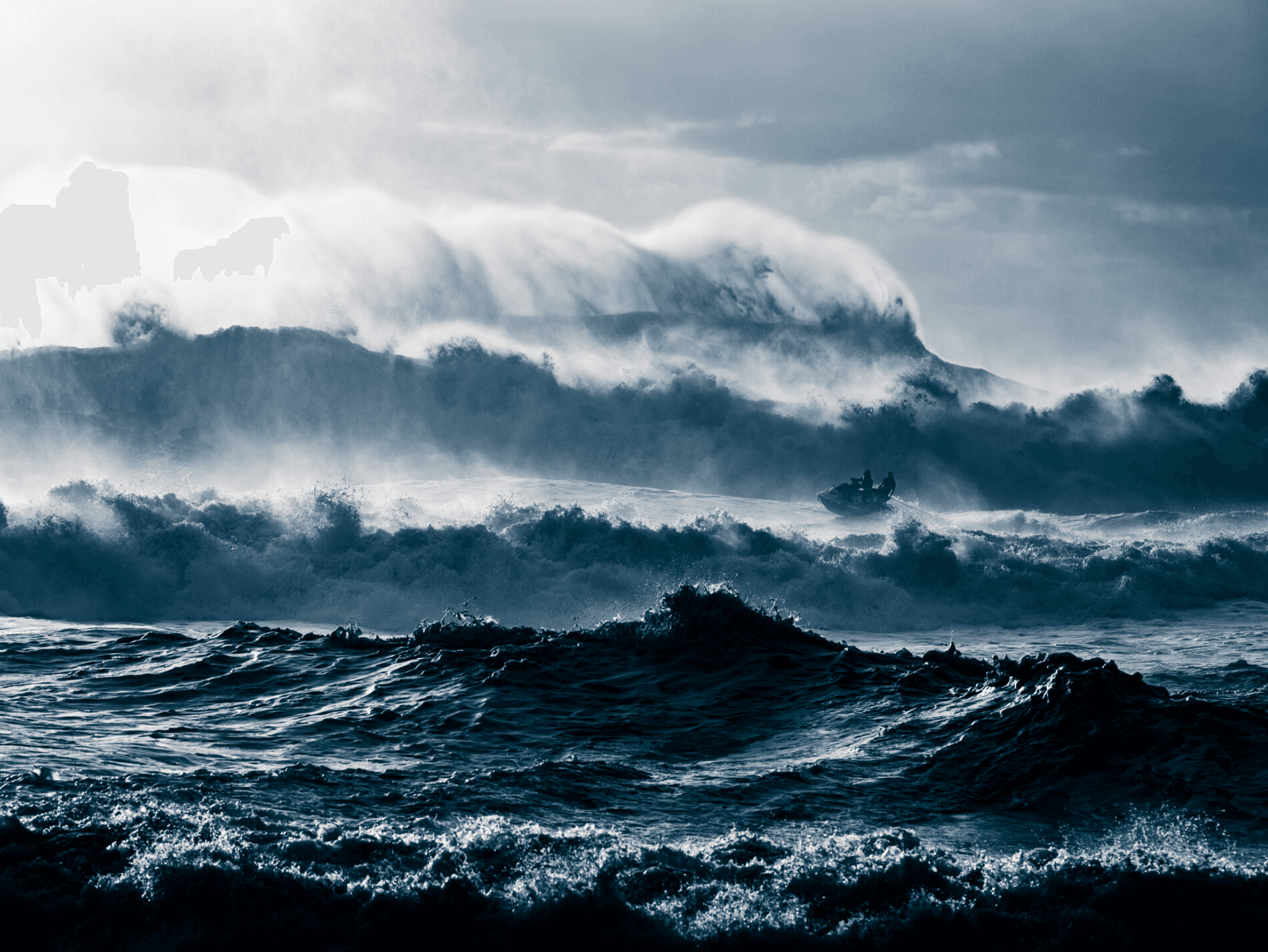
Winds from the north made for wild conditions at Nazaré in Portugal. Photographer Ben Thouard caught these crashing waves in the late afternoon, when the low sun angle illuminated the spray of the surf. Every year teratons of salt and biomass move from the ocean to the atmosphere, much of it through turbulent wave action driven by the wind. Here, the wind rips droplets off of wave crests, but smaller droplets reach the atmosphere when bubbles–trapped underwater by crashing waves–reach the surface and burst. (Image credit: B. Thouard/OPOTY; via Colossal)
Fediverse Reactions
-

Wobbling Plasma Could Help Planets Grow
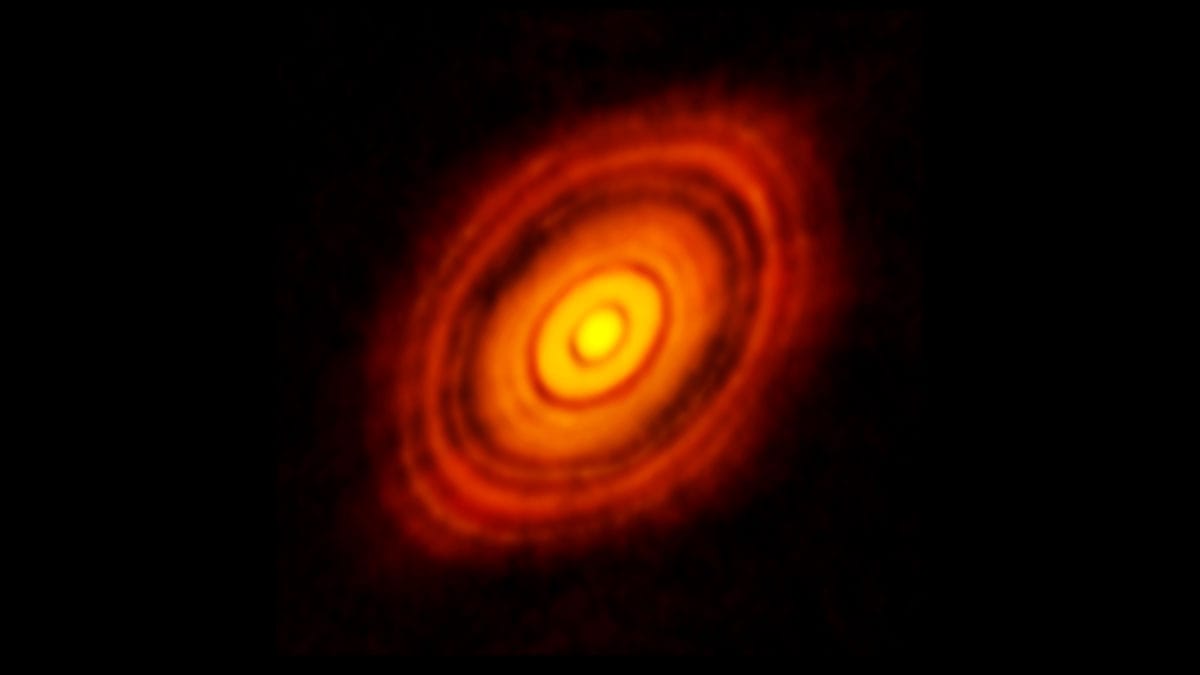
To form planets, the dust and gas around a star has to start clumping up. While there are many theories as to how this could happen, it’s a difficult process to observe. A recent study shows that a magnetorotational (MR) instability could do the job.
The team used a Taylor-Couette set-up (where an inner cylinder rotates inside an outer cylinder) filled with a liquid metal alloy. With the cylinders moving relative to one another at over 2,000 rotations per minute, the team measured how the magnetic field changed in the churning fluid. Parts of the liquid metal formed free shear layers, and within these, the MR instability occurred, causing some regions to slow down and others to speed up.
The experiments suggest that triggering a MR instability is easier to achieve than once thought, which supports the possibility that it occurs in protoplanetary disks, helping to drive dust together into planets. (Image credit: ALMA/ESO/NAOJ/NRAO; research credit: Y. Wang et al.; via Eos)
Fediverse Reactions
-
Draining Topography is Hard
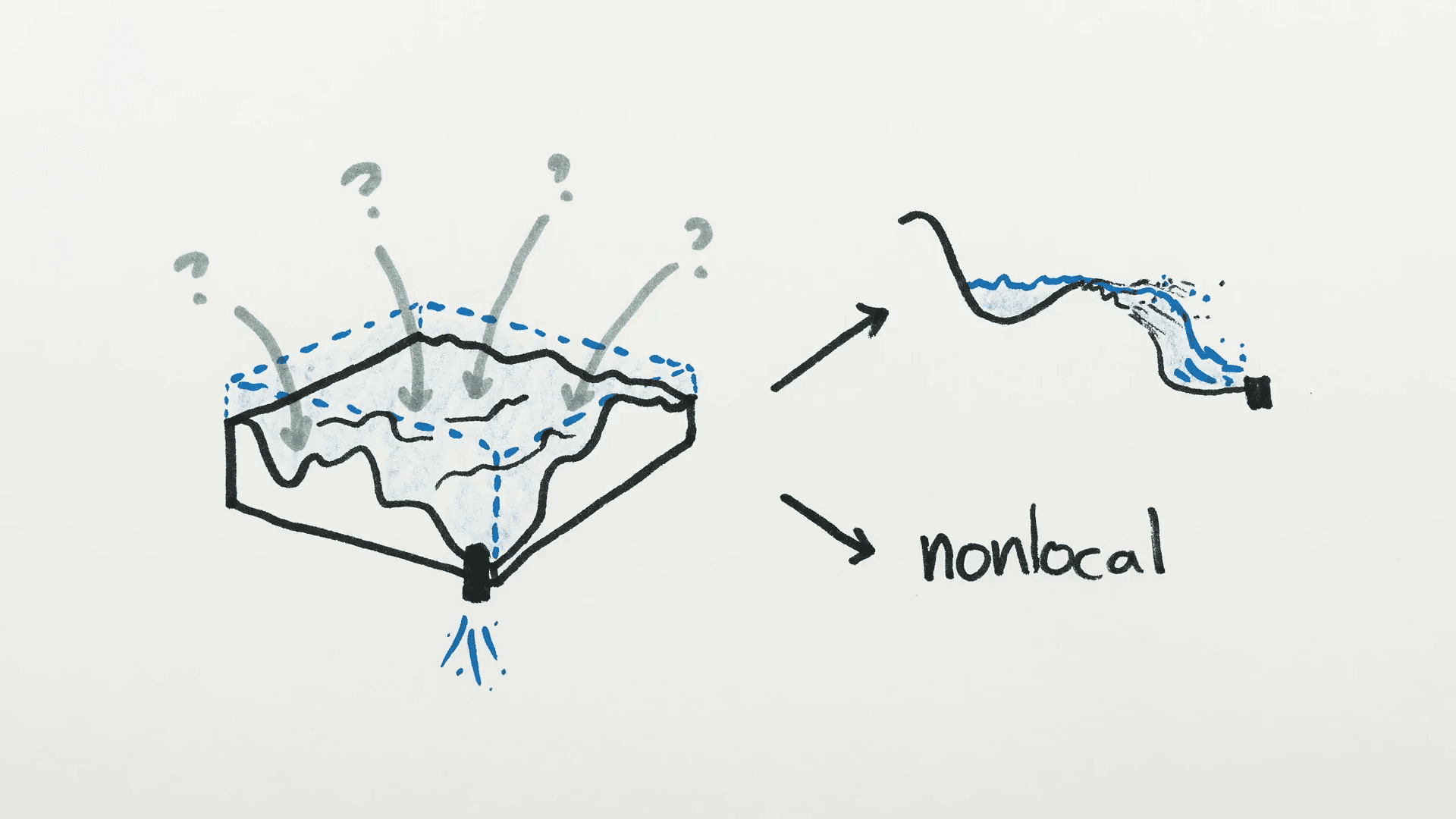
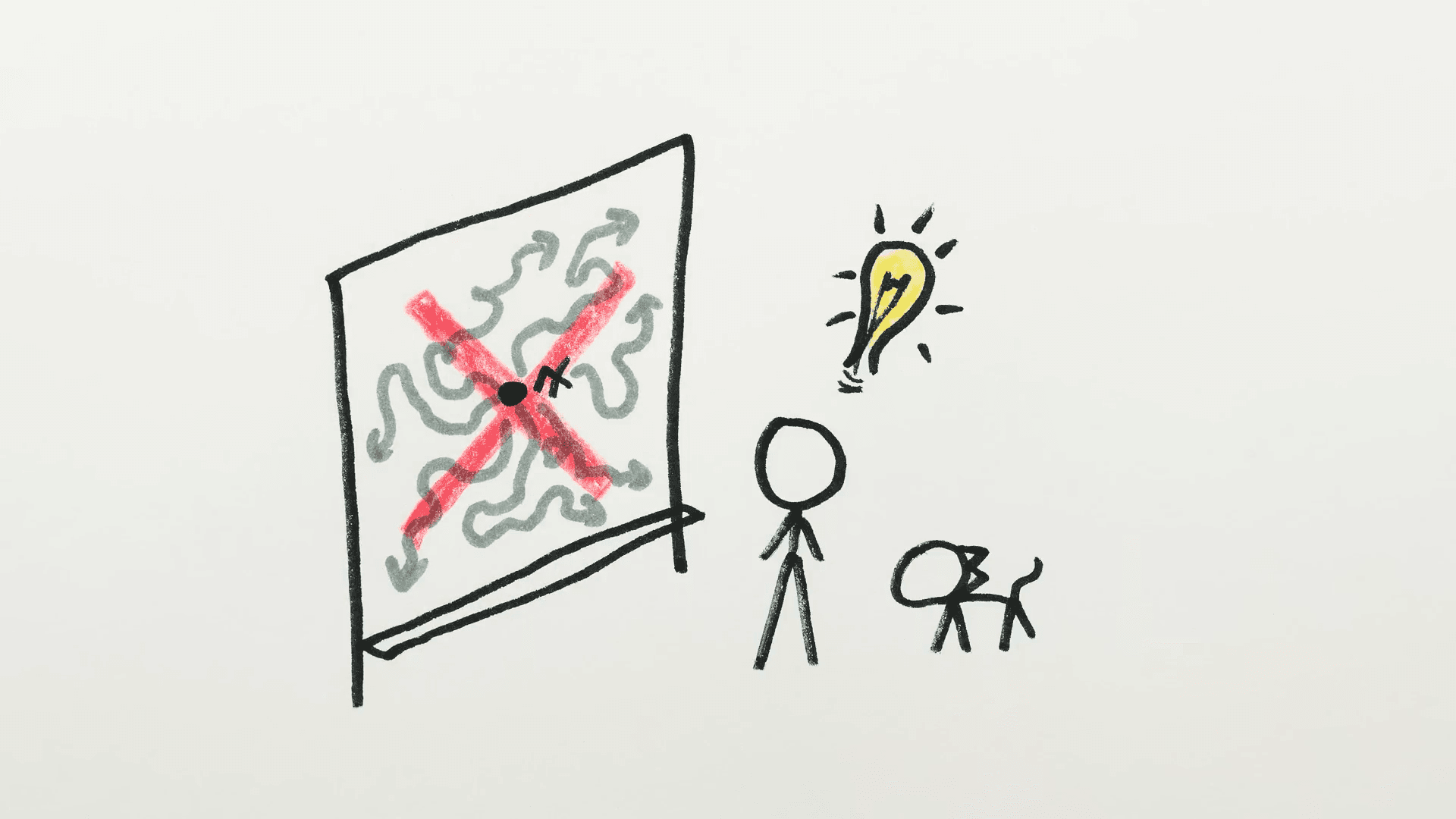
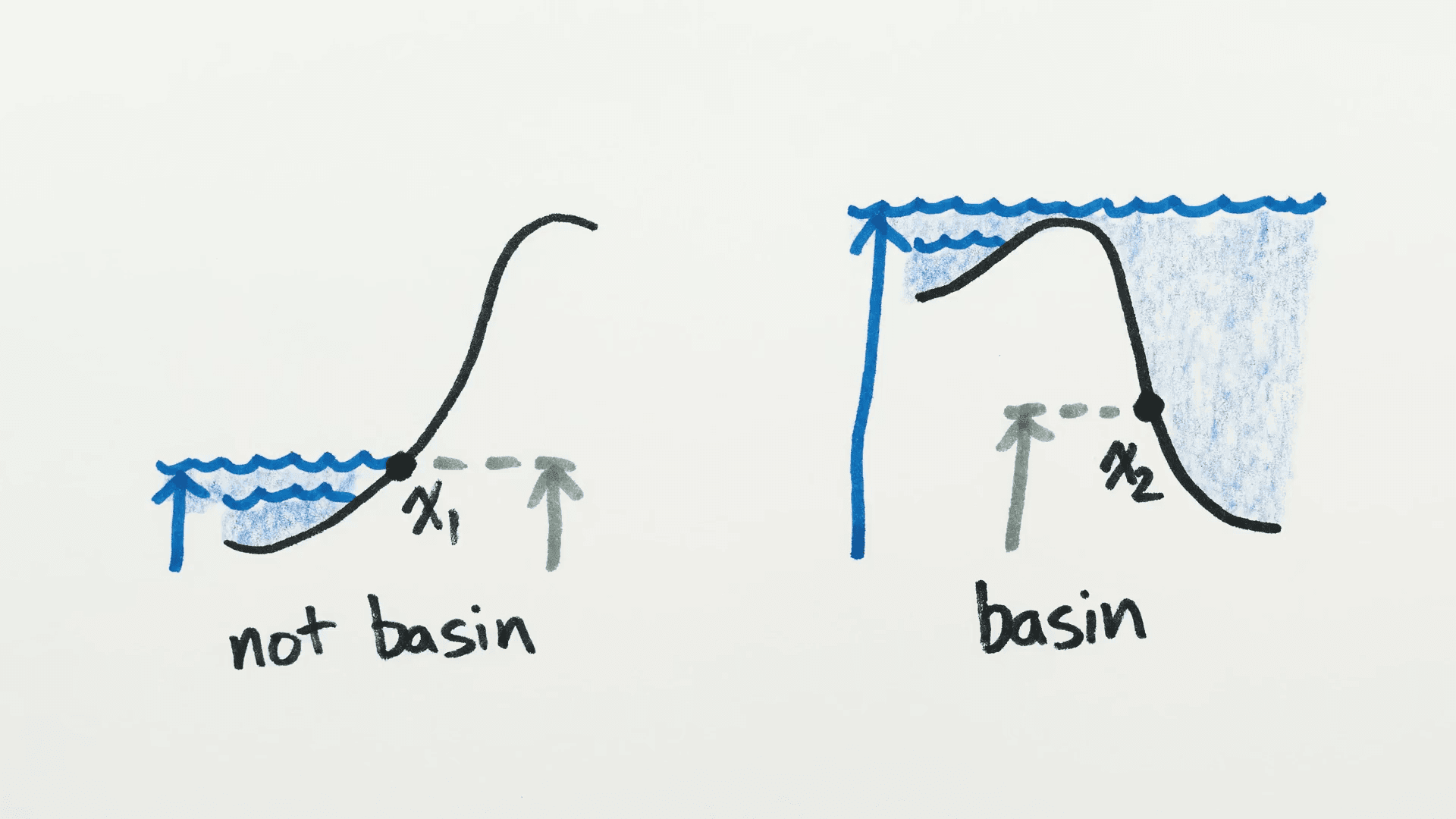
At first glance, draining an ocean seems simple like a simple problem: just put a drain at the lowest point. But, as shown in this Minute Physics video, the problem is harder than it sounds because drainage depends not just on a point’s elevation but also on the path that leads to the drain. Fortunately, Henry has some clever methods for figuring out which areas would drain and how. (Video and image credit: Minute Physics)
Fediverse Reactions
-

Wave Energy Through the Meniscus
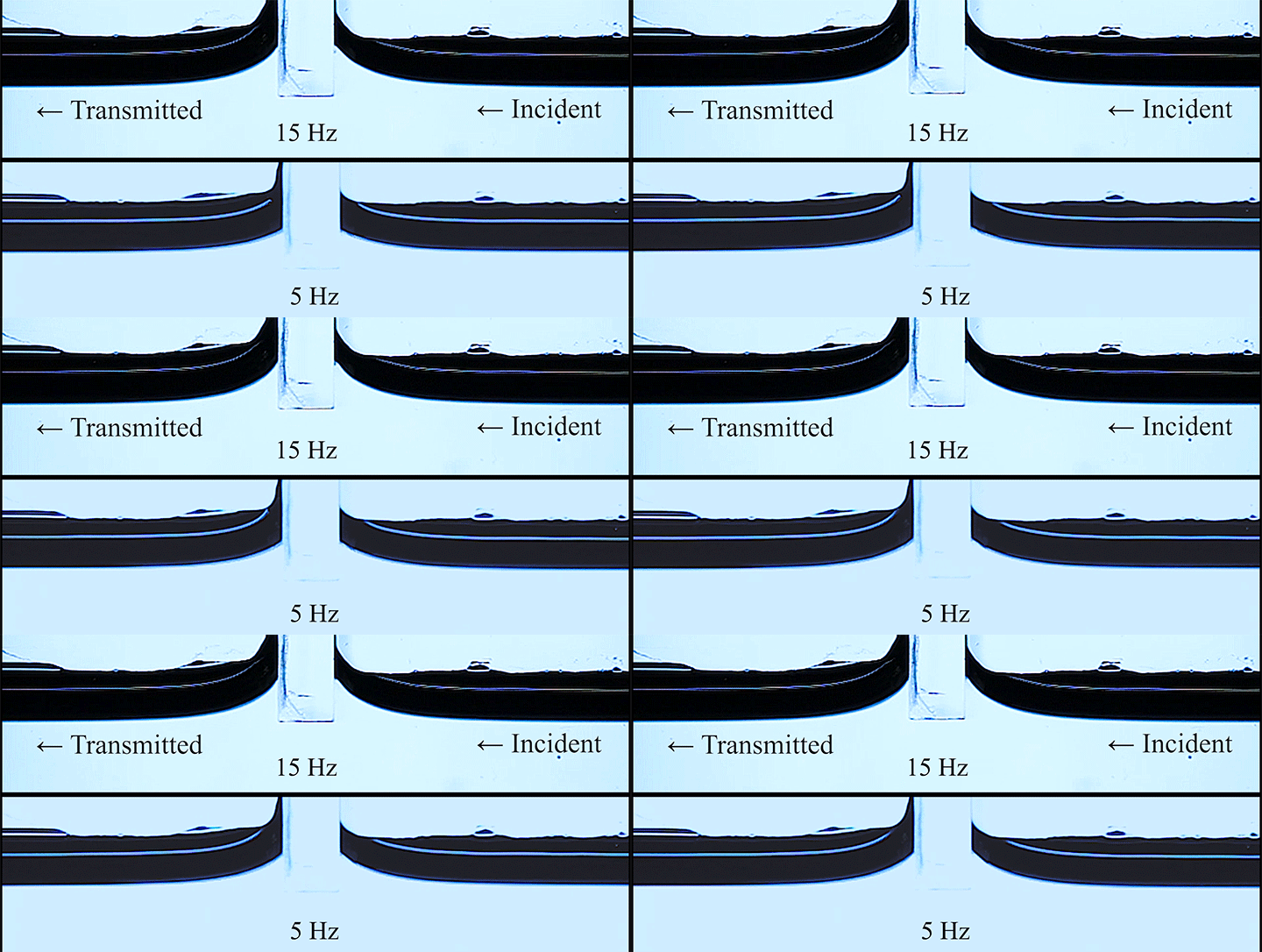
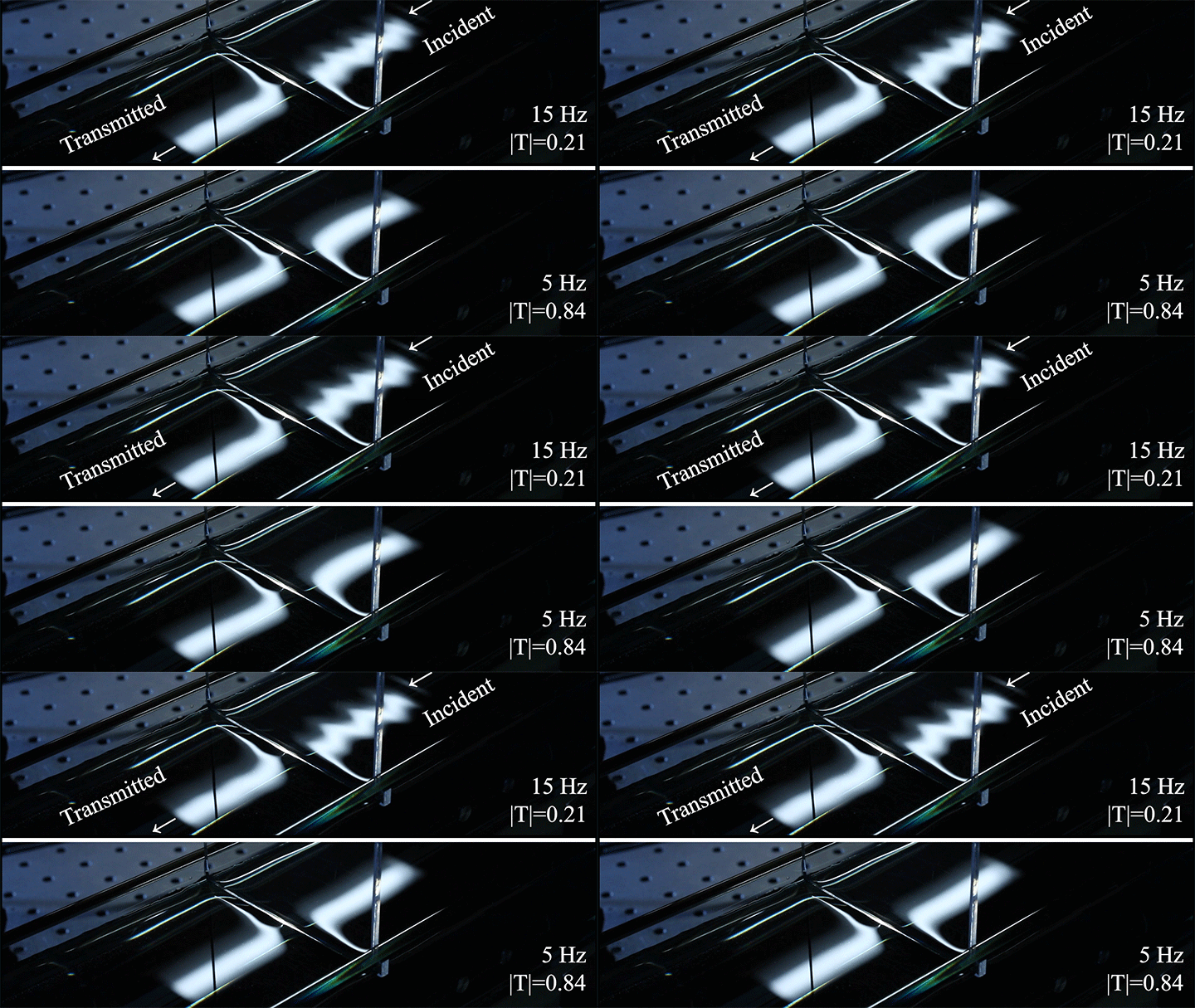
Even small changes to a meniscus can change how much wave energy passes through it. A new study systemically tests how meniscus size and shape affects the transmission of incoming waves.
As seen above, the meniscus was formed on a suspended barrier. By changing the barrier size and wettability as well as the characteristics of incoming waves, researchers were able to map out how the meniscus affected waves that made it past the barrier.

In particular, they found that drawing the meniscus upward by raising the barrier would, at first, enhance wave transmission but then suppressed wave energy as the barrier moved higher. They attributed the change in behavior to an interplay between water column height and meniscus inclination. (Research and image credit: Z. Wang et al.; via Physics World)
Fediverse Reactions
-

Fluids at the Angstrom-Scale
We spend our lives dealing with fluids at a scale where the motion of individual molecules is beneath our notice. There’s no reason to track every molecule of water moving through a municipal pipe; it’s effectively impossible, anyhow! But once you are dealing with pipes that are small enough–below about 1 nanometer in diameter–fluids have to be considered molecule-by-molecule. At this scale, so-called angstrofluidics behave very differently.
Intuition suggests that flow through such tiny channels would be extremely slow, however researchers have observed protein channels that allow a single water molecule through at a time while still processing a billion molecules each second. Combine this throughput with charged channel walls that can sort molecules by polarity, and angstrofluidics offers the possibility for unprecedented control for filtering, desalination, and drug testing. (Image credit: T. Miroshnichenko; see also R. Boya et al.)
Fediverse Reactions
-

A Gentoo Flotilla
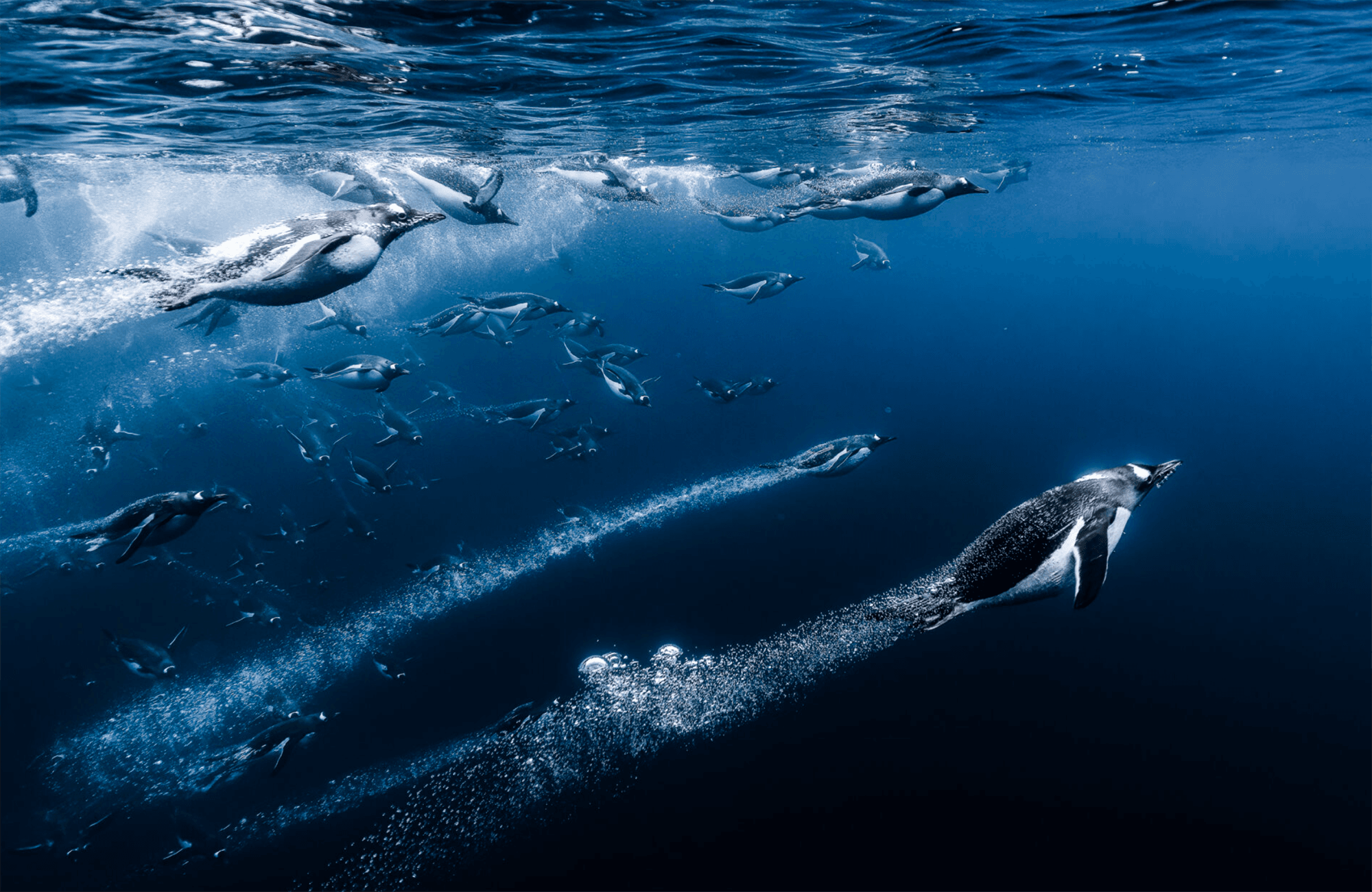
If you’re used to seeing penguins on land, their speed and grace in the water can surprise. Penguins are even capable of extra bursts of speed through supercavitation. They trap air beneath their feathers and then release it underwater when they need to move faster. Their coating of bubbles reduces their drag and gives them the extra speed to help escape predators like leopard seals. (Image credit: R. Barats/OPOTY; via Colossal)
Fediverse Reactions
-