Tag: flow visualization

  • Featured Video Play Icon

    Leaves Dance in the Wind

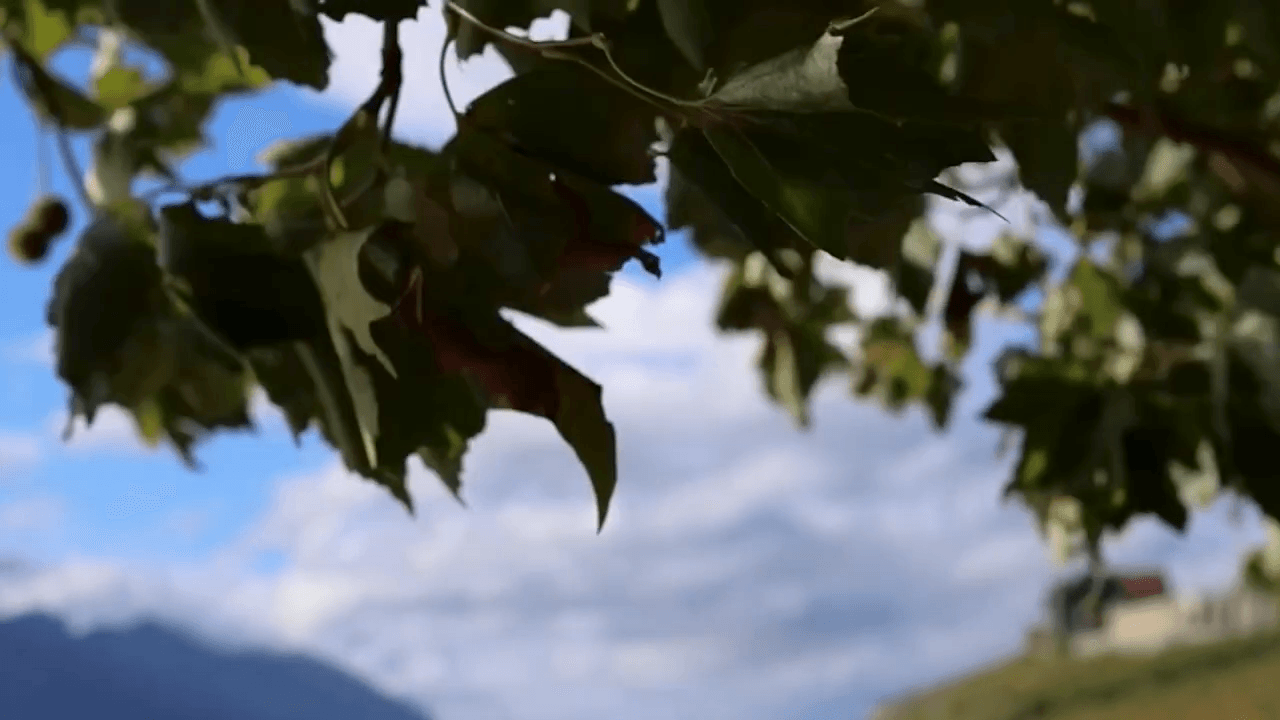
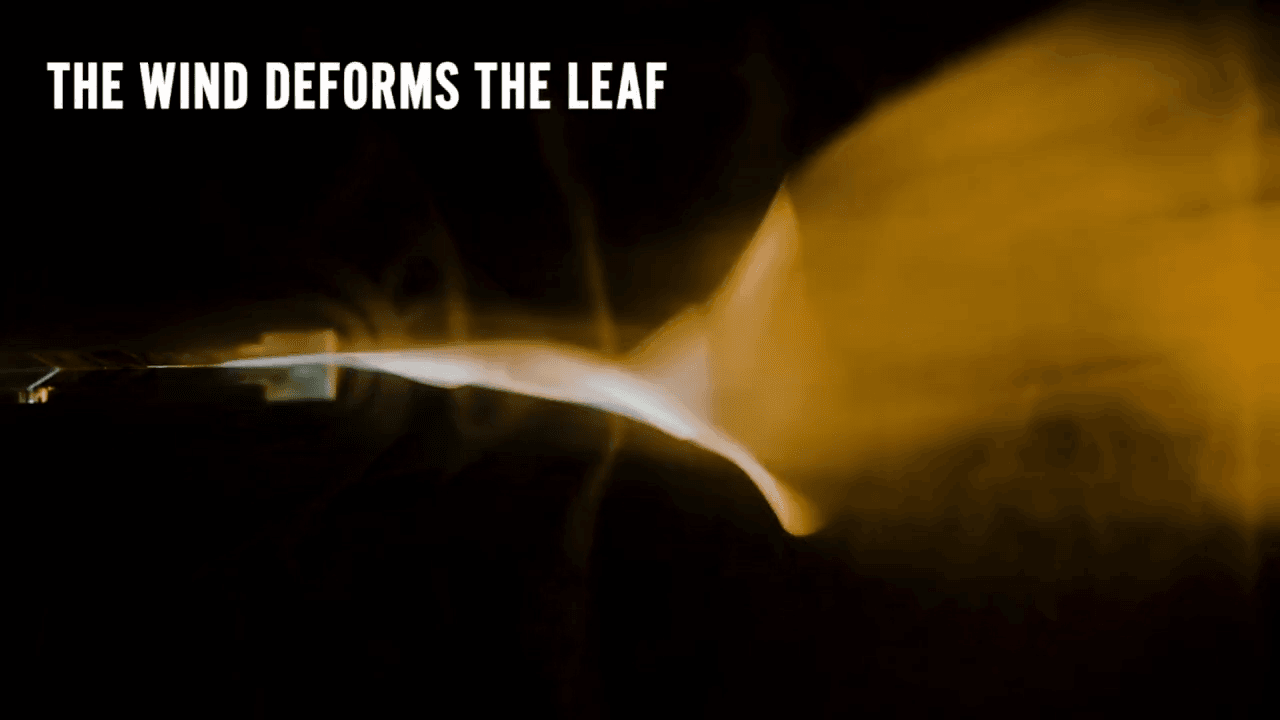
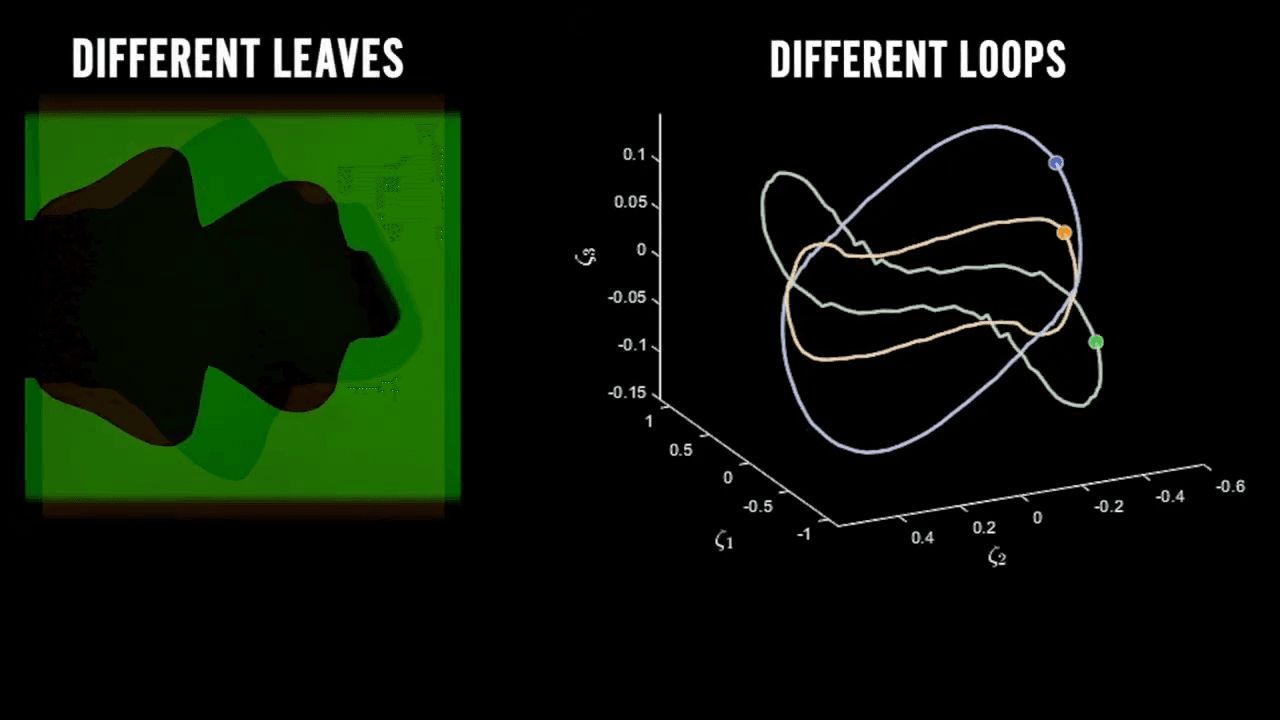
    Once a breeze kicks up, leaves on a tree start dancing. Every tree’s leaves have their own shapes, some of which appear very different from other trees. But their dances have patterns, as this video shows. In it, researchers explore how leaves of different shapes deform in the wind and how they can decompose that motion to compare across leaves. (Video and image credit: K. Mulleners et al.; via GFM)

    Fediverse Reactions
  • Featured Video Play Icon

    Marangoni Bursting With Surfactants

    A few years ago, researchers described how an alcohol-water droplet atop an oil bath could pull itself apart through surface tension forces. Dubbed Marangoni bursting, this phenomena has shown up several times since. Here, researchers explore a twist on the behavior by adding surfactants to see how they affect the bursting phenomenon. (Video and image credit: K. Wu and H. Stone; via GFM)

    Fediverse Reactions
  • Chlorophyll Eddies

    Chlorophyll Eddies

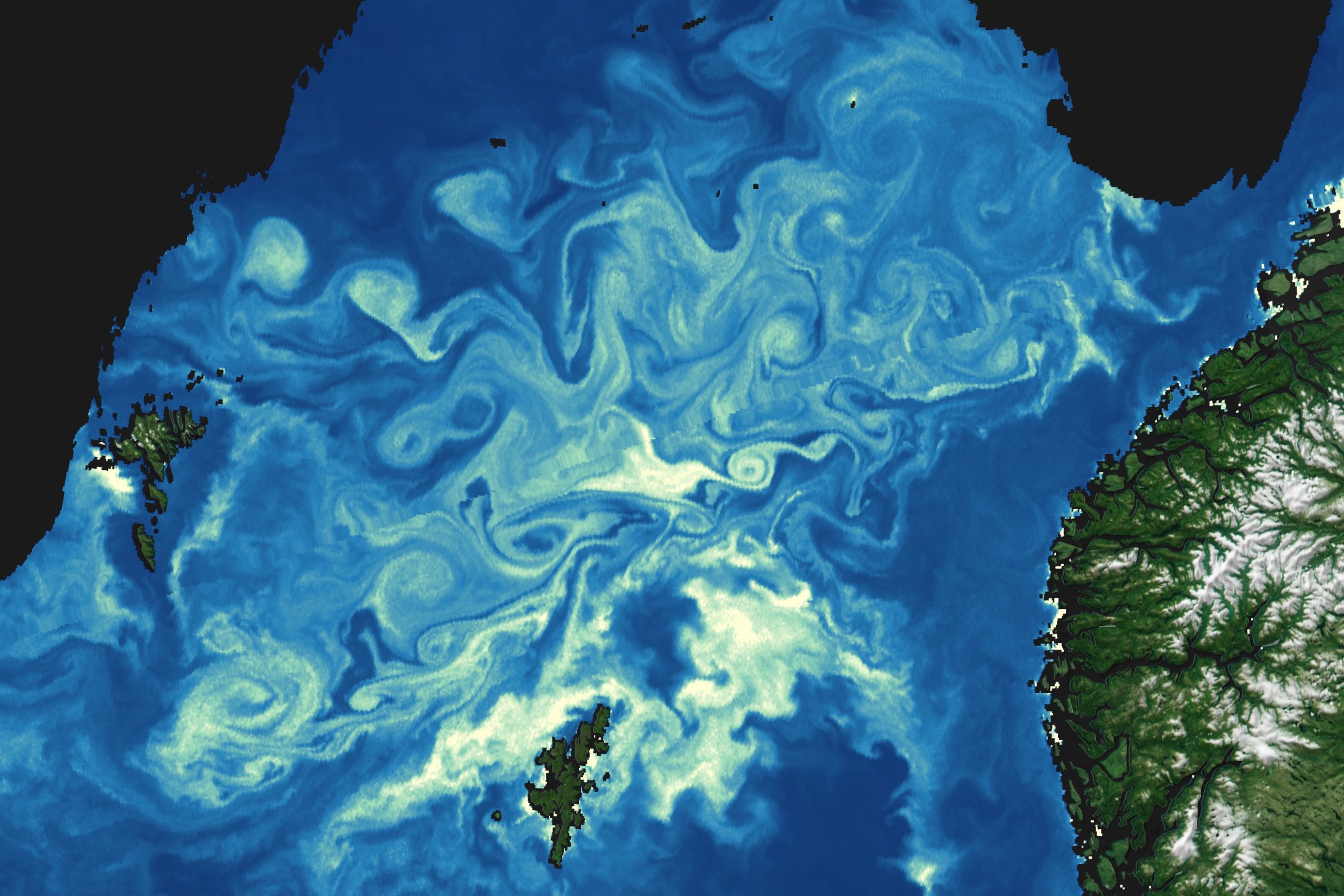
    Instruments aboard NASA’s PACE mission are able to distinguish far more about phytoplankton blooms than previous satellites. This image shows chlorophyll concentrations in the Norwegian Sea in July 2025. Chlorophyll acts as a proxy for phytoplankton, which produce the chemical as they process sunlight into food and oxygen.

    Despite their microscopic size, phytoplankton have enormous collective effects. Scientists estimate that phytoplankton produce as much as half of the Earth’s oxygen in addition to helping transport carbon dioxide from the atmosphere into the deep ocean. They are also the foundation of the marine food web, feeding nearly all life in the ocean. (Image credit: W. Liang; via NASA Earth Observatory)

    Fediverse Reactions
  • Featured Video Play Icon

    “Magnetic Vortex”

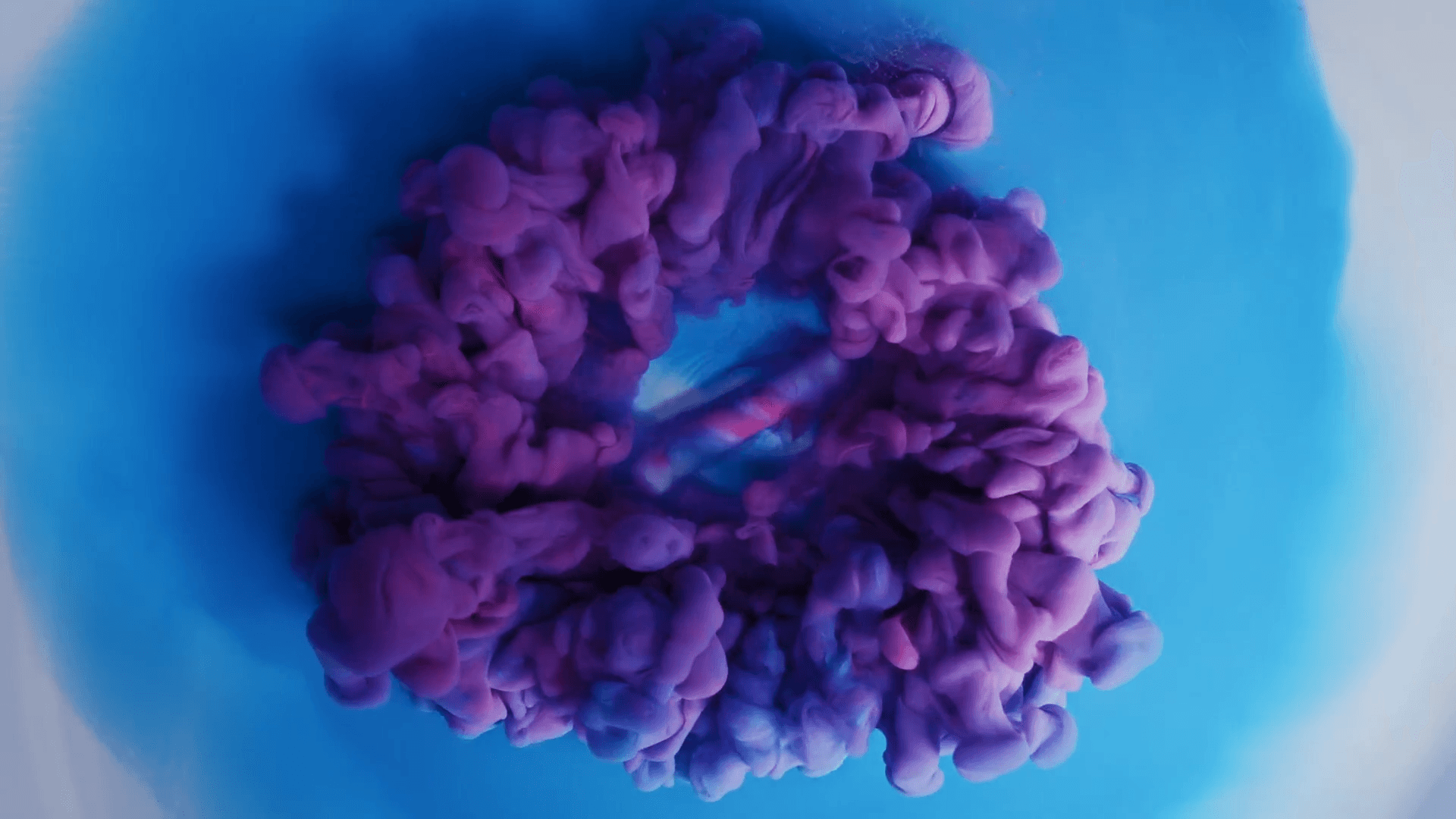
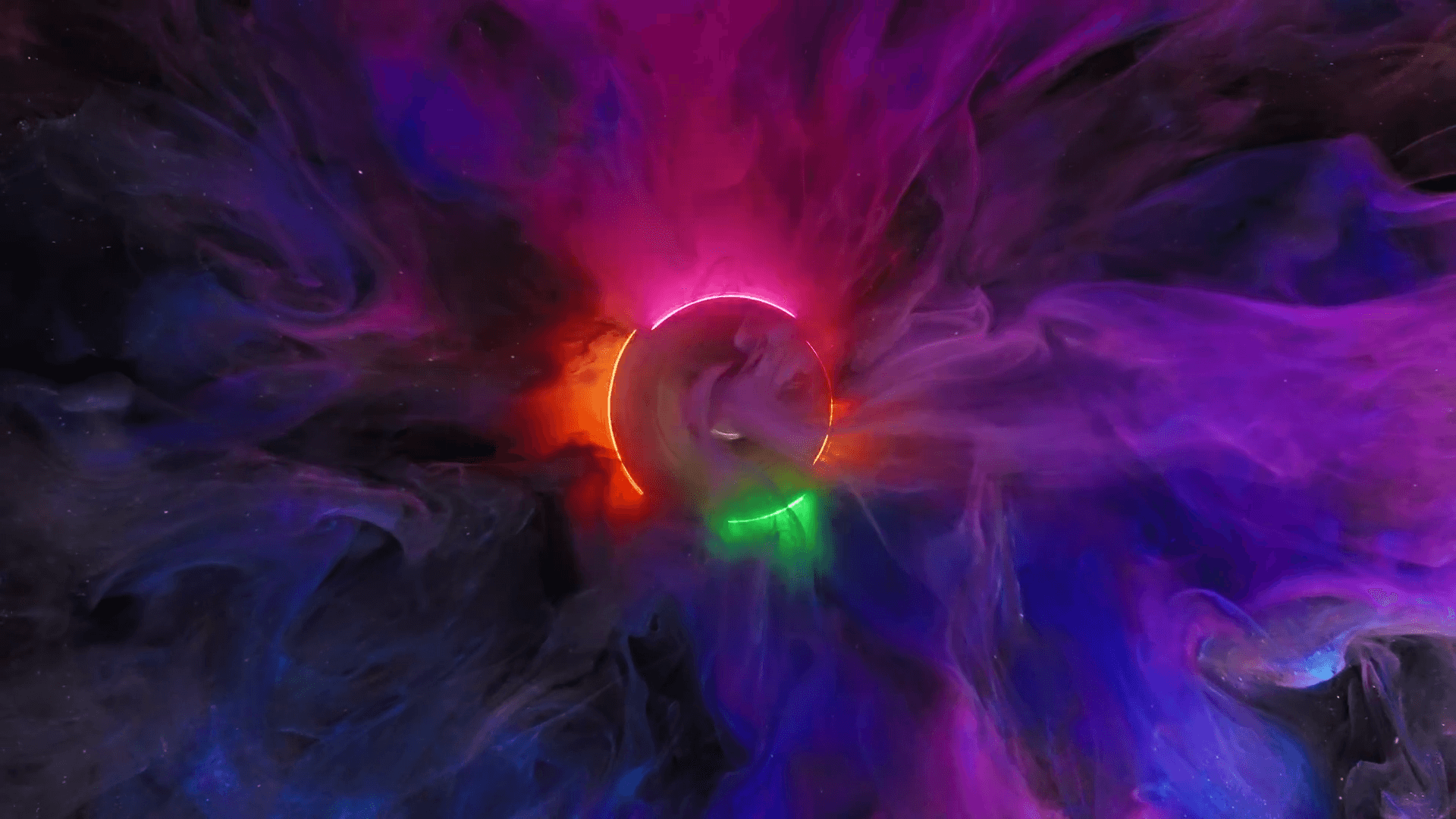
    The Macro room team is back with a video featuring their signature colorful cleverness. This time they’re using a magnetic stirrer to swirl up some mesmerizing flows. It’s well worth a watch. (Video and image credit: Macro Room)

    Fediverse Reactions
  • Featured Video Play Icon

    Entraining Bubbles

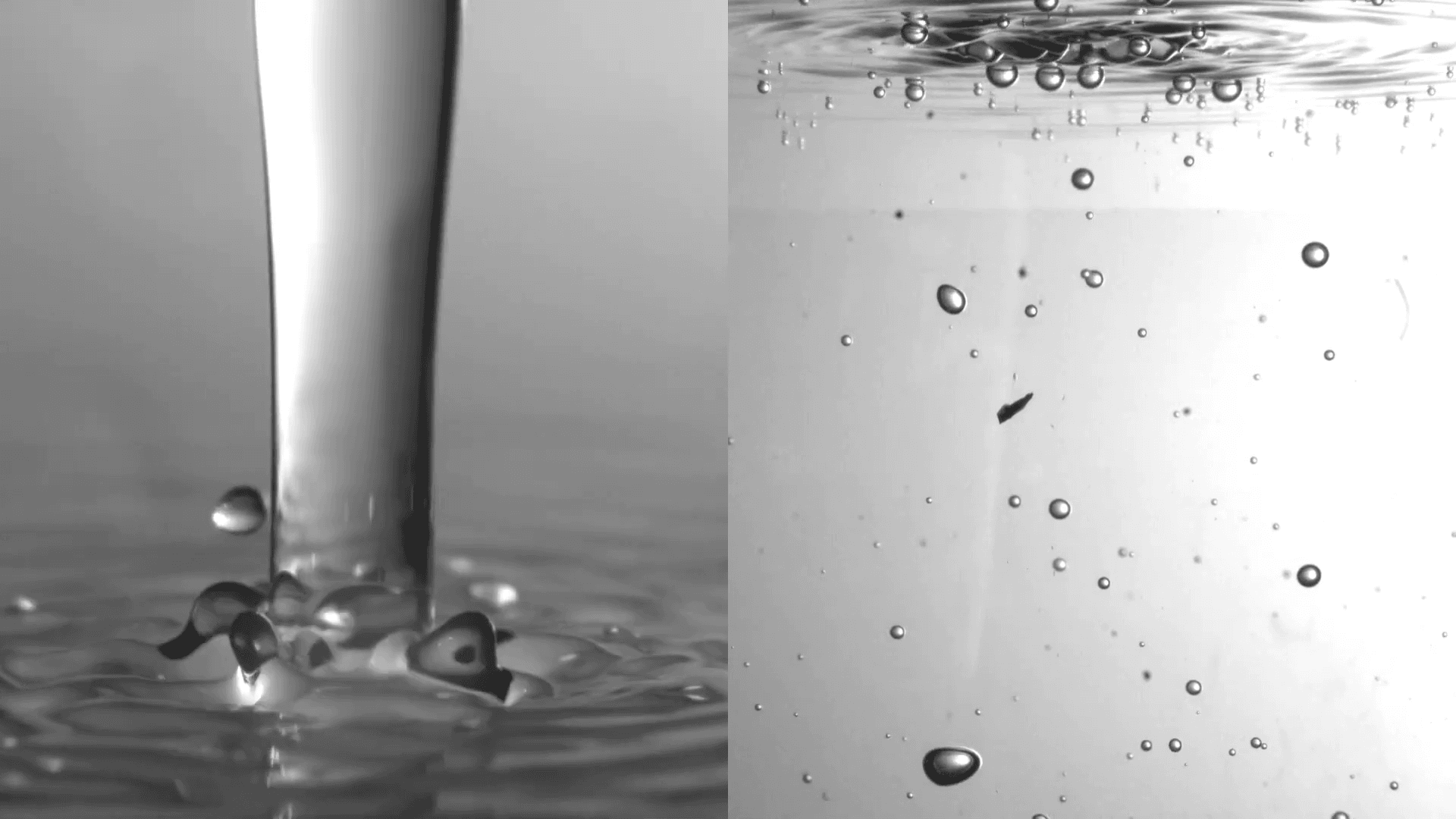
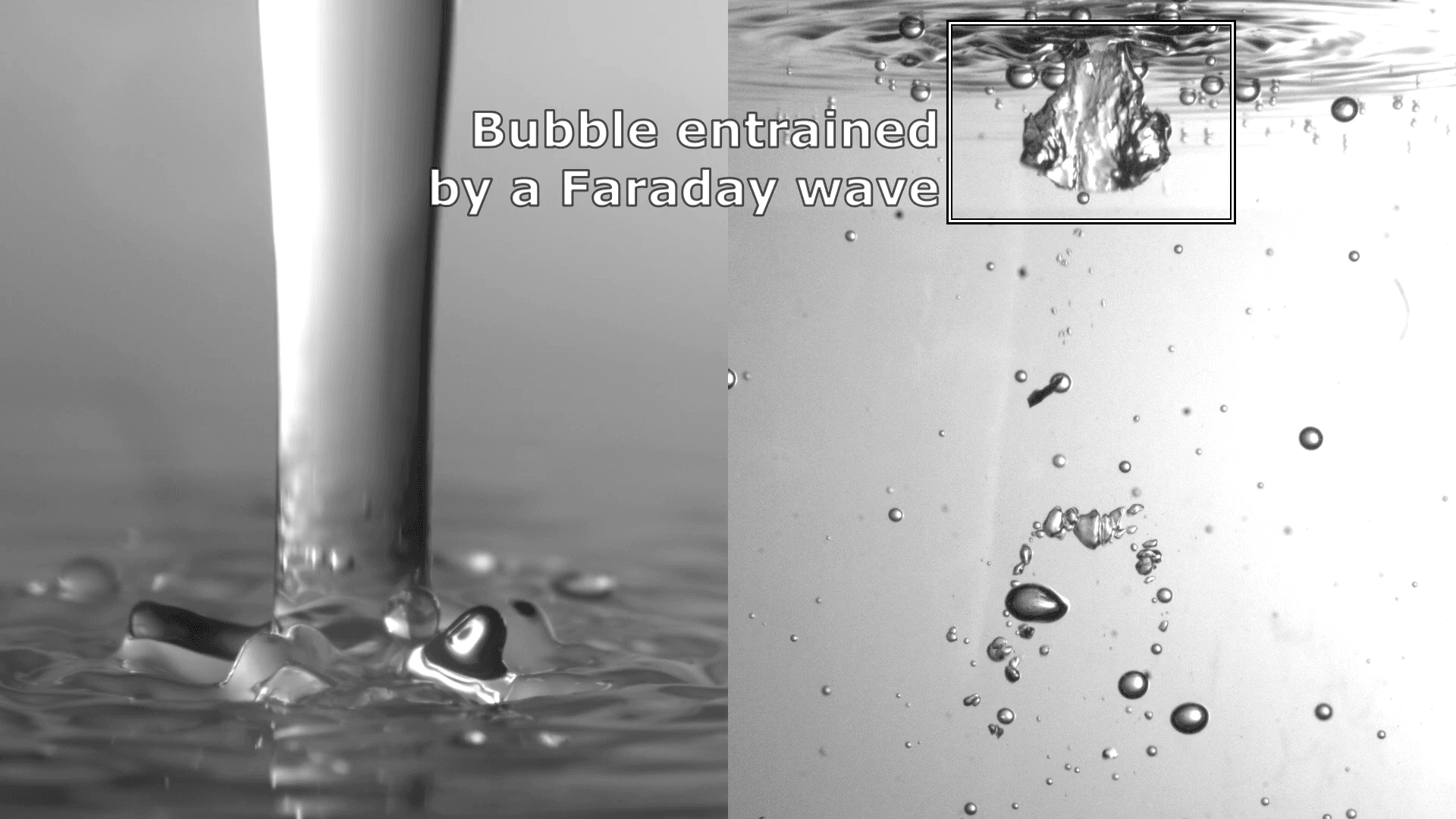
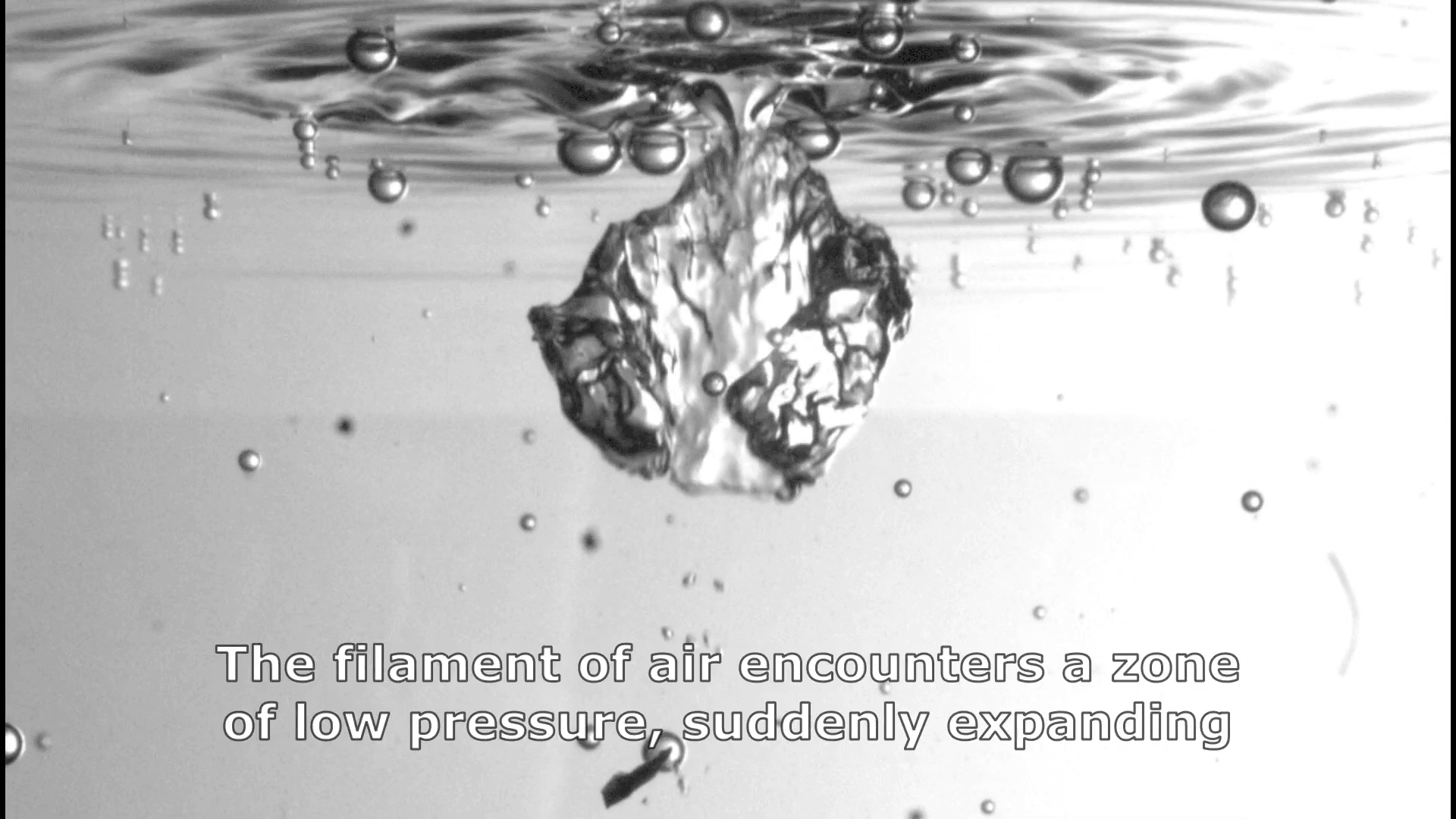
    Every time I fill a glass at my refrigerator, I watch how the falling jet creates a cloud of bubbles. The bubbles form when the impacting water jet pulls air in with it, though, as this video shows, the exact origins can vary. Here, researchers take a closer, slowed-down look at the situation; they connect disturbances in the jet and waves at its base to the entrained bubbles that form. (Video and image credit: S. Relph and K. Kiger)

    Fediverse Reactions
  • A Gentoo Flotilla

    A Gentoo Flotilla

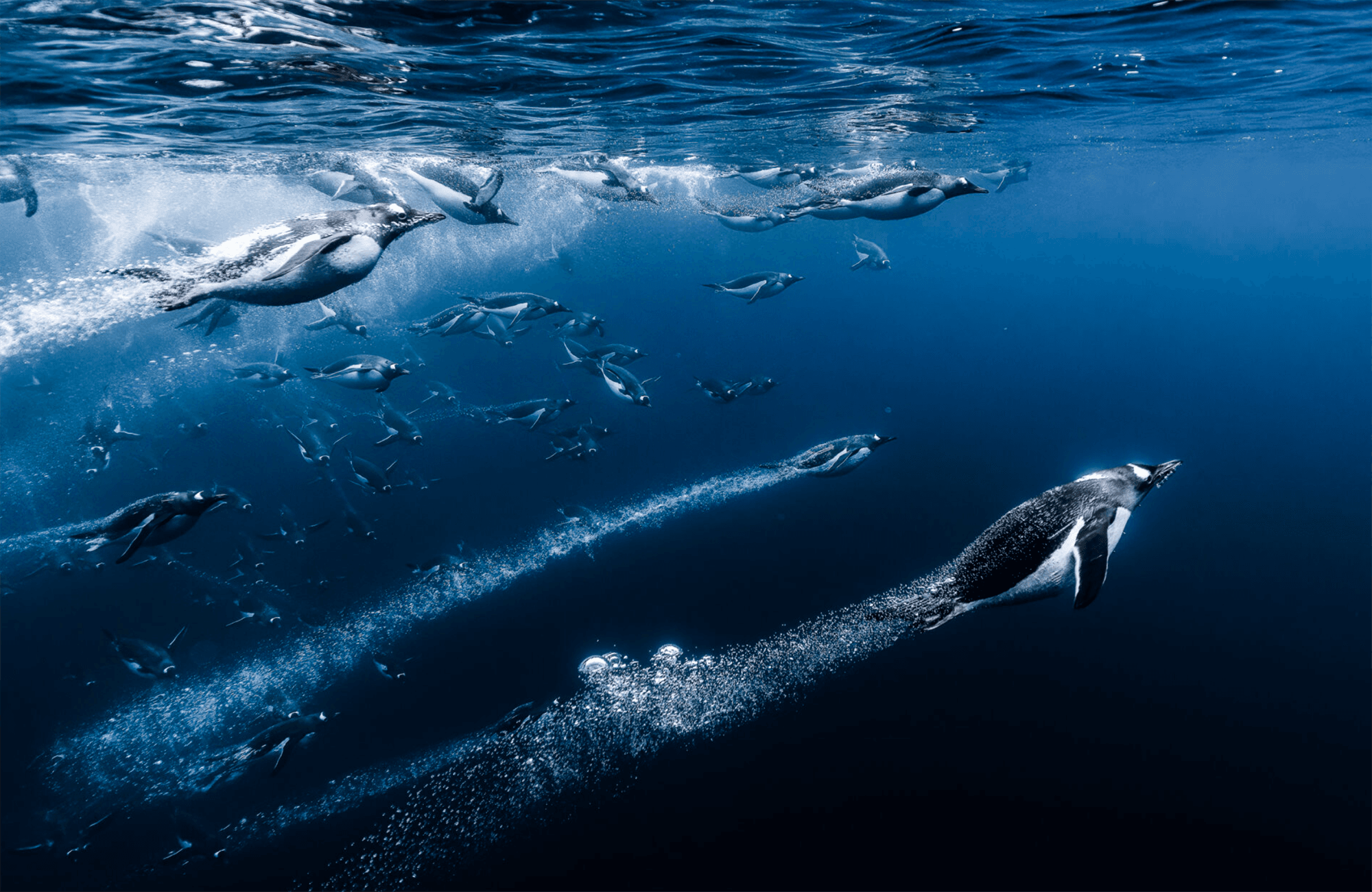
    If you’re used to seeing penguins on land, their speed and grace in the water can surprise. Penguins are even capable of extra bursts of speed through supercavitation. They trap air beneath their feathers and then release it underwater when they need to move faster. Their coating of bubbles reduces their drag and gives them the extra speed to help escape predators like leopard seals. (Image credit: R. Barats/OPOTY; via Colossal)

    Fediverse Reactions
  • Featured Video Play Icon

    Competing Time Scales

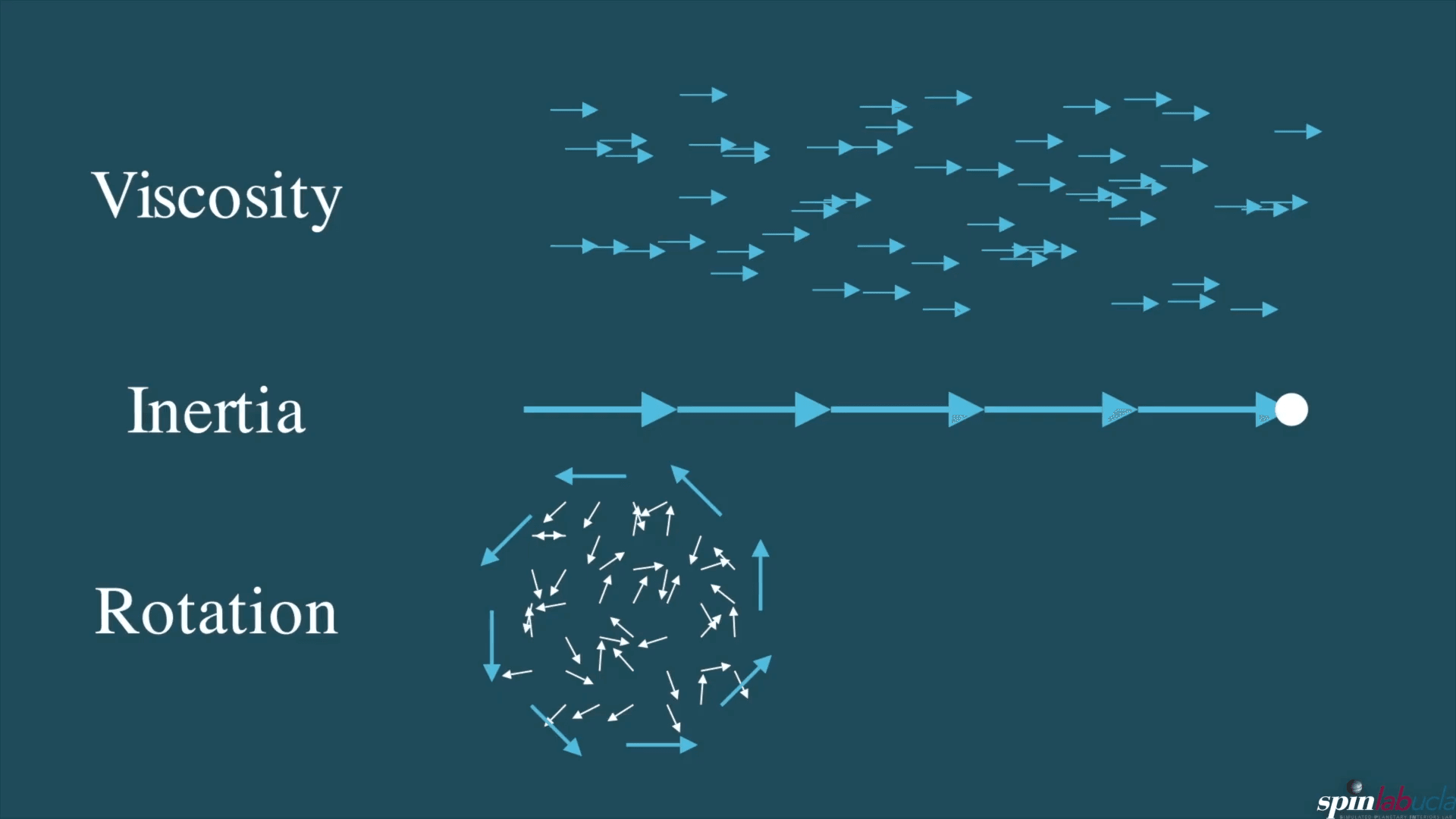
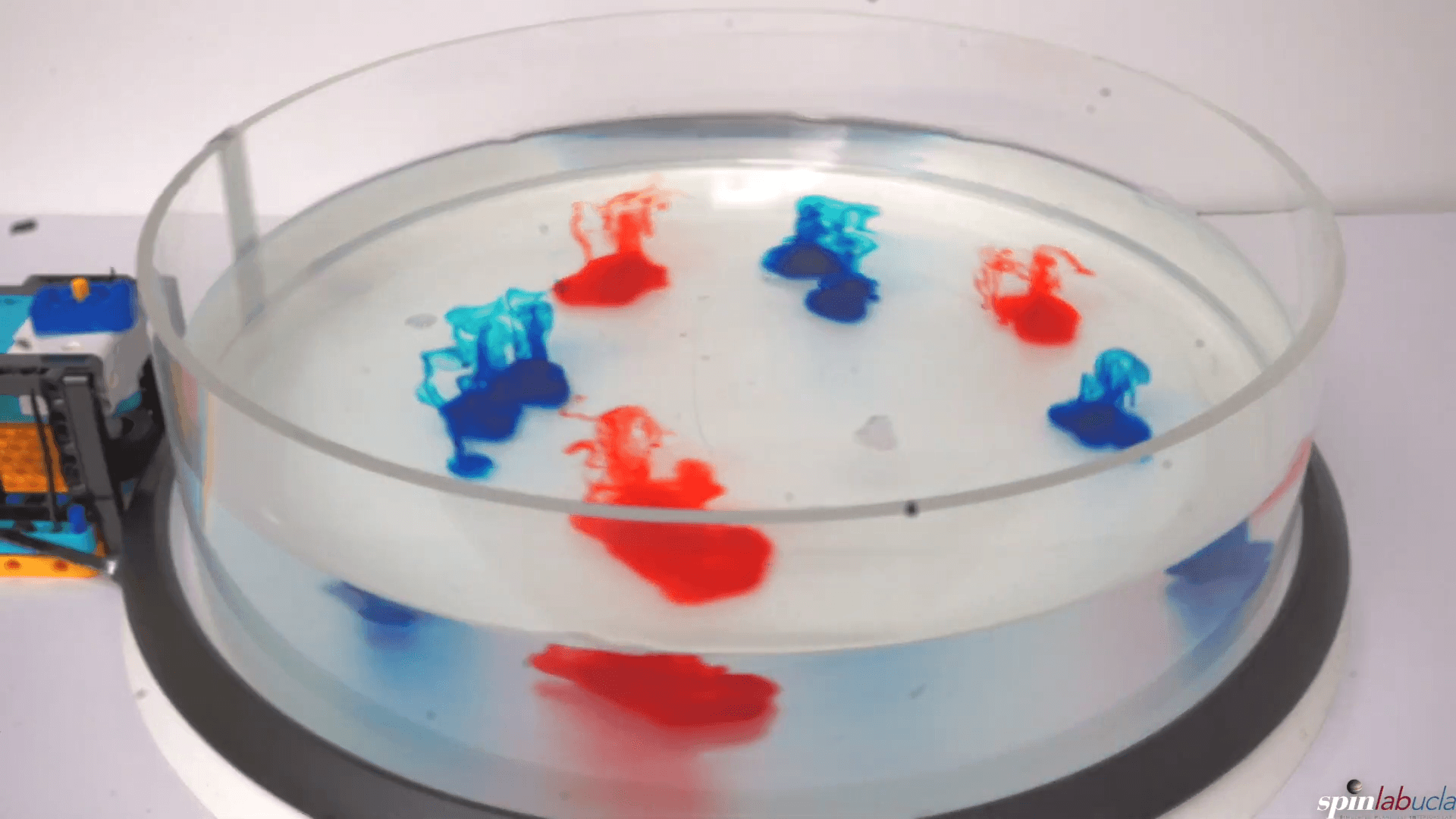
    Fluid dynamics often comes down to a competition between the different forces acting in a flow. Inertia, surface tension, viscosity, gravity, rotation — flows can be affected by all of these and more. In this video, researchers describe the three dominant forces in a rotating fluid like a planet’s atmosphere: viscosity, the fluid’s resistance to flowing; inertia, the fluid’s resistance to accelerating; and rotation, the overall spin of a fluid.

    As shown in the video, which of these three forces dominates will change depending on the speed at which the force acts. We quantify this concept using time scales; the force with the smallest time scale can act fastest and will, therefore, win the tug-of-war. (Video and image credit: UCLA SpinLab)

    Fediverse Reactions
  • Circulation in a Capillary Network

    Circulation in a Capillary Network

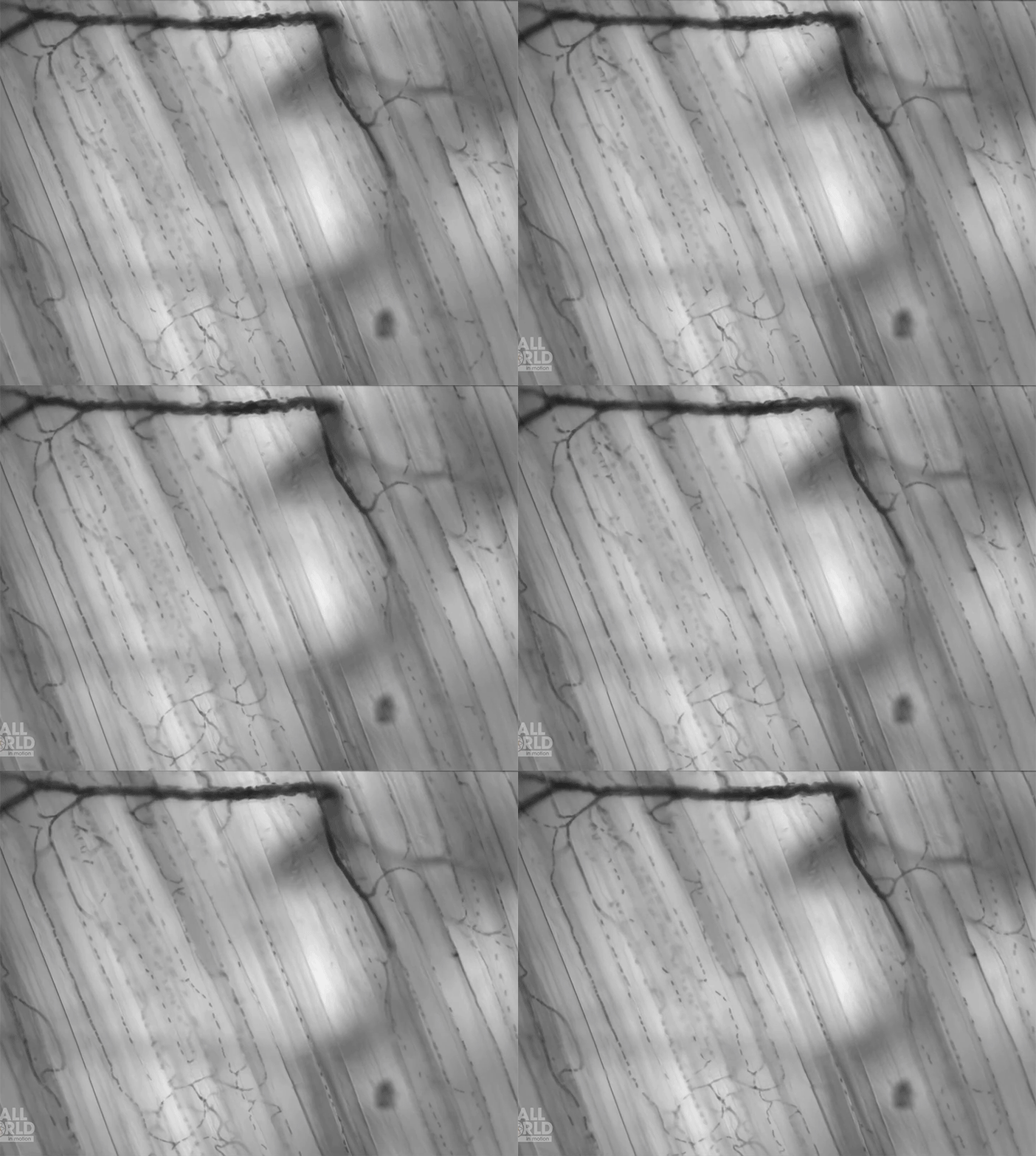
    Today’s video shows red blood cells flowing through a capillary network in a rat’s skeletal muscle. At this resolution, our eyes can follow the paths of individual red blood cells squeezing through each capillary, as well as the faster blur of thicker capillaries where many cells can pass at once. Watching videos like this is a great way to build intuition for particle image velocimetry, streaklines, and other flow visualization methods as our brains can readily recognize where the cells are moving fast and where they are slower. (Video and image credit: Dr. G. McEvoy et al.; via Colossal)

    Fediverse Reactions
  • “Veins of Light and Rivers of Fog”

    “Veins of Light and Rivers of Fog”

    Tendrils of fog flow over the crest of a hill in this award-winning photograph from Ray Cao. Seen in timelapse, scenes like this show the sloshing, wave-like motion of fog. They’re a beautiful reminder that air and water move much the same. (Image credit: R. Cao/IAPOTY; via Colossal)

    Fediverse Reactions
  • Biodegradable PIV Particles

    Biodegradable PIV Particles

    Particle image velocimetry–PIV, for short–is used to visualize fluid flows. The technique introduces small, neutrally-buoyant particles into the flow and illuminates them with laser light. By comparing images of the illuminated particles, computer algorithms can work out the velocity (and other variables) of a flow. Typical methods use hollow glass spheres or polystyrene beads as the particles that follow the flow, but these options have many downsides. They’re expensive–as much as $200/pound–and they can potentially harm test subjects, like animals whose swimming researchers are studying. Instead, researchers are now looking at biodegradable options for PIV particles.

    One study found that corn and arrowroot starches were good candidates, at least for applications using artificial seawater. The powders were close to neutrally-buoyant, had uniform particle sizes, and accurately captured the flow around an airfoil, live brine shrimp, and free-swimming moon jellyfish. (Image credit: M. Kovalets; research credit: Y. Su et al.; via Ars Technica)

    Fediverse Reactions