Tag: flow visualization

  • “Sidewall Symphony”

    “Sidewall Symphony”

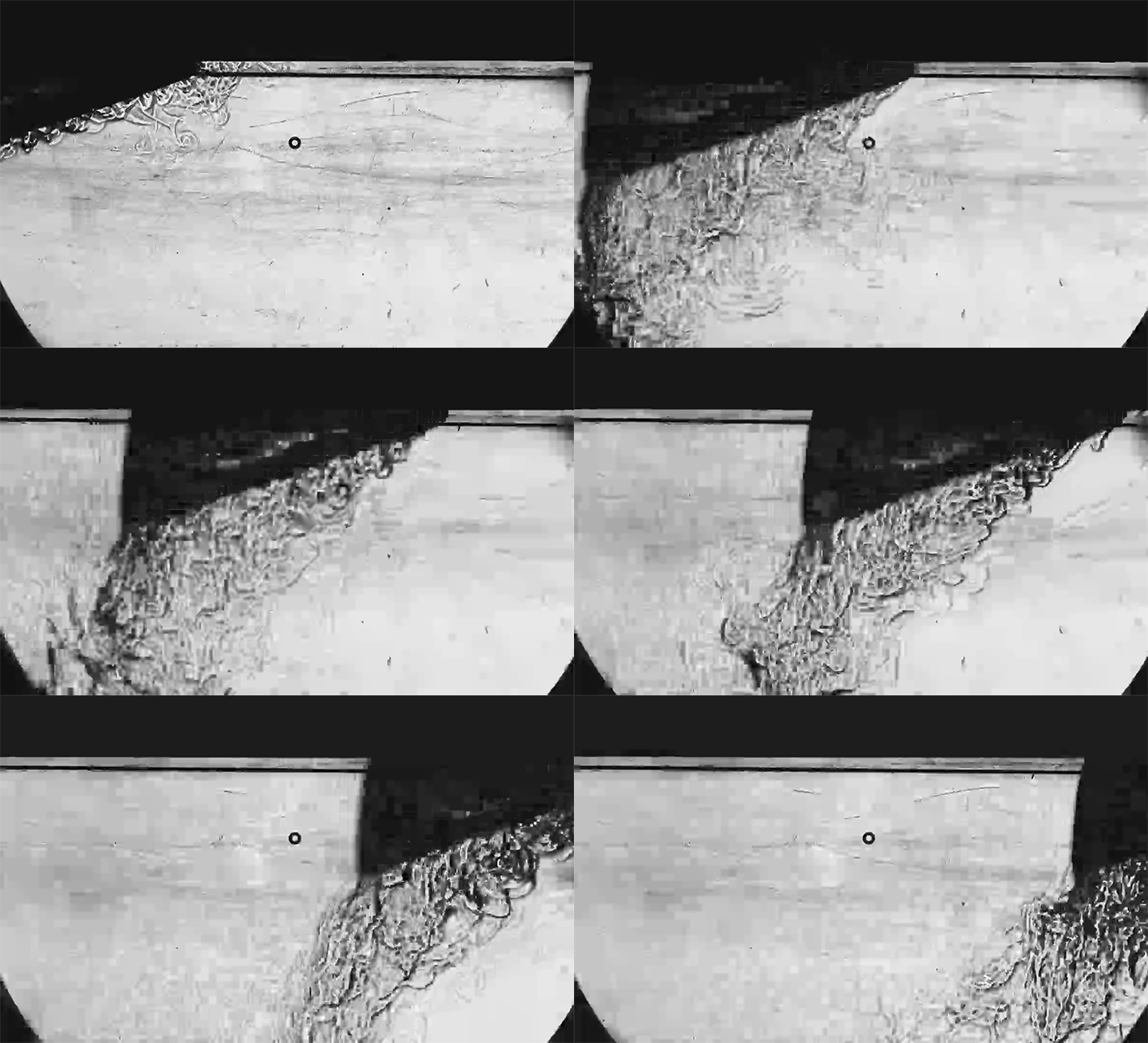
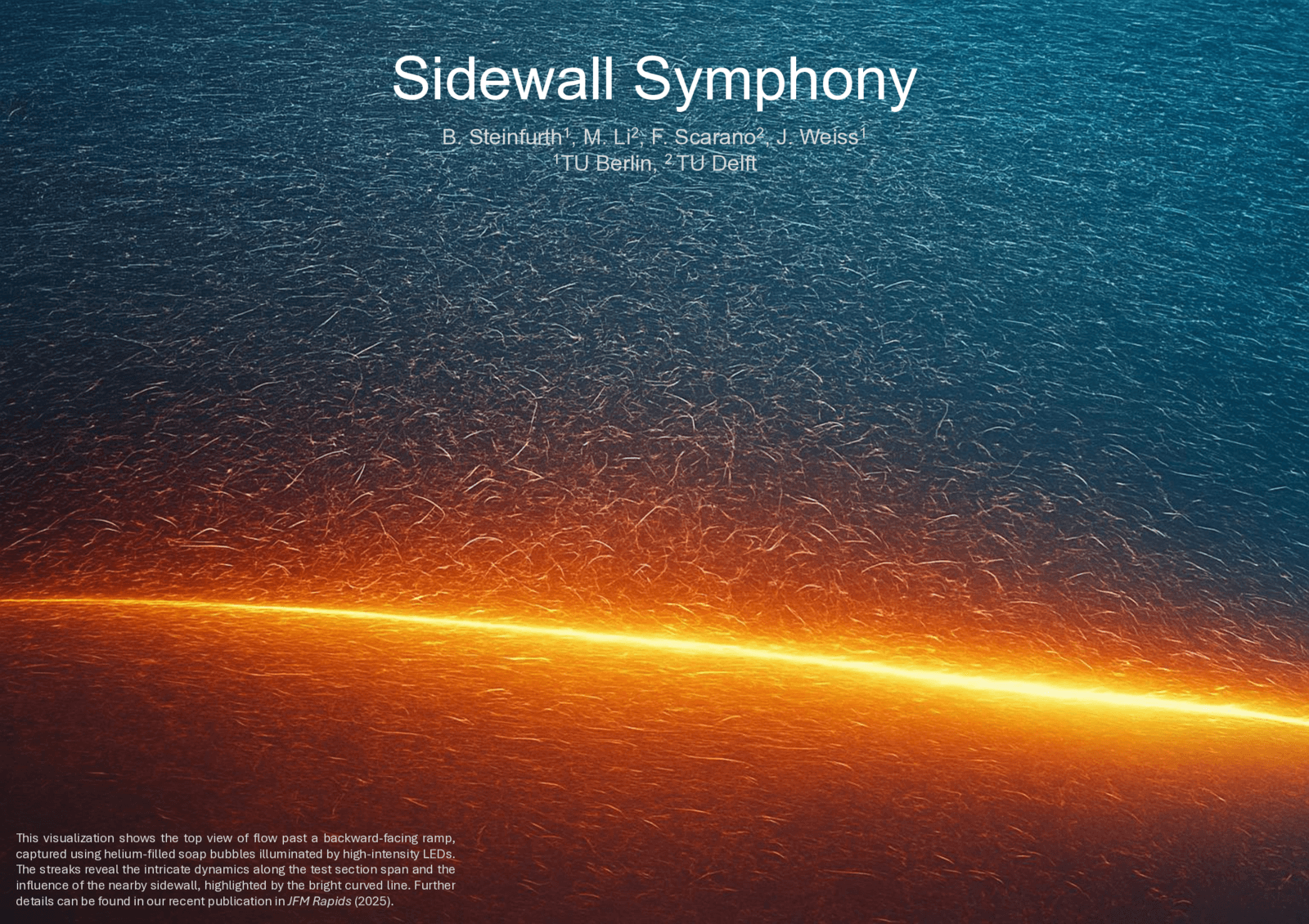
    Flow visualization is both an art and science in fluid dynamics. Here, researchers were interested in studying the separation bubble that forms over a backward-facing ramp–a shape that shows up, for example, on an aircraft. In these areas, the flow over the surface separates, leaving an unsteady, recirculating bubble.

    That’s the flow that researchers are visualizing here. They’ve done so by adding tiny helium-filled soap bubbles to the flow. With bright lights illuminating the bubbles, each one leaves a streak in a photograph, showing where the bubble moved during the time the camera’s shutter was open. Although images like these are beautiful, they can also be analyzed by computers to extract the underlying flow that created the image. (Image and research credit: B. Steinfurth et al.; see also here)

    A research poster showing streaks left by hydrogen bubbles in the flow over a backward-facing ramp.
    Fediverse Reactions
  • A Colorful Glimpse

    A Colorful Glimpse

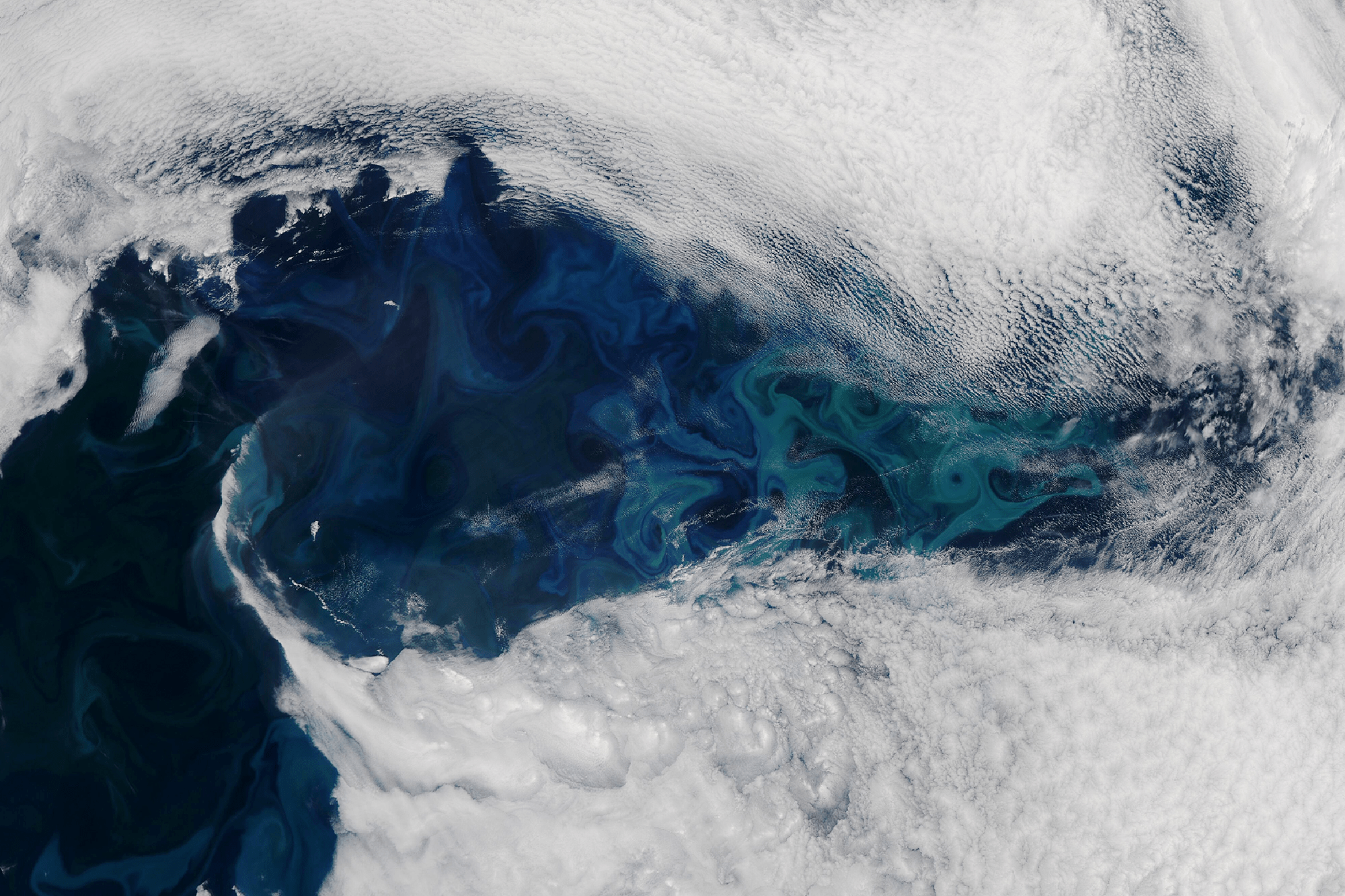
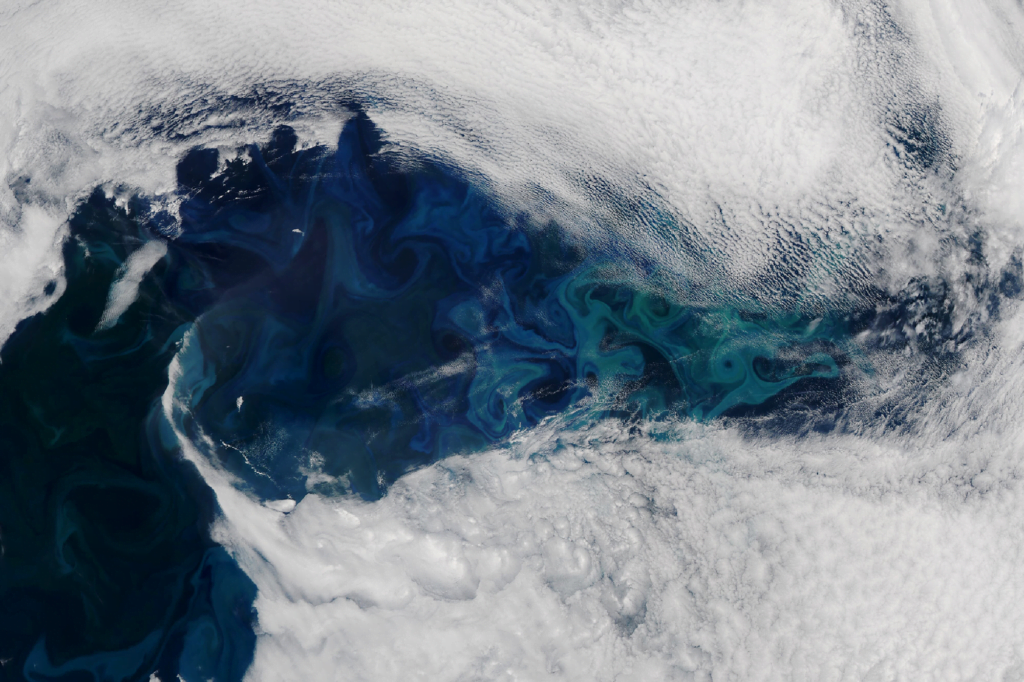
    Peeking between the clouds, satellites caught a glimpse of a massive phytoplankton bloom off the coast of Greenland in May 2024. The tiny organisms may be visible only under a microscope, but gatherings like these stretch hundreds of kilometers and are visible from space. Like tracer particles in a flow, the phytoplankton outline the swirls and eddies of the underlying ocean. (Image credit: L. Dauphin; via NASA Earth Observatory)

    A satellite image reveals the blue and green swirls of a phytoplankton bloom.
    A satellite image reveals the blue and green swirls of a phytoplankton bloom.
  • Featured Video Play Icon

    “Frozen Waves”

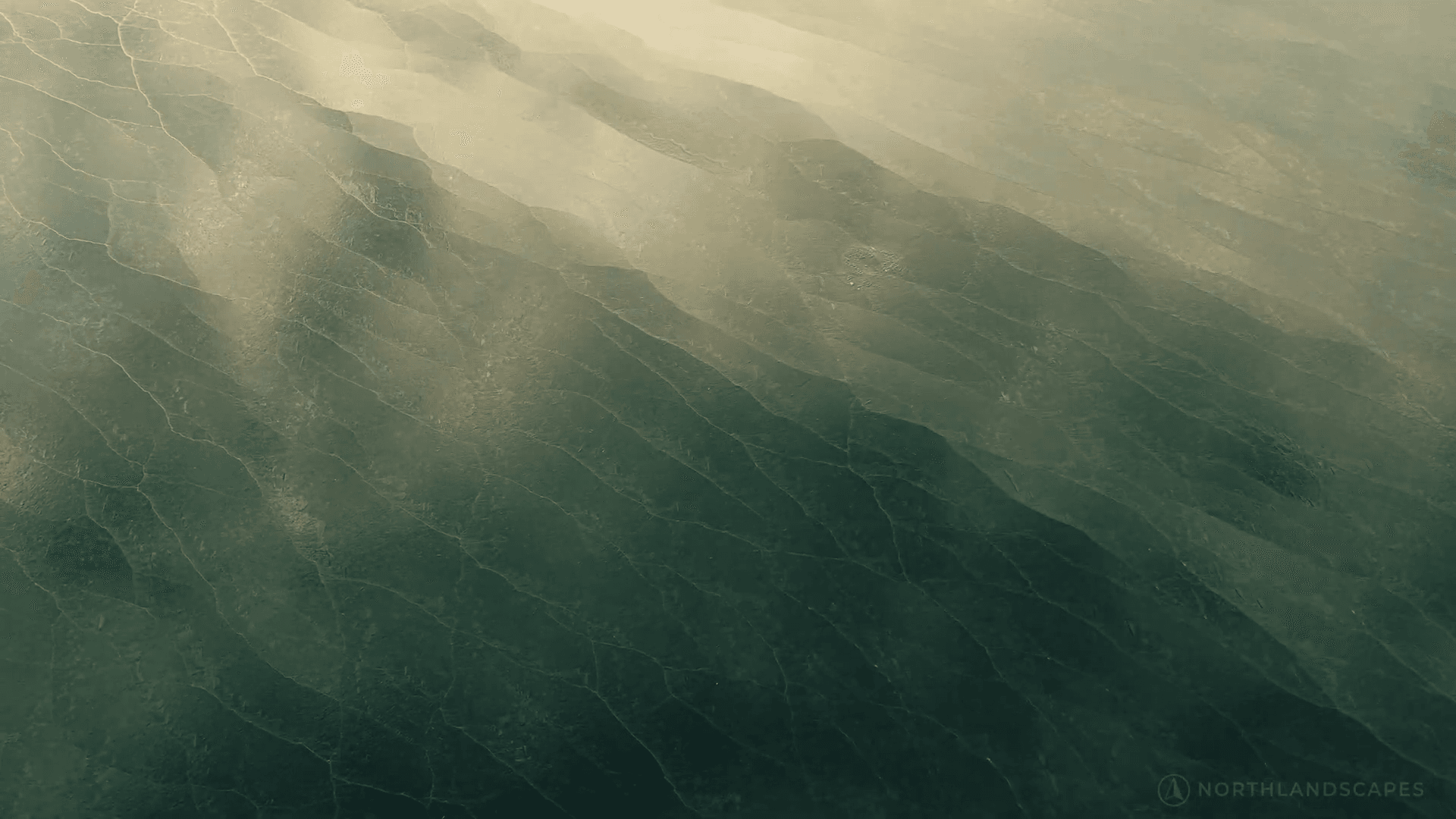
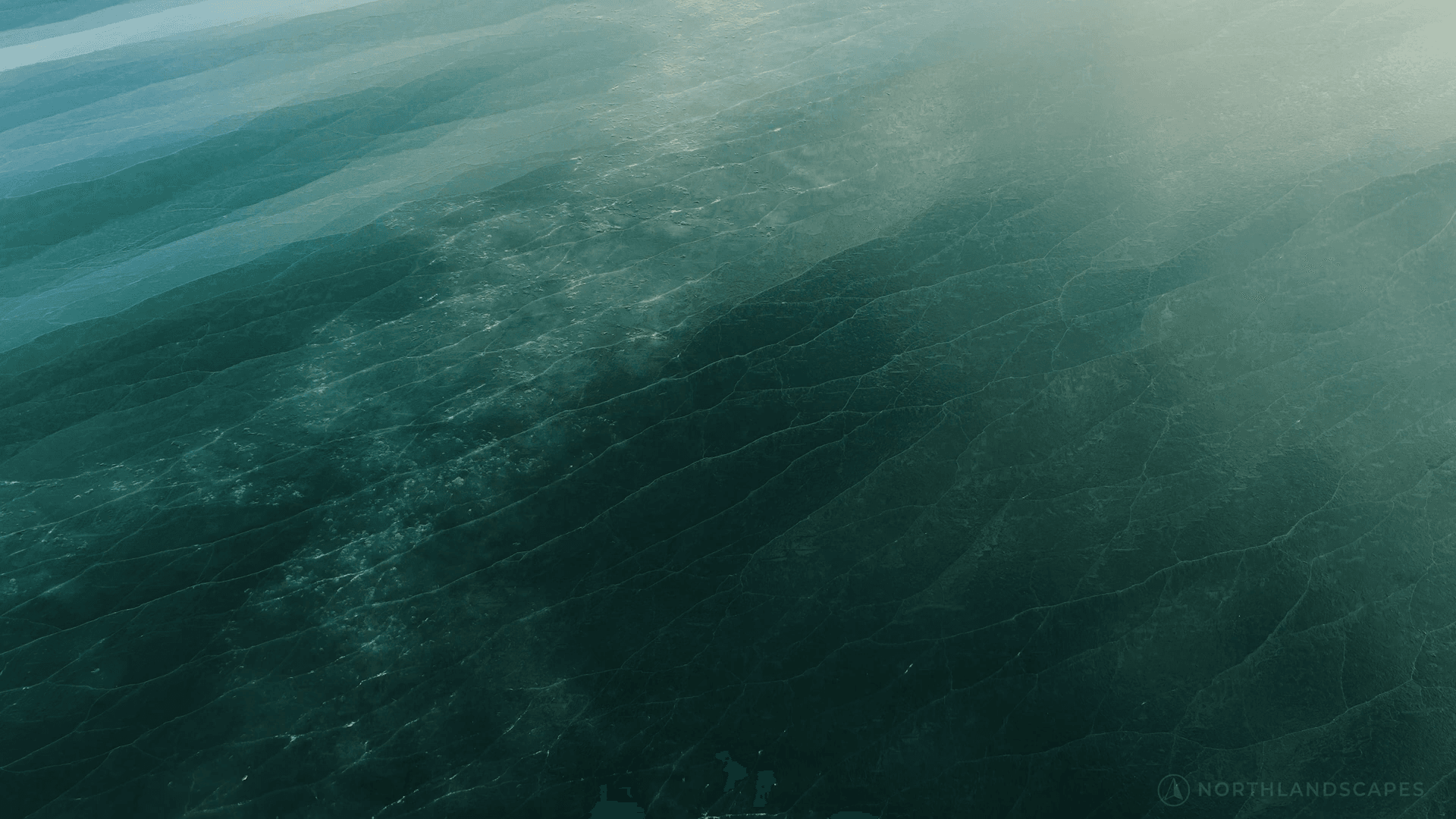
    Photographer Jan Erik Waider is a master of capturing incredible landscape imagery. In these videos, he uses a drone to film waves in the Baltic Sea gently undulating polygonal slabs of ice on the ocean surface. The interplay of light, color, and motion looks almost surreal, but nature is better than we credit at making imagery too good to look away from. (Video and image credit: J. Waider/NorthLandscapes; via Colossal)

    Fediverse Reactions
  • Viscoelastic Vortex Street

    Viscoelastic Vortex Street

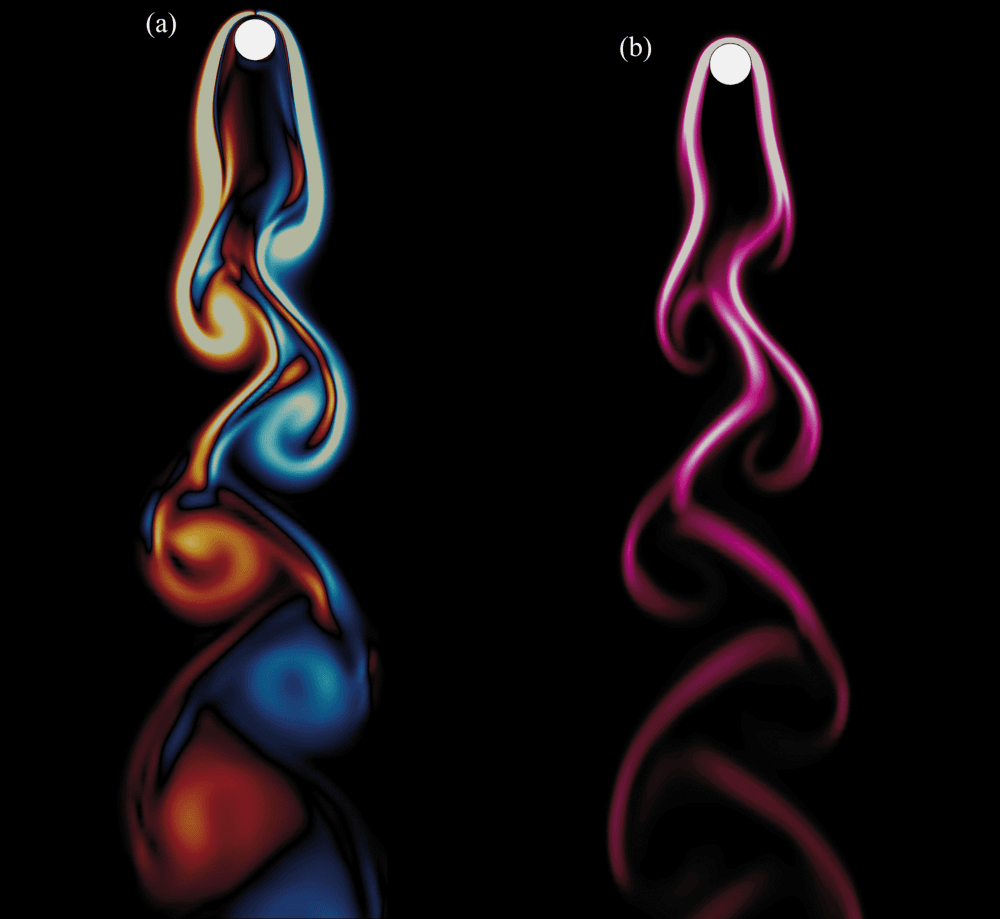
    When flow moves past a cylinder, vortices get shed in its wake. Known as a von Karman vortex street, this distinctive pattern is seen behind flags, islands, and even behind starships. Here, researchers are simulating flow of a viscoelastic fluid, where–unlike water or other Newtonian fluids–elastic stresses can build up.

    As the flow hits the leading edge of the cylinder, the polymers in the fluid compress and then get stretched as the flow moves around the cylinder. The left image shows vorticity in the flow; the right shows elastic stresses. The large swirls are primary vortices–those shed off the cylinder. But look closely and you’ll see smaller secondary vortices curled up beside the primaries. These form when the elastic stresses in the fluid pull some of the shear layer into the wake. (Image and research credit: U. Patel et al.)

    Simulation of a flow around a cylinder in a viscoelastic flow. Left, vorticity; right, elastic stresses.
  • Featured Video Play Icon

    Understanding Fish and Turbines

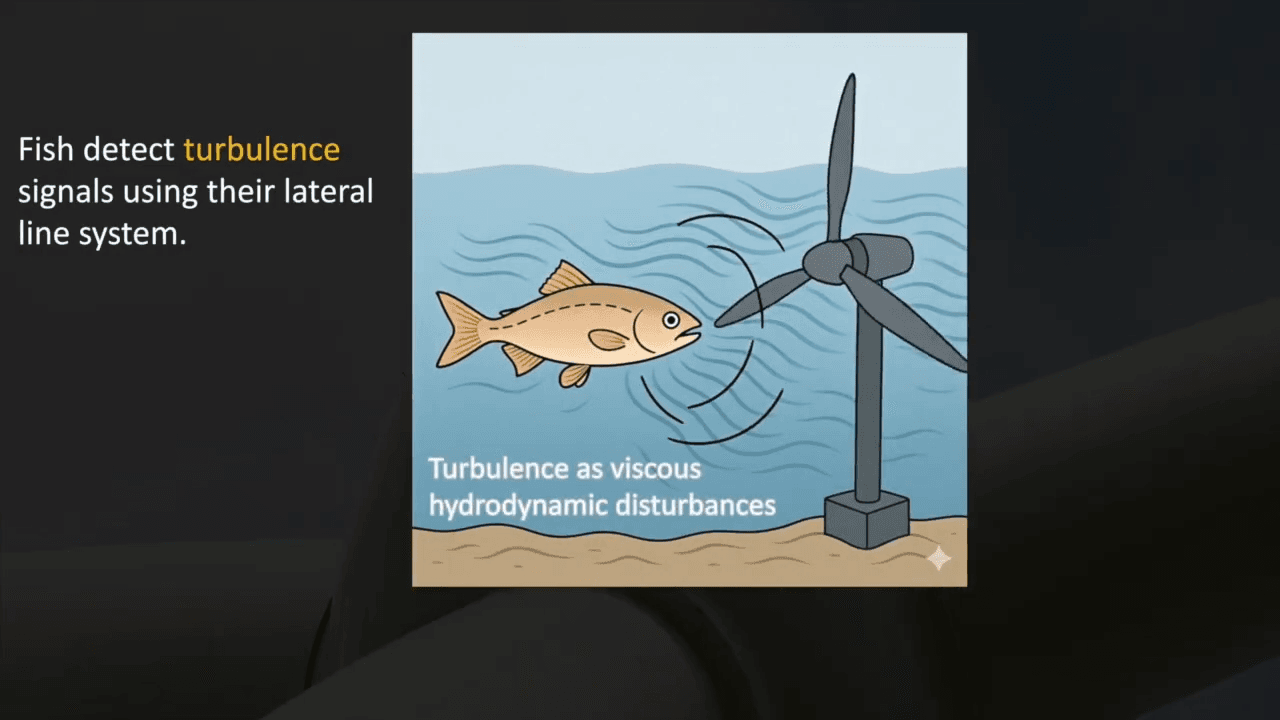
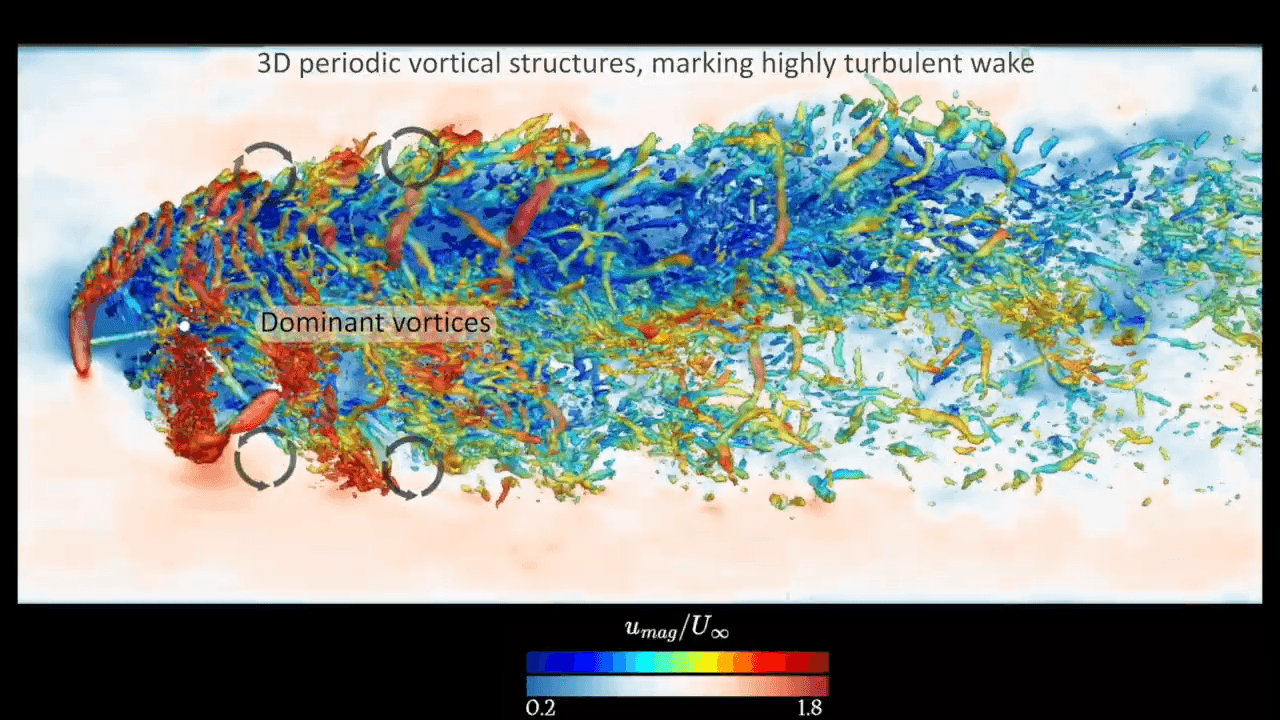
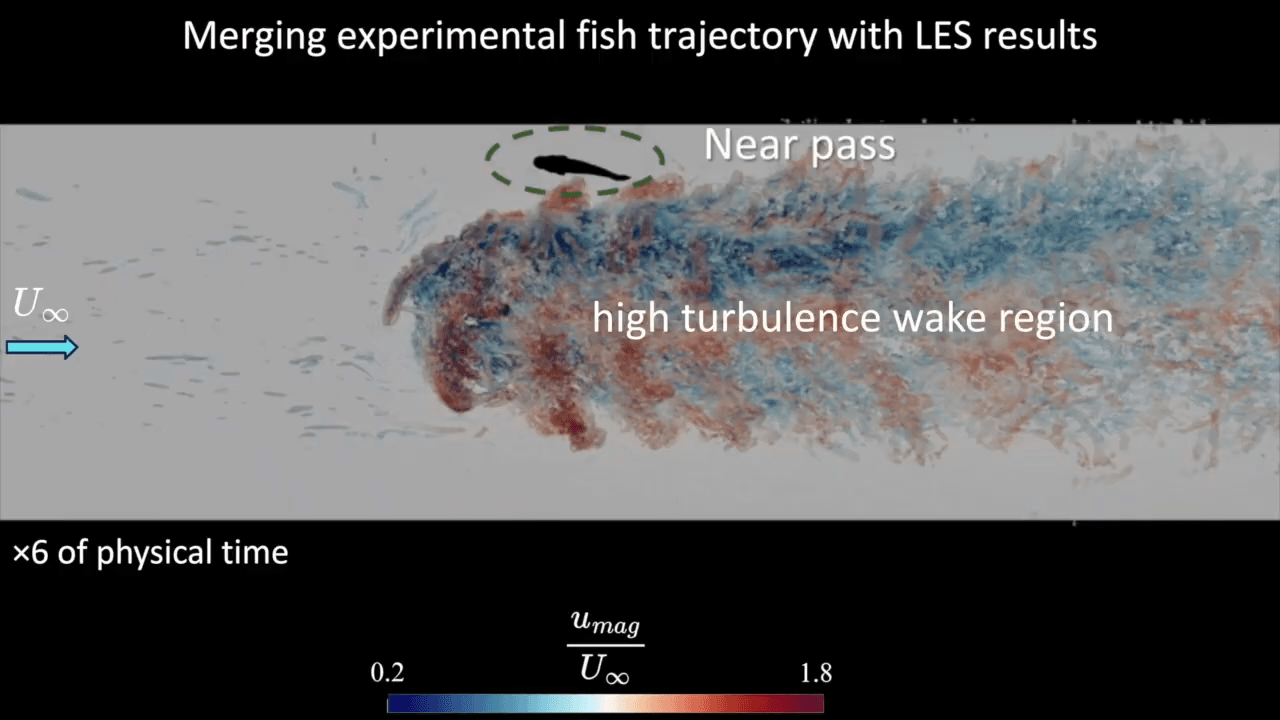
    Fish detect turbulence in the water around them; among other things, this helps them avoid colliding with objects. Here, researchers are looking to understand how fish interact with underwater turbines. Experiments give them a set of trajectories that actual fish follow when dealing with the experimental turbine. But to understand what the fish is detecting, the researchers build a digital facsimile of the turbine and use Large Eddy Simulation (LES) to calculate the turbine’s wake.

    By overlaying the fish trajectories onto the simulated flow structures, they can better understand what flows the fish is and is not comfortable with. That knowledge helps engineers design turbines with smaller ecological impact. (Video and image credit: H. Seyedzadeh et al.)

  • Featured Video Play Icon

    Shocking Fizzy Jets

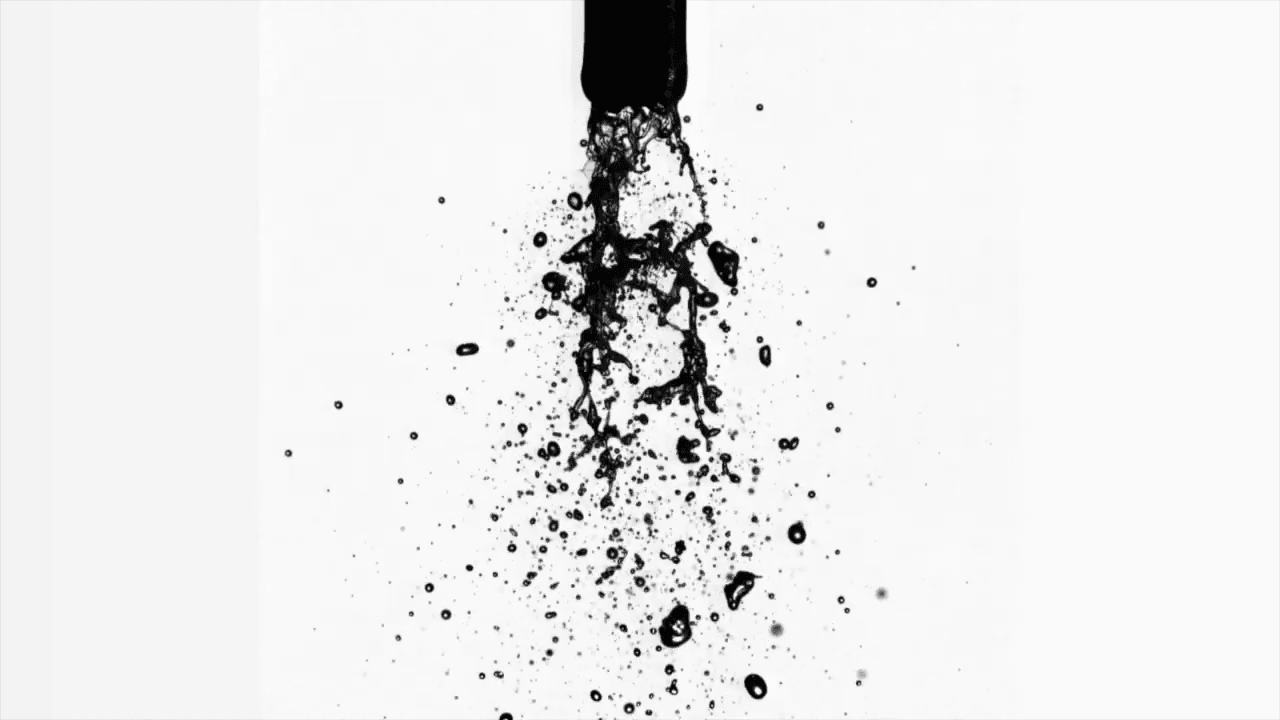
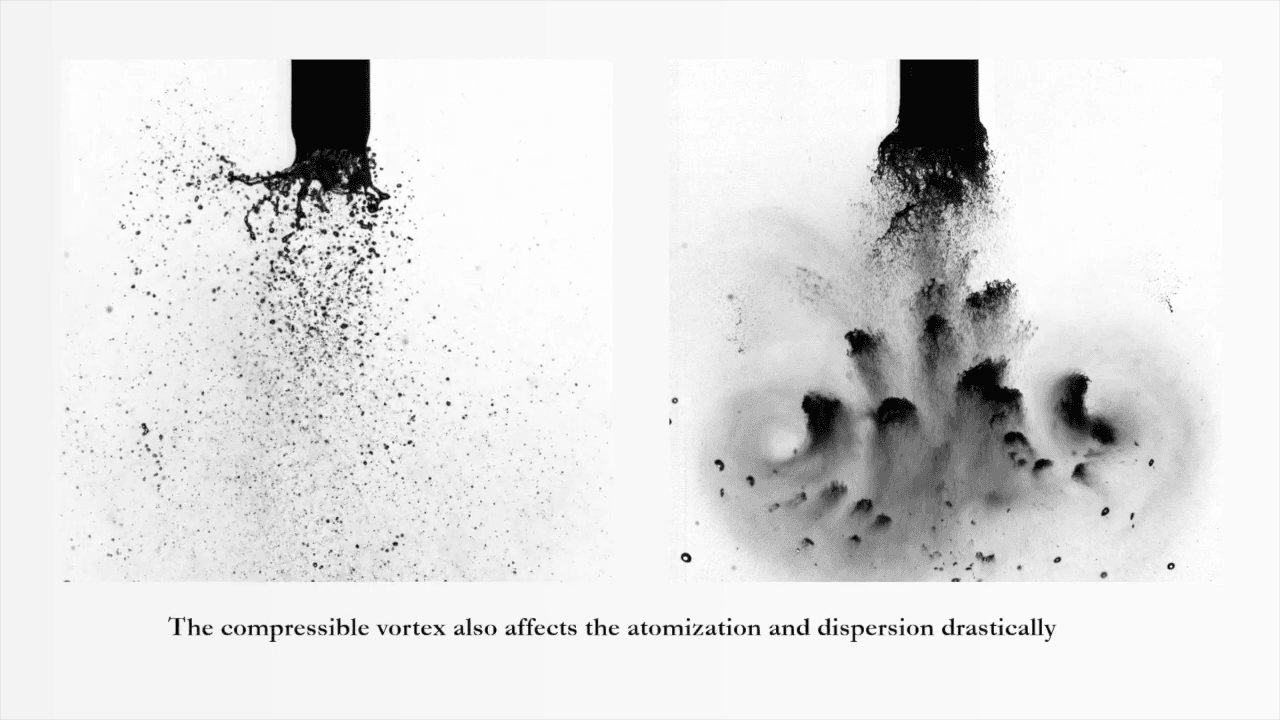
    Many industrial processes break a fluid jet into droplets, like spray painting and ink-jet printing. Here, researchers examine an effervescent fluid jet made up of both liquid and gas. Like a fluid-only jet, this fizzy jet forms sheets, bags, ligaments, and droplets. As it breaks down, it creates a range of droplet sizes–both large and small. But when a shock wave passes, the jet and its droplets get atomized into even tinier droplets. (Video and image credit: S. Rao et al.)

  • Melting Can Propel Icebergs

    Melting Can Propel Icebergs

    Icebergs have long served as a metaphor for not knowing what’s going on beneath the surface. Studies like today’s are a reminder of why that is. Researchers found that asymmetric icebergs–shaped, in this case, like a right triangular prism–can self-propel as they melt. Their shape forces cold, dense meltwater to slide down the surface, generating a sinking plume that propels the ice as a whole. The team demonstrated this effect in both fresh- and saltwater. For icebergs wandering into warm waters, the effect is particularly strong and may reach levels about 10% of the magnitude of dominant propulsive forces like wind. (Image and research credit: M. Berhanu et al.; via APS)

    Cold meltwater sinking off an asymmetric ice block is enough to propel the melting iceberg.
    Fediverse Reactions
  • Frog Kick

    Frog Kick

    A toad swims across a pond in this award-winning image from photographer Paul Hobson. The shot was actually captured from below the water, with the camera kept dry in a glass housing. Although the frog appears to be mid-leap, the light-distorting ripples around its feet hint at the flow its kick generated. It’s reminiscent of the vortices left by water striders as they move. (Image credit: P. Hobson/BWPA; via Colossal)

    β€œA Toad Swims Across Its Woodland Pond” by Paul Hobson
    Fediverse Reactions
  • Bursting Bubbles

    Bursting Bubbles

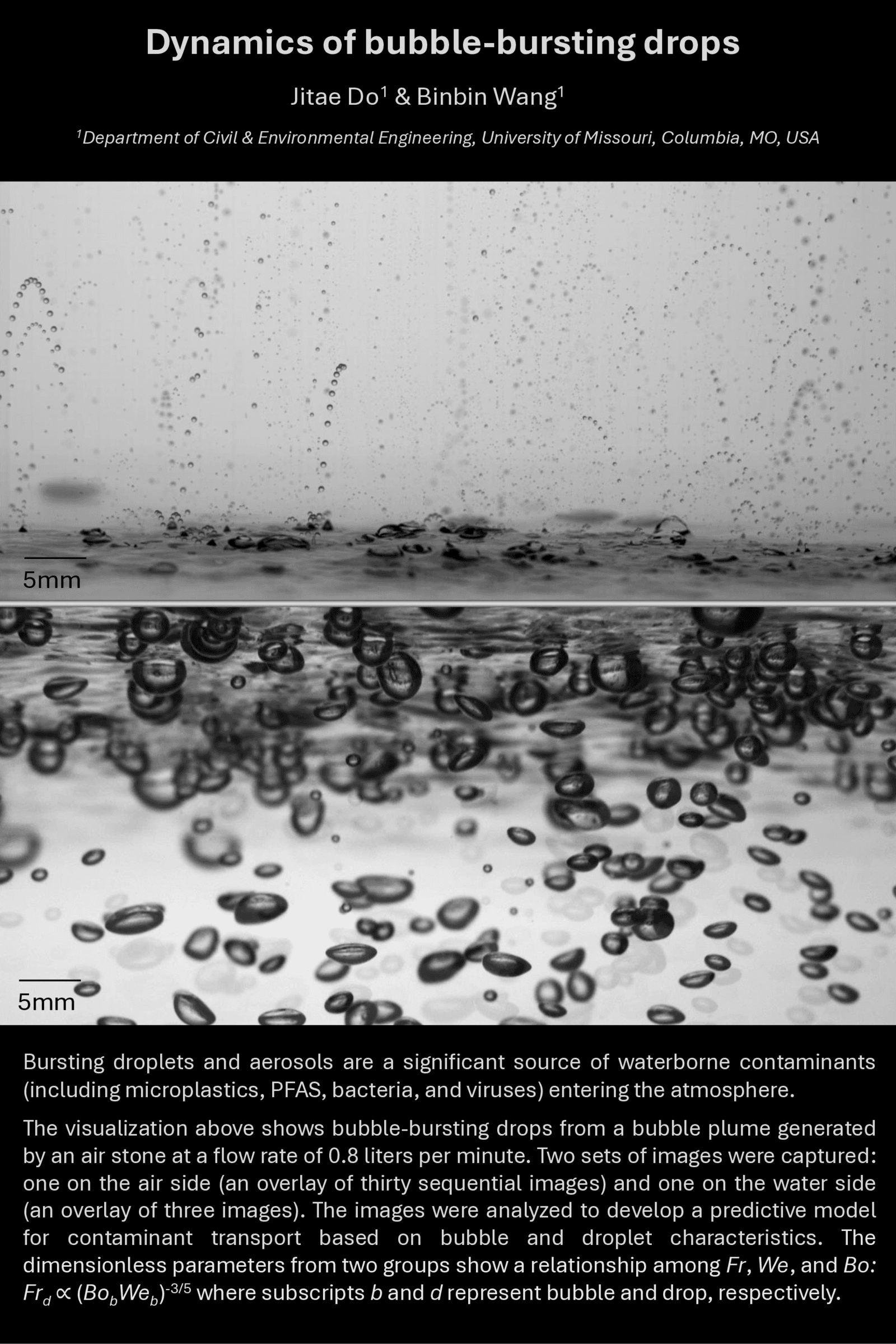
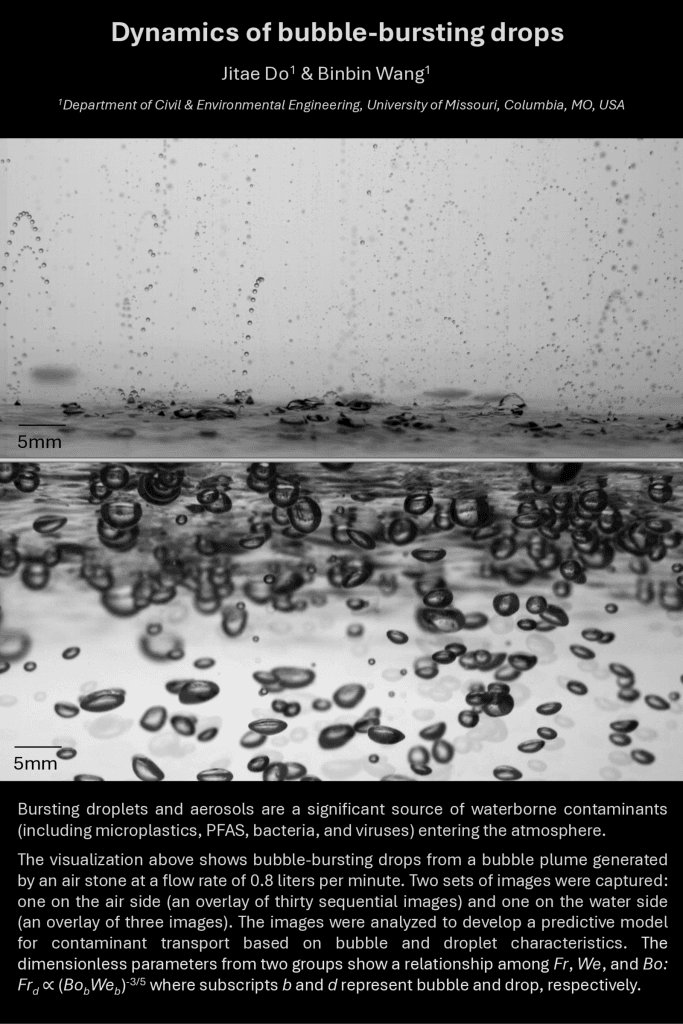
    When air bubbles rise through a liquid, they scavenge dust, viruses, microplastics, and other impurities as they go. Once at the surface, these contaminant-covered bubbles thin and burst, generating many tiny droplets that arc through the air above. You’re likely familiar with the sight and sensation from a glass of champagne or soda.

    Here, researchers have stacked two sets of sequential images to illustrate this complicated flowscape. Under the surface, a trio of photos are stacked to show bubbles rising and gathering at the surface. In the air, the researchers have stacked thirty sequential images, which together trace out the parabolic arcs of droplets sprayed by the bursting bubbles. (Image credit: J. Do and B. Wang)

    A research poster showing composite images of bubbles rising to a water-air interface and bursting, sending up a spray of microdroplets.
    Fediverse Reactions
  • Featured Video Play Icon

    Fire From Below

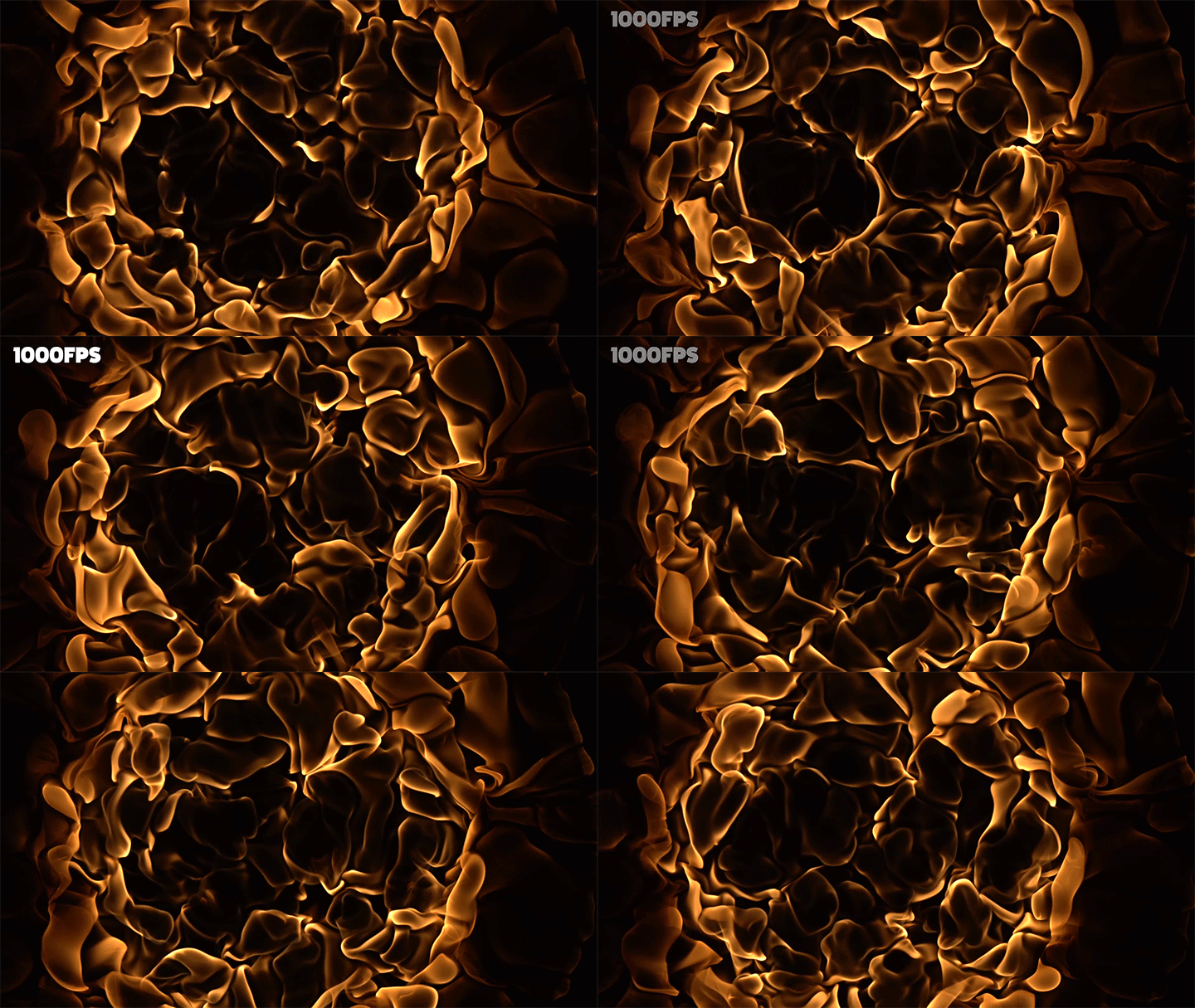
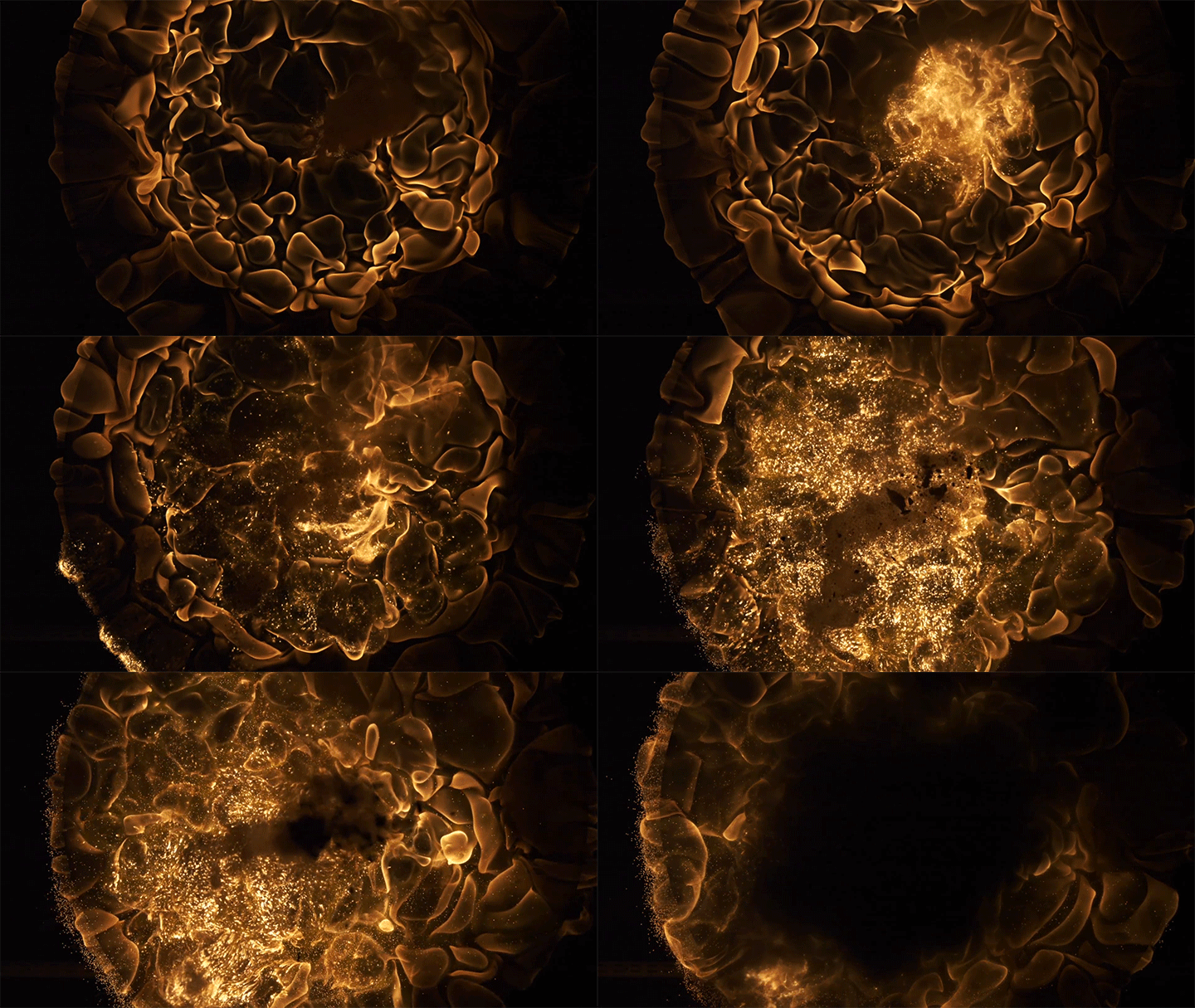
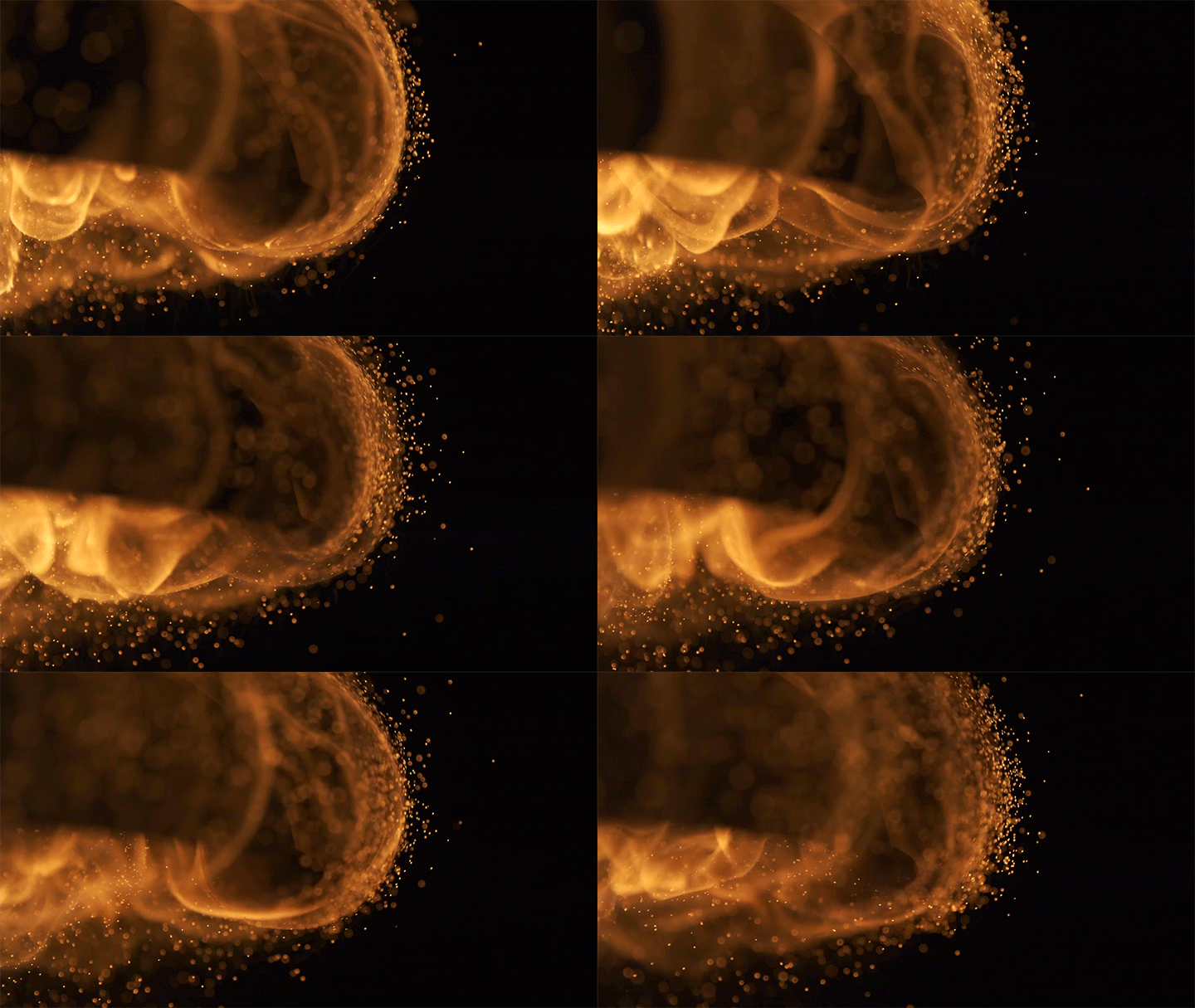
    A slight change in perspective can do wonders. In this video, the Slow Mo Guys look at a burning flame from below. They accomplish this by mounting a gas grill upside-down. This small change means that buoyancy can’t simply lift heat and exhaust gases away from the flame source. Instead, the flow pushes out and around the edges of the grill.

    The views are, as always, amazing. The billowing flames are mesmerizing–often closer to laminar than turbulent. And the added spectacle of cinnamon combusting in the later segments really does make for the kind of visuals you’d expect in a sci-fi movie. (Video and image credit: The Slow Mo Guys)

    Fediverse Reactions