Category: Research

  • Deep Breaths Renew Lung Surfactants + A Special Announcement

    Deep Breaths Renew Lung Surfactants + A Special Announcement

    Taking a deep breath may actually help you breathe easier, according to a new study. When we inhale, air fills our alveoli–tiny balloon-like compartments within our lungs. To make alveoli easier to open, they’re coated in a surfactant chemical produced by our lungs. Just as soap’s surfactant molecules squeezing between water molecules lowers the interface’s surface tension, our lung surfactants gather at the interface and lower the surface tension, making alveoli easier to inflate.

    But things are a little more complicated in our lungs than in our kitchen sink because of our constant cycle of breathing, which stretches and compresses our lungs’ surfaces and surfactant layers. Imagine a flat interface, lined with surfactant molecules; then stretch it. As the interface stretches, gaps open between the surfactant molecules and allowing molecules from the interior of the liquid to push their way to the newly stretched interface, changing the surface tension. If the interface gets compressed, some of the excess molecules will get pushed back into the liquid bulk.

    In looking at how lung surfactants respond to these cycles of compression and stretching, the researchers found that the lung liquid develops a microstructure during cycles of shallow breathing that makes the surface tension higher, thus making lungs harder to fill. In contrast, a deep breath like a sigh replenished the saturated lipids at the interface, lowering surface tension and making lungs more compliant. So a deep sigh actually can help you breathe easier. (Image credit: F. Mรธller; research credit: M.. Novaes-Silva et al.; via Gizmodo)

    P.S.I’ve got a book (chapter)! Several years ago, I joined an amazing group of women to write two books (one for middle grades and one for older audiences) about our journeys as scientists. And they are out now! In fact, today we’re holding a “Book Bomb” where we aim for as many of us as possible to buy the book(s) on the same day. If you’d like to join (and get ahead on your gift shopping), here are (affiliate) links:

    Fediverse Reactions
  • Wobbling Plasma Could Help Planets Grow

    Wobbling Plasma Could Help Planets Grow

    To form planets, the dust and gas around a star has to start clumping up. While there are many theories as to how this could happen, it’s a difficult process to observe. A recent study shows that a magnetorotational (MR) instability could do the job.

    The team used a Taylor-Couette set-up (where an inner cylinder rotates inside an outer cylinder) filled with a liquid metal alloy. With the cylinders moving relative to one another at over 2,000 rotations per minute, the team measured how the magnetic field changed in the churning fluid. Parts of the liquid metal formed free shear layers, and within these, the MR instability occurred, causing some regions to slow down and others to speed up.

    The experiments suggest that triggering a MR instability is easier to achieve than once thought, which supports the possibility that it occurs in protoplanetary disks, helping to drive dust together into planets. (Image credit: ALMA/ESO/NAOJ/NRAO; research credit: Y. Wang et al.; via Eos)

    Fediverse Reactions
  • Wave Energy Through the Meniscus

    Wave Energy Through the Meniscus

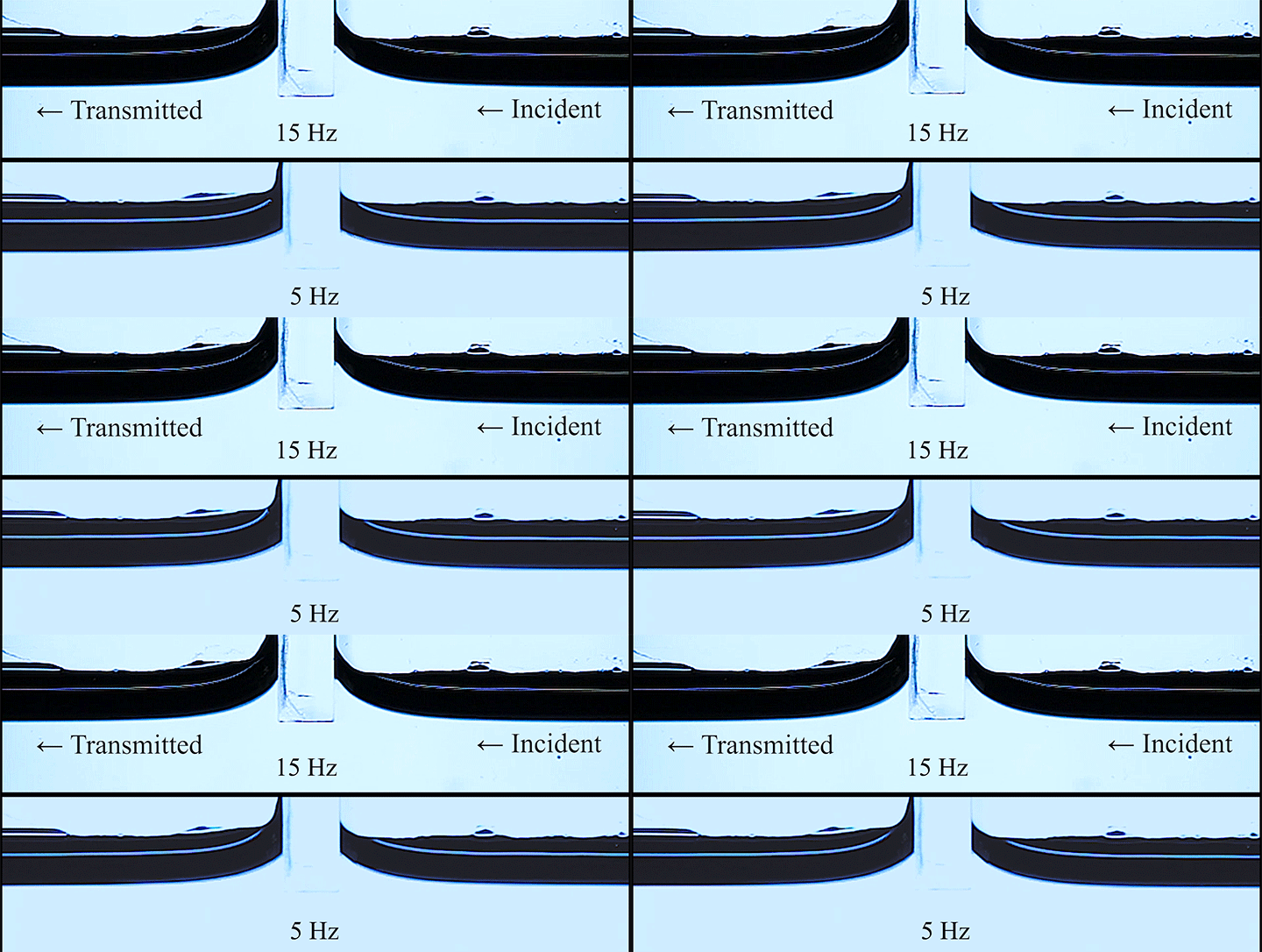
    Even small changes to a meniscus can change how much wave energy passes through it. A new study systemically tests how meniscus size and shape affects the transmission of incoming waves.

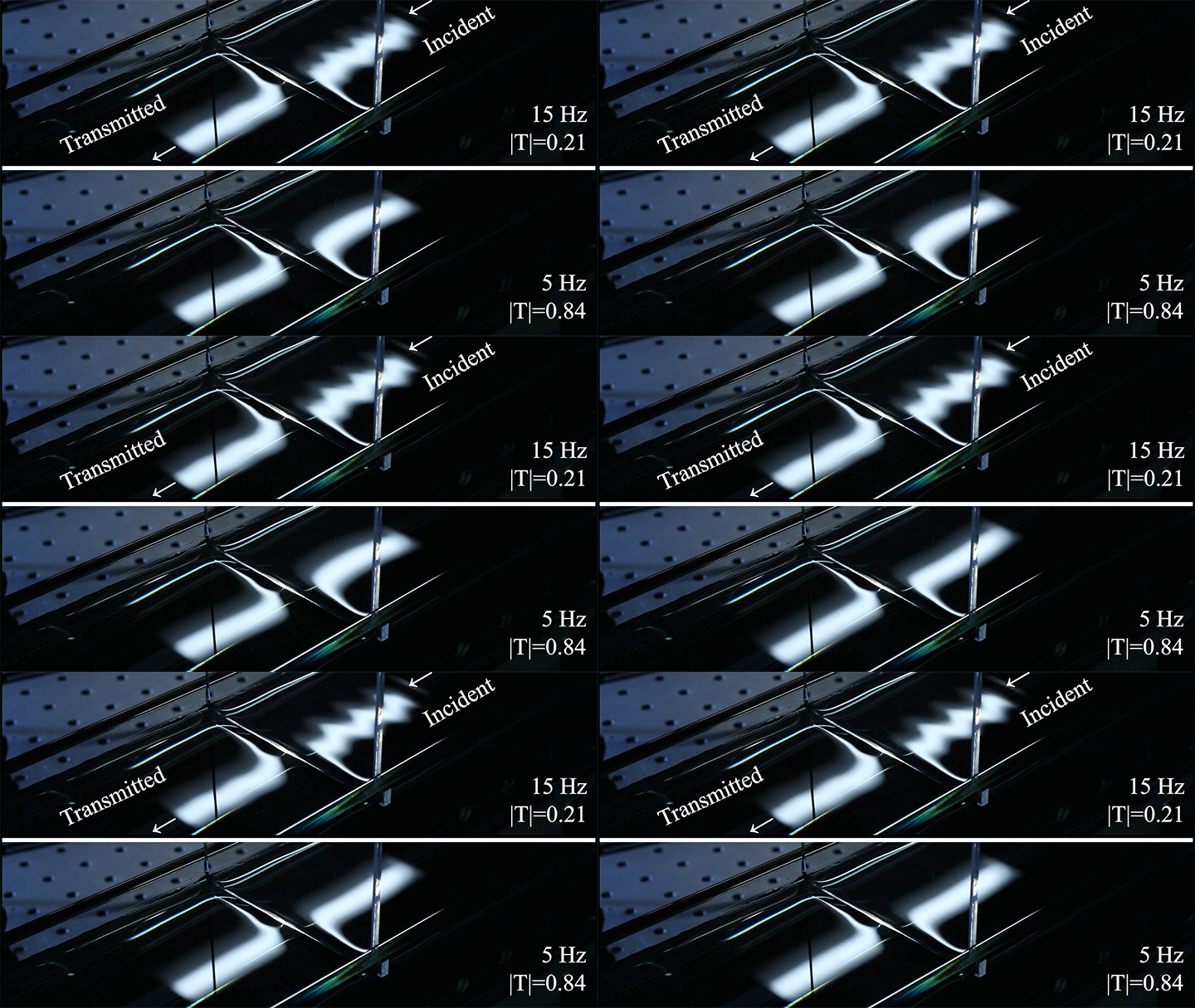
    As seen above, the meniscus was formed on a suspended barrier. By changing the barrier size and wettability as well as the characteristics of incoming waves, researchers were able to map out how the meniscus affected waves that made it past the barrier.

    Oblique view of meniscus experiment showing incoming waves (moving from right to left) passing through a barrier and meniscus. Upper view shows 15Hz waves; lower one shows 5 Hz waves.

    In particular, they found that drawing the meniscus upward by raising the barrier would, at first, enhance wave transmission but then suppressed wave energy as the barrier moved higher. They attributed the change in behavior to an interplay between water column height and meniscus inclination. (Research and image credit: Z. Wang et al.; via Physics World)

    Fediverse Reactions
  • Why Sharper Knives Mean Fewer Onion Tears

    Why Sharper Knives Mean Fewer Onion Tears

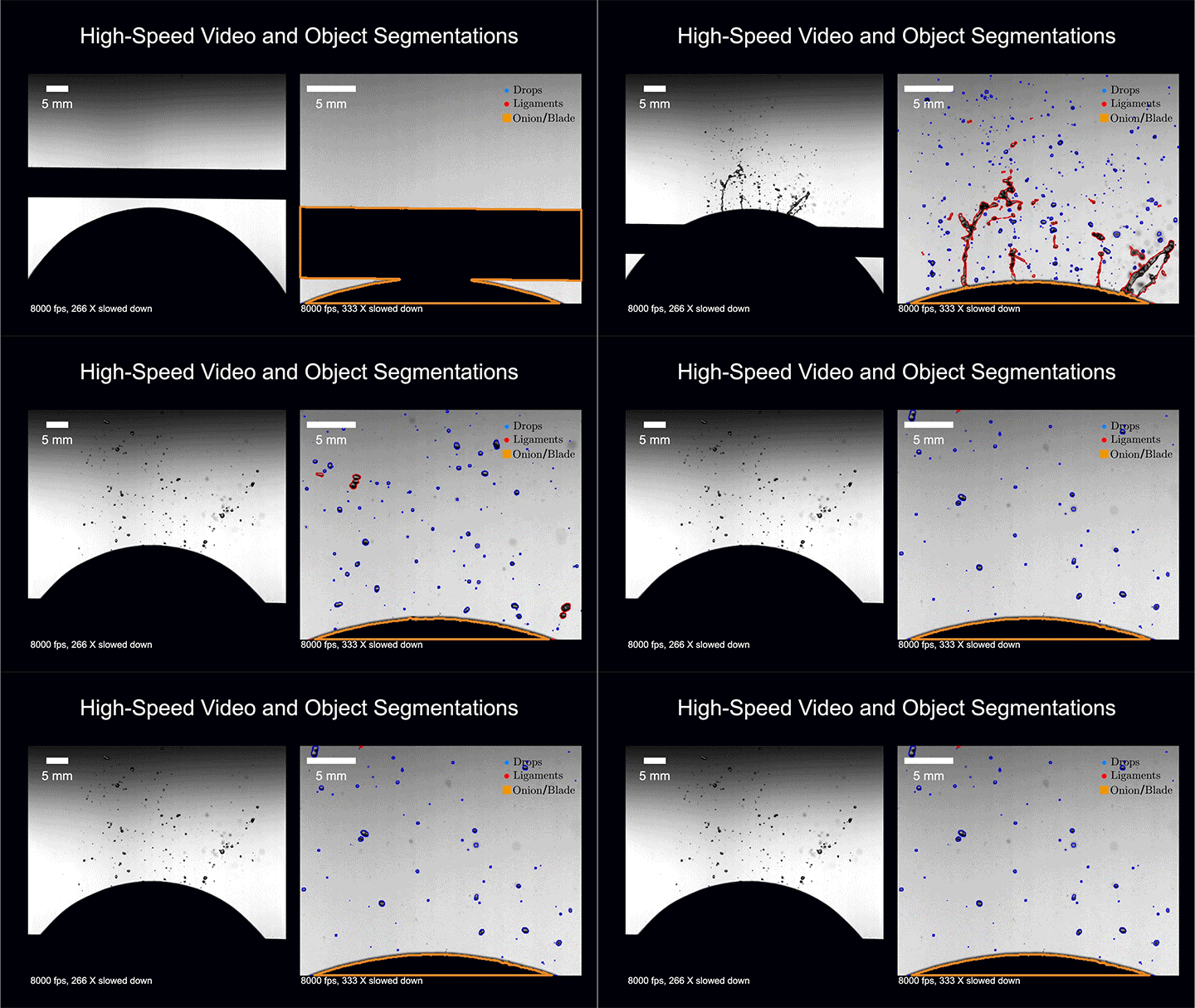
    Onions are a well-known source of tears for many a cook. And while the chemical source of their power–onions release a chemical that reacts in our eyes to produce tears–has been known for years, no one has looked at the fluid dynamics in the process until now.

    Video of droplets sprayed as a knife cuts into an onion.

    As seen above, a knife piercing the onion’s surface releases a mist of high-speed droplets, followed by a slower spray. Much like a citrus fruit’s microsprays, the onion’s fountain depends on both solid and fluid mechanics. As the knife presses into the onion’s stiffer outer layer, pressure builds in the softer layer underneath, which contains pores of fluid. Once the knife breaks the epidermis, that pressurized fluid sprays out.

    The good news is that the team also confirmed a common culinary wisdom: using a sharper knife and a slower, gentler cut will reduce the spray and its speed, resulting in fewer tears. (Image credit: M. Stone; research credit: Z. Wu et al.)

    Fediverse Reactions
  • Oceans Could “Burp” Out Absorbed Heat

    Oceans Could “Burp” Out Absorbed Heat

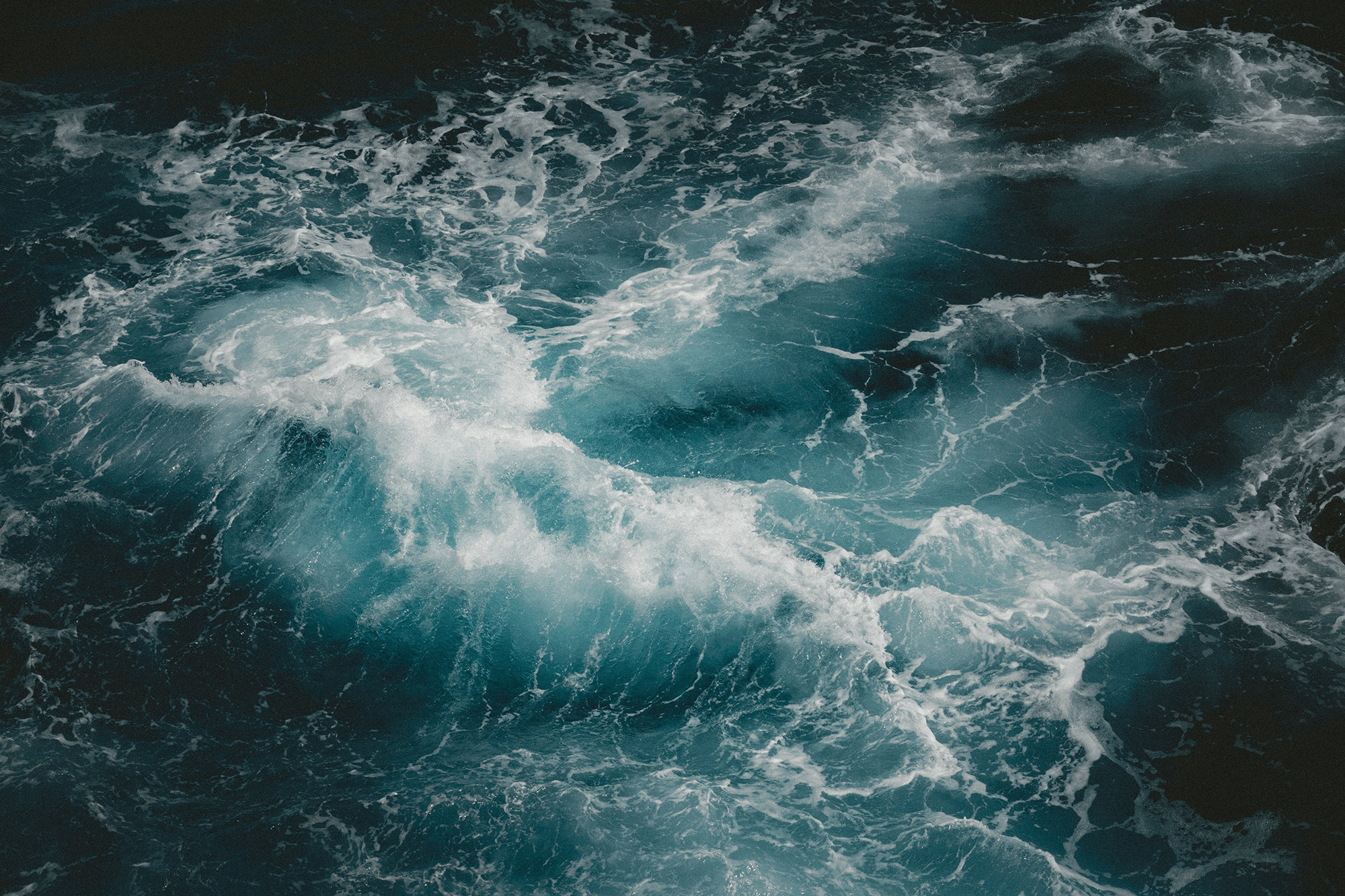
    Earth’s atmosphere and oceans form a complicated and interconnected system. Water, carbon, nutrients, and heat move back and forth between them. As humanity pumps more carbon and heat into the atmosphere, the oceans–and particularly the Southern Ocean–have been absorbing both. A new study looks ahead at what the long-term consequences of that could be.

    The team modeled a scenario where, after decades of carbon emissions, the world instead sees a net decrease in carbon–which could be achieved by combining green energy production with carbon uptake technologies. They found that, after centuries of carbon reduction and gradual cooling, the Southern Ocean could release some of its pent-up heat in a “burp” that would raise global temperatures by tenths of a degree for decades to a century. The burp would not raise carbon levels, though.

    The research suggests that we should continue working to understand the complex balance between the atmosphere and oceans–and how our changes will affect that balance not only now but in the future. (Image credit: J. Owens; research credit: I. Frenger et al.; via Eos)

    Fediverse Reactions
  • Our Best Look Yet at a Solar Flare

    Our Best Look Yet at a Solar Flare

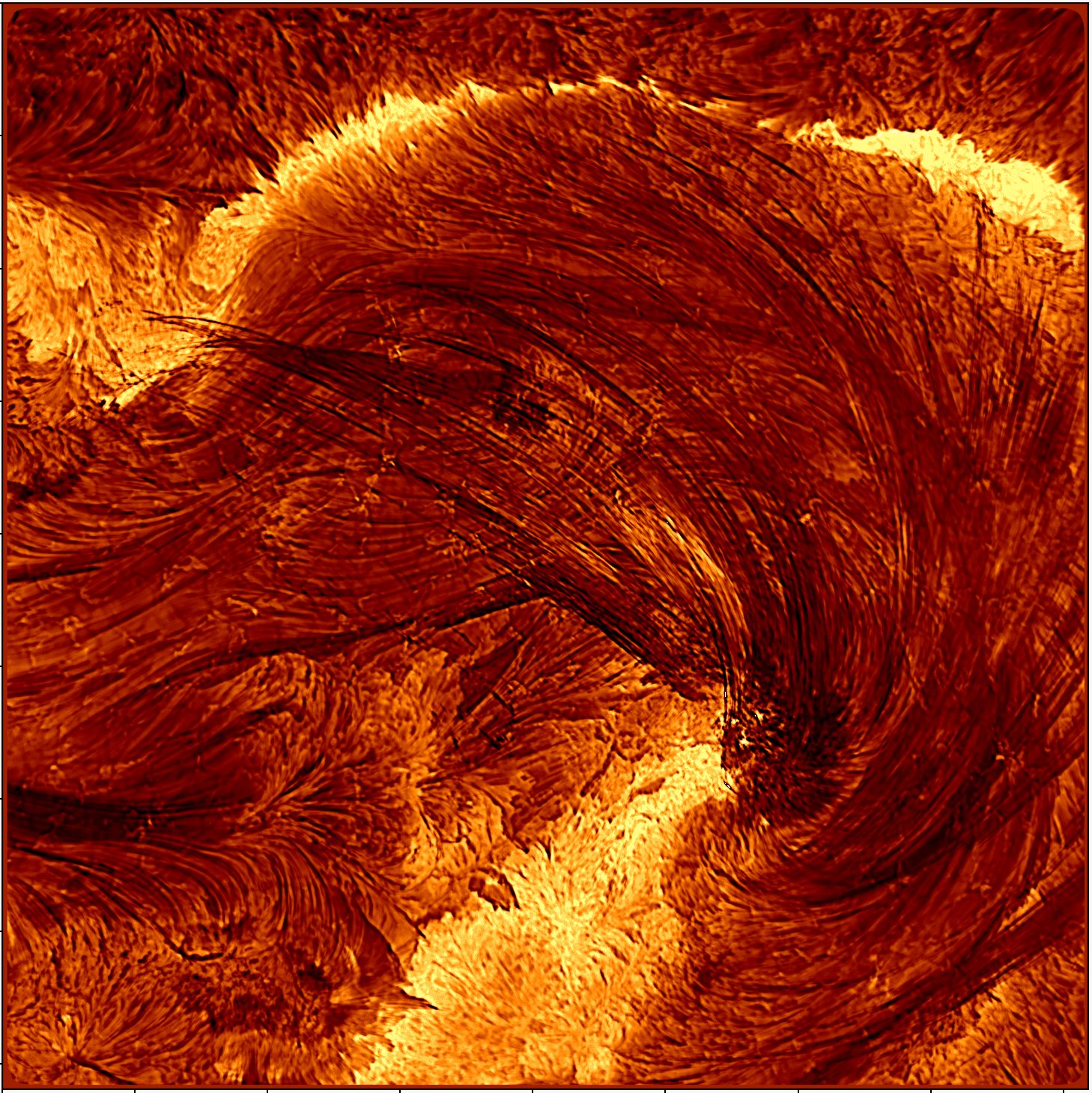
    Scientists have unveiled the sharpest images ever captured of a solar flare. Taken by the Inouye Solar Telescope, the image includes coronal loop strands as small as 48 kilometers wide and 21 kilometers thick–the smallest ones ever imaged. The width of the overall image is about 4 Earth diameters. The captured flare belongs to the most powerful class of flares, the X class. Catching such a strong flare under the perfect observation conditions is a wonderful stroke of luck.

    Although astronomers had theorized that coronal loops included this fine-scale structure, the Inouye Solar Telescope is the first instrument with the resolution to directly observe structures of this size. Confirming their existence is a big step forward for those working to understand the details of our Sun. (Video and image credit: NSF/NSO/AURA; research credit: C. Tamburri et al.; via Gizmodo)

  • Salt and Sea Ice Aging

    Salt and Sea Ice Aging

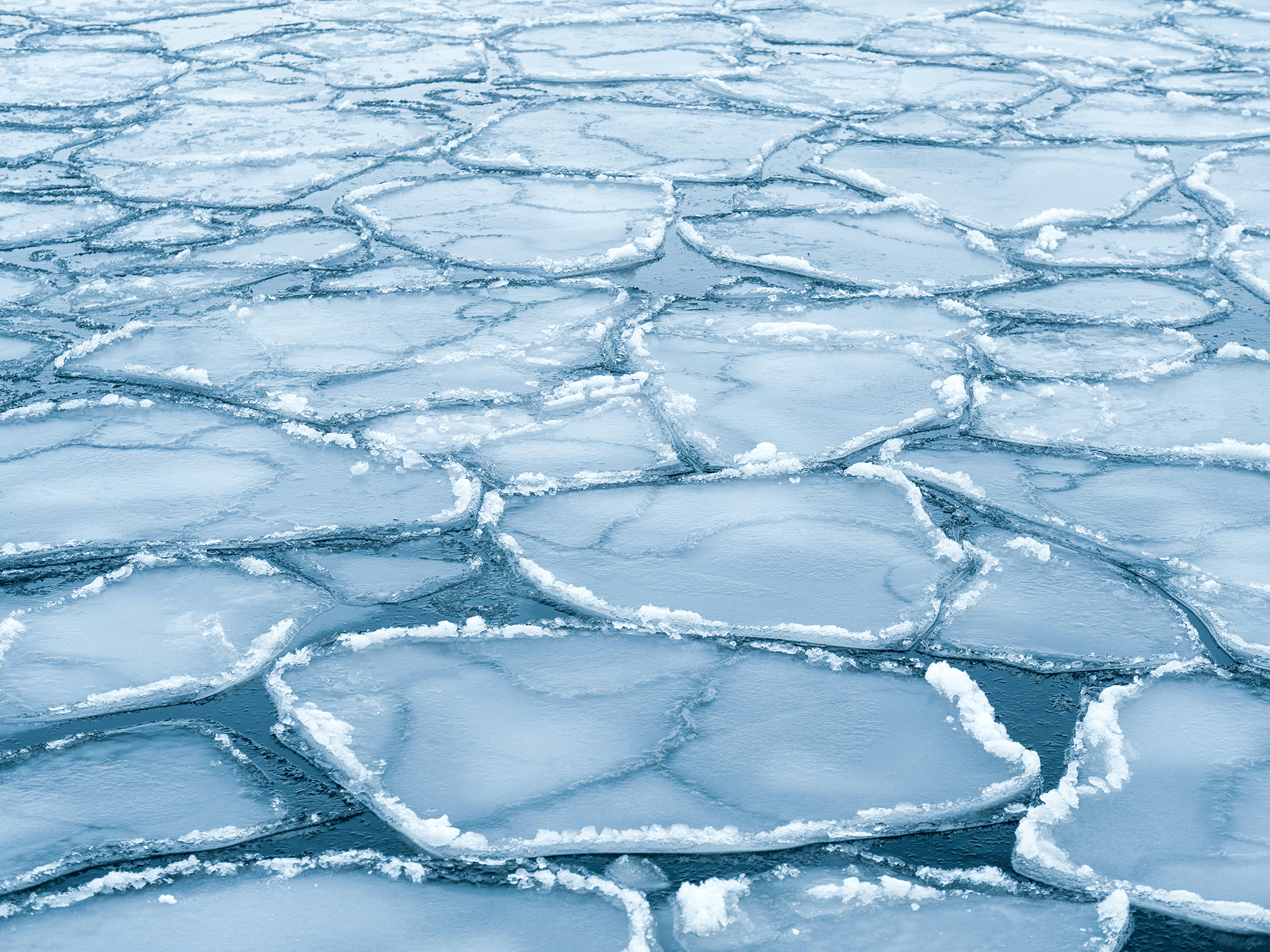
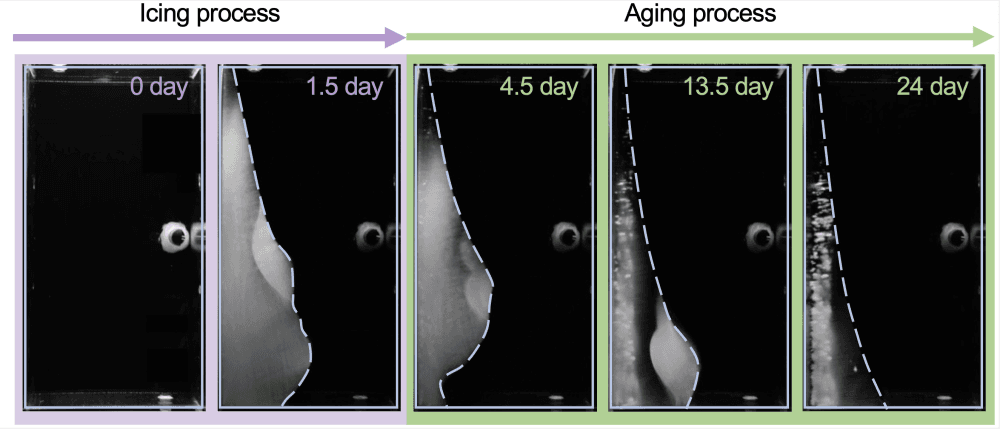
    Sea ice’s high reflectivity allows it to bounce solar rays away rather than absorb them, but melting ice exposes open waters, which are better at absorbing heat and thus lead to even more melting. To understand how changing sea ice affects climate, researchers need to tease out the mechanisms that affect sea ice over its lifetime. A new study does just that, showing that sea ice loses salt as it ages, in a process that makes it less porous.

    Researchers built a tank that mimicked sea ice by holding one wall at a temperature below freezing and the opposite wall at a constant, above-freezing temperature. Over the first three days, ice formed rapidly on the cold wall. But it did not simply sit there, once formed. Instead, the researchers noticed the ice changing shape while maintaining the same average thickness. The ice got more transparent over time, too, indicating that it was losing its pores.

    Looking closer, the team realized that the aging ice was slowly losing its salt. As the water froze, it pushed salt into liquid-filled pores in the ice. One wall of the pore was always colder than the others, causing ice to continue freezing there, while the opposite wall melted. Over time, this meant that every pore slowly migrated toward the warm side of the ice. Once the pore reached the surface, the briny liquid inside was released into the water and the ice left behind had one fewer pores. Repeated over and over, the ice eventually lost all its pores. (Image credit: T. Haaja; research credit and illustration: Y. Du et al.; via APS)

    Fediverse Reactions
  • Kirigami Parachutes

    Kirigami Parachutes

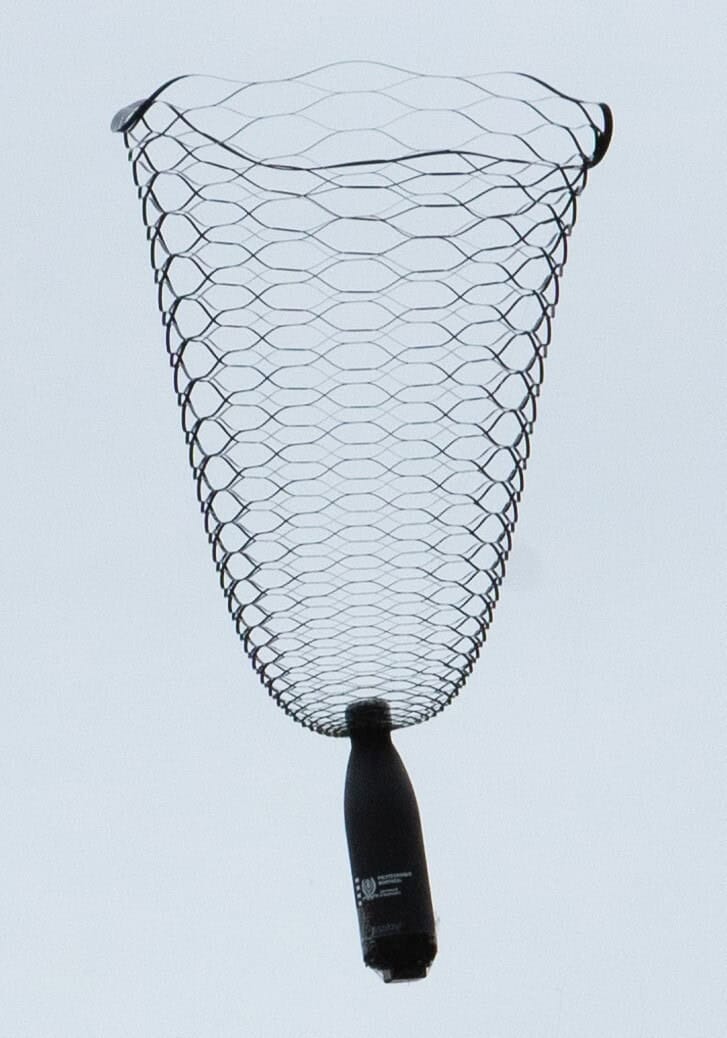
    In kirigami, careful cuts to a flat surface can morph it into a more complicated shape. Researchers have been exploring how to use this in combination with flow; now they’ve created a new form of parachute. Like a dandelion seed, this parachute is porous, with a complex but stable wake structure. This allows the parachute to drop directly over its target, unlike conventional parachutes, which require a glide angle to avoid canopy-collapsing turbulence.

    When dropping conventional parachutes, users either have to tolerate random landings far off target or invest in complicated active control systems that guide the parachute. Kirigami parachutes, in contrast, offer a potentially simple and robust option for accurately delivering, for example, humanitarian aid. (Image and research credit: D. Lamoureux et al.; via Physics World)

    Fediverse Reactions
  • Geoengineering Trials Must Consider Unintended Costs

    Geoengineering Trials Must Consider Unintended Costs

    As the implications of climate change grow more dire, interest in geoengineering–trying to technologically counter or mitigate climate change–grows. For example, some have suggested that barriers near tidewater glaciers could restrict the inflow of warmer water, potentially slowing the rate at which a glacier melts. But there are several problems with such plans, as researchers point out.

    Firstly, there’s the technical feasibility: could we even build such barriers? In many cases, geoengineering concepts are beyond our current technology levels. Burying rocks to increase a natural sill across a fjord might be feasible, but it’s unclear whether this would actually slow melting, in part because our knowledge of melt physics is woefully lacking.

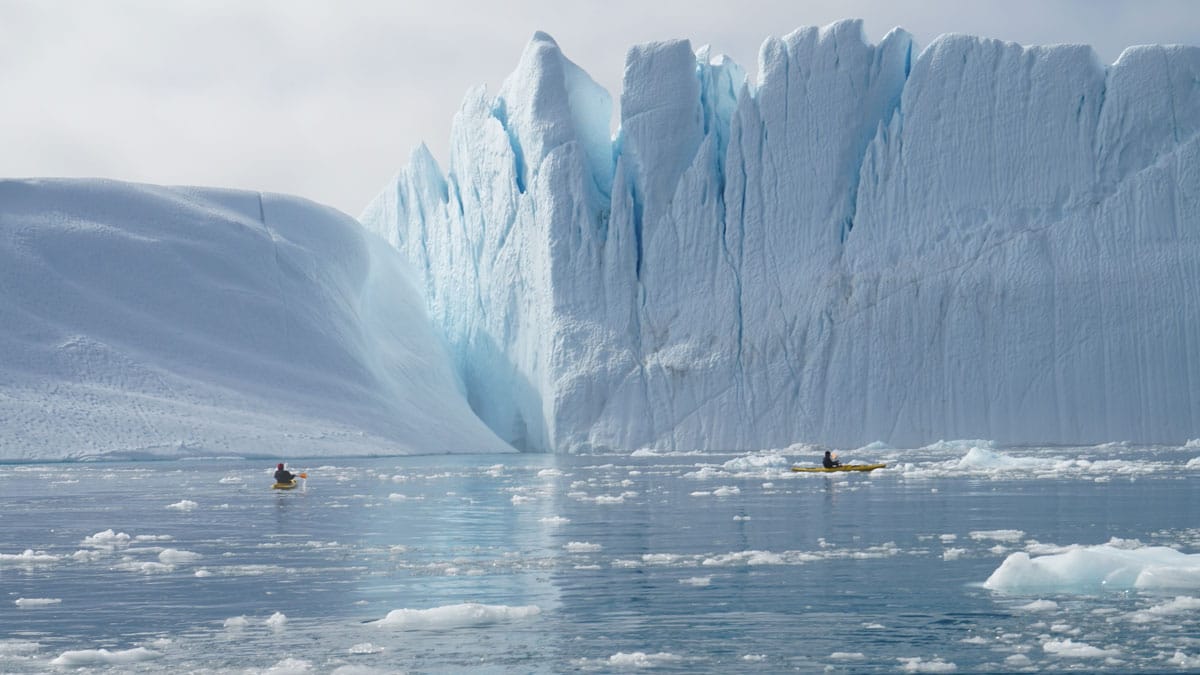
    But unintended consequences may be the biggest problem with these schemes. Researchers used existing observations and models of Greenland’s Ilulissat Icefjord, where a natural sill already restricts inflow and outflow from the fjord, to study downstream implications. Right now, the fjord’s discharge pulls nutrients from the deep Atlantic up to the surface, where a thriving fish population supports one of the country’s largest inshore fisheries. As the researchers point out, restricting the fjord’s discharge would almost certainly hurt the fishing industry, at little to no benefit in stopping sea level rise.

    Because our environment and society are so complex and interconnected, it’s critical that scientists and policymakers carefully consider the potential impacts of any geoengineering project–even a relatively localized one. (Research and image credit: M. Hopwood et al.; via Eos)

    Fediverse Reactions
  • Waves Over Sand Ripples

    Waves Over Sand Ripples

    Look beneath the waves on a beach or in a bay, and you’ll find ripples in the sand. Passing waves shape these sandforms and can even build them to heights that require dredging to keep waterways passable to large ships. To better understand how the sand interacts with the flow, researchers build computer models that couple the flow of the water with the behavior of individual sand grains. One recent study found that sand grains experienced the most shear stress as the flow first accelerates and then again when a vortex forms near the crest of the ripple. (Image credit: D. Hall; research credit: S. DeVoe et al.; via Eos)

    Fediverse Reactions