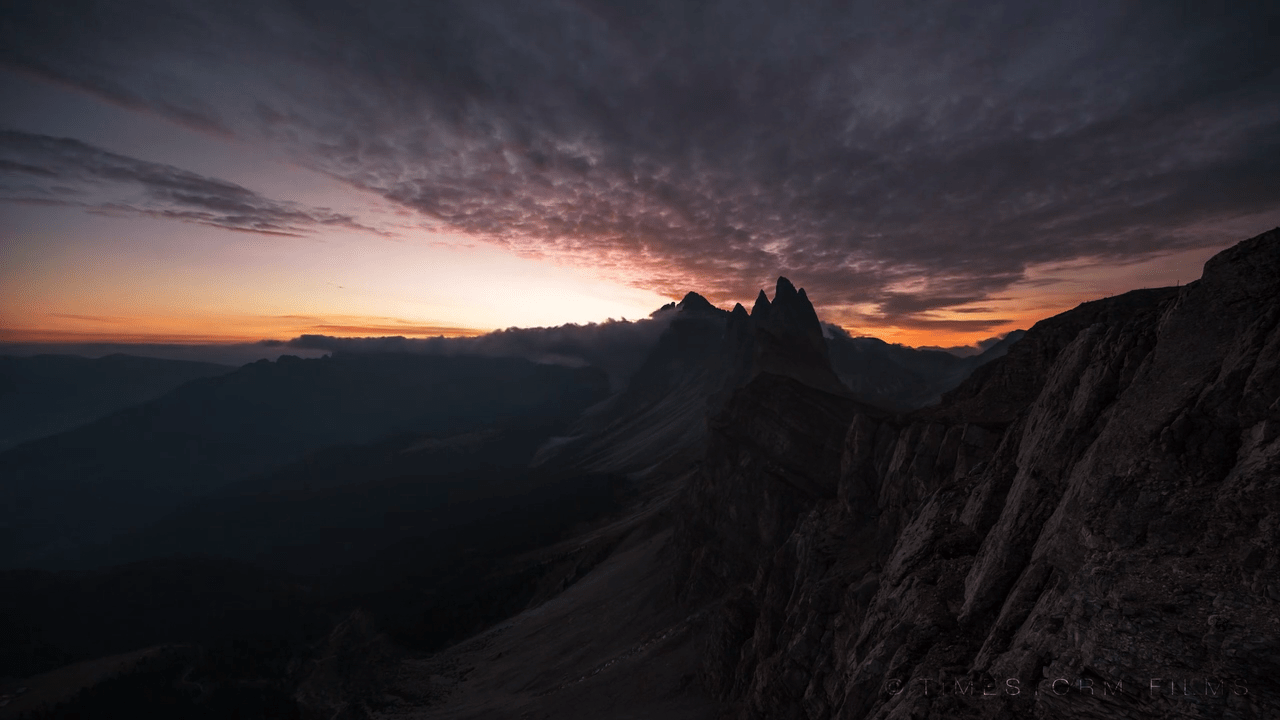
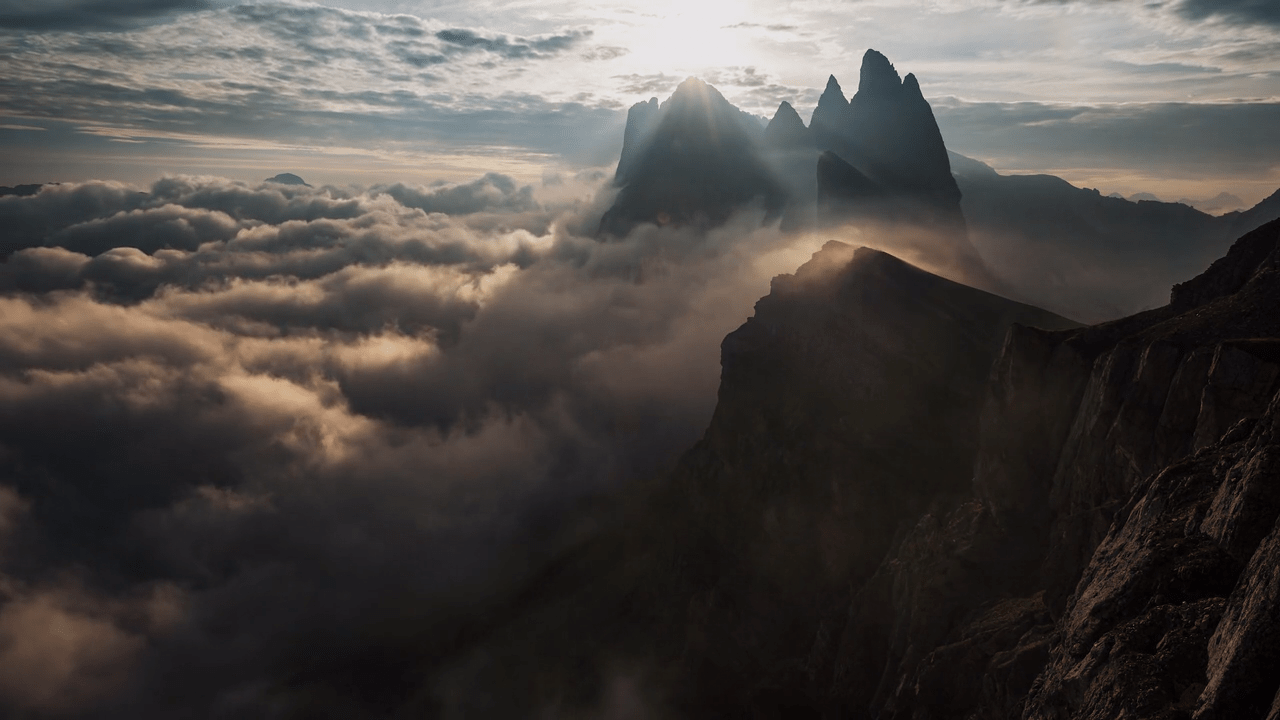
From the right vantage point, an approaching dust storm — known as a haboob — can look downright apocalyptic. In this compilation of clips a decade in the making, photographer Mike Olbinski shows these storms in all their terrifying majesty. I love seeing how the cloud front overhead densifies as the dust below advances. Without these wide perspectives, it’s hard to appreciate an approaching haboob. When one blew through Denver a few years ago, I never saw it coming. My first clue was the tree in front of my office window whipping wildly back and forth just before the sky turned brown! I much prefer Olbinski’s versions. Congratulations, Mike, on a decade of haboob-chasing! (Image and video credit: M. Olbinski; submitted by jpshoer)
Category: Art

“Volcano Pilot”
Today’s video is something a little different. Rather than looking at fluids and their physics directly, we’ll take a step back and think about how people relate to the subject. This short film, “Volcano Pilot,” follows Haraldur Unason Diego as he reflects on his life’s work. It’s a beautiful and moving glimpse of the life and philosophy of a small aircraft pilot. Many people never have the opportunity to see the world from cockpit of a Cessna or similar small aircraft, and I think there are few experiences that can better connect someone to the fluids-in-action that is aviation. (Image and video credit: M. Aberra et al.)

Martian Flyover
Fly over a Martian crater in this incredibly detailed 8K video built from Mars Reconnaissance Orbiter imagery. Like Earth’s deserts, Mars is largely shaped by wind, and we get some fantastic views of sand ripples in this flyover. For reference, the vertical scale covered in the video image is roughly 1 kilometer. It’s pretty astounding to see this kind of detail from a spacecraft 250 kilometers away! (Video and image credit: S. Doran/NASA; via Colossal)


Strandbeest Evolution
Each spring, artist Theo Jansen releases his latest batch of wind-driven kinetic sculptures — known as Strandbeests — on a Dutch beach. This video compilation shows some of the newest strandbeests, including a variety of flying strandbeest. I find their motion mesmerizing. Some stroll, some undulate, some galumph their way across the the sands. Given their size — much larger than a person and often weighing 180 kilograms — it’s amazing to see them driven entirely by the wind through their sails. (Video and image credit: T. Jansen; via Colossal)

Stormy Skies
Photographer Mitch Dobrowner captures the majestic and terrifying power of storms in his black and white images. Towering turbulence, swirling vortices, and convective clouds abound. See more of his work at his website and Instagram. (Image credit: M. Dobrowner; via Colossal)

“ColorLover”
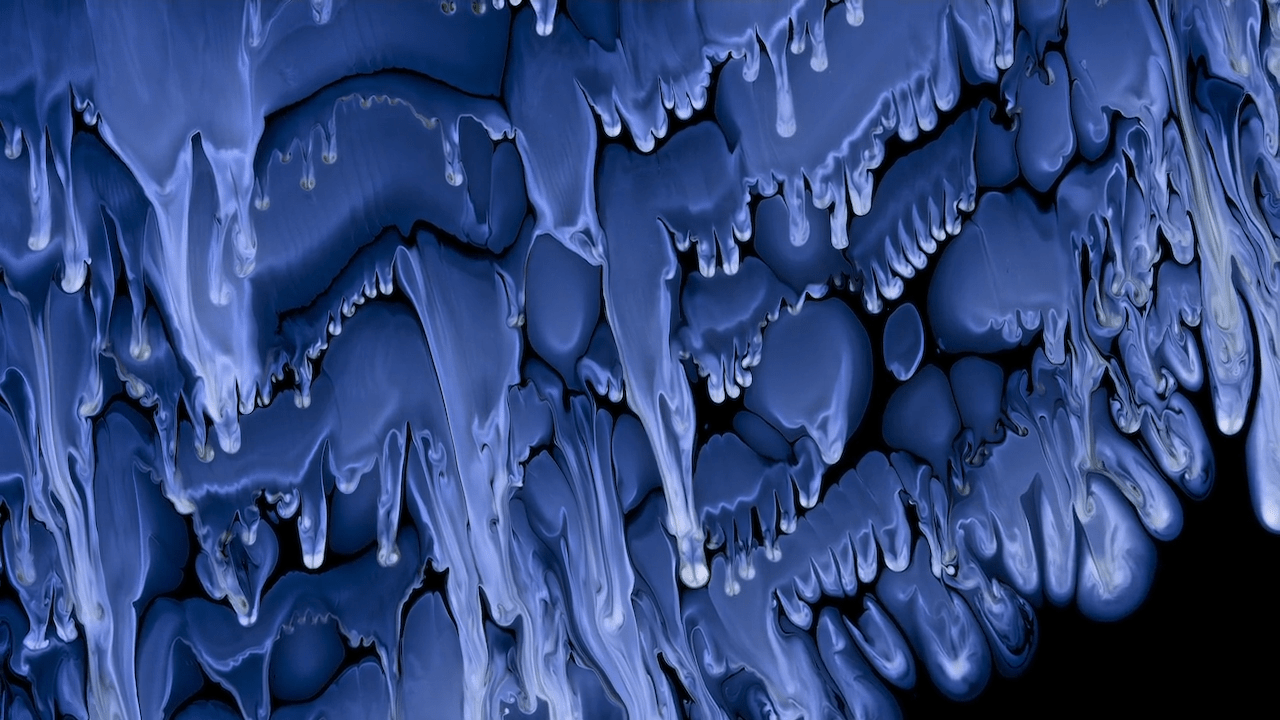
“ColorLover,” a short film by artist Rus Khasanov, is a delightful liquid rainbow. The video’s ingredients seem to be ink, paint, oil, and a bit of superhydrophobic coating primed to reveal a heart. I love that latter touch; it’s a cool way to use regular materials in a way that some might assume involved digital effects! (Video credit: R. Khasanov)

“Reverent”
Today, enjoy this moody black-and-white short film of storm timelapses. Photographer Mike Olbinski is a master of this subject. I never tire of watching his towering convective supercell thunderstorms or his picturesque microbursts. The lightning-lit clouds in the latter half of the film are particularly spectacular (assuming you do not have sensitivities to flashing lights). And there are a few haboobs and a tornado in there for good measure, too. (Image and video credit: M. Olbinski)

“Belletrix”
Icy crystals burst forth against a dark background in Thomas Blanchard’s short film “Belletrix.” The process is one of chemical crystallization. Blanchard supersaturates a chemical in a dish of hot water, then cools the fluid, which then spontaneously crystallizes when disturbed. Depending on the solution’s temperature, the crystals vary from feather-like to radial stars, each reflecting, expanding, and overlapping to cover the full surface. (Image and video credit: T. Blanchard)

Watery Salt Flats
Unusually high rainfall in Bolivia’s Salar de Uyuni turned the world’s largest salt flat into a shallow salt lake. These natural-color satellite images show the area in late January 2022. If you zoom in on the full resolution image, there are incredible detailed swirls in the water. It’s like peering at an abstract or Impressionist painting. The many colors are attributable to several sources, including volcanic sediments, runoff, and a variety of microbes and algae thriving in the mineral-filled waters. (Image credit: L. Dauphin; via NASA Earth Observatory)

Fagradalsfjall Volcano
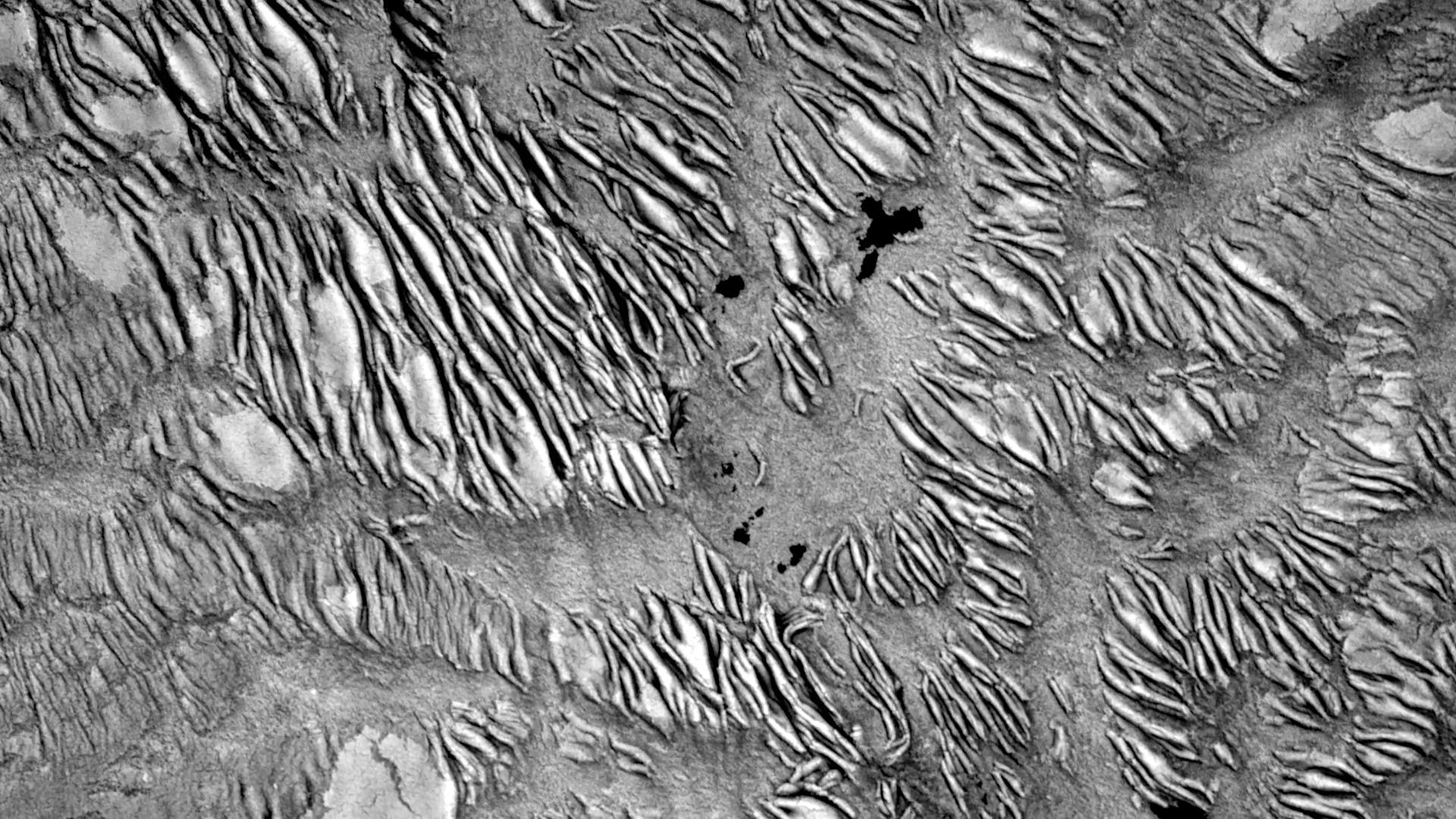
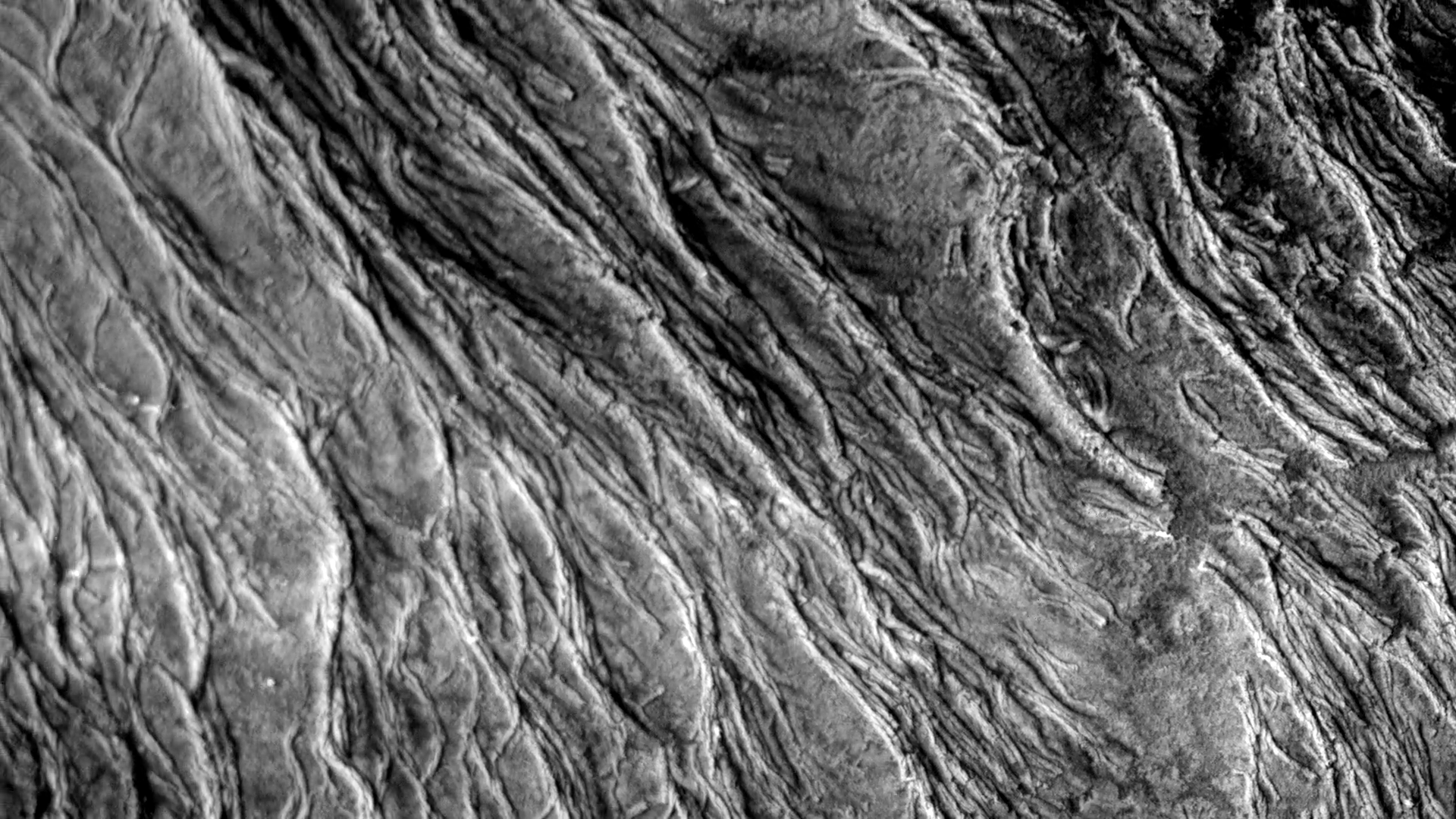
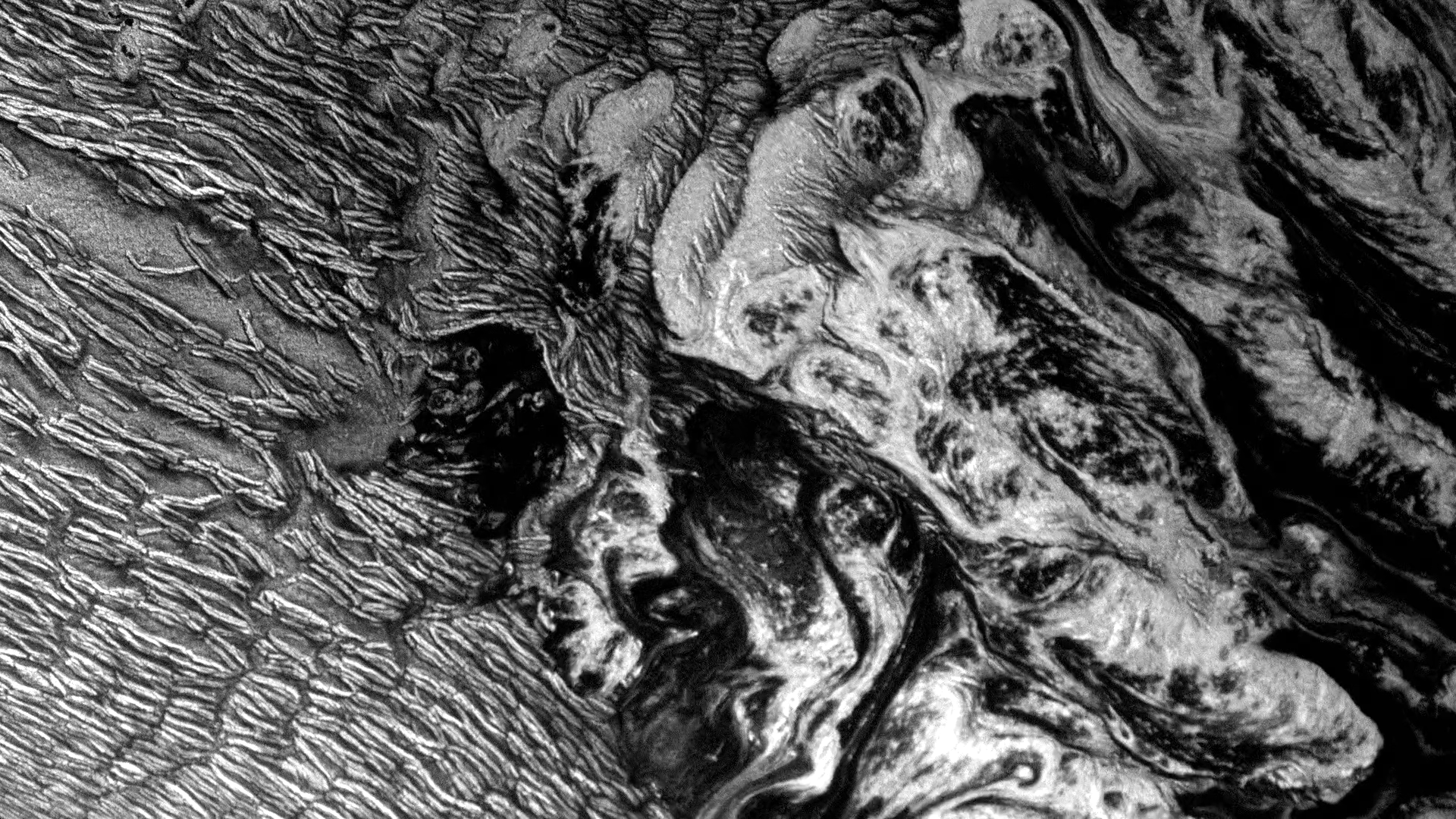
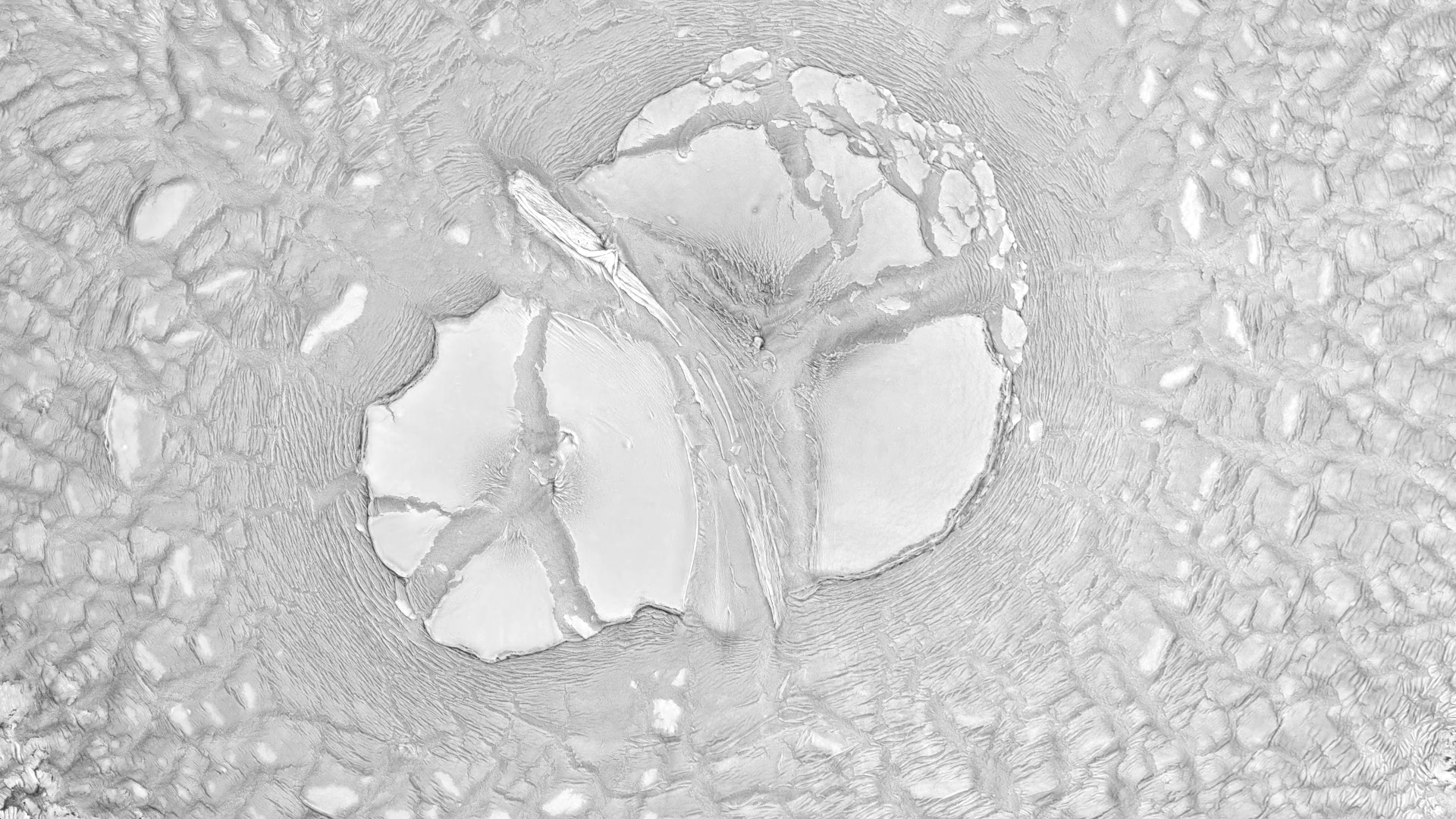
We’ve seen a lot of drone photography from volcanic eruptions in the last few years, but this footage from Iceland Aerials seems even more daredevil than usual. In this video, you can cruise over fountains of lava and watch as it cascades downhill. The perspective on some of these shots is absolutely unreal; it almost seems like it would have to be CGI. (Video credit: Iceland Aerials; via Colossal)