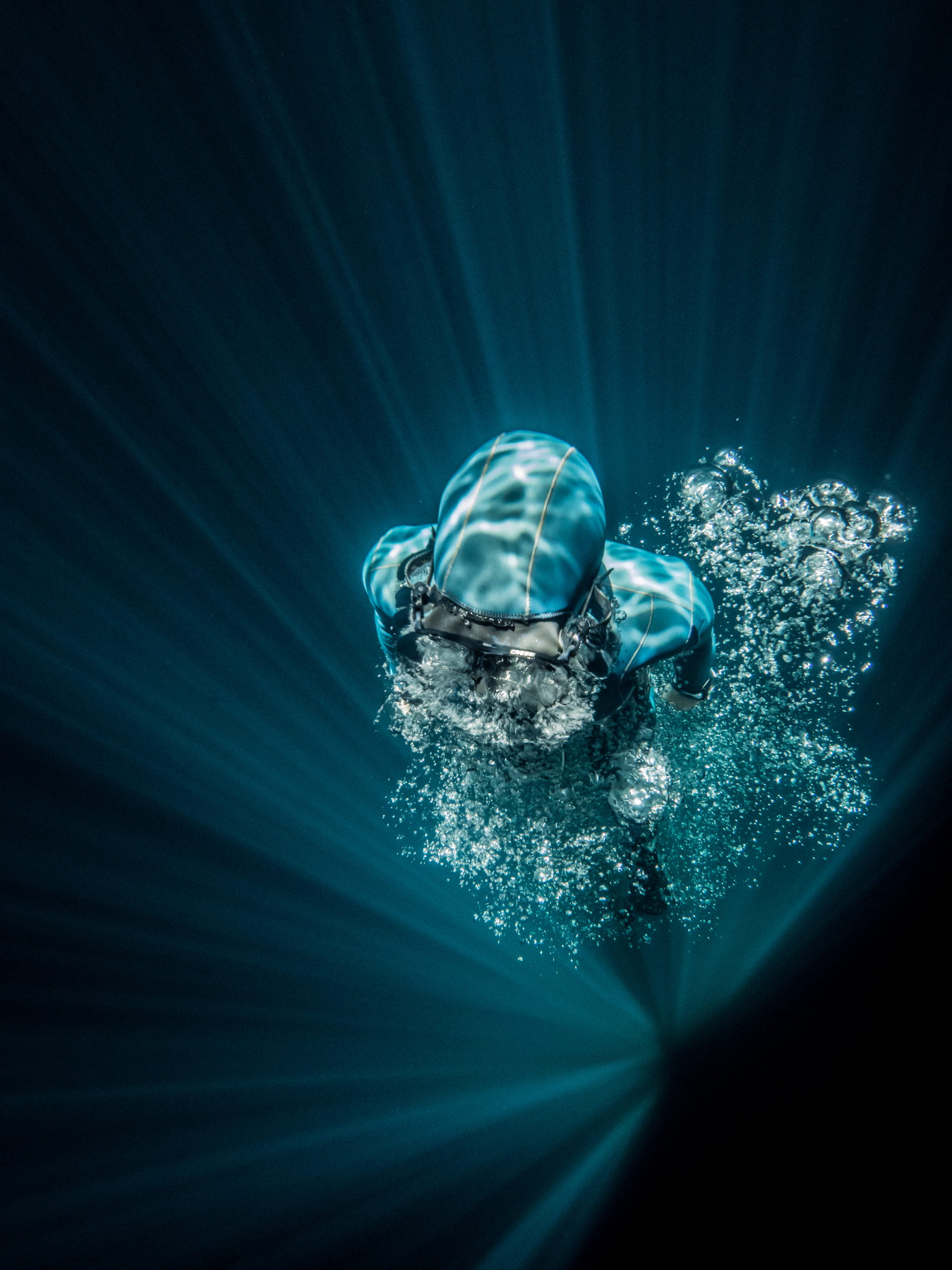
Photographer Lucie Pollet caught this image of her freediving friend ascending through a plume of bubbles and sunlight. I love the otherworldliness of the image, like the diver is an astronaut in the dark of space. The illumination of the bubbles is spectacular, too, and reminds me of the way penguins use supercavitation to help escape predators. (Image credit: L. Pollet; via Oceanographic Magazine)
Category: Art

Beautiful Waves


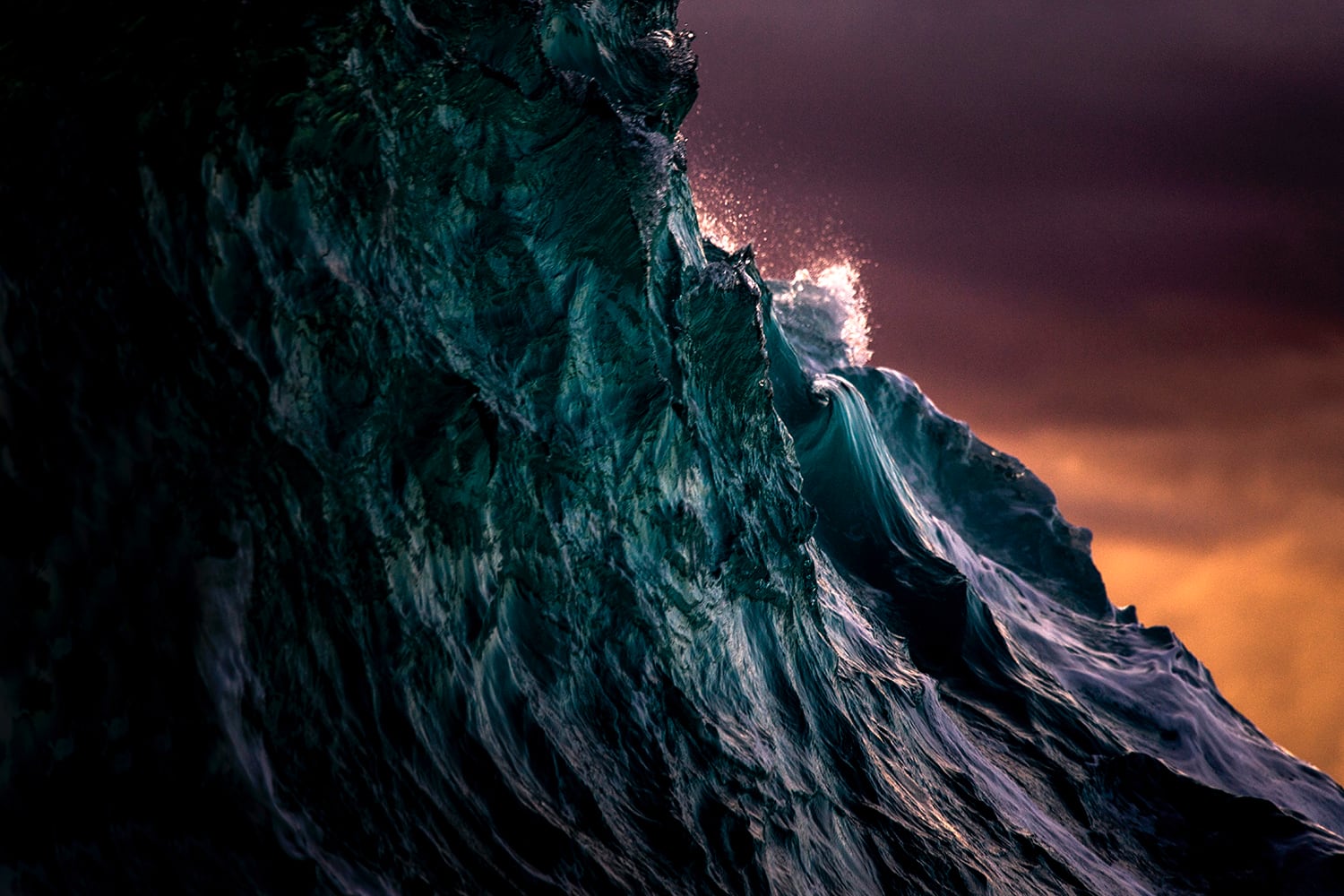


Australian photographer Ray Collins captures some of the most impressively dynamic photographs of ocean waves I’ve ever seen. The textures of the water range from glassy smooth to scaled to violent sprays of droplets. You can easily get lost in every image. For more, check out his website and Instagram. (Image credits: R. Collins; via Colossal)

“Crystallizing Epsom Salts”
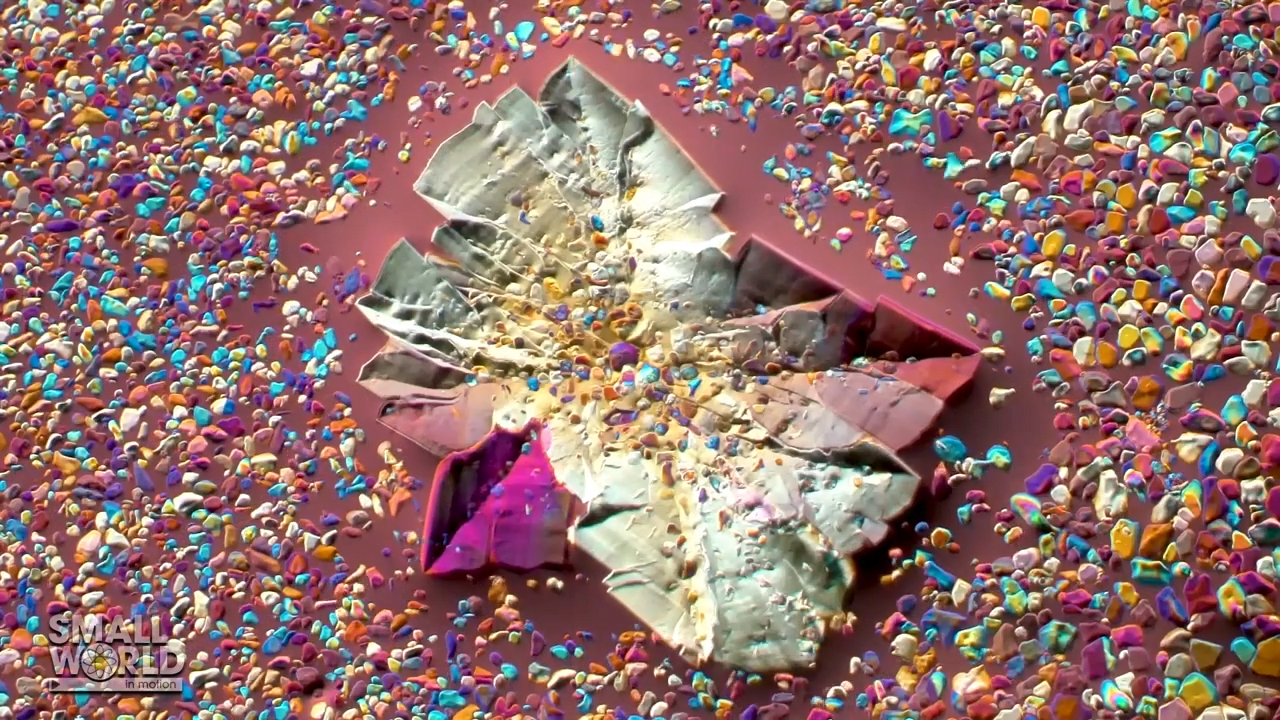
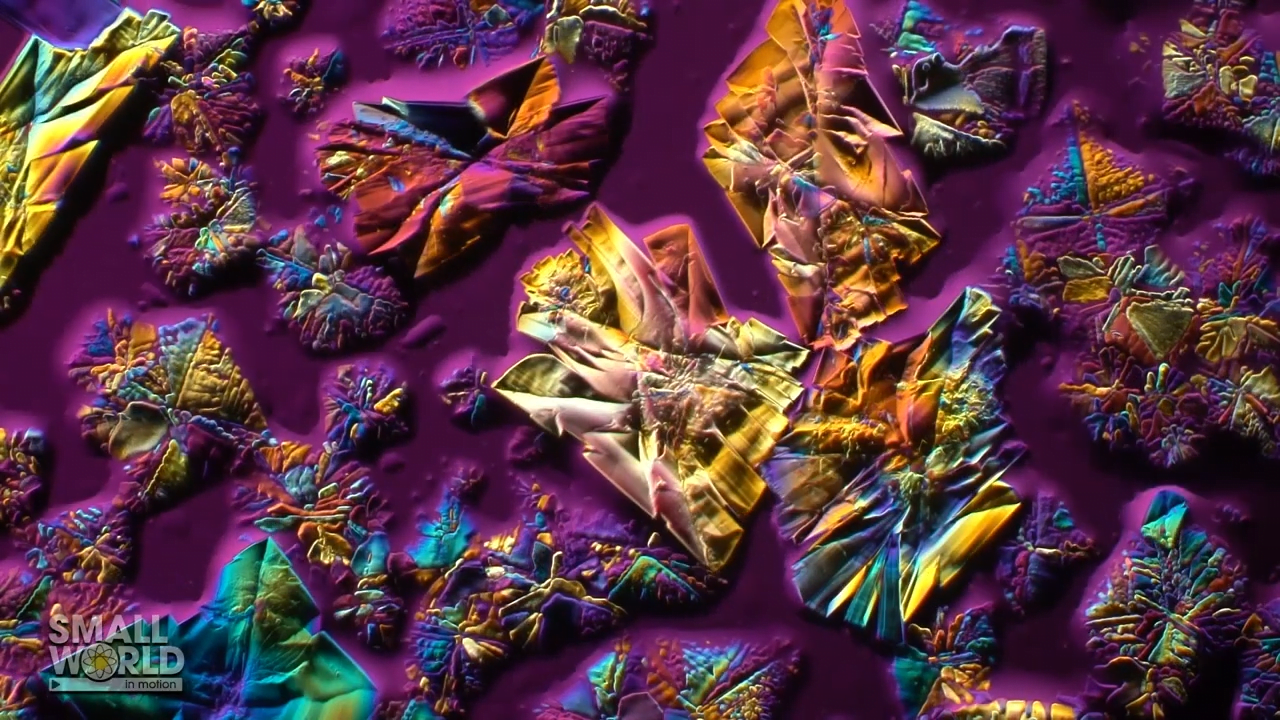
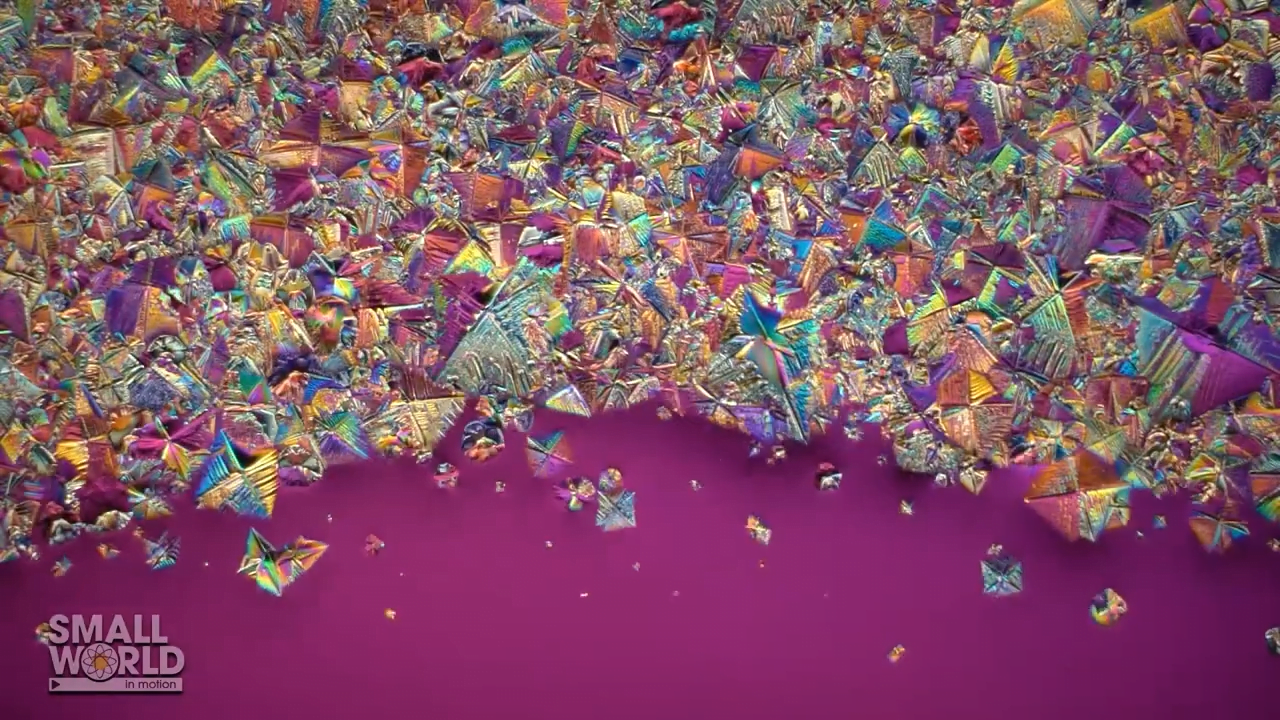
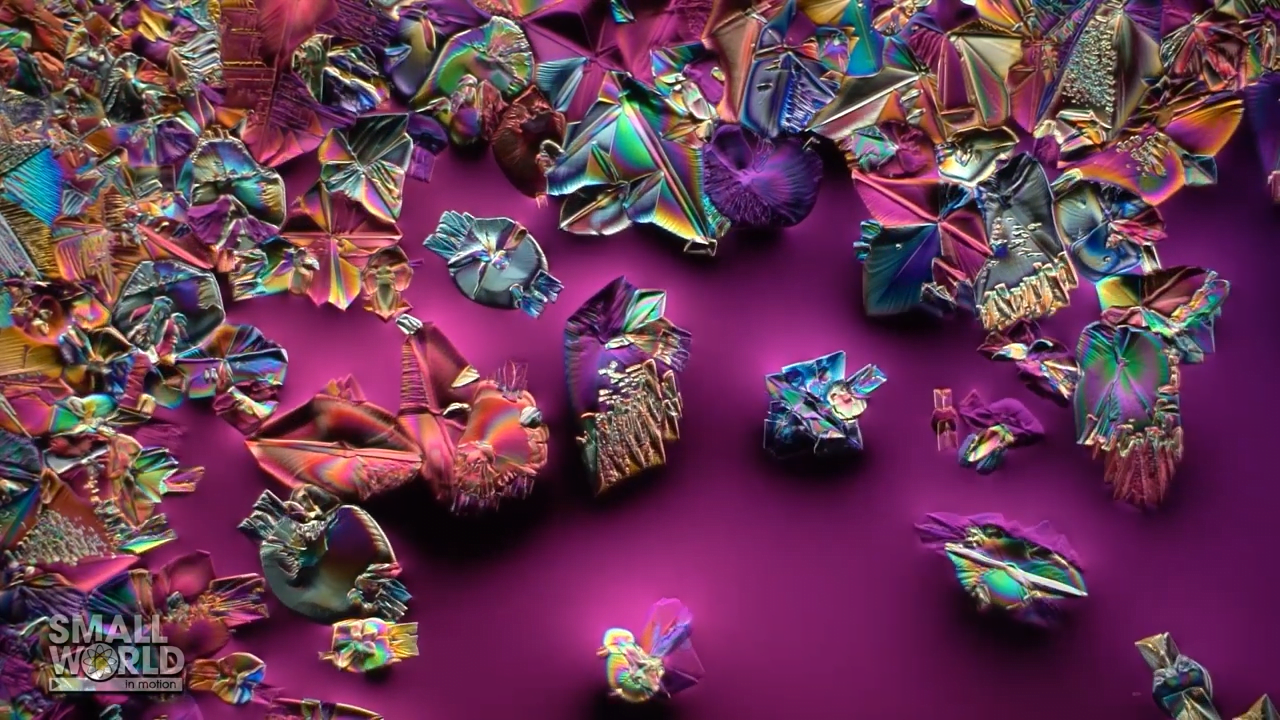

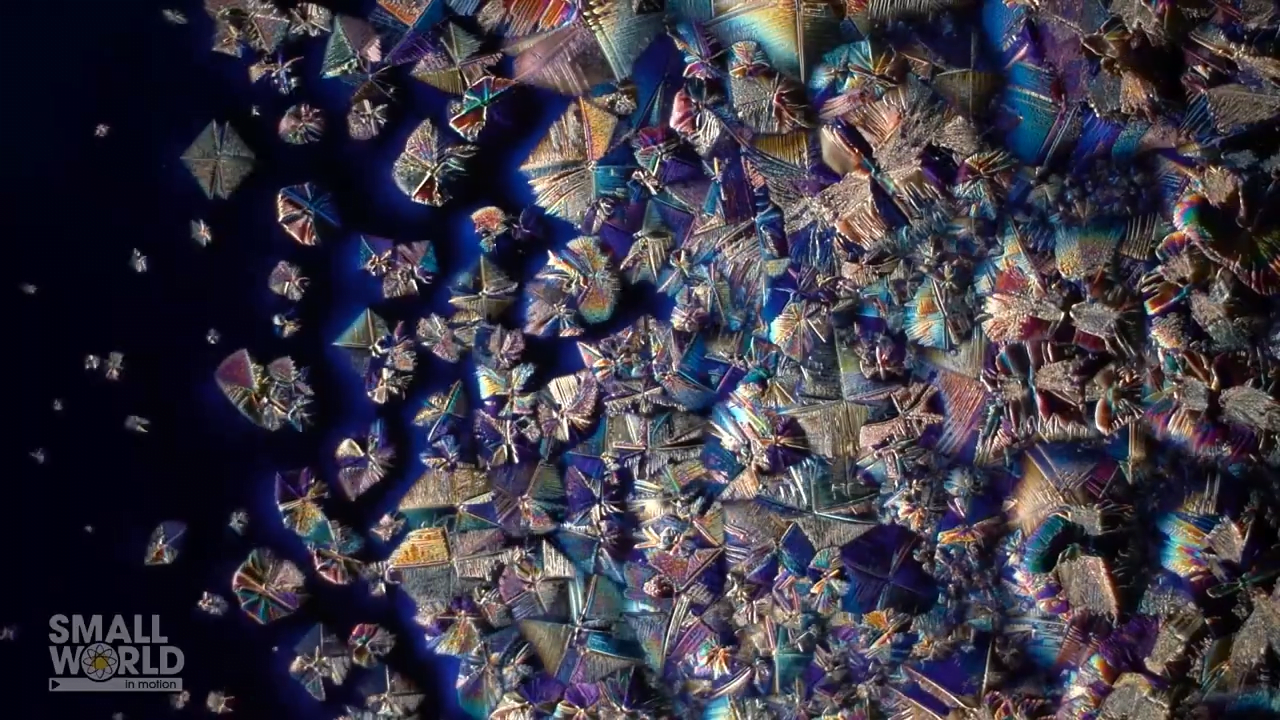
Candy-colored crystals emerge from a salty liquid in this macro video of Epsom salt crystallization by Karl Gaff. The video was an honorable mention in the 2022 edition of the Nikon Small World in Motion competition. The wild colors in the video come from illumination with polarized light, which makes the crystals appear different colors depending on the orientation of their atoms. (Image and video credit: K. Gaff; via 2022 Nikon Small World in Motion Competition)

The Delta Series


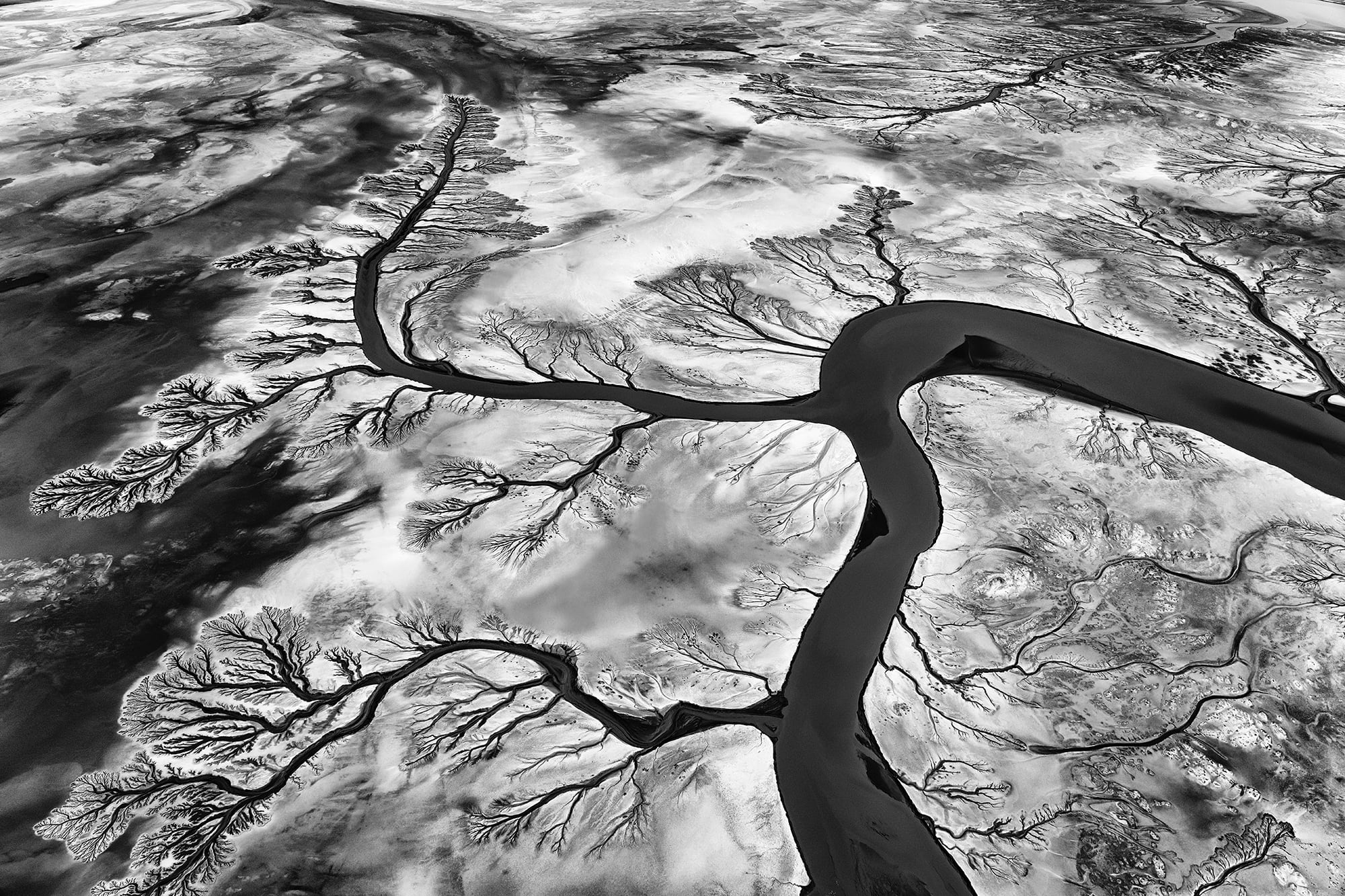

It’s easy in the rush of our daily lives to forget just how dynamic rivers are. In his “Delta Series” conservation photographer Paul Nicklen explores that ever-changing nature from above the Colorado River delta. With the ongoing megadrought in this region and ever-increasing demands for more water, the Colorado no longer flows to the ocean. It trickles its way to a tired end near Baja, Mexico, where its last gasp is not enough to sustain ecosystems that relied on the river’s irrigation long before us. Nicklen’s work is a beautiful portrait of the fractal, tree-like patterns of a slowing river. Find more of Nicklen’s work on his website and Instagram. (Image credit: P. Nicklen; via Colossal)

A Comet’s Tail Swept Away
On Christmas Day 2021, Comet Leonard put on a show in our skies. Though the comet was a pale streak to the naked eye, photographer Gerald Rhemann caught a striking event: the moment part of the comet’s tail disconnected from its body. The solar wind swept the comet’s gas and dust away. Though I’ve talked about the fluid dynamics of comets before, this image is the most stunning example I’ve seen. It’s no wonder that it won the top prize at the Astronomy Photographer of the Year competition. (Image credit: G. Rhemann; via Colossal; see also APOTY)

Dripping Glaze on Ceramics
Candy-colored glaze oozes down the sides of Brian Giniewski’s Drippy Pots. These mugs seem like a great way to the start the day with a little happy, fluidsy action! (Image credit: B. Giniewski; via Colossal)

Flowers Through a Hazy Veil


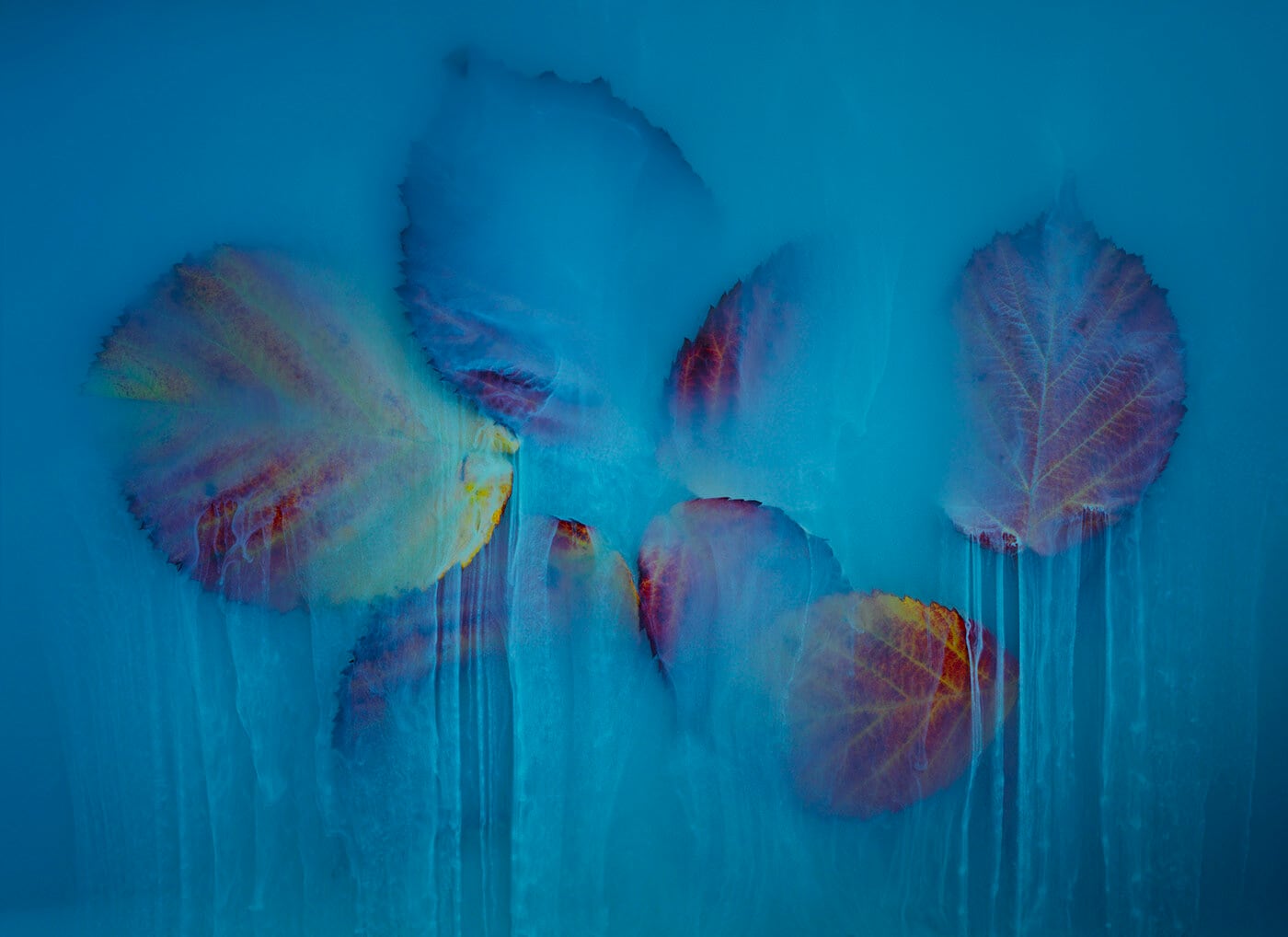


A smoke-like haze obscures colorful bouquets in these photographs from artist Robert Peek. To achieve the effect, Peek submerges his subjects underwater with white dye that sinks due to its greater density. The wakes traced by the dye are impressively laminar, so the dye must drift rather slowly past each petal. The overall effect is beautifully dream-like. You can find more of Peek’s work on Behance and Instagram. (Image credit: R. Peek; via Colossal)

Bird Photographer of the Year 2022


Try as we might, humans cannot understand fluid dynamics as birds do. Whether they are primarily flyers or swimmers, birds have an innate understanding of lift and other aerodynamic forces that put the best engineers to shame. Shown here are a subset of winners from the 2022 Bird Photographer of the Year competition, each of them showing off fluid dynamics in some fashion. Hummingbirds hover, droplets shine like diamonds, and divers brace for impact. You can peruse more winner at BPOTY’s website. (Image credits: Various; see alt text of individual images)
“Haut”
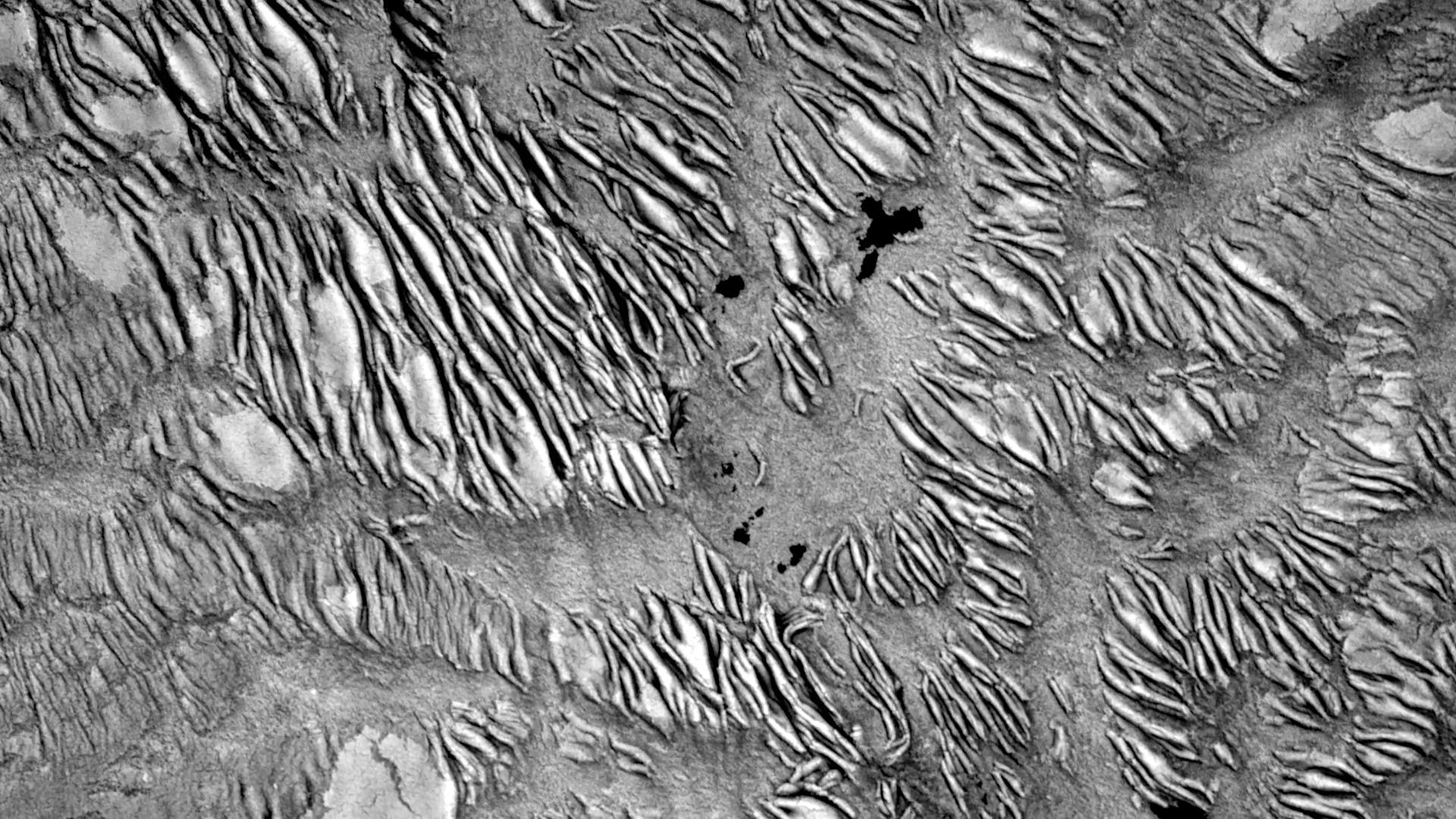
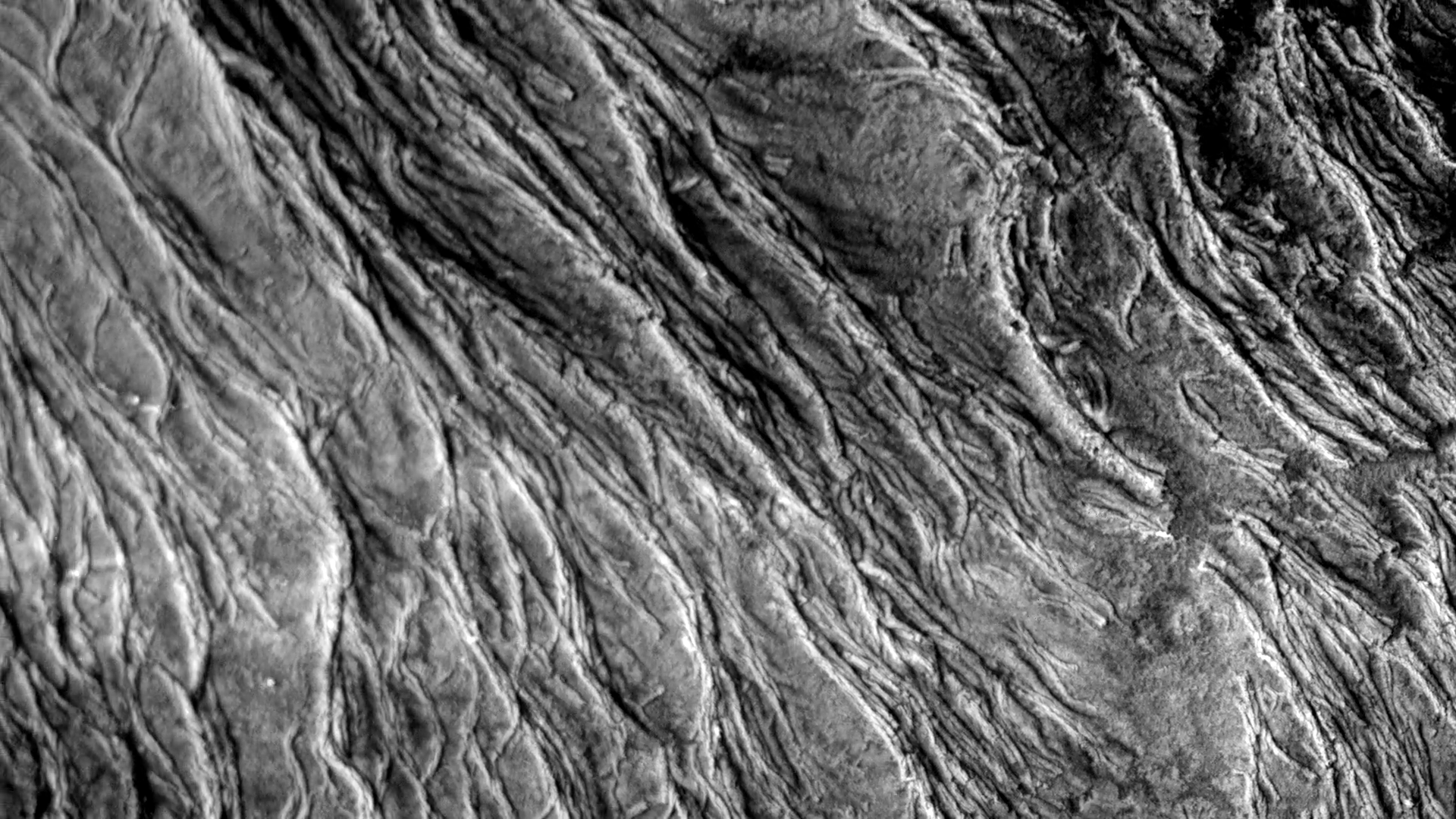
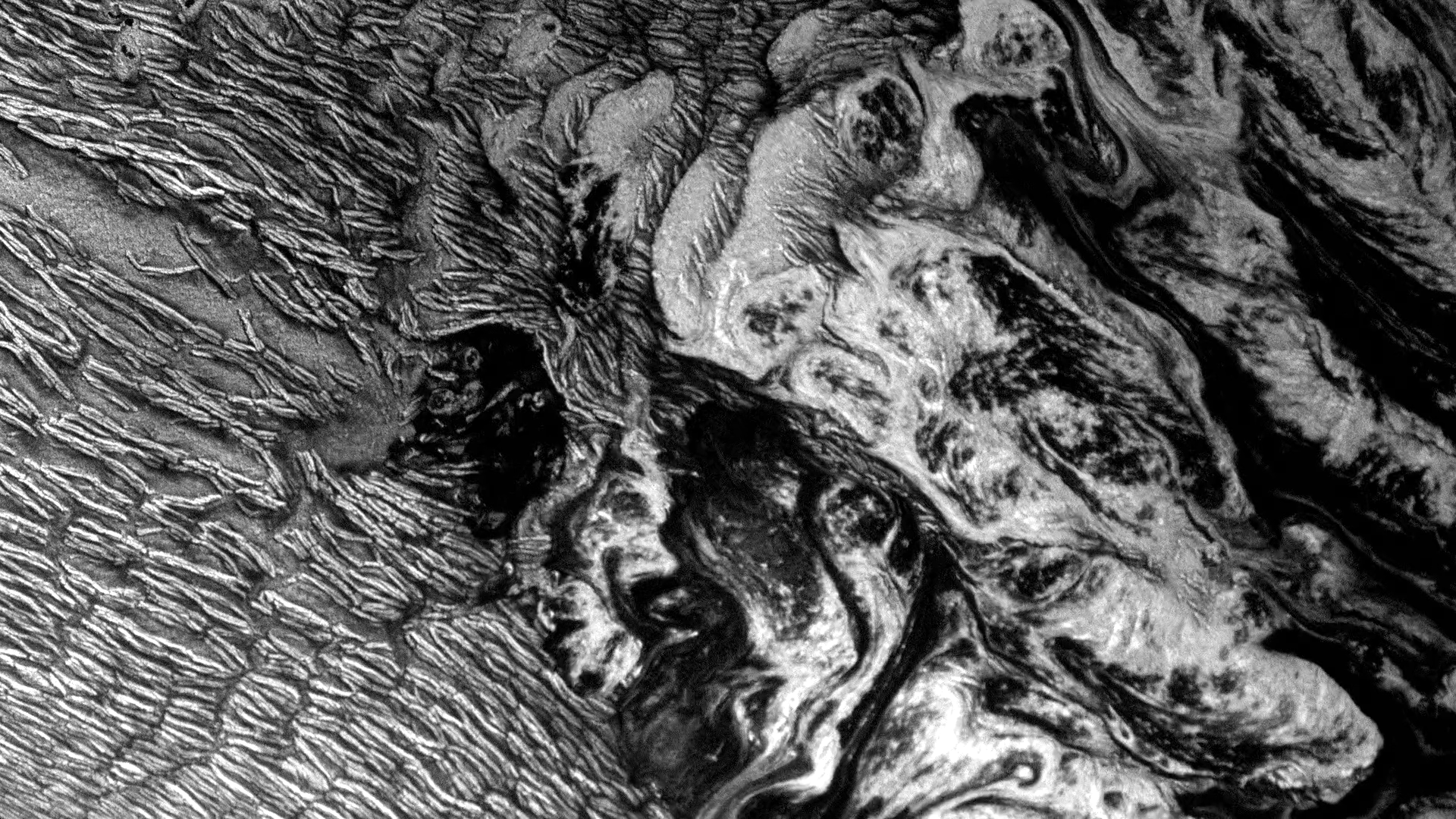
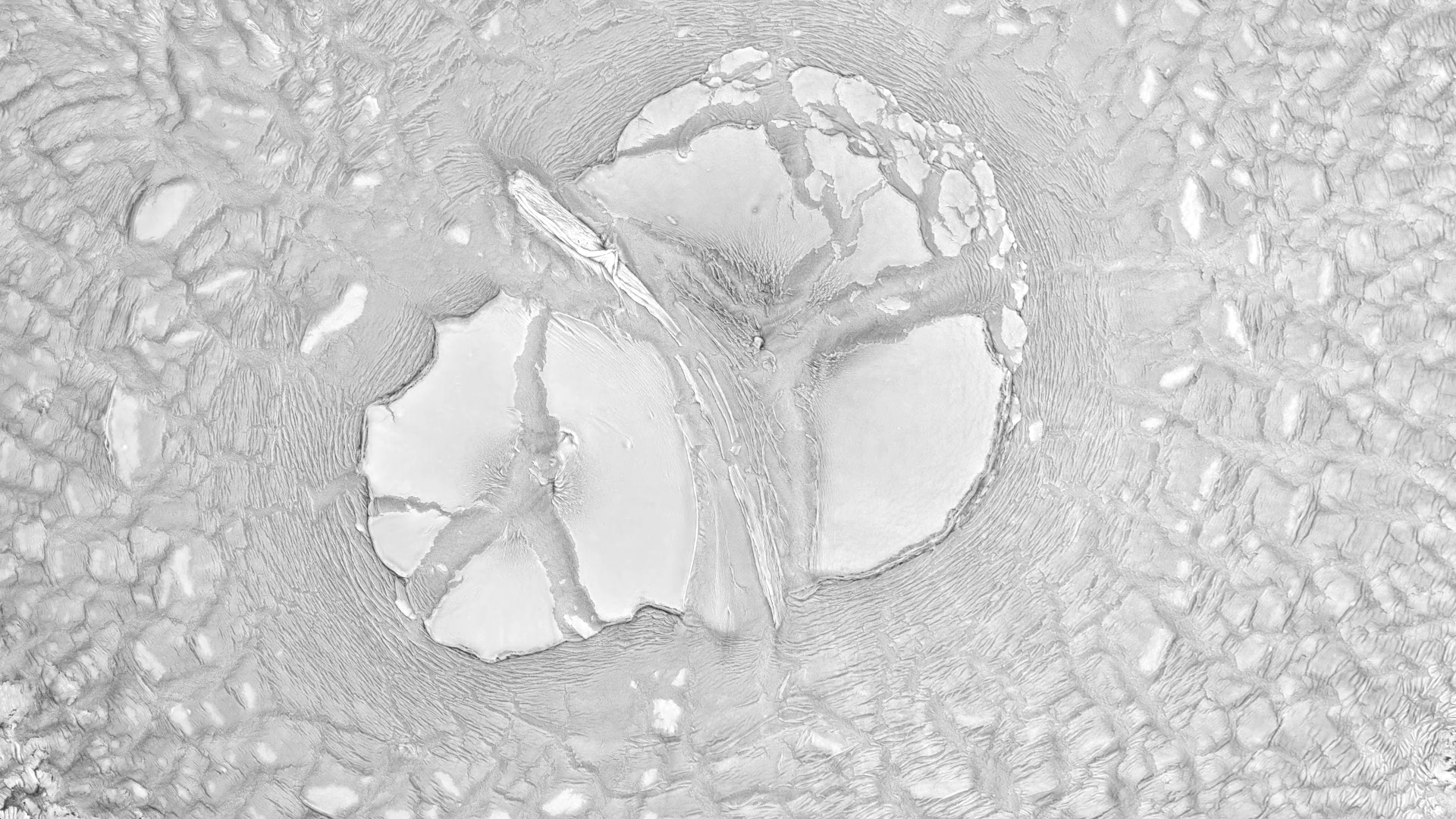
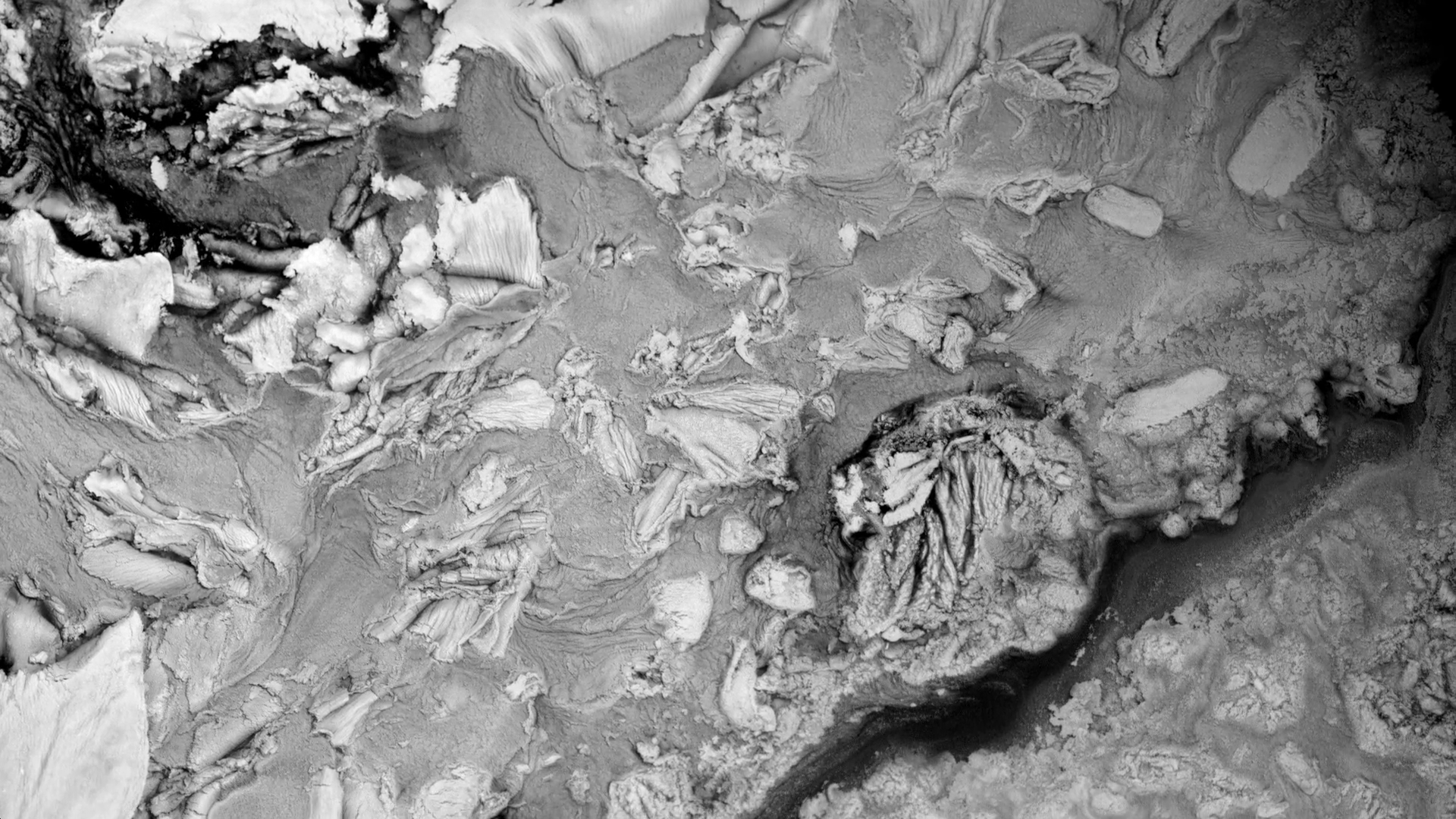
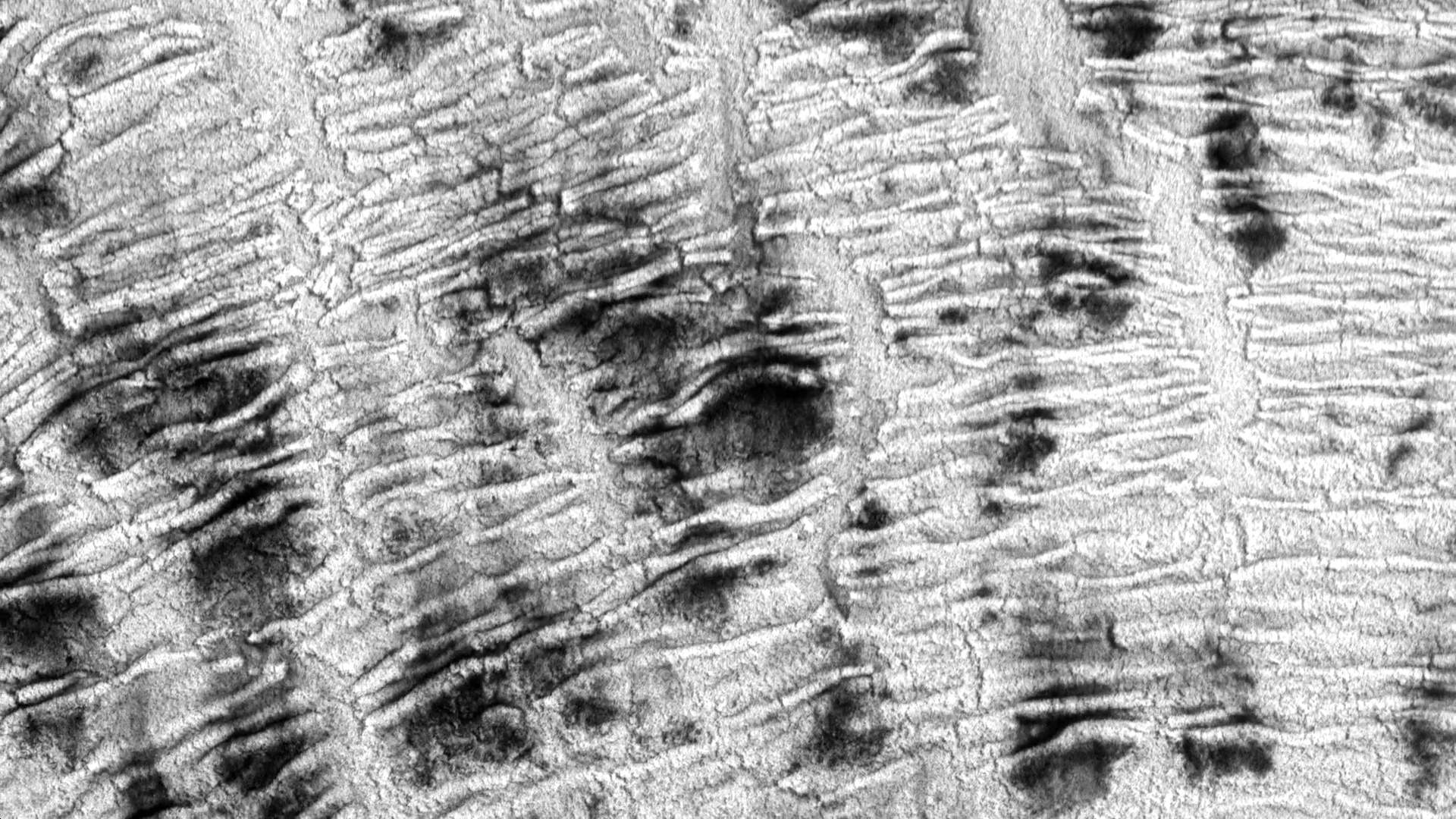
In Susi Sie’s “Haut” the camera seems to fly over ever-shifting landscapes. In reality, these are macro images, created (I think) by dyes and patterns atop a water bath. But they look like vistas we could find on Earth or Mars — giant dune fields, calving glaciers, and river-divided canyons. For something similar in color, check out Roman De Giuli’s “Geodaehan.” (Video credit: S. Sie)

Jupiter in Infrared
These recent composite images from the James Webb Space Telescope show Jupiter in stunning infrared detail. They’re the result of several images taken in different infrared bands, then combined and rendered in visible light. In general, the redder colors show longer wavelengths and the bluer ones show shorter wavelengths.
Jupiter’s cloud bands appear in beautiful detail. The Great Red Spot looks white in infrared. And the planet’s polar auroras shine bright in both images. The wide-angle shot additionally shows two of Jupiter’s moons and the planet’s rings, which are a million times fainter than the planet itself. If you look carefully, you may also see faint points of light in the lower half of the image. These are likely distant galaxies “photobombing” Jupiter’s close-up. (Image credit: NASA/ESA/Jupiter ERS Team 1, 2; via Colossal)

This composite image of Jupiter was taken in infrared bands and rendered into visible light. In general, the redder colors represent longer wavelengths and bluer ones shorter wavelengths.


