Inside a cavity with a square cross-section, bubbles form an array. The shapes of their edges are determined by surface tension and capillarity (lower half of center image). Adding an elastic ribbon into the bubbles (upper half of center image) means that the bubbles’ shapes are determined by a competition between the elasticity of the ribbon and the capillarity of the fluid. Researchers found that they could tune the rigidity of the ribbon to dictate the shape of the bubble array, or, conversely, they could use the bubbles to set the shape of a UV-curable ribbon. (Image and research credit: M. Jouanlanne et al., see also)
Tag: solid mechanics

Rain-Driven Prey Capture
Pitcher plants often entice their insect victims with sweet nectar before trapping them in inescapable viscoelastic goo. But some species go even further. Nepenthes gracilis, a species native to Southeast Asia uses its leafy springboard to lure its prey. Once an ant crawls to the underside of the leaf, a falling rain drop will spell its doom. When drops hit the leaf, it deflects down and jerks up, thanks to its shape and stiffness. The motion catapults insects into the pitcher, where digestive fluids await. While we’ve seen some fast-moving plants before, this is a rare example of a plant with an externally-driven speed mechanism. With it, the pitcher plant doesn’t have to wait or expend any metabolic effort to reset for the next insect. (Image credit: GFC Collection/Alamy; research credit: A. Lenz and U. Bauer; via New Scientist)

Squishy Actuators


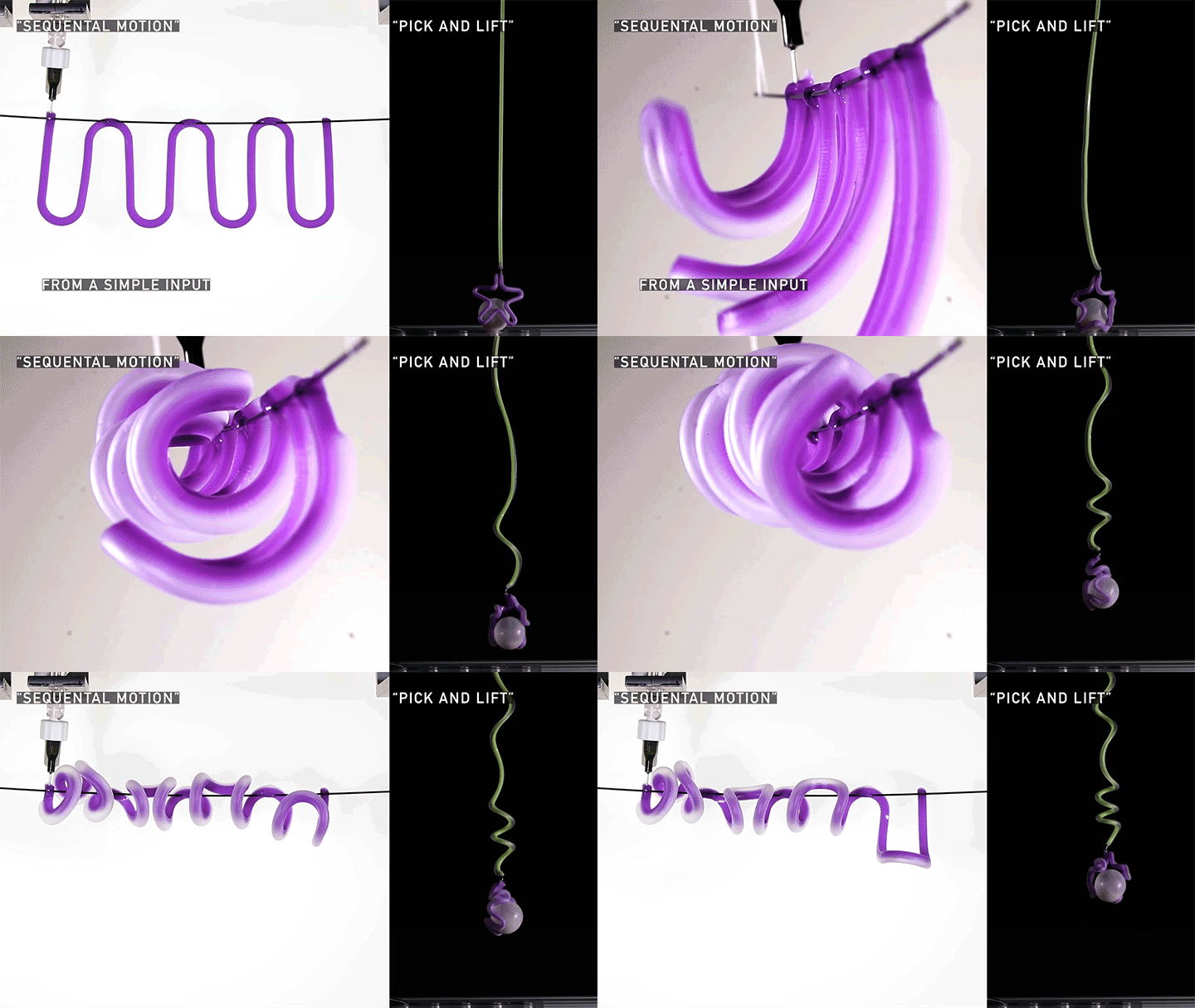
Hard materials don’t always work well in robotics. Here, researchers build soft actuators that can bend, curl, and tighten in order to manipulate objects. They begin by injecting liquid elastomer into a tube (Image 1), followed by a bubble of air. Buoyancy makes the air bubble rise within the tube, creating an asymmetric cross-section where the solidified elastomer has a thin shell along one side and a thicker wall along the other (Image 2). When high-pressure air is pumped into the soft tubes, their asymmetric cross-section makes them bend and twist (Image 3). The team found that they can tune the elastomer tubes to form complex shapes good for gripping and flexing — perfect for a soft robot! (Video and image credit: T. Jones et al.; research credit: T. Jones et al.)

Bendable Ice


Ice — as we typically encounter it — is extremely brittle and easily broken. That’s due to defects in the ice, places where atoms have settled into a spot that does not match the perfect crystalline alignment. Because tiny defect-free threads of ice made by researchers turn out to be wildly flexible!
To make these perfect ice strands, each of which is a tiny fraction of the thickness of a human hair, researchers applied an electric voltage to a needle in a water-vapor-filled chamber. The technique condensed ice microfibers with perfect crystal structures in a matter of seconds. When bent, the microfibers actually shift from one crystalline arrangement to another in order to carry stress, and once the force is removed, the thread reverts back to its initial straight form. (Image and research credit: P. Xu et al.; via Science News; submitted by Kam-Yung Soh)
All Wound Up

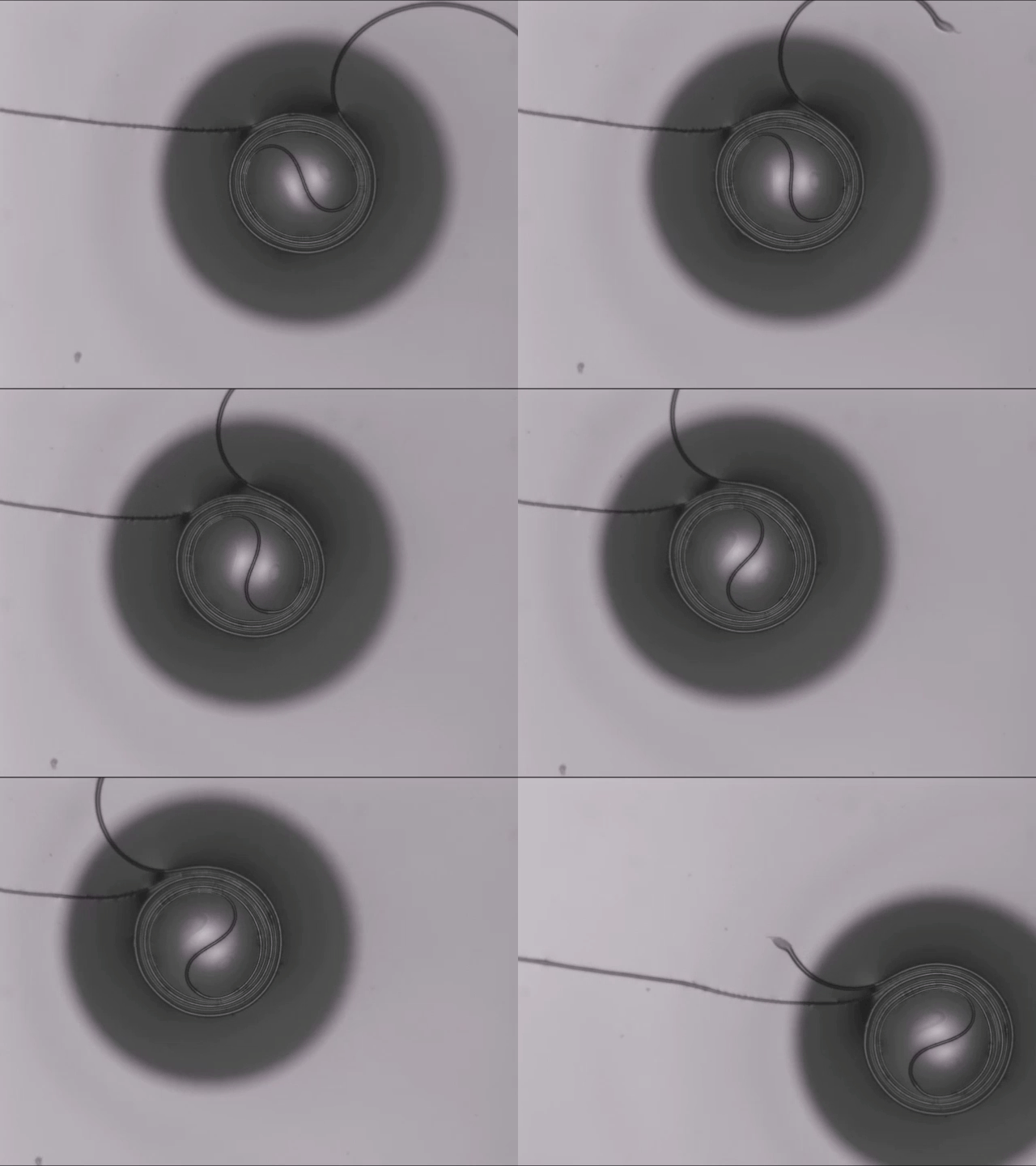

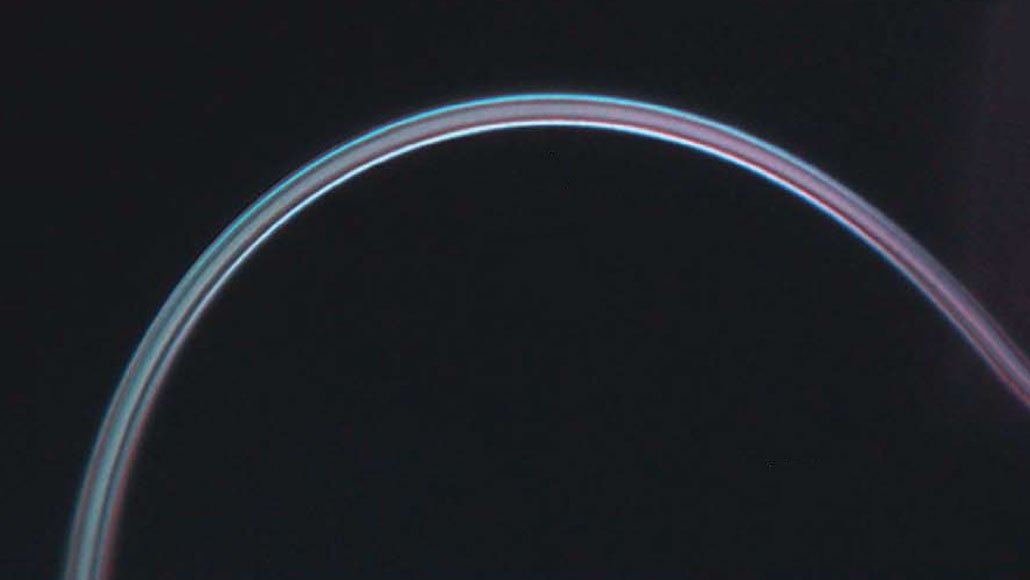
A thin fiber sitting atop a bubble can spontaneously coil around the bubble thanks to elastocapillarity. (This seemingly bizarre behavior is also why wet strands of hair clump together.) Here’s the situation: The dark circle you see is all bubble; only a portion of the bubble — known as a spherical cap — sticks above the surface of the liquid. When a fiber sits across the top of the bubble, two things can happen: 1) the fiber simply sits there until the bubble bursts, or 2) the fiber starts to bend and wind around the bubble’s cap.
Bending the fiber takes energy. In this case, that bending energy comes from the system as a whole reducing its free energy. The fiber actually sinks into the bubble film in what the researchers call a “bridged” configuration, where the fiber sits inside the liquid film while also touching the air inside and outside the bubble. In this position, the interfacial energy of the fiber-bubble system is lower, leaving enough excess energy savings for the fiber to coil. (Image and research credit: A. Fortais et al.)
Tougher Hydrogels

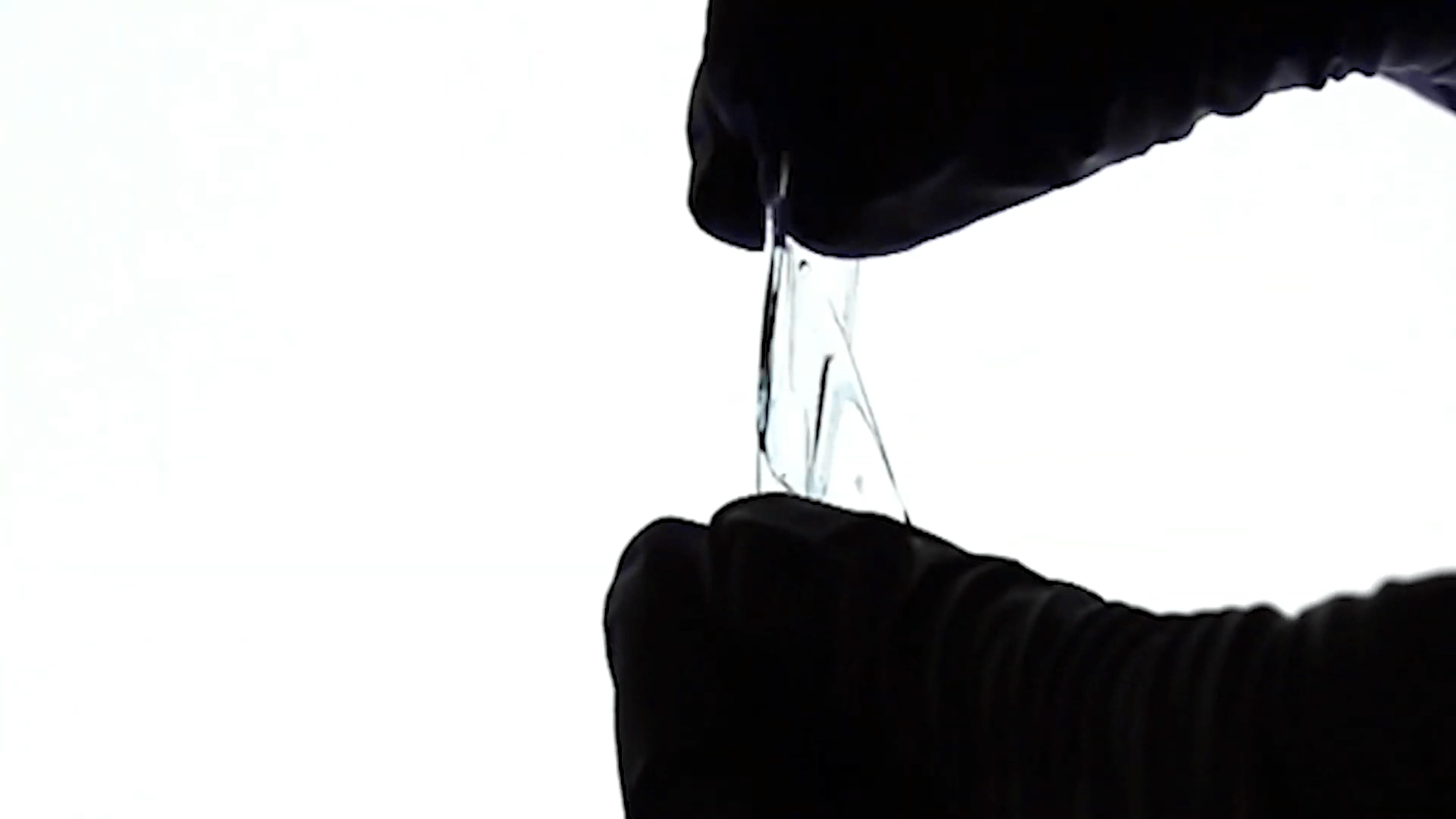

Hydrogels are soft, stretchy solids made from polymer chains immersed in water. Engineers hope these materials will be good candidates for medical implants, but to reach that goal, hydrogels need to be durable enough to withstand repeated stretching and contortion without tearing. One team has built a better hydrogel by encouraging entanglement within the gel’s polymer network.
The polymers inside a hydrogel form their network with two main components: physical entanglements between polymer chains and chemical cross-links. If you imagine the polymers as a tangle of yarn, the cross-links would be spots where pieces of yarn are knotted together and the entanglements are spots where strands wrap and cross without knotting. If you pull on the network, cross-links (knots) will allow very little stretching, whereas the looser entanglements can stretch and deform without tearing. In a hydrogel with lots of entangled polymers but very few cross-links, the material is strong and stretchy without becoming brittle or easily torn. (Video credit: Science; research credit: J. Kim et al.)

Adjusting for Gusts
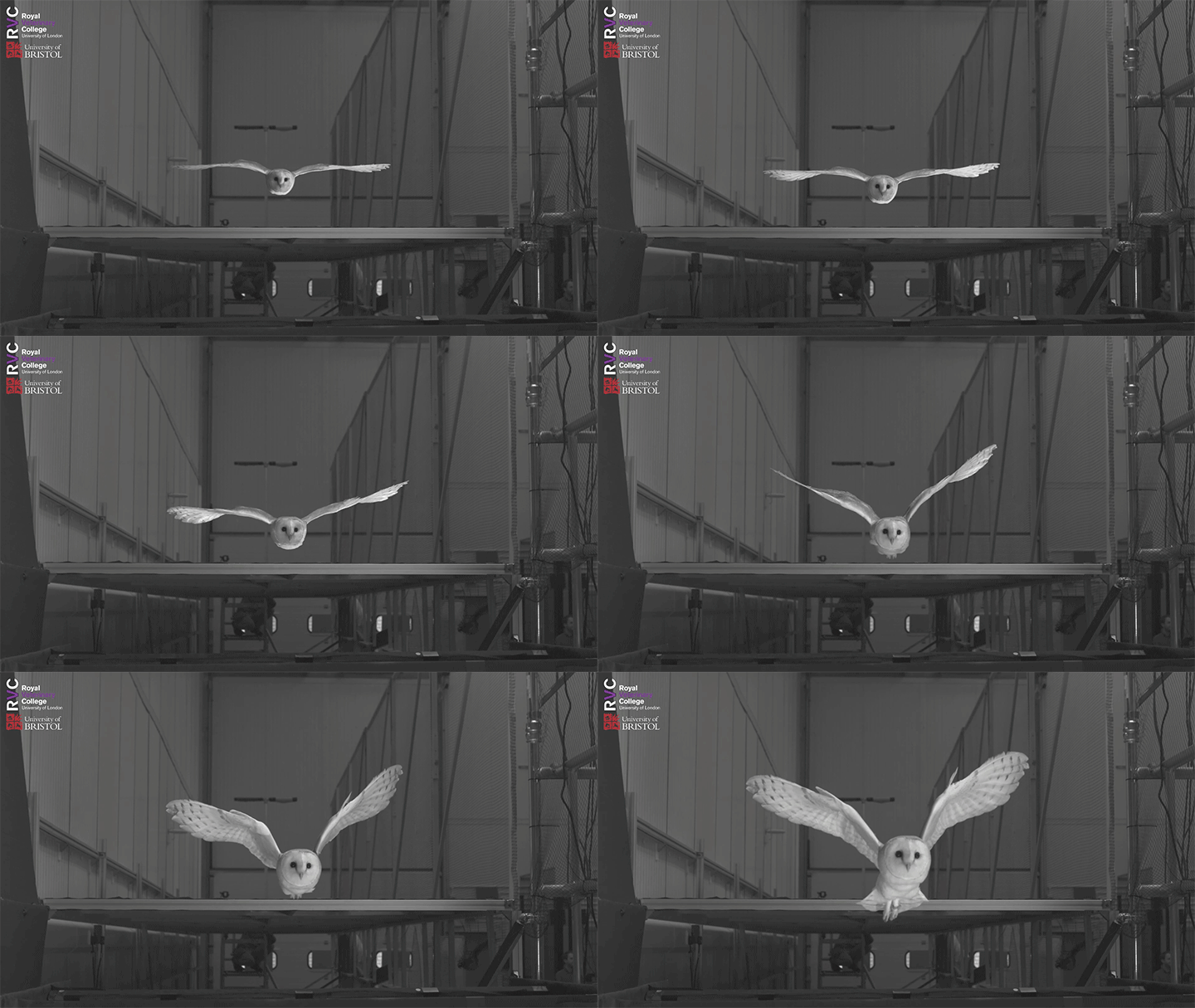
In flight, birds must adjust quickly to wind gusts or risk crashing. Research shows that the structure of birds’ wings enables them to respond faster than their brains can. The wings essentially act like a suspension system, with the shoulder joint allowing them to lift rapidly in response to vertical gusts. This motion keeps the bird’s head and torso steady, so they can focus on more complex tasks like landing, obstacle avoidance, and prey capture. (Image and research credit: J. Cheney et al.; submitted by Kam-Yung Soh)

Why Slicing Tomatoes Works
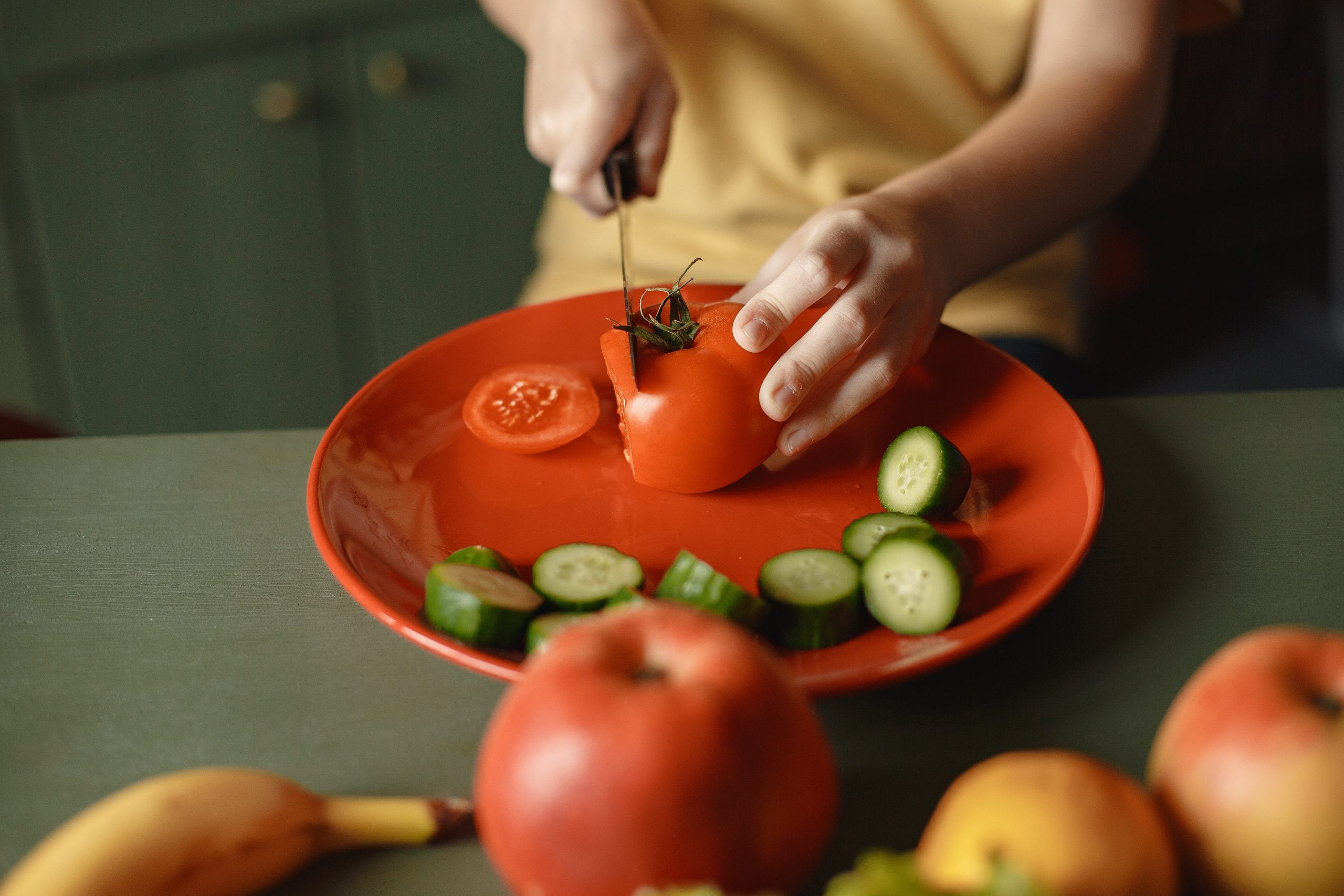
Picture it: a nice, ripe tomato. Your not-so-recently sharpened kitchen knife. You press the blade down into the soft flesh and… it explodes. Soft solids – like a tomato – don’t react well to cutting, but they slice just fine. Examining why that’s the case is at the heart of this model.
Tomatoes are essentially a gel encased in a thin skin. Gels are a kind of hybrid material — not quite liquid and not quite solid. They consist of a network of particles or polymers bonded together and immersed in a liquid. To cut that network apart, the downward force of the blade has to strain the gel past its limits, which squeezes out the surrounding liquid.
The researchers found that this liquid layer is key to how force from the knife’s motion gets transmitted. In particular, they found that the horizontal motion of a slice is necessary to initiate a cut, and that the gel parts most easily when the downward knife velocity is no more than 24% of the horizontal cutting speed. Press down any faster and the strain propagation fluctuates, creating that unfortunate tomato explosion. (Image credit: G. Fring; research credit: S. Mora and Y. Pomeau; via Ars Technica; submitted by Kam-Yung Soh)

Event: Machine Learning in Mechanics
This Thursday, August 27th, the U.S. National Committee on Theoretical and Applied Mechanics is holding a special free webinar series on Machine Learning in Mechanics. Details for each talk and a link to register are available here. Note that the event is free but registration is necessary if you want to receive the Zoom link.
Full disclosure: I am a member-at-large of the U.S. National Committee on Theoretical and Applied Mechanics.
Paint Versus Hydrogel


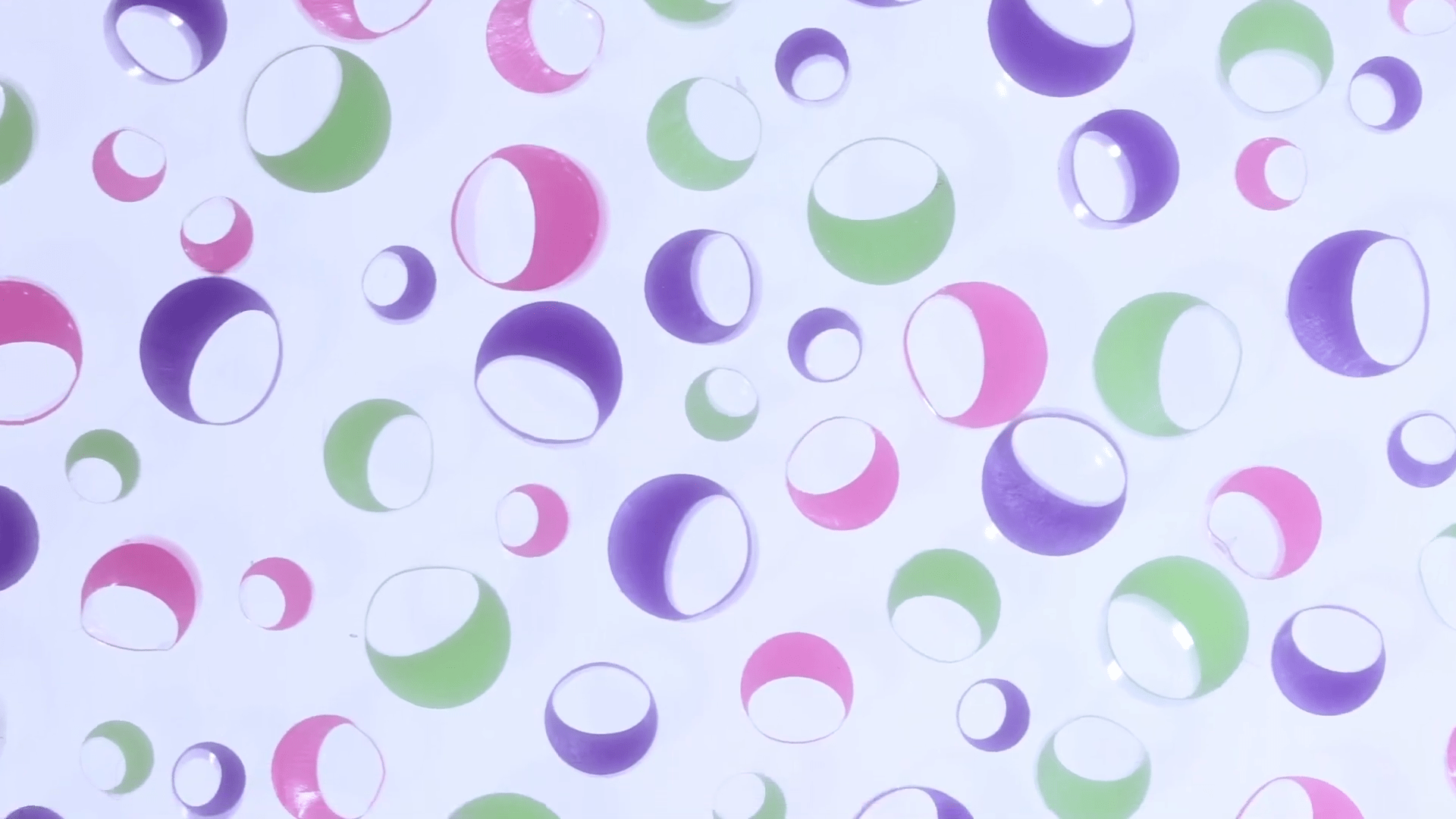
In this bizarre short film, we get to see a battle between dissolution and absorption. I think the Chemical Bouillon team has coated hydrogel beads in a layer of paint and then immersed them in water. As the beads absorb water, they expand and grow, tearing their fragile outer layer of paint to smithereens.
One thing that struck me when watching several of the sequences is just how regular the hole spacing in the paint is for the round hydrogels. That hints at an orderly breakdown in the solid paint layer while the interior hydrogel polymer symmetrically expands. It’s a little like watching holes grow in a splash curtain. (Video and image credit: Chemical Bouillon)