Tag: science

  • “Legends of the Falls”

    “Legends of the Falls”

    Strong winds blew curtains of mist across Skógafoss in this image of nesting northern fulmars by photographer Stefan Gerrits. Despite water’s high density compared to air, fine droplets are able to stay aloft for long periods, given the right breeze. Mists, fogs, and sea spray can float surprising distances; droplets exhaled from our lungs can persist even farther. (Image credit: S. Gerrits; via Colossal)
    Fediverse Reactions
  • Controlling Hovering

    Controlling Hovering

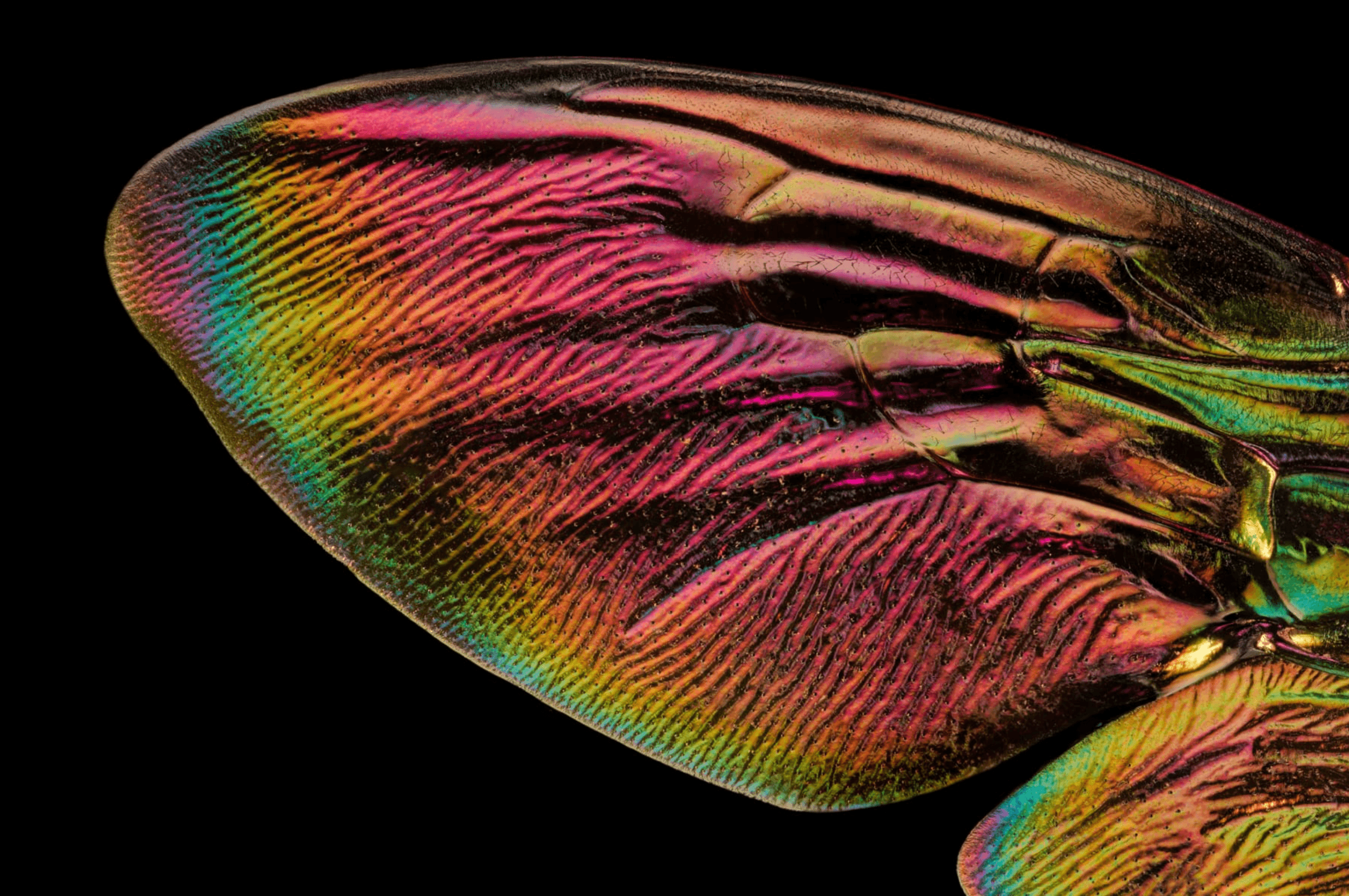
    Hummingbirds and many insects hover when feeding, escaping predators, and mating. While scientists have decoded the mechanics of a hummingbird’s figure-8-like hovering wingstroke, it’s been harder to understand how the creatures control their hovering. Most of our attempts to control hovering require more computational power than hummingbirds and insects are thought to have. But this study describes a new control scheme: one that allows stable, real-time hovering with little computational cost. (Image credit: J. Wainscoat; research credit: A. Elgohary and S. Eisa; via APS)

    Fediverse Reactions
  • Featured Video Play Icon

    Marangoni Bursting With Surfactants

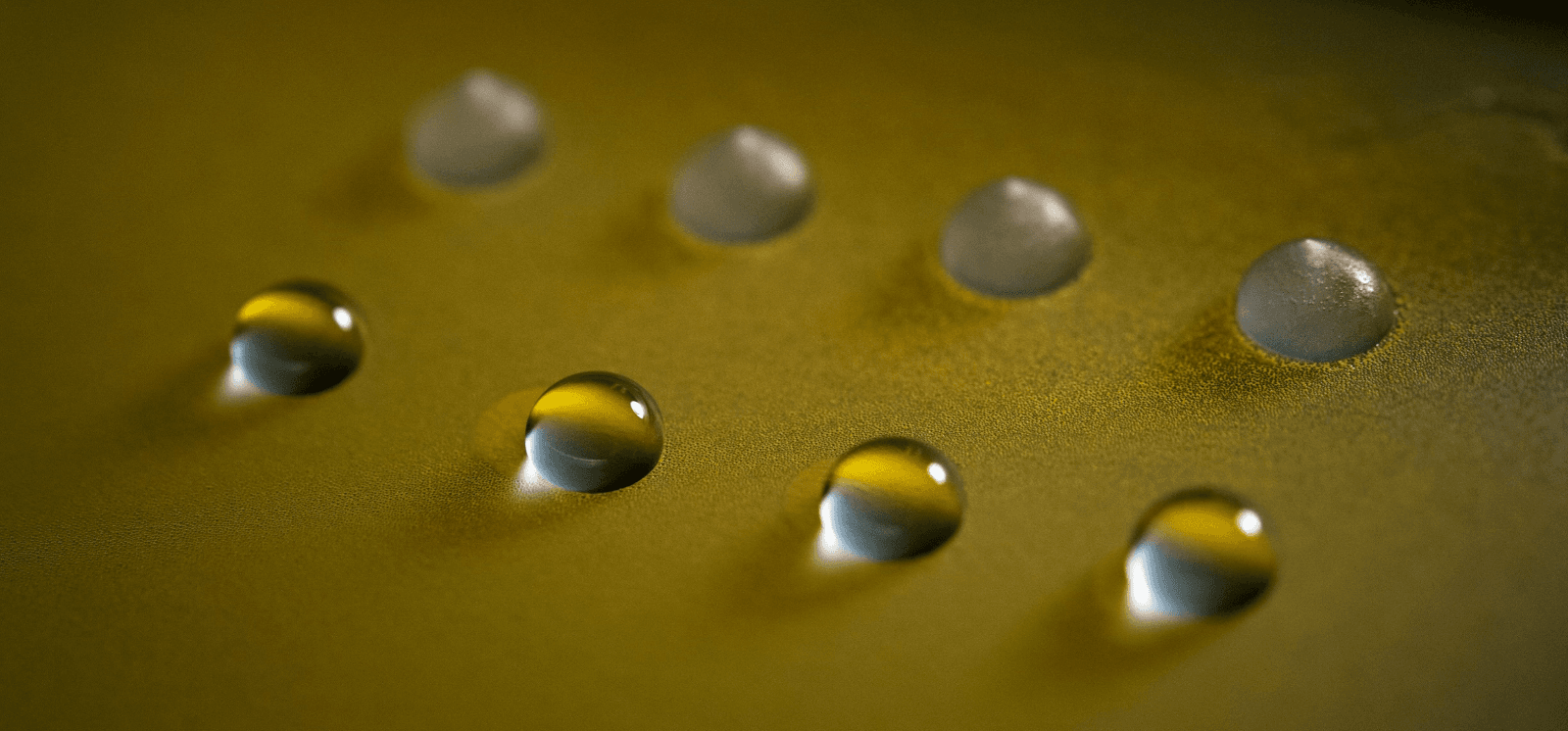
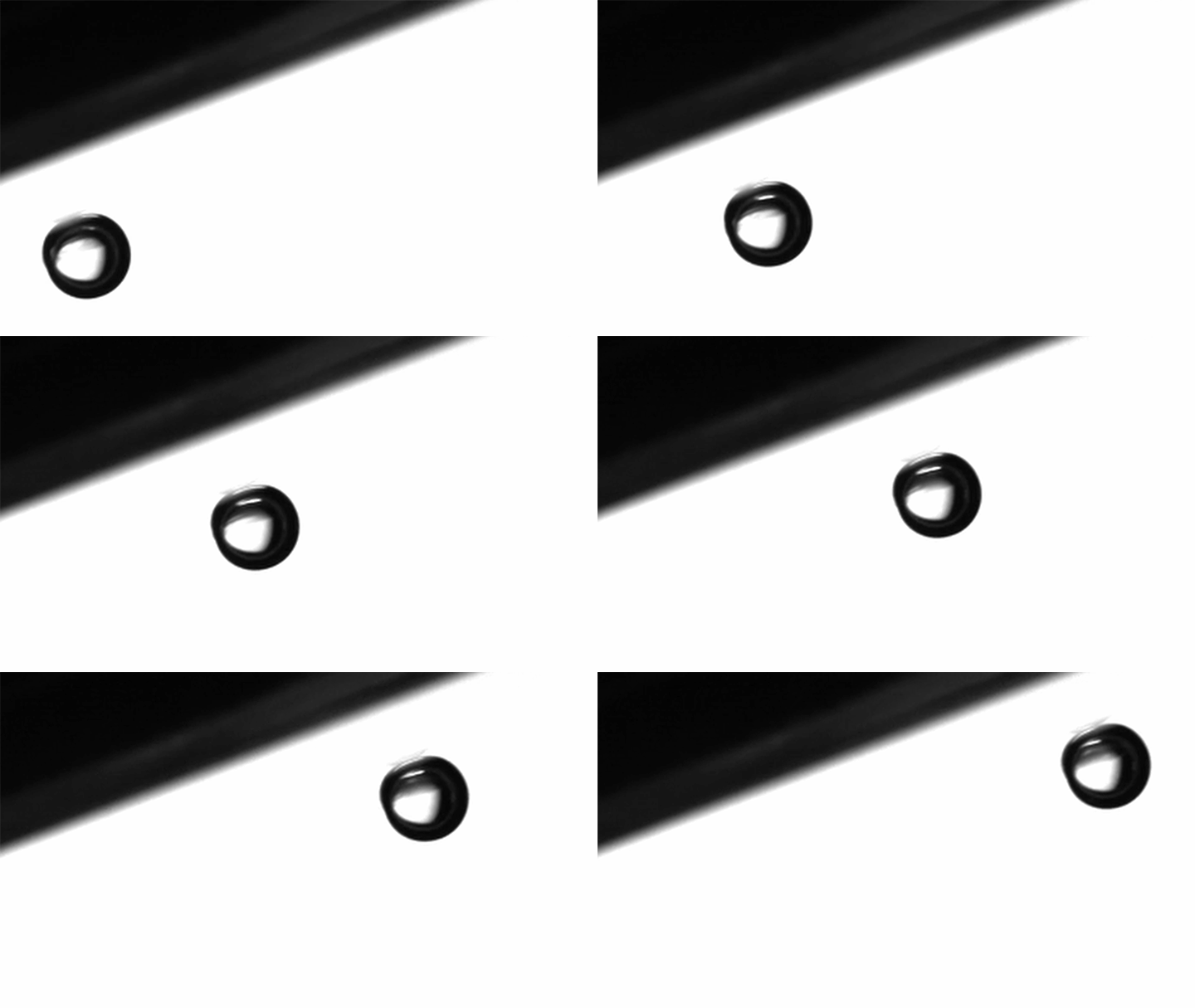
    A few years ago, researchers described how an alcohol-water droplet atop an oil bath could pull itself apart through surface tension forces. Dubbed Marangoni bursting, this phenomena has shown up several times since. Here, researchers explore a twist on the behavior by adding surfactants to see how they affect the bursting phenomenon. (Video and image credit: K. Wu and H. Stone; via GFM)

    Fediverse Reactions
  • Acoustically Trapping Nanoparticles

    Acoustically Trapping Nanoparticles

    Micrometer-sized particles can be trapped in place against a flow using acoustic waves. But smaller nano-sized particles feel less radiation pressure from acoustic waves, and so keep moving in the flow. But new work shows that it is possible to trap those nanoparticles with some additional help.

    In this case, researchers seeded their flow with microparticles that were held in place by acoustic waves against the background flow. When nanoparticles were added to the mix, they remained trapped in the wells between microparticles due to a combination of acoustic forcing and the hydrodynamic shielding of the nearby large particles. (Image credit: P. Czerwinski; research credit: A. Pavlič and T. Baasch; via APS)

    Fediverse Reactions
  • In Deep Lakes, Mixing is Disappearing

    In Deep Lakes, Mixing is Disappearing

    With a depth of nearly 600 meters, Crater Lake in Oregon is the deepest lake in the United States. It’s known for its brilliant blue hue and startling clarity. But, like other deep lakes, Crater Lake is changing as temperatures warm. It’s edging ever closer to a day where its deep, cold waters no longer mix.

    Although the details of mixing vary from lake to lake, older records show that most deep lakes would overturn and fully mix on a frequency that ranged from twice a year to every seven years. This overturning happens when winds push frigid, near-frozen water. As that water approaches the shoreline, it gets forced downward, where the pressure at depth makes the cold water denser still, causing it to sink beneath the warmer water layer near the lake bottom. That kicks off larger-scale mixing that redistributes oxygen, nutrients, and toxins in the lake.

    When this regular mixing stops, the entire ecosystem gets affected. Over time, oxygen gets depleted in deeper in the lake, leaving a dead zone unable to support fish and other aquatic life. Meanwhile, longer and warmer growing seasons favor phytoplankton and algae that cloud the waters and disrupt a lake’s unique ecology.

    For a much more detailed look at deep lake mixing and the changes we’re seeing, check out this article over at Quanta Magazine. It’s a longer read but well worth your time. (Image credit: N. Perez Aguilar; see also: Quanta Magazine)

    Fediverse Reactions
  • “Melting Snowflake”

    “Melting Snowflake”

    It’s hard to preserve something as ephemeral as a snowflake, as seen in this microphotograph by Michael Robert Peres. Despite the old adage, it is possible to make identical snowflakes, but it requires mirroring the freezing conditions exactly, including both temperature and humidity. Here, the snowflake’s crystalline structure survives as a ghost in a melting droplet. (Image credit: M. Peres; via Ars Technica)

    Fediverse Reactions
  • Turbulence-Suppressing Polymers

    Turbulence-Suppressing Polymers

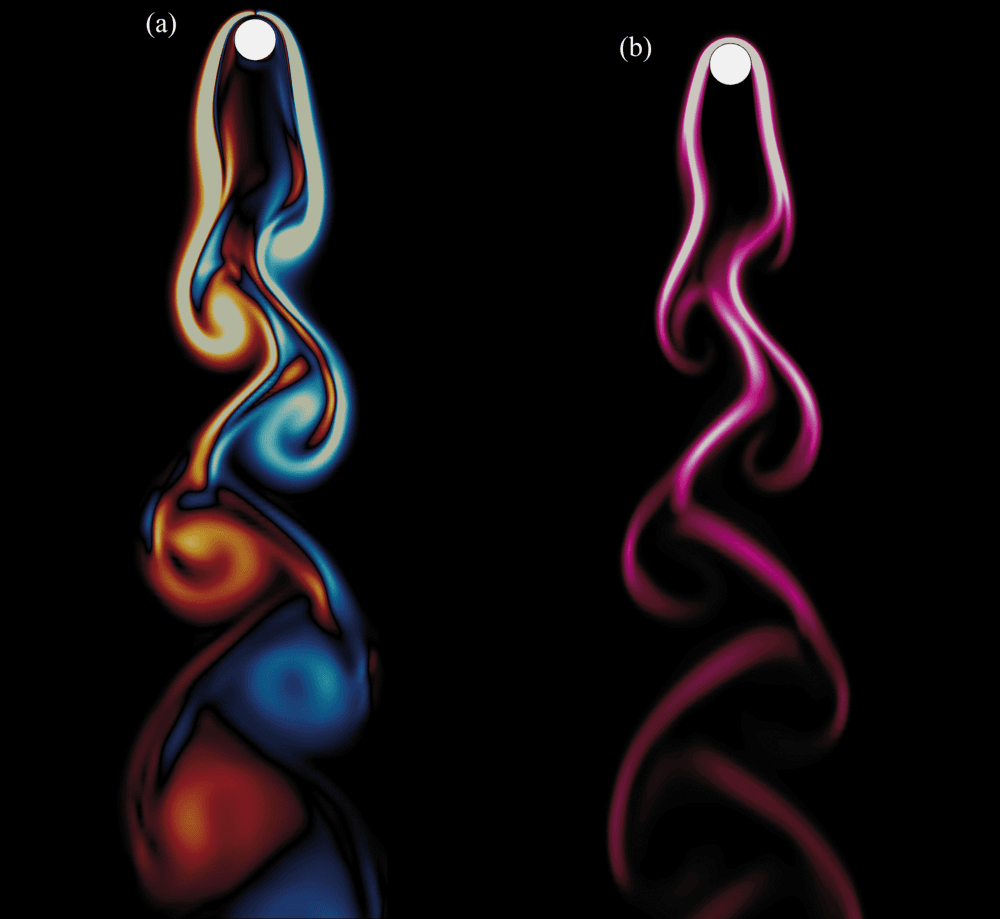
    Adding just a little polymer to a pipe flow speeds it up by reducing drag near the wall. But the effects on turbulence away from the wall have been harder to suss out. A new experiment shows that added polymers suppress eddy formation in the flow and reduce how much energy is lost to friction and, ultimately, heat. In particular, the researchers found that polymer stress helped stabilize shear layers in the flow and prevent them from destabilizing into more turbulent flow. (Image credit: S. Wilkinson; research credit: Y. Zhang et al.; via APS)

    Fediverse Reactions
  • Chlorophyll Eddies

    Chlorophyll Eddies

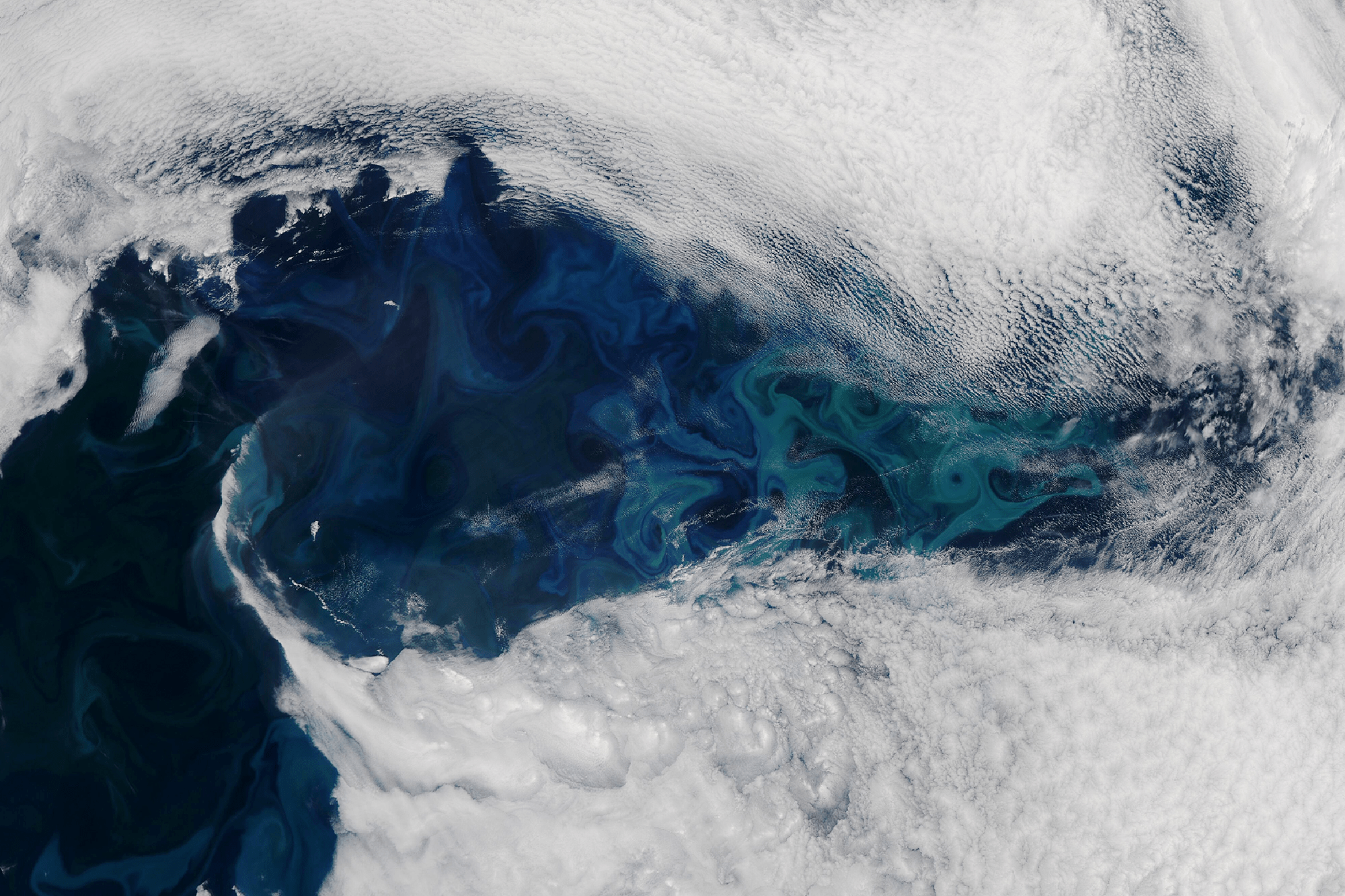
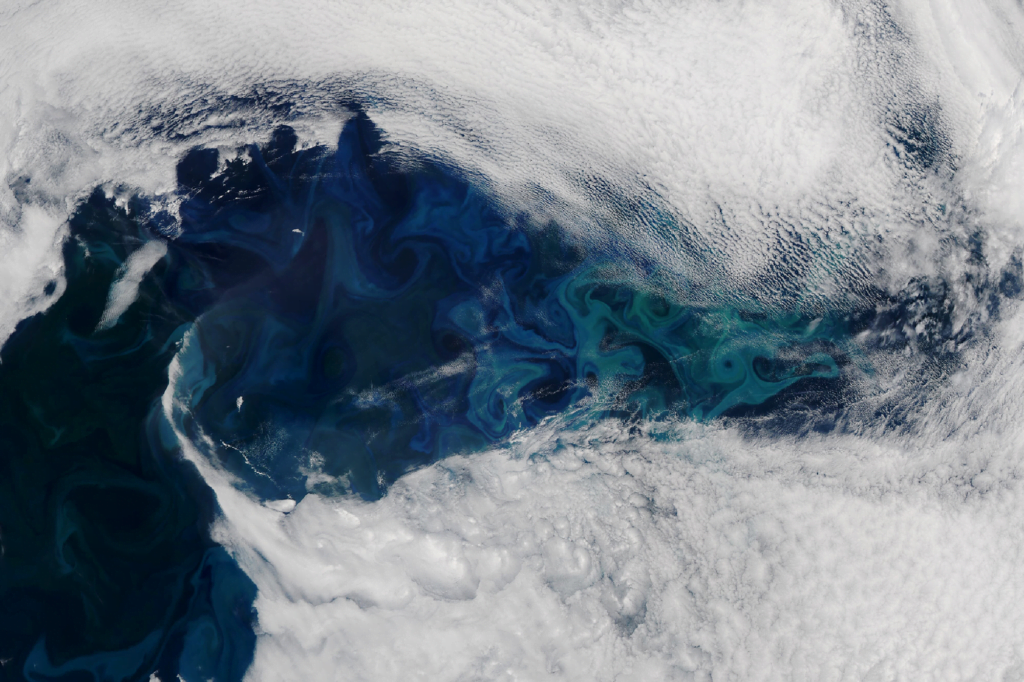
    Instruments aboard NASA’s PACE mission are able to distinguish far more about phytoplankton blooms than previous satellites. This image shows chlorophyll concentrations in the Norwegian Sea in July 2025. Chlorophyll acts as a proxy for phytoplankton, which produce the chemical as they process sunlight into food and oxygen.

    Despite their microscopic size, phytoplankton have enormous collective effects. Scientists estimate that phytoplankton produce as much as half of the Earth’s oxygen in addition to helping transport carbon dioxide from the atmosphere into the deep ocean. They are also the foundation of the marine food web, feeding nearly all life in the ocean. (Image credit: W. Liang; via NASA Earth Observatory)

    Fediverse Reactions
  • Ocean Bubbles Capture Carbon

    Ocean Bubbles Capture Carbon

    As humanity pumps carbon dioxide into the atmosphere, the ocean absorbs about a quarter of it. This exchange happens largely through bubbles created by breaking waves. When waves grow large enough to break, their crests curl over and crash down, trapping air beneath them. The turbulence of the upper ocean can push these buoyant bubbles meters under the surface, where the gases inside them dissolve into the surrounding water. This is how the ocean gets the oxygen used by marine animals, but it’s also how it gathers up carbon dioxide.

    Current climate models often approximate this process using only the wind speed, but a recent study took matters a step further by modeling wave breaking and bubble generation, too. While they found a global carbon uptake that was similar to existing models, the researchers found their breaking wave model showed more variability in where carbon gets stored. For example, more carbon got absorbed in the southern hemisphere, where oceans are consistently rougher, than in the northern hemisphere, where large landmasses shelter the oceans. (Image credit: J. Kernwein; research credit: P. Rustogi et al.; via Eos)

    Fediverse Reactions
  • Shining in the Sky

    Shining in the Sky

    Shades of blue, green, and purple light the Icelandic sky in this image from December 2023. Incoming solar wind particles hit oxygen and nitrogen atoms high in the atmosphere, exciting their electrons and creating this distinctive glow. We’re currently near the peak of our Sun’s 11-year solar cycle, meaning that high numbers of sunspots and outbursts will continue, likely giving us more stunning auroras like this one. (Image credit: J. Zhang; via APOD)

    An aurora in shades of blue, green, and purple.
    An aurora in shades of blue, green, and purple.

    P.S. – This post–this one right here–is FYFD’s 4000th post! When I started this blog back in 2010 as a graduate student, I never imagined that I would have so much to write about the physics of fluids. But this subject is one that just keeps on giving, so I keep on writing. Thanks for joining the fun! – Nicole

    Fediverse Reactions