Tag: medicine

  • COVID-19 and Outdoor Exercise

    COVID-19 and Outdoor Exercise

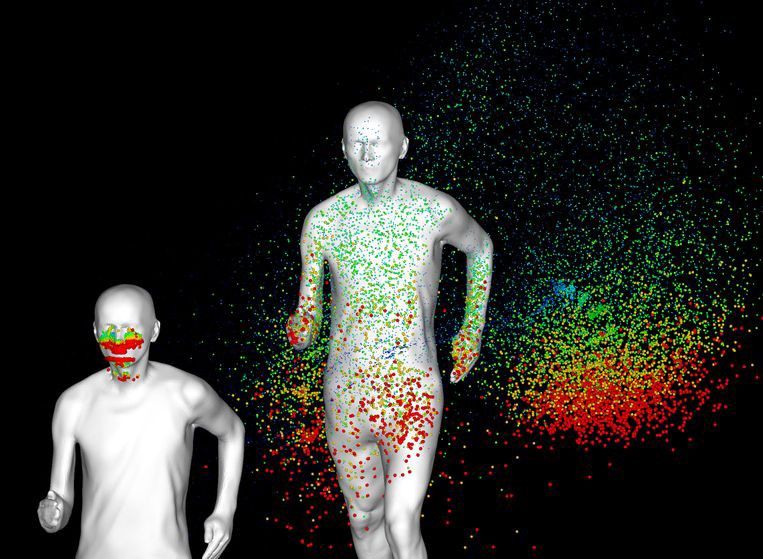
    By now you’ve probably come across some blog posts and news articles about a new pre-print study looking at the aerodynamics of running and the potential exposure to exhaled droplets. And you may also have seen articles questioning the accuracy and validity of such simulations. I’ve had several readers submit questions about this, so I dug into both the research and the criticisms, and here are my thoughts:

    Is this study scientifically valid?

    I’ve seen a number of complaints that since this paper hasn’t been peer-reviewed, we shouldn’t trust anything about it. That seems like an unreasonable overreaction to me considering how many studies receive press attention prior to their actual peer-reviewed publication. This is not a random CFD simulation produced by someone who just downloaded a copy of ANSYS Fluent. This work comes from a well-established group of engineers specializing in sports aerodynamics, and long-time readers will no doubt recognize some of their previous publications. Over the past decade, Blocken and his colleagues have become well-known for detailed experimental and simulation work that indicates larger aerodynamic effects in slipstreams than what we generally recognize.

    In this paper, they lay out previous (biological) studies related to SARS and droplet exhalation; they use those papers and several wind tunnel studies to validate computational models of droplet evaporation and runner aerodynamics; and then they use those inputs to simulate how a cloud of exhaled droplets from one runner affects someone running alongside, behind, or in a staggered position relative to the first runner.

    In other words, their work includes all the components one would expect of a scientific study, and it makes scientifically justifiable assumptions with regard to its methods. (That’s not, mind you, to say that no one can disagree with some of those choices, but that’s true of plenty of peer-reviewed work as well.) All in all, yes, this is a scientifically valid study, even if it has not yet undergone formal peer-review*.

    Can simulations actually tell us anything about virus transmission?

    One complaint I’ve seen from both biologists and engineers is that simulations like these don’t actually capture the full physics and biology involved in virus transmission. While I agree with that general sentiment, I would point out two important facts:

    1) Blocken et al. acknowledge that this is not a virology study and confine their scientific results to looking at what happens physically to droplets when two people are moving relative to one another. Whether those droplets can transmit disease or not is a question left to biological researchers.

    2) Most medical and biological research also does not account for the physics of droplet transmission and transport. For the past century, this research has focused almost exclusively on droplet sizes, with the assumption that large droplets fall quickly and small droplets persist a little longer. To my knowledge, some of the only work done on the actual physics of the turbulent cloud produced by coughing or sneezing comes from Lydia Bourouiba’s lab at MIT. And, to me, one of the fundamental conclusions from her work is that droplets (especially small ones) can persist a lot longer and farther than previously assumed. Can those droplets facilitate transmission of COVID-19? The general consensus I’ve seen expressed by medical experts is no, but, to my knowledge, that is based on opinion and assumption, not on an actual scientific study.

    The bottom line

    In my opinion, there’s a big disconnect right now between the medical/biological community and the engineering community. To truly capture the physics and biology of COVID-19 transmission requires the expertise and cooperation of both. Right now both sides are making potentially dangerous assertions.

    Honestly, based on what I know about aerodynamics, I am personally skeptical as to whether 6 ft of physical separation is truly enough; whether it is or not seems to depend on how transmissible the novel coronavirus is through small droplets, which, again, to my knowledge, is unestablished.

    Should we leave more distance than 6ft between us when exercising outdoors? Absolutely. Aerodynamically, it makes perfect sense that following in someone’s slipstream would put you inside their droplet cloud, which needs time and space to disperse. Personally, I’ve sidestepped the question entirely by doing all my cycling indoors while quarantined.

    tl;dr: There are a lot of open questions right now about COVID-19 transmission and what qualifies as safe distancing, but it’s smarter to err on the side of more distancing. Don’t hang close to others when running or cycling outdoors.

    (Image and research credit: B. Blocken et al.; submitted by Corky W. and Wendy H.)

    *I will add that, with my training, I have and do occasionally peer-review studies such as this one, and I read the full paper with the same sort of critical eye I would turn to a paper I was asked to review.
  • Replacing Injections With Pills

    Replacing Injections With Pills

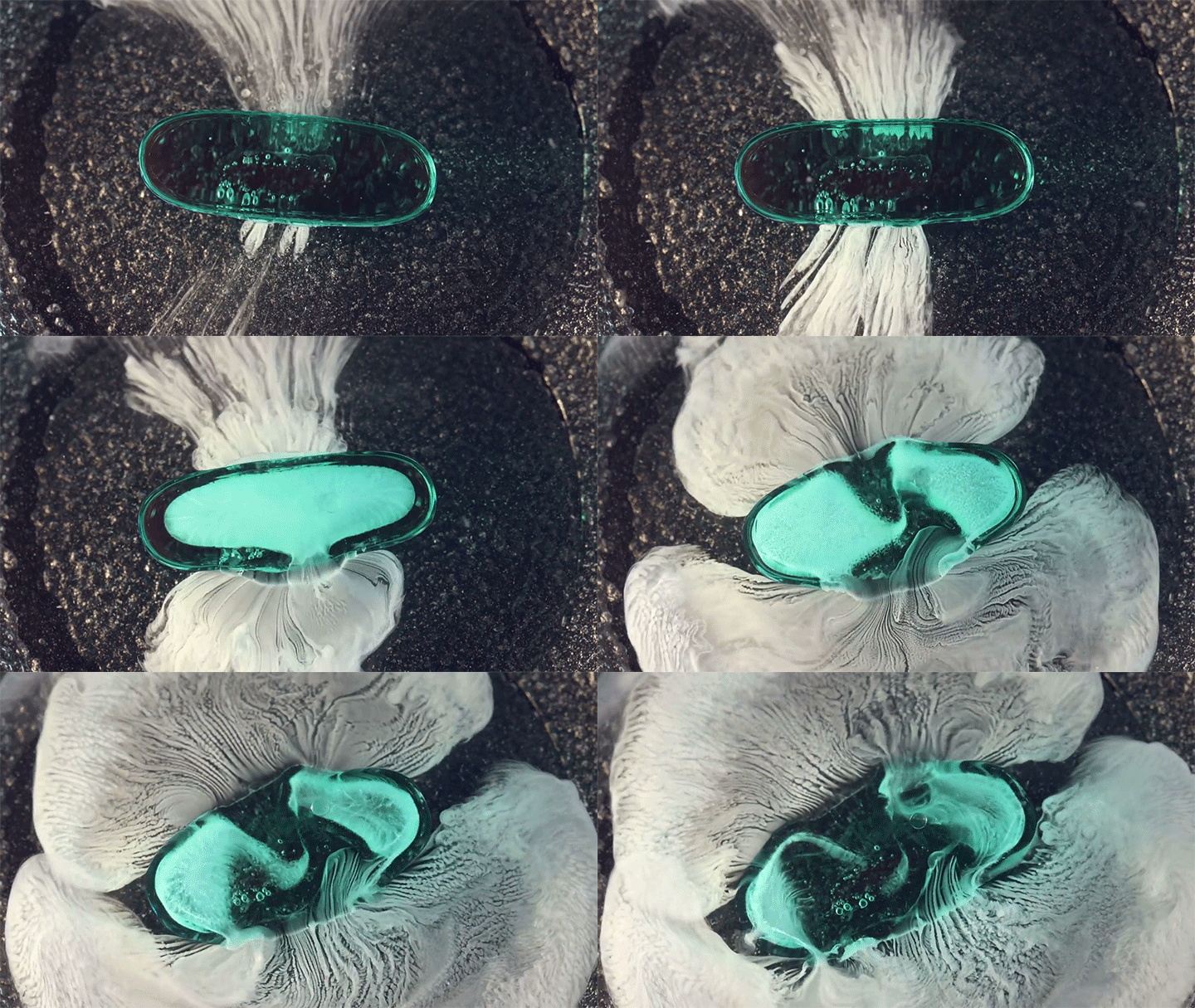
    In medicine, many medications contain molecules too large to be easily absorbed through the intestinal wall, so these so-called biologics — like the insulin administered to diabetics — are injected into the body. Researchers are studying ways that such injections could eventually be replaced with pills, but there are plenty of challenges involved.

    Some substances, known as transient permeability enhancers, allow the intestines to absorb larger molecules, but they work for only tens of minutes, which means researchers must understand how and when to administer them relative to the medication they help patients absorb. To do so, researchers are building computational fluid dynamics models of the human digestive system so that they can better understand how and when different kinds of pills break down in the body. (Image credit: Macro Room, source; via CU Engineering; submitted by Jenny B.)

  • Featured Video Play Icon

    Fluid Dynamics and Disease Transmission

    Right now people around the world are experiencing daily disruptions as a result of the recently declared coronavirus pandemic. There is a lot we don’t know yet about coronavirus, though researchers are working around the clock to report new information. Today’s video, though a couple years old, focuses on an area of medical knowledge that’s historically lacking but extremely relevant to our current situation: the mechanics behind disease transmission through sneezing or coughing.

    High-speed imagery of a sneeze cloud.

    Lydia Bourouiba is a leader in this area of research. Her studies have focused not on the size range of droplets produced but on the dynamics of the turbulent clouds that carry these droplets and what allows them to persist and spread. If you’ve wondered just why healthcare providers are recommending masks for sick people, keeping large distances between individuals, and frequent hand-washing, the image above hopefully helps explain why. Droplets carried in these turbulent clouds can travel several meters, and the buoyancy of the cloud’s gas components can help lift droplets toward ceiling ventilation. Right now, social distancing is one of our best tools against this disease transmission.

    My goal in posting this is not to panic anyone. Rather, I hope you leave better informed as to why these precautions are needed. With coronavirus, our detailed knowledge of its characteristics — how long it remains viable in the air or on surfaces, how much is needed for an infection to take hold, etc. — is limited. But from research like Bourouiba’s, we know that coughing and sneezing are remarkably efficient ways to deliver respiratory pathogens, and that’s why caution is warranted. Stay safe, readers. (Video credit: TEDMED; image credit: Bourouiba Research Group, source; research credit: L. Bourouiba et al., see also S. Poulain and L. Bourouiba, pdf)

  • Featured Video Play Icon

    Tranquilizer Darts in Slow Mo

    Like most syringes, tranquilizer darts use pressure to drive flow. But where a typical syringe has that pressurization provided by a human driving the piston, tranquilizer darts must deploy without any hands-on action. As shown in the video above, this is achieved by pressurization prior to firing.

    The tranquilizer dart has a few key features. Its needle, though sharp, does not have a hole in the end. Instead, it has a hole partway down the barrel of the needle, which is covered before launch by a rubber sleeve. The dart also contains two chambers. One is filled with the medicine being deployed. The other gets pressurized with air through a one-way valve. As long as the rubber sleeve stays over the needle’s hole, the dart is then pressurized, but the fluid has nowhere to go.

    Until it’s fired, of course. On impact, the rubber sleeve is pushed away, and the higher pressure inside the air chamber drives the medicine out of the needle and into the animal. (Video and image credit: The Slow Mo Guys)

  • Moving Droplets

    Moving Droplets

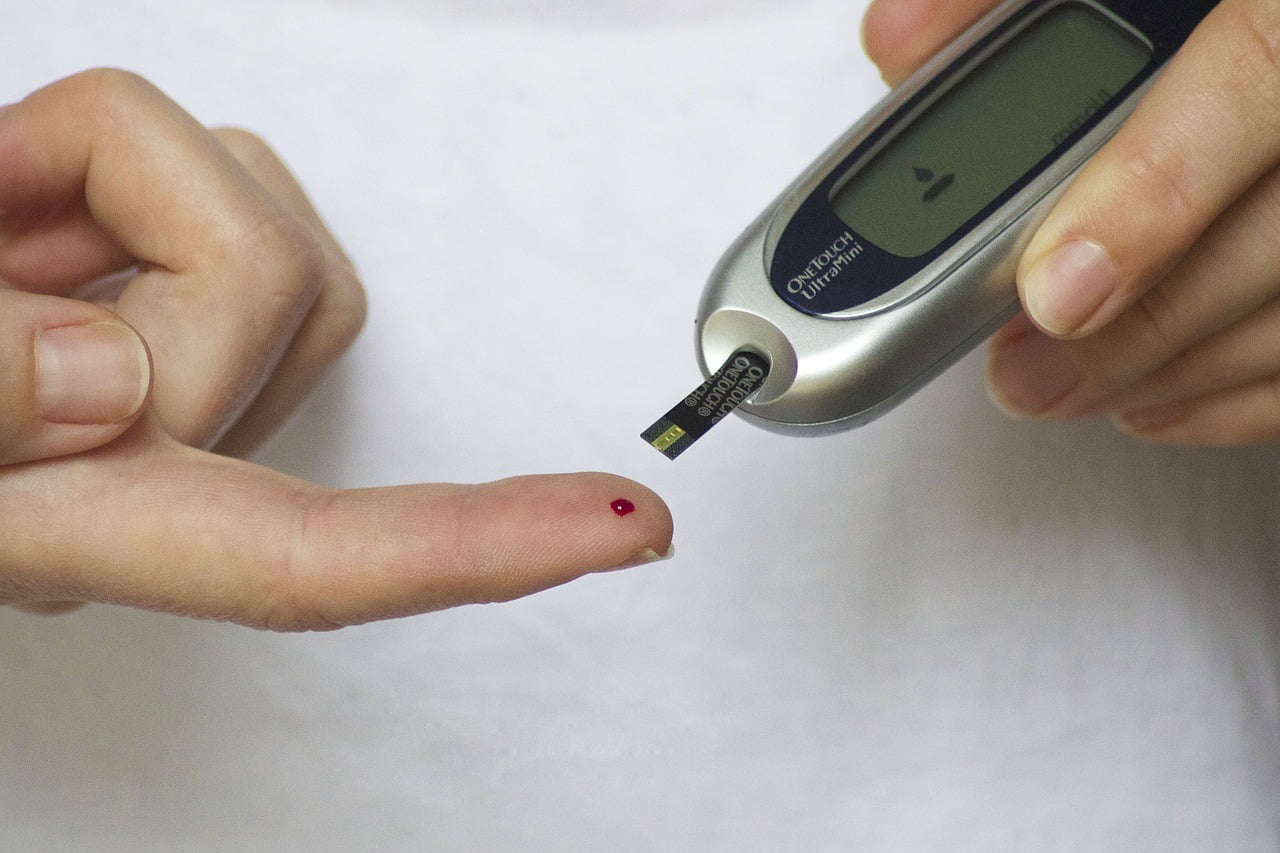
    Microfluidic devices – such as those used by individuals with diabetes to monitor their blood glucose levels – are all about transport. Typically, these devices use some kind of externally applied force, like a temperature gradient or electrical field, to force liquids through the device’s narrow channels. But a new study describes a way to move droplets without an external force.

    The researchers built their devices using two slips of glass, coated with an oil-attracting, water-repellent mixture. They attached the glass slips with a narrow spacer at one end, leaving the other end free. This made a narrow, but slightly flexible gap. When the scientists placed an oil drop inside the closed end, it spread on the glass, pulling the two sides closer to one another. Water drops, on the other hand, tried to force the walls apart, in an effort to minimize contact. Both sets of drops, interestingly, moved toward the open end of the device.

    The researchers found that the shapes assumed by the droplets create an internal pressure gradient, which, in both cases, slowly moves the drops. They call this method bendotaxis, a type of self-propulsion driven by the drops’ ability to bend the material they’re touching. It’s not a fast way to transport fluids – the drops moved only a few micrometers per second – but it may be useful for applications like drug deliveries where the liquid needs to be administered slowly over a longer period. (Image credit: TesaPhotography; research credit: A. Bradley et al.; via APS Physics; submitted by Kam-Yung Soh)

  • Sorting Blood Cells

    Sorting Blood Cells

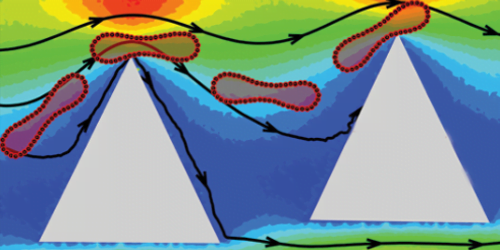
    Many diseases – like sickle-cell anemia and malaria – are accompanied by changes in the stiffness of red blood cells. And while microfluidic devices capable of sorting blood cells by size exist, few have made microfluidic devices capable of sorting blood cells by their deformability. But a new set of simulations suggests we could do so relatively easily.

    Existing devices sort blood cells by size using an array of tiny posts – kind of like a cellular pachinko machine. Through simulation, researchers found that by changing the shape of these posts – specifically by turning them from circles into sharper triangles –  they could sort the red blood cells by their stiffness. Because the sharp corners create large local stresses in the fluid, the blood cells get deformed when passing the corner. That ends up deflecting stiffer cells into a different stream. Build a whole array of posts and you can sort the blood cells by their degree of stiffness – ideally allowing you to isolate the most diseased cells. (Image and research credit: Z. Zhang et al.; via APS Physics)

    ETA: Added a clarification: some researchers, like Beech et al., have investigated deformability-based sorting devices.

  • Flow in the Heart

    Flow in the Heart

    Few flows are more integral to our well-being than blood flow through the heart. Over the course of our lives, our hearts develop from a few cells pushing viscous blood through tiny arteries to the muscular center of a vast circulatory network, capable of powering us through incredible physical feats. What’s most astonishing about all this is that the heart goes through all these changes and adaptations without ever pausing. 

    Peering into the heart to see it in action is difficult, but researchers today are combining imaging techniques like CT and MRI with computational fluid dynamics to build patient-specific heart models. Not only does this help us understand hearts in general; it’s paving the way toward predicting how a specific treatment may affect a patient. Imagine, for example, being able to simulate and compare different models of an artificial heart valve to see which will work best for a particular patient. We’re not to the point of doing so yet, but it’s a very real possibility in the future. 

    To see some examples of predicted and measured heart flows, check out this video by J. Lantz. In the meantime, happy Valentine’s Day! (Image credits: Linköping University Cardiovascular Magnetic Resonance Group, video source; via Another Fine Mesh)

  • Swallowing Physics

    Swallowing Physics

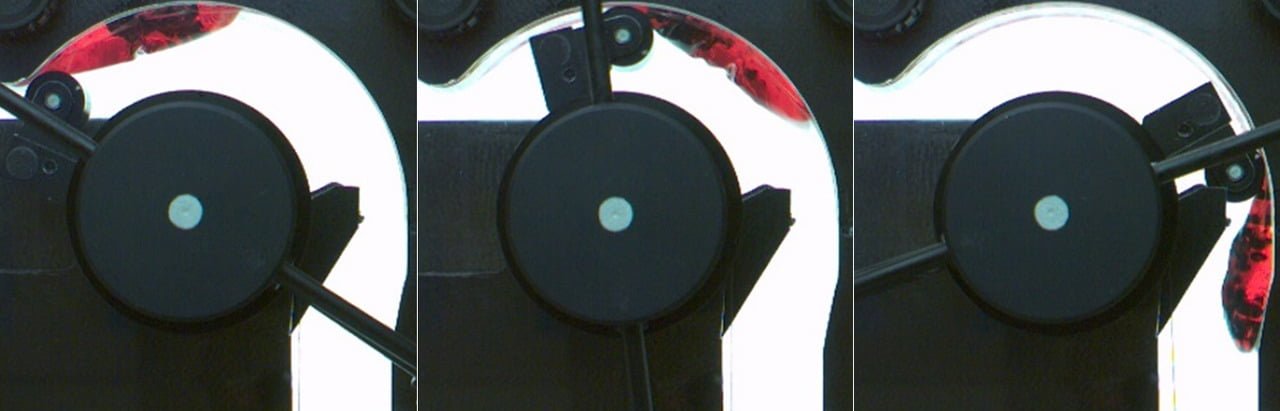
    Swallowing – whether of food, beverage, or medication – is an important process for humans, but it’s one many struggle with, especially as they age. To help study the physics behind swallowing, one research group has built an artificial mouth and throat model, shown in the bottom row of images. The model uses rollers to imitate the wave-like motion of swallowing. 

    In our mouths, chewed food typically combines with saliva to form a soft ball we can move from our tongue and down our throat with a series of reflex actions. How easily we swallow something depends on its flow properties, our saliva, shape, and more. 

    In their early studies of model swallowing, researchers have focused on what it takes to swallow pills (suspended in liquid). What they found is probably consistent with your own experience: smaller pills are easier to swallow than large ones, and elongated pills are easier to swallow than round ones of the same volume. That seems to be a function of elongated pills’ smaller cross-section when aligned with flow going down the throat. As the research continues, scientists hope to explore what can be done to make food easier to swallow for those who struggle with it. (Image credits: meal – D. Shevtsova; model – M. Marconati; via APS Physics; submitted by Kam-Yung Soh)

  • Inside a Heart

    Inside a Heart

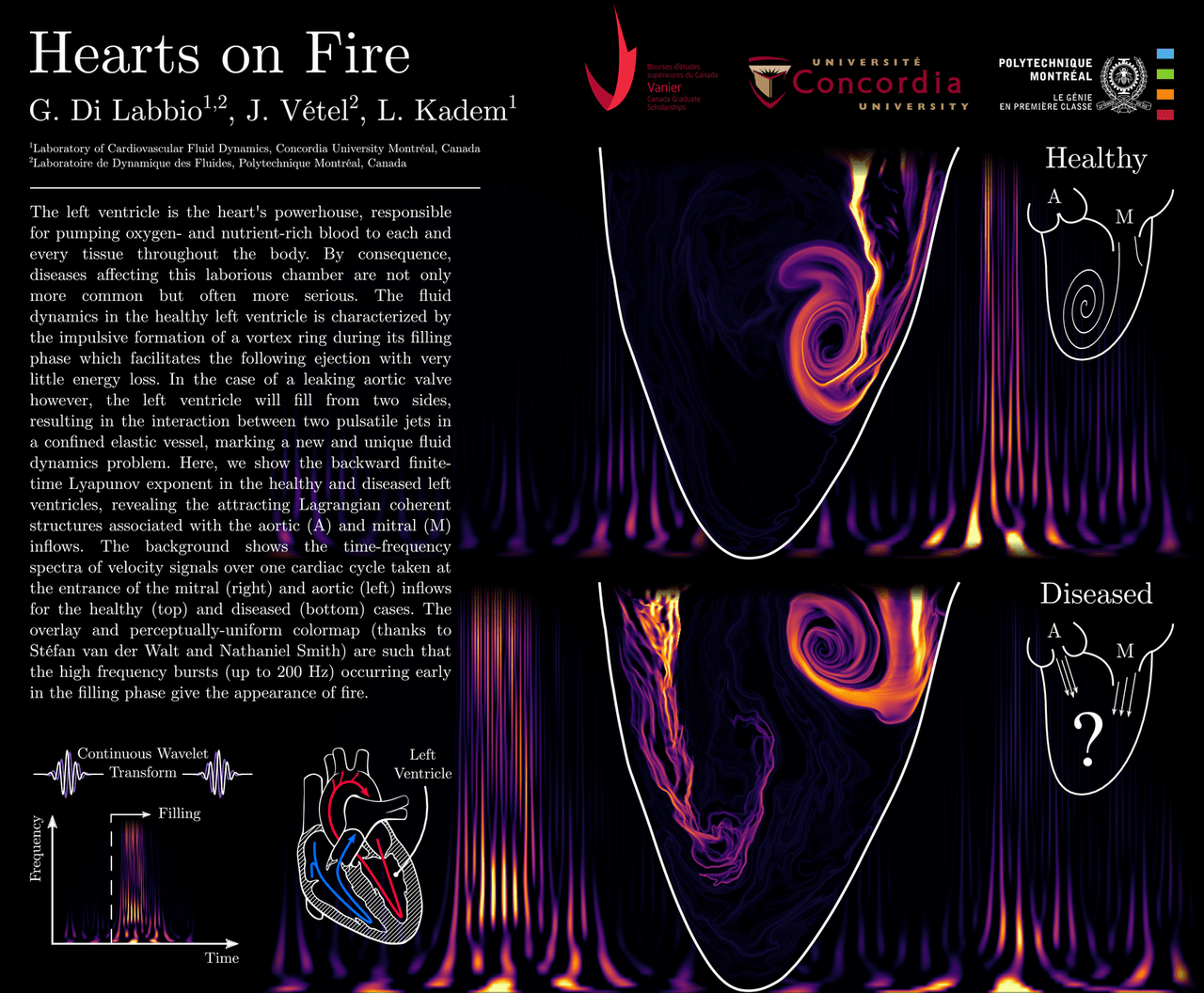
    You may not give it much thought, but there is important fluid dynamics happening inside you every moment of every day, especially inside your heart. Of the four chambers of the heart, the left ventricle has the thickest walls, reflecting its important task: pumping oxygenated blood throughout the body. In a healthy heart (top of poster; click here for the full-size version), a vortex ring and trailing jet fill the ventricle when the mitral valve opens. Then the ventricle contracts and pumps blood out the aortic valve and into the rest of the body.

    But for individuals with a leaking aortic valve (bottom of poster), things look different. Blood leaks back through the aortic valve at the same time that the mitral valve opens to allow freshly oxygenated blood back in. The two inflows disrupt mixing in the chamber, and, instead of pumping fully-oxygenated blood into the body, the left ventricle has to struggle to pump a less-oxygenated mixture into the body. (Image credit: G. Di Labbio et al.)

    ETA: (Research paper: G. Di Labbio et al., arXiv)

  • When Sound Makes You Vertiginous

    When Sound Makes You Vertiginous

    For some people, a musical tone is enough to induce vertigo and feelings of being drunk. These individuals often have a small hole or defect in the bone that surrounds the canals of the inner ear. Normally, the fluid inside these canals reacts when we rotate our heads, triggering a counterrotation of our eyes that helps stabilize the image on our retinas. But when there’s a defect in the bone surrounding the canal, certain acoustic tones may pump that fluid directly. The patient’s eyes then try to correct for a rotation that’s not occurring, thereby inducing dizziness and vertigo. (Image credit: M. Moiner; research credit: M. Iversen et al.; submitted by Marc A.)