As rivers near the sea, they often slow down and branch out, creating intricate paths through delta wetlands. This video explores the Arctic’s largest river delta, that of the Lena River in Siberia, during its spring and summer flood season. The images were all taken by satellite and processed with color enhancements to highlight patterns in the water. Although this is not quite how the area would appear by eye, all of the visible patterns are real. (Image credit: N. Kuring/NASA’s Ocean Color Web; video credit: K. Hansen; via NASA Earth Observatory)
Tag: fluids as art

Making Lava Lamps
Since their invention in the 1960s, lava lamps have been a fascinating example of convection in action. In this video, we see how they’re manufactured, including blowing the glass bottles, shaping the metal holder, and filling the lamps. The key to the lamp’s performance is the delicate thermal balance of its two liquids. As the waxy liquid warms, it floats up the lamp until it reaches the top, cools, and sinks back down to begin again. The exact formulation of the liquids is a closely guarded secret! Want more lava lamps? Check out how a wall of them help secure Internet traffic. (Image and video credit: Business Insider)

Making Horsehair Pottery
Native American potter Eric Louis combines traditional and modern techniques in his horsehair pottery. Like his mother and grandmother before him, he collects local clay and pottery shards to make the slip that forms his pieces. After molding and an initial firing in a kiln, he uses wood chips to keep the pottery hot while he applies horsehair. The hair ignites and carbonizes, leaving behind distinctive patterns in the clay that create a backdrop for his etchings. See more of his finished work here. (Image and video credit: Insider)

Paint Spinning
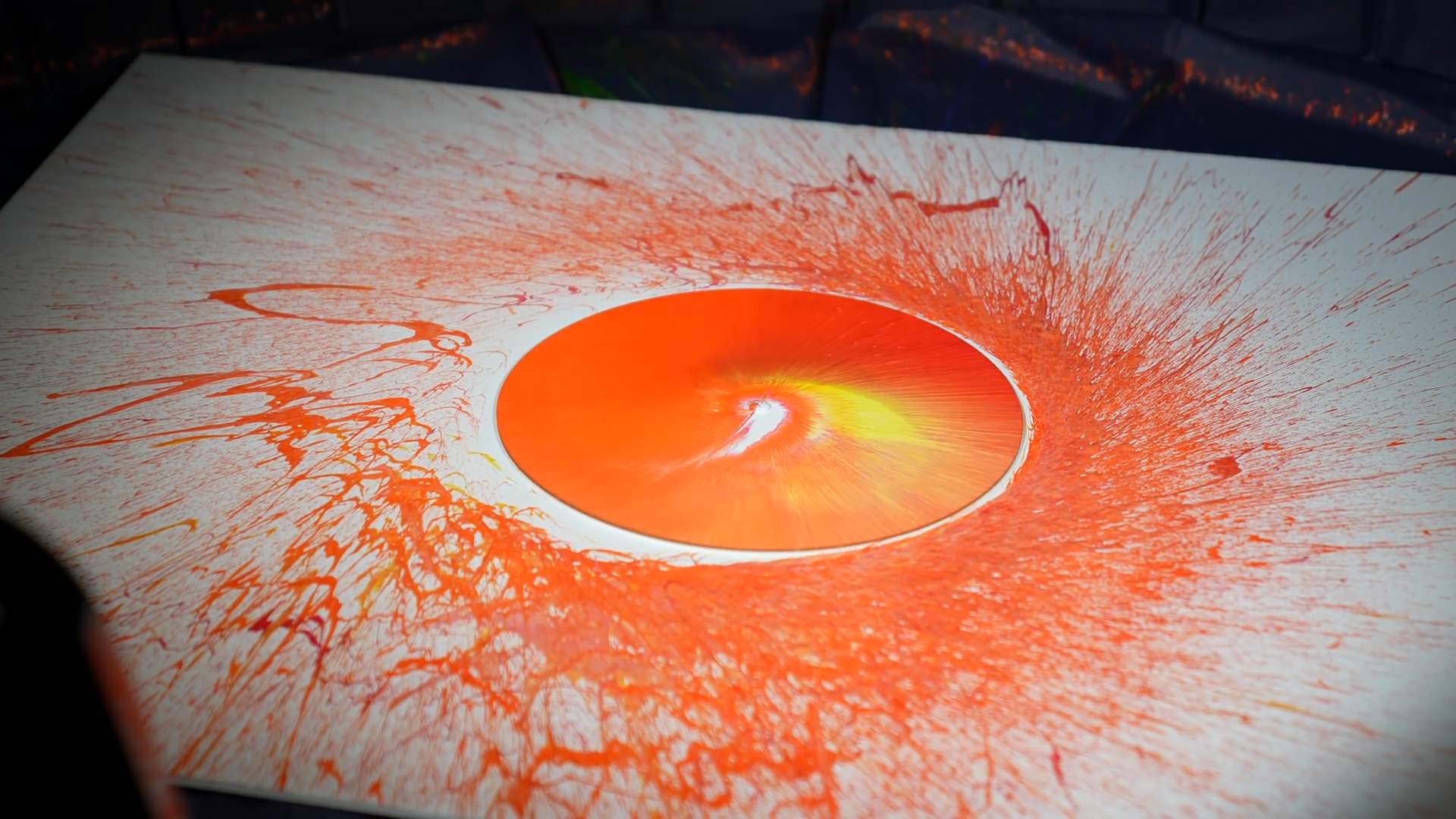
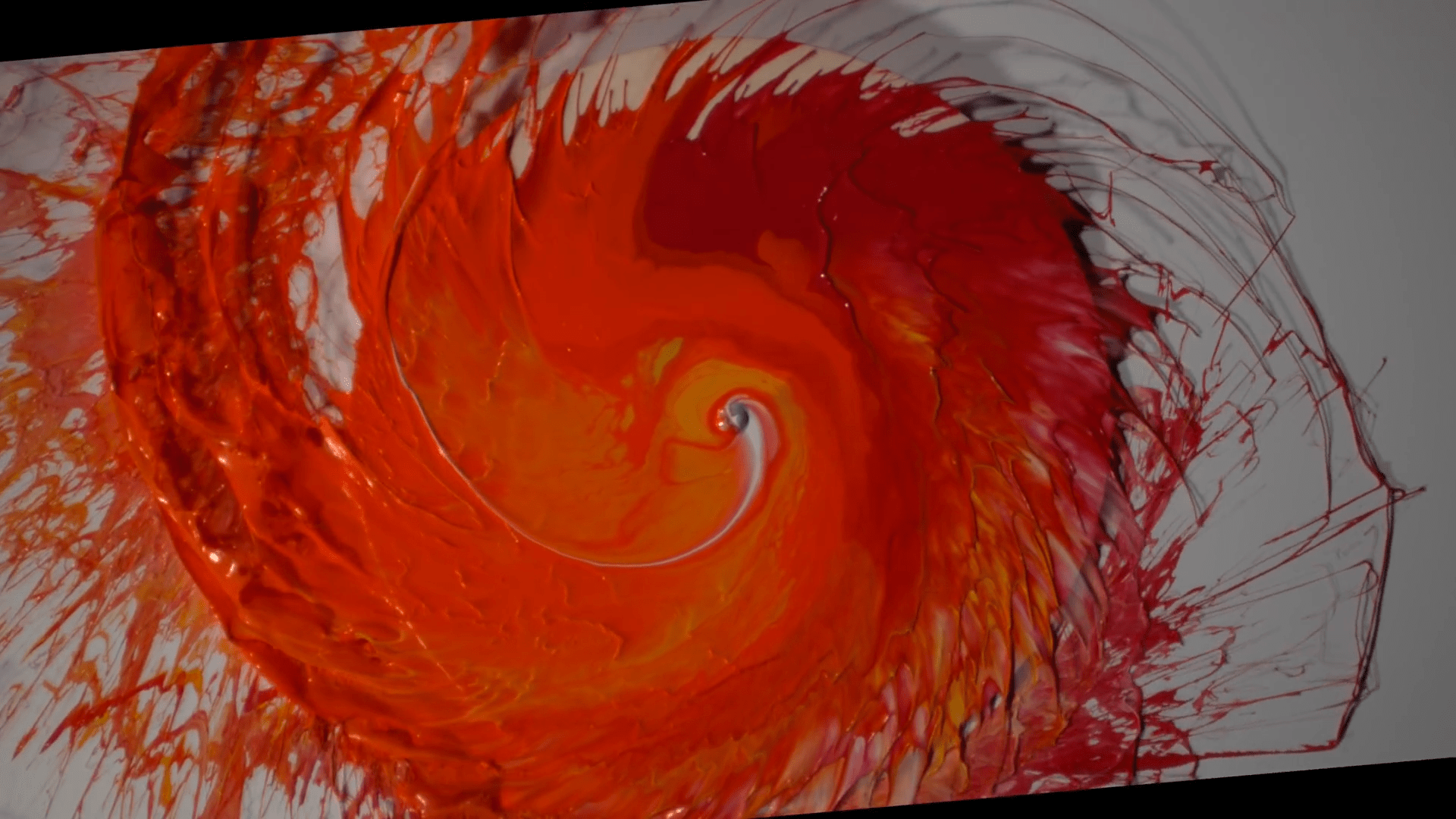
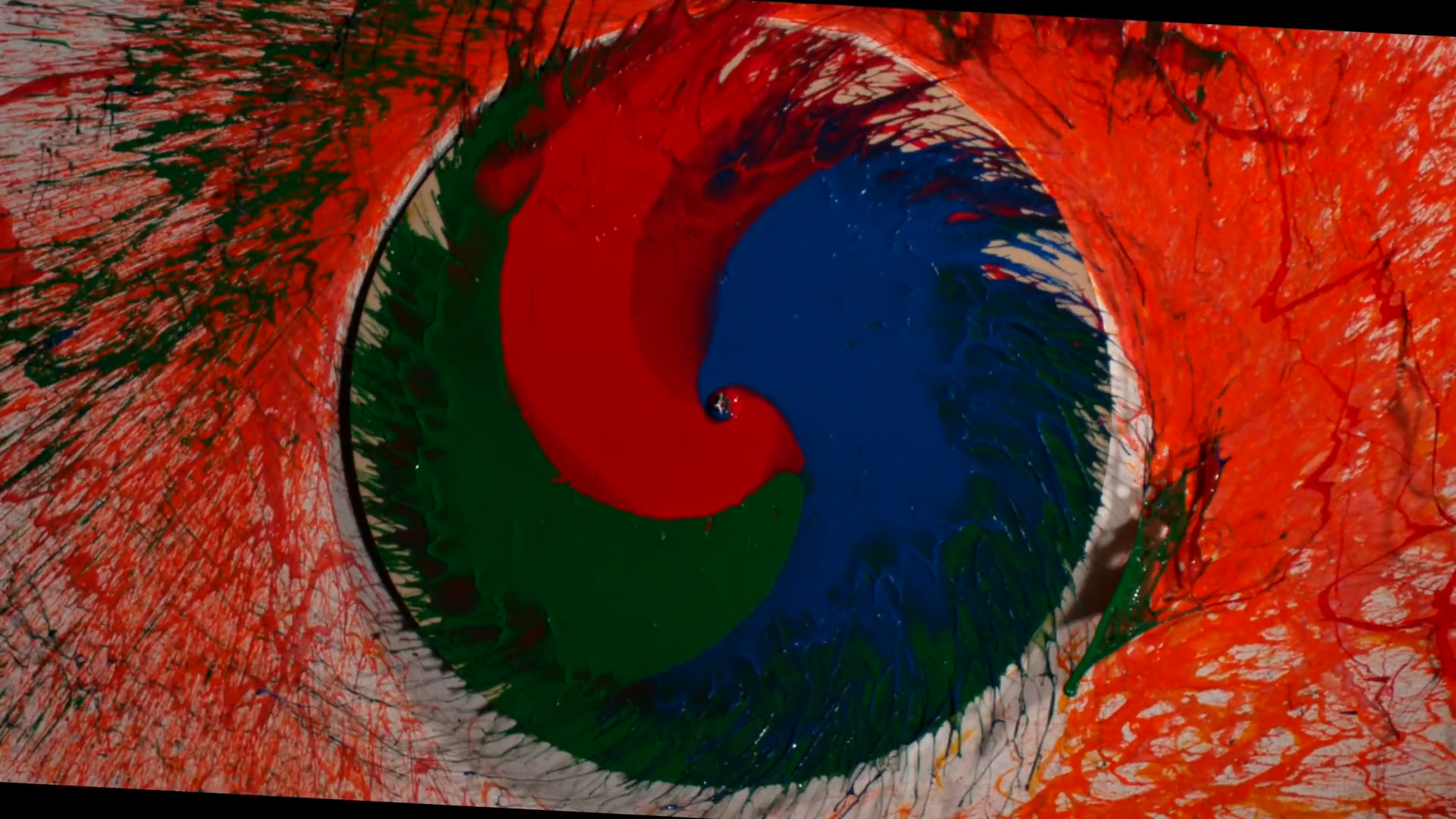
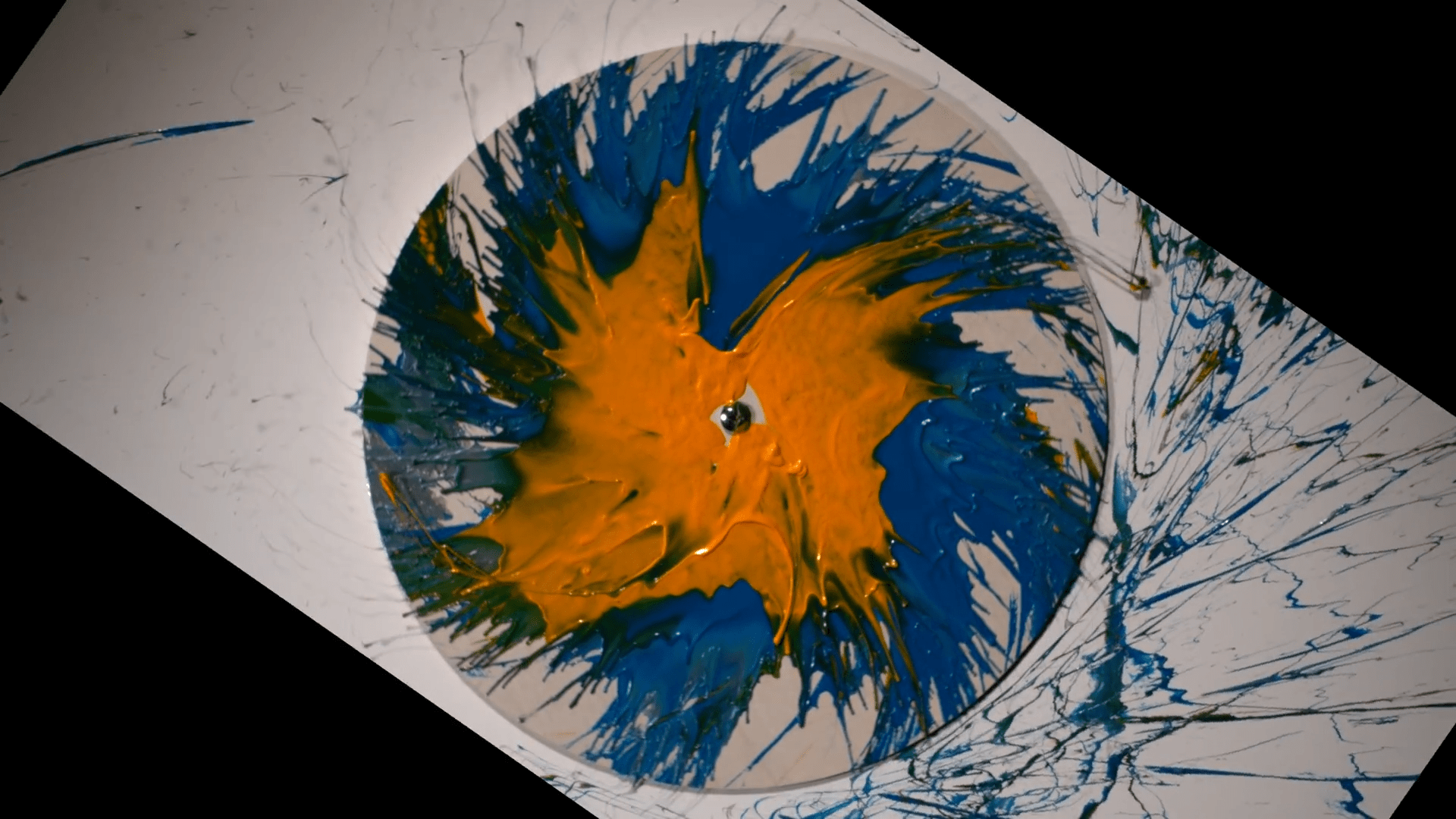
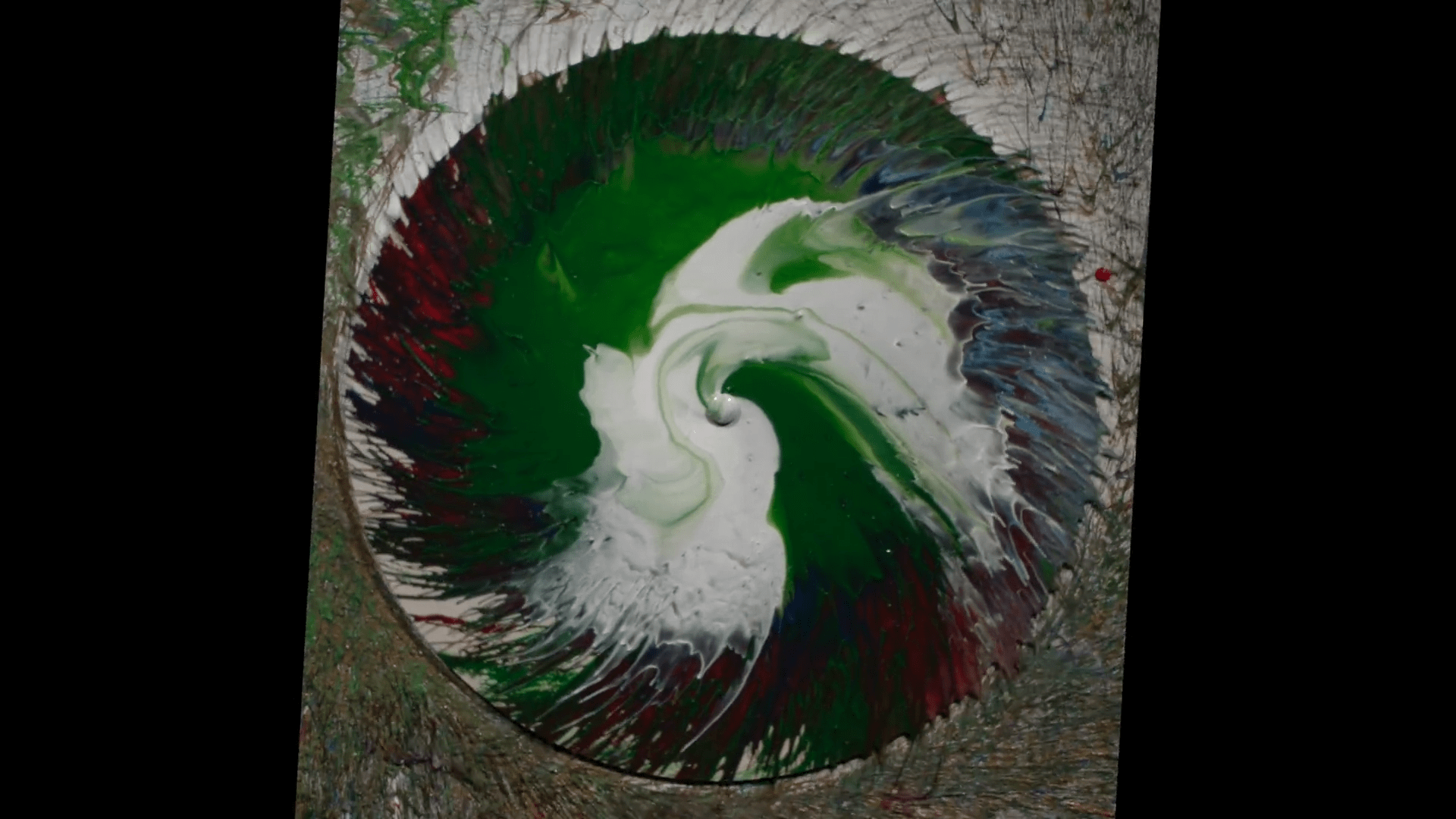
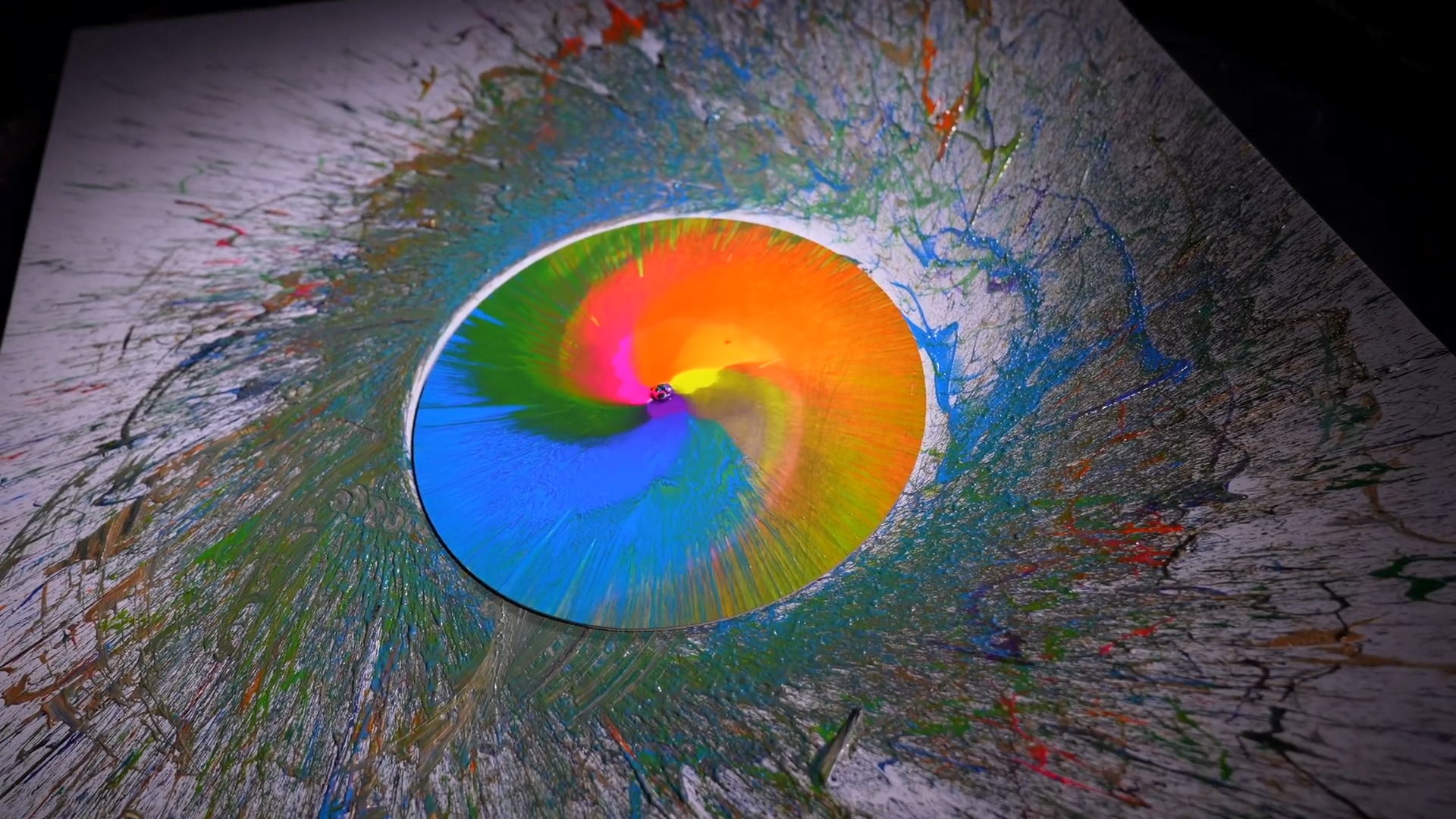
In a return to their roots, this Slow Mo Guys video features paint flowing on (and off!) a spinning disk. To help us see what’s going on, Gav uses a trick that’s familiar to many fluid dynamicists: he rotates the high-speed footage at the same speed that the disk rotates. This transformation places the viewer into a reference frame where the disk appears stationary, so that small changes in the flow are apparent.
It makes for a gorgeous view as centrifugal force flings the paint outward and eventually breaks it into drops. The rotation speed is unfortunately so high that the spinning completely dominates all other forces. The few runs with more viscous acrylic paint show some hints of more interesting behaviors that might be visible with a slower rotation rate (which would make the tug of war between inertia/viscosity/surface tension and centrifugal force less one-sided). Anyone got a high-speed camera, some speed control, and a willingness to get messy? (Image and video credit: The Slow Mo Guys)

“Ruin of the Tides”
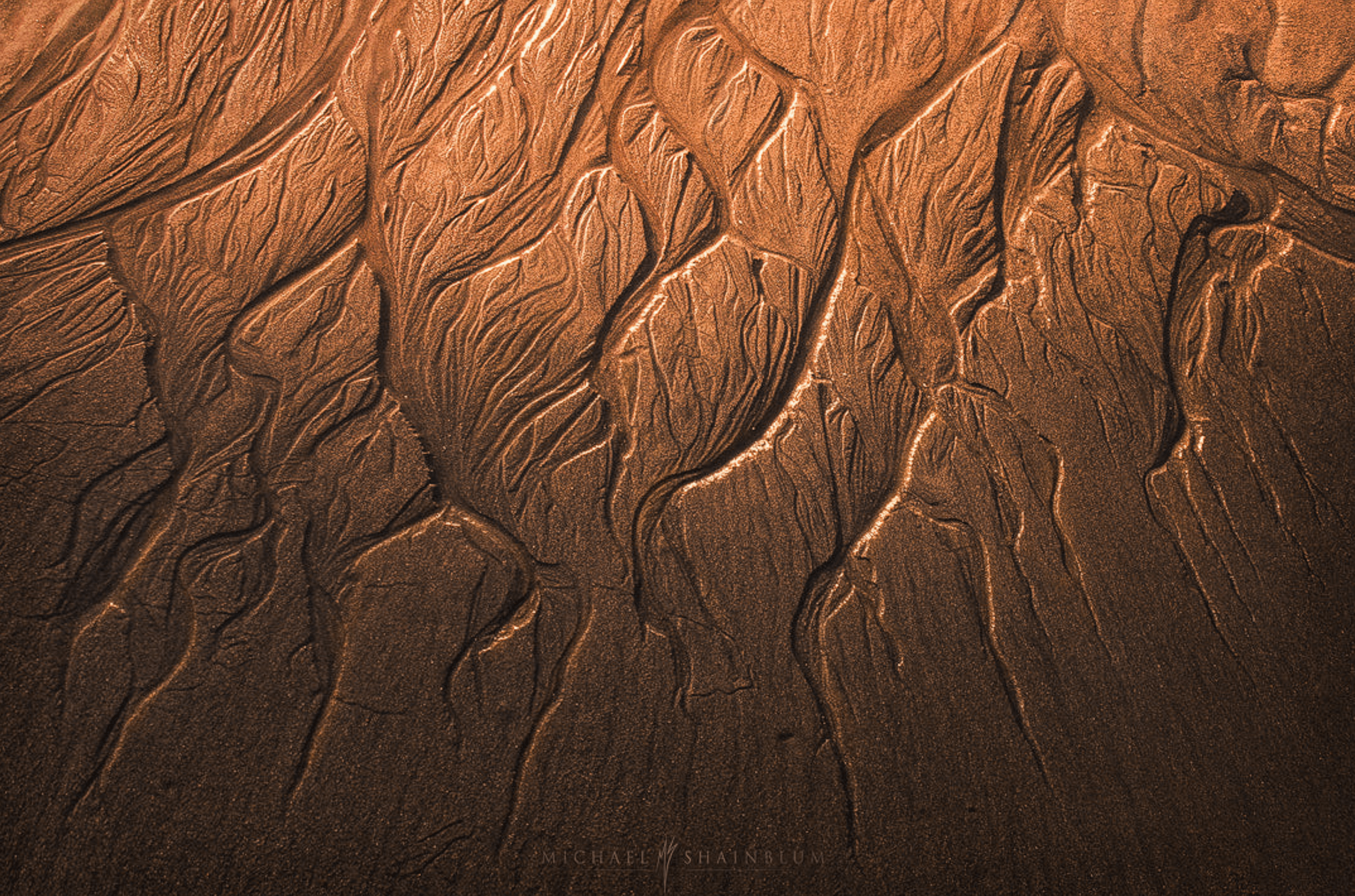
As tides and waves flow back and forth over a beach, they erode the sandy shore. Here photographer Michael Shainblum captures the streaks and rivulets left by a falling tide. These “ruins” resemble an extensive river delta viewed from above. I love the complicated branches carved by the water’s retreat. (Image credit: M. Shainblum)

Witch’s Broom
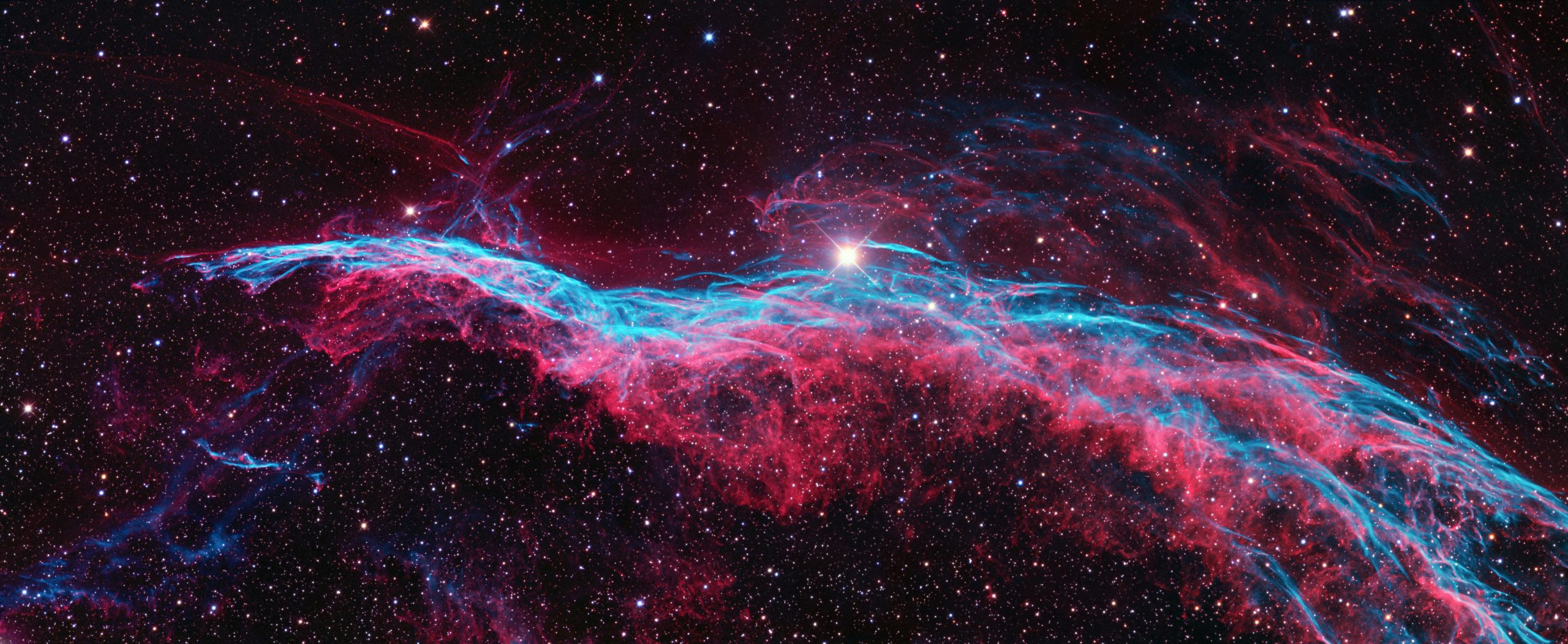
Known by many names — including the Witch’s Broom Nebula — NGC 6960 is part of a supernova remnant visible in the constellation Cygnus. The wisp-like filaments of the nebula are shock waves moving through the cloud of dust and ionized gas. Based on observations using the Hubble Space Telescope, the nebula is expanding at around 1.5 million kilometers per hour. When the original supernova exploded thousands of years ago, astrophysicists estimate it would have been bright enough to see during daytime! (Image credit: K. Crawford)

As Above, So Below
I love a good crossover between fluid dynamics and something unexpected. Fiber artist Megan Zaniewski uses thread-painting techniques to embroider ducks, frogs, otters, and other animals as they appear both above and below water. I am blown away by how she captures the movement and turbulence of water in these pieces! Just look at that spectacular frog splash. You can find lots more of her art on her Instagram. (Image credit: M. Zaniewski; via Colossal)

“Heterochromia Iridum”
Heterochromia iridum is the formal name for when a person’s irises are multi-colored, often with streaks or swirls of one color cutting through another. In this short film, photographer Rus Khasanov recreates the effect with glittery inks and paints. Their varying surface tensions help create the eye-like streaks and feathers through the Marangoni effect. Check out the full video to see the effect in action. (Image and video credit: R. Khasanov; via Colossal)

“Stranded”
The advantage of flying a drone over a volcanic eruption is getting all of the beauty with none of the danger. No asphyxiating on sulfuric gases, no burns from intense heat, no ash or flying rocks. Just the stunning, glowing beauty of fresh earth being born. “Stranded” takes us over and around the recent Icelandic eruption in a way that no human can ever experience. Sit back, relax, and feast your eyes on the spectacle. (Image and video credit: S. Ridard; via Colossal)

Tides and Tempests of the Coast
Photographer Rachael Talibart specializes in capturing the majestic and tumultuous power of the sea along England’s coast. Her most recent book “Tides and Tempests” looks incredible — full of turbulent crashing waves, skies of spray, and shorelines of surge and froth. I love how her photographs freeze the water in positions that seems surreal while underlining the sheer power of these storms. You can find more of her work on her website and Instagram. (Image credit: R. Talibart; via Colossal)