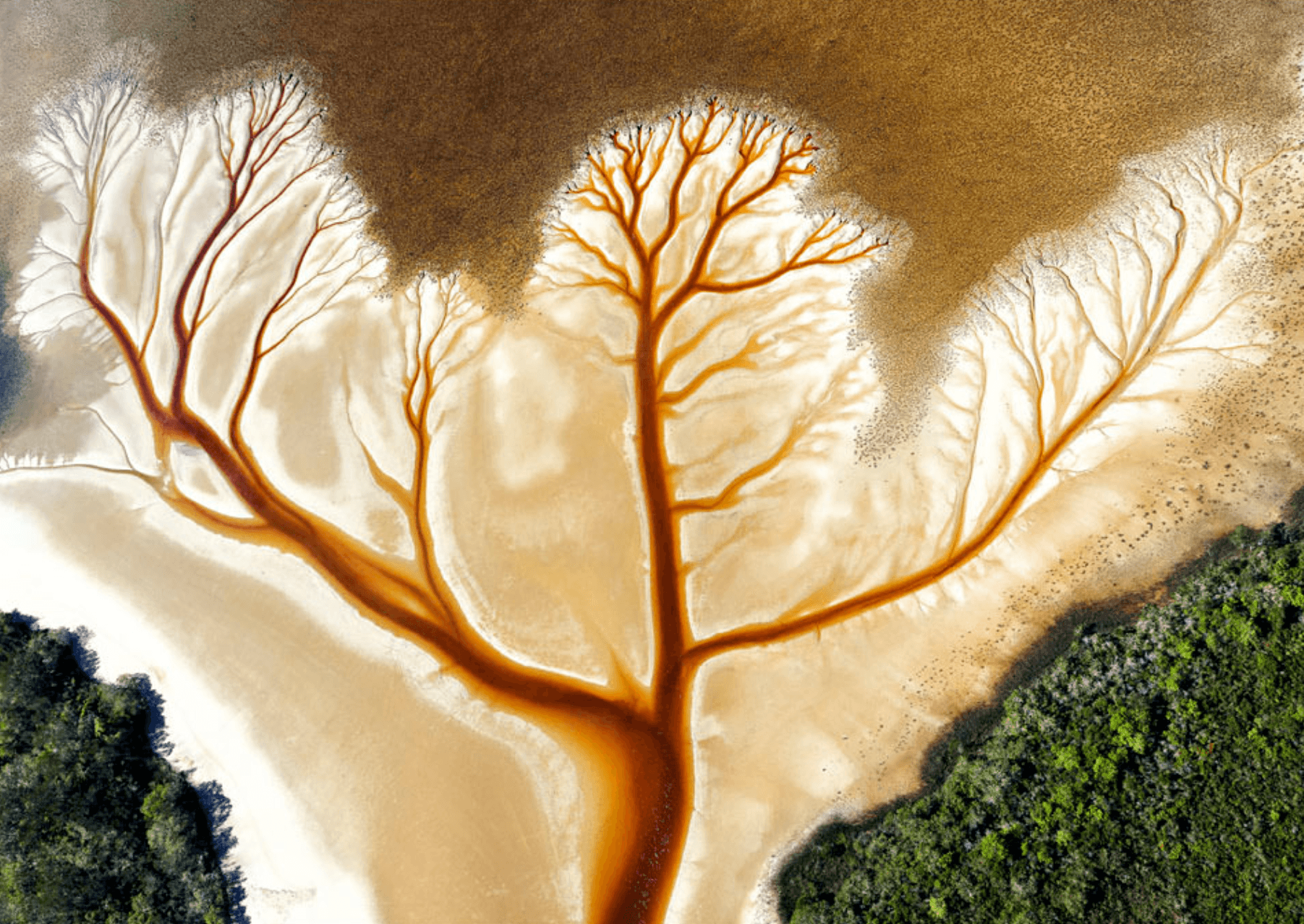
This award-winning aerial image by photographer Stuart Chape shows a tidal creek in Lake Cakora, New South Wales, Australia. At first glance, it looks much like any river delta, with branching dendritic paths that split into smaller and smaller waterways. That’s deceptive, though, because very different forces shape this creek. Because tides move in and out, a tidal creek is home to flows that move both directions — toward and away from the branches. That also means that flow speeds can change rapidly as the tides shift, which in turn changes which sediments get lifted, dropped, and moved around the creek bed. (Image credit: S. Chape/IAPOTY; via Colossal)
Tag: fluid dynamics

See the Solar Wind
After a solar prominence erupts, strong solar winds flow outward from the sun, carrying energetic particles that can disrupt satellites and trigger auroras if they make their way toward us. In this video, an instrument onboard the ESA/NASA’s Solar Orbiter captures the solar wind in the aftermath of such an eruption. The features seen here extended 3 solar radii and lasted for hours. The measurements give astrophysicists their best view yet of this post-eruption relaxation period, and the authors report that their measurements are remarkably similar to results of recent magnetohydrodynamics simulations, suggesting that those simulations are accurately capturing solar physics. (Video and image credit: ESA; research credit: P. Romano et al.; via Gizmodo)
Fediverse Reactions
-

A Variety of Vortices
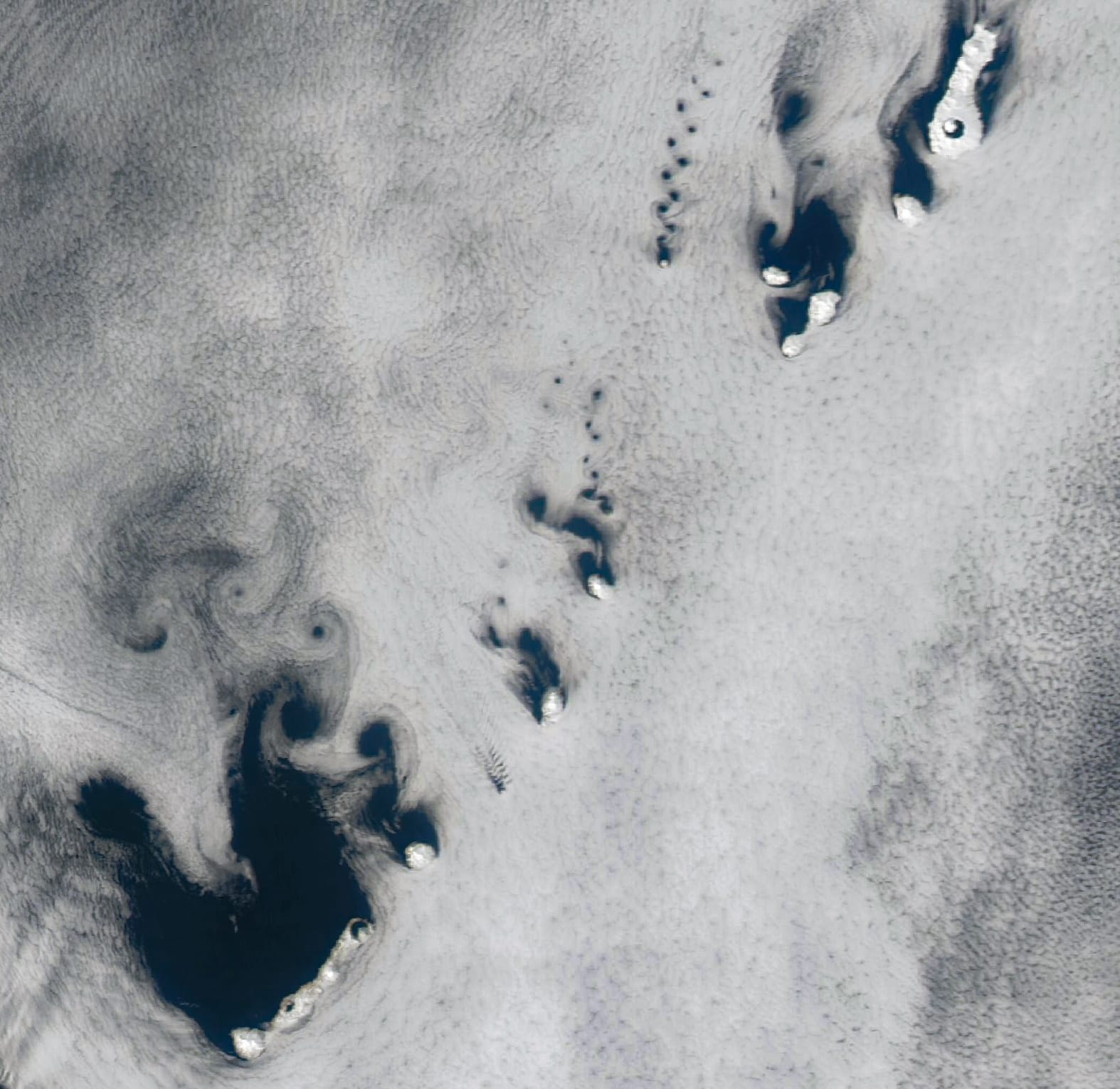
Winds parted around the Kuril Islands and left behind a string of vortices in this satellite image from April 2025. This pattern of alternating vortices is known as a von Karman vortex street. The varying directions of the vortex streets show that winds across the islands ranged from southeasterly to southerly. Notice also that the size of the island dictates the size of the vortices. Larger islands create larger vortices, and smaller islands have smaller and more frequent vortices. (Image credit: M. Garrison; via NASA Earth Observatory)
Fediverse Reactions
-

Capturing River Waves
Rainfall, ice jams, and dam breaks create surges of high flow that make their way down a river in a wave that stretches tens to thousands of kilometers in length. Traditionally, scientists monitor such flow waves using river gauges, which measure river height at specific locations. But gauges are few and far between on many rivers, so a group of researchers are supplementing that data with the SWOT (Surface Water and Ocean Topography) spacecraft. SWOT bounces microwaves off the water to precisely measure the water’s height, giving researchers a glimpse of the flow wave’s shape along the entire river.
In their paper, the team identify and describe flow waves on three different rivers — the Yellowstone, Colorado, and Ocmulgee rivers — ranging in height up to 9 meters and stretching up to 400 kilometers. (Image credit: CNES; research credit: H. Thurman et al.; via Gizmodo)
Fediverse Reactions
-

Dancing Metal Droplets
Droplets of a gallium alloy are liquid at room temperature. When spiked with aluminum grains and immersed in a solution of NaOH, the droplets change shape and move in a random fashion. This video delves into the phenomenon, describing how a chemical reaction with the aluminum grains changes the local surface tension and creates Marangoni flows that make the droplets move. To get the droplet motion, you need to have the aluminum concentration just right. With too little, there’s not enough Marangoni flow. With too much, the hydrogen gas produced in the chemical reaction disrupts the droplet motion. (Video and image credit: N. Kim)
Fediverse Reactions
-
“Creation”


Videographer Vadim Sherbakov’s short film “Creation” is full of glittery vistas created under a macro lens. Shifting, particle-seeded flows shimmer in bright colors. Glistening deltas shift and form, and Marangoni flows generate feathers and tree-like dendritic arms. Macro flows never cease to fascinate. (Video and image credit: V. Sherbakov; via Colossal)

Lava Meets Leidenfrost
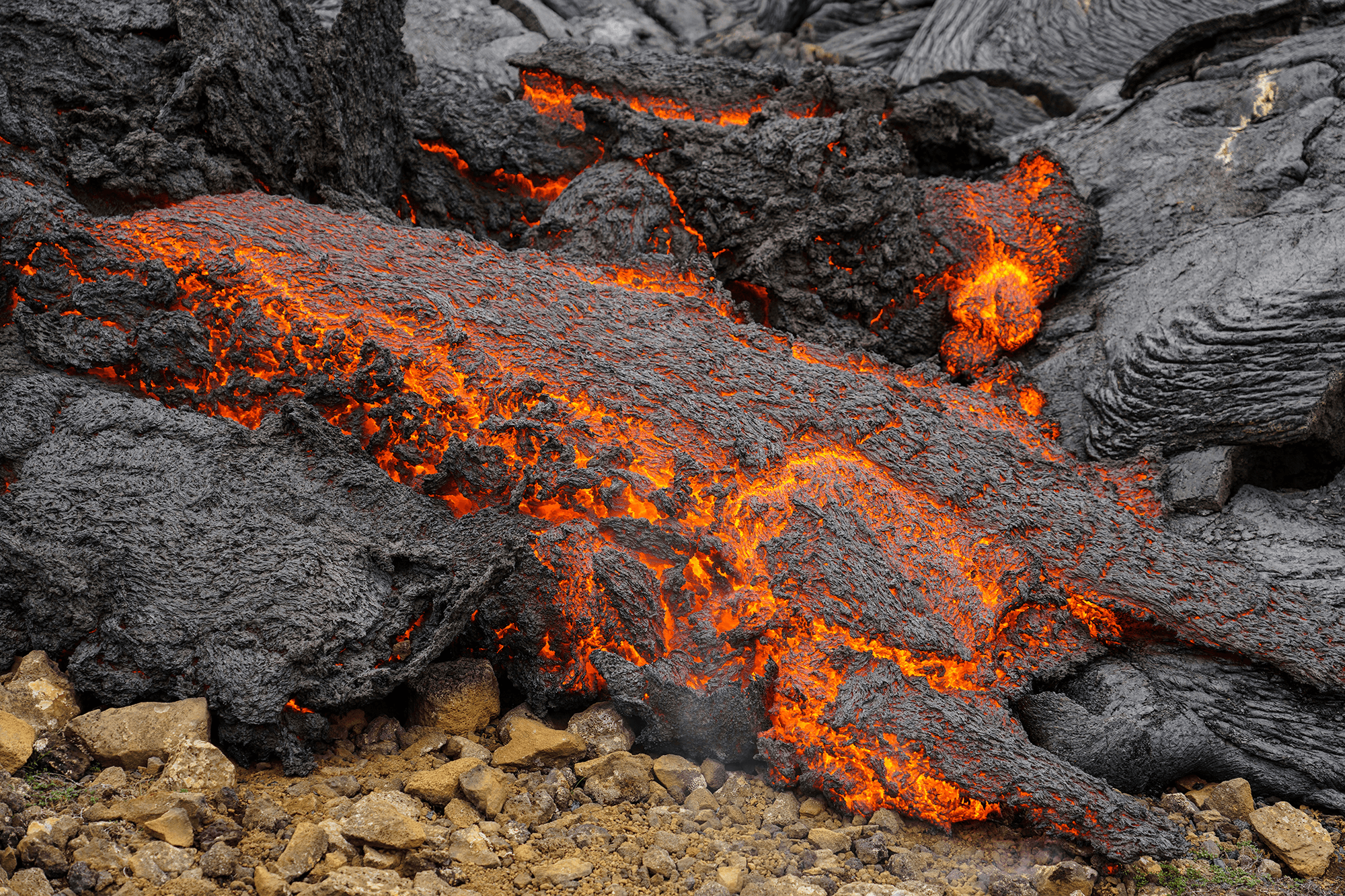
Drop water on a surface much hotter than its boiling point, and the liquid will bead up and skitter over the surface, levitated on a cushion of its own vapor. In addition to making the drop hypermobile, this vapor layer insulates it from the heat of the surface, allowing it to survive longer than it would at lower temperatures. Known as the Leidenfrost effect, this phenomenon can show up in lava flows, as well.
Pillow lava is a smooth, bulbous rock formed when lava breaks out underwater. The exiting lava is incandescent and, therefore, incredibly hot — hot enough to vaporize a layer of water surrounding it. The lava can continue to expand until it cools too much to sustain the vapor layer. An elastic skin builds up over the cooling lava. Eventually, a new pillow will bud off, possibly due to a surge in the lava flow or a weak point in the developing skin. (Image credit: J. de Gier; research credit: A. Mills; via LeidenForce)
Fediverse Reactions
-
Inside Cuttlefish Suction


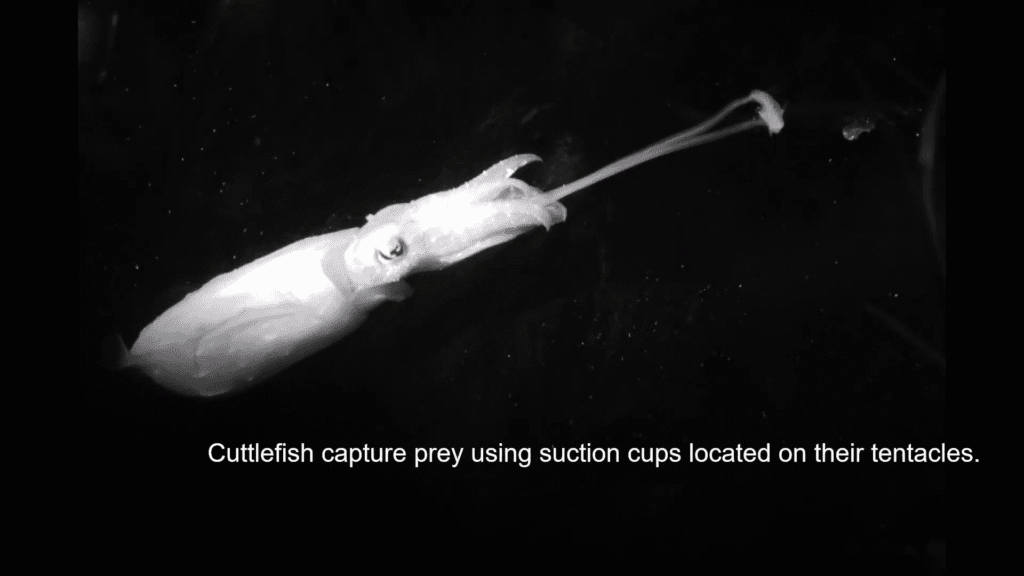
Cuttlefish, like many cephalopods, catch prey with their tentacles. Suction cups along the tentacle help them hold on. In this video, researchers share preliminary studies of what goes on inside these suction cups as they’re detached. The low pressures inside the suction cup cause water to vaporize, temporarily. As seen for both the cuttlefish and a bio-inspired suction cup, small bubbles form inside the attached cup, coalesce into larger bubbles, and then get destroyed in the catastrophic leak that occurs once part of the suction cup detaches. (Video and image credit: B. Zhang et al.)
Fediverse Reactions
-

Venusian Gravity Currents
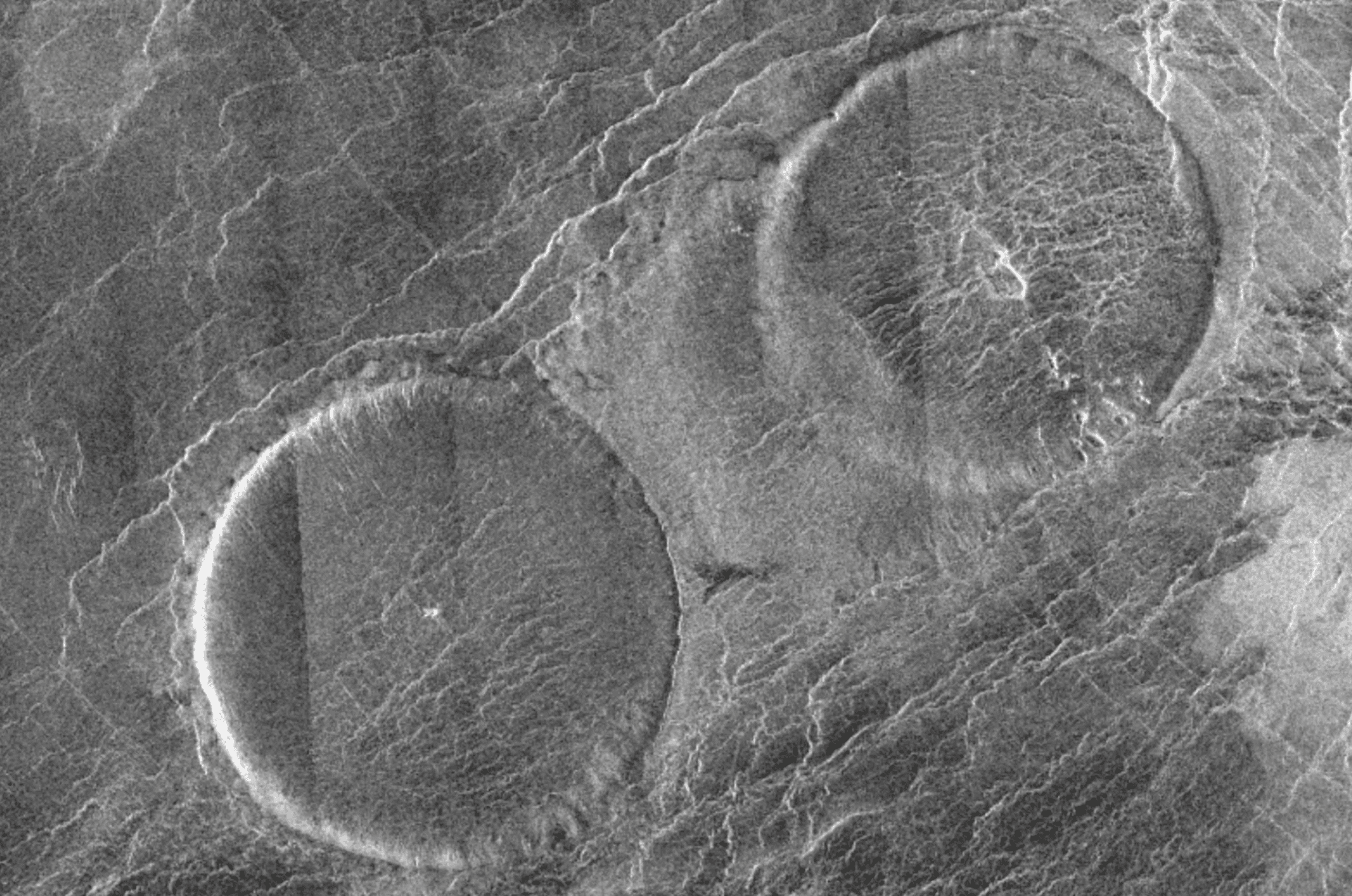
Radar measurements of Venus‘s surface reveal the remains of many volcanic eruptions. One type of feature, known as a pancake dome, has a very flat top and steep sides; one dome, Narina Tholus, is over 140 kilometers wide. Since their discovery, scientists have been puzzling out how such domes could form. A recent study suggests that the Venusian surface’s elasticity plays a role.
According to current models, the pancake domes are gravity currents (like a cold draft under your door, an avalanche, or the Boston Molasses Flood), albeit ones so viscous that they may require hundreds of thousands of Earth-years to settle. Researchers found that their simulated pancake domes best matched measurements from Venus when the lava was about 2.5 times denser than water and flowed over a flexible crust.
We might have more data to support (or refute) the study’s conclusions soon, but only if NASA’s VERITAS mission to Venus is not cancelled. (Image credit: NASA; research credit: M. Borelli et al.; via Gizmodo)
Fediverse Reactions
-
La Grande Dune du Pilat
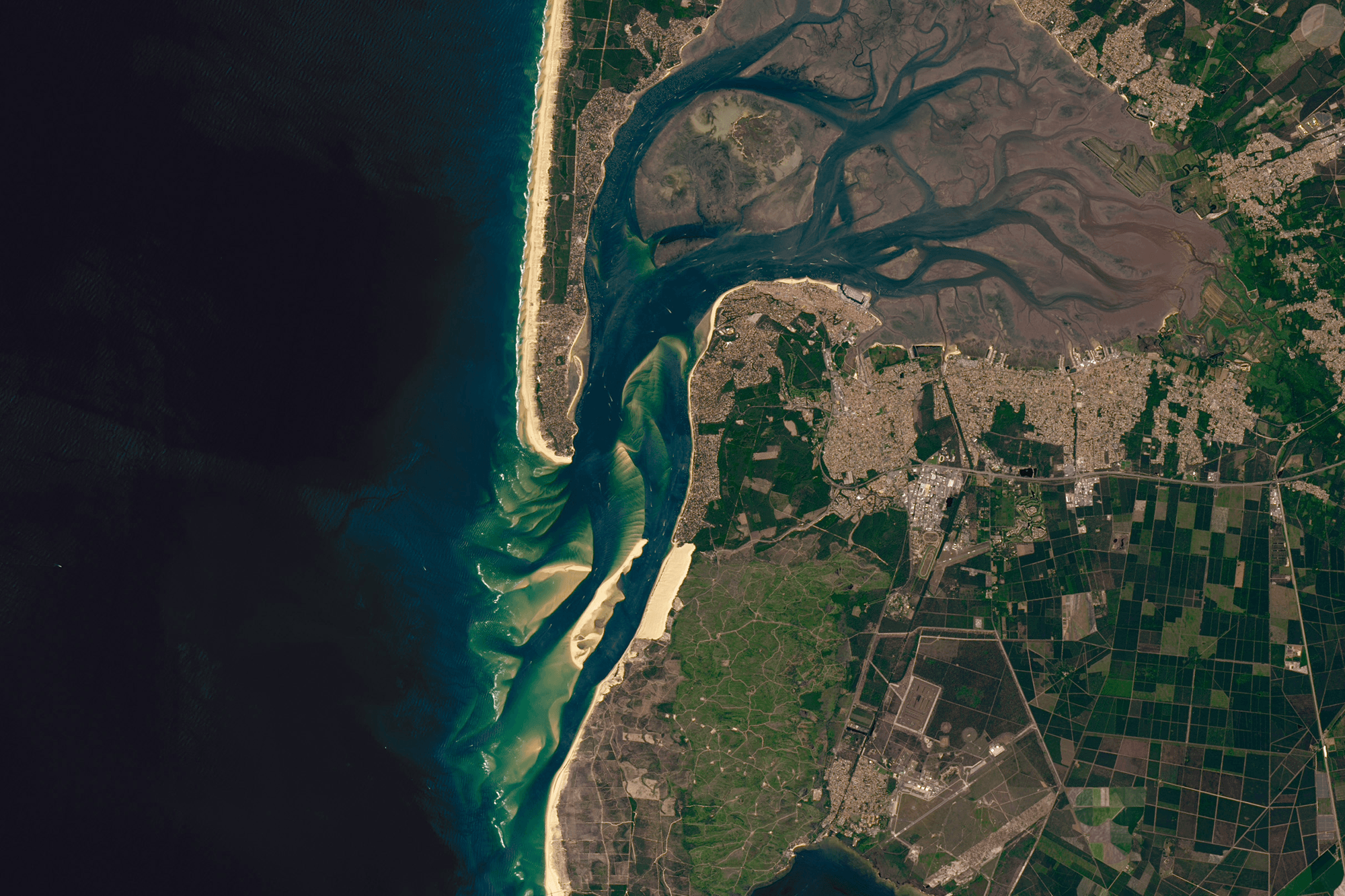
Southwest of Bordeaux in France stands Europe’s tallest sand dune, La Grande Dune du Pilat. Some 2.7 kilometers long and over 100 meters high, this dune took shape here over thousands of years. It moves inland a few meters every year as winds blowing from the Atlantic push sand up its shallow seaward side to the dune’s crest. There, sand will avalanche down the steeper leeward side, advancing the dune little by little. The dune’s accumulation has not been steady; during cooler and drier times, sand has collected there, but it took warmer and wetter climes to grow the forests that have helped stabilize the soil and build the dune higher. Humanity has played a role as well, at times introducing new tree species to stabilize the dune. (Image credit: W. Liang; via NASA Earth Observatory)
Fediverse Reactions
-