Tag: Plateau-Rayleigh instability

  • Urinal Dynamics Win Ig Nobel Prize

    Urinal Dynamics Win Ig Nobel Prize

    Thirteen years ago, I made a prediction that work on how to avoid urinal splashback would win an Ig Nobel Prize. Today, I am, at last, vindicated. Randy Hurd, Zhao Pan, Tadd Truscott, and Kaveeshan Thurairajah shared the 2026 Ig Nobel Prize in Physics for their work designing a splash-free urinal.

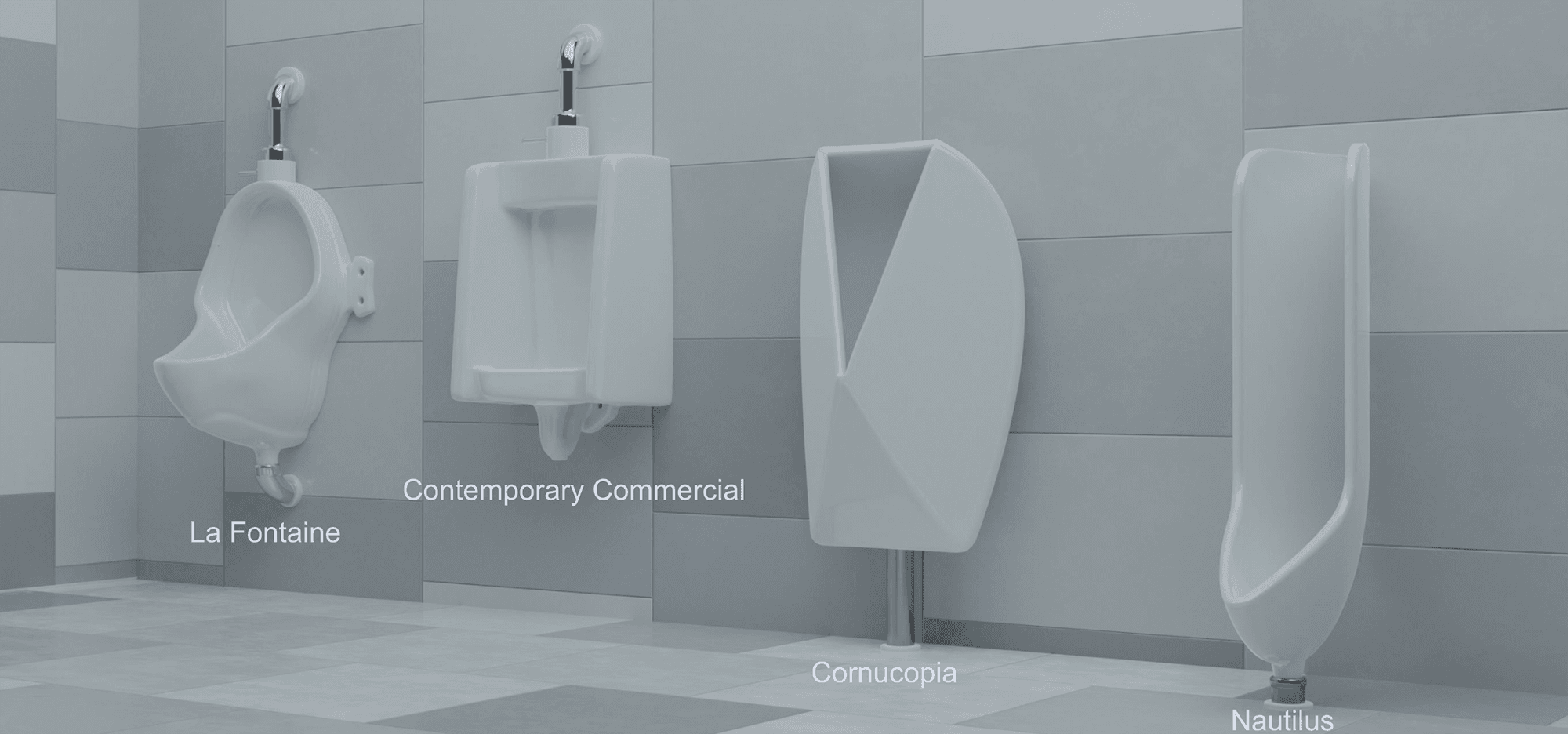
    The culmination of this decade-plus of research are two urinal designs, the Cornucopia (“Cornucopeea”) and the Nautilus (“Nauti-Loo”). Both designs minimize splash, in part, through their geometry. As you may have noticed when rinsing dishes, having a stream of droplets hit a surface at a high impact angle creates lots of splash. But at a low impact angle, very little splash occurs. The team took this observation and created designs that minimized impact angle no matter where a user aimed.
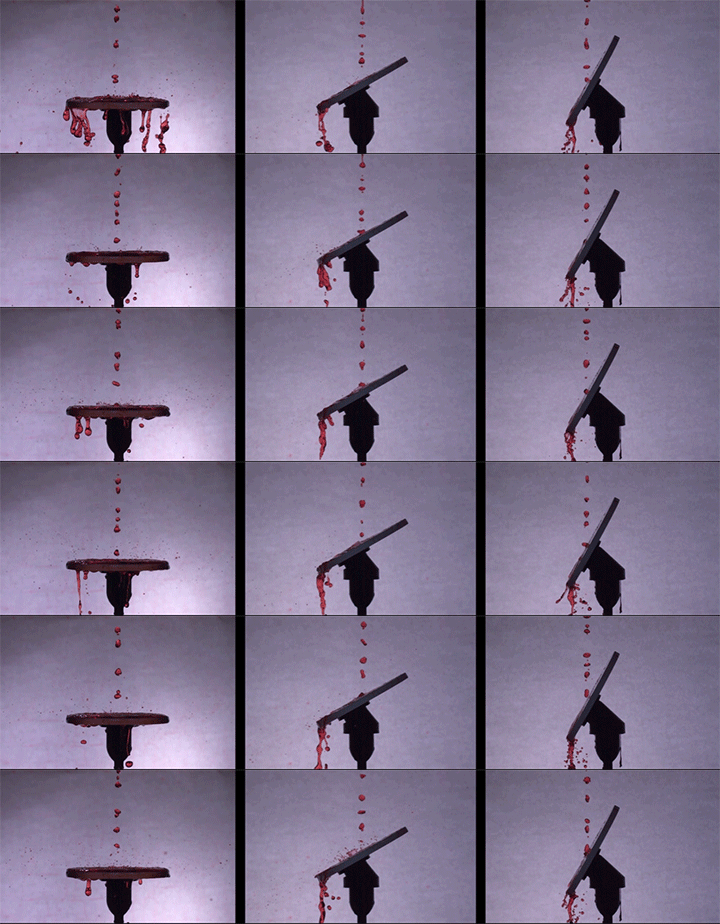
    How splashback varies with impact angle. High and medium impact angles (left and middle, respectively) generate a lot of splashing from a stream of impacting droplets. In contrast, below a critical impact angle, the splashing is negligible (right).
    How splashback varies with impact angle. High and medium impact angles (left and middle, respectively) generate a lot of splashing from a stream of impacting droplets. In contrast, below a critical impact angle, the splashing is negligible (right).

    Naturally, they tested the two new designs, alongside two existing urinal designs, finding that the new urinals reduced splashing by as much as 95% across a range of flow rates and user heights. Although the Cornucopia was the least splashy urinal, the team gave the Nautilus an overall edge because its design is easier to clean and works for children, adults, and wheelchair users.

    Considering the estimated 1 million liters of urine contemporary urinals splash across U.S. restrooms daily, the Nautilus could save significant labor and cleaning costs, if implemented. (Image credits: urinals and experiment – K. Thurairajah et al., poster – R. Hurd et al.; research credit: K. Thurairajah et al. and R. Hurd et al.)

    P.S. – As indicated, I’ve followed this work for a long time. In addition to this post, we did a webcast (10 years ago, yikes!) that touched on the topic. But my most in-depth coverage of the story is still to appear in print; you’ll get to enjoy the whole tale–stretching all the way back to 2012–in a chapter of my forthcoming book. More on that soon! In the meantime, please enjoy this gem of a scientific poster from the project’s early days in 2013:
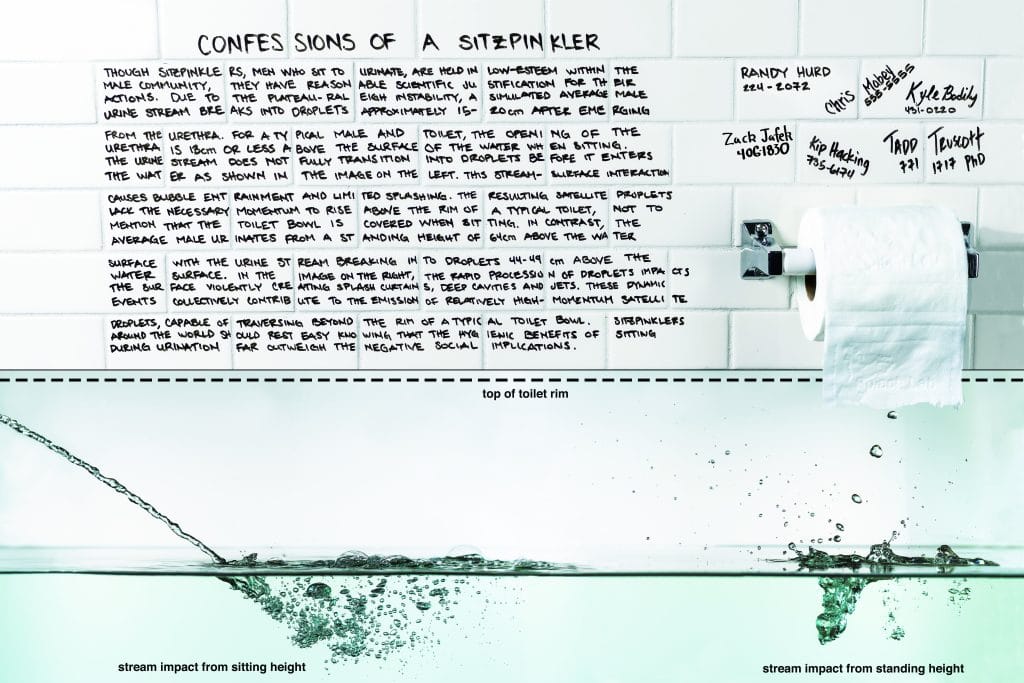
    One of the best research posters of all time, designed to look like it's been written on a tiled bathroom wall. The text reads, "Confessions of a Sitzpinkler. Though Sitzpinklers, men who sit to urinate, are held in low-esteem within the male community, they have reasonable scientific justification for their actions. Due to the Plateau-Rayleigh instability, a simulated average male urine stream breaks into droplets approximately 15-20 cm after emerging from the urethra. For a typical male and toilet, the opening of the urethra is 13 cm or less above the surface of the water when sitting. The urine stream does not fully transition into droplets before it enters the water as shown in the image on the left. This stream-surface interaction causes bubble entrainment and limited splashing. The resulting satellite droplets lack the necessary momentum to rise above the rim of a typical toilet, not to mention that they toilet bowl is covered when sitting. In contrast, the average male urinates from a standing height of 64 cm above the water surface with the urine stream breaking into droplets 44-49 cm above the water surface. In the image on the right, the rapid procession of droplets impacts the surface violently, creating splash curtains, deep cavities and jets. These dynamic events collectively contribute to the emission of relatively high-momentum satellite droplets, capable of traversing beyond the rim of a typical toilet bowl. Sitzpinklers around the world should rest easy knowing that the hygienic benefits of sitting during urination far outweigh the negative social implications."
    One of the best research posters of all time, designed to look like it’s been written on a tiled bathroom wall. The text reads, “Confessions of a Sitzpinkler. Though Sitzpinklers, men who sit to urinate, are held in low-esteem within the male community, they have reasonable scientific justification for their actions. Due to the Plateau-Rayleigh instability, a simulated average male urine stream breaks into droplets approximately 15-20 cm after emerging from the urethra. For a typical male and toilet, the opening of the urethra is 13 cm or less above the surface of the water when sitting. The urine stream does not fully transition into droplets before it enters the water as shown in the image on the left. This stream-surface interaction causes bubble entrainment and limited splashing. The resulting satellite droplets lack the necessary momentum to rise above the rim of a typical toilet, not to mention that they toilet bowl is covered when sitting.

    In contrast, the average male urinates from a standing height of 64 cm above the water surface with the urine stream breaking into droplets 44-49 cm above the water surface. In the image on the right, the rapid procession of droplets impacts the surface violently, creating splash curtains, deep cavities and jets. These dynamic events collectively contribute to the emission of relatively high-momentum satellite droplets, capable of traversing beyond the rim of a typical toilet bowl.

    Sitzpinklers around the world should rest easy knowing that the hygienic benefits of sitting during urination far outweigh the negative social implications.”

    Fediverse Reactions
  • Crown Splash

    Crown Splash

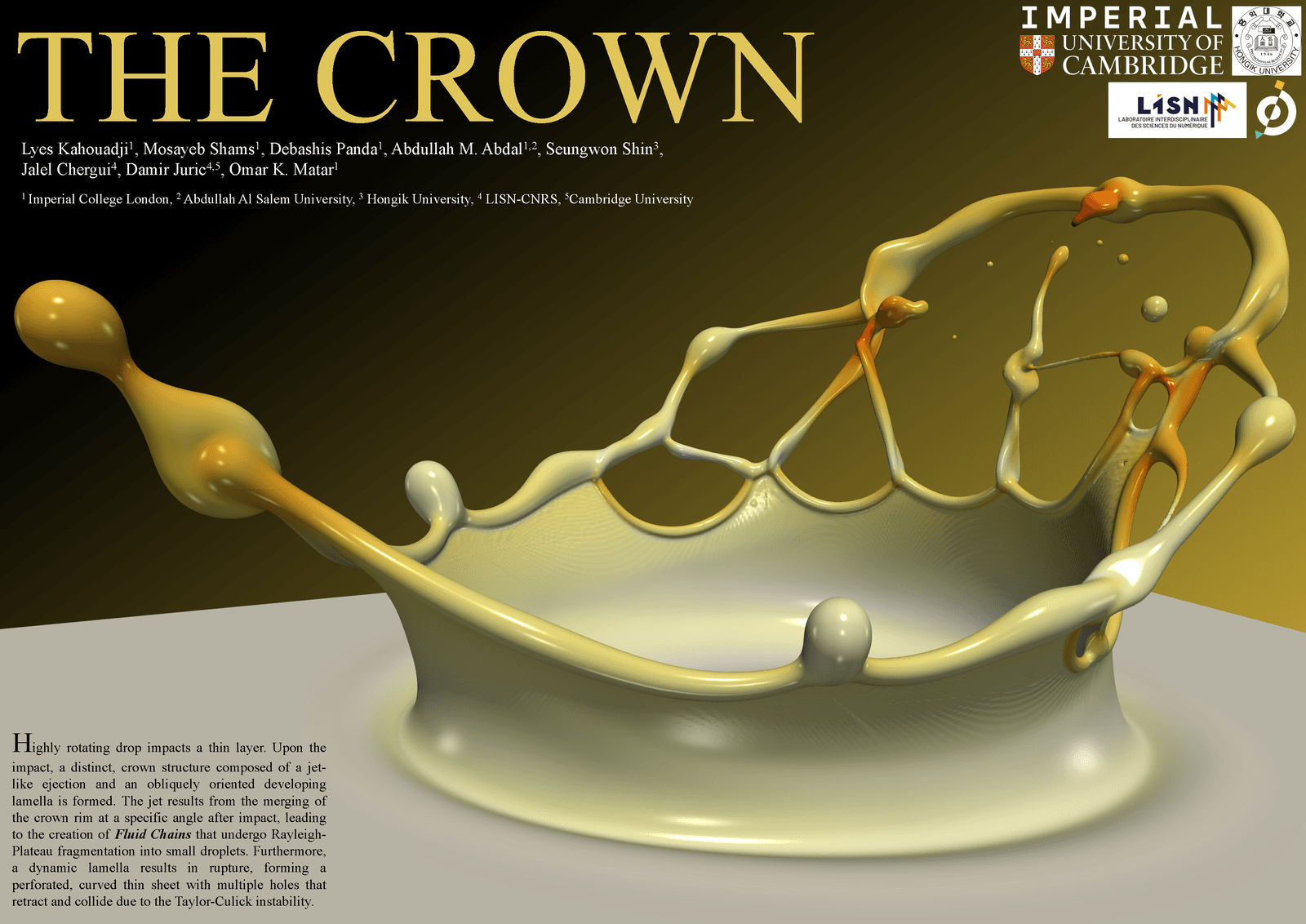
    When a falling drop hits a thin layer of water, the impact sends up a thin, crown-shaped splash. This research poster shows a numerical simulation of such a splash in the throes of various instabilities. The crown’s thick edges are undergoing a Rayleigh-Plateau instability, breaking into droplets much the way a dripping faucet does. On the far side, the crown has rapidly expanding holes that pull back and collide. The still-intact liquid sheet at the base of the crown shows some waviness, as well, hinting at a growing instability there. (Image credit: L. Kahouadji et al.)

    Fediverse Reactions
  • Featured Video Play Icon

    “The Ballet of Colors”

    Thomas Blanchard’s short film “The Ballet of Colors” plunges viewers into a warm spectrum of roiling oil and paint. Fluid dynamically speaking, it could be subtitled “the Plateau-Rayleigh instability” thanks to its focus on retracting paint ruptures and ligaments breaking into droplets. Unlike some other videos of this genre, Blanchard uses a high-speed camera here, filming the action at 1,000 frames per second, and the result is smooth, crisply focused, and absolutely delectable. (Video and image credit: T. Blanchard et al.)

    Fediverse Reactions
  • Instabilities in Competition

    Instabilities in Competition

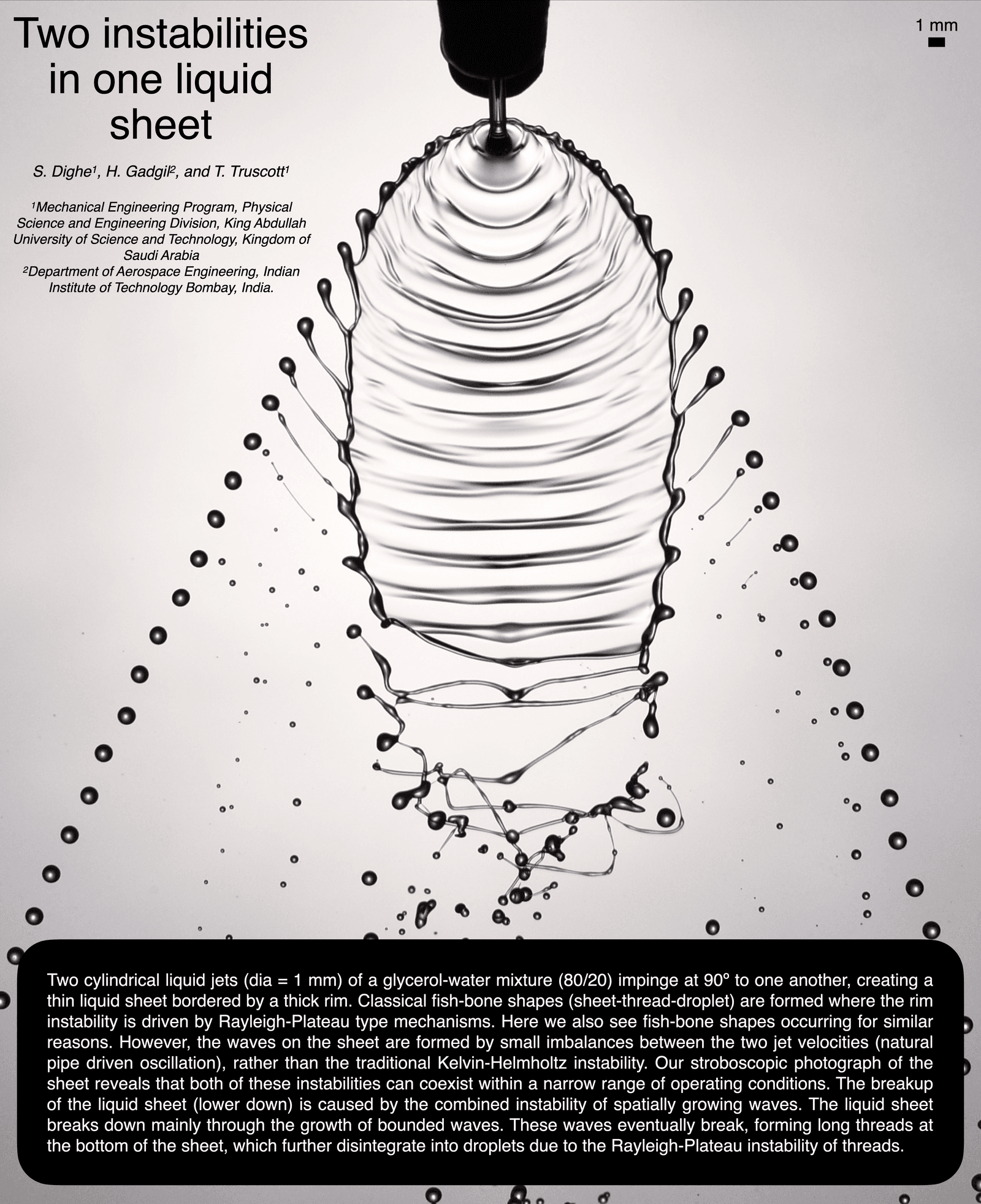
    When two liquid jets collide, they form a thin liquid sheet with a thicker rim. That rim breaks into threads and then droplets, forming a well-known fishbone pattern as the Plateau-Rayleigh instability breaks up the flow. This poster shows a twist on that set-up: here, the two colliding jets vary slightly in their velocities. That variability adds a second instability to the system, visible as the wavy pattern on the central liquid sheet. The sheet’s rim still breaks apart in the usual fishbone pattern, but the growing waves in the center of the sheet eventually that structure apart as well. (Image credit: S. Dighe et al.)

    Fediverse Reactions
  • Featured Video Play Icon

    Tweaking Coalescence

    When a drop settles gently against a pool of the same liquid, it will coalesce. The process is not always a complete one, though; sometimes a smaller droplet breaks away and remains behind (to eventually do its own settling and coalescence). When this happens, it’s known as partial coalescence.

    Here, researchers investigate ways to tune partial coalescence, specifically to produce more than a single droplet. To do so, they add surfactants to the oil layer surrounding their water droplet. The surfactants make the rebounding column of water skinnier, which triggers the Rayleigh-Plateau instability that’s necessary to break the column into more than one droplet. (Image and video credit: T. Dong and P. Angeli)

  • Drops of Fiber Suspensions

    Drops of Fiber Suspensions

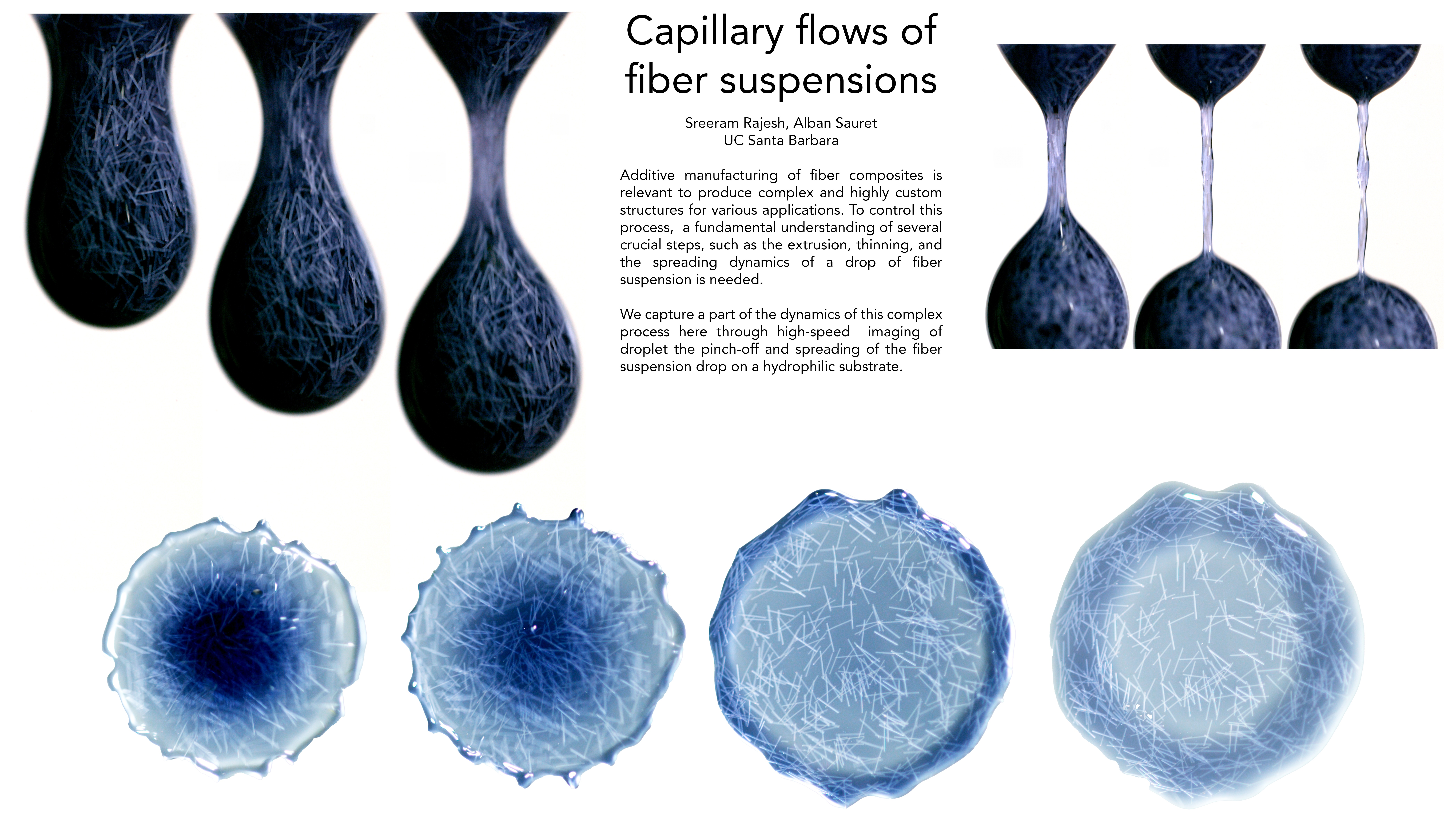
    To 3D print with fiber-infused liquids, we need to understand how these drops form, break-up, and splash. That’s the subject of this research poster, which shows drops of a fiber suspension forming and pinching off along the top of the image. In the lower half of the image, drops of the suspension hit a hydrophilic surface and spread. How the drop and its fibers spread will affect the final properties of the printed material. (Image credit: S. Rajesh and A. Sauret; via GoSM)

  • The Sound of Bubbles

    The Sound of Bubbles

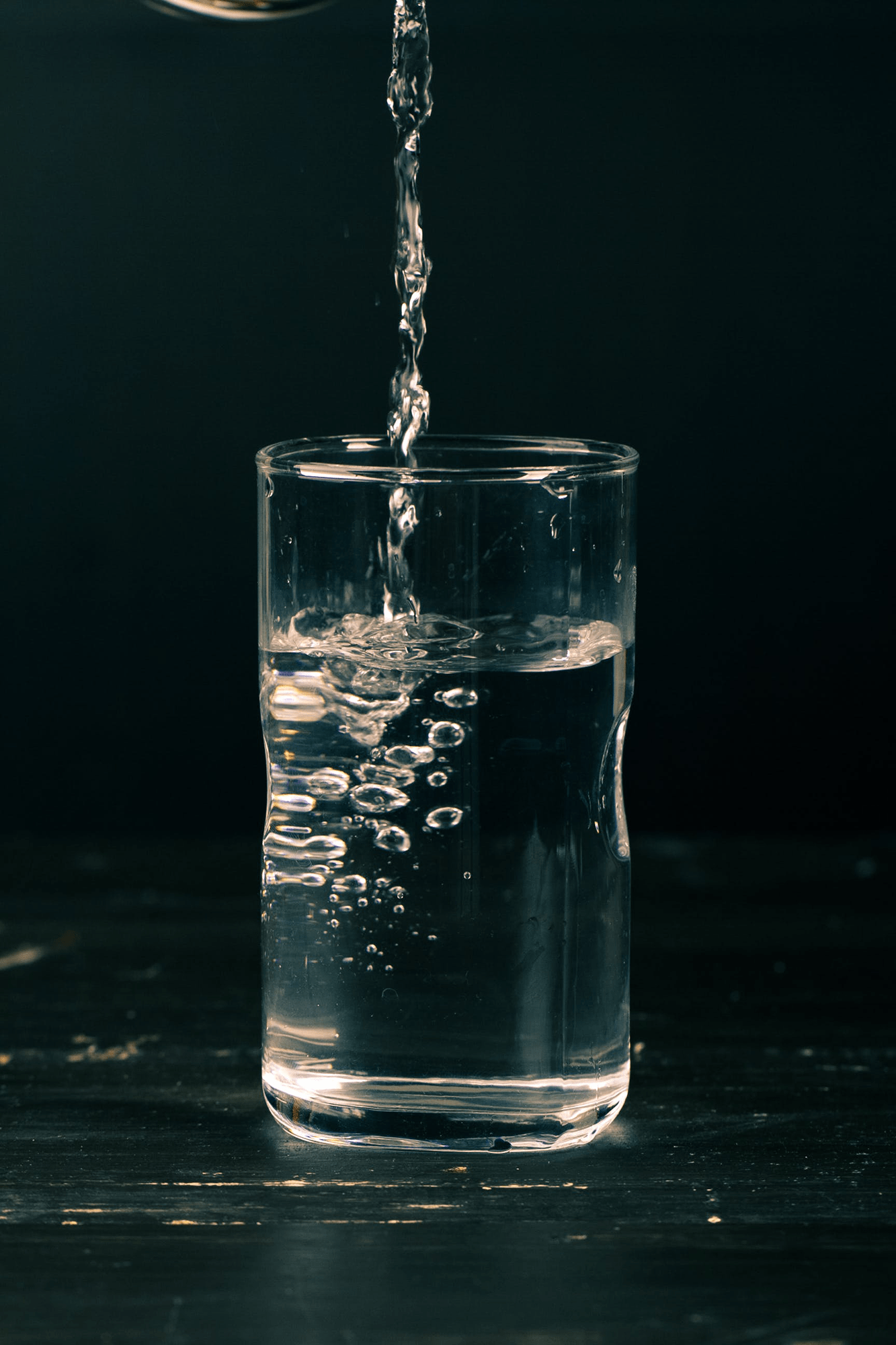
    Every day I stand in front of my refrigerator and listen to the water dispenser pouring water into my glass. The skinny, fast-moving jet of water plunges into the pool, creating a flurry of bubbles. Those bubbles come from air the water jet pulls in with it, and the sound the water makes (minus the fridge’s noises) comes from those bubbles. A short, laminar jet will make fewer bubbles and, therefore, be quieter than a a jet that falls farther before hitting the water.

    The reason? That tall jet falls for long enough that its walls start to wobble or even break up completely into separate droplets. Compared to a smooth jet, these wobbly or broken-up jets pull in more air and create more bubbles. That makes them louder. Researchers even suggest that listening to these bubbles can give a noninvasive method for finding how much fresh oxygen is in the water. (Image credit: R. Piedra; research credit: M. Boudina et al.; via APS Physics)

  • Droplet Medusa

    Droplet Medusa

    Vibration is one method for breaking a drop into smaller droplets, a process known as atomization. Here, researchers simulate this break-up process for a drop in microgravity. Waves crisscrossing the surface create localized craters and jets, making the drop resemble the Greek mythological figure of Medusa. With enough vibrational amplitude, the jets stretch to point of breaking, releasing daughter droplets. (Image and research credit: D. Panda et al.)

  • Featured Video Play Icon

    Paint Ejection

    Shaking paint on a speaker cone and filming it in high speed is an oldie but a goodie. Here, artist Linden Gledhill films paint ejection at 10,000 frames per second, giving us a glorious view of the process. As the paint flies upward, accelerated by the speaker, it stretches into long ligaments. As the ligaments thin, surface tension concentrates the paint into droplets, connected together by thinning strands. When those strands break, they snap back toward the remaining paint, imprinting swirling threads of different colors, thanks to their momentum. Eventually, surface tension wins the tug-of-war and transforms all the paint into droplets. (Video and image credit: L. Gledhill)

  • Watery Bullseye

    Watery Bullseye

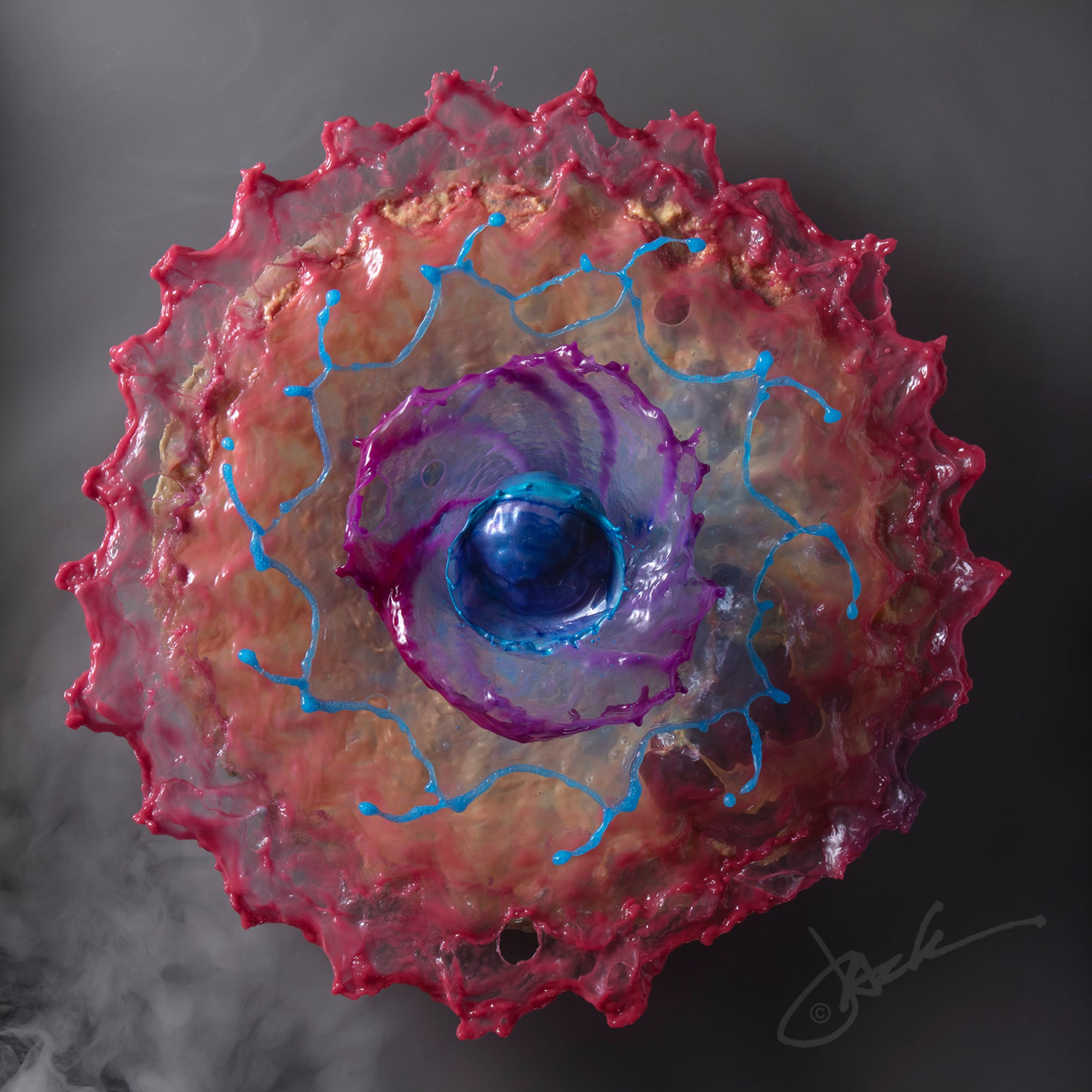
    Concentric circles of colorful water float in the frame of photographer Jack Long’s images. At first glance, the liquid sculptures appear to be the splashes from one or more falling objects. But, in fact, Long reports to Colossal that the water burbles up from a custom-designed fountain. The effect is a very neat one, and I love examining the details of Long’s images. The rim of each ring is visibly thickened and often wavy in a regular pattern, hinting at an underlying Plateau-Rayleigh instability driving the inevitable break-up. Find more of Long’s work at his website and on Instagram. (Image credit: J. Long; via Colossal)