Search results for: “art”

  • A Supernova in Motion

    A Supernova in Motion

    In 1604, astronomers first caught sight of Kepler’s Supernova Remnant, a massive explosion some 17,000 light-years away. Twenty-five years of observations from the Chandra X-ray Observatory went into making this timelapse, which shows the supernova remnant‘s material pushing into the surrounding gas and dust.

    Zoomed version of a timelapse showing 25 years of change in Kepler's Supernova Remnant.

    In its fastest regions, the supernova remnant is moving around 2% of the speed of light–some 22 million kilometers per hour. Slower parts of the remnant are moving at just 0.5% of light-speed. (Image credit: NASA/CXC/SAO/Pan-STARRS; via Gizmodo)

    Zoomed version of a timelapse showing 25 years of change in Kepler's Supernova Remnant.
    Fediverse Reactions
  • Bouncing Indefinitely

    Bouncing Indefinitely

    On the surface of a gently vibrating liquid, a droplet can bounce indefinitely without coalescing, kept aloft by an air film too small to see. As long as the droplet lifts off before the air layer drains out from under it, the droplet won’t contact the water below. Now scientists have shown that this is possible with a solid surface, too.

    Using an atomically smooth mica plate, researchers were able to bounce a droplet indefinitely without wetting the surface. At higher vibration rates (below), the droplet essentially hovers in place, bouncing so quickly that we simply see its shape vibrating in response to the surface. (Image and research credit: L. Molefe et al.; via APS)

    At a high vibrational frequency, a bouncing droplet effectively hovers in space and changes its shape rather than bouncing.
    Fediverse Reactions
  • Making Bubbles in Magma

    Making Bubbles in Magma

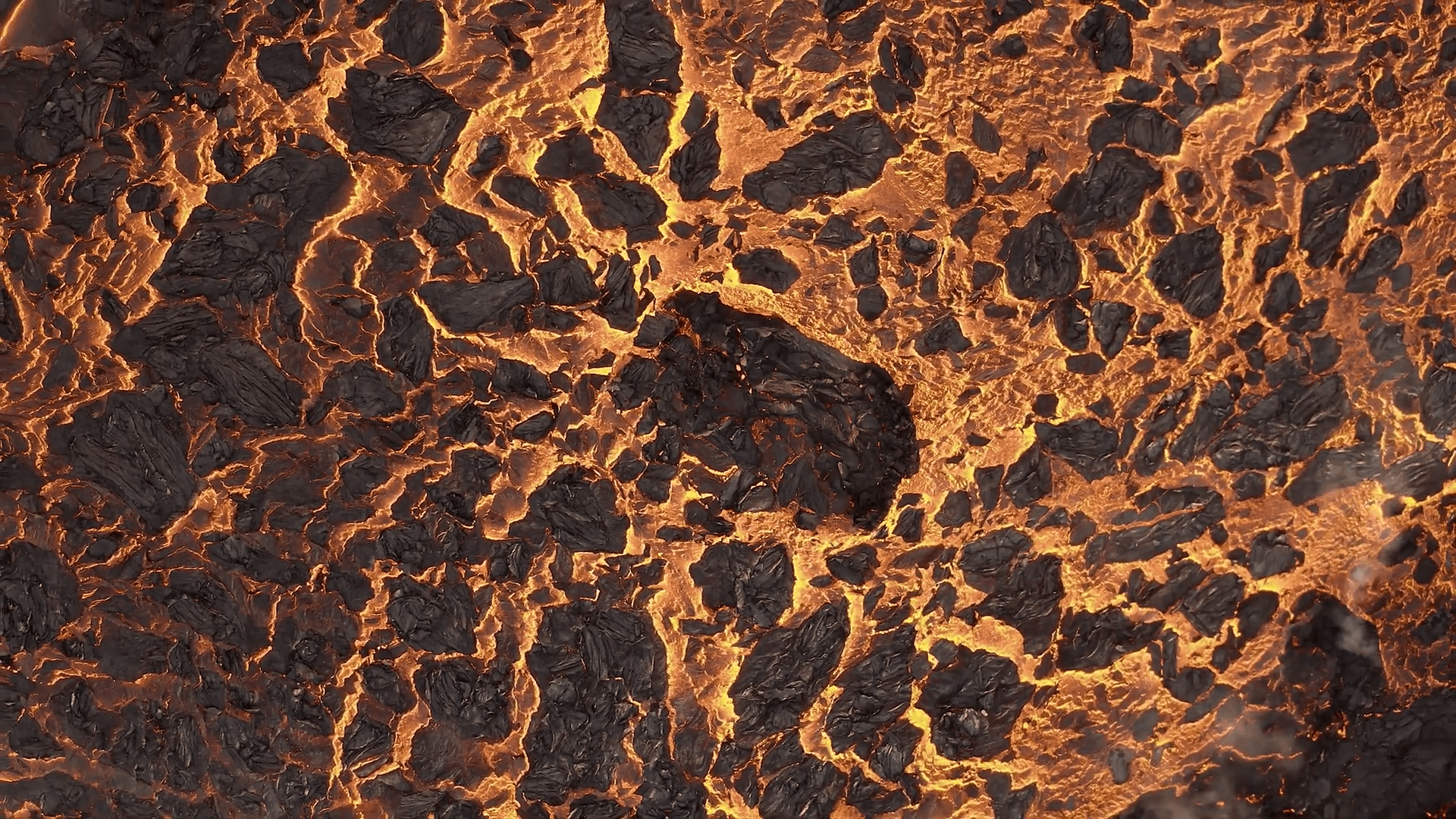
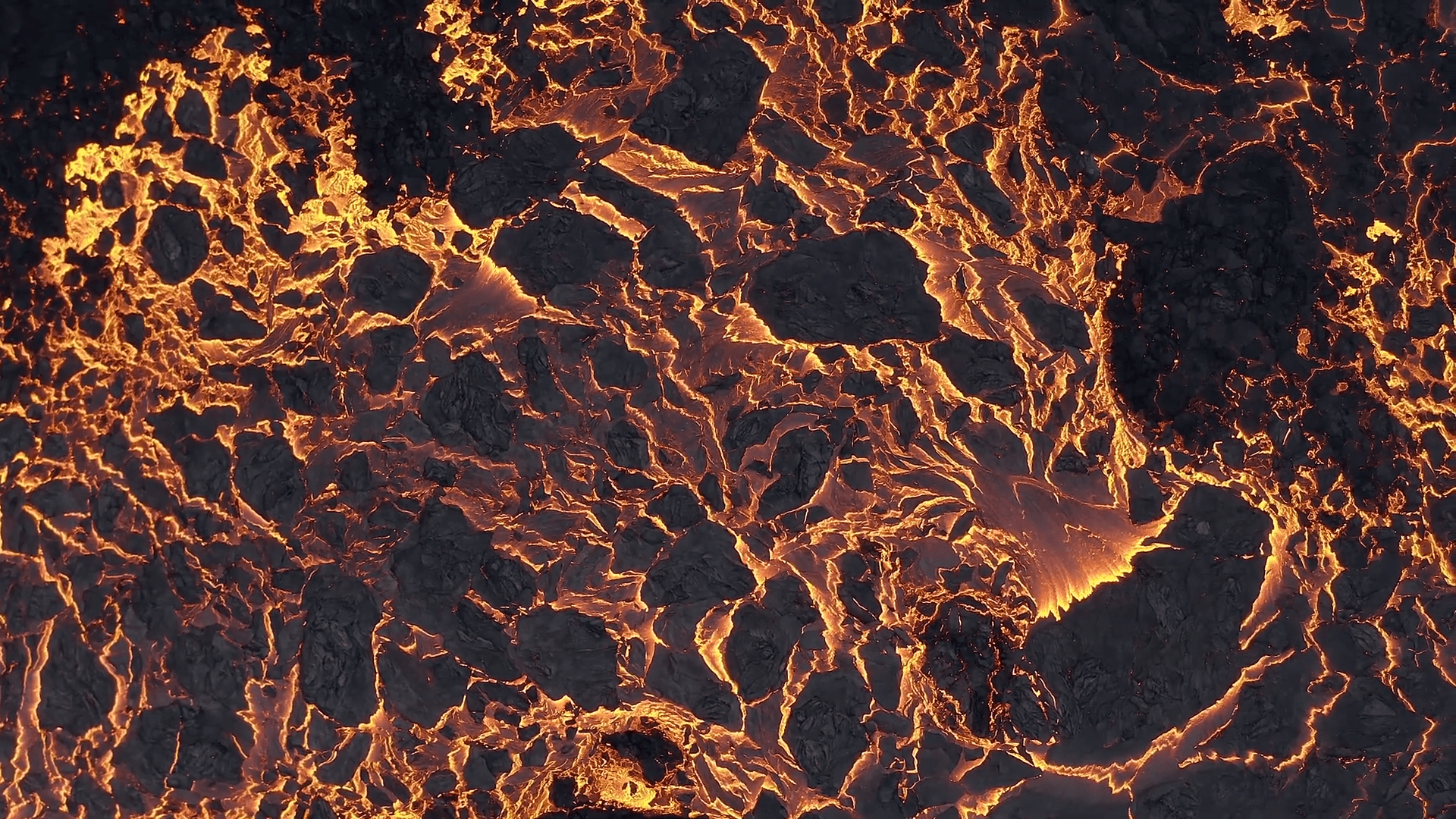
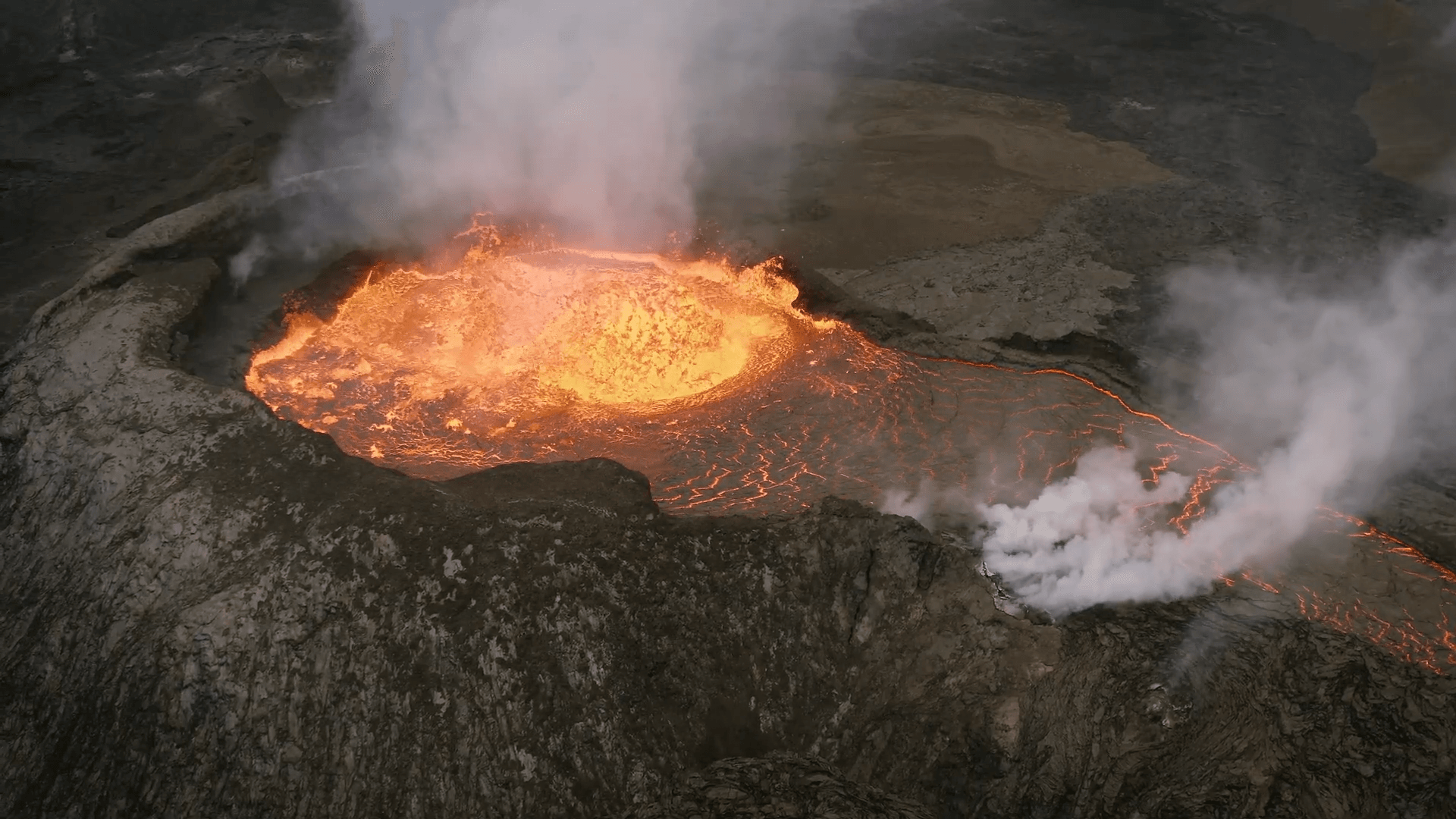
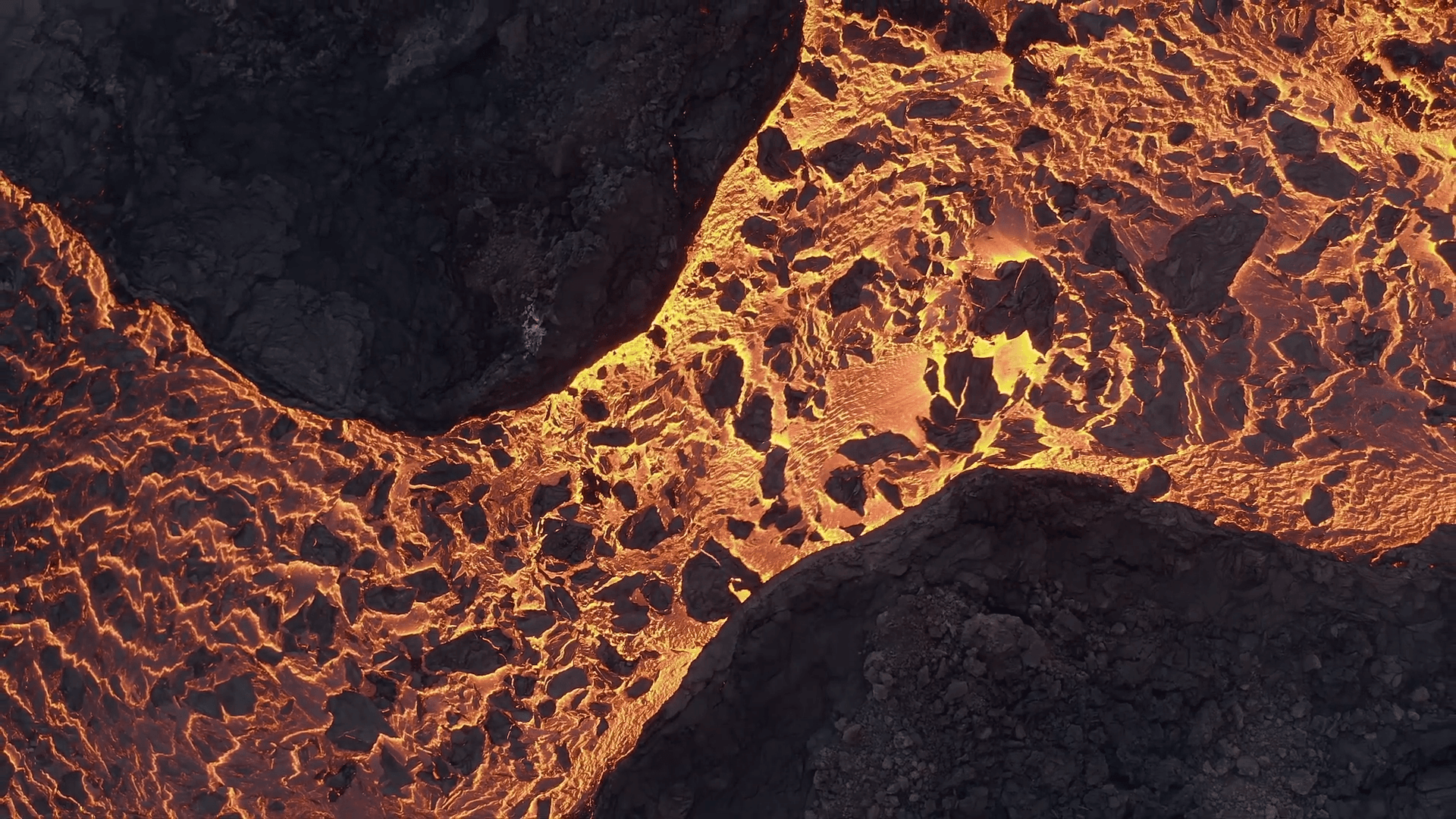
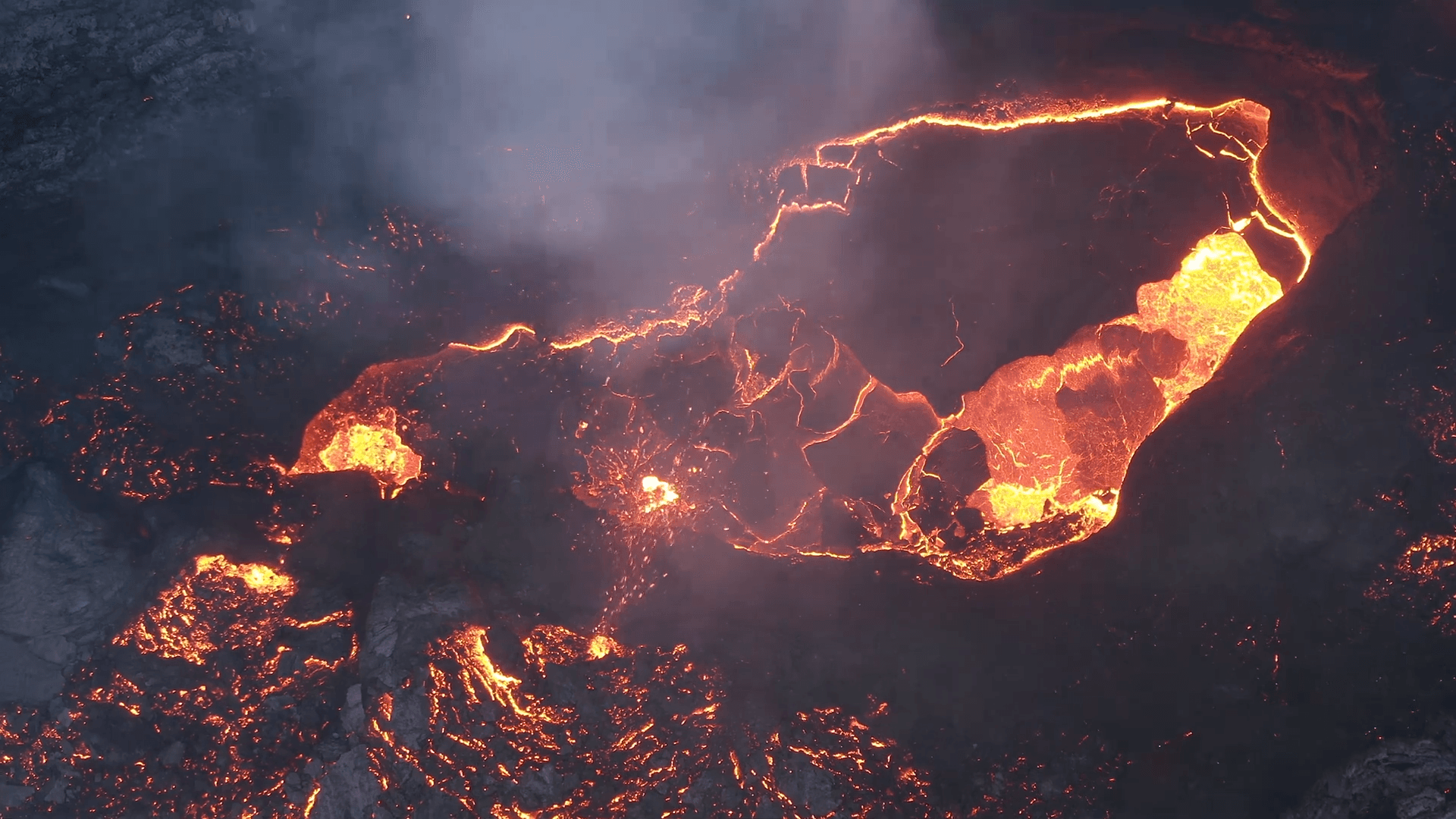
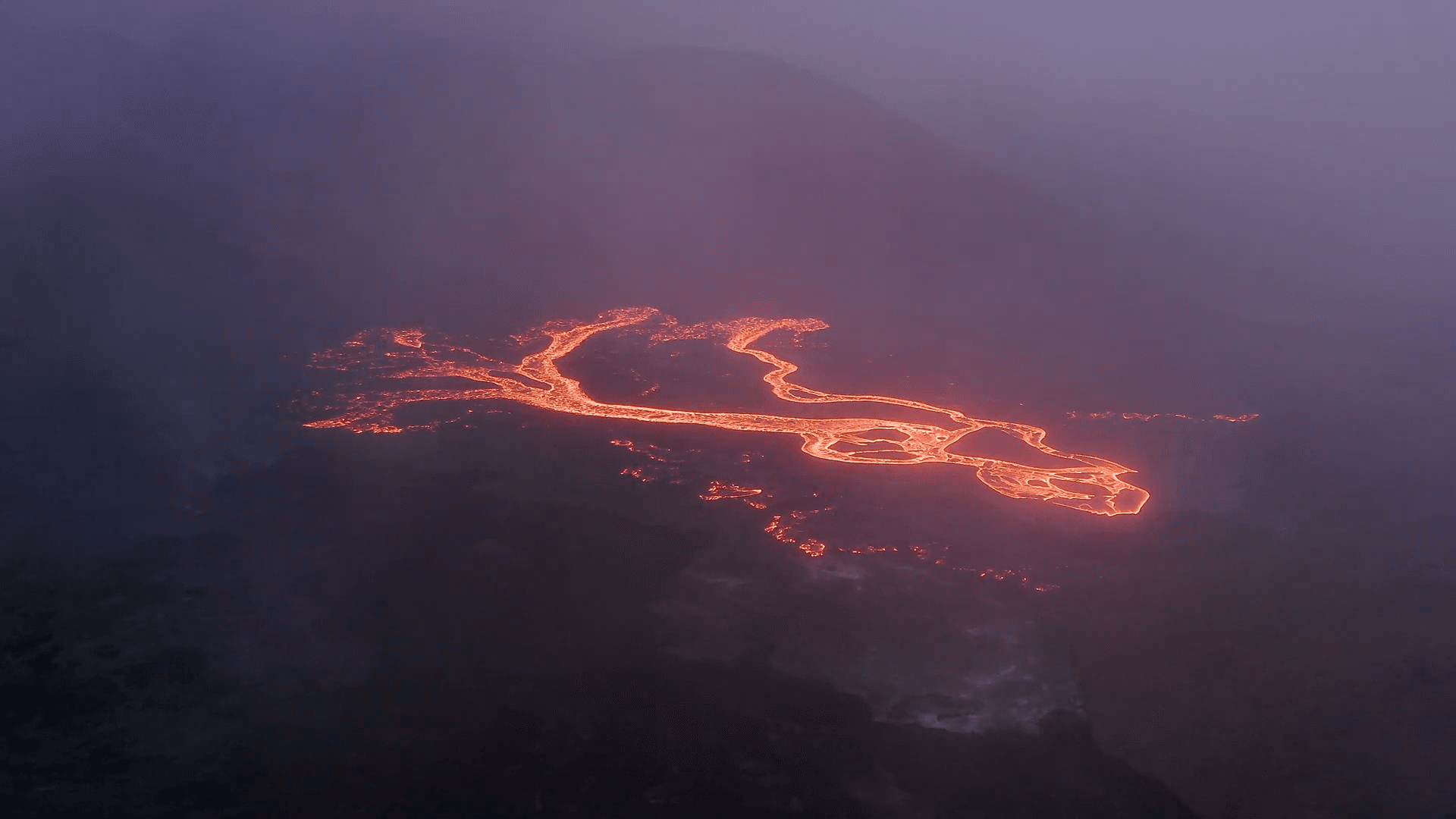
    When bubbles form in magma deep below the earth, volcanic eruptions follow. Scientists believe this happens when decompression of the magma allows volatile compounds to come out of solution and form bubbles–just as opening a bottle of seltzer allows carbon dioxide to bubble out. But a new study indicates that decompression may not be the only source of bubbles.

    Video of bubbles nucleating when a magma analog supersaturated with CO2 gets sheared.

    The team found that supersaturated fluids can nucleate bubbles when they’re sheared–even without decompression. They demonstrated this in the lab, not with magma but with a low-temperature magma analog, seen above. The more saturated with volatiles the fluid is, the less shear is needed to trigger bubbles.

    Viscous shear is everywhere for magma, so this bubble formation mechanism is likely common. Better understanding how and when bubbles form in magma directly affects predictions for eruptions–especially for determining whether they’re likely to be explosive or effusive. (Image credit: volcano – A. Bonnerdeaux, experiment – O. Roche et al.; research credit: O. Roche et al.; via Physics World)

    Fediverse Reactions
  • Featured Video Play Icon

    Flow Through Granular Beds

    We often rely on water draining through beds of grains, whether it’s the soil foundation beneath a building or the sand-and-gravel-filter used in water treatment. But how does water move through these tortuous porous passages? That’s what we see in this video, which places grains in a jig resembling an ant farm and lets us watch as water–and air–drain through the grains. The result is more complicated than you might imagine, with dry pockets, weak spots, and developing sinkholes. (Video and image credit: J. Choi et al.)

    Fediverse Reactions
  • Radiant Waves

    Radiant Waves

    Photographer Kevin Krautgartner captures the powerful waves of Western Australia from above. His latest series, Waves | Ocean Forces, features luminous turquoise waves, crystalline foam, and brilliant beaches. I could delight in staring at them for hours. Fortunately, he sells prints on his website! (Image credit: K. Krautgartner; via Colossal)

    Fediverse Reactions
  • Toward Predicting Rogue Waves

    Toward Predicting Rogue Waves

    Rogue waves were once the stuff of nautical legend. Tales of giant lone waves were considered sailors’ tall tales, until an oil rig in the North Sea was hit by a 25.6-meter wave on 1 January 1995. The wave was more than twice the height of any others around it and much steeper, too. Since then, scientists have been working to understand how and why these rogue waves form.

    A recent study, like many others, attributes rogue waves to the subtle nonlinearities of ocean waves, which don’t match a smooth sinusoid even though they are sometimes modeled that way. When it comes to rogue waves, the sharpness of a wave’s peak and flattening of its trough affect whether waves come together into a lone giant.

    The study is based on 18 years worth of wave data collected at an offshore platform in the North Sea. With such an extensive data set, researchers were able to find patterns in the waves that precede the arrival of a rogue wave. That’s an important step toward being able to predict a rogue wave, which would help protect platforms, ships, and personnel. (Image credit: C. Wou; research credit: S. Knobler et al.; via SciAm)

    Fediverse Reactions
  • Thermal Tides Drive Venusian Winds

    Thermal Tides Drive Venusian Winds

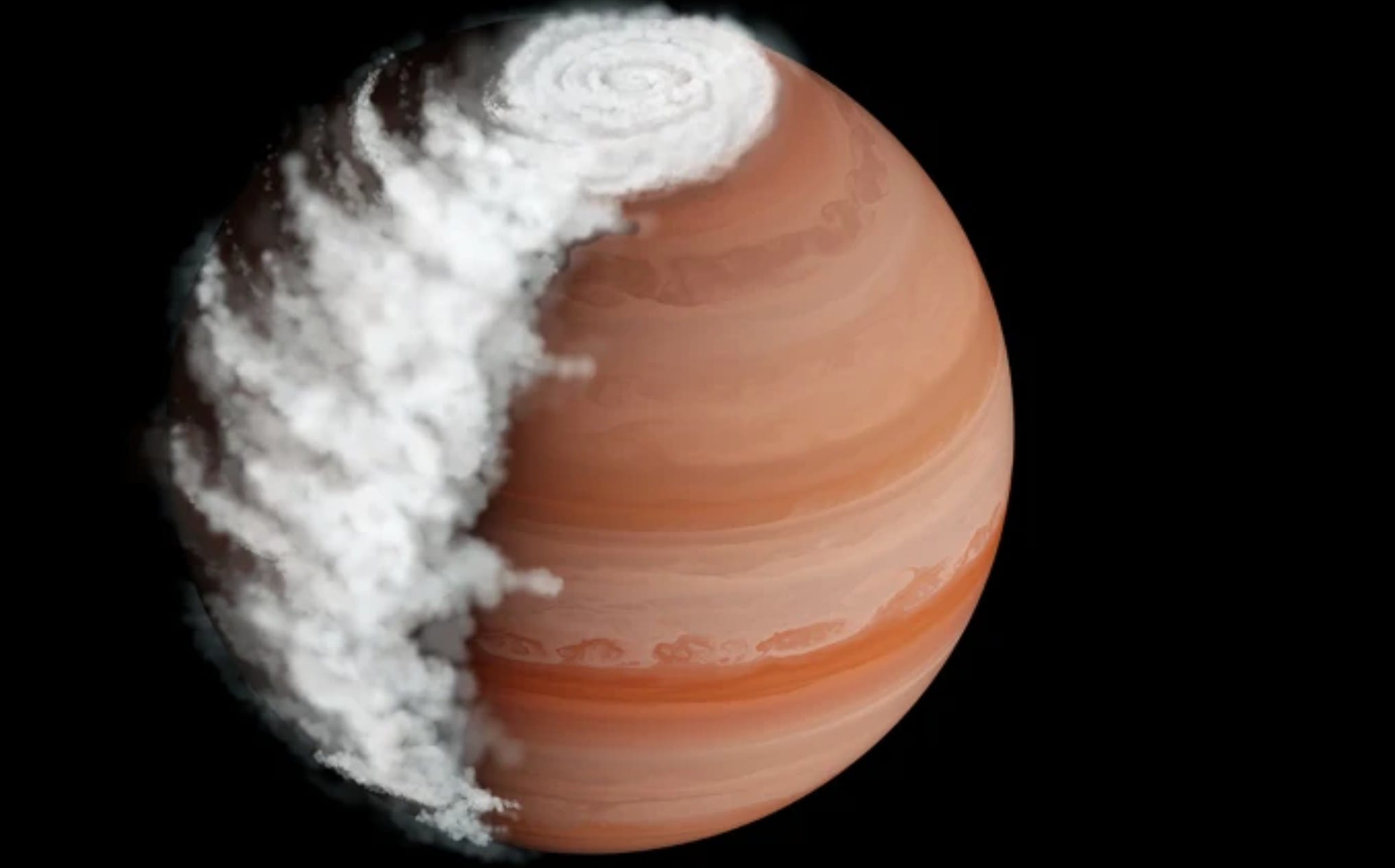
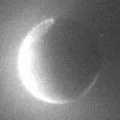
    Venus is a world of extremes. A full rotation of the world takes 243 Earth days, but winds race around the planet at a speed that makes a Category 5 hurricane look sedate. Just what drives these winds has been an ongoing question for planetary scientists. A recent study suggests that tides are a major contributor to this superrotation.

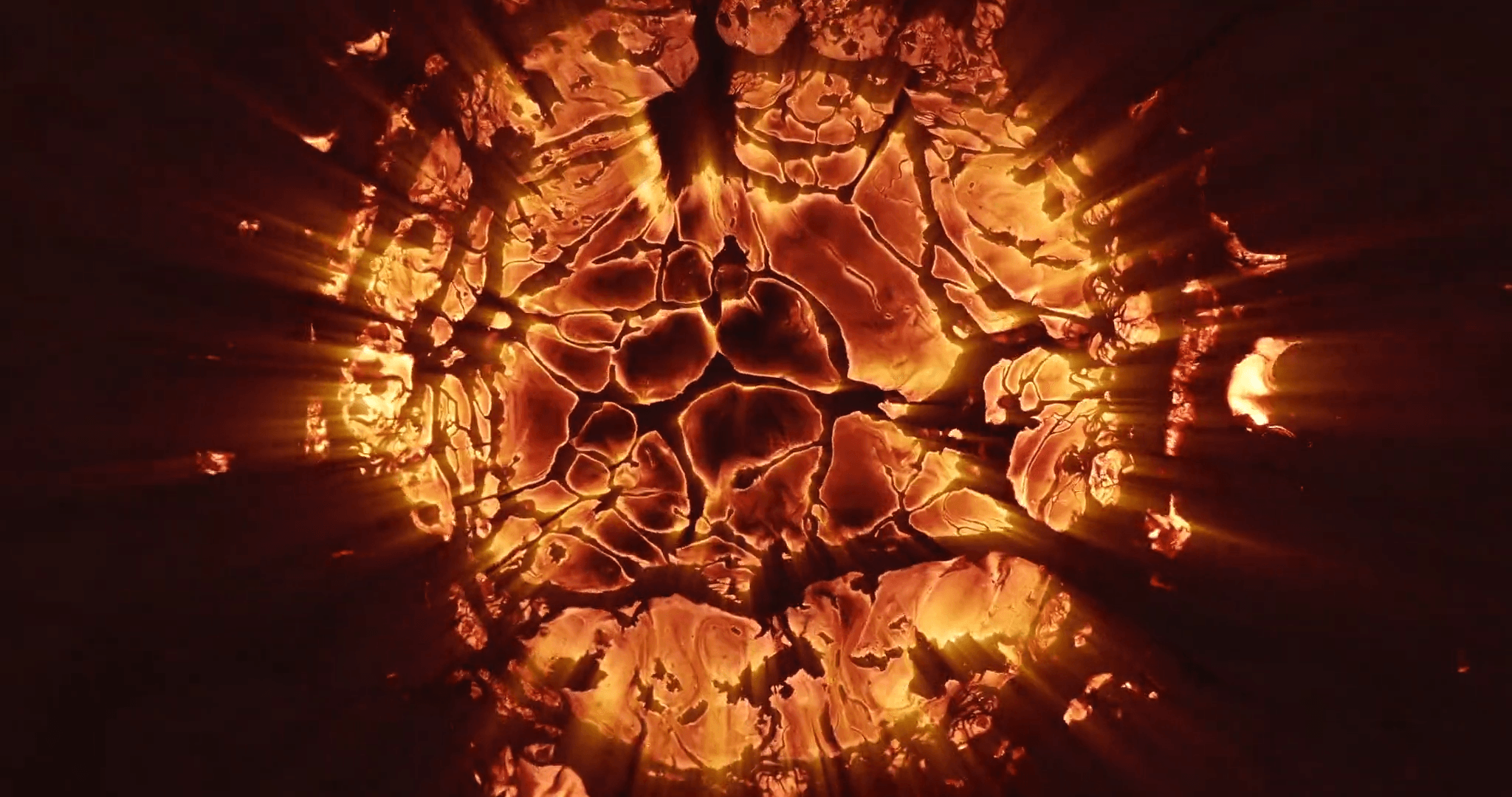
    Unlike Earth’s tides, Venus’s are not gravitational in origin. Instead, Venusian tides are thermal, driven by heating in the sunward side of the atmosphere. This creates a diurnal tide, which cycles once per Venusian day and pumps momentum toward the tops of Venus’s clouds. The new analysis–rooted in both observations and numerical simulation–finds that diurnal tides are the primary driver behind the planet’s incredibly fast winds. (Image credit: NASA/JPL-Caltech; research credit: D. Lai et al.; via Eos)
    Fediverse Reactions
  • Featured Video Play Icon

    ExaWind Simulation

    Large-scale computational fluid dynamics simulations face many challenges. Among them is the need to capture both large physical scales–like those of Earth’s atmospheric boundary layer–and small scales–like those of tiny eddies moving around a wind-turbine blade. Capturing all of these scales for a problem like four wind turbines in a wind farm requires using the full computing power of every processor in a large supercomputer. That’s the level of power behind the simulation visualized in this video. The results, however, are stunning. (Video and image credit: M. da Frahan et al.)

    Fediverse Reactions
  • The Twin Roles of Turbulence in Fusion

    The Twin Roles of Turbulence in Fusion

    Inside a fusion reactor, magnetically-contained plasma gets heated to more than one hundred million degrees. That heat, researchers observed, spreads much faster than originally predicted. Now a team from Japan has measurements showing how turbulence manages this feat.

    The researchers show that the multiscale nature of turbulence allows it to transport heat in two ways. The first is familiar: acting locally, turbulence spreads heat little by little as small eddies mix and pass the heat along. But turbulence can also be nonlocal, they show, able to connect physically distant parts of a flow more rapidly than expected. This happens through turbulence’s larger scales, which can rapidly carry heated plasma from one side of the vessel to another.

    The researchers illustrate the two roles of turbulence through a metaphor of American football (can you believe it?). In their metaphor, the quarterback acts as turbulence and the ball represents heat. The quarterback can pass the ball to reach distant parts of the field quickly — just as nonlocal turbulence does–or they can hand off the ball to a running back, who carries the ball down the field more slowly, through local interactions with other nearby players. (Image credit: National Institute for Fusion Science; research credit: N. Kenmochi et al., via Gizmodo and EurekAlert)

    Fediverse Reactions
  • Marangoni Effect in Biology

    Marangoni Effect in Biology

    For decades, biologists have focused on genetics as the key determiner for biological processes, but genetic signals alone do not explain every process. Instead, researchers are beginning to see an interplay between genetics and mechanics as key to what goes on in living bodies.

    For example, scientists have long tried to unravel how an undifferentiated blob of cells develops a clear head-to-tail axis that then defines the growing organism. Researchers have found that, rather than being guided purely by genetic signals, this stage relies on mechanical forces–specifically, the Marangoni effect.

    The image above shows a mouse gastruloid, a bundle of stem cells that mimic embryo growth. As they develop, cells flow up the sides of the gastruloid, with a returning downward flow down the center. This is the same flow that happens in a droplet with higher surface tension in one region; the Marangoni effect pulls fluid from the lower surface tension region to the higher one, with a returning flow that completes the recirculation circuit.

    The same thing, it turns out, happens in the gastruloid. Genes in the cells trigger a higher concentration of proteins in one region of the bundle, creating a lower surface tension that causes tissue to flow away, helping define the head-to-tail axis. (Image credit: S. Tlili/CNRS; research credit: S. Gsell et al.; via Wired)

    Fediverse Reactions