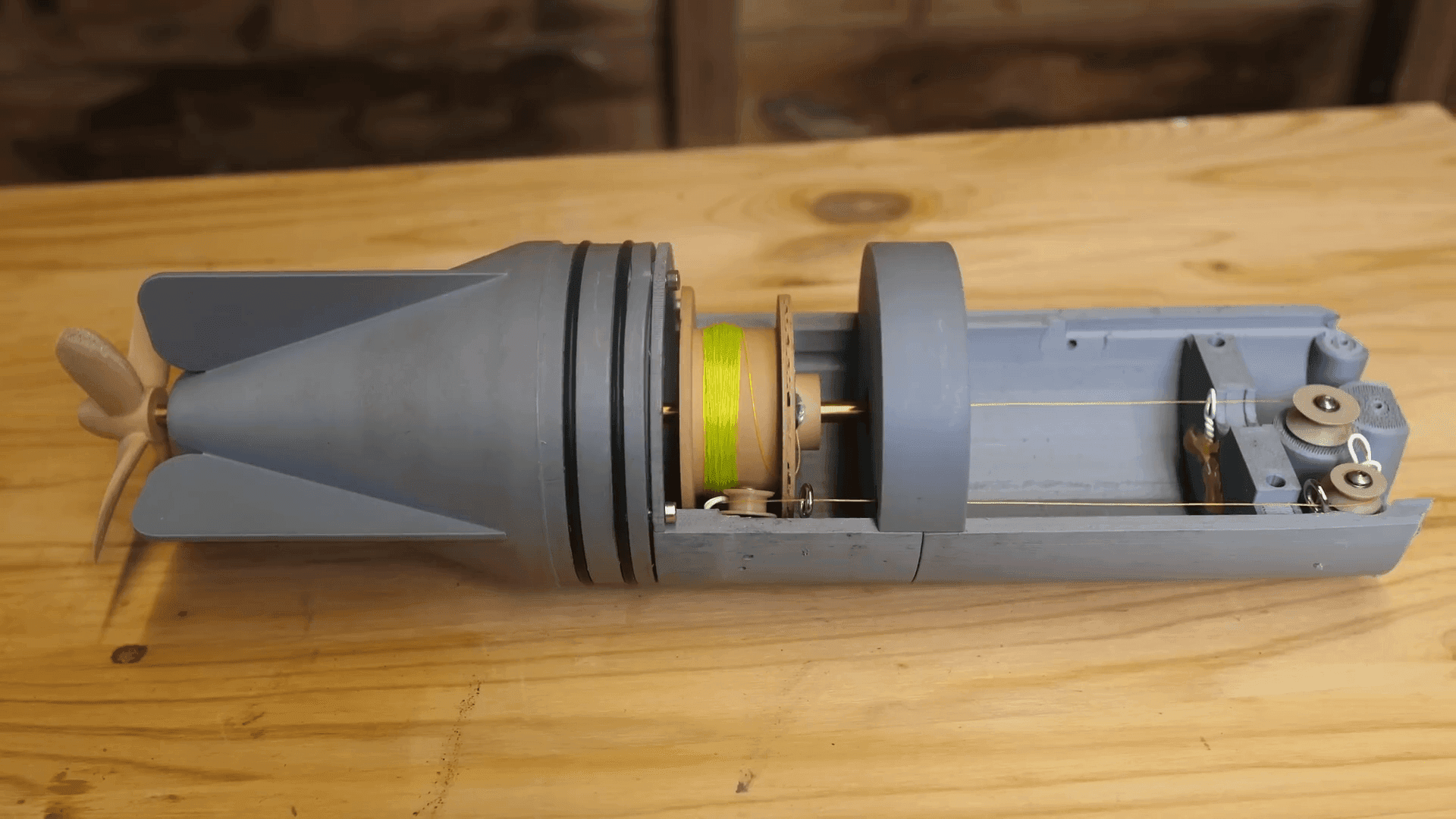
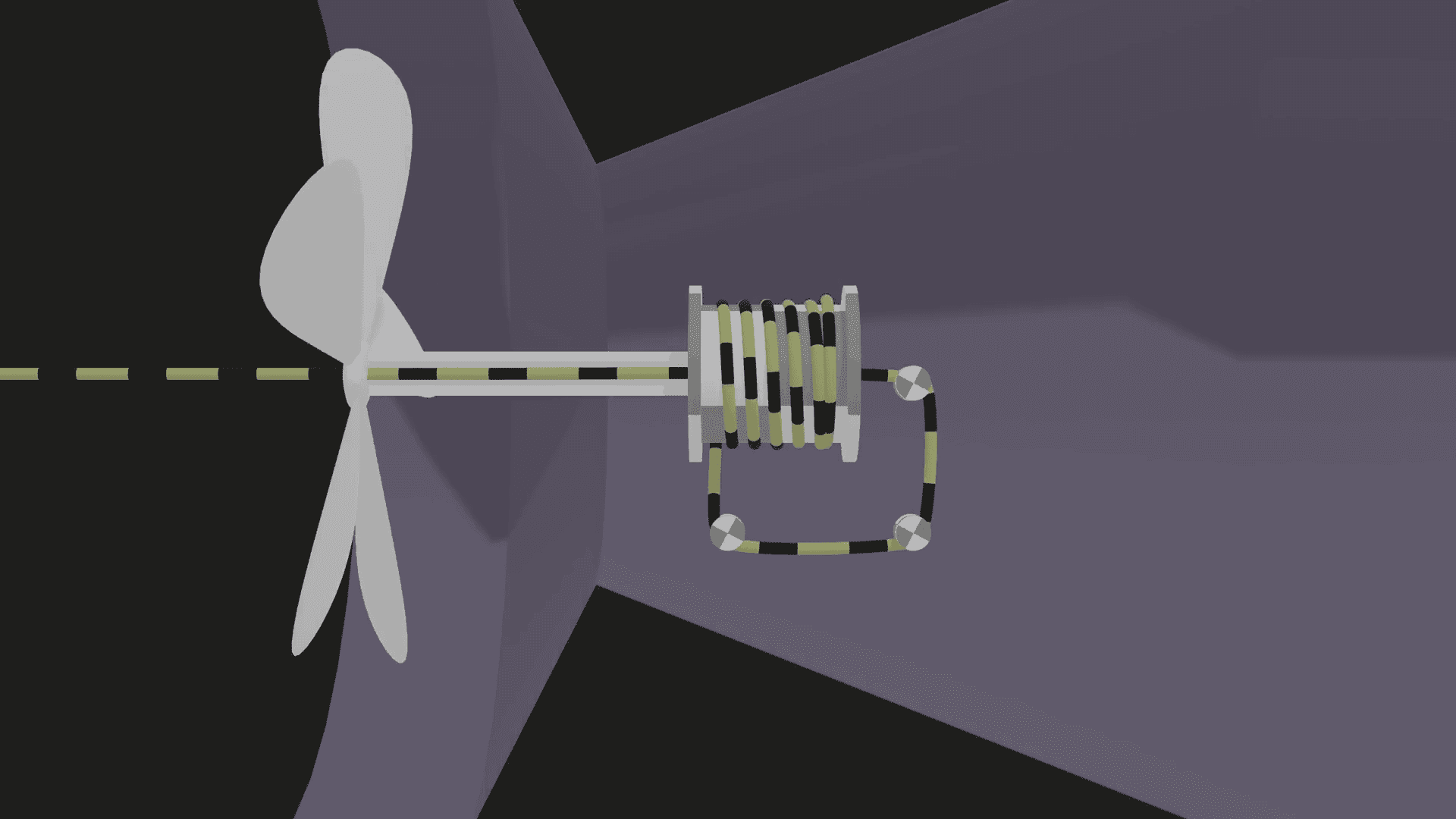
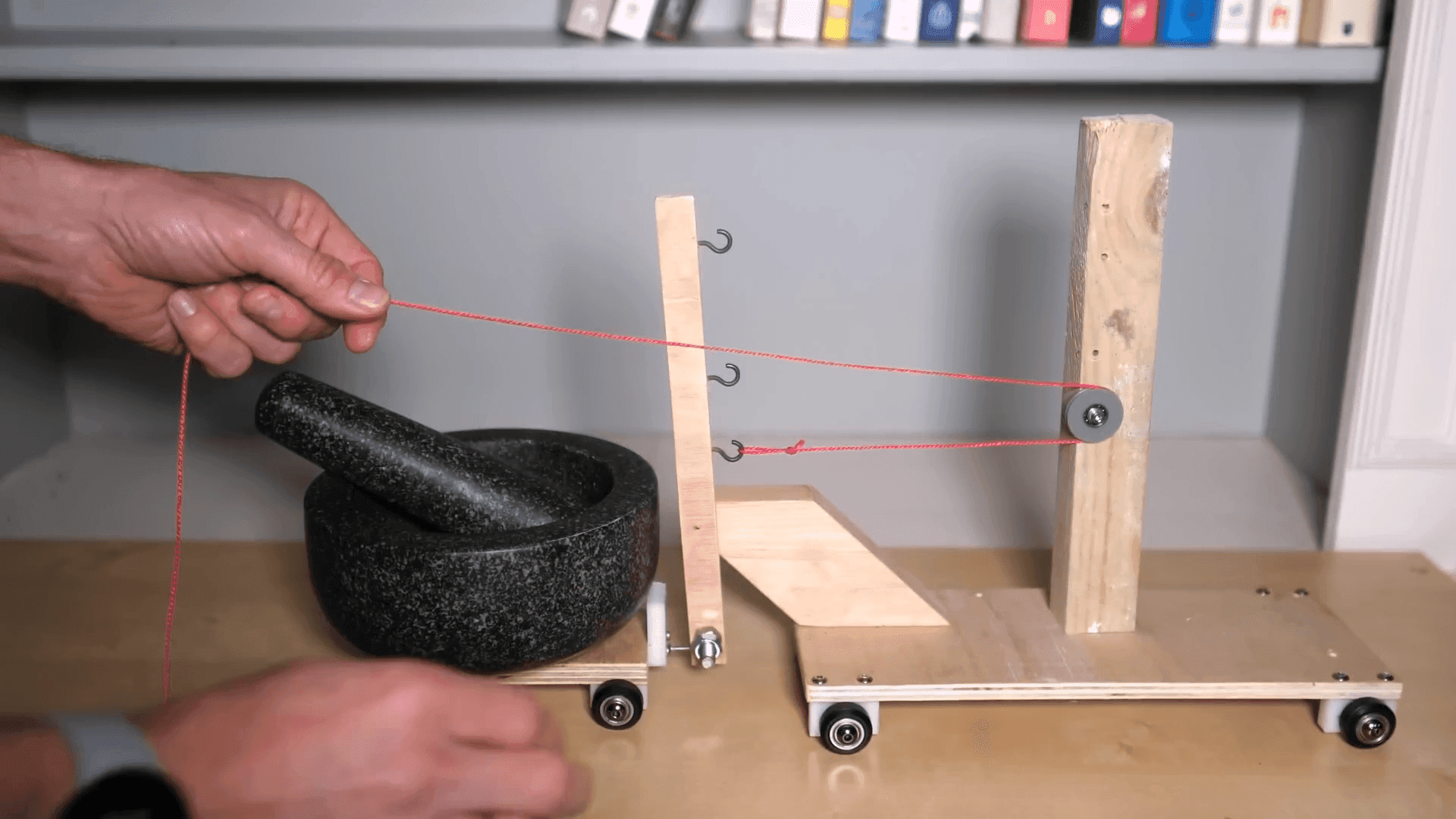
The Brennan torpedo — a 19th-century version of the weapon — was launched by pulling a cable out the back. As counterintuitive as it sounds, pulling this cable backward propelled the torpedo forward. To show how this is possible (while side-stepping the messy specifics of how the turning propeller thrusts the vehicle forward), Steve Mould walks through a lever-and-pulley-based equivalent to the torpedo. He demonstrates that the key to the torpedo’s forward motion is a clever use of mechanical advantage. (Video and image credit: S. Mould)
In the 1920s, the world saw a new sort of marine propulsion, ships with one or more tall, smokeless cylinders. These Flettner rotors, named for their inventor, would spin in the wind, generating lift to propel the boat, much as a sail would. (The difference is that the rotor uses the Magnus effect.)
The market crash that kicked off the Great Depression spelled an end to the rotorship, but the idea is getting revived as industries search for greener forms of ship propulsion. Although the Flettner rotor still uses fuel (to spin the rotor), it can complete a voyage on only a small fraction of the fuel needed for conventional propulsion. (Image credit: Getty Images; via PopSci)
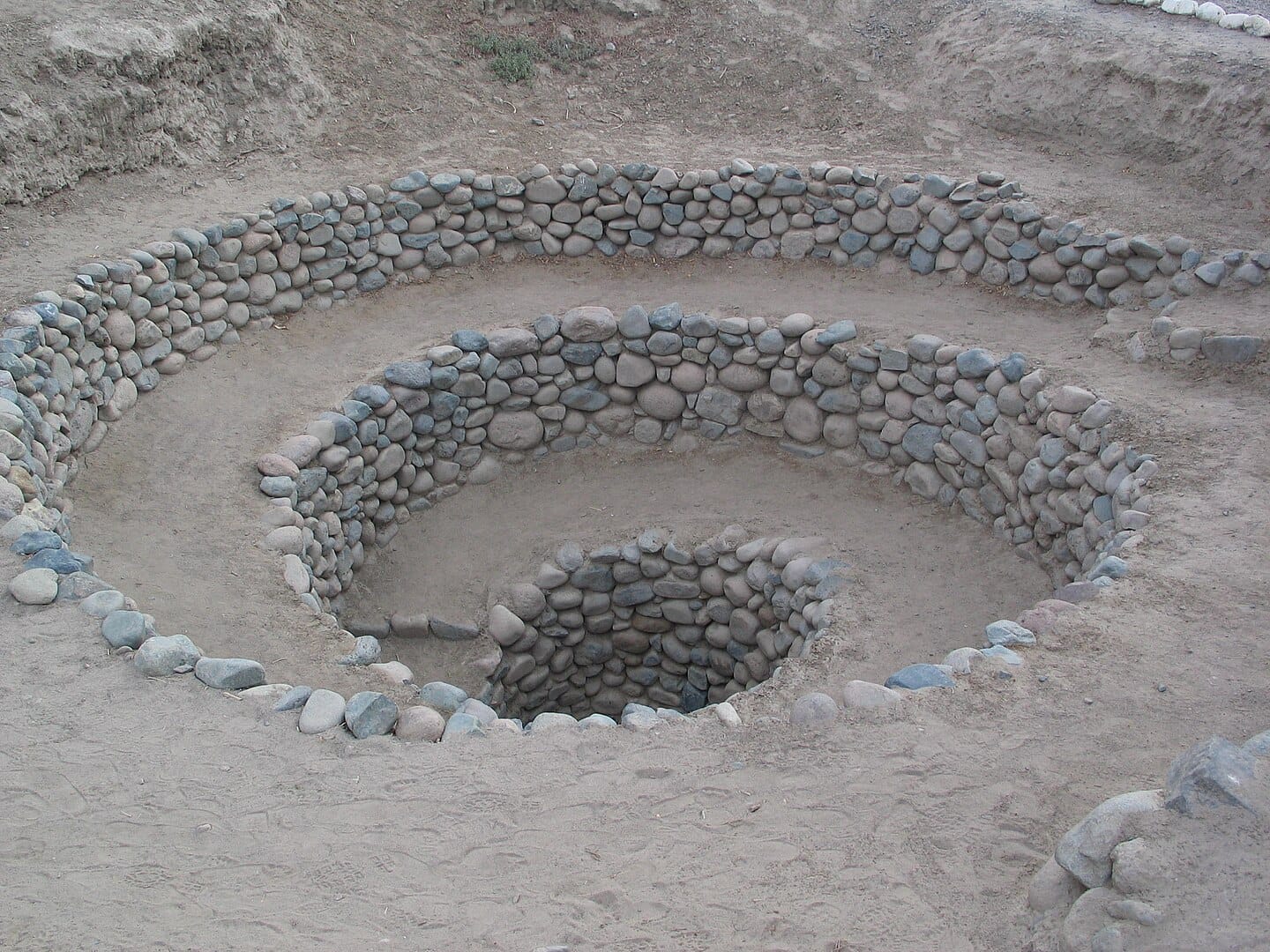
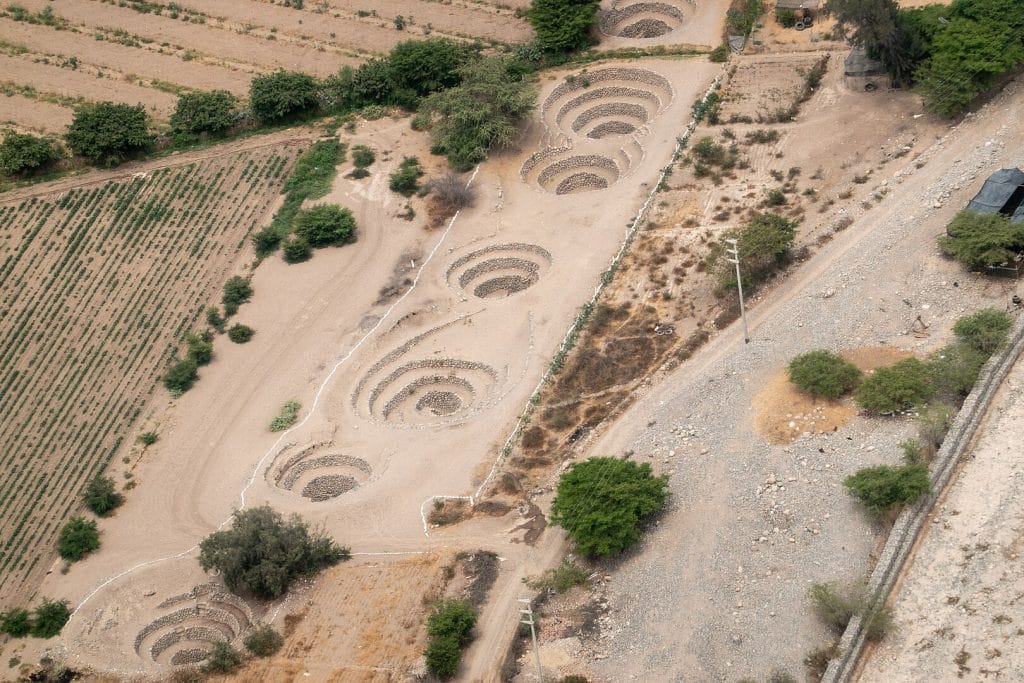
The arid Nazca region of Peru is dotted with spiral-shaped indentations, part of an irrigation system that helped indigenous civilizations thrive here before European contact. Although the region’s rainfall varies year-to-year, it never amounts to much. So pre-Columbian Nazcans turned instead to underground aquifers to gather and transport water.
An aerial view of several puquois chimneys near Nazca, Peru.
Aquifers in the region slope downward, following the local geology. Puquios builders began by digging a preliminary well in the highlands, tunneling down until they reached the aquifer. Then they built a horizontal tunnel underground, sloping gently downward, toward the location where water was needed. Along that roughly horizontal tunnel, they built additional chimneys, the spiraling mouths of which are seen above. These chimneys are thought to serve multiple purposes. They provide maintenance access to the aqueduct tunnel, and their shape may help funnel wind underground to oxygenate the water and help keep it flowing. Eventually, the underground tunnel would exit into an open trench and a reservoir, providing year-round water for irrigation and personal use.
Although the puquios cannot themselves be dated through usual archaeological means, the current consensus is that they originate from around 500 C.E., with subsequent modifications by both indigenous and colonial inhabitants. Impressively, several dozen puquios are still providing water today. (Image credits: Ab5602/Wikimedia, PsamatheM/Wikimedia, and R. Lasaponara et al.; research credit: R. Lasaponara et al.; via Eleanor K.)
Begun in 1238, Alhambra Palace in Grenada, Spain is a monument to Islamic architecture and clever engineering. Despite sitting far above the city, the Alhambra was fed by the river, diverted from upstream along a canal. Within the palace itself, this water was used for heated flooring, steam rooms, baths, and even a fountain that told the time. This Primal Space video breaks down how engineers pressurized the water lines, moved water into and around the palace, and how wonders like the palace’s fountains worked. As impressive as the engineering is, though, it’s worth remembering that the Alhambra’s engineers were not creating new technologies: multiple older civilizations also used aqueducts, water wheels, and siphons to similar effect. (Video and image credit: Primal Space)
Today the pyramid complex at Giza sits kilometers from the Nile River, raising longstanding questions about how ancient builders moved the enormous stones that make up each structure. A new study using radar satellite imagery, geophysical data, and deep soil coring identified a previously unknown ancient branch of the Nile that ran alongside the Giza Pyramids as well as pyramids at sites to the south. The team’s data indicate that, during the era of the pyramids’ construction, the river would have flowed for over 60 kilometers with a maximum width of nearly 700 meters. Having such a substantial waterway right next to the pyramid sites would have drastically simplified the logistics of moving stones and workers during construction. (Image credit: A. Bichler; research credit: E. Ghoneim et al.; via My Modern Met)
One theory suggests that the Great Sphinx of Giza formed — in part — naturally as a result of erosion, and ancient Egyptians added features to the bedrock formation. To test the plausibility of the theory, researchers made a miniature sphinx, consisting of a clay mound with a single, harder inclusion to represent the Sphinx’s head, and placed their construction in a water tunnel. As the water eroded away the clay, the head appeared, and flow around this harder-to-erode region formed some of the body and paws of the reclining Sphinx.
The experiment suggests that it is plausible for part of the Sphinx to have formed naturally, as a result of erosion. But plausibility is not proof, and given the lack of a contemporary inscription explaining the statue’s origin, the goals and methods of the people who built it around 2500 B.C.E. will remain a matter of archaeological debate. (Image credit: S. Boury et al.)
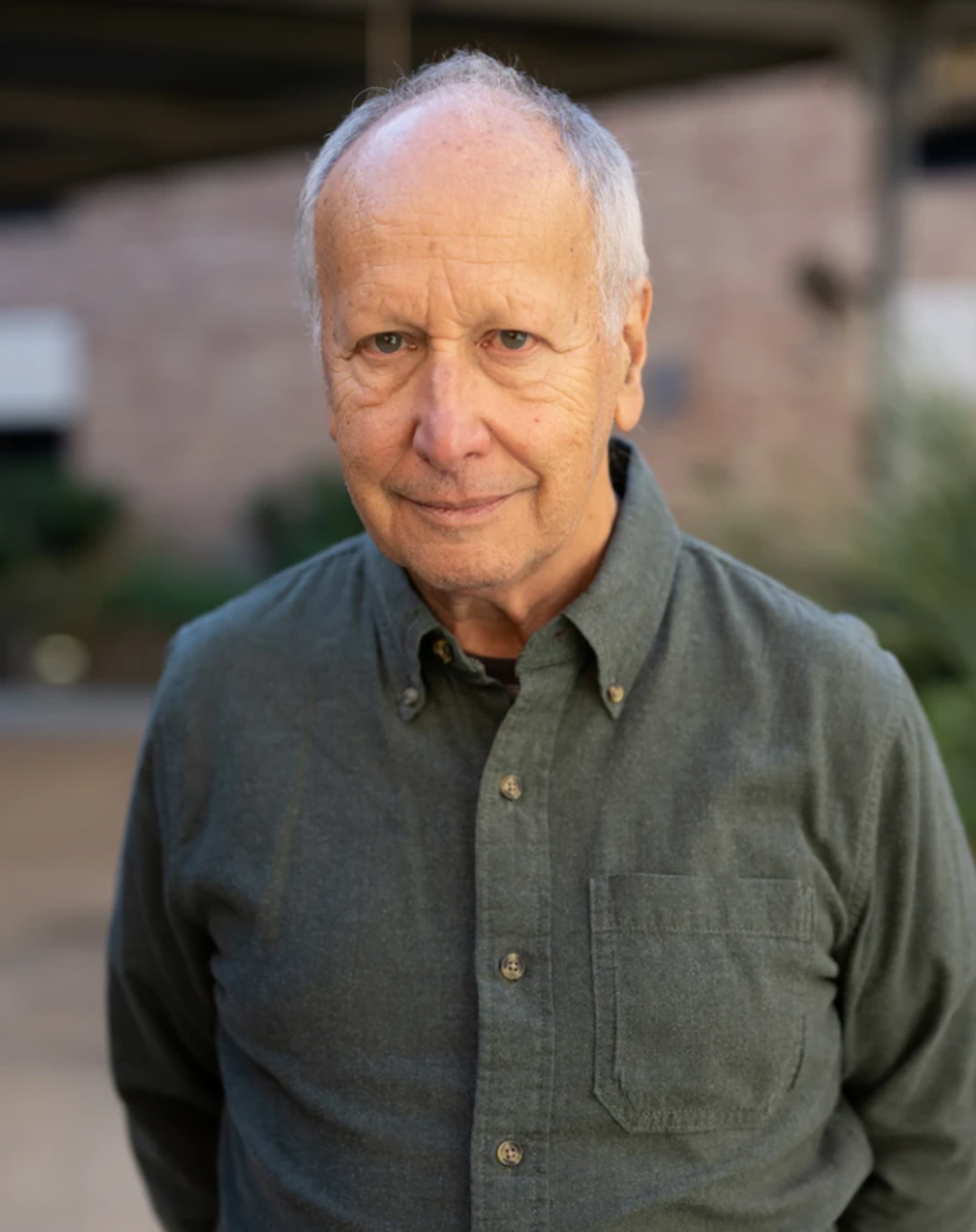
Tomorrow mathematician Luis Caffarelli will receive the Abel Prize — one of the highest honors in mathematics — in part for his work in fluid dynamics. Caffarelli is one of the authors of a partial proof of regularity for the Navier-Stokes equations, the equations governing fluid motion. A full proof of regularity and smoothness — essentially showing that the equations never break down or blow up to infinity — is one of the open Millennium Problems. Caffarelli is the first mathematician born and educated in South America to receive the Abel Prize. Congratulations to Professor Caffarelli! (Image credit: N. Zunk/University of Texas at Austin; via Nature; submitted by Kam-Yung Soh)
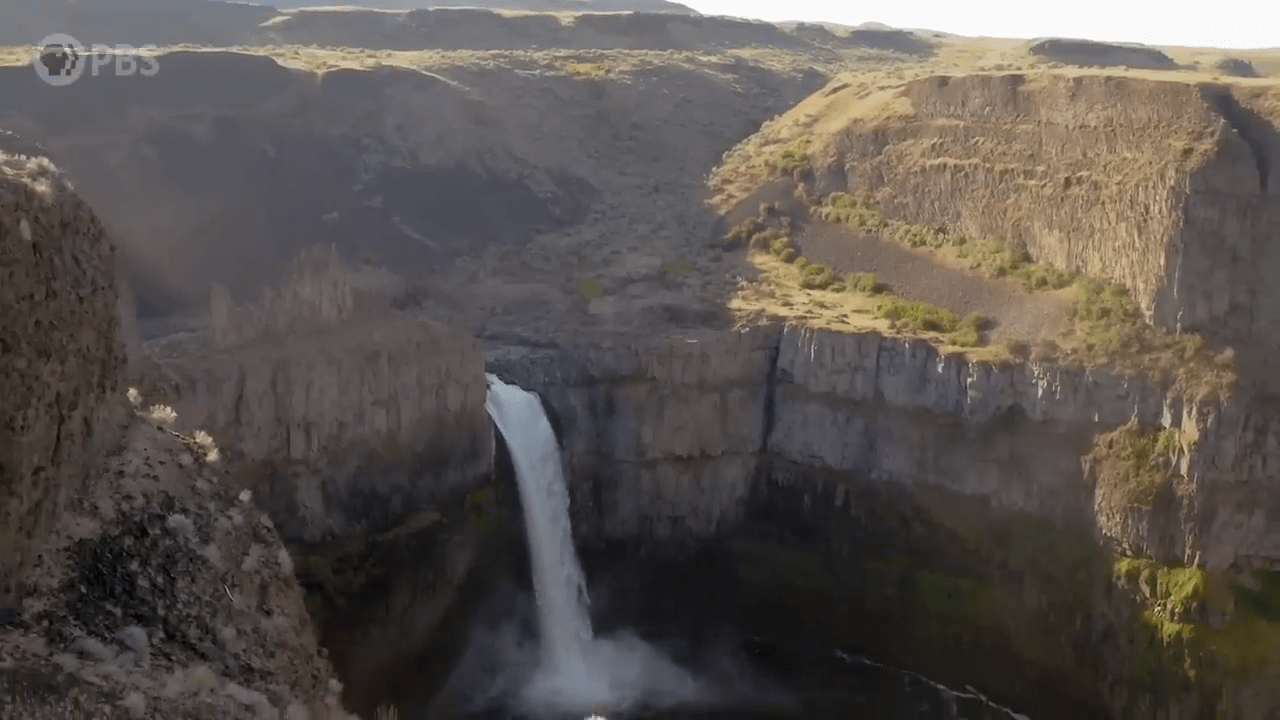
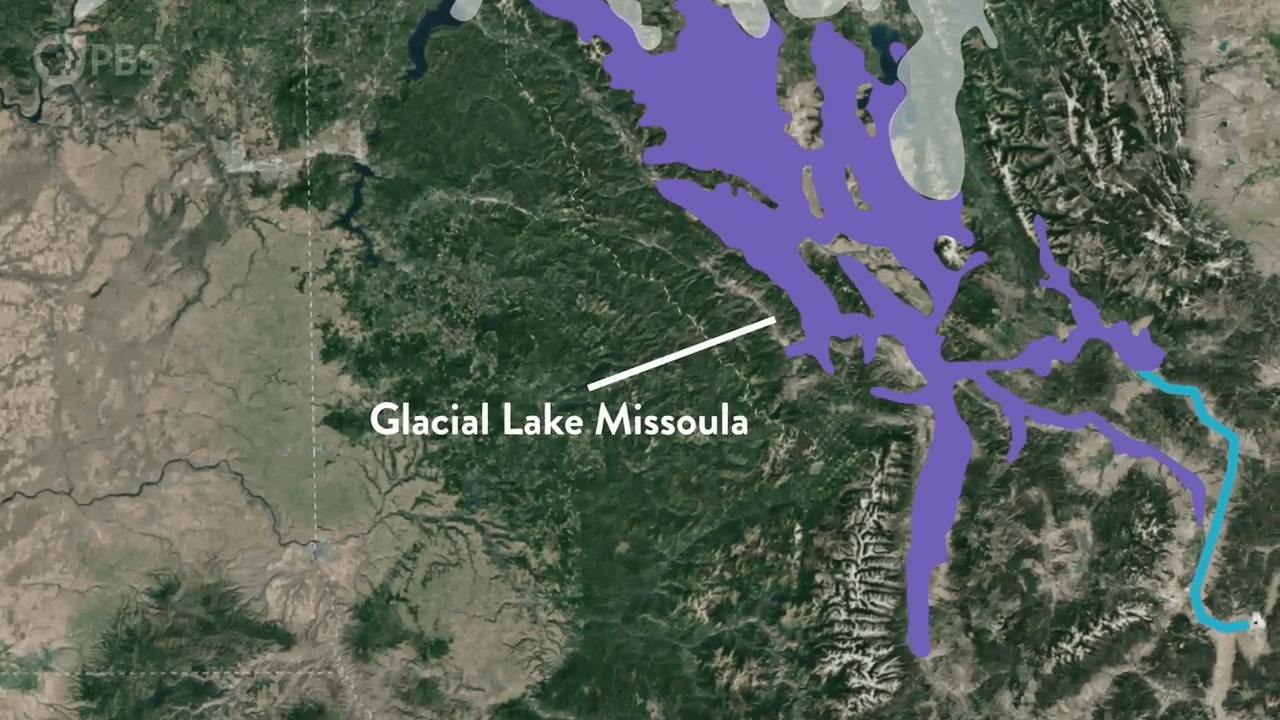
Though we often think of the Earth as changing slowly, some events are so catastrophic that they change the landscape irrevocably. Some 15,000 years ago, a massive lake covered what is now Missoula, Montana. Dammed in by a 2,000-foot-tall wall of glacial ice, this lake contained more water than Lakes Ontario and Erie combined. But when the ice dam broke, the lake drained in days, sending a deluge across the Pacific Northwest.
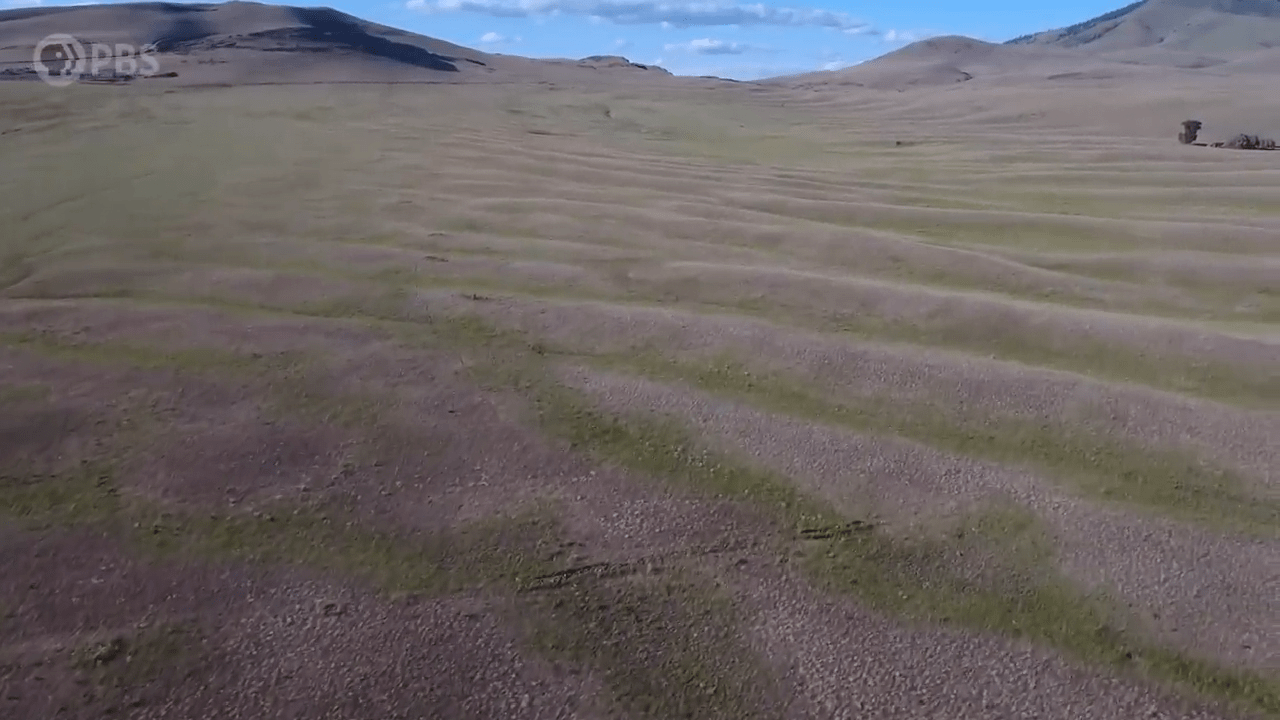
The floodwaters carved new canyons and waterfalls, left massive ripples in the landscape, and deposited rocks from thousands of kilometers away as they raged their way to the sea. It was one of the most massive floods the Earth has ever seen. And, incredibly, it happened over and over as the lake refilled and broke again. Check out this Be Smart video for even more of this incredible story. (Image and video credit: Be Smart)
Stonehenge has long been an astronomical wonder, but did you know it’s an aural wonder as well? A team of acoustic engineers and an archaeologist constructed and tested a 1:12 scale model of the monument as it existed around 2200 B.C. Their model included 157 3D-printed stones (which took about nine months to print!), carefully engineered to reflect ultrasonic frequencies the way the full-size Stonehenge reflects frequencies in our auditory range. (Using the higher frequency sound at a smaller physical scale allows engineers to match the physics of the real henge.)
The team found that the stones of the henge amplified sound by about 4 decibels, enough to make a speaker’s voice easy to hear, even when facing a different direction. The structure also provided some reverberation that would enhance musical instruments or singing. Stonehenge had reverberation levels similar to a modern-day large movie theater, which is absolutely incredible for a prehistoric structure constructed in the open air.
The cultural heritage of a site is made up of more than its appearance; its soundscape is vital, as well. Acousticians and historians work together to preserve and recreate the auditory landscape of important sites through acoustical measurements and digital reconstructions based on architecture and building materials. Thanks to projects like these, researchers can achieve feats like recreating a concert within the Notre Dame Cathedral as it was before the 2019 fire. To learn more about the technologies behind these feats, check out this Physics Today article. (Image and video credit: Ghost Orchestra; for more, see Physics Today)