Tag: civil infrastructure

  • Featured Video Play Icon

    Why Unpaved Roads Washboard

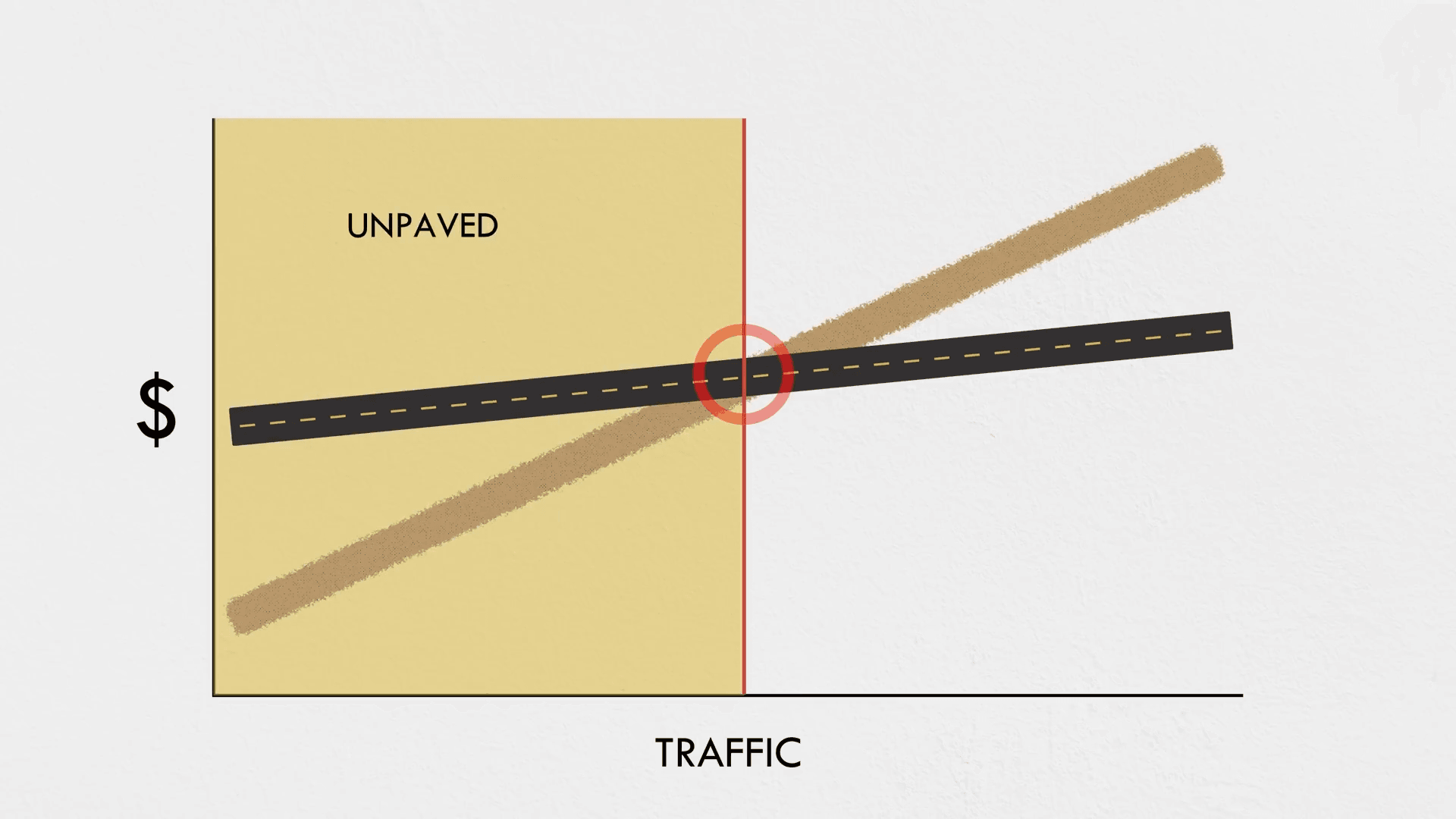
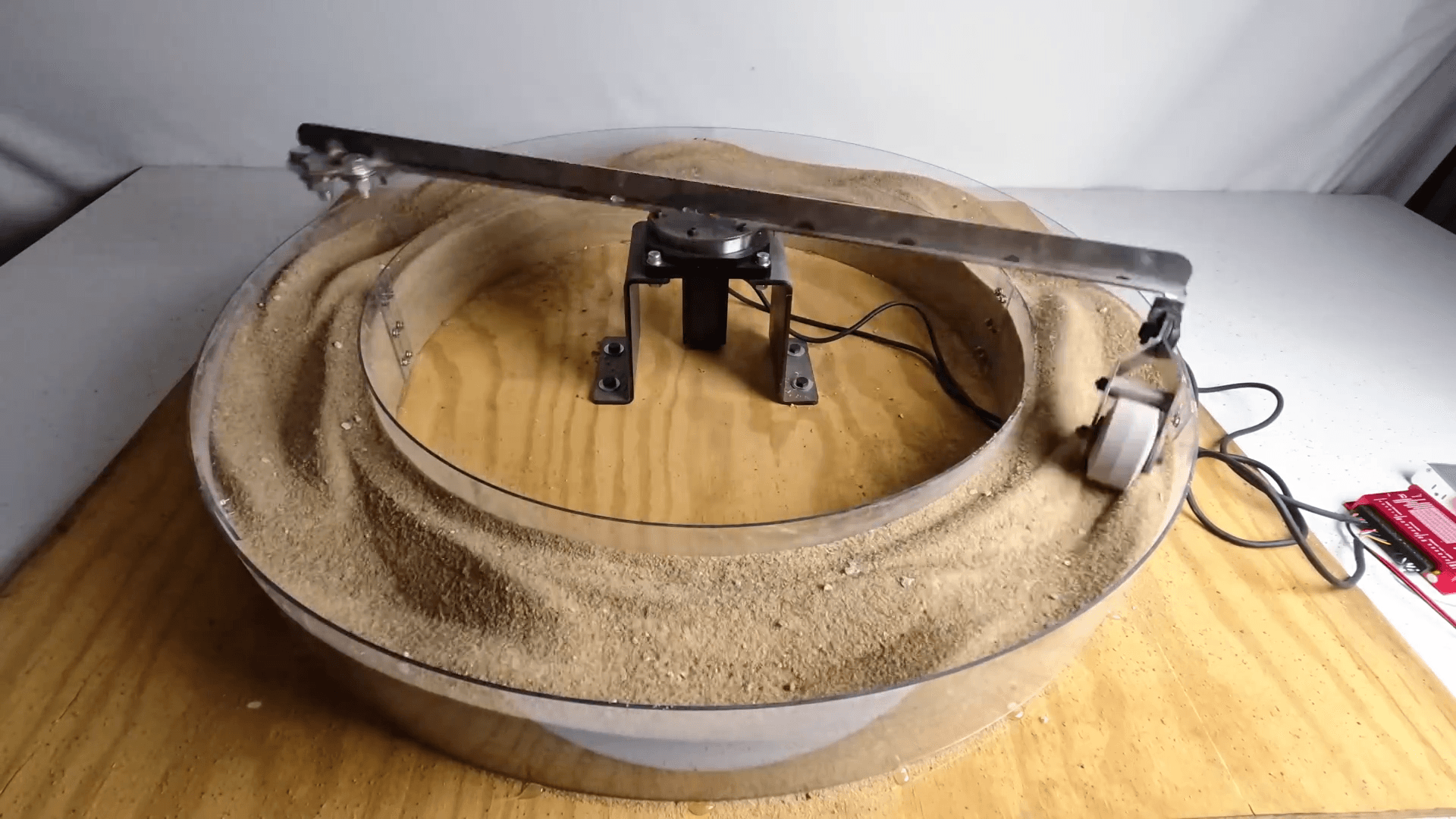
    As anyone who has regularly traveled unpaved roads knows, they have a tendency to develop regularly spaced corrugations, otherwise known as washboarding. In addition to shaking cars and passengers, these uneven surfaces make cars harder to control, sicne the wheels can lose contact with the ground entirely at times.

    Unfortunately, this phenomenon is fairly unavoidable. Once you have a wheel moving across a granular surface above a critical speed, you get these self-reinforcing patterns. It’s similar to the way that tidal ripples and sand dunes form, and it’s how you get moguls on a ski run, too!

    Although they’re somewhat inevitable, as Grady describes, engineers are hard at work figuring out how to keep them from forming too quickly. (Video and image credit: Practical Engineering; research credit: N. Taberlet et al. and I. Hewitt et al.)

    Fediverse Reactions
  • Featured Video Play Icon

    Breaking a Dam to Save It

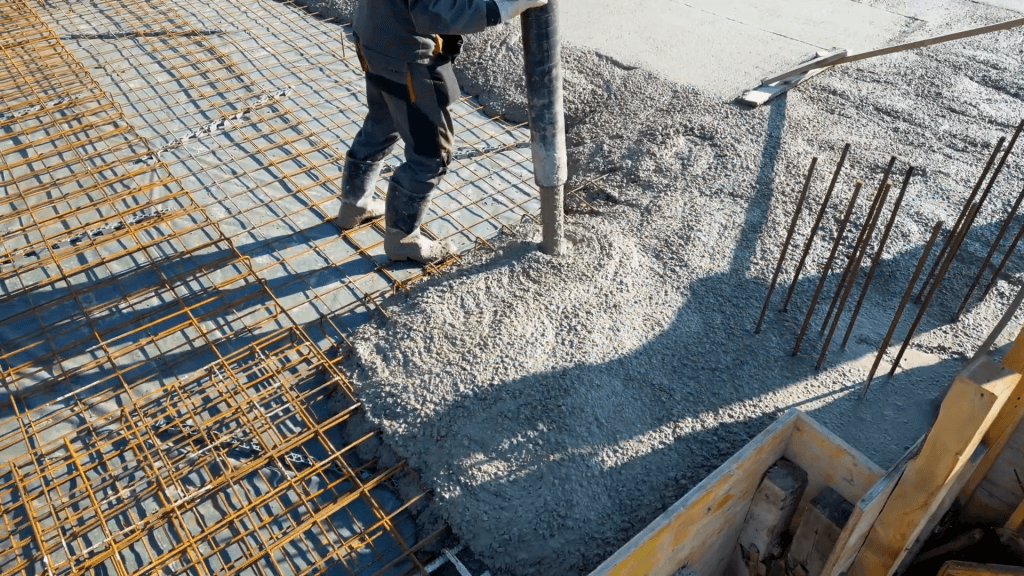
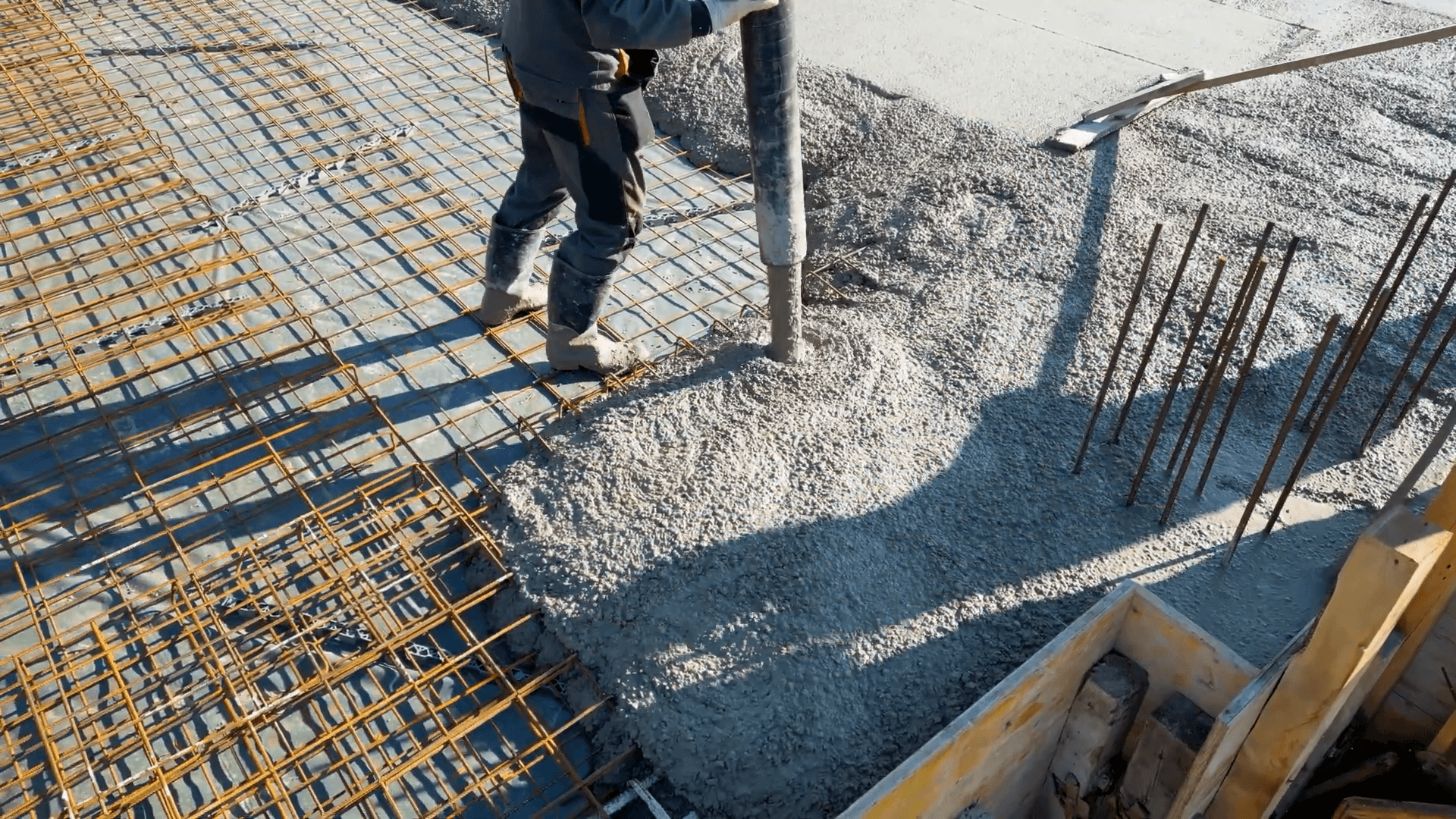
    The concrete that makes up so much of our world is usually local in origin. To keep costs low, engineers use locally-sourced ingredients to make it. But not all ingredients perform the same.

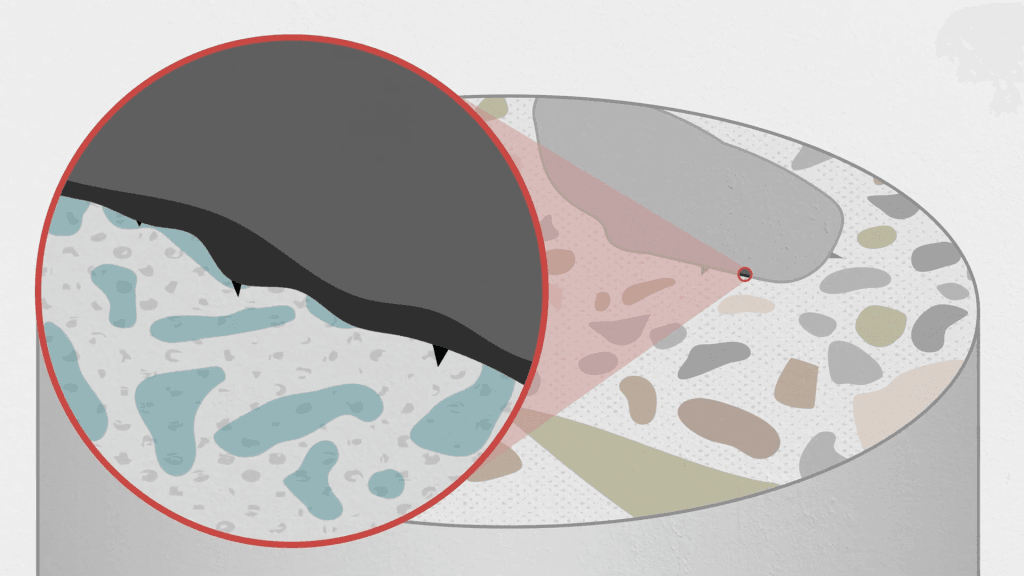
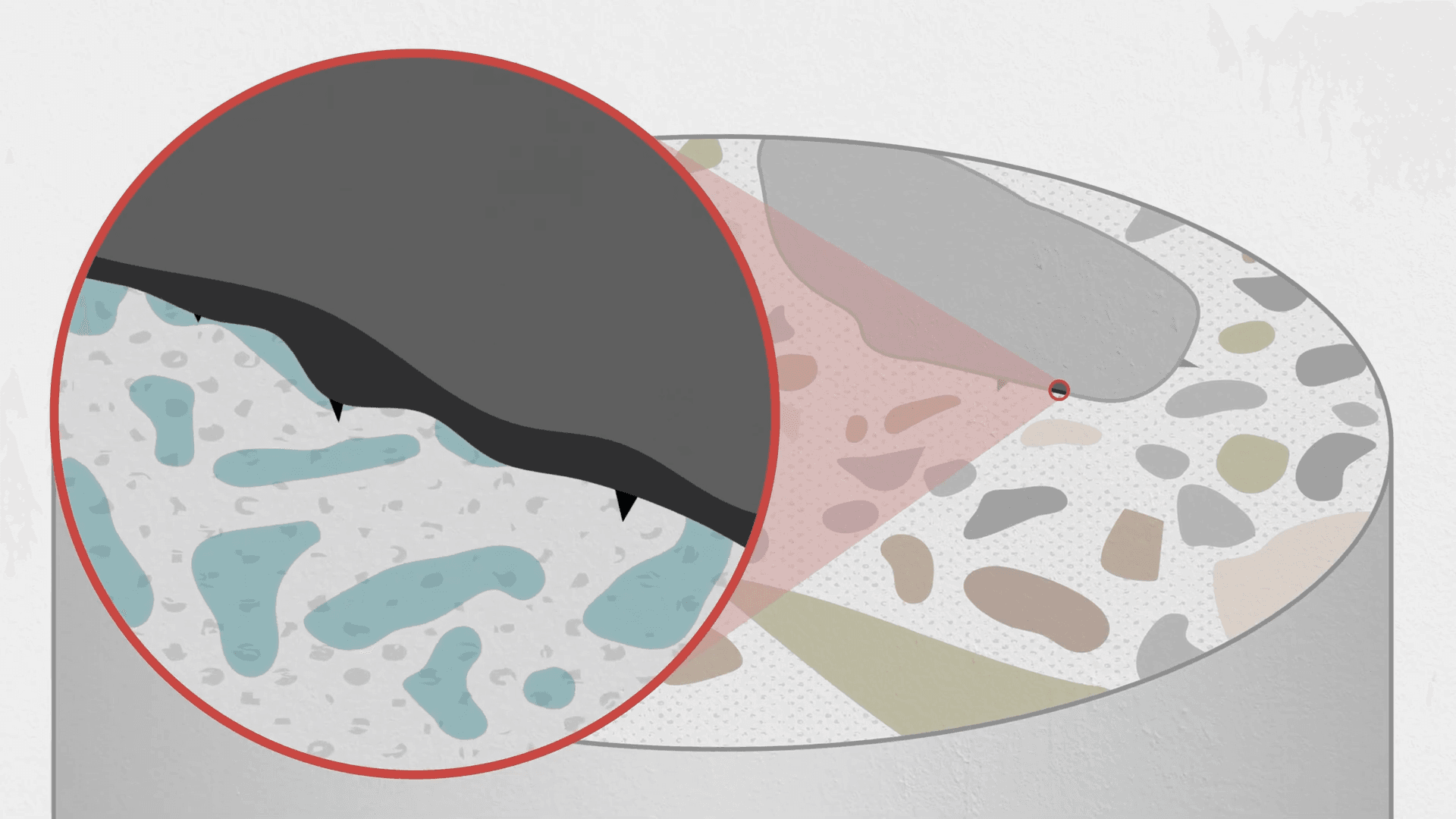
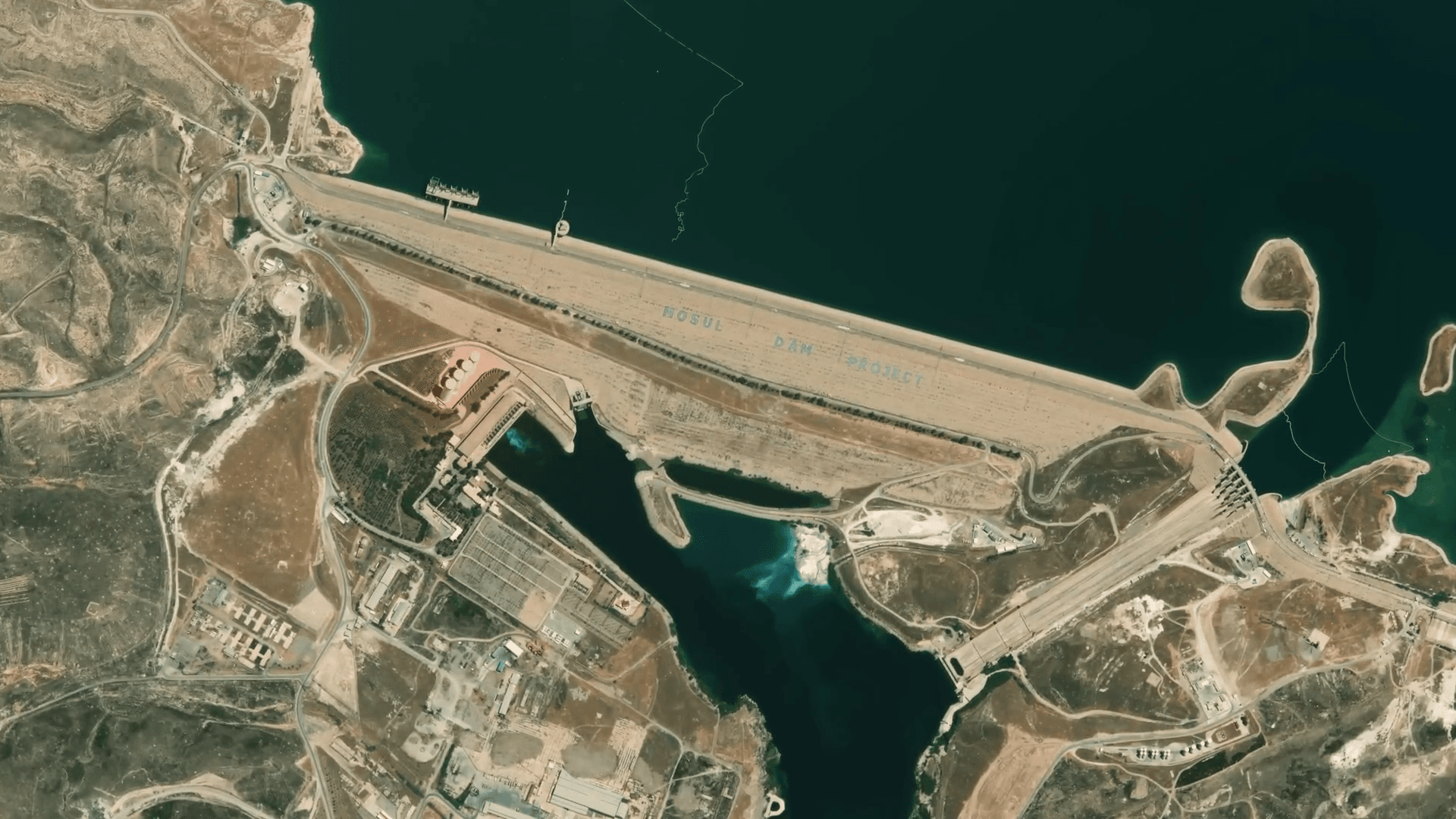
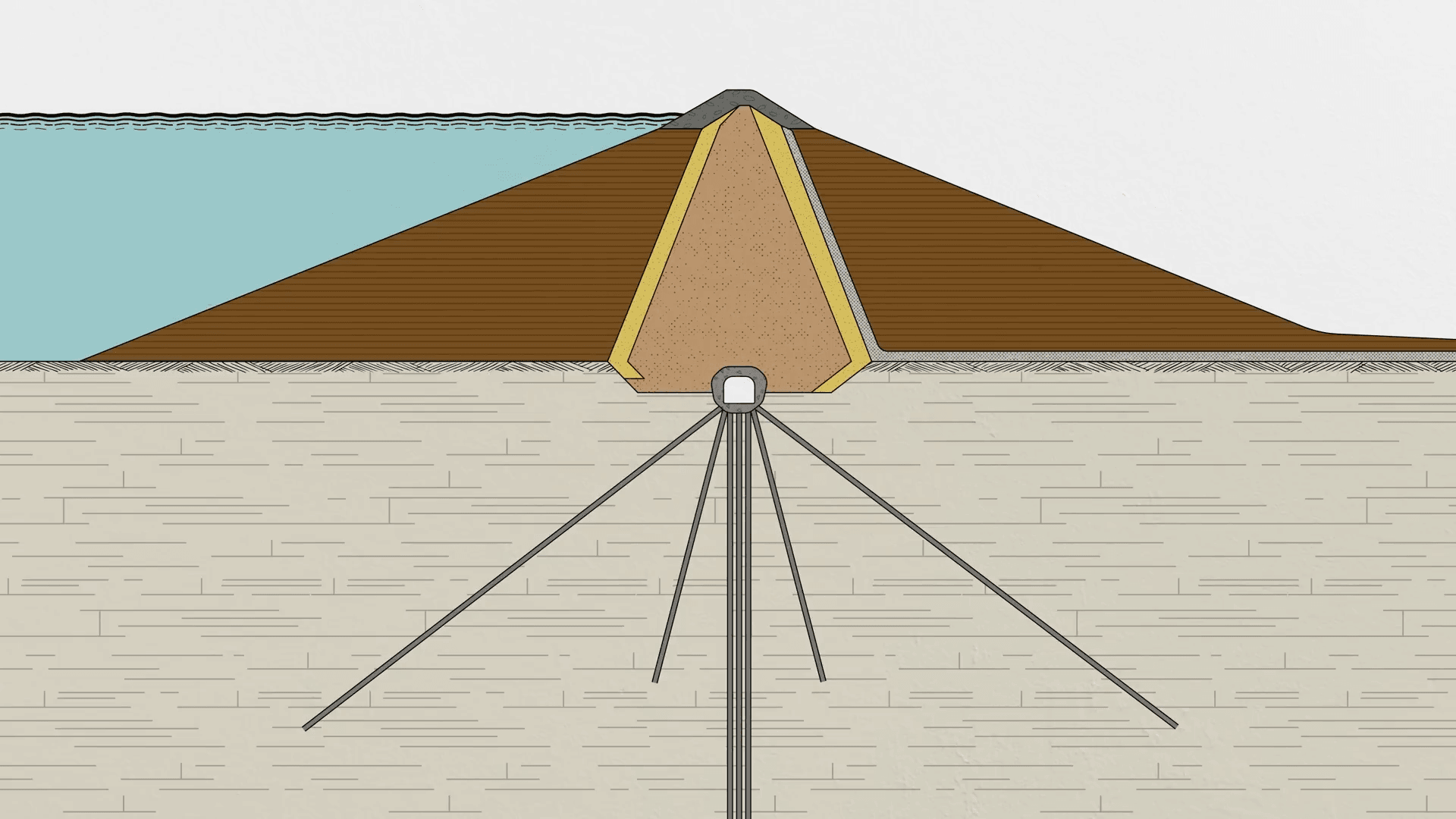
    In the decades since concrete’s widespread adoption, engineers have discovered that some components in the concrete are prone to chemical reactions that cause the concrete to expand over time. For big infrastructure projects like a mid-twentieth century dam, this sparks a conundrum: how can we deal with expanding concrete without losing out on years of the project’s planned lifetime?

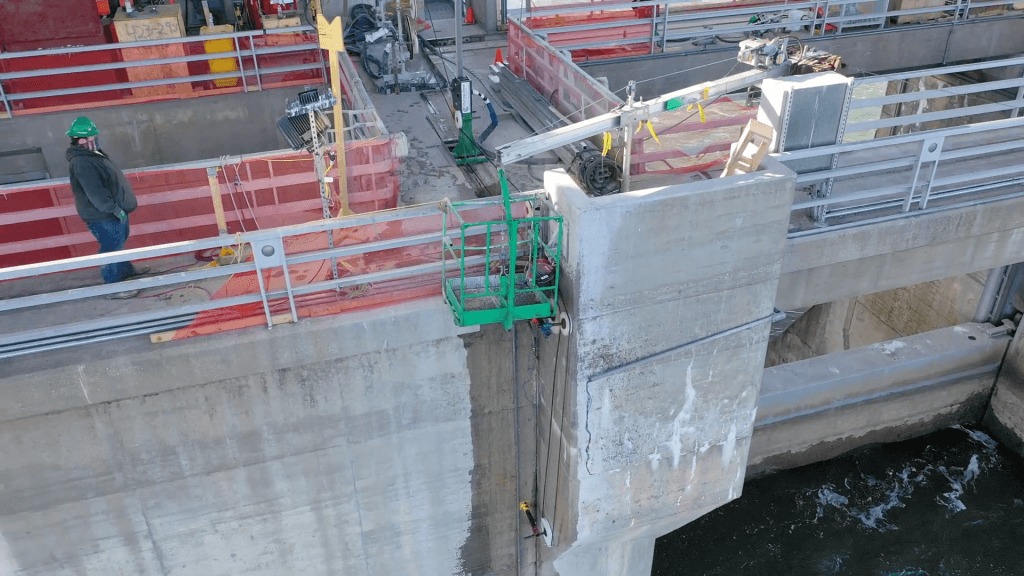
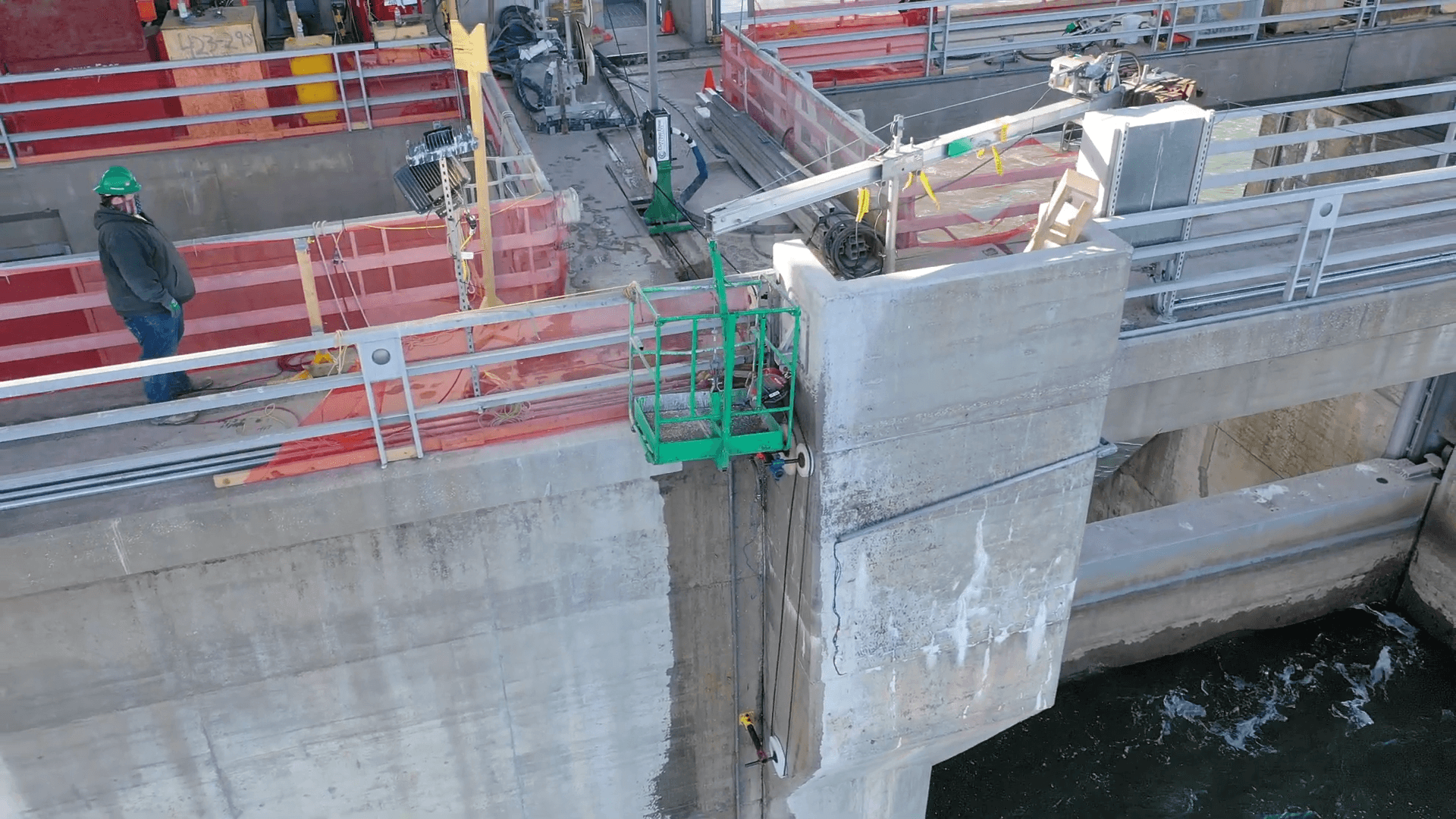
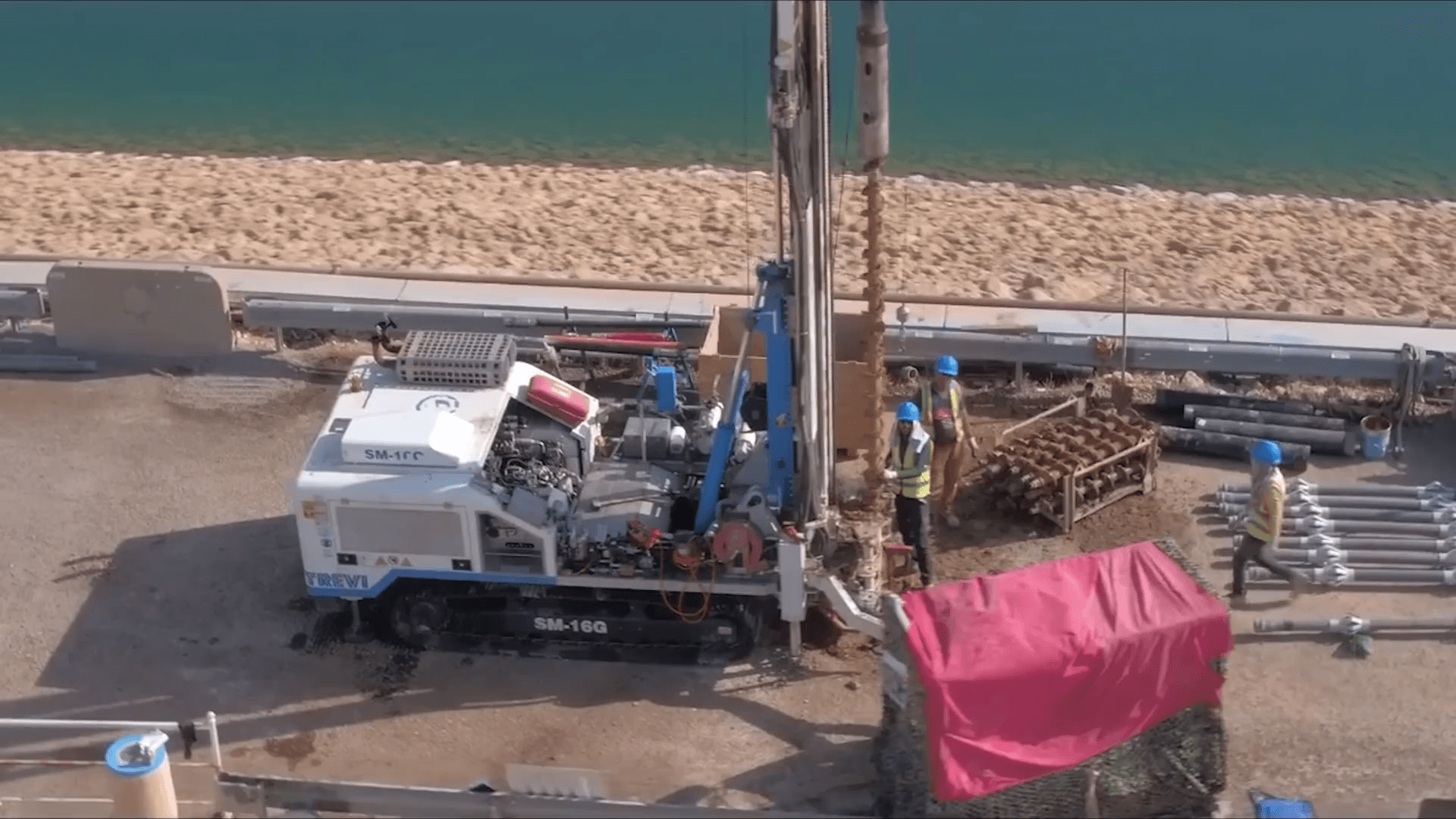
    To find out, see what Grady learned about the Tennessee Valley Authority’s clever method for relieving a dam’s stress. (Video and image credit: Practical Engineering)

    Fediverse Reactions
  • Infrasound Fire Suppression Goes Commercial

    Infrasound Fire Suppression Goes Commercial

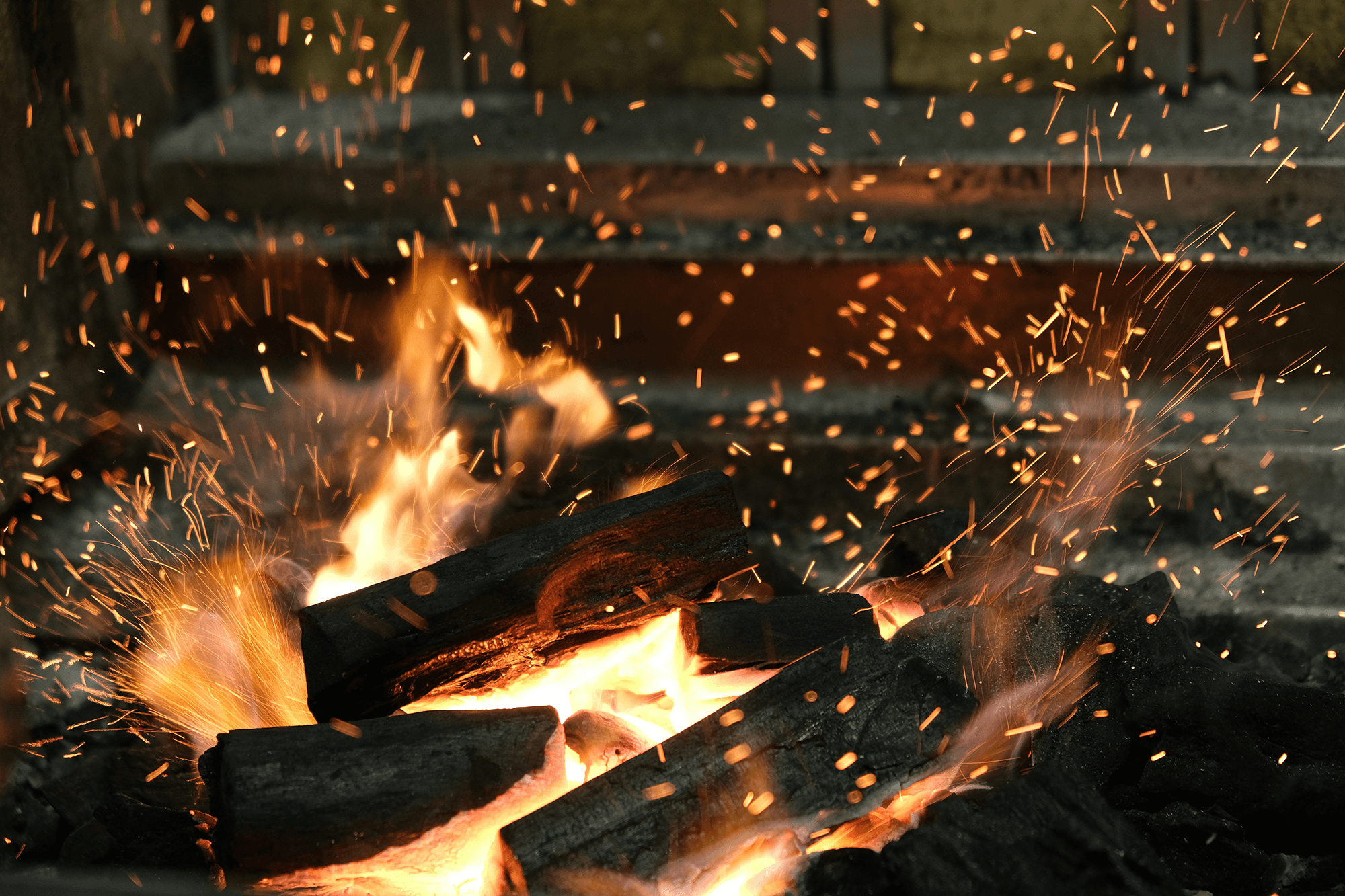
    Sprinklers have long been the go-to fire protection for commercial properties and some residences. Dousing a fire in water not only puts out the flames but cools the surroundings and helps prevent reignition. But it requires complicated infrastructure and can damage buildings and their contents. Back in 2015, students were experimenting with an alternative fire extinguisher that used sound below the range of human hearing; now a company is pitching a version of that technology for replacing sprinklers.

    As described by Ars Technica, this infrasound system can detect and put out a small kitchen fire in under a minute. But fire fighting experts warn that there’s a big difference between a fire small enough for a fire extinguisher to handle and the kinds of fires sprinklers put out. With lives at stake, the burden of proof is significant for Sonic Fire Tech and any other company that wants to get their infrasound “sprinkler” system cleared for use in buildings. (Image credit: I. Azevedo; via Ars Technica)

    Fediverse Reactions
  • Featured Video Play Icon

    Behind the San Antonio River Walk

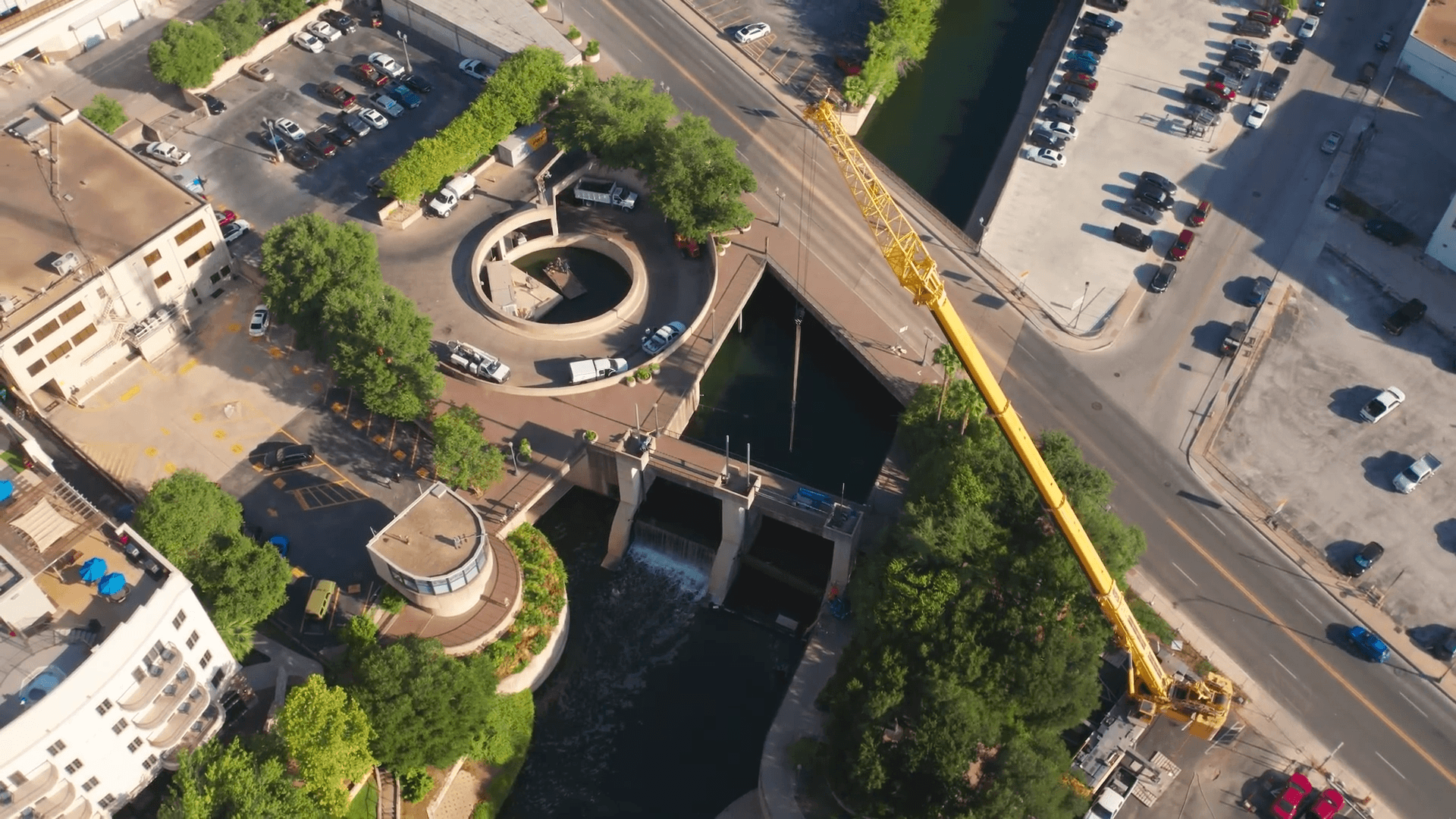
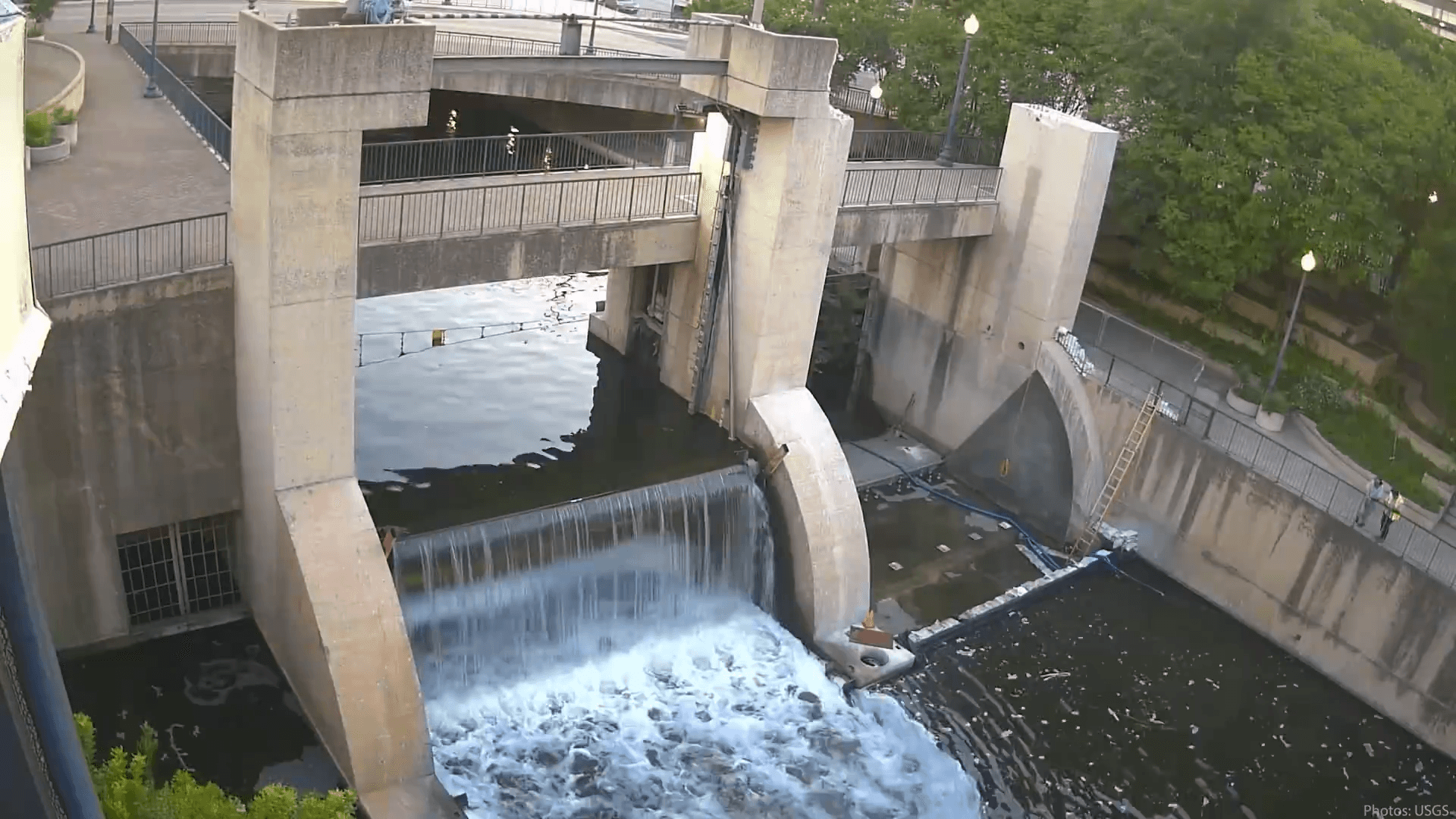
    How do you manage necessary updates to an iconic landmark like the San Antonio River Walk without disrupting its function? That’s the concept behind this Practical Engineering video, which shows how the city removed and replaced two control gates for the River Walk without ever changing the water level. It’s a neat view both into the engineering of civil water infrastructure and into the practical considerations of how construction on these systems works. (Video credit: Practical Engineering)

    Fediverse Reactions