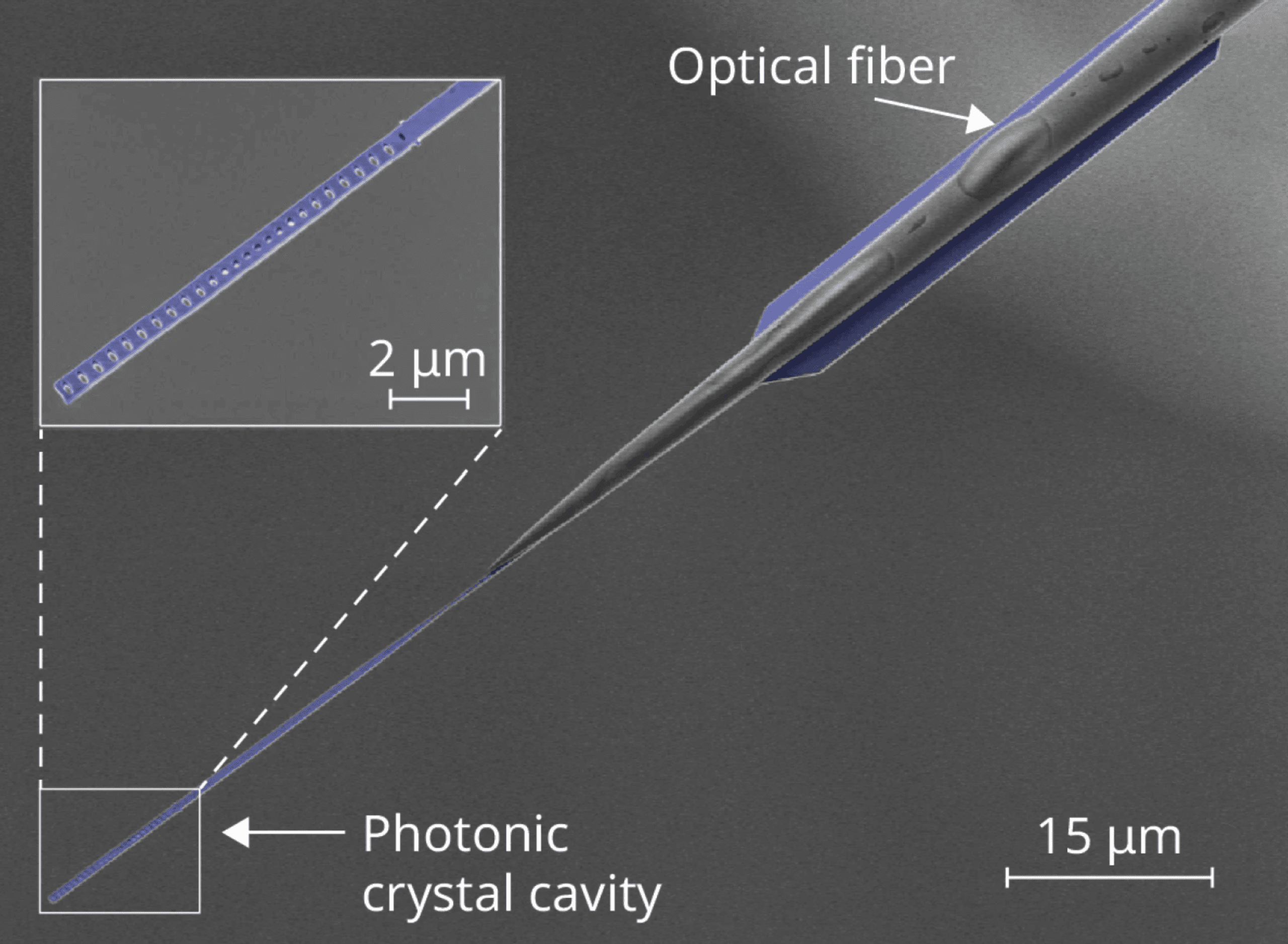
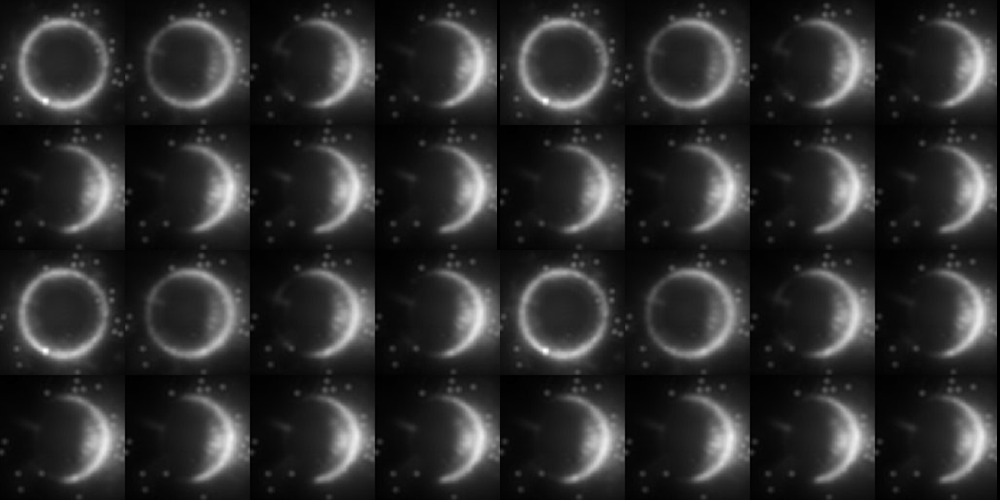
It’s tough to simulate nonlinear wave dynamics, so scientists often test theories in wave flumes, where they can create more controlled waves than what we see in the wild. But conventional wave flumes are big–meters-long, complicated equipment–and can only test a small range of conditions. To reach more extreme nonlinear dynamics, researchers have turned to a chip-based approach. These 100-micron-long wave flumes carry a film of superfluid helium less than 7 nanometers thick. But despite that tiny size, the system can reach levels of nonlinearity five orders of magnitude greater than their full-sized counterparts. (Image and research credit: M. Reeves et al.; via Physics Today)
Engineers have been adapting biological materials into robotics in recent years. One of the latest versions of this trend is “necroprinting,” in which researchers built a microscale 3D printer around a mosquito’s proboscis. Made to pierce thick skin to reach blood, the mosquito proboscis offered the kind of size, geometry, and stiffness needed for small-scale printing. The team found that their necroprinter performed well at the ~20 micron scale, with the mosquito-based nozzle costing only a fraction of what a conventional human-made nozzle would. (Image credit: NIAID; research credit: J. Puma et al.; via Ars Technica)
Micrometer-sized particles can be trapped in place against a flow using acoustic waves. But smaller nano-sized particles feel less radiation pressure from acoustic waves, and so keep moving in the flow. But new work shows that it is possible to trap those nanoparticles with some additional help.
In this case, researchers seeded their flow with microparticles that were held in place by acoustic waves against the background flow. When nanoparticles were added to the mix, they remained trapped in the wells between microparticles due to a combination of acoustic forcing and the hydrodynamic shielding of the nearby large particles. (Image credit: P. Czerwinski; research credit: A. Pavlič and T. Baasch; via APS)
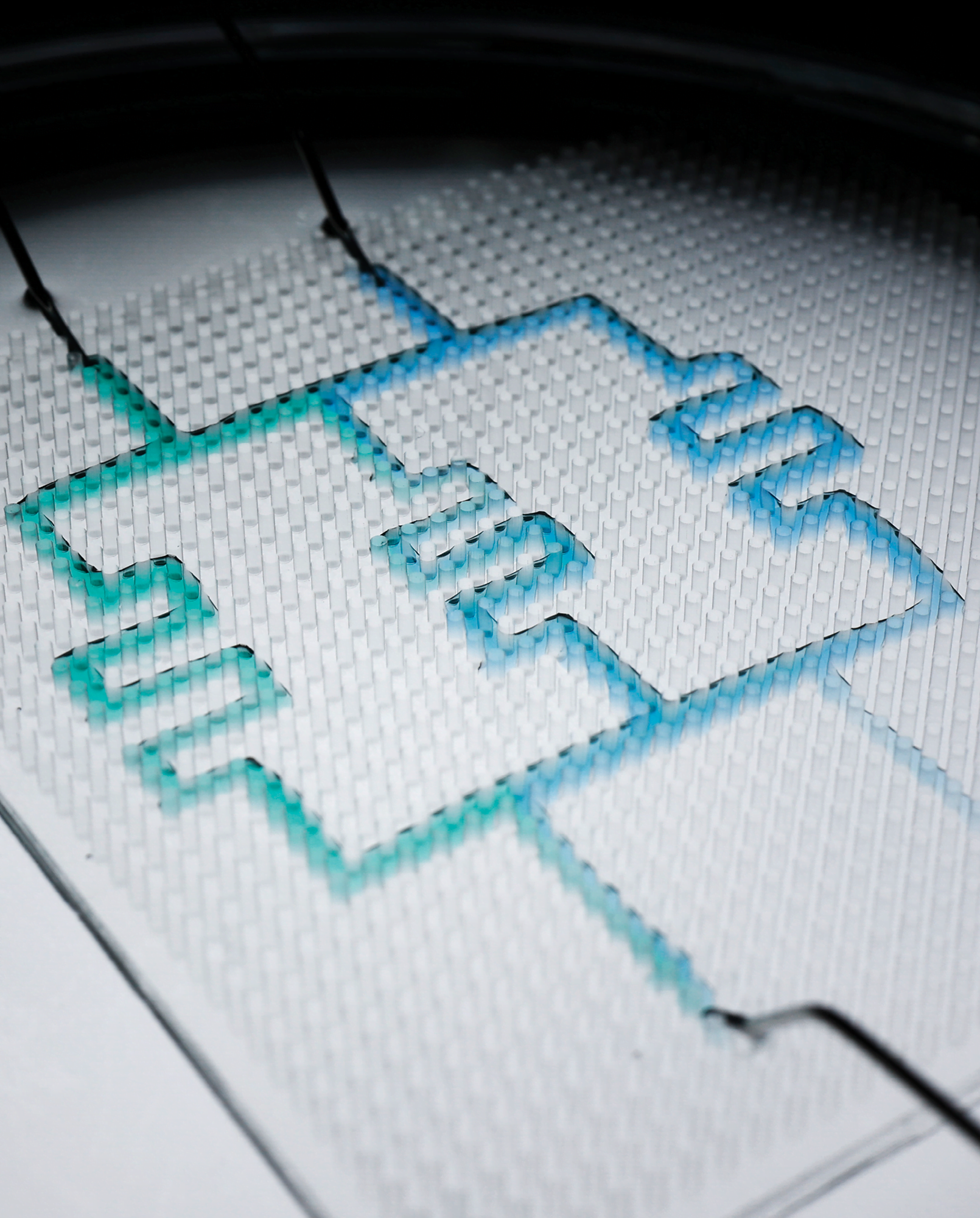
Microfluidic circuits are key to “labs on a chip” used in medical diagnostics, inkjet printing, and basic research. Typically, channels in these circuits are printed or etched onto solid surfaces, making it difficult to reconfigure them. A group in China developed an alternative design, inspired by reconfigurable toys like Lego blocks. Their set-up, shown above, uses a pillared surface immersed in oil. To create the channels, they pipette water — one droplet at a time — into the space between pillars. The combination of oil and pillars traps the drop. With multiple drops linked together, they get channels, like the ones above that mix two fluids. When the time comes to reconfigure the channels, they just pipette the water out and cut the channel with a sheet of coated paper. (Image and research credit: Y. Zeng et al.; via Physics Today)
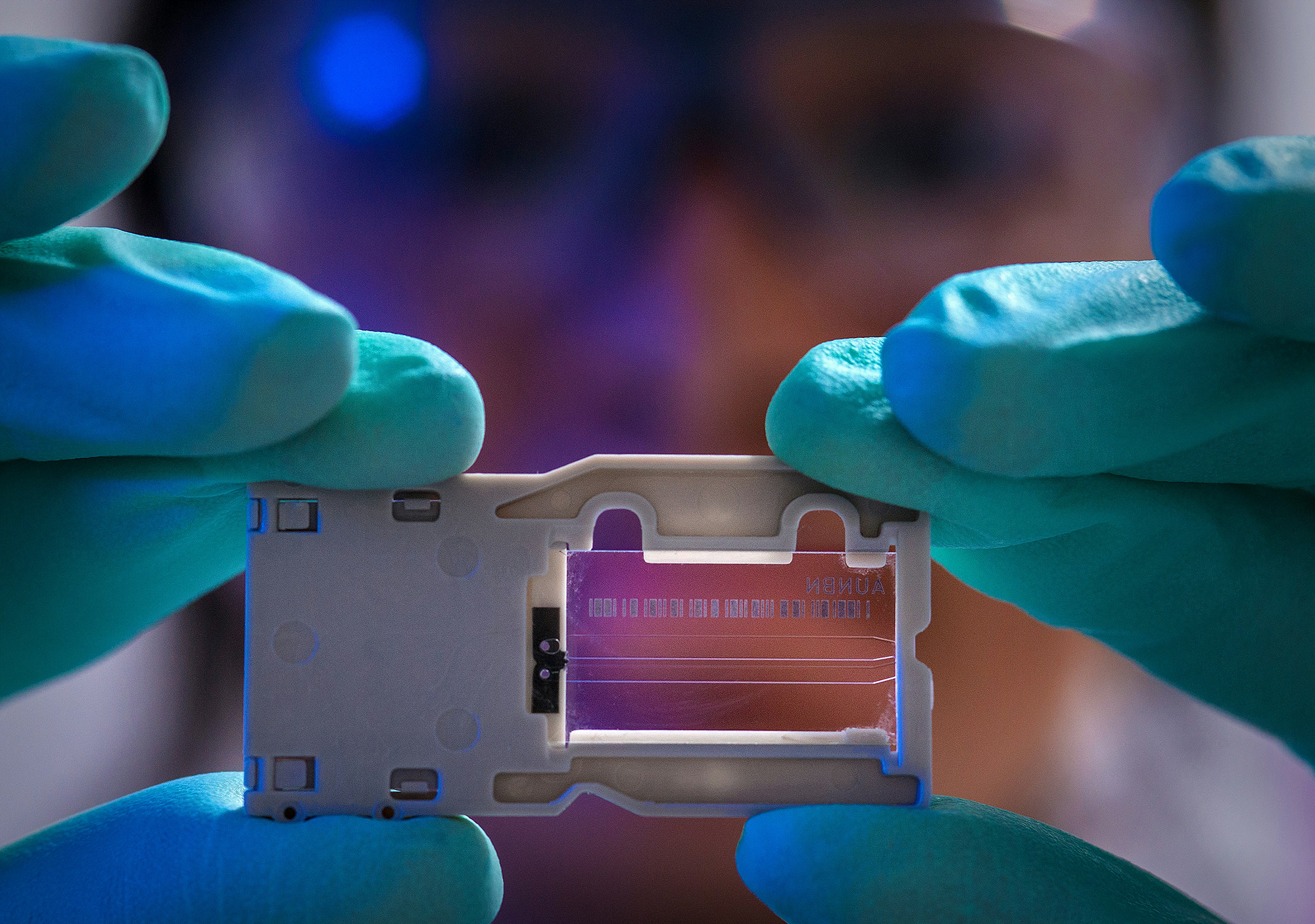
In the late 1990s and early 2000s, the Human Genome Project spent years decoding DNA from a handful of donors. The work was painstaking and slow, given DNA sequencing technology of the time. Today the same analysis goes much faster (and is much cheaper), thanks largely to microfluidic devices that automate steps that once had to be done by hand. Microfluidic devices have also made their way into medical diagnostics — pregnancy tests, at-home COVID tests, and blood glucose strips used by diabetics are common examples — as well as experimental biology. The Scientists has a nice review covering some of the many ways these devices have revolutionized the field. (Image credit: CDC; see also The Scientist; submitted by Marc A.)
A particle suspended in a liquid typically jitters haphazardly about as it’s struck randomly by nearby liquid molecules. But when a temperature gradient is applied to the liquid, that random motion instead becomes directional. In a recent study, researchers directly mapped the motions underlying this thermophoresis.
In their experiment, the team placed a 7-micron sphere in water laced with 500-nanometer fluorescent tracers. Using a laser, they optically trapped the sphere, pinning it in place. Then, with a second laser, they heated the water on one side of the sphere and observed, under a microscope, what happened. After a few seconds, the tracers began moving toward the hot region, creating a slip flow along the surface of the sphere. Had the sphere been able to move freely, they found, the flow would have been strong enough to move it. (Image and research credit: T. Tsuji et al.; via APS Physics)
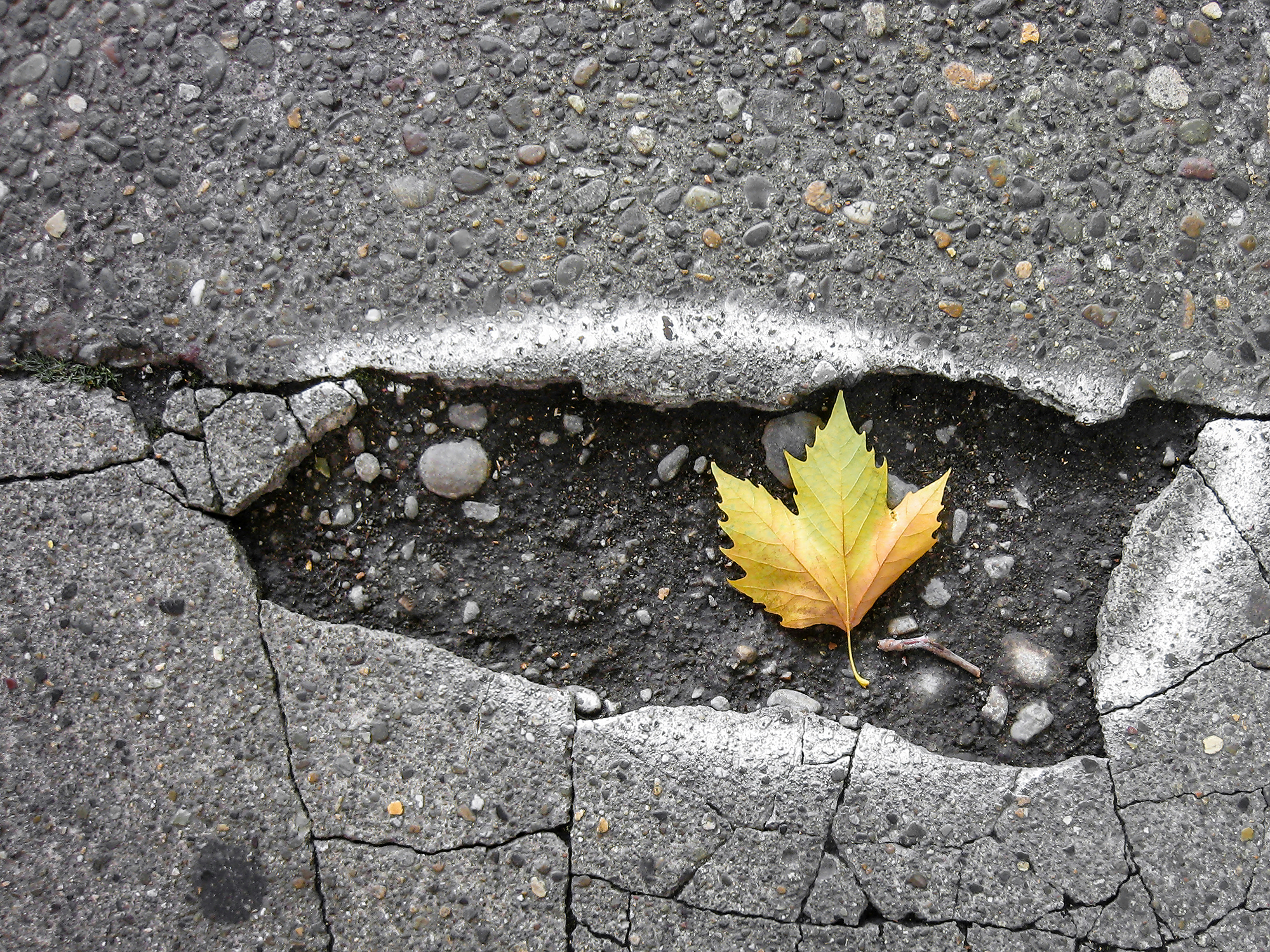
Water expands when it freezes, a fact that’s often blamed for ice-cracked roads. But expansion isn’t what gives ice its destructive power. In fact, liquids that contract when freezing also break up materials like pavement and concrete. A recent study pinpoints veins between ice crystals as the source of this infrastructure-cracking power.
Ice doesn’t like to stick on most surfaces, so when it forms, there’s often a narrow gap between the ice and a solid surface. That gap fills with water, and that water, it turns out, doesn’t just sit there. Instead, grooves between ice crystals act like tiny straws that are frigid on the icy end and warmer on the end connected to water. As ice forms on the cold end, it creates a negative pressure gradient that draws liquid up the groove. This ‘cryosuction’ keeps pumping water into the ice, where it freezes and further expands the icy zone, as seen in the image below.
Under a microscope, fluorescent particles show water (right side) getting pulled into an ice groove (left).
If the ice is made up of a single crystal, this growth rate is very slow. But most ice is polycrystalline — made up of many crystals, all separated by these liquid-filled grooves. That, researchers found, is a recipe for fast growth and quickly-expanding ice capable of breaking concrete and other structures. (Image credits: pothole – I. Taylor, experiment – D. Gerber et al.; research credit: D. Gerber et al.; via APS Physics)
This award-winning video shows blood flowing through the tail fin of a small fish. Cells flow outward in a central vessel, then split to either side for the return journey. In this microscopic video, the speed of individual cells seems quite fast, even though the vessels themselves are only wide enough for the blood cells to move in single file. Flow at the microscale can be counterintuitive like that. (Video and image credit: F. Weston for the 2023 Nikon Small World in Motion Competition; via Colossal)
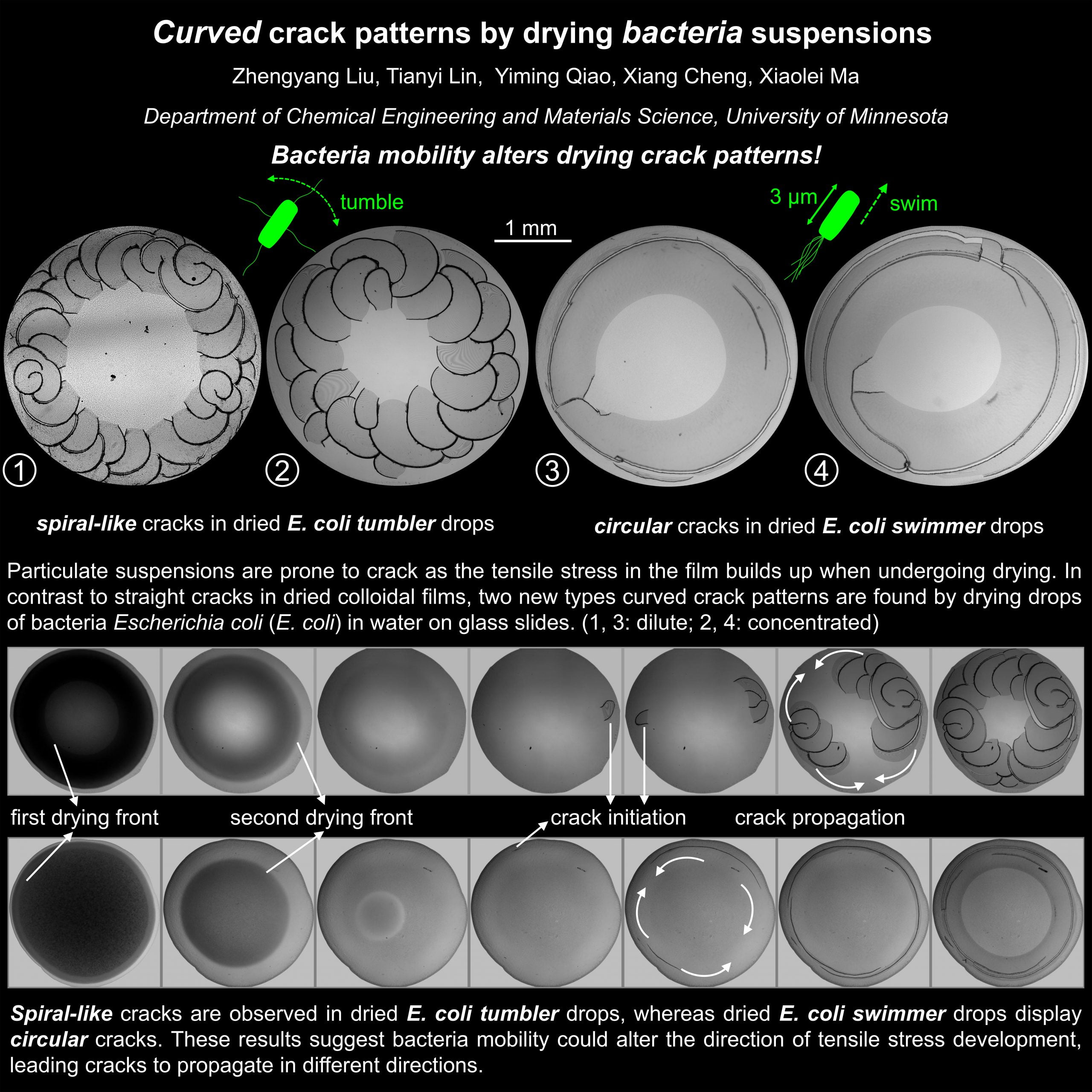
When mixtures of particles and fluids dry, they typically leave a pattern of straight cracks. Here researchers explore what happens when the drying film contains bacteria from the family E. coli. Instead of straight cracks, the films form curved ones. With bacteria that rotate or tumble, the crack pattern is spiral-like. With bacteria that swim, the remaining pattern consists of circular cracks. Thus, the motility of the bacteria affects how cracks form and spread. (Image and research credit: Z. Liu et al.)
Most frogs and toads are excellent jumpers, taking off and landing with a control and grace that rivals elite athletes. Not so for the pumpkin toadlet. These species have become so miniaturized that the structures of their inner ears are too narrow for the fluid flow that helps frogs (and humans!) orient themselves in space. So while the toadlet certainly can jump, it careens through the air drunkenly and lands in any old direction. It’s hard not to laugh at their belly flops, somersaults, and straight-up head-first crashes. Fortunately, being so small, these landings don’t seem to hurt the toadlets, but one imagines they’re unpleasant nevertheless. Left to their own devices, the pumpkin toadlet prefers walking, slowly, like a chameleon; it might be the only way to stay within the limits of its inner ear. (Image credits: top – S. Kikuchi, others – R. Essner, Jr. et al.; research credit: R. Essner, Jr. et al.; via The Atlantic; submitted by Kam-Yung Soh)