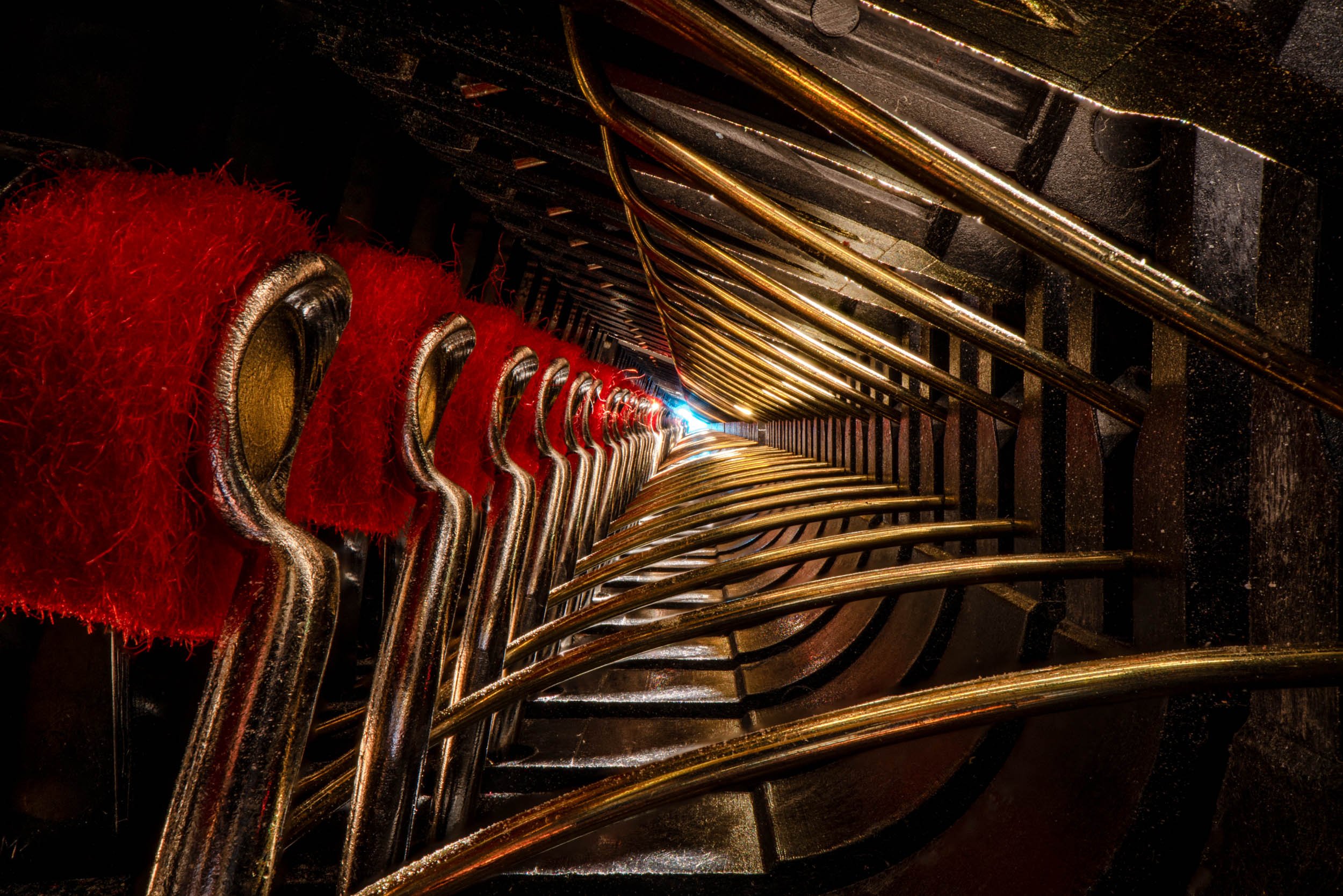
Photographer Charles Brooks offers a rare glimpse into the interiors of musical instruments in this series. Whether stringed, wind, or percussion, an instrument’s unseen interior structure creates the acousticresonance needed for their music. Brooks makes these spaces feel like vast cathedrals of sound, which, to the pressure waves emanating from the instruments, they are. Which is your favorite? Personally, I love the graceful lines of the cello and the rough surface of the didgeridoo. (Image credit: C. Brooks; via Colossal)
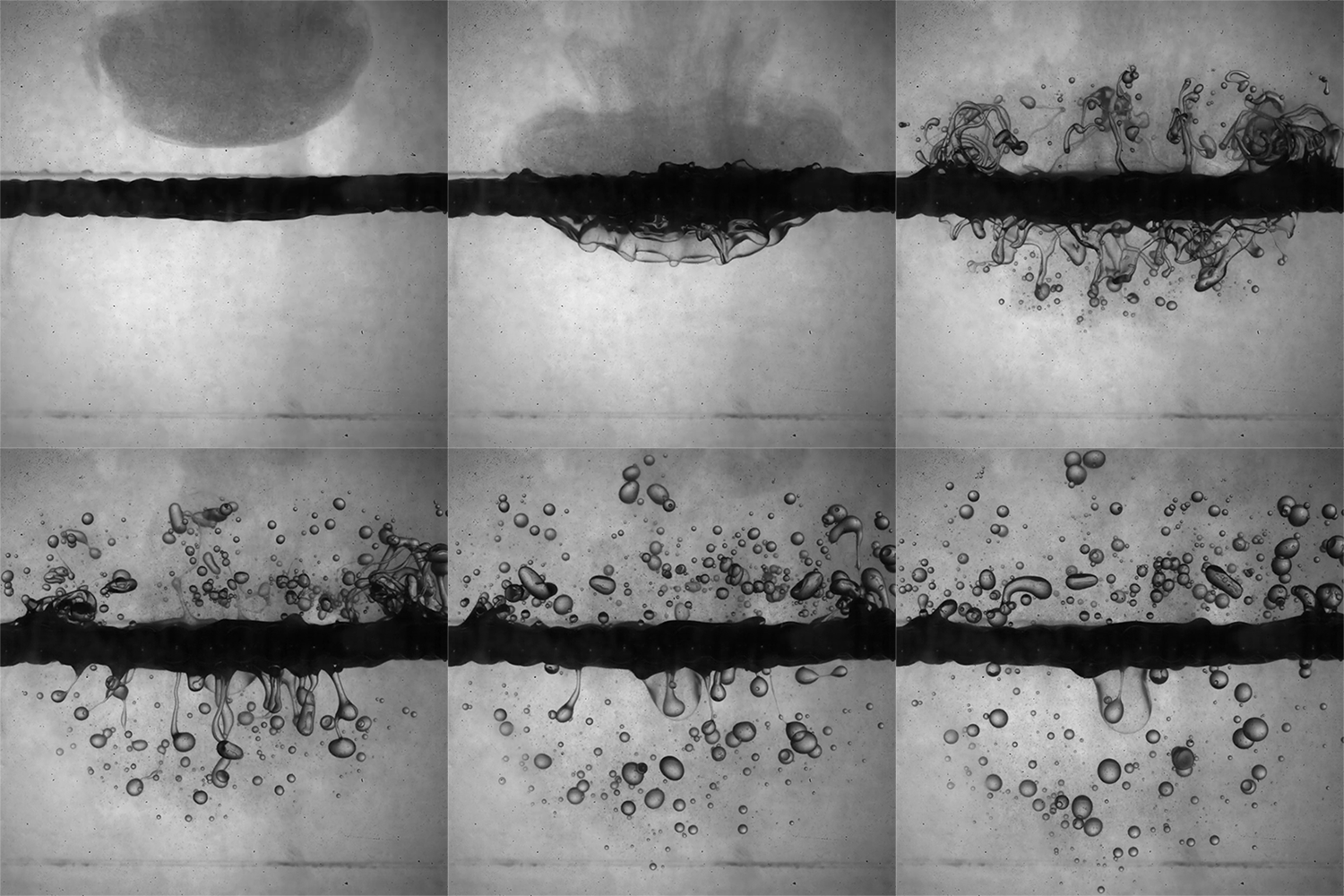
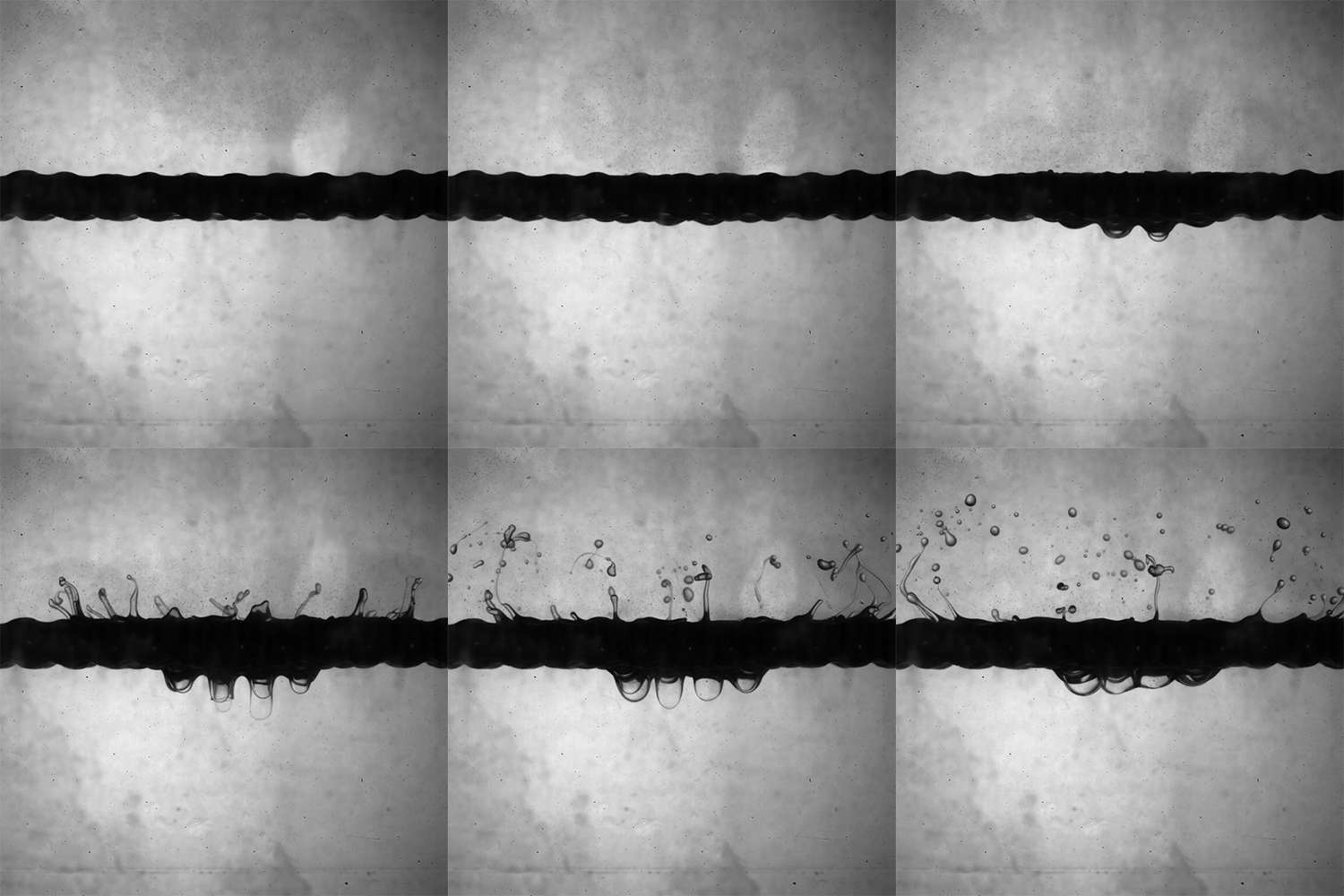
Some leaks can actually stop themselves, and a new analysis shows how. When a vertical pipe has a small hole, water initially spouts out of it, then dribbles, and, finally, drips as the water level in the pipe falls, decreasing the driving pressure of the flow. But the pipe doesn’t have to empty to a level below the hole for the leak to stop. Instead, a final droplet can form a cap over the hole, with its shape providing enough pressure to balance the remaining pressure from fluid in the pipe.
Water leaking from a vertical pipe transitions from continuous flow to discrete drops (left). Dripping continues until the final droplet forms at t = 0 seconds.
The researchers found that the final drop’s kinetic energy (as well as its potential energy) was critical to determining which drop would stop the flow. The last drop behaves like a lightly-damped harmonic oscillator; it needs enough potential energy to counter the flow and a small enough inertia that it doesn’t slip away down the pipe. (Image credit: top – G. Crofte, experiment – C. Tally et al.; research credit: C. Tally et al.; via APS Physics)
Bird’s nest fungi are tiny — only about a centimeter wide. When mature, they form a curved splash cap containing spore sacs known as peridioles. Then they await rain. When a lucky drop hits the mushroom, it flings the peridioles out of their nest. Some will use sticky cords to cling to nearby blades of grass, setting them up to eventually hitch a ride to elsewhere with a grazing herbivore. It’s an impressive journey for a teeny spore sac, and it all starts with a single drop of rain. (Image and video credit: Deep Look)
One effect of the COVID-19 pandemic is a renewed interest in the physics of disease transmission and what measures can protect us from airborne respiratory illnesses. This recent study looks at how meetings — whether in classrooms, conferences, or care facilities — can transmit infections. Their mathematical model is able to handle many variables — room size, number of people, length of meeting, breaks between sessions, masking, ventilation, and so on. Without prescribing any one policy, the authors aim to inform decision makers so that they can choose what methods (testing, masking, ventilation, etc.) work best for their event.
That said, they find that ventilation and periodic breaks between meetings are highly effective in reducing a room’s viral load. Leaving enough time between sessions for ventilation to clear the room was as effective (or more effective) than masking and moderate isolation of those infected. Tools like these are vital in enabling gatherings that keep participants safe. (Image credit: Product School; research credit: A. Dixit et al.; submitted by Kam-Yung Soh)
The canyons of a city’s streets form a complex flow environment. To better understand the risks of a spreading contaminant, researchers simulated a release in lower Manhattan’s urban jungle. The released particles spread due to the dominant wind pattern of the area. Initially, the particles follow the street pattern and stay at a low elevation. But updrafts on the downwind side of skyscrapers lift the particles higher, spreading them to lower concentrations at more elevations.
Public officials study simulations like these to understand what response is needed to protect people in the event of an accidental or intentional release of harmful materials. (Image and video credit: W. Oaks and A. Khosronejad)
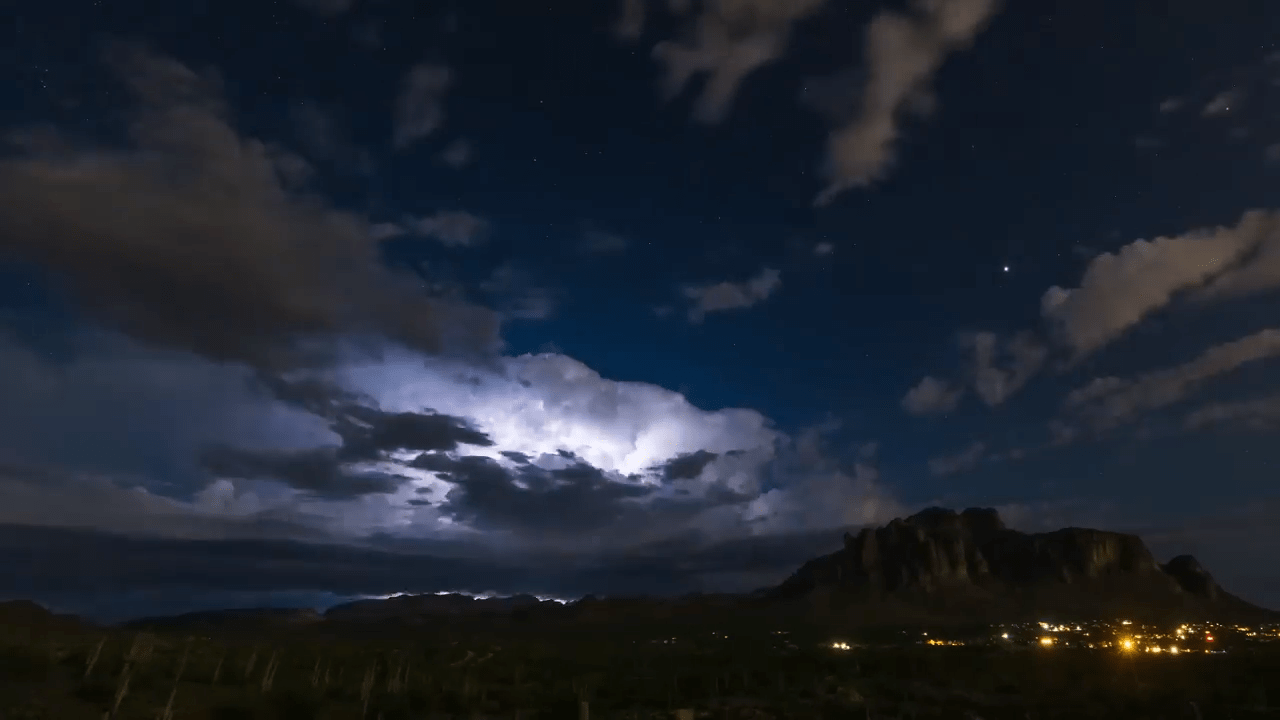
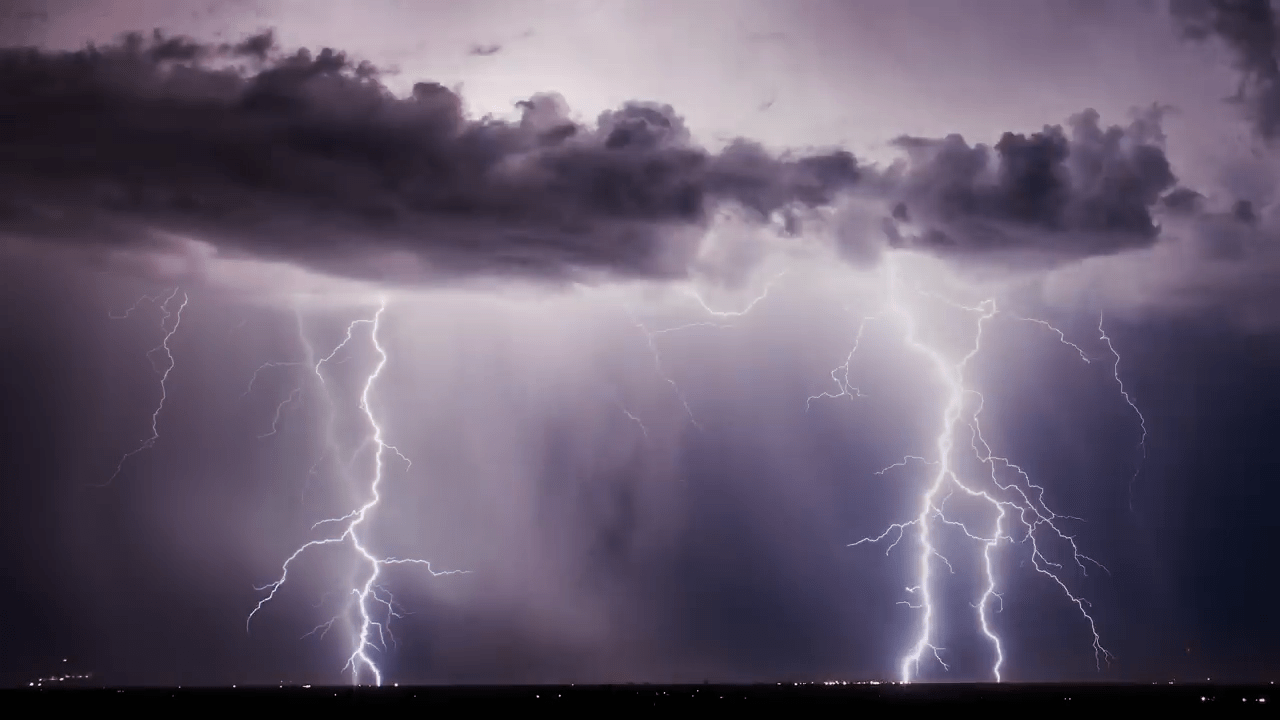
Living in the central and western United States, it’s easy to dismiss summer weather as just another storm, but the truth is that this region sees some of the most majestic and spectacular thunderstorms in the world. And no one captures that grandeur better than storm-chasing photographer Mike Olbinski. His latest film is named for the Navajo word for rain and features over 12 minutes of the best storms from 2021 and 2022. Towering turbulent clouds grow by convection, lightning splits the night sky, and microbursts pour down from above. As always, it’s a stunning depiction of the power of atmospheric fluid dynamics. (Image and video credit: M. Olbinski)
Spraying a surface clean with a jet of fluid can be an energy-intensive operation. But a recent experiment shows that pulsed flow — which creates vortex rings — could be a viable cleaning alternative. Here we see vortex rings impacting a porous, beaded surface that’s covered in oil. Vortex rings with lots of rotation actually pass through the beads, knocking oil off both the front and back surfaces (Image 1). Even with a lower rotation rate, a vortex ring can still help clean the upper surface (Image 2). (Image and research credit: S. Jain et al.; via APS Physics)
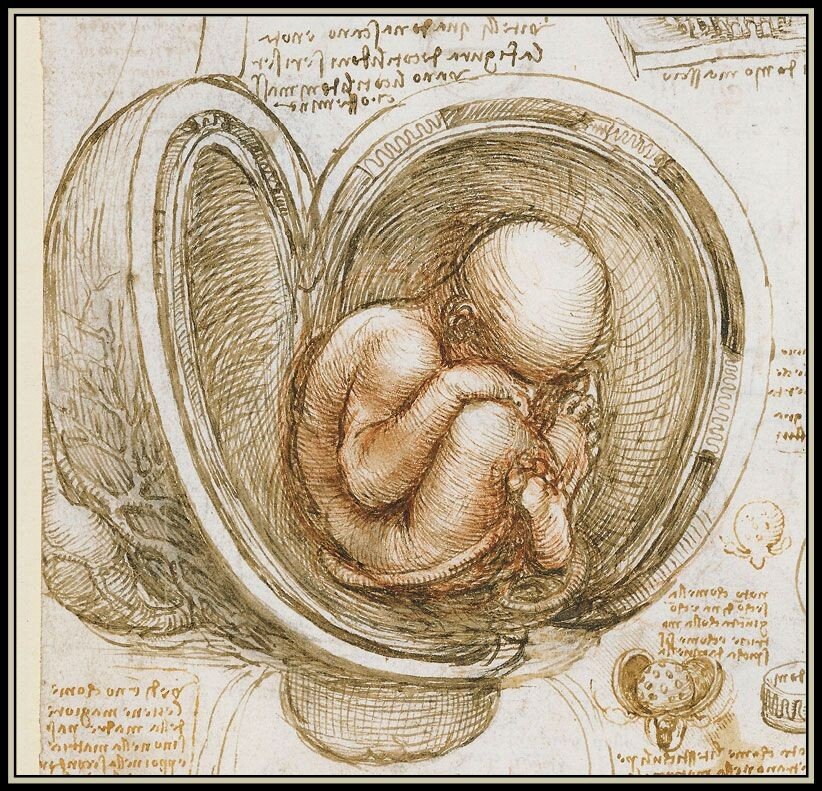
The human placenta functions as a life-support system for a growing fetus. Despite its frisbee-like appearance, the organ is packed with nearly 10 square meters of blood vessels. On the fetal side, these blood vessels form villous trees where diffusion across the placental boundary exchanges molecules with the maternal blood that fills the space between villous trees. This setup allows oxygen, glucose, carbon dioxide and other key chemicals to cross between the parent and fetus while (ideally) keeping diseases out.
Views of the placenta. Beige areas show the intervillous space where maternal blood flows while pink areas show villous trees where exchanges between the fetus and mother take place. The first three images show a) preeclamptic, b) normal, and c) diabetic placentas. The final image d) shows a 3D view of placental tissue taken with x-ray tomography.
But when diseases directly affect the structure of the placenta, flow to the fetus gets disrupted. The image above shows cross-sections of placental tissues, with villous trees marked in pink, under (a) preeclamptic, (b) normal, and (c) diabetic conditions. Preeclampsia is associated with reduced density of villous trees, which restricts the amount of nutrients a fetus receives and can lead to reduced growth or stillbirth. In contrast, with gestational diabetes villous trees can proliferate, causing a high resistance to flow that also affects exchanges.
Desert-dwelling sandgrouse resemble pigeons or doves, but they have a very different superpower: males can soak in and hold 25 milliliters of water in their feathers, which they carry tens of kilometers back to their chicks. The key to this ability is the microstructure of the bird’s breast feathers. Unlike other species, where feathers have hooks and grooves that “zip” them together, the sandgrouse’s specialized feathers have tiny barbules with varying bending stresses. When dipped in water, their curled shape unwinds, allowing water to soak in through capillary action. Barbules at the tips curl inward, holding the water in place so that the sandgrouse can fly home with it.
Studying nature’s solutions for water-carrying will help engineers design better materials for human use, whether that’s a water bottle that avoids sloshing or a medical swab that’s better at absorbing and releasing fluids. (Image and video credit: Johns Hopkins; research credit: J. Mueller and L. Gibson; via Forbes; submitted by Kam-Yung Soh)
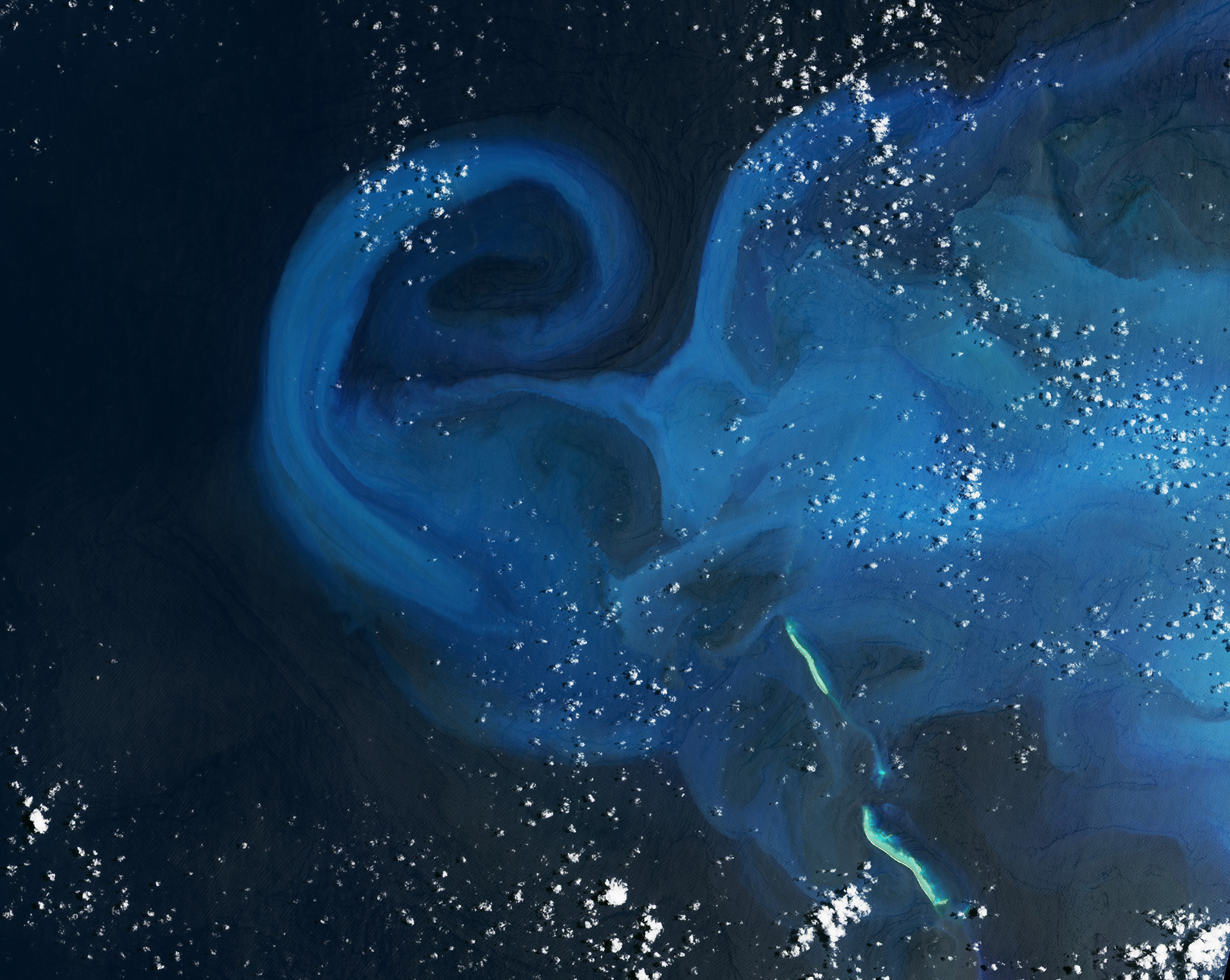
In early February, Tropical Cyclone Gabrielle passed over the Bellona Plateau in the Coral Sea, stirring up sediment from the shallow reefs there. Once the storm cleared, large swirls of carbonate sediment mixed into the deeper waters around the plateau. As the sediment sinks to depths of kilometers, it will dissolve into the deep ocean waters, eventually getting captured as part of sedimentary rocks. This is a critical step in the ocean’s carbon capture cycle.
Unfortunately, climate change is disrupting the ocean’s ability to capture carbon. An excess of carbon dioxide acidifies ocean waters, making it harder for creatures like corals and crabs to incorporate carbon into their bodies. That reduces sources for carbonate sediments like those seen here. Changes in ocean chemistry also affect where and how much carbonate can get dissolved. In short, ocean carbon capture has been an important process for Earth’s carbon cycle in the past, but the process is a slow one, and human activity has overloaded the ocean’s system in ways we don’t fully understand. (Image credit: A. Nussbaum; via NASA Earth Observatory)